Philosophy of Mind
421 articles
-
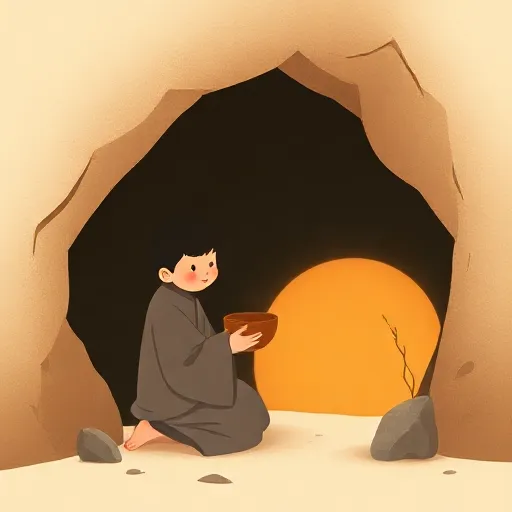
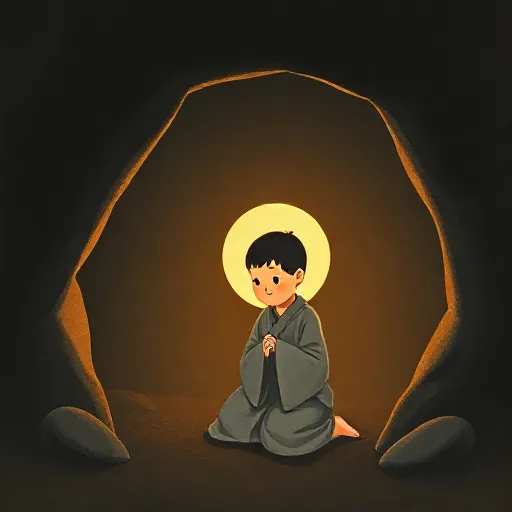
A Skull, a Cave, and the Idea That Your Mind Paints the World
Can your mind create reality? A wild true story from ancient Korea shows how a monk's skull-drinking discovery might help us live together peacefully.
-
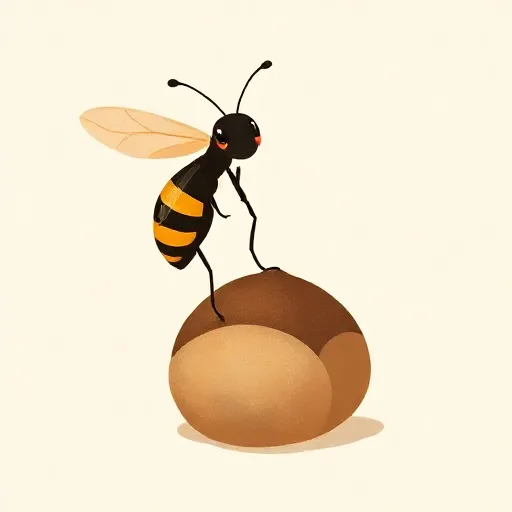
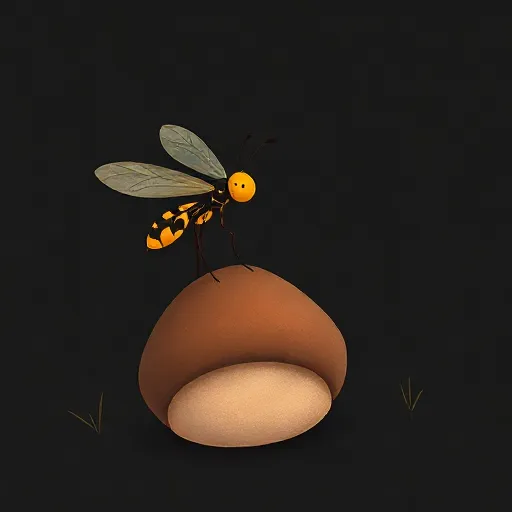
A Wasp's Puzzle: Why Mostly Daughters One Day, Sons the Next?
A wasp switches from daughters to sons. Why? Her puzzle makes scientists argue about whether evolution controls us like a program.
-
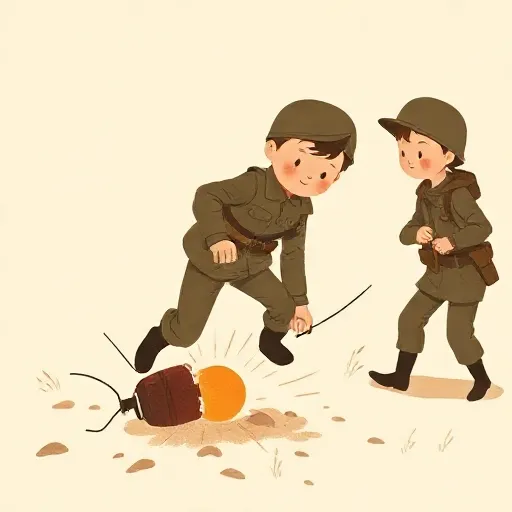
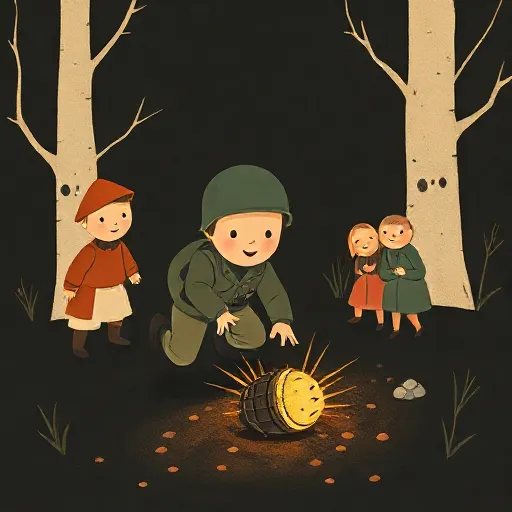
Are All Your Good Deeds Secretly Selfish?
When a soldier throws himself on a grenade, is he really just avoiding guilt? Psychological egoism says yes. But experiments and logic push back hard.
-
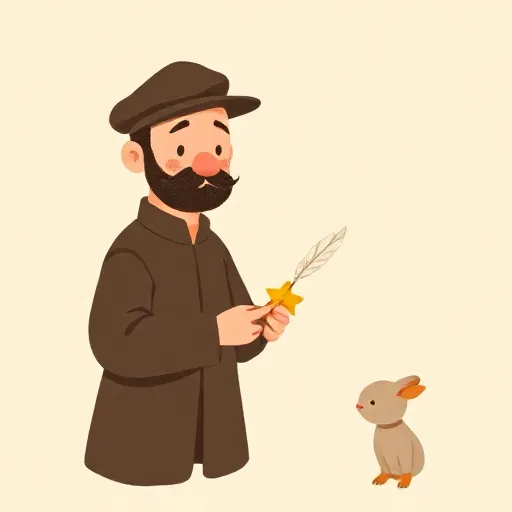
Are Animals Just Machines? A 16th-Century Doctor Thought So
Do animals feel? In 1554, a doctor said no, they're just clockwork machines. He also argued we know we think, so humans are special. His ideas puzzle us.
-
Are Colors Just in Your Head, or Do They Belong to the World?
Is the redness of an apple really in the apple, or just in your mind? Galileo sparked a debate that still puzzles philosophers and scientists today.
-
Are Some Ideas Already Inside You Before You Learn Them?
Are we born with knowledge already in our minds, or is everything learned? The debate over innate ideas still shapes science and philosophy today.
-
Are the Rules of Logic Inside Your Head or Out in the World?
In 1900, German philosophers fought over whether logic is part of psychology. The battle changed how we think about truth, thought, and the mind.
-
Are There Invisible Worlds Just as Real as Ours?
David Lewis believed our world is just one of many real possible worlds, each as solid as our own. How does that make sense of talk about “what if”?
-
Are There Tiny Unbreakable Bricks at the Bottom of Everything?
Cordemoy shocked Cartesians by arguing matter consists of unbreakable atoms and empty space. His claim that God causes all changes still puzzles.
-
Are Words Invisible Hands That Reach Into Someone’s Mind?
How can a few spoken words instantly change what someone thinks or feels? Anton Marty believed words are like mental seeds we plant in each other’s minds.
-
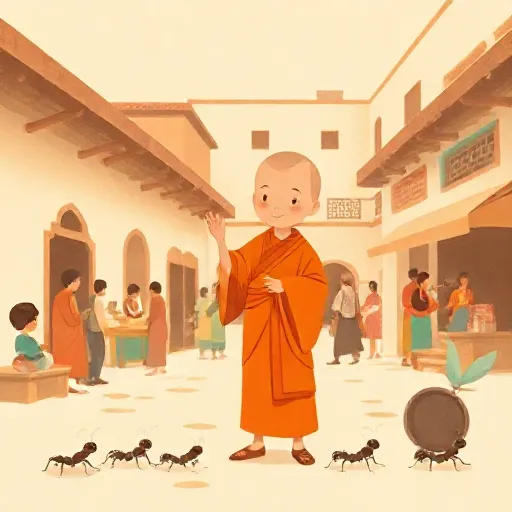

Are You a ‘Self’ or Just a Line of Ants? Vasubandhu’s Radical Idea
A 4th-century monk used dreams and an ant-line to prove you have no unchanging self. His arguments still challenge what we think we are.
-
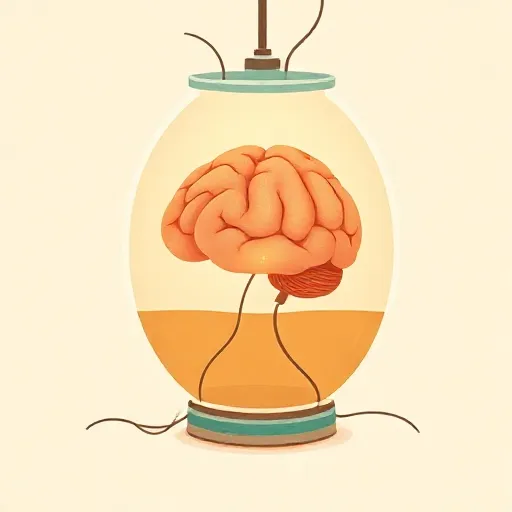
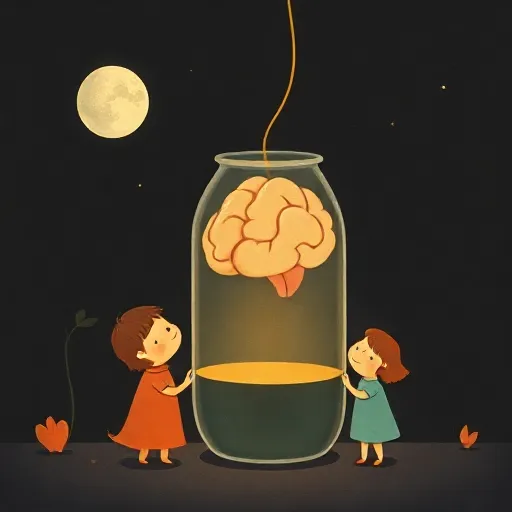
Are You a Brain in a Vat? The Philosopher Who Said You Can’t Be
Could you be a brain in a vat? If you were, you couldn't even think that thought. The scary idea might defeat itself.
-

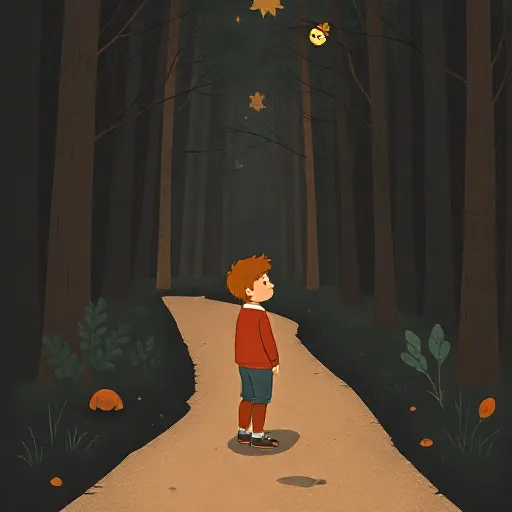
Are You a Brave Person, or Just a Brave Action?
Can one brave action define who you are? Find out if courage is about deeds or thoughts. See why this shapes how we judge friends.
-
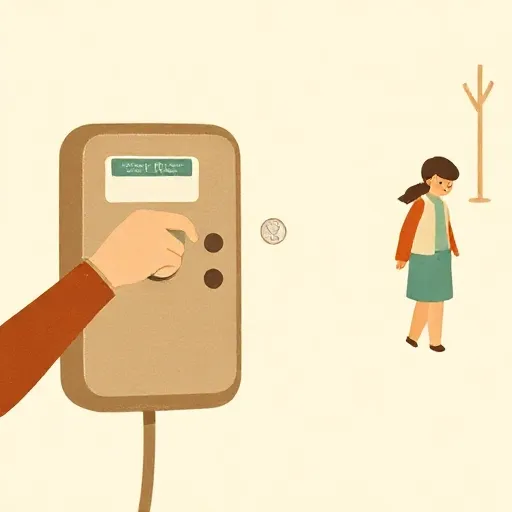
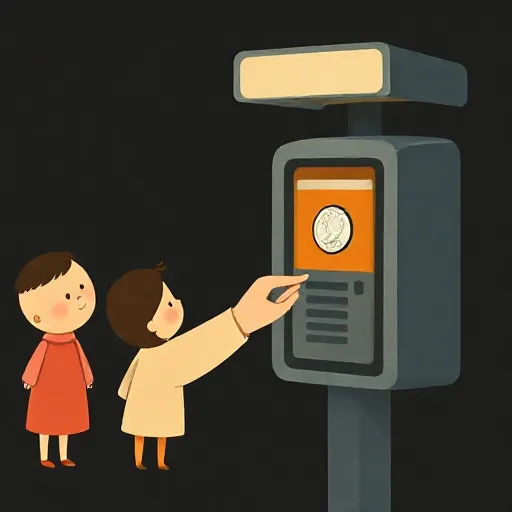
Are You a Good Person, or Do Tiny Situations Decide for You?
A found coin made strangers suddenly helpful. If small things control our behavior, do we really have stable virtues like compassion?
-
Are You a Person or a Cloud of Particles? Sellars' Two-Image Puzzle
Can you be both a thinking person and a bunch of atoms? Wilfrid Sellars thought so, and it's a puzzle that makes us wonder what's real.
-
Are You a Whole Person? The Search for Integrity
Why being true to yourself is harder than it sounds — and why your commitments, desires, and even your friendships put your integrity to the test.
-
Are You Always Chasing What Feels Good?
Is every choice you make really just about getting pleasure? Explore the surprising debate between thinkers who say yes and those who say no.
-
Are You an Animal? The Surprising Philosophy of Personal Identity
You see a person in the mirror. But some philosophers say you're literally a human animal. Why would anyone think that? The debate is fierce.
-
Are You Born Good? Mencius and the Seeds Inside You
Are we born good? Mencius thought we all have tiny seeds of kindness, but is he right? A 2,000-year-old debate that still shapes how we see ourselves.
-
Are You Born Knowing Everything? The 13th-Century Monk Who Said Yes
Is all knowledge already inside us? A 13th-century monk thought so: learning wakes up what's hidden. His idea still makes us question how the mind works.
-
Are You Born Knowing How to Talk? The Fight Over What’s ‘Innate’
Do we come into the world with a mental starter kit, or is everything learned? The answer matters for understanding language, talent, and what makes us us.
-

Are You Doing What You Intend, or Just Meaning To?
Is intending something already a part of doing it, or is it just a thought? Figuring this out shapes how we see ourselves and our actions.
-

Are You Dreaming Right Now? Descartes’ Nightmare Question
Descartes thought you could never be sure you're awake. Some said dreams aren't even real experiences. The fight over how we know anything is still alive.
-
Are You Forced to Believe What Logic Says?
If you know the premises are true and the conclusion must follow, do you have to accept it? The fight over whether logic gives you rules for thought.
-
Are You Just a Bunch of Atoms? Think in Layers!
Hartmann argued reality is built in strata — from physics to persons — each with its own rules. What does that mean for your choices and your values?
-
Are You Just an Adult Who Hasn't Finished Loading?
Are children just unfinished adults, or is childhood valuable on its own? The answer affects how we treat kids.
-
Are You Made of Other People? George Herbert Mead's Social Self
Your sense of self might not come from inside you. George Herbert Mead argued it's shaped by conversations and seeing yourself through others' eyes.
-
Are You More Like a River or a Rock? The Ancient Fight Over Reality
Are you more like a river, always changing, or a rock, solid and still? An ancient debate on this question might change how you see yourself.
-
Are You More Than a Body? Roderick Chisholm’s Bold Answer
What makes you you? Philosopher Roderick Chisholm argued you are a simple self, not just a body, and you can truly know the world and choose freely.
-
Are You Really Choosing, or Was It Always Going to Happen?
Every day you pick what to eat, say, or do. But could you have done otherwise? Philosophers have argued about this for over 2,000 years.
-
Are You Really Fair, or Just Good at Pretending?
When scientists gave strangers $10 to split, something shocking happened. The games that reveal our hidden selfishness — and our surprising fairness.
-
Are You Really Free, or Just Part of Nature’s Machine?
Could every choice you make already be decided? Spinoza thought so—nature's laws run everything, even your mind. That changes how we see freedom and blame.
-

Are You Really in Control? Addiction, Forgetting, and the Blame Game
Do we control our actions or are we led by addiction, distraction, and upbringing? It's a puzzle who is to blame when things go wrong without thinking.
-
Are You Seeing the World—or Just Colored Patches in Your Mind?
Do you see real things or only shapes and colors in your mind? Find out why a penny looking oval from the side makes philosophers wonder.
-
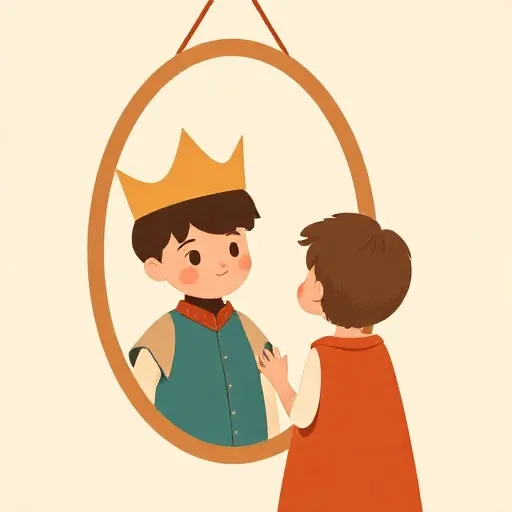
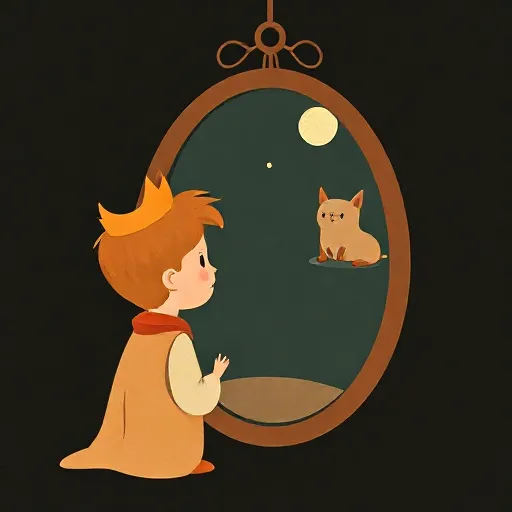
Are You Still You If You Forget Everything? Locke’s Bold Idea
John Locke argued that your identity depends on your stream of consciousness, not your body or soul. A 300-year debate that still puzzles us.
-
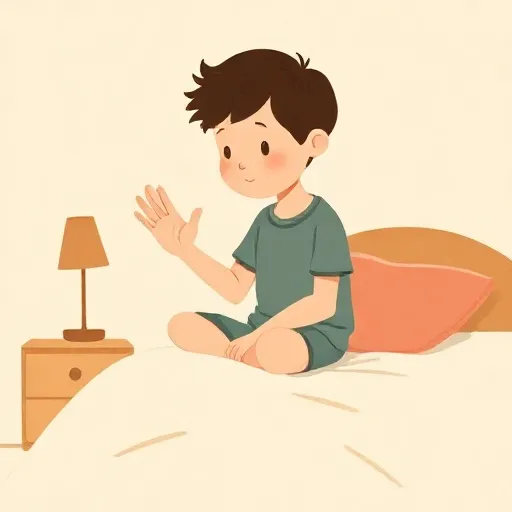
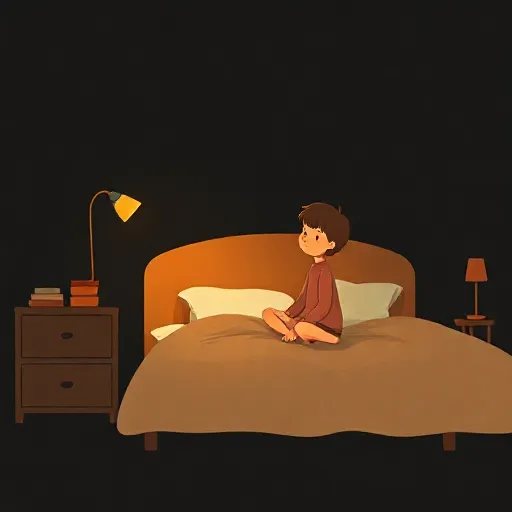
Are You Sure You're Not Dreaming? Descartes’ Quest for Certainty
How can you know you're not dreaming? Descartes tried to find one thing he couldn't doubt. His answer leads to a famous idea: 'I think, therefore I am.'
-
Are You WEIRD? How Culture Builds Your Mind
Most psychology research used Western college students. But culture changes how we think, feel, and judge—and most people aren't WEIRD.
-
Are You Your Body? The Feminist Fight Over a Simple Question
Are you your body or your mind? This debate still shapes how boys and girls grow up and who decides what's normal.
-

Are Your Choices Already Set in Stone?
If every event has a cause, did you have to pick that shirt this morning? A fight about freedom that reveals what being in control really means.
-
Are Your Choices Really Yours? The Puzzle of Practical Reason
You decide to do homework but end up scrolling. Why? Philosophy calls this the puzzle of practical reason—and it’s not just about willpower.
-
Are Your Thoughts Inside Your Head, or Out in the World?
If an exact copy of you grew up on another planet, would she think the same things you do? Philosophers have been arguing about this for fifty years.
-
Before You See Anything, You Feel Yourself Alive
Why the French philosopher Michel Henry said there's a deeper kind of appearing — a warm, aching, joyful self-awareness that makes all experience possible.
-
Born Knowing Nothing? The 400‑Year Fight Over Where Ideas Come From
Do we start life with ideas already inside us, or does everything come from experience? The answer changes how we think about learning, right and wrong.
-


Can a Bamboo Leaf Teach You to Be a Better Person?
Zhu Xi believed studying nature, like a bamboo leaf, shows patterns that guide us to act wisely. See how close observation helps us make good choices.
-
Can a Brain Process Feel Like a Toothache?
When you feel a toothache, is that just neurons firing? Since the 1950s, philosophers have argued whether your mind is nothing but your brain.
-
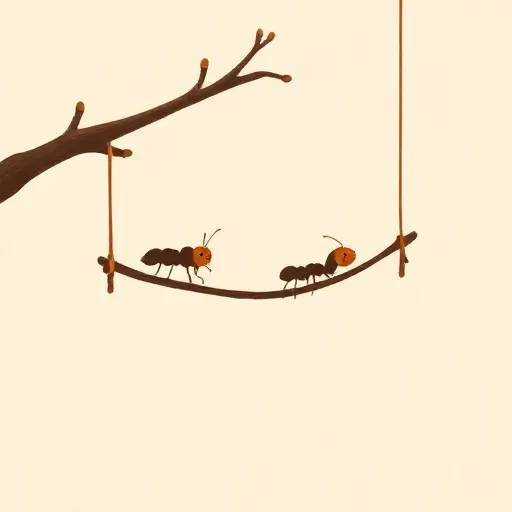
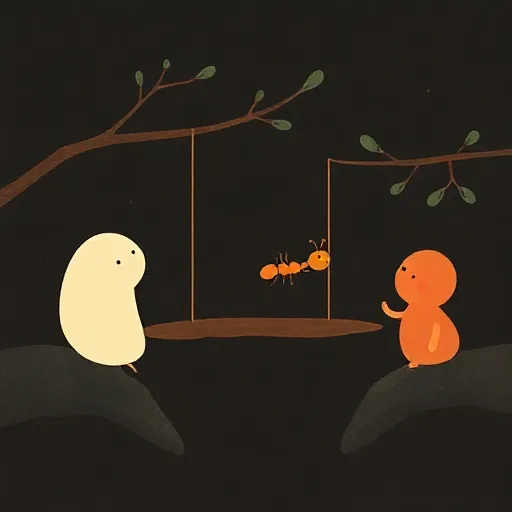
Can a Bunch of Ants Know Something the Individual Ants Don’t?
Ants follow simple rules, but colonies build bridges and farms. Does a whole have powers its parts don’t? An old debate that might explain your mind.
-
Can a Computer Ever Truly Understand What You Say?
Can a computer truly understand language? John Searle's Chinese Room thought experiment suggests no, but many experts disagree. The debate is still raging.
-
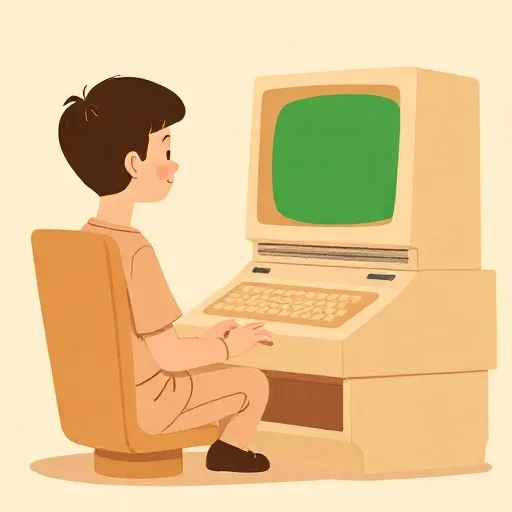
Can a Computer Ever Truly Understand Your Words?
A 1960s chatbot fooled people by echoing their words. Today's apps are smarter but still miss meaning. Why is human language so tricky for machines?
-
Can a Dirty Room Change What You Think Is Wrong?
Can finding a dime or sitting in a smelly room change what you think is wrong? Experiments say yes—so how reliable are our moral instincts?
-
Can a False Idea Be More Useful Than a True One?
Sometimes a false idea is more useful than a true one. Philosopher Hans Vaihinger called these 'fictions' and showed how they help us in science and life.
-
Can a Gryphon Scare You? A 16th-Century Mind Trick
How can we think about things that aren't real, like gryphons or future goals? A 16th-century philosopher's clever answer still makes us rethink reality.
-
Can a Life with a Disability Be Just as Good?
Many people assume a disability makes life worse. But when you ask people who actually live those lives, they often see it very differently.
-
Can a Lump of Matter Really Think? The Fight That Shook 1700s England
Anthony Collins believed brains can think, all choices are determined, and we must reason freely about religion. A 1700s fight that never ended.
-
Can a Machine Ever Really Think, or Is It Just Faking?
Can a machine truly think or just fake it? The Turing Test and a puzzling thought experiment show why this question matters for our future.
-
Can a Machine Think? Alan Turing’s Strange Game
In 1950, mathematician Alan Turing proposed a game to decide if a machine could think. His test still sparks arguments about what thinking really means.
-
Can a Machine Think? The Boyish Genius Who Dared to Ask
Can a machine think? Alan Turing's ideas about computing and conversation tests still shape AI and make us question what thinking means.
-
Can a Melody Feel Sad? The 200-Year-Old Debate
Can a melody feel sad? 200 years ago, thinkers debated if music has real emotions or is just sound. The mystery still gives you chills.
-
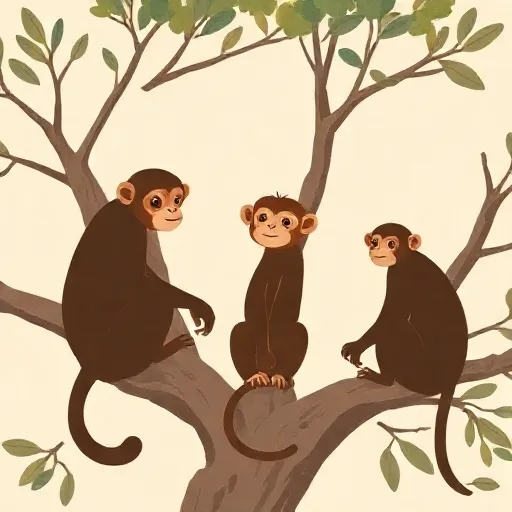
Can a Monkey Mean “Leopard!”?
Do monkey alarm calls mean something like words? And could animals have grammar too? This helps us understand what makes human language special.
-

Can a Number Be Blue? The Mystery of Jumbled Sentences
Why do sentences like 'Saturday is in bed' feel not just false but impossible? Category mistakes show hidden rules of language and thinking.
-
Can a Plant Feel? The Scientist Who Made the Universe Alive
Can a flower feel? Gustav Fechner thought so, and he believed planets and stars are aware too. Find out why he saw the universe as alive.
-
Can a Robot Feel Pain? The Big Fight Over Functionalism
Can a robot feel pain? Functionalism says yes if it works like us. But critics have zany thought experiments to say no. Discover why it matters.
-
Can a Round Square Be Round? The Impossible Idea That Makes Sense
Can a round square be round? Philosopher Alexius Meinong said yes, and his idea helps us understand how we think about impossible and imaginary things.
-
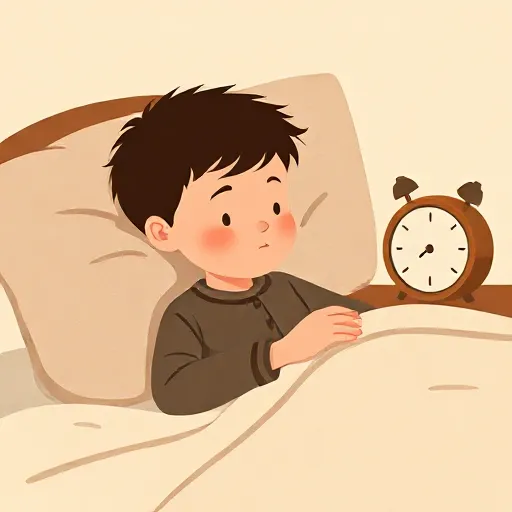
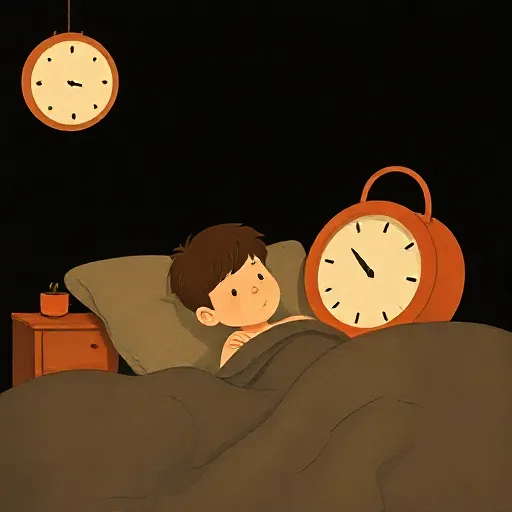
Can a Six-Year-Old Do Philosophy? Surprising Answers from Kids
Piaget said children under 12 can't think about thinking. Then a four-year-old asked if airplanes shrink in the sky. The argument has never been the same.
-
Can a Thought Make You Move? The Puzzle of Anomalous Monism
Can a thought really move your arm? Davidson said yes, but his idea makes some wonder if thoughts have any real power.
-

Can a Thought Move Your Body? Elisabeth of Bohemia's Challenge
Elisabeth of Bohemia asked Descartes how a thought can move your arm. Their letters tackle mind–body interaction, virtue, and the art of ruling.
-
Can an Octopus, a Robot, and You All Feel the Same Pain?
Philosophers once thought pain was just a brain state. Then they imagined octopuses, Martians, and computers — and everything got complicated.
-
Can Brain Science Explain Your Mind? The Neurophilosophy Challenge
Neuroscientists can watch your brain in action. Does that mean your thoughts, feelings, and choices are just brain cells firing? A guide to the big debate.
-
Can Brain Vibrations Make You a Good Person?
Can vibrations in your brain turn you from a selfish kid into a kind, spiritual adult? David Hartley thought so.
-
Can Knowing Everything About the Brain Tell You What Red Looks Like?
If you knew all physical facts about color, would seeing red teach you something new? This puzzle suggests experiences might be more than brain facts.
-

Can Lois Lane Believe Clark Kent Is Strong?
How can Lois Lane believe Superman is strong but Clark Kent is not, if they're the same person? This puzzle changed how we think about words and meaning.
-
Can Mathematics Prove Everything? Why Kurt Gödel Said No.
Can math prove everything? Kurt Gödel showed even simple arithmetic contains true facts that can't be proven — shattering the dream of perfect knowledge.
-
Can Quantum Weirdness Explain How You Choose?
Can quantum weirdness let you choose freely? Physics usually says everything is fixed, but randomness at the tiny scale might mean you truly decide.
-
Can Science Ever Explain What Makes Art Beautiful?
Why do we care if a painting is a forgery? Even if it looks the same, knowing it's fake changes how we feel. Can brain scans explain this?
-
Can Silence Be Music? And Other Big Questions About Sound
What turns noise into music? Can a silent piece or a flushing toilet count? Dive into the strange puzzles music hides.
-
Can Something Change and Still Be the Same?
A moving car, a flying arrow, and the weird idea that change might be an illusion — or a real contradiction.
-
Can the Mind Be Just a Property of the Body?
Is the mind just a property of the body, like wetness to water? This 17th-century idea sparked a big debate about brains and consciousness.
-
Can Thinking Make You Happy? Descartes' Surprising Answer
Descartes said perfect happiness isn’t about luck or money—it’s about using your mind well. A journey from doubt to inner peace.
-
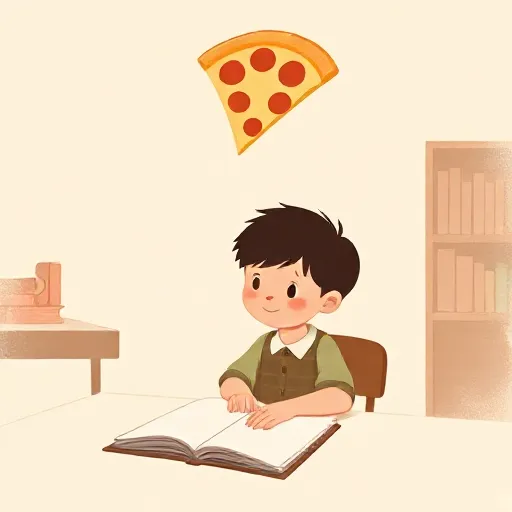
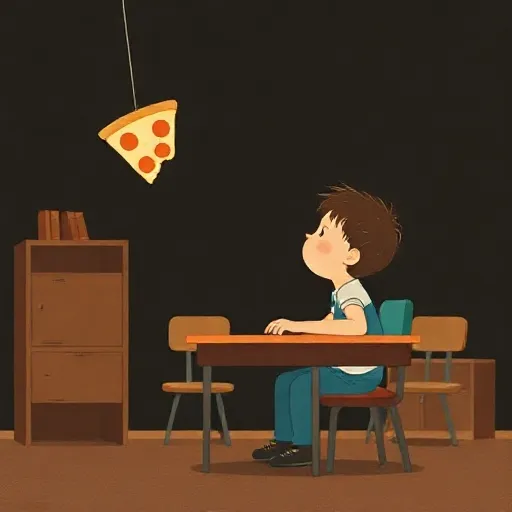
Can Thoughts Mean Anything Without Feelings?
What makes a thought about pizza? Some say we need feelings to give thoughts meaning. Without consciousness, thoughts are empty.
-

Can We Keep AI Honest? The Big Questions About Smart Machines
Can we keep AI honest? Smart machines already watch us and shape our choices, so we must ask how to make them fair and safe.
-
Can Words and Ideas Really Fight for Survival?
Can words and ideas struggle for life like animals? Darwin believed they could. Find out how useful ideas spread and why others disappear.
-
Can You Act Against Your Own Best Judgment?
You know you should study, but you scroll on your phone. Is such weakness impossible, just not smart, or something else?
-
Can You Be Free Even in Chains? Epictetus Says Yes
A former Roman slave taught that you can't control events, only your reaction. His Stoic toolkit for inner freedom still works today.
-
Can You Be Free if God Already Knows Your Choices? Arnauld’s Answer
Can you be free if God already knows what you'll do? Arnauld argued yes, and his surprising answer still makes us think about choices and fate.
-
Can You Be Free in a World Where Everything Is Caused?
Can you be free if everything is caused? Hume thought freedom means acting on your own wishes, and without cause and effect, we couldn't blame anyone.
-
Can You Be Happy by Wanting Almost Nothing? Epicurus’s Answer
Did Epicurus think you can be happy by wanting almost nothing? Find out how understanding atoms and overcoming fear of death leads to true calm.
-
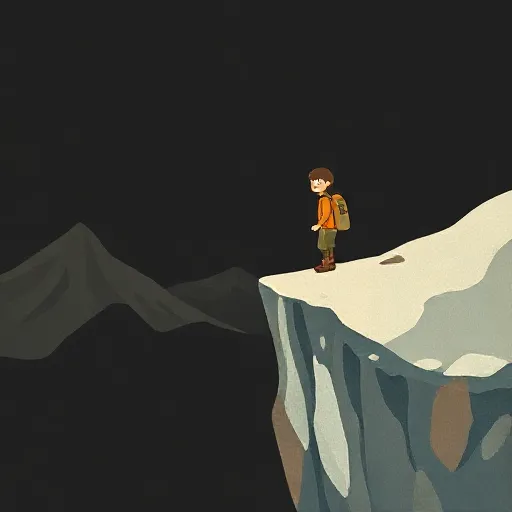
Can You Believe Something Just Because It Makes Life Better?
William James argued we can believe things that help us live, even without proof. He also said truth isn’t just out there waiting — we make it.
-
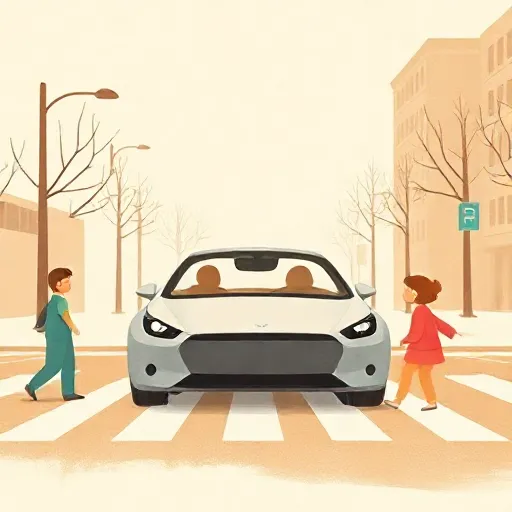
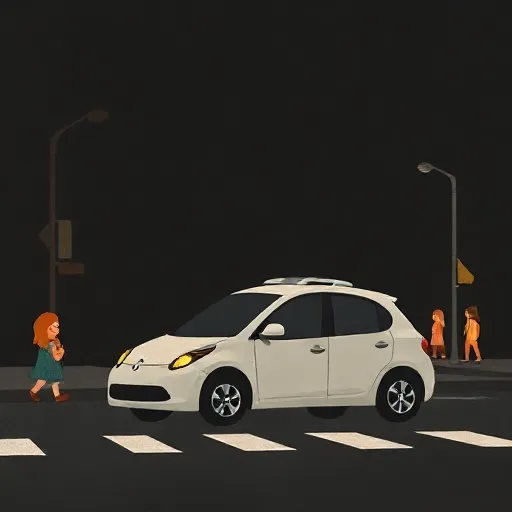
Can You Blame a Machine? When Computers Act, Who’s Responsible?
Can a computer be morally responsible? When tech goes wrong, philosophers ask if only humans can be blamed, and what it truly means to act freely.
-
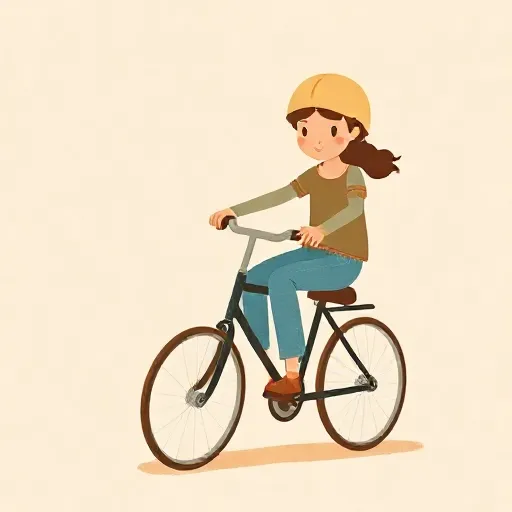
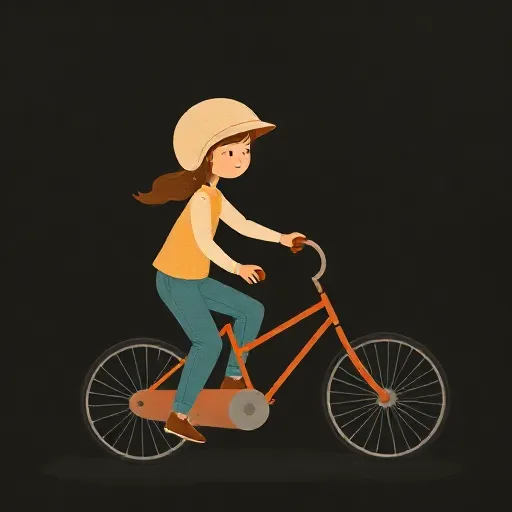
Can You Boil Down Skill to a List of Facts?
Is knowing how to do something just a list of facts? Philosophers debate whether skills like bike riding are more than mental rules.
-
Can You Decide to Believe Something — Just Like That?
Can you choose to believe something, like flipping a switch? Most say no, but the answer shapes blame, trust, and who we become.
-

Can You Ever Really See Inside Your Own Mind?
Philosophers argue whether you detect your thoughts like a scientist or whether knowing your own mind is something else entirely.
-


Can You Feel Right and Wrong or Think It Through?
How do we know right from wrong? Is it a feeling or do we figure it out? The story of a young writer who showed it takes both.
-

Can You Find the Missing Piece? Avicenna’s Science of Knowing
A thousand years ago, a Persian philosopher asked how we really know things. His answer: it’s all about finding a hidden connector—and anyone can do it.
-

Can You Invent a Language Only You Understand?
Wittgenstein's diary thought experiment shows why a word that gets its meaning from a private inner feeling might not be a word at all.
-
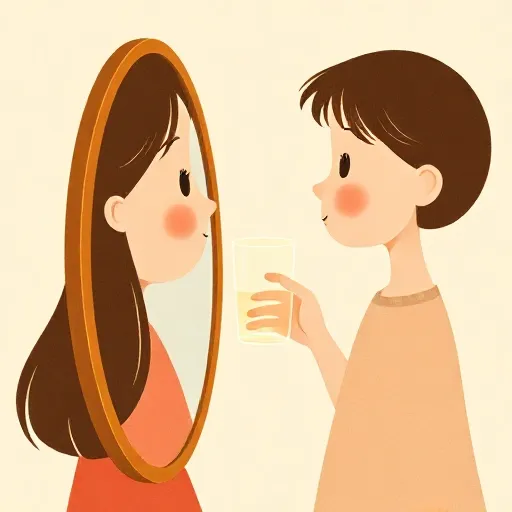
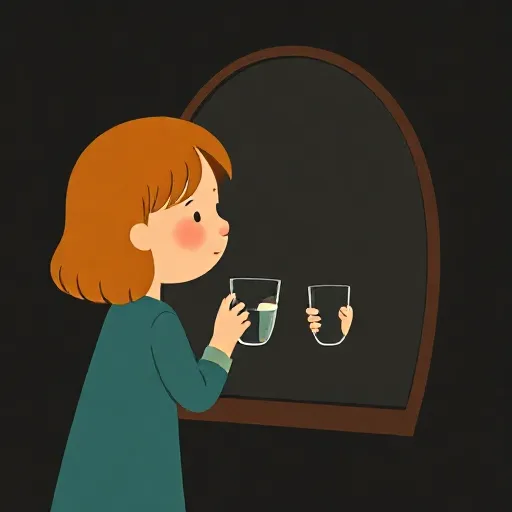
Can You Know Your Own Thoughts? The Twin Earth Puzzle
If Twin Earth has different water, can you know your own thoughts? This question asks if your mind needs to check the world to know itself.
-
Can You Live Without Believing Anything at All?
Ancient philosophers asked if you can live without beliefs. They called it skepticism, and their answers still challenge us today.
-
Can You Prove the World Outside Your Mind Is Real?
Descartes worried it might all be a dream. Kant tried to prove him wrong using only the order of your thoughts. The argument is still debated today.
-
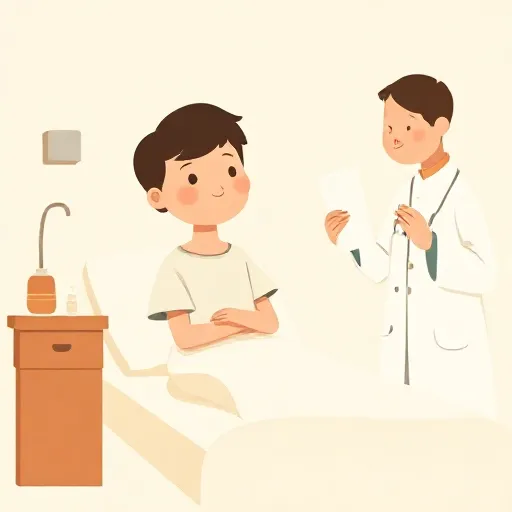
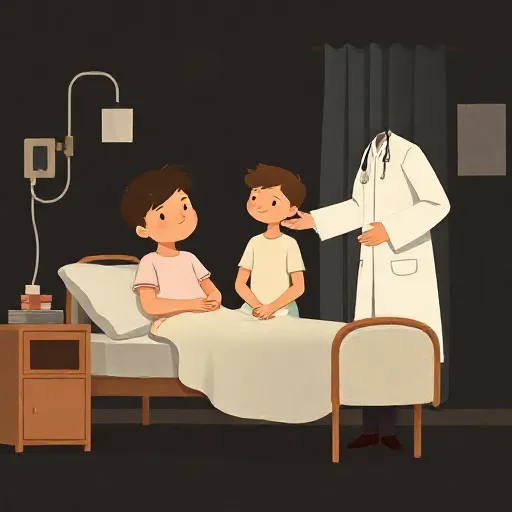
Can You Really Choose Your Own Medical Treatment?
Do kids get to decide their own medical care? It's not just about age—it's about whether you can understand risks and make a choice true to yourself.
-
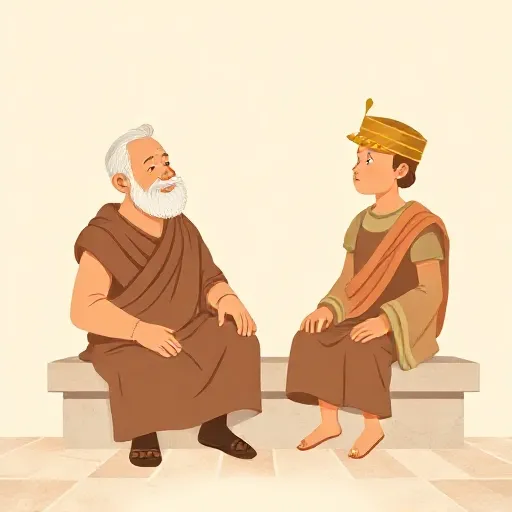
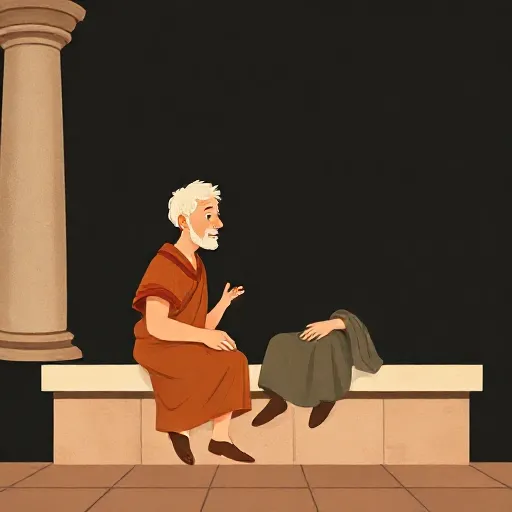
Can You Really Control Your Anger Just by Thinking?
Seneca, a philosopher and advisor to Emperor Nero, believed that anger is not something that controls you—you can conquer it by changing your judgments.
-
Can You Really Know What an Animal Is Thinking?
Are animals really thinking like us when they do clever things, or just repeating tricks? The answer changes how we treat animals and design robots.
-
Can You See Without Thinking? Kant’s Puzzle of the Mind
Kant said your mind has two powers—one that senses, one that thinks—but are they ever separate? A 200-year-old debate that still divides philosophers.
-
Can You See Wrongness, or Just Feel It?
Do we see wrongness like a color, or just feel it? The answer might reveal whether right and wrong are real parts of the world or only in our minds.
-

Can You Stay Mad When Everything Is Determined?
P.F. Strawson said that anger, gratitude, and forgiveness are too human to be erased by any theory — and that’s why the free will debate never really ends.
-

Can You Think About a Unicorn? The Strange World of Nonexistent Things
Can you think about a unicorn if it doesn't exist? Philosophers say this puzzle changes how we understand truth and stories.
-
Can You Think About Something That Doesn’t Exist?
When you imagine a unicorn, what are you thinking about? Twardowski said thoughts point to objects, even if they don't exist. This idea changed philosophy.
-
Can You Think Directly About People, or Only Through Descriptions?
Do you think about people directly, or through mental descriptions? This puzzle about names and identity reveals how thoughts reach the real world.
-
Can You Think Without Pictures? The Munich Philosophers Who Said Yes
Can you think without pictures? In 1900 Munich, thinkers argued logic isn't just mind stuff; promises aren't feelings but real. Their ideas still surprise.
-
Can You Train Yourself to See the World Differently?
Can you train your brain to notice hidden flavors, sounds, or bird calls? Perceptual learning shows how practice reshapes your senses—permanently.
-
Can You Trust a Friend Who Might Let You Down?
What makes trust different from just counting on someone? Philosophers debate goodwill, commitments, and why betrayal hurts more than a broken promise.
-
Can You Trust That the World Is Real? A Medieval Puzzle
If you can only know the pictures in your mind, how can you be sure anything outside is real? A 14th-century monk's bold answer still makes us wonder.
-
Can You Trust Your Feelings? A 2,000-Year-Old Fight
Can you trust your feelings? For 2,000 years, philosophers argued whether emotions are dangerous or helpful—and their debate still affects us today.
-
Can You Trust Your Own Eyes? Thomas Reid's Common Sense Revolution
Can you trust your own eyes? Thomas Reid said yes—our basic beliefs don't need proof, and common sense shows the world is real.
-
Can You Turn Misfortune into a Superpower?
Cardano believed the universe is a living web, the soul immortal, and every bad event can teach you something. A Renaissance rebel's strange wisdom.
-
Can You Turn Your Own Mind Into a Science?
Can your mind be studied like science? Wundt tried in his lab, but Kant said observing a thought changes it. See what they discovered.
-
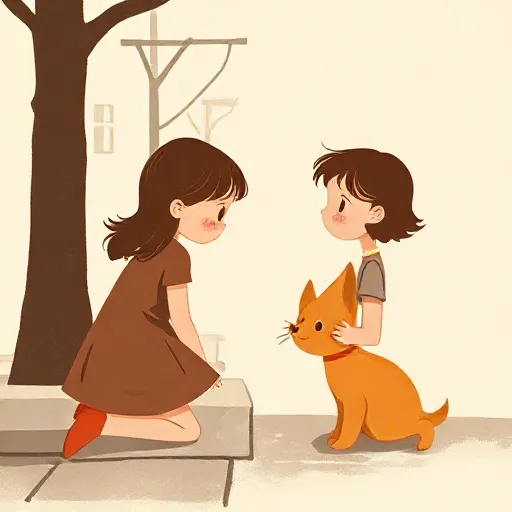
Can You Wrong a Cat? The Surprising Fight Over Animal Morals
Is hurting a cat wrong because the cat suffers, or just because it could make you cruel? This debate changes how we see animals.
-
Can Your Eyes See More Than Your Mind Can Name?
When you spot a shade of red you have no word for, is your experience beyond thought? Philosophers debate whether perception relies on concepts.
-
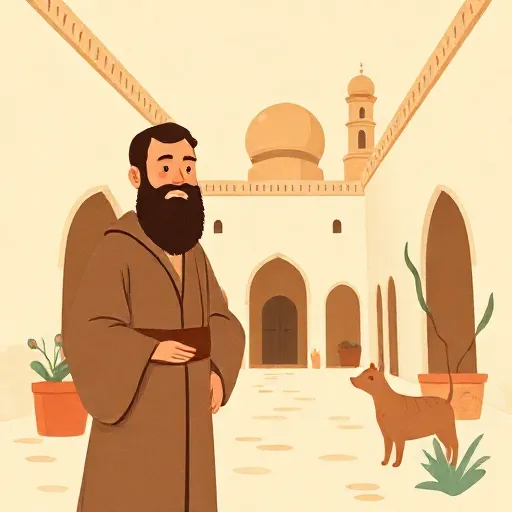
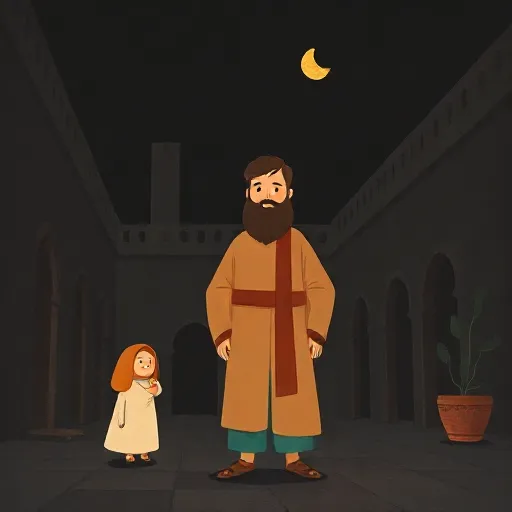
Can Your Mind Become Immortal? Al-Fārābī's Journey of the Intellect
A medieval Islamic philosopher thought your intellect could climb a ladder of light and live forever, free of your body. Here's how.
-
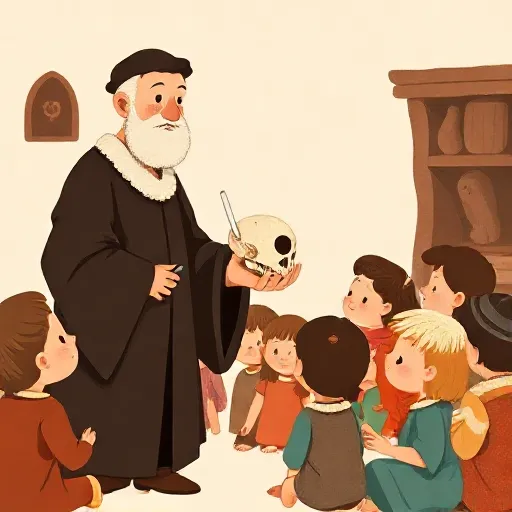
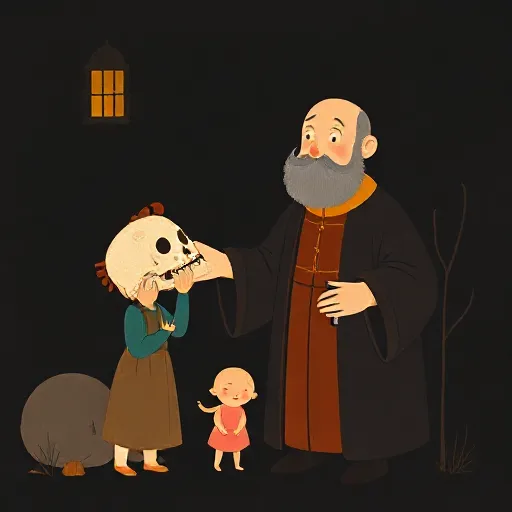
Can Your Mind Survive Your Body? The Professor Who Said No
In 1516, Pietro Pomponazzi argued that reason alone shows the soul dies with the body. The Church was furious — and his questions still rattle us.
-
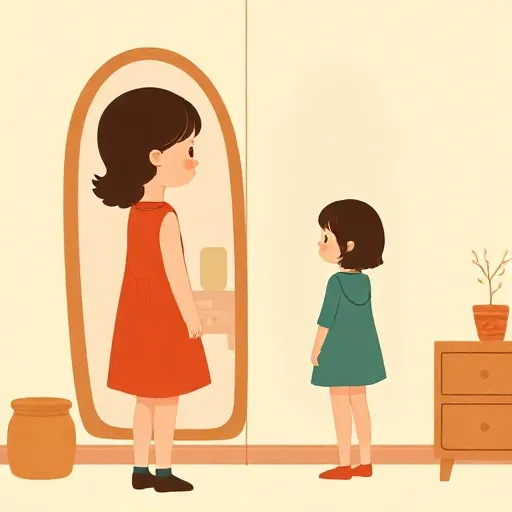
Can Your Senses Be Wrong About the World?
You see a fish in a mirror and think it’s right in front of you — but it’s behind you. Is your vision lying, or is it only your judgment that’s wrong?
-

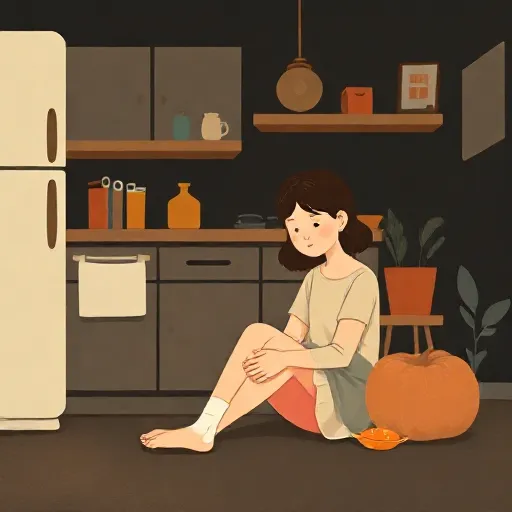
Can Your Thoughts Really Make Things Happen?
You decide to grab an ice pack. But did your thought truly cause your hand to move? Why Descartes and Elisabeth started a 400-year puzzle about mind power.
-
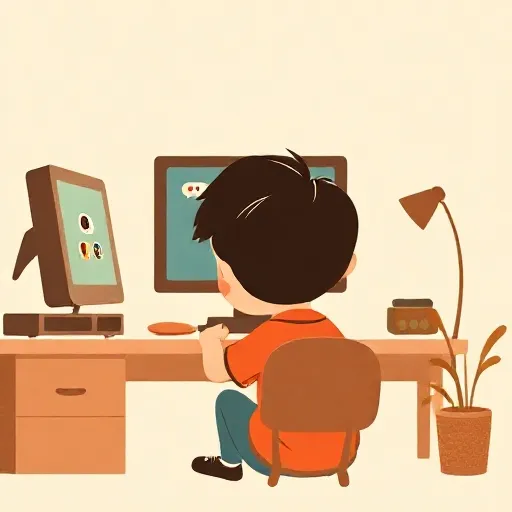
Could a Computer Ever Have a Mind of Its Own?
Could a computer ever have a mind of its own? The Turing Test checks if a machine can pass as human, raising questions about thinking.
-
Could a Machine Think? Hobbes Said Yes, 300 Years Before Computers
Can a machine think? Thomas Hobbes believed thinking is just adding and subtracting in the brain, an idea that still shapes robots and AI today.
-

Could a Neuroscientist Know What Red Looks Like?
Could a scientist who knows every brain fact learn something new when seeing red? This puzzle makes us question whether everything is physical.
-
Could a Tangle of Wires Learn to Think Like You?
Can a network of simple switches learn to think like a human? The idea challenges the computer model of the mind, sparking a big debate.
-
Could a Windmill Ever Think? Leibniz’s 300-Year-Old Challenge
Could a mass of machine parts ever think? Leibniz said no—a real mind must be one simple thing. His old challenge still makes us wonder about AI.
-
Could Aristotle and Descartes Agree? Clauberg Said Yes.
Johannes Clauberg tried to unite Aristotle and Descartes, creating a new science of being. But his attempt left a puzzle: how do mind and body connect?
-
Could Consciousness Be What the Universe Is Made Of?
Could consciousness be what everything is made of? Physics only shows structure, not substance. Some philosophers think mind is the missing stuff.
-
Could God Have Made 2 + 2 Equal 5? Antoine Le Grand’s Bold Idea
Could God make 2+2 equal 5? A 17th-century monk's startling answer still fuels debates about minds, bodies, machines, and truth.
-
Could Space and Time Give Birth to Everything—Even God?
Samuel Alexander thought the universe is a giant ladder, each step emerging from the one below—from space and time to life, mind, and maybe even God.
-
Could the Evening Star Have Turned Out Not to Be the Morning Star?
Could the evening star have really not been the morning star? A simple name overturned centuries of thinking about necessity, identity, and the mind.
-

Could There Be a World Exactly Like Ours — but Nobody’s Home?
Could a world like ours have no inner life? If you can imagine zombie people who act human but feel nothing, does that show our minds are beyond brains?
-
Could Two Identical Brains Have Different Thoughts?
If you copied your brain perfectly, would the copy think the same as you? Your answer shapes how we see robots, free will, and right and wrong.
-
Could Your Mind Be Made of Matter? Margaret Cavendish’s Bold Idea
Could your thoughts be made of the same stuff as rocks? Margaret Cavendish said yes: all is matter, even minds, and thinking is everywhere.
-
Did a 13th-Century Monk Discover That Your Mind Builds Reality?
Did a 13th-century monk discover that your mind builds reality? His ideas still surprise scientists and philosophers today.
-
Did Rocks Feel Things? The Philosopher Who Said Everything Could Sense
Bernardino Telesio thought heat and cold battle to create everything, and even stones have sensation. His radical ideas helped launch modern science.
-
Did the Entire Universe Come from a Single Simple Thing?
Plotinus said the whole universe flows from something so simple it can't be named. The mind can climb back to it through thinking.
-
Did You Choose to Read This, or Was It Already Decided?
Are your choices really yours? A medieval thinker said even wishes are pushed by past events. Scary but fair. A 700-year-old debate on free will.
-
Did You Really Change, or Are You Still the Same You?
What makes you the same person even if you change? A puzzle about memory and self that makes you think about what connects your past and future.
-
Did Your Soul Come in Pieces? The Archbishop Who Said Yes
Is your soul a single thing, or is it made of different parts? An archbishop once banned books to prove his answer—and almost changed history.
-

Do All Humans Count Equally? The Puzzle of Severe Brain Differences
If full moral worth depends on self-awareness and reason, some humans with severe brain differences might have less. That thought is hard to accept.
-
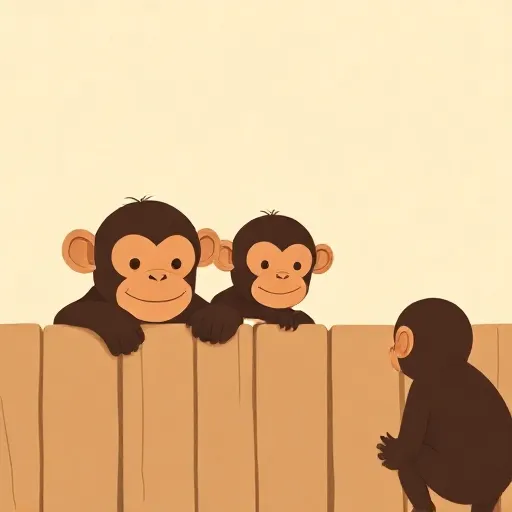
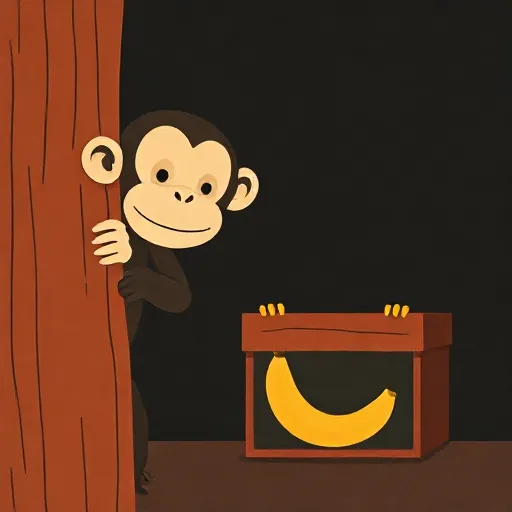
Do Chimps Know What You're Thinking? The Big Debate
Can chimpanzees understand what others believe? A long scientific debate asks if they just read body language instead.
-

Do Feelings Make Us Moral? The Sentimentalist Answer
Do our feelings shape our sense of right and wrong? Explore the sentimentalist view that emotions like sympathy are the source of morality.
-

Do We All Share the Same Mind? The Arabic Ideas That Shook Europe
Did you know that hundreds of years ago, thinkers asked if all humans share one mind? Their answers still spark debate today.
-
Do We Always Know Our Own Thoughts? A 1600s Fight
Do we always notice our own thoughts? A 400-year-old argument started by Descartes says yes, but many disagree, and brain scientists still explore it.
-
Do We Have a Secret Sixth Sense for Beauty?
Do we have a secret sixth sense for beauty? Some thinkers said yes, others called it imagination. This old debate still shapes our ideas about art.
-
Do We Learn Language Like Tricks? The Great Debate
How do children learn to speak? Some say we're born with grammar rules; others say we learn by trial and error. The debate reveals how minds work.
-
Do You Always Know You’re Yourself Before You Think About It?
Do you know you're yourself before you think about it? The answer changes how we see our minds and ourselves.
-

Do You Control Your Emotions—or Do They Control You?
Are emotions wild beasts you must tame or smart guides? The old fight between reason and feeling helps when anger flares or calm settles.
-
Do You Ever Really See Things Move?
How can you see motion if the present moment has no time at all? Our minds stretch moments, and thinkers have three cool ideas to explain it.
-
Do You Have a Built‑In Goodness Detector?
Do we have a natural sense of right and wrong? Francis Hutcheson said we do. He called it a moral sense — a gut feeling that reacts to kindness and cruelty
-
Do You Have a Reason Only If You Want To?
Are reasons only about what you want, or do some reasons exist no matter your feelings? This question changes how we judge right and wrong.
-
Do You Have a Secret Theory of Other People’s Minds?
How do you know what your friend is thinking? Some philosophers say you use a hidden theory; others say you imagine being them. The debate isn't over.
-
Do You Have a Yesterday‑You and a Tomorrow‑You?
Some philosophers say you are made of time‑slices, like a movie. Others say you are wholly present at every moment. What turns on this strange idea?
-
Do You Have Free Will? A 13th-Century Monk’s Bold Answer
Did a 13th-century monk solve the puzzle of free will? He claimed your choices are truly free, not caused by anything else. His idea is still important.
-
Do You Know Right from Wrong — or Just Feel It?
Do we figure out right and wrong by thinking, or just feel it? Some say morality is a gut feeling, like seeing or hearing. See why it still matters.
-
Do You Know the Cat, the Mat, or the Whole Situation?
When you know 'the cat is on the mat,' are you thinking of just the cat and mat, or the whole scene? It's a puzzle about how our minds understand truth.
-
Do You Need to Move to See the World?
Can you see depth without moving? The story of upside-down glasses shows that your actions shape what you see, and even planning to move changes your view.
-
Do You Need to See It to Know It? The A Priori Puzzle
Can we know things without using our senses? Explore how philosophers answer, and why it matters for math, logic, and right and wrong.
-
Do You Need Words to See What's in Front of You?
Ancient Indian philosophers argued: can you see a cat without knowing the word 'cat'? The answer leads to a deep puzzle about reality, words, and the mind.
-
Do You Really Choose, or Does Something Else Push You?
Do you really choose, or does your mind's idea of good push you? A medieval thinker gave a surprising answer that still puzzles us today.
-
Do You Really Choose, or Was It Always Going to Happen?
Wolff said every choice has a cause. His critics said you can feel your own freedom. A 1700s fight that never ended.
-
Do You Really Choose, or Was It Always Going to Happen?
Explore whether you truly decide or just follow your strongest want, and why it changes how we think about right and wrong.
-
Do You Really Deserve Blame for Anything?
If your actions are caused by genes, upbringing, and luck, can you truly deserve blame? It changes how we view crime, anger, and right and wrong.
-
Do You Really Have a Choice, or Is Everything Already Decided?
Do you really have a choice, or is everything already decided? A philosopher named Cudworth argued you can break the chain of causes and really choose.
-
Do You Really Have a Choice? John Locke's Answer
Locke said freedom is the power to do what you will. But is your will itself free? A 1600s debate that still matters.
-
Do You Really Have Beliefs, or Is That Just an Old Idea?
What if your beliefs aren't real? Some thinkers say 'belief' is an old idea like demons, and science may drop it. Can you still say you believe that?
-


Do You Really Know Right from Wrong If You Don’t Act?
Can you know right from wrong without acting? Wang Yangming said no—knowing and doing go together. His bamboo experiment shows why studying isn't enough.
-
Do You Really Know Why You Believe What You Believe?
Do you really know why you believe what you believe? Can you always find your reasons just by thinking? Philosophers disagree. It makes us rethink knowing.
-
Do You Really See the World, or Just What’s in Your Head?
Why do we sometimes see things wrong, and how can we know what's real? This big question keeps philosophers arguing.
-
Do You See the Back of Your Desk, or Just Believe It’s There?
We see only one side of things, but our mind fills in the rest. How does that work? Husserl's phenomenology explores this hidden side of experience.
-
Do You See What’s Really There? A Medieval Monk’s Radical Answer
Can you always trust what you see? A medieval monk used illusions to argue that your mind creates what you perceive, sparking centuries of debate.
-
Do You Truly Choose, or Is Everything Set in Stone?
For centuries, thinkers have asked if our choices are truly free. If every action is determined by past events, can we really praise or blame anyone?
-
Do Your Beliefs Really Exist, or Are They Just Useful Labels?
Are your beliefs real, or just handy labels? Some say they're mental code; others say they don't exist at all. A puzzle about the stuff of thought.
-
Do Your Choices Start a New Chain, or Are They Just More Dominoes?
Are your choices fresh starts or just dominoes in a chain? The puzzle of free will: do you need a break in the cause-and-effect chain to be truly free?
-
Do Your Feelings Know Right from Wrong? The Philosopher Who Said Yes
Max Scheler thought our hearts, not just our heads, reveal what's truly valuable. Why love might be the ultimate moral compass.
-
Do Your Thoughts Boil Down to Brain Chemistry?
Are your feelings and thoughts nothing more than brain cells and chemicals? The answer could change how you see yourself and the world.
-
Do Your Thoughts Move You, or Are They Just Along for the Ride?
Do your thoughts move your body? Brain science suggests your brain acts before you think. Your thoughts might just be along for the ride.
-
Does English Really Exist, or Is Language Just in Your Head?
Is English a real thing outside your mind, or just thoughts in your brain? This question changes how we think about talking, learning, and smart machines.
-
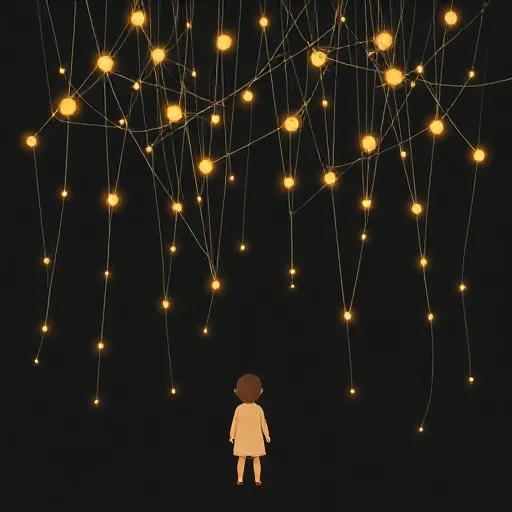
Does Learning One New Fact Change the Meaning of Every Word?
Can learning one fact change what every word means? Meaning holism says yes, so we might never truly disagree.
-
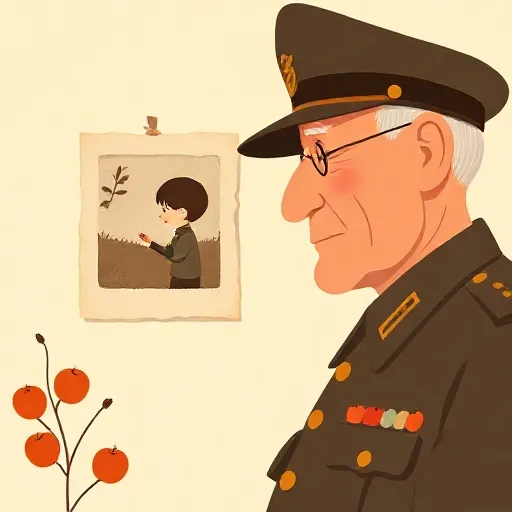
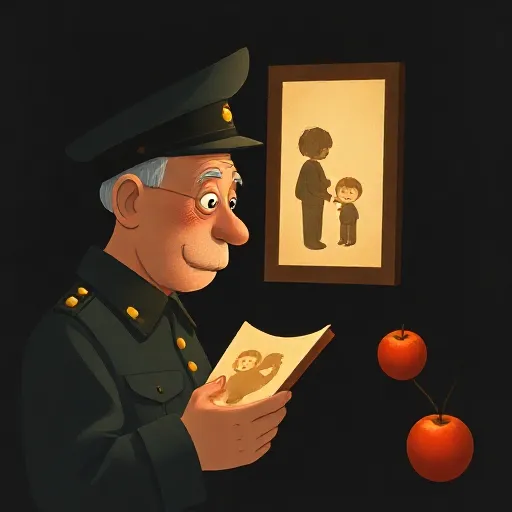
Does Memory Make You the Same Person Over Time?
Locke said memory ties your past self to your present. Thomas Reid showed how that idea leads to a paradox—and offered a different answer.
-
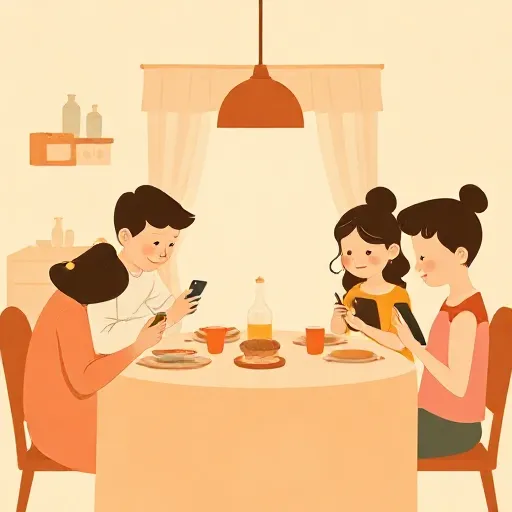
Does Social Media Bring Us Together — or Pull Us Apart?
Philosophers once warned that online life would feel fake and empty. They were partly right, partly wrong, and the argument is far from over.
-
Does the World Decide What You're Thinking?
Does the world decide what you think? Your thoughts might not be just in your head—they could depend on things like a notebook or your surroundings.
-
Does the World Still Exist When No One Is Looking?
What if your room disappears when you leave? Berkeley said things are just ideas, held real by God's sight. That puzzling idea still makes us wonder.
-
Does Your Body Shape How You Think?
For decades scientists pictured the mind as a computer. But what if your body — not just your brain — decides what you know, feel, and choose?
-
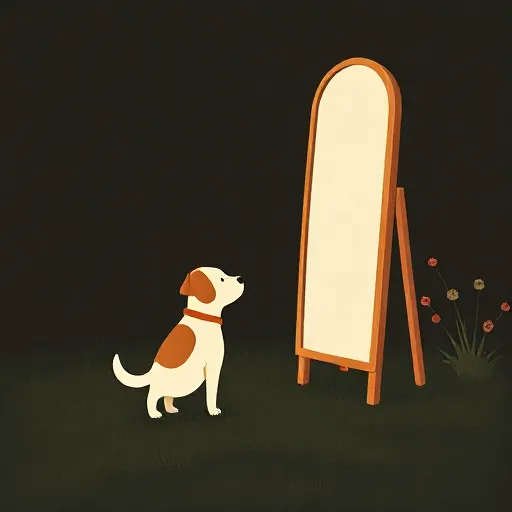
Does Your Dog Really Think, or Just Act on Instinct?
Does your dog truly think, or just follow instinct? Explore the philosophical debate on animal minds and why your answer matters.
-
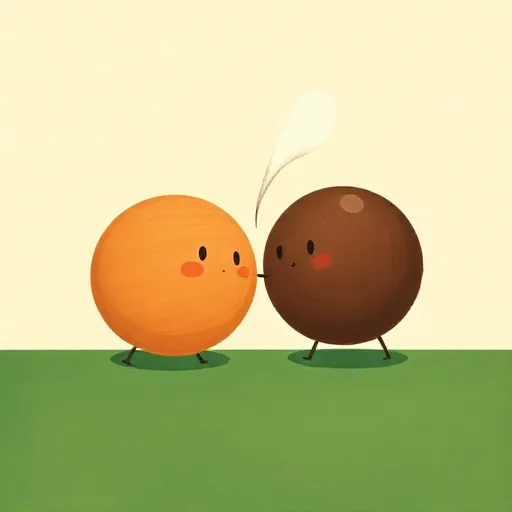
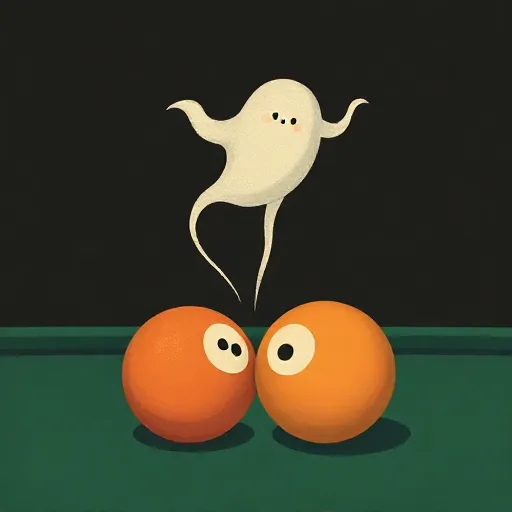
God Moves Every Ball — But You Still Choose
Can a ball push another ball? Louis de La Forge (1632–1666) said no — only God can move things. Yet he still held that you truly choose your actions.
-

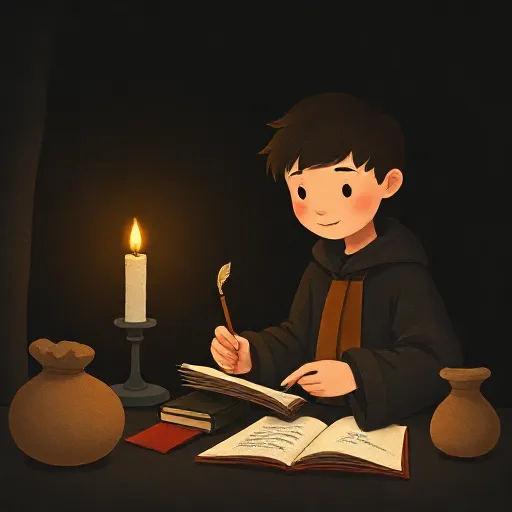
Henry More Tried to Prove the Soul Was Real. Did He Succeed?
Did Henry More prove the soul is real? He thought an invisible spirit explained gravity and life. His ideas sparked debate on mind and space.
-

How a Penguin Made Logicians Rethink Everything
Why does new evidence change our minds, and how did a penguin make logicians rethink the rules of reasoning?
-
How a Science of Ideas Became Everyone's Favorite Insult
A French thinker wanted to cure bias with a clear science of ideas. Then the word 'ideology' took a wild turn—and now it's everywhere.
-
How Can a Word Mean Both Truth and Feeling?
Why did ancient Chinese thinkers use one word, qing, for both truth and feelings? Their view might change how you understand your own emotions.
-
How Can Freedom Grow From Determined Nature?
If nature always follows rules, how can we be free? Schelling thought nature is creative, like an artist, which changes how we see freedom.
-
How Can You Choose Wisely When You Don't Know What Will Happen?
How do you make a good choice when you can't know the future? Math can help map out your options, but people often ignore numbers, which puzzles experts.
-
How Can You Imagine a Dragon That Isn’t Real?
How can your mind picture dragons or unicorns that don't exist? A mysterious puzzle from ancient philosophy shows how thoughts can point to nothing.
-

How Can You Lie to Yourself — and Believe It?
How can you lie to yourself and believe it? It seems impossible because you'd have to know the truth and hide it, but we all do it.
-
How Can You Think About Something That Doesn't Exist?
How can we think about dragons or future snow? This article explores why thoughts about things that don't exist are puzzling and fascinating.
-
How Do You Know the Sun Will Rise Tomorrow? Hume’s Radical Answer
Hume said that reason alone can’t tell us what will happen next—only custom and feeling can. That idea shook philosophy to its core.
-

How Do You Know What 'It' Means? The Hidden Mental Maps of Language
How does your brain instantly know who 'he' and 'it' refer to in tricky sentences? The answer reveals that we build mental pictures of stories.
-
How Do You Know What Someone Else Is Thinking?
You guess what friends are feeling all the time. But do you do it with a mental rulebook, or by stepping into their shoes? A 30-year debate.
-
How Do You Know What to Believe?
You hear a rumor, see a clue, or feel sure about something. But what makes that count as real evidence — and should you trust it?
-

How Do You Know What You’re Thinking Right Now?
You know your own thoughts in a way no one else can. But philosophers have found puzzles that make this simple idea much trickier.
-
How Do You Know You're Not Being Fooled by an Evil Genius?
How do you know you're not being fooled by an evil genius? Descartes found one belief that can't be false: I think, therefore I am.
-
How Do You Know Your Friends Aren’t Zombies?
Philosophers have long wondered if other people might be blank inside, just acting like they have feelings. A puzzle about minds, trust, and being alone.
-

How Do You Really Know What Someone Else Feels?
We don't just guess how others feel; we see it directly. Philosopher Edith Stein made this idea famous and lived it as a nun and brave person.
-
How Do You Understand Sentences You’ve Never Heard Before?
You understand brand-new sentences instantly. The secret might be a rule called compositionality — but tricky examples show it’s not so simple.
-
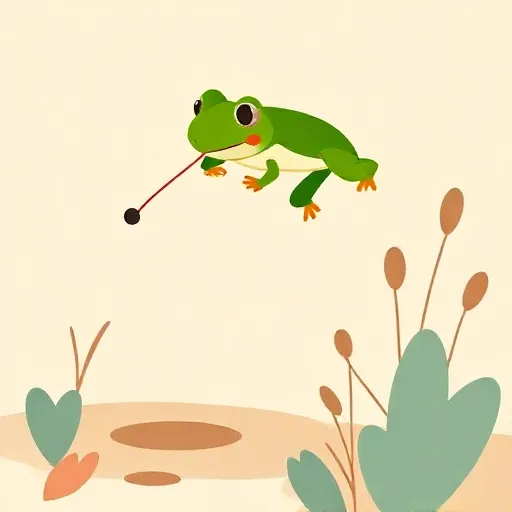
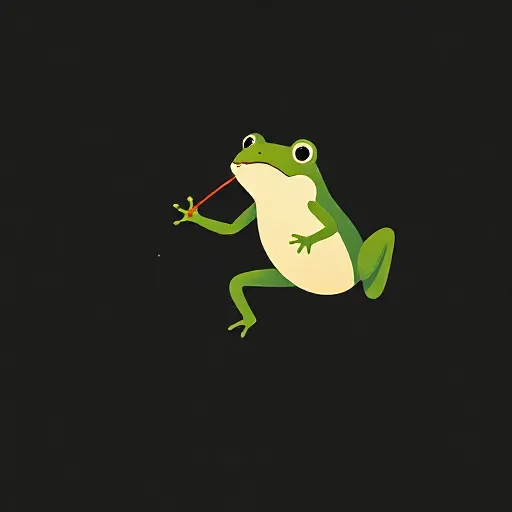
How Does a Frog's Thought Point to a Fly? The Story of Teleosemantics
How do brain cells point to things? Teleosemantics says evolution gives their meaning 'fly,' but a Swamp Man copy raises doubts.
-
How Does Your Brain Decide What You Notice?
Why do we miss things right in front of us? The answer lies in how attention works. Philosophers have long debated this hidden power.
-
How Much Is Already Inside Your Head When You’re Born?
For centuries, thinkers argued whether we come into the world as blank slates or with built-in knowledge. Today’s baby scientists are settling the fight.
-
If Every Event Has a Cause, Are You Ever Really Free?
If every event has a cause, are you really free? Immanuel Kant argued yes, because the world we see isn't the whole story—there's room for freedom.
-
If Pain Is All in Your Mind, Why Does Your Hand Hurt?
Why does pain feel like it's in your toe when it's really in your mind? Philosophers have surprising ideas about how your mind and body connect.
-
If You Had No Choice, Are You Still Responsible?
If a hidden device would have forced your choice but didn't, are you still responsible? Philosophers challenge the idea that freedom needs alternatives.
-

If Your Brain Is Dead, Are You Dead?
A ventilator keeps a body breathing after the brain stops. Doctors call it death. But is it? The fight over where life ends — and why your answer matters.
-
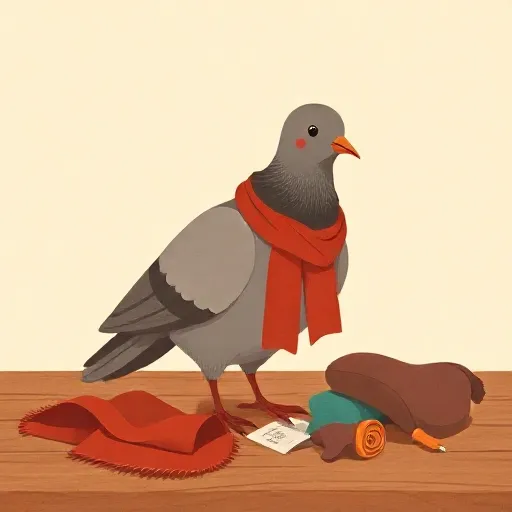
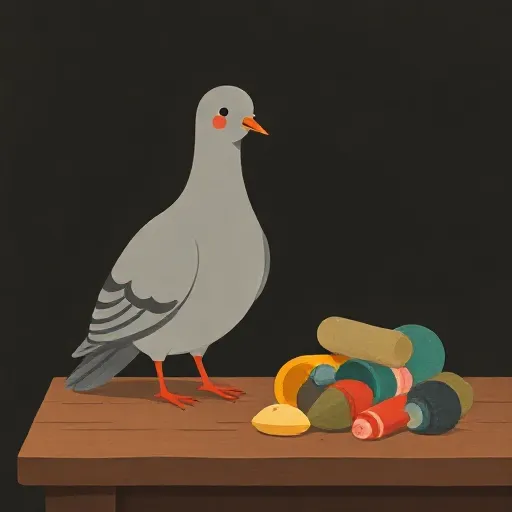
Is 'Red' a Real Thing, or Just a Bunch of Shades?
A pigeon pecking at red things makes us wonder: does 'red' exist beyond its many shades? The answer shapes our ideas about thought and reality.
-
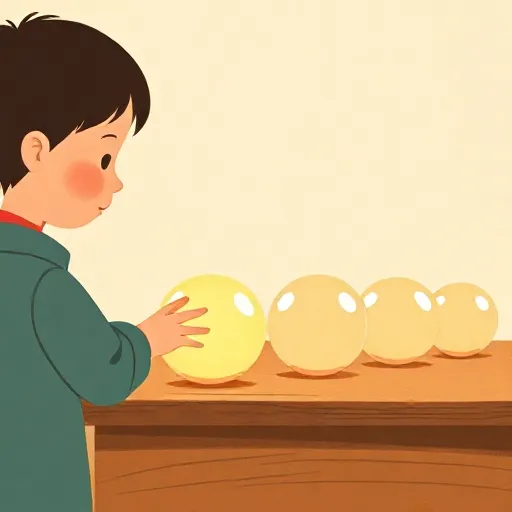
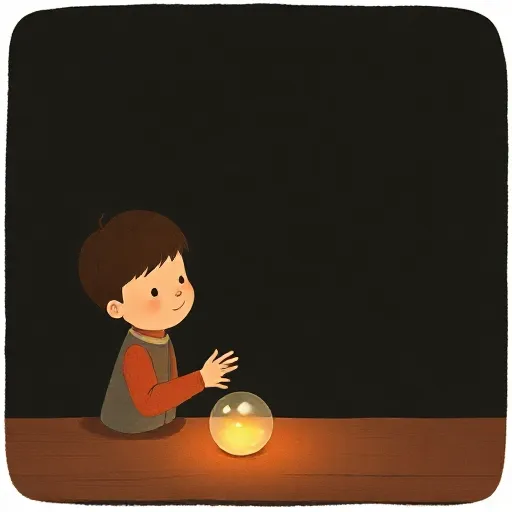
Is ‘Rose’ the Same Word Every Time You Write It?
How many words in ‘Rose is a rose is a rose is a rose’? Three or ten? It hinges on a hidden distinction: the general type versus its concrete tokens.
-
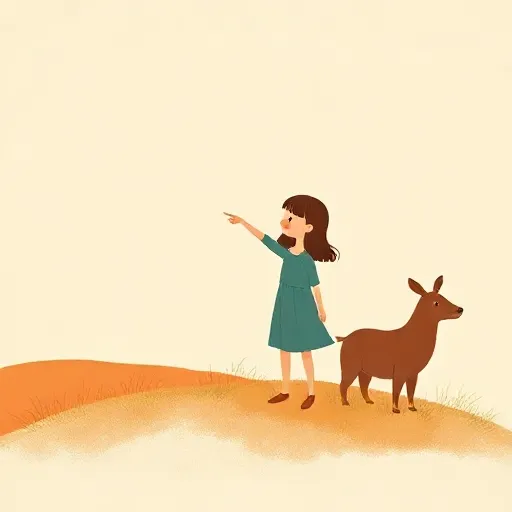
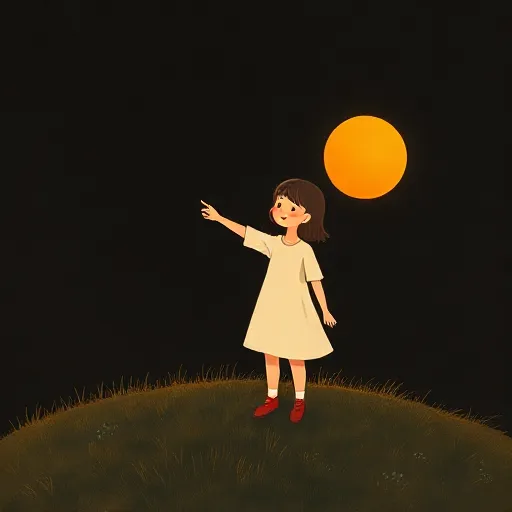
Is 'That Is Beautiful' a Fact or Just a Feeling?
Can beauty be a fact, not just an opinion? Florence Landmann-Kalischer said yes. She thought beauty is a property, like color, so we can argue about it.
-
Is "Yes or No" the Only Way to Think?
Is yes-or-no thinking enough? Life is full of maybes. Discover how logic evolved from simple switches to tackling life's trickiest questions.
-
Is a Dirt Path an Artifact? The Fight Over What We Really Make
If footsteps wear a path through grass without meaning to, is it like a chair? Philosophers argue about where nature ends and human-made things begin.
-
Is a Disease a Natural Fact or a Value Judgment?
Is a disease a natural fact or a value judgment? This debate affects who gets treatment and who is blamed for being different.
-

Is a Dog Still a Dog if It Looks Like a Raccoon?
Why do we call a surgically altered dog a dog, not a raccoon? It's all about concepts—the hidden mental tools that shape how we think, learn, and judge.
-
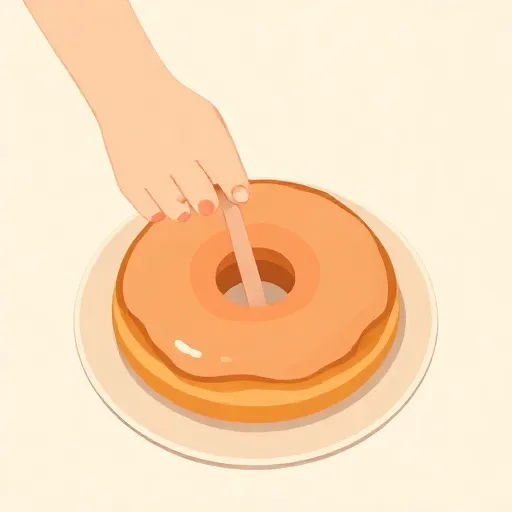
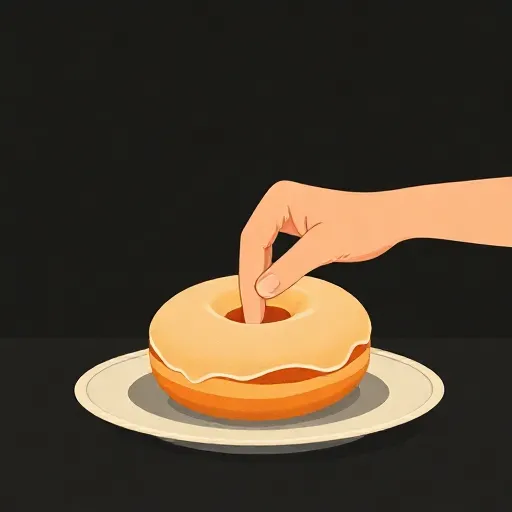
Is a Donut Hole a Thing? The Fight Over Nothing
Is a hole a real thing? Philosophers debate whether holes are just shapes or actual objects made of nothing, making us rethink what 'existing' means.
-


Is a Golden Mountain Really Golden? John Findlay’s Answer
John Findlay argued a golden mountain is golden even if it doesn’t exist. He also created a logic for time and imagined a perfect world beyond shadows.
-
Is a Melody Just a Bunch of Notes? The Puzzle That Changed Psychology
Is a melody just a bunch of notes? No – your mind hears a pattern that the notes alone don’t have. This idea changed how we think about thinking.
-
Is a Number a Real Thing? The Fight Over What Objects Are
Is a number as real as a table? Some say everything is an object, others argue numbers and colors aren't things. It's a puzzle about what exists.
-
Is a Rock a Crowd of Tiny, Feeling Minds? James Ward’s Panpsychism
James Ward thought everything—even rocks—is made of living, feeling subjects. But can such a strange idea really explain the world?
-
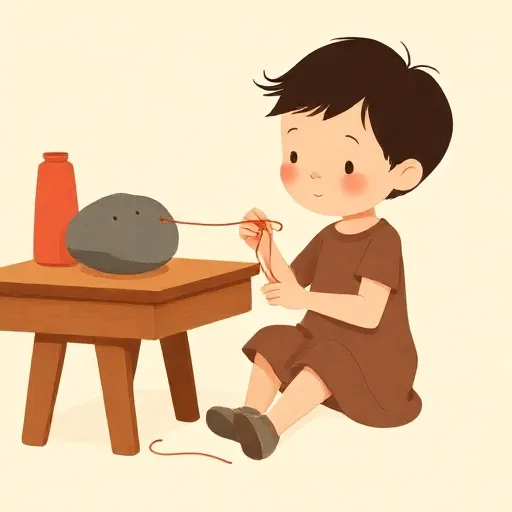
Is a Rock Computing Right Now? The Puzzle of Concrete Computation
Could a rock be a computer? This question isn't just silly—it opens up a real puzzle about what computing truly is and what it tells us about minds.
-
Is a True Thought the Same Thing as a Fact?
Is a true thought the very same thing as the fact it's about? Some philosophers say yes, and it's a mind-bending idea.
-
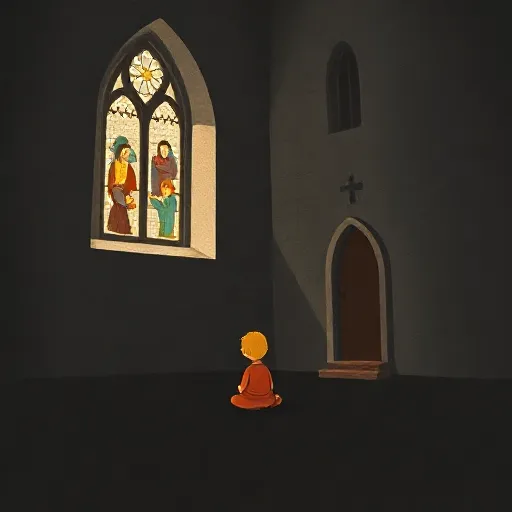
Is Being Busy the Same as Being Alive? George Santayana’s Challenge
Santayana thought American busyness keeps us from really living. He believed true happiness comes from celebrating each moment, not chasing endless goals.
-
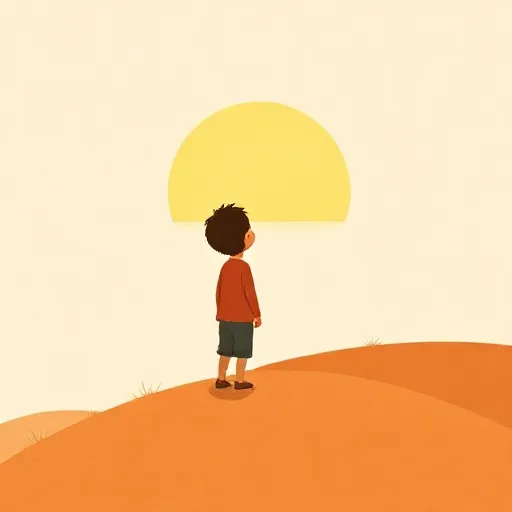
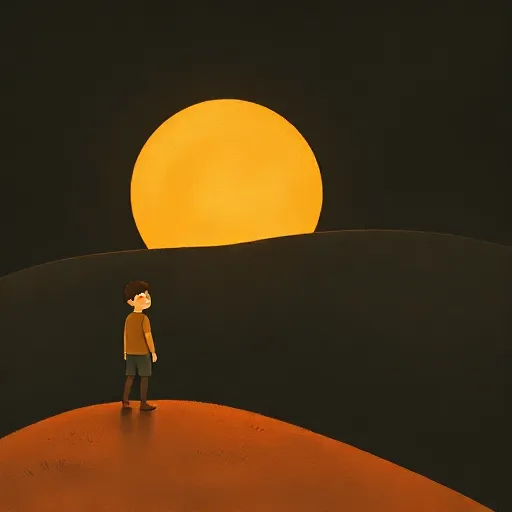
Is Every Thought a Work of Art? Croce's Radical Idea
Can looking at an orange make you an artist? Discover Croce's surprising idea that every focused thought is a private piece of art.
-
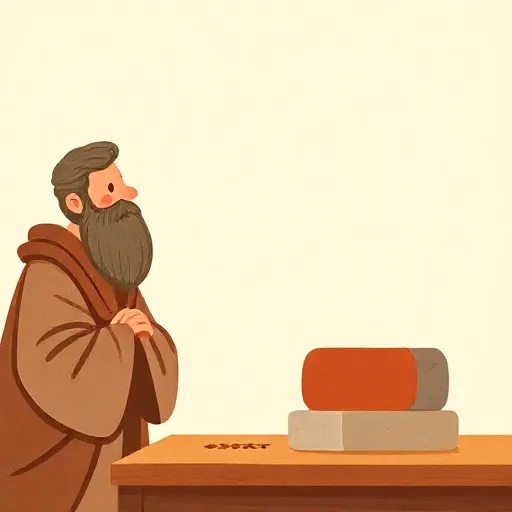
Is Everything Conscious? The Strange Idea That Might Solve the Puzzle
Could everything be conscious? This strange idea might solve the puzzle of how our minds come from brain cells.
-
Is Everything Just One Big, Changing Existence?
Are a rock, a tree, and you separate things or parts of one big existence? Mulla Sadra’s surprising answer changes how we see reality and ourselves.
-
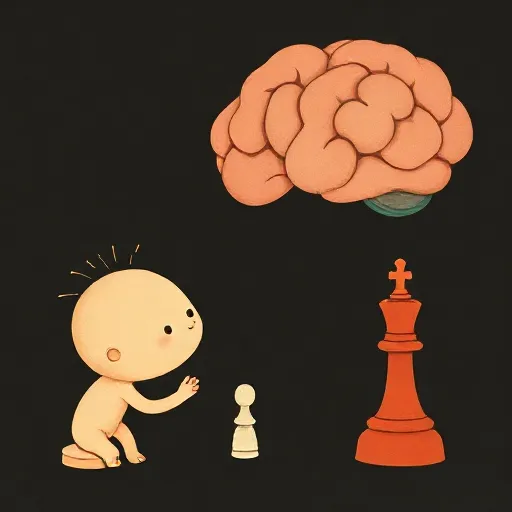
Is Everything Made of Matter? The 300-Year Battle Over the Mind
If your thoughts are not physical, how can they move your body? The argument that pushed many philosophers to say your mind must be your brain.
-
Is Fear a Feeling, a Thought, or a Command to Run?
Is fear a feeling, a thought, or a push to run? The answer affects how we control emotions, see animal minds, and even why scary movies thrill us.
-

Is Forgiveness More Than Just a Feeling?
Does forgiving mean you stop feeling mad, or do you have to say 'I forgive you'? This debate changes how we handle when someone hurts us but isn't sorry.
-

Is Happiness Just a Good Mood, or Something Deeper?
Philosophers don't just ask how to be happy — they ask what happiness even is. A great mood? A life you're proud of? The answer might surprise you.
-

Is It Better to Be Just Even If No One Is Watching?
Glaucon said we'd all cheat if we had an invisibility ring. Socrates spent the whole Republic proving him wrong—by looking inside the soul.
-
Is It Gratitude or Just Feeling Glad? The Hidden Difference
Is being glad it didn't rain the same as thanking someone? Find out the difference between a lucky feeling and real gratitude and if you owe anything back.
-

Is It Wrong Even If the Principal Says It’s OK?
Why do some rules feel wrong no matter who says it's okay? How kids tell morals from customs, and why it shapes right and wrong.
-
Is Language a Thing in Your Head, or Something You Do?
Some linguists dig through billions of spoken words. Others search for a hidden code in your mind. A three-sided debate about what language even is.
-
Is Laughter Mean, Irrational, or the Best Thing About Us?
For 2,000 years, philosophers said laughter was scornful and dangerous. Now many think it's a sign of cleverness and health. How did that flip?
-

Is Love a 'We'? The Fight Over What Love Really Is
What is love? Thinkers disagree: is it sharing an identity or caring deeply? And why love one person over another? A puzzle about our deepest feeling.
-
Is Money Real? The Strange World of Social Things
How can money, laws, and teams be real when they only exist because we believe in them? This puzzle shows how shared ideas create the social world.
-
Is Pleasure a Feeling, a Thought, or a Way of Doing Things?
Is pleasure just a good feeling, a thought, or a way of acting? Finding out could shift how you see happiness.
-
Is Remembering Like Time Travel, or Are You Just Making It Up?
Is your memory like a video replay, or do you rebuild it each time? The answer affects whether you can trust your own memories.
-
Is Right and Wrong Just a Feeling? David Hume’s Shocking Idea
Can feelings, not logic, tell us right from wrong? David Hume's idea that morality comes from emotions still makes us rethink rules and fairness.
-
Is Seeing an Apple the Same as Just Dreaming One?
When you see an apple, is your mind doing the same thing as when you dream one? Philosophers disagree, and the answer changes how we think about reality.
-
Is Sexual Desire Good or Bad? The 300-Year Philosophical Fight
Some thinkers say it brings people together and creates joy. Others warn it turns people into objects. Why your crushes and attractions are a deep puzzle.
-
Is Stealing Wrong a Fact or Just a Feeling?
Is stealing wrong a fact like 'the sky is blue,' or just a feeling? The answer shapes whether we can say someone should have acted differently.
-
Is That Art? The Science of Taste and Controversy
Why do we argue about beauty, and can science ever settle what counts as art? Philosophers and psychologists team up to explore the hidden rules of taste.
-
Is That Really Your Dad? What Delusions Reveal About Belief
Can someone see their dad as an impostor despite proof? Delusions show how beliefs can defy reason, making us question our own certainties.
-
Is That Really Your Hand? The Strange Inside Story of Your Body
You know your own body in a way no one else can — without looking. But what makes that feeling so special, and can it ever be wrong?
-
Is That Sound Inside Your Head or Out There in the World?
If a tree falls with no one to hear, does it make a sound? That riddle opens a window into how hearing works — and what sounds really are.
-
Is That Voice in Your Head Really Talking?
Is the voice in your head real talking or just a mental echo? Find out why philosophers disagree and how it affects how we think and hear voices.
-
Is the Apple Real? The Surprising Debate Over Seeing
How do you know if what you see is real? This debate over sensations versus direct experience decides whether you can ever trust your own eyes.
-
Is the Green in Your Afterimage Out There Somewhere?
Where is the green in an afterimage? It's not in the world or your brain. This sensory puzzle divides philosophers and reveals truths about experience.
-
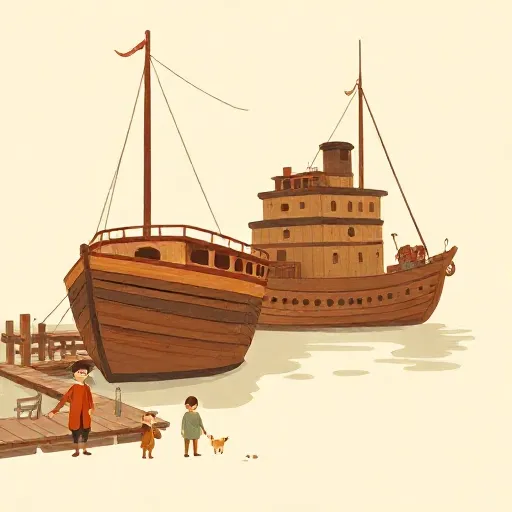
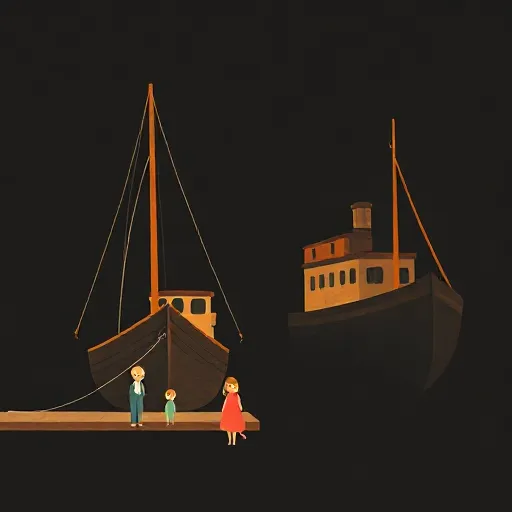
Is the Ship Still the Same Ship After Every Plank Is Replaced?
Why a wooden ship, a broken cup, and your own memory make philosophers ask: what makes something the same thing over time?
-
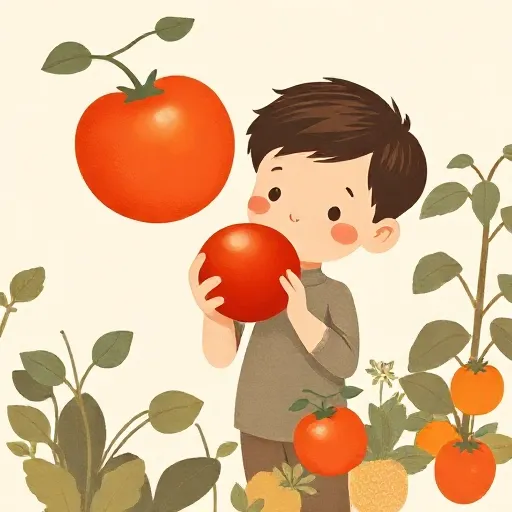
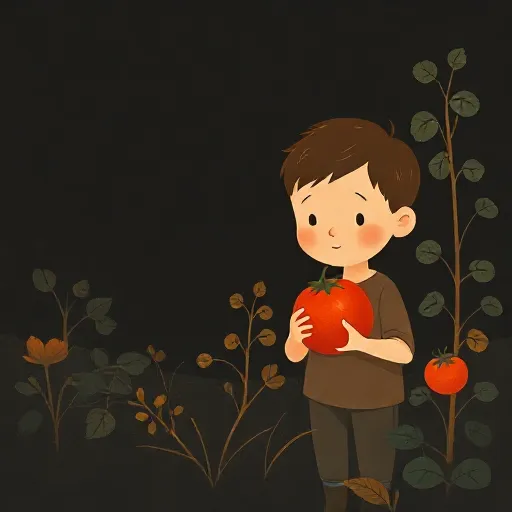
Is the Sky Really Blue? The Big Color Puzzle
Is a tomato really red? Scientists and philosophers say color might be only in your mind. This surprising idea changes how you see the world.
-
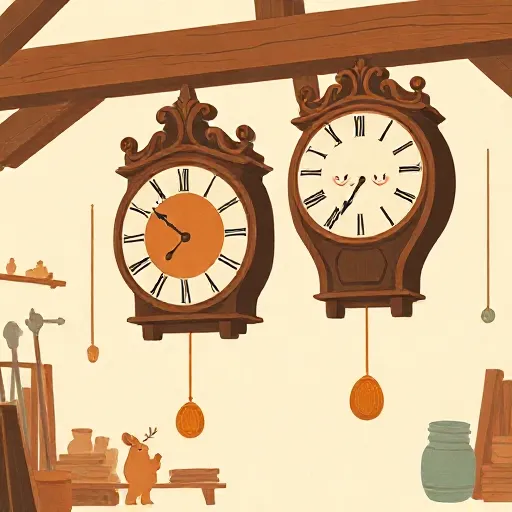
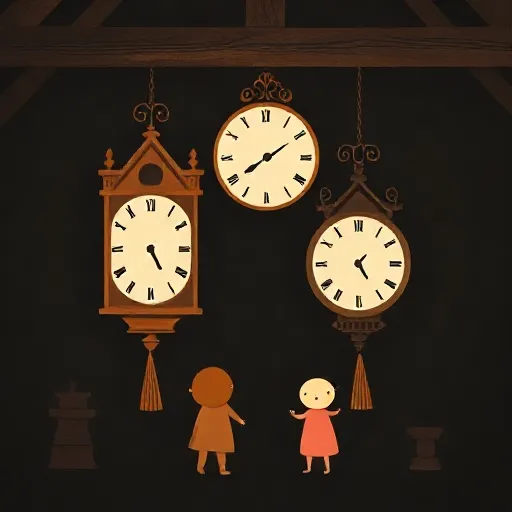
Is the Universe Made of Tiny Souls? Leibniz's Strange Answer
Leibniz thought the universe is made of tiny souls called monads. Each mirrors the world in its own way. This strange idea still puzzles us.
-
Is the World Just a Movie in Your Head? Scotland’s Philosophy War
Do you see real things or just brain pictures? In the 1800s, Scottish thinkers argued over this, creating psychology and a puzzle still unsolved.
-
Is the World Just in Your Head? The Buddhist Idealists
Is the world just your imagination? Buddhist thinkers used dreams to argue yes. But if everything is mind-made, how can you know others are real?
-
Is There a ‘Self’ Inside You, or Just a Bundle of Thoughts?
From Descartes’ ‘I think’ to Hume’s missing self, philosophers have battled over what you really are when you say ‘I’.
-
Is There a Little Picture Screen Inside Your Head?
When you think of a tiger, what's in your mind? Descartes argued ideas are not little pictures but ways of thinking and clear ideas connect you to reality.
-
Is There a Secret Language Hidden Inside Your Brain?
Do we think in a secret mental code, like words in our head? This debate shapes our understanding of minds, learning, and AI.
-
Is There a Secret Rulebook Hidden Inside Every Word?
Do words secretly tell you how you must use them? The answer affects how we see language, mistakes, and science.
-
Is There Such a Thing as a Truly Selfless Act?
Can we do a truly selfless act, or is every kind thing we do selfish deep down? Psychologists test this old question with surprising experiments.
-
Is Touch Just One Sense, or a Whole Orchestra?
When you touch something, you feel heat, texture, and pressure from different sensors. Are these one sense or many?
-
Is Your Brain Editing Reality Right Now? Ernst Mach Said Yes
Ernst Mach thought our senses don’t just copy the world—they shape it, like evolution shaping species. Why that changes everything.
-

Is Your Brain Making It All Up? Hermann von Helmholtz's Big Idea
You see a straw bent in water, but it's straight. Helmholtz said your brain doesn't copy the world—it builds your experience from clues.
-
Is Your Conscience the Real Boss of Your Brain?
Is your conscience really in charge, or do you just trick yourself? Joseph Butler thought being good and being happy naturally go together.
-
Is Your Friend Just Being Friendly — or Pulling Your Strings?
How can you tell friendly persuasion from manipulation? Spot the signs to know when someone is respecting your choices.
-
Is Your Heart Also Your Brain? Ancient Chinese Philosophers on Knowing
In ancient China, the heart was the center of thinking, not just feeling. Knowledge meant living well — a very different picture from Western philosophy.
-
Is Your Memory a Filing Cabinet or a Storyteller?
When you remember something, is your mind just replaying a tape or building new details? Memory can give you reasons to believe, but how? The big debate.
-
Is Your Mind a Blank Slate? John Locke’s Surprising Answer
Locke argued we're all born knowing nothing—and that our ideas come from experience. Why that changed how we think about knowledge, education, and freedom.
-
Is Your Mind a Computer, or Something More?
Is your mind a computer, or something more? The answer reveals more than logic—it shapes how we see feelings, choices, and being alive.
-
Is Your Mind a Ghost Hiding Inside a Machine?
Descartes said the mind is a secret inner self pulling the body’s levers. Gilbert Ryle showed this picture leads to a big mistake. What is the mind really?
-

Is Your Mind a Shared Light? Medieval Muslim Thinkers Asked
Ancient Greek ideas met Islamic doctors and astronomers. They debated: Is your soul separate from your body? Do all minds think with one cosmic light?
-
Is Your Mind a Swiss Army Knife? The Evolutionary Psychology Debate
Is your mind a toolbox of evolution-made programs or a flexible all-purpose thinker? Scientists debate.
-
Is Your Mind a Toolbox Full of Specialized Tools?
Optical illusions fool you because your mind has separate sealed-off modules—but can your whole mind be a toolbox of them? Philosophers debate this.
-

Is Your Mind Always Pointing at Something, Even When Nothing Is There?
Do thoughts always point to something, or can feelings like pain just be raw? Figuring this out helps us understand animal and robot minds.
-
Is Your Mind Building the World You See?
Does your mind passively see the world or actively build it? The surprising answer changes how you understand reality.
-

Is Your Mind Clear? The 350-Year-Old Logic Book That Asked First
Two French monks wrote a logic book in 1662 — not about symbols, but about how to think clearly, avoid confusion, and know what's real.
-
Is Your Mind Just an Idea of Your Body? Spinoza’s Strange Answer
Is your mind just an idea of your body? Spinoza thought so—and said even rocks think. His weird idea might be the key to real freedom.
-
Is Your Mind Secretly Shaping Every Experience You Have?
Your mind might have a hidden framework shaping everything you see. But can we ever know if it matches reality? Join Kant and Hume's clash of ideas.
-
Is Your Mind Something More Than Just a Brain?
Is your mind just your brain, or something more? This question shapes how we see ourselves and what happens when we die.
-
Is Your Mind the Boss of You? Ancient China’s Heart-Mind Debate
Is your mind the boss or a teammate? Ancient Chinese thinkers debated this, and it changes how we understand flow in sports and music.
-

Is Your Sadness a Sickness? The Fight Over Mental Disorders
What makes a feeling a mental disorder? Philosophers debate if it's a brain problem or a label society creates. This shapes who gets help or judged.
-
Is Your Soul a Ghost, a Ruler, or Just a Toolbox?
What is the soul? Ancient Greeks had different answers, from a ghost to a ruler, and their debate still shapes what we think today.
-
Mind-Reading, Brain Hacking, and Who You Really Are
Brain scans may soon reveal your secrets. Pills might make you smarter. Philosophers argue about whether we should use these powers — and who decides.
-
Reasons Are Causes, But Minds Aren't Machines
Why do we do what we do? Donald Davidson says your reasons are the actual causes of your actions, but your mind can't be fully predicted by science.
-
Should You Trust a Brain That Warns You Not To Trust It?
If evidence suggests you are irrational, should you rethink everything? Philosophers call this the puzzle of higher-order evidence.
-
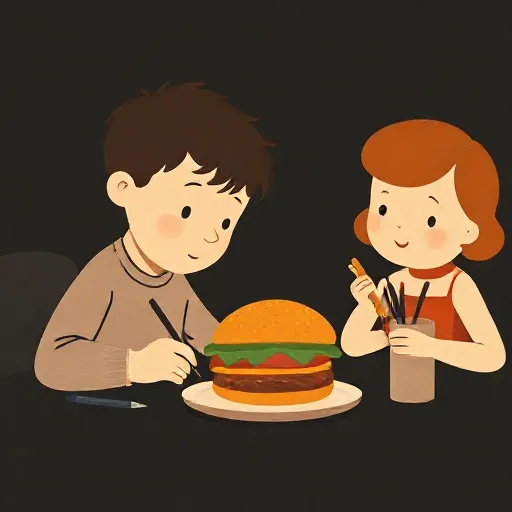
Should Your Burger Make You Feel Guilty?
Some philosophers say eating meat is wrong because of how animals are raised and killed. Others say your plate isn’t that simple.
-
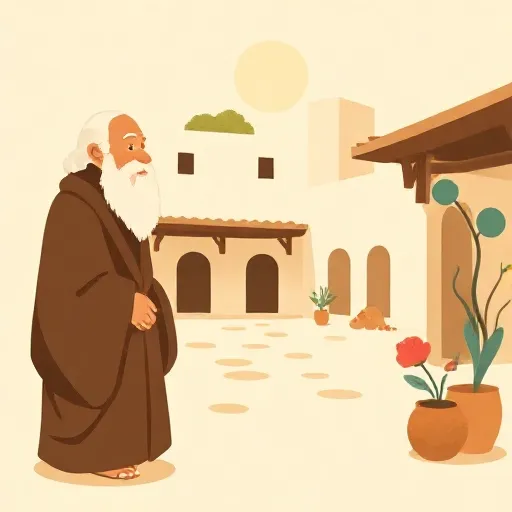
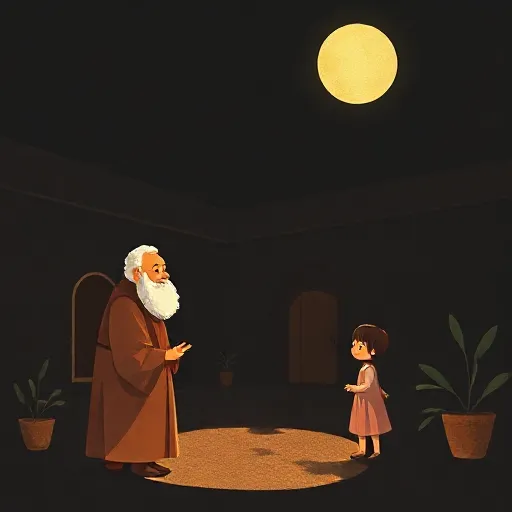
Socrates Hated Books. What Would He Think of Your Smartphone?
Socrates distrusted writing. Now phones keep secrets and make choices. Can a machine ever be a true friend or act morally?
-
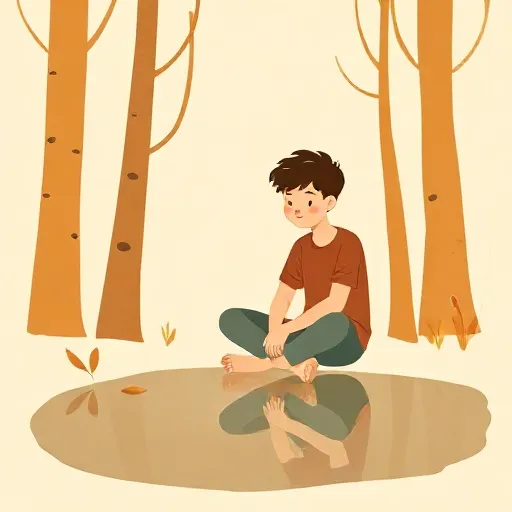
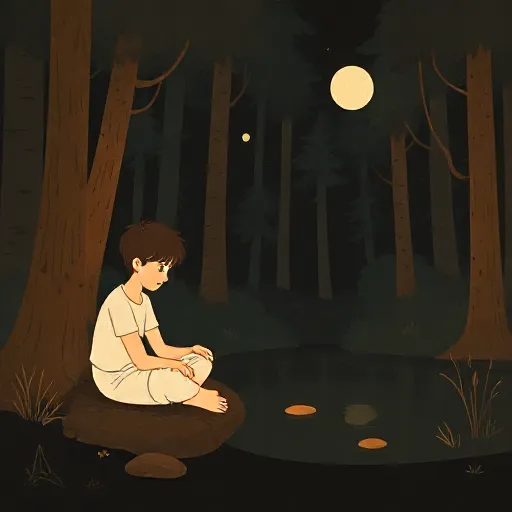
The 2,500-Year-Old Case Against a Permanent Self
Is there a permanent 'you' inside your mind? Ancient Buddhist thinkers said no — you're a shifting collection of events. Their idea still puzzles us today.
-
The 700-Year Fight to Explain Aristotle’s Strangest Book
Why did Aristotle's claim about an 'active intellect' start a 700-year argument that never ended? Explore the battle over his strangest book.
-
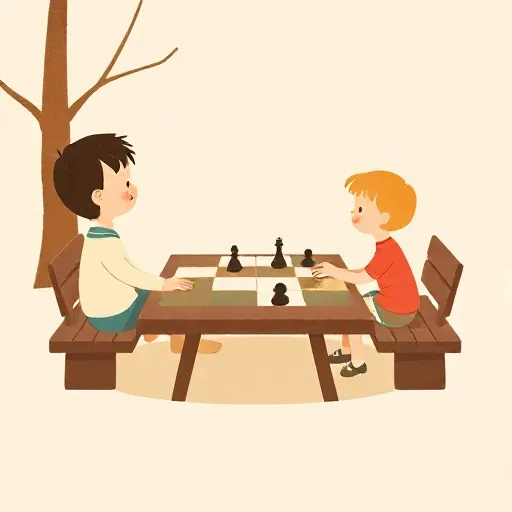
The Game Where You Guess What They're Guessing
Can flipping a coin help you win a game? Discover why being unpredictable is a superpower in the game of guessing minds.
-
The Man Who Doubted Everything — and Found One Solid Rock
How did Descartes search for certainty? He doubted everything, found thinking is the only sure thing, but his mind-body split still puzzles us.
-
The Man Who Said Atoms Are Real and Your Mind Is Your Brain
Is your mind just brain activity? Are atoms real? Feigl believed both, and his ideas still shape how we think about science and ourselves.
-
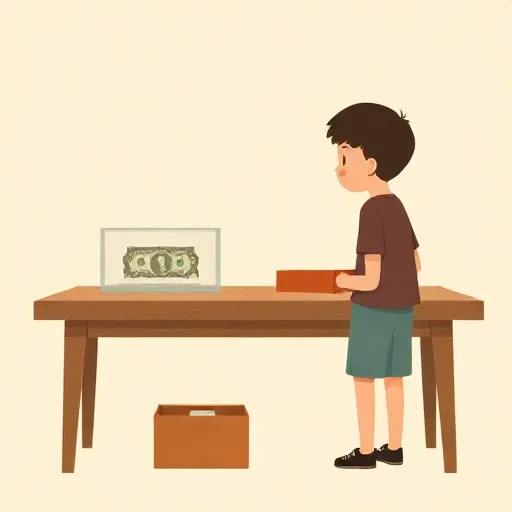
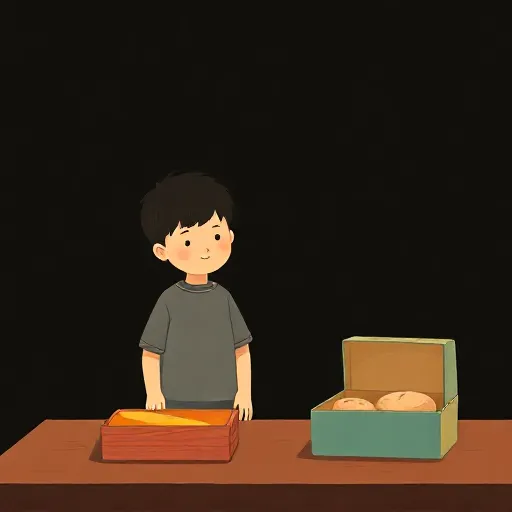
The Million-Dollar Box That Might Be Empty
Should you trust a prediction or grab what's in front of you? Newcomb's Problem pits two ways of thinking against each other in a baffling money puzzle.
-
The Parisian Teacher Who Believed Grammar Holds the Key to Reality
How does the structure of language mirror reality? A 700-year-old teacher's surprising idea reveals why we can express thoughts and make choices.
-
The Philosopher Banished for Asking: Do You Have Free Will?
If everything happens for a reason, do you really have free will? This idea got a philosopher banished—and we’re still debating it today.
-
The Philosopher Who Said Science Isn’t Enough
Can science tell us what life means? Hermann Lotze argued that science explains how things work, but philosophy is needed for why they matter.
-
The Philosopher Who Said Stones Could Think
Could a stone become a thinking person? Diderot thought matter might be alive and able to think. His bold idea still puzzles what minds are.
-
The Philosopher Who Said You Are Condemned to Be Free
Sartre argued you’re radically free — you can’t blame your past, biology, or God. That freedom is terrifying, but it’s also what makes you human.
-
The Philosopher Who Thought God Feels Your Pain — and Electrons Do Too
Why did one philosopher think even tiny things like cells might feel? His answer changes how we think about God, suffering, and the universe.
-
The Philosopher Who Thought There’s No Ghost in the Machine
What if your thoughts are as real as chairs? Philosopher John Anderson argued there is only one world, leading a free-thought fight against censorship.
-
The Secret Inside Your Mind That Reinhold Thought Explained Everything
Why did Reinhold's search for one mental truth fail? His 'obvious' idea kept cracking, showing how elusive certainty is.
-


The Shopper Who Chased Himself: A Puzzle About 'I'
Why is believing 'I am making a mess' different from believing 'John Perry is making a mess'? This puzzle shows something surprising about self-awareness.
-
The Sorting Game That Exposes Your Hidden Biases
How can your brain hold biases you don't know about? Quick tests uncover hidden links, making us rethink who we are and who's to blame.
-
The World Is Made of Atoms and Void. So Why Does Honey Taste Bitter?
Democritus thought everything is made of atoms and empty space. But then why does honey taste bitter? A puzzle that makes us question reality.
-
Was That Movie Just Entertainment, or Real Art?
Why do we cry over people who never existed? Can a film think? The big ideas behind the movies you watch.
-
Was Your Last Choice Already Decided Before You Were Born?
If everything is caused by past events and laws of nature, are your choices already decided? This matters for blame, praise, and what it means to be human.
-
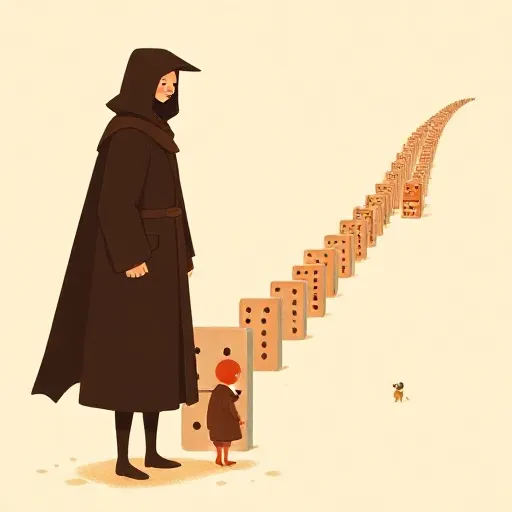
Was Your Whole Life Decided Before You Were Born?
Could all your choices have been set before you were born? Explore the debate over free will and why it still matters today.
-
Were You Always Going to Choose That? Kant vs. the Domino Theory
Do your choices come from you, or are they like dominoes pushed by past events? Discover a 300-year-old debate that still asks if we are free.
-

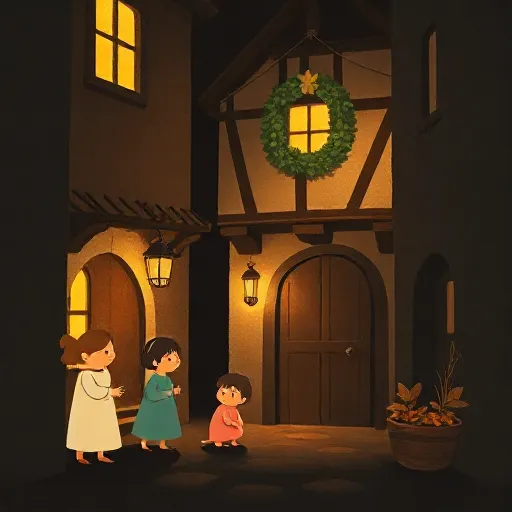
What a Wreath Above a Tavern Taught Philosophers About Signs
What makes a wreath, a footprint, or a word into a sign? Medieval thinkers discovered that signs depend on minds, and even thoughts are signs.
-
What Are Your Thoughts Pointing At? (Even When Nothing's There)
How can your thoughts be about things that don't exist, like a flying horse? Philosopher Franz Brentano's answer still sparks debate today.
-
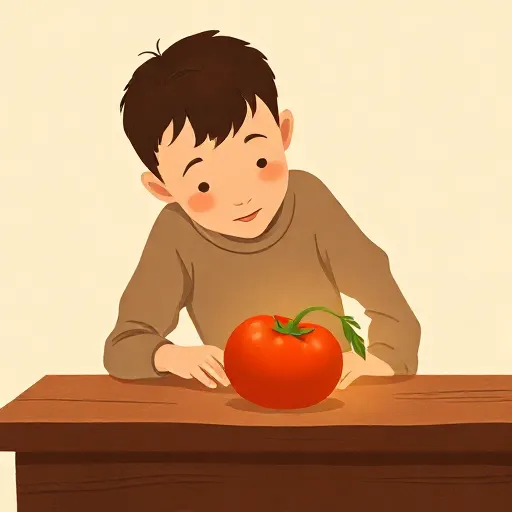
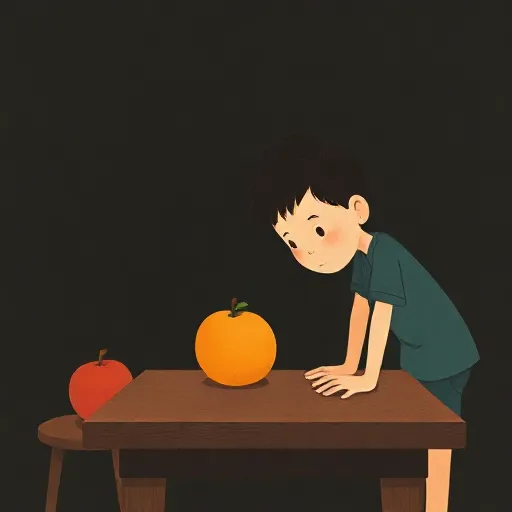
What Can You Really Be Sure of When You Look at a Tomato?
Can you trust your eyes? Look at a tomato—you might be dreaming, but the redness in your mind is certain. That flash of color matters for knowing anything.
-
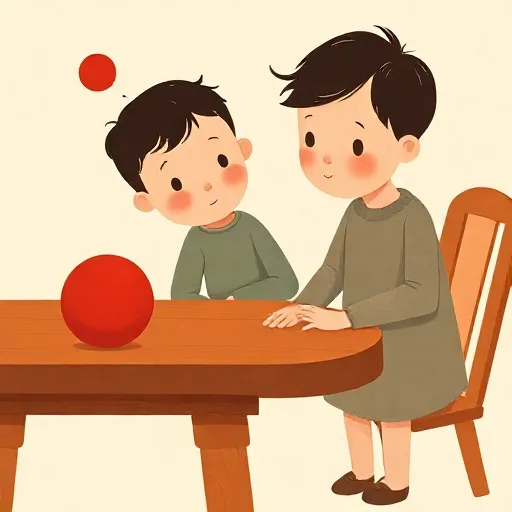
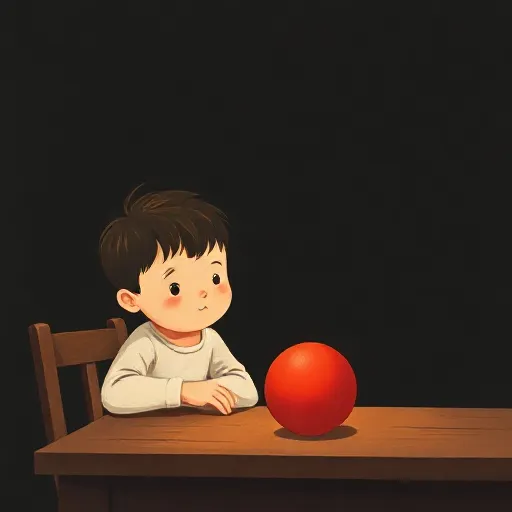
What Can You Really Know? The Philosopher Who Split Experience in Two
How much can we really trust our senses? C.I. Lewis believed pure feelings are certain, but our invented concepts can fool us.
-
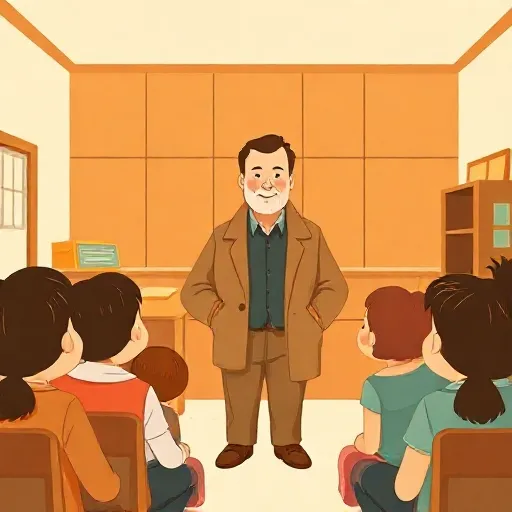
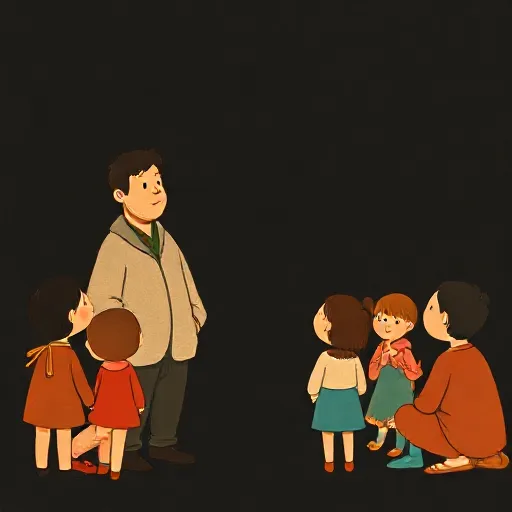
What Does 'Beautiful' Mean? Wittgenstein's Surprising Answer
Wittgenstein thought the search for a single essence of beauty was a mistake; instead, he showed that aesthetic words work like gestures within a culture.
-
What Does It Really Mean to 'Be Able to' Do Something?
Can you still have a skill if you can't perform it? Figuring out what an ability really is changes how we understand choice and disability.
-
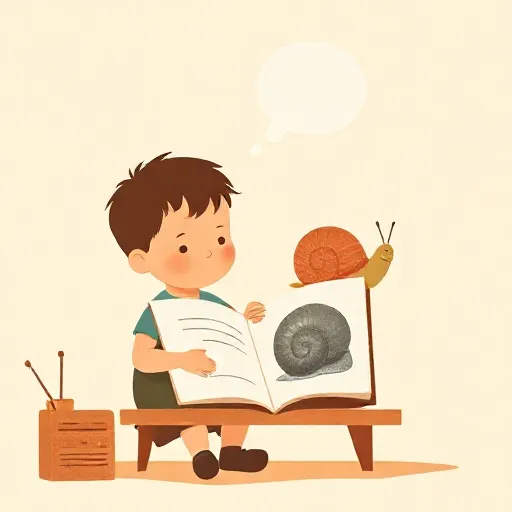
What Happens to a Belief When You’re Not Thinking About It?
You learn a snail fact, then recall it days later. Where was the belief — in your brain, your habits, or just in how others see you?
-
What Happens When Philosophers Start Running Experiments?
For centuries, philosophers thought about big questions in their armchairs. Then some started surveying ordinary people — and the answers shook things up.
-
What Happens When You Close Your Eyes and Picture an Apple?
Some people 'see' an apple when they close their eyes; others see nothing. Scientists think mental imagery shapes memory, feelings, and movies you love.
-
What Happens When Your Wants Loop Back on Themselves?
Your wants can clash like a game of rock-paper-scissors. Could that trick you into bad decisions? And what are preferences anyway?
-
What If 'Plus' Really Meant 'Quus'? The Rule‑Following Puzzle
Can we ever prove what a word means? A clever puzzle suggests maybe not, shaking the ground under all our words and thoughts.
-
What If a Mouse Had Human Thoughts?
From myth to lab, researchers now mix human stem cells with animal embryos. But if a mouse gets human-like awareness, do we have to treat it like a person?
-
What If Every Red Thing Had Its Own Private Red?
Is heat one shared thing, or does each burn have its own heat? The surprising idea: properties like redness might be unique to each thing.
-

What If Everything You See Is Just an Idea?
Some philosophers say physical stuff doesn't really exist. Only mind does. Meet the thinkers who turned reality inside out.
-

What If Morality Is Less About Doing and More About Seeing?
Could looking at someone be a moral act? Iris Murdoch thought so. The way you see others might be more important than the choices you make.
-
What If the Most Important Decisions in Life Are Impossible to Make?
What if life’s biggest choices are impossible to make? Experiences that change your identity can’t be compared, so you can’t decide what’s best.
-
What If the World Is Built from Neither Mind nor Matter?
When you see a red patch, is it physical or mental? Mach, James, and Russell said it's neither. They believed everything is built from neutral stuff.
-
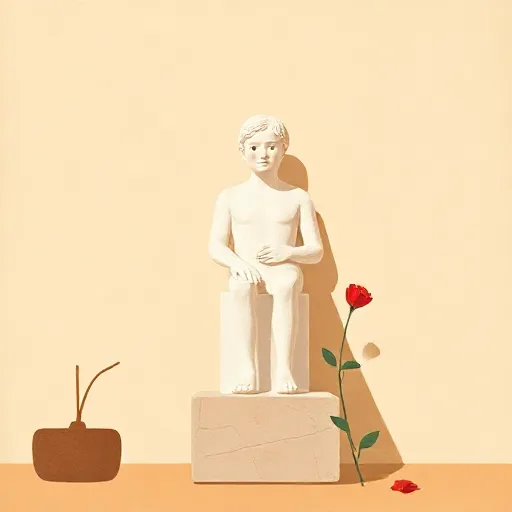
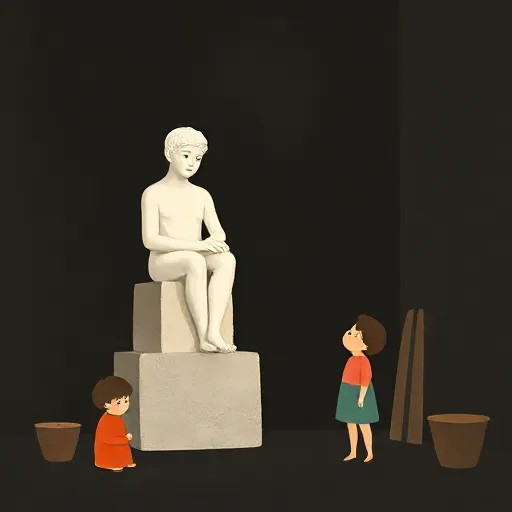
What If You Woke Up as Just a Nose? Condillac’s Thought Experiment
Condillac imagined a statue that gained senses one by one to prove that all we know comes from sensation. His radical idea still stirs debate.
-
What If Your Body Shapes Every Thought You Have?
Can thinking happen without a body? Descartes sought pure reason, but feminist thinkers say bodies shape our minds. That changes how we see truth.
-
What If Your Happiness Depended Only on You?
What if your happiness depended only on you? The Stoics show how your thoughts, not events, shape your feelings—so you can always be okay.
-
What If Your Mind Is Just What You Do? The Behaviorist Gamble
Can scientists really ignore thoughts and feelings and just study actions? The surprising idea that started fierce debates about the mind.
-
What If Your Red Is My Green? The Puzzle of Inner Experience
Could two people have their colors swapped without ever knowing? This age-old puzzle challenges what we can ever know about each other's minds.
-
What If Your Whole World Is Just Quick Mind-Flashes?
What if your whole world is just quick mind flashes? Ancient Buddhist thinkers explored this question to help people find peace. Today, scientists ask it.
-
What Is It Like to Be a Bat? The Puzzle of Consciousness
Why can't we know what it's like to be a bat? Explore the puzzle of consciousness and your own inner world.
-
What Is It Like to Be a Dog? The Battle Over Animal Minds
Do animals feel joy or pain? Some think only humans have conscious minds; others say consciousness might be widespread. Our answer affects animal welfare.
-
What Is It Like to Be You, Right Now?
What is it like to see a tree, feel angry, or imagine a monster? Phenomenology explores the inside of experience and why it matters for understanding you.
-
What Is It Like to See Red? The Mystery of Qualia
You see a red rose. There’s something it feels like inside. But can science ever explain that feeling? Philosophers have been arguing for decades.
-
What Lives in Your Mind When You're Not Thinking About It?
Herbart said your mind works like physics — ideas push and shove each other. The ones that lose the fight don't disappear. They wait in the dark.
-
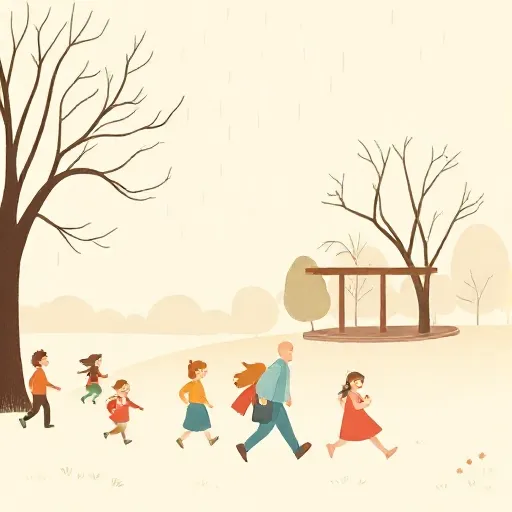
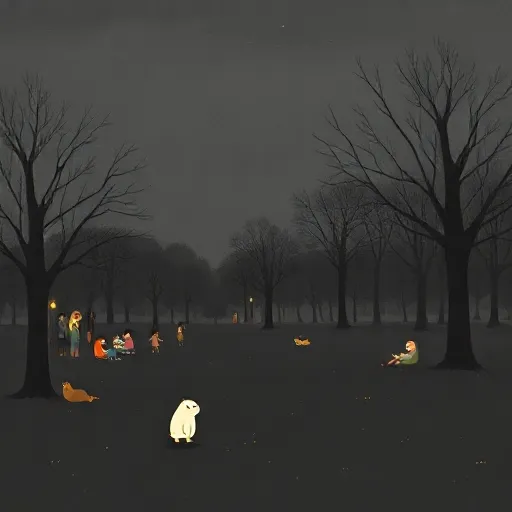
What Makes “We Did It” Different from “I Did It, and So Did You”?
What makes a group action truly shared? Two scenes can look the same, but only one is a 'we'. It might involve shared aims, promises, or even a group mind.
-


What Makes a 'We'? The Strange Logic of Doing Things Together
If you and I both plan to visit the Taj Mahal, is that a 'we'? Philosophers argue about what turns individual plans into shared actions.
-
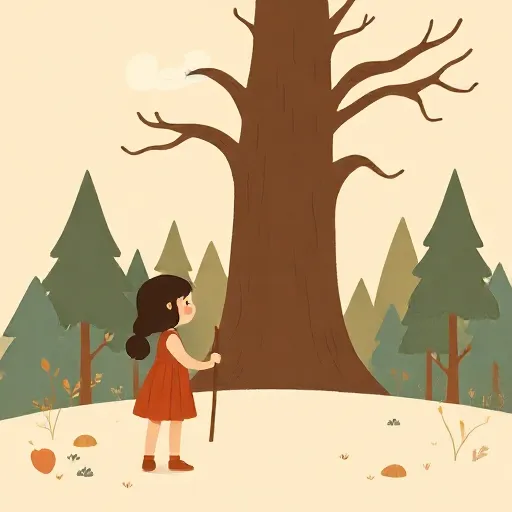
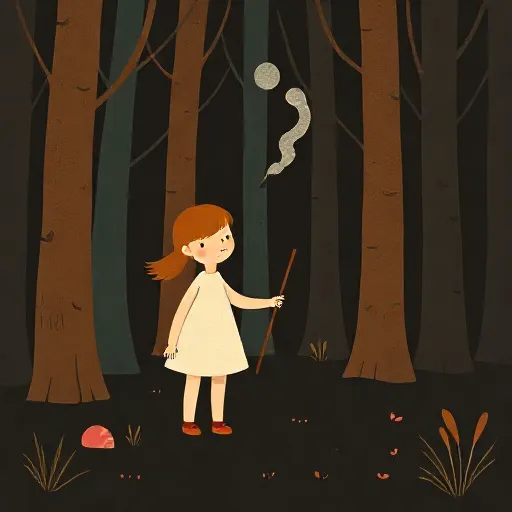
What Makes a Thought About a Dog, and Not About a Fox?
What makes a thought about a dog mean 'dog' and not 'fox'? It's a tricky puzzle that's sparked clever philosophical ideas.
-
What Makes Hope Different From a Wish? The Surprising Answer
Hope feels like wanting something and thinking it's possible, but it's more than that. Discover the surprising difference and whether hope is always wise.
-
What Makes Knowing Different from Believing? John Cook Wilson’s Answer
If you spot a cat and just know it’s yours, is that different from believing? John Cook Wilson claimed knowing is a special state of mind all its own.
-
What Makes Something Alive? Aristotle’s Ancient Guide to the Soul
Aristotle thought every living thing has a soul—not a ghost, but a kind of inner shape. That idea still shakes up how we think about minds and bodies.
-

What Separates Doing Something on Purpose from a Mere Twitch?
Why does deciding to move feel different from a reflex twitch? Philosophers explore the hidden mental parts that turn movements into actions.
-

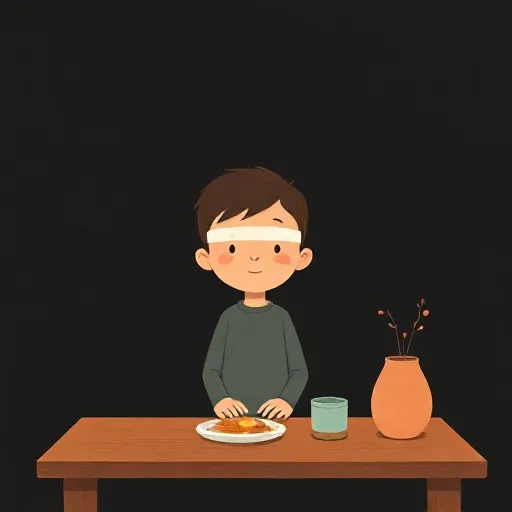
What Would You See If You’d Never Seen Before?
In 1688, William Molyneux asked: if a person born blind suddenly saw, could they tell a cube from a sphere just by looking? The debate is still going.
-
When "Because" Doesn't Mean Cause and Effect
You ask why. Sometimes the answer is a physical cause. Sometimes it isn't — it's about what a thing really is. Welcome to metaphysical explanation.
-
When Does “Being Rational” Lead You Astray?
Why does a logical plan sometimes lead you wrong? It's not enough to think clearly if your goal is foolish.
-
When Does Normal Sadness Become a Mental Illness?
When does normal sadness become a mental illness? Psychiatrists argue about confusing feelings with brain illness, shaping who gets help.
-
When You Drive on Autopilot, Is Your Mind Still Watching?
You zone out while driving, then 'come to.' What makes a mental state conscious? Some philosophers say a hidden second thought is watching the first.
-
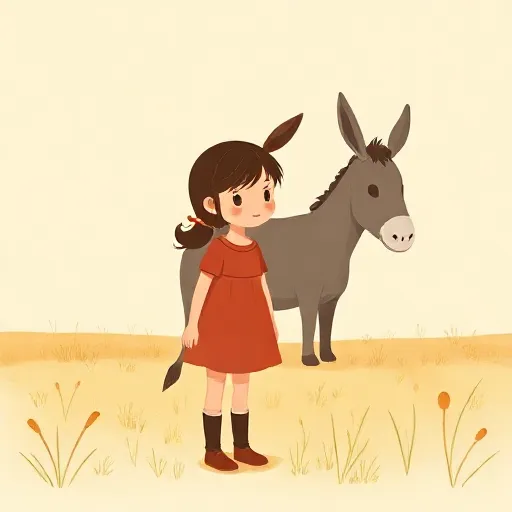
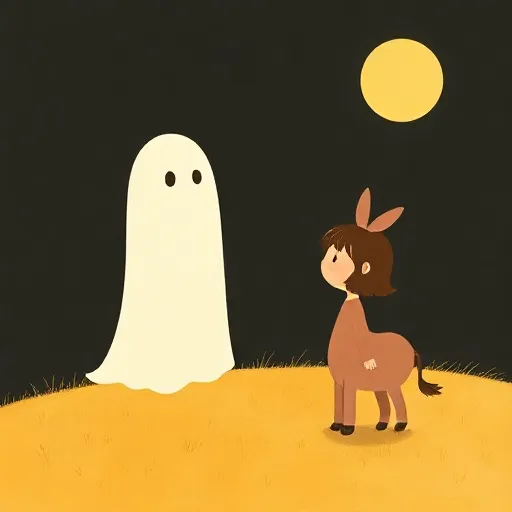
When You Think of a Donkey, Is the Donkey Inside Your Head?
When you think 'donkey,' how does your thought connect to the real animal? Medieval mind-shapes and mental words reveal a puzzle shaping modern thought.
-
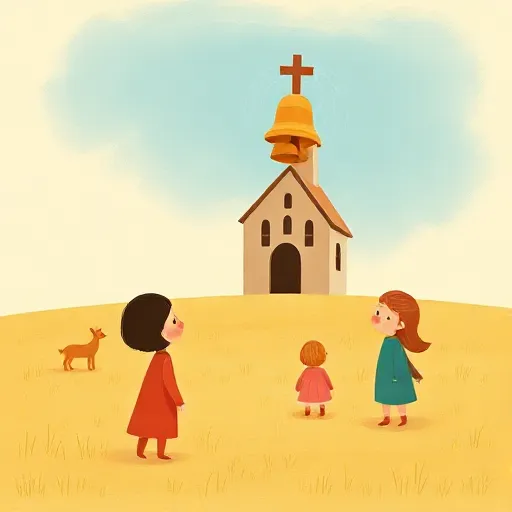
Where Does a Sound Live? The Bell, the Air, or Your Head?
When a faraway bell rings, the sound seems over there. But your ear feels it right here. So where is the sound, really? A puzzle that changes how you hear.
-
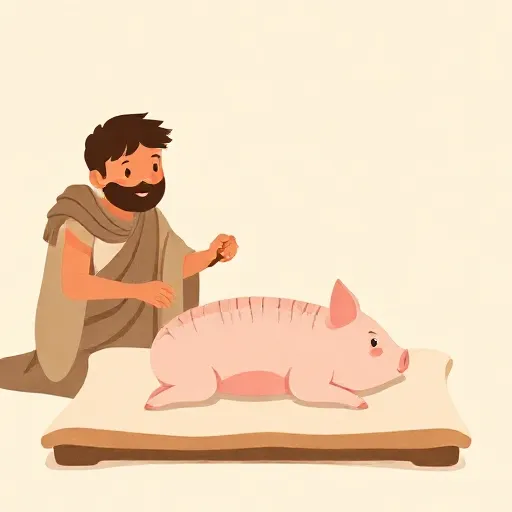
Where Is Your Mind? A Roman Doctor Put It to the Test
Where does your mind live—heart or brain? A Roman doctor used a clever pig experiment to show that thoughts come from the brain, not the heart.
-
Who Are You, Really? Ancient India's Search for the Self
Some said you are an eternal soul behind your body. Others said you're just thoughts and flesh. A 2,500-year-old argument about what makes you you.
-

Who Are You, Really? Paul Ricoeur’s Story-Shaped Answer
Ricoeur thought you can't look inside yourself and find a fixed 'you.' Instead, your identity is a story you tell — and retell — throughout your life.
-
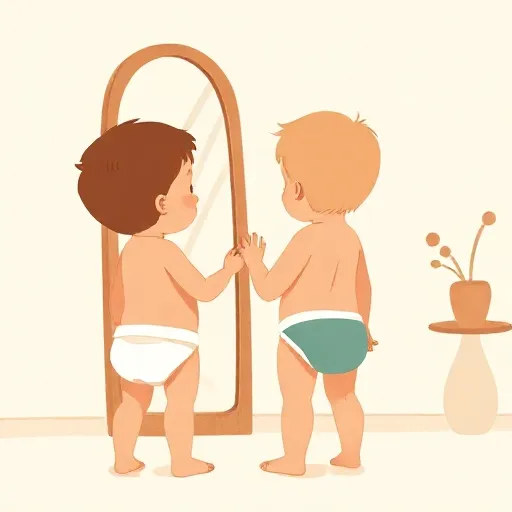
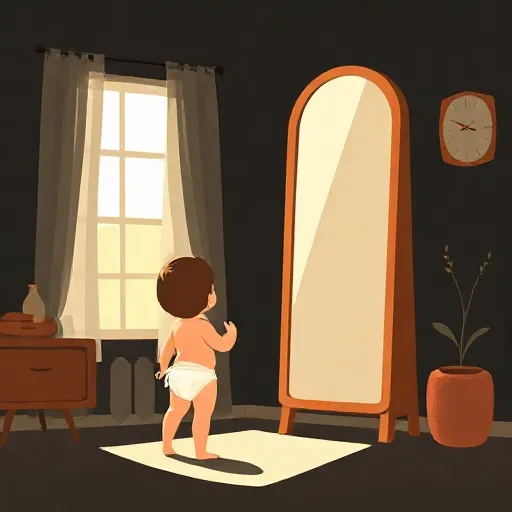
Who Is That in the Mirror? Lacan’s Strange Theory of You
Who is that in the mirror? Lacan said your self isn't inside you—it's built from reflections and words. The real you stays hidden.
-
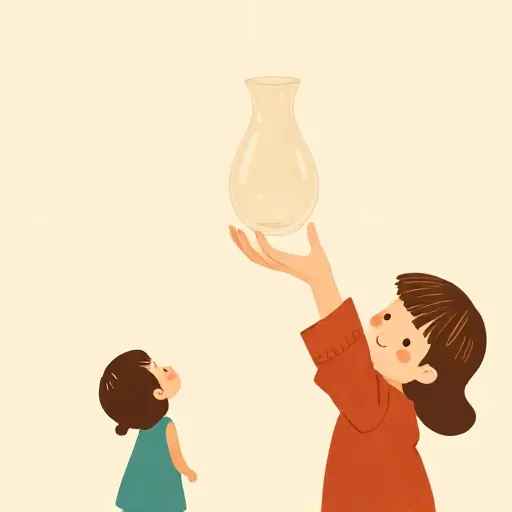
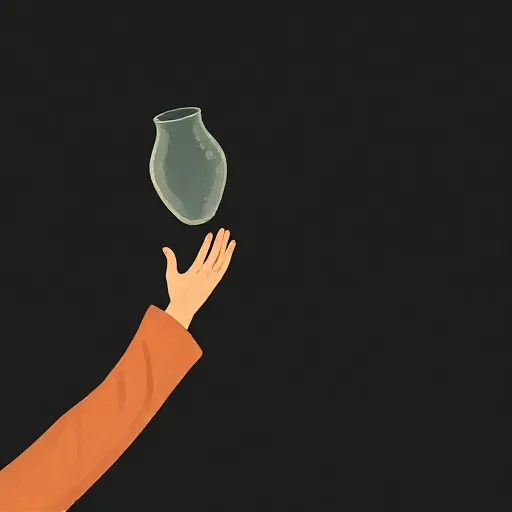
Who Sees to It That the Vase Breaks?
When you drop a vase, did you cause it to break? Philosophers and computers use a special logic to trace actions and their effects.
-
Who’s Really in Charge When You Act?
Do you really choose your actions, or do hidden reasons and desires make you move like a puppet? A spooky question philosophers still debate.
-
Who’s Really in Control—You or Your Brain?
Who is really in control—you or your brain? Find out why even when you decide, it might not feel like your own choice.
-

Whose Wish Counts When You Forget What You Wanted?
If your future self forgets a hard choice you made, does your old wish still matter? Marta's story about marigolds and memory shows why it's tricky.
-
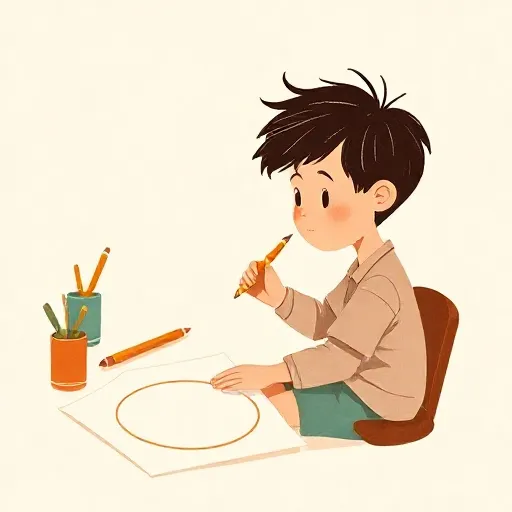
Why "I Was Drawing a Circle" Doesn't Mean I Drew One
Why doesn't 'I was drawing a circle' mean I finished? Words can hide if an action is complete. This puzzle shows how language shapes our sense of time.
-
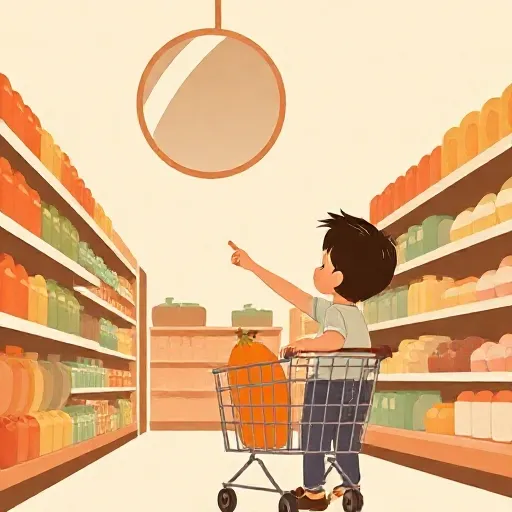
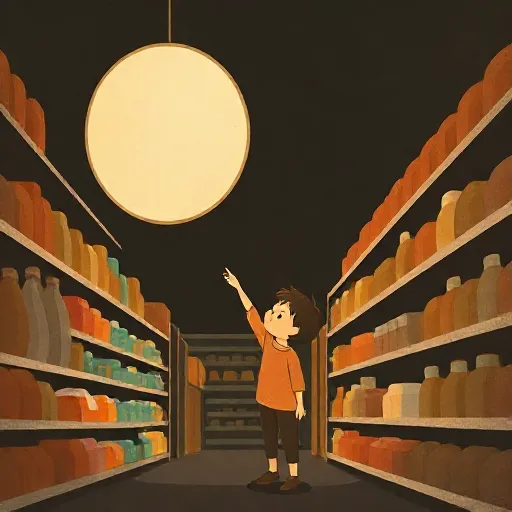
Why "I" Is the Most Dangerous Word in the Grocery Store
When you say "I" you mean yourself. But the same word picks out someone else if they say it. How does that work, and how can it play tricks on you?
-
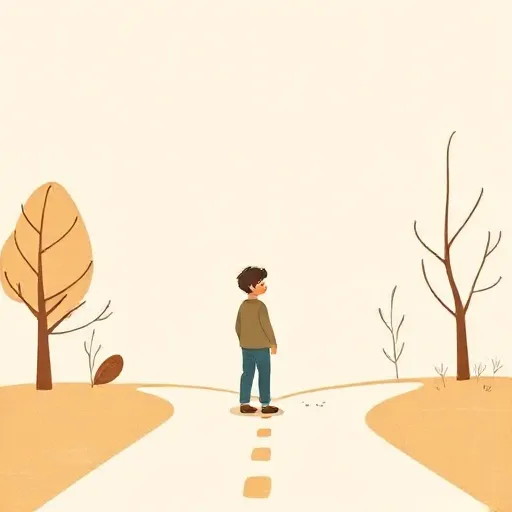
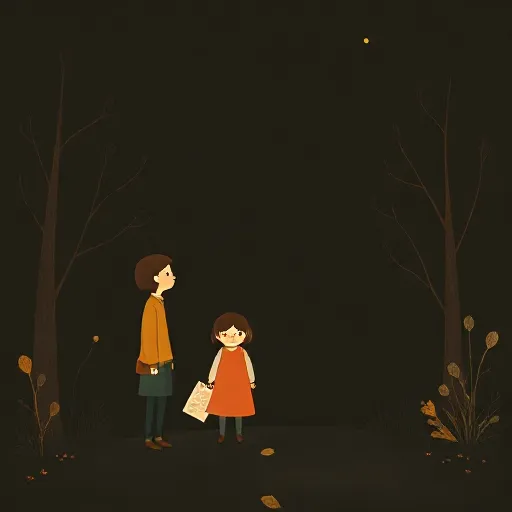
Why a Dime, a Hurry, and a Whiff of Fart Spray Can Twist Your Morals
Can a tiny wording trick flip your moral choice? Smells, rushing, and other silly things can sway what you think is right or wrong. That's a big deal.
-
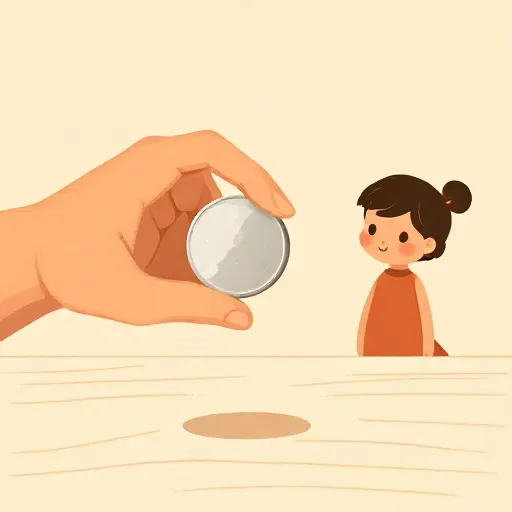
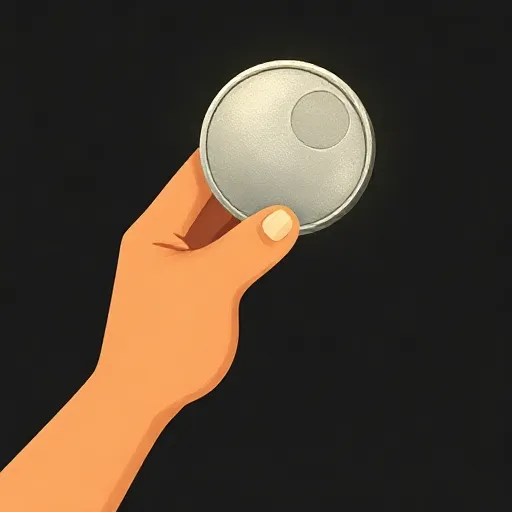
Why a Penny Looks Oval: The Illusion That Shook Philosophy
When a round coin looks oval, are we seeing the coin or a trick of the mind? This everyday illusion sparks a big debate about reality.
-
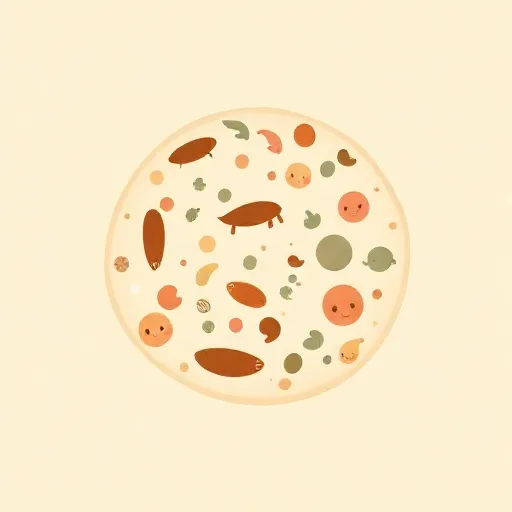
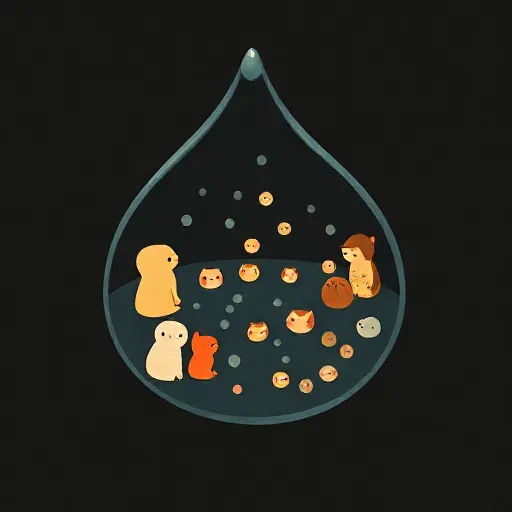
Why a Single Drop of Water Shakes Up All of Philosophy
Do tiny germs make philosophers rethink what a species is? Find out how bacteria blur the lines of the tree of life and change big ideas.
-
Why Can't Computers Think Like You? The Logic That Breaks the Rules
Why can't computers think like you? They need rigid logic, but you skip unlikely stuff and adapt. So scientists invented flexible logic for machines.
-
Why Can't You Just Do Whatever You Want?
Why do you do things? Two thinkers found reasons are like recipe steps or rules for all. This changes how we see right and wrong.
-
Why Couldn't Augustine Just Choose to Be Good?
Why do we sometimes do wrong when we want to do right? Augustine's struggle shows that choosing good isn't just about deciding.
-
Why Did Descartes Think a Tiny Gland Holds Your Soul?
Why did Descartes think a tiny gland holds your soul? Find out why his old question about mind and body still puzzles us today.
-
Why Did Plato’s New Leader Argue Without Ever Taking a Side?
Why did Arcesilaus, head of Plato's Academy, argue without ever sharing his views? Was he a true skeptic or playing a game? Scholars still can't agree.
-

Why Did They Do That? A Banker-Philosopher Explains
Why do people act? A banker-philosopher said actions have future and past reasons. Understanding others is hard because you can't be in their now.
-
Why Did W.E.B. Du Bois Say Black Americans Have Two Souls?
W.E.B. Du Bois noticed that Black Americans often feel they have two souls: one that sees itself proudly and one that sees itself through others' contempt.
-
Why Did You Do That? The Fight Over What Counts as a Real Reason
You tell a joke that’s funny but cruel. Something makes you stop. Philosophers argue whether your reason is a fact in the world or just inside your head.
-
Why Do "Clark Kent" and "Superman" Feel Different?
Both sentences are true in every possible situation, yet Lois Lane knows only one. How can our thoughts be different when the facts are exactly the same?
-
Why Do Good People Have Bad Feelings? Korea’s 500-Year-Old Debate
Why do good people have bad feelings? Korean thinkers compared it to riding a wild horse—the horse can stumble, but you can learn to ride well.
-
Why Do Our Brains Ask Questions They Can’t Answer?
Why do we wonder about the universe, souls, or God even though we can never be sure? Kant shows how these big questions help us make sense of everything.
-

Why Do Sad Movies Feel So Good?
Why do we enjoy movies that make us cry? Philosophers call it the paradox of tragedy. It explores why we choose sad stories over happy ones.
-
Why Do Smart Choices Sometimes Build a Trap?
Each choice can make sense, yet the whole path leads somewhere you hate. Philosophers study 'dynamic choice problems' to see why we trap ourselves.
-
Why Do We Ever Think of Someone as Less Than Human?
Some say dehumanization is treating people badly. Others say it's thinking of them as less than human. Can you do one without the other?
-
Why Do We Feel Real Emotions for Fake People?
We feel real sadness for people in stories, but we don't act to help them. Why? This puzzle helps us understand emotions.
-
Why Do We Obey Without Being Forced? Marcuse’s Big Question
Why do we obey without being forced? Marcuse thought that fun and stuff we buy make us feel free, but we're not. Art and saying no can help us break free.
-
Why Do We Want to Do What We Think Is Right?
Why do we feel a push to do what we think is right? It makes us wonder if right and wrong are real or just feelings.
-
Why Do You Believe What You Believe? The Puzzle of the Basing Relation
Why is it that you can have a good reason for a belief but still not really know it? The answer lies in how your belief is connected to that reason.
-
Why Do You Feel What Someone Else Feels? The Empathy Puzzle
From mirror neurons to moral debates, explore why we share feelings — and whether empathy really makes us better people.
-
Why Do You Follow Rules Nobody Is Enforcing?
You probably don't steal, even when you'd get away with it. Where does that invisible pull come from? Philosophers and scientists are trying to find out.
-
Why Do You Reach for Salt When You See Pepper?
Hume thought ideas link up from experience. Pavlov proved it with drooling dogs. But can a chain of links explain all of thinking? The fight isn't over.
-
Why Do Your Beliefs Sometimes Clash? The Hidden Rules of Thinking
Why do some beliefs clash even if each seems true? Discover the hidden rules of thinking that keep your mind from turning into a mess.
-
Why Does “And” Mean “And Then”?
Why do we assume 'and' means 'and then'? Our minds add hidden meaning to words, sparking debates on lying and promises.
-
Why Does a Flat Picture Show a Whole World?
Why does a flat picture show a world? The simple answer—it resembles the real thing—has flaws. Philosophers' alternate views change how we see all images.
-
Why Does a Melody Feel Like One Whole, Not Just Many Notes?
Why does a melody feel like one whole, not separate notes? Stumpf said we experience patterns first. This idea still shapes psychology today.
-
Why Does a Statue Grab You and Hold You Still?
Is beauty a hidden order, a pleasure button in your brain, or a demand that everyone else feel the same? A puzzle that lasts centuries.
-
Why Does It Sting When Someone Else Has What You Want?
Why does envy feel like a sting? Thinkers ask if it always wants harm and whether it can be fair or useful. Explore the debate.
-
Why Does Your Brain Feel Like You? The Hunt for Consciousness
What turns electrical buzz into the taste of chocolate or the redness of a rose? Scientists and philosophers are searching for the brain’s secret recipe.
-
Why Does Your Mind Feel Like One Thing When It’s So Many Pieces?
Why does your mind feel whole when it's made of many parts? Evidence from split-brain patients hints you could be two minds at once.
-
Why Don't You Run from an Imaginary Tiger?
Why don't you run from an imaginary tiger? It's because your mind borrows real-world rules but quarantines the scary stuff. Find out why that's so useful.
-
Why Elizabeth Anscombe Called Harry Truman a Murderer
Was Truman a murderer for dropping atomic bombs? Elizabeth Anscombe said yes, and her ideas about intentions challenge how we think about right and wrong.
-
Why Is It So Hard for a Robot to Make a Cup of Tea?
Picking up a teacup changes some facts but not others. How can a mind—human or robot—figure out which is which without checking everything it knows?
-

Why Is It So Hard to Imagine That Cruelty Is Right?
Why can we imagine dragons, but not that bullying is right? This puzzling resistance has bothered philosophers for centuries.
-
Why Is It So Hard to Say What a Woman Is? Freud’s Big Riddle
Why is it so hard to say what a woman is? Freud's ideas about how girls grow up sparked debates that still shape how we think about gender.
-
Why Is It So Hard to See the World Through Someone Else’s Eyes?
Why do we think everything is about us? George Eliot's mirror parable shows how our self-centered view distorts reality, and how stories build sympathy.
-
Why Is It So Hard to Teach Someone to Be Creative?
From divine madness to brain scans, philosophers and scientists argue whether creativity is a gift, a skill, or something in between.
-
Why Juan Luis Vives Thought Certainty Was a Trap
Why did Juan Luis Vives think certainty is a trap? His advice to learn from experience helped launch modern science.
-
Why Medieval Thinkers Thought God Lit Up Your Mind
Can we trust our own reason? Medieval thinkers argued God provides a special light for knowing truth, and this debate changed how we understand the mind.
-
Why Science Can't See the Real World—and What Can
How do we know what's real if our senses don't show the true world? Friedrich Lange said science can't, but imagination gives us moral ideals.
-
Why Singing in the Shower Might Be Real Art
R. G. Collingwood said art isn’t craft, magic, or fun — it’s the way you get to know your own feelings. And he meant every word you say.
-
Why Some Truths Just Seem Right (and Should You Trust That?)
Ever had a flash where an idea just felt true, like 'a square can't be round'? Discover what intuitions are and if you should trust them.
-
Why Spinoza Thought Your Mind and Body Are the Same Thing
Spinoza said mind and body aren't two separate things, but two ways of looking at one substance. His radical idea still puzzles philosophers.
-


Why This Ancient Thinker Said You’re Born Bad—and How You Fix It
Are people born good or bad? Ancient Chinese philosopher Xunzi said we're born with dangerous impulses, but we can learn kindness through daily practice.
-
Why Time Flows Like Music, Not Like Frames: Henri Bergson’s Revolution
Bergson argued that real time is a living melody, not a string of instants. His idea upends how we think about free will, memory, and creativity.
-
Why You Can’t Know Your Own Mind (But Kant Says That’s OK)
Kant thought your mind is a hidden system of skills you can never look inside to see. His model still shapes brain science.
-
Why You’ll Never Think a Thought Without Your Body
Why can't you think without a body? A monk's blood transfusions showed senses create all thoughts, challenging Descartes.
-
Why Your Stubbed Toe is the Most Certain Thing You Know
Russell said some knowledge is direct — like the pain of a stubbed toe. But is that really knowledge? And can we ever be sure we're not fooling ourselves?
-
Would You Survive a Brain Transplant? The Personal Identity Puzzle
If your brain were put into a new body, would that new person be you? The debate about what makes someone the same over time is stranger than you think.
-

You Can't Be Yourself Without Others: The Real Meaning of Recognition
Why do you feel invisible when no one knows your name? The answer might change how you think about yourself and others.
-
You Don't Need a Predicate to Make a Judgment: Brentano's Big Idea
Can you judge something is real without using words? Franz Brentano said yes, and his idea changed how we think about thinking, truth, and what exists.
-

You See With Your Whole Body, Not Just Your Eyes
How does your body 'know' where your nose is without thinking? A brain-injured soldier helps answer this big question about perception.
-
You've Seen This Movie Before. So Why Are You Nervous?
Why do we feel suspense even when we know the ending? Philosophers have four answers, but none completely explains why.
-
Your Brain Isn’t a Perfect Calculator — and That’s a Good Thing
Why do we take mental shortcuts instead of thinking everything through? Bounded rationality says our shortcuts are often smarter than trying to be perfect.
-
Your Brain, Your Soul, and the Democracy Inside You
Alcmaeon of Croton was the first to say the brain is the seat of thought, and he used politics to explain health. A forgotten pioneer.
-
Your Desire: A Tug to Act, a Glow of Pleasure, or a Sight of the Good?
What is desire? Is it a push to act, a nice feeling, or seeing something as good? The answer changes how we think about happiness and doing right.
-

Your Mind Isn’t a Box — It’s a Tool: John Dewey
Is thinking just a box in your head? John Dewey said no — it's a tool. Discover how his idea reshaped schools, science, and democracy.