
Are You Always Chasing What Feels Good?
The Invisible Pull Behind Every Choice

Imagine you just spent an hour helping your little sister with her math homework. Why did you do it? Maybe you wanted her to stop asking. Maybe you’d feel guilty if you said no. Maybe seeing her finally understand gave you a warm glow. If someone asked, you might say you did it for her. But some philosophers would hear that and raise an eyebrow. They’d suspect that, deep down, you were really just chasing your own pleasure.
This idea is called psychological hedonism: the view that everything you want or do is driven, in the end, by a desire to get pleasure for yourself or to avoid pain. The English thinker Jeremy Bentham (1748–1832) put it bluntly that pain and pleasure point out what we ought to do, as well as determine what we shall do. In other words, your inner compass always points toward what feels good.
If that’s true, then every act of kindness, every late-night study session, every wild daydream is just you calculating (maybe without realizing it) how to score more pleasure for yourself. But is it true? And even if our minds don’t work that way, does that mean pleasure is the only thing that makes life worth living? That second question leads to a different idea, ethical hedonism, which says that pleasure alone has value and pain alone is bad. Both views have been debated fiercely for centuries, and the arguments are not over yet.
Are All Desires Secretly About Pleasure?
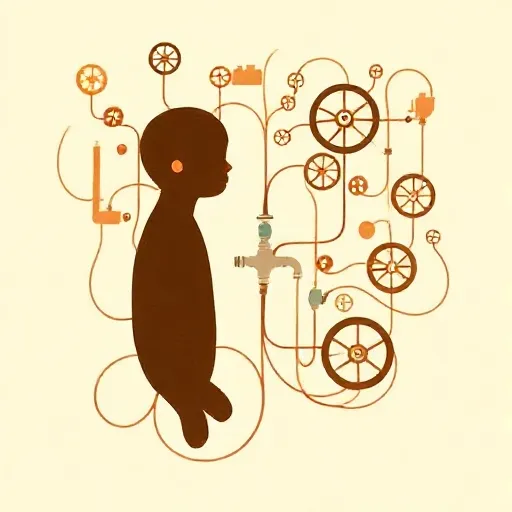
The claim that all our motives are really about our own pleasure can sound surprisingly tidy. One argument for it points to unification: a theory that explains every single human desire with one simple idea is more elegant than one that needs a messy list. If we can make sense of anything you want—a new game, a friend’s approval, a good grade—by saying “you think it will bring you pleasure,” we don’t need a separate story for each case.
Another argument notices that sometimes, when people insist they don’t care about pleasure, they might just be fooling themselves. Maybe the person who says she volunteers purely “to help others” is actually hooked on the pleased feeling she gets afterward. If you’ve ever watched someone refuse a compliment only to grin when they think no one is looking, you’ve tasted this suspicion.
However, many philosophers find these arguments weak. The fact that a theory is simple doesn’t make it true—you can also invent simple theories that are obviously wrong. And while self-deception happens, it’s a big leap to say that everyone who claims a different motive is lying to themselves. If a theory has to treat almost all of our honest self-reports as mistakes, that’s a problem.
The strongest challenges to psychological hedonism, though, come from ordinary experience. The 18th‑century bishop and philosopher Joseph Butler (1692–1752) pointed out that people plainly desire things other than pleasure: “desire of esteem, or of being beloved, or of knowledge.” A person thirsting for water isn’t thinking “I want the pleasure of drinking”; she’s thinking about the water itself. David Hume (1711–1776) added examples like hunger, the drive for power, and the wish for another person’s happiness. If you’ve ever held a friend’s hand in a scary moment or kicked a stone just because, you know the feeling—you’re not calculating pleasure at all.
Hedonists can push back with a clever distinction. Some desires are basic (you just have them, without thinking about what they’ll lead to), and others are non‑basic (you have them because you think they’ll bring something else). A hedonist might admit that your desire to give your friend a gift looks like it’s about her happiness, but claim it’s really non‑basic: deep down, you have it only because you expect it to cause your own pleasure. The trouble is, this move asks us to believe a story about ourselves that often feels false. Saying “you secretly want only pleasure” about every case is less like explaining and more like insisting. As the SEP entry notes, being able to tell a hedonic story about a motive is not the same as having a good reason to think it’s true.
If Pleasure Is the Only Value, What Do We Lose?

Even if we aren’t psychologically wired to chase only pleasure, some philosophers insist that pleasure is still the only thing that makes a life good in itself. This is ethical hedonism. It says that pleasure has non‑instrumental value—it’s good just because of what it is, not because of what it leads to. Pain has non‑instrumental disvalue. Everything else—knowledge, friendship, achievements—is good only because it brings pleasure or reduces pain.
At first, this can sound tough but honest. The 19th‑century philosopher John Stuart Mill (1806–1873) famously worried that a view counting only the quantity of pleasure would be “worthy only of swine.” So Mill introduced a twist: pleasures differ in quality. Some are “higher” (like the pleasure of reading a great novel or solving a math puzzle), and some are “lower” (like the pleasure of a warm bath). Mill argued that anyone who had experienced both kinds would always prefer the higher ones, even if they came with less comfort. This gave ethical hedonism a richer shape, but critics still saw a deep problem: if pleasure is the only thing that matters in the end, then a life spent entirely inside a perfect illusion that feels wonderful would be just as good as a real life full of genuine love and accomplishment.
The American philosopher Robert Nozick (1938–2002) made this vivid in 1974 with his experience machine thought experiment. Imagine scientists have built a tank where, once you plug in, you’ll experience a life that feels completely real—you’ll believe you’re winning championships, falling in love, creating great art—while your actual body floats motionless. If pleasure really were the only thing with value, you should plug in without hesitation. But most people feel a powerful urge to say no. We want to actually do things, be a certain kind of person, and make a genuine difference, not merely have the illusion of doing so.
This points to a non‑necessity objection: pleasure isn’t necessary for a good life. Other things—real relationships, true understanding, authentic achievement—seem to matter too, even beyond the pleasure they bring. Moreover, some pleasures seem worthless or even bad. The philosopher G.E. Moore (1873–1958) imagined “perpetual indulgence in bestiality” and claimed such pleasure wasn’t good at all. If you can have pleasure that adds no value, then pleasure is not sufficient for goodness either. Ethical hedonists have tried to patch this by saying that pleasure counts as good only when certain conditions are met—for example, only when it’s taken in something deserving, or when the object of your pleasure actually exists. These versions are more complex, but they also move away from the simple original claim that pleasure alone is what matters.
So Why Does This Old Argument Still Matter?
You won’t resolve a 250‑year‑old debate by the end of this article, and that’s okay. But these questions get right under your skin every time you ask yourself what you really want or whether you’re living a worthwhile life. When you catch yourself wondering if you helped a friend just for the warm feeling—and whether that even makes the helping less good—you’re doing exactly what Butler, Hume, and Mill did.
This debate also shapes big public questions. If all that ultimately matters is pleasure, then a whole society should probably focus on maximizing happiness and minimizing suffering for everyone—a view that leads toward utilitarianism, an ethical theory with real‑world consequences for laws, medicine, and how we treat animals. But if there are other goods besides pleasure, we’ll need a more complicated picture of what we owe each other.
None of this means we should ignore pleasure. Even the strongest critics of hedonism agree that pleasure is deeply important. The fight is over whether it’s the only important thing. The next time you feel a surge of joy because your sister finally nailed long division, ask yourself: is the goodness of that moment just the pleasure you feel, or is something extra there—something that would still matter even if the feeling faded?
Think about it
- If scientists built a perfect experience machine that made your whole life feel magnificent (while your real body was completely safe but inactive), would you plug in for a year? What about for your whole life?
- A parent risks death to save their child. If a hedonist says “they did it to avoid the greater pain of living with guilt,” does that explanation feel satisfying? What might be missing from it?
- If a cruel person takes genuine pleasure in hurting others, can we say that pleasure has no value at all? How would you decide which pleasures count toward a good life?