
Modern Philosophy
278 articles
-
Are Colors Just in Your Head, or Do They Belong to the World?
Is the redness of an apple really in the apple, or just in your mind? Galileo sparked a debate that still puzzles philosophers and scientists today.
-
Are Some Ideas Already Inside You Before You Learn Them?
Are we born with knowledge already in our minds, or is everything learned? The debate over innate ideas still shapes science and philosophy today.
-
Are There Beliefs That Prove Themselves?
Do any beliefs need no proof? If every reason needs another reason, we might never stop asking why. But perhaps some things are just obvious.
-
Are There Other Worlds Where You Made a Different Choice?
Could a world exist where you picked the sandwich instead? Leibniz thought God sees all possible choices, but ours is the best.
-

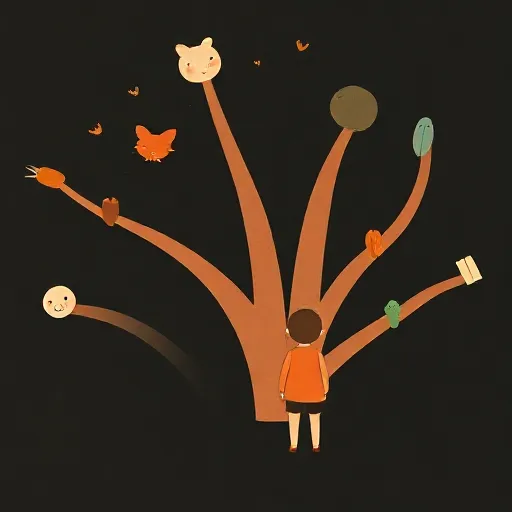
Are You Always Chasing What Feels Good?
Is every choice you make really just about getting pleasure? Explore the surprising debate between thinkers who say yes and those who say no.
-
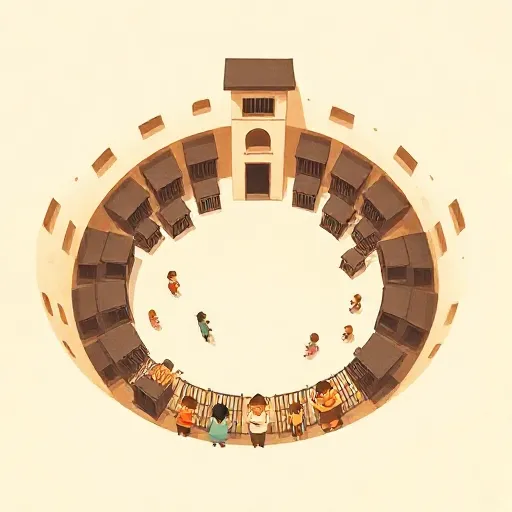
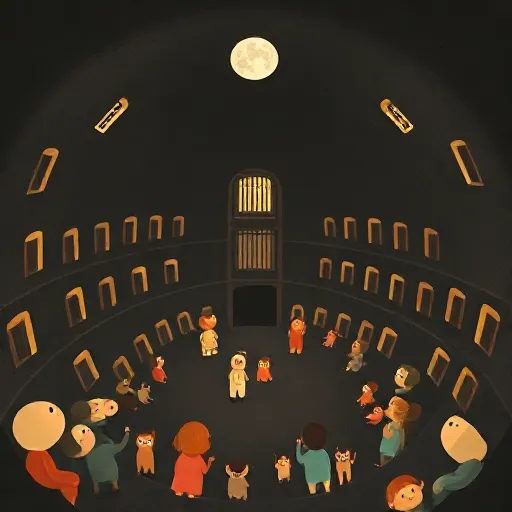
Are You Being Watched Even When Nobody’s Watching?
Why do we follow rules even when no one is watching? This idea from Foucault shows how invisible power shapes our behavior and what we call normal.
-
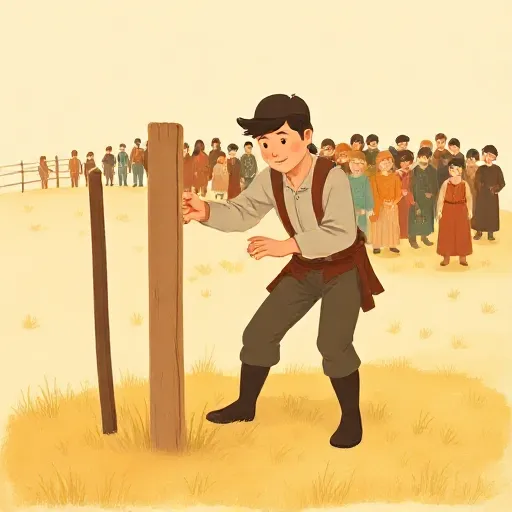
Are You Born to Rule, or Born Equal? The Fight That Still Isn’t Over
Are humans born unequal? This question drove fights against slavery and sexism, and still shapes debates about fairness today.
-

Are You Dreaming Right Now? Descartes’ Nightmare Question
Descartes thought you could never be sure you're awake. Some said dreams aren't even real experiences. The fight over how we know anything is still alive.
-
Are You Just a Temporary Pattern? Spinoza’s Radical Physics
Are you just a temporary shape, like a wave? If everything is one thing, what makes you you? Spinoza's surprising answer.
-
Are You Living in an Iron Cage?
A driven professor collapsed, then spent his life asking why the modern world feels so controlled and empty. His answer still haunts us.
-
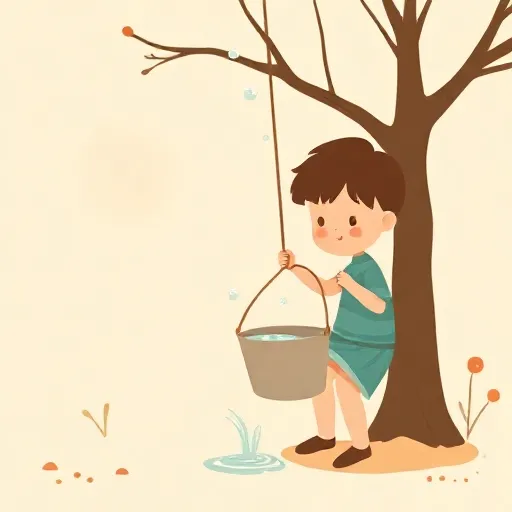
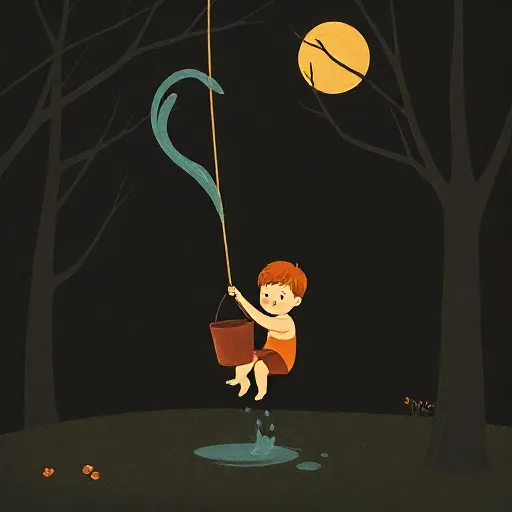
Are You Moving Right Now? The 300-Year Argument Over Absolute Space
Spin a bucket of water—the surface curves. Why? Does it spin relative to something invisible? This 300-year debate asks if space itself is real.
-

Are You Really Choosing, or Was It Always Going to Happen?
Every day you pick what to eat, say, or do. But could you have done otherwise? Philosophers have argued about this for over 2,000 years.
-
Are You Really Free, or Just Part of Nature’s Machine?
Could every choice you make already be decided? Spinoza thought so—nature's laws run everything, even your mind. That changes how we see freedom and blame.
-
Are You Really Living, or Just Watching from the Balcony?
Søren Kierkegaard asked: are you truly living or just watching from the balcony? He said real life demands a scary leap of choice, not just thinking.
-
Are You Really Sitting Still? The 400-Year Fight Over Motion and Space
Why does smooth motion feel like standing still? The answer took 400 years, from Galileo to Einstein, and it’s why your phone’s GPS works.
-
Are You Seeing the World, or an Idea in God’s Mind?
Do we see the real world, or just ideas in God's mind? Malebranche said all we see are divine ideas, making us rethink what seeing really is.
-
Are You Still You If You Forget Everything? Locke’s Bold Idea
John Locke argued that your identity depends on your stream of consciousness, not your body or soul. A 300-year debate that still puzzles us.
-
Are You Sure You're Not Dreaming? Descartes’ Quest for Certainty
How can you know you're not dreaming? Descartes tried to find one thing he couldn't doubt. His answer leads to a famous idea: 'I think, therefore I am.'
-
Are You the Author of Your Own Life? F. H. Bradley’s Surprising Answer
Bradley thought morality isn’t about rules or pleasure, but about becoming your ideal self. Yet how do you know what kind of person you should become?
-
Are You the True Author of Your Own Choices?
Do you really make your own choices, or are hidden forces guiding you? Discover why this question about autonomy matters for freedom and knowing yourself.
-

Are Your Thoughts Really God’s? John Norris Said Yes
Do our thoughts come from our senses or from God’s mind? John Norris and John Locke argued this 300 years ago, and we still wonder today.
-
Art Doesn't Copy Nature — It Makes a World
Why does a play feel more alive than a perfect copy of reality? Schlegel's surprising answer: art doesn't imitate nature—it builds whole new worlds.
-
Atoms Don’t Just Jump — They Dance to a Hidden Tune
Why don't electrons crash into the nucleus? Bohr found they jump between allowed paths, making light like musical notes. A puzzle that still mystifies us.
-
Believe Without Proof? The Fideist’s Dangerous Gamble
Some thinkers claim faith in God must leap beyond evidence. Others call that intellectual roulette. Centuries later, the fight is far from over.
-
Born Knowing Nothing? The 400‑Year Fight Over Where Ideas Come From
Do we start life with ideas already inside us, or does everything come from experience? The answer changes how we think about learning, right and wrong.
-
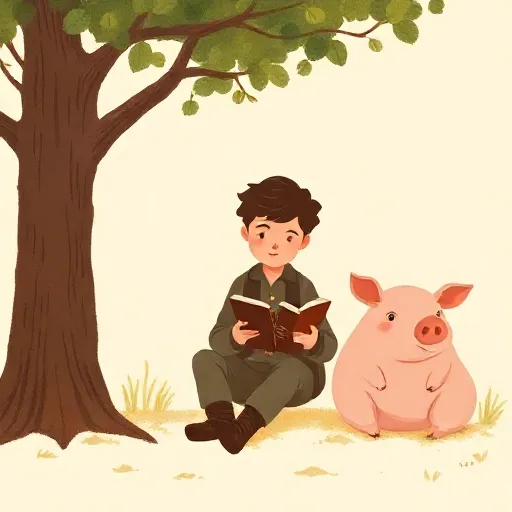
Can a Dissatisfied Philosopher Be Happier Than a Happy Pig?
Is it better to be a thoughtful person who isn't always happy, or a satisfied pig who feels great? John Stuart Mill's surprising answer.
-
Can a Lover of Ancient Books Also Support a Tyrant?
Could book lovers in the 1400s support a ruler who crushes freedom? Their debate still shapes ideas about power and the good life.
-
Can a Magician Be a Scientist? Giovan Battista della Porta Thought So
Can magic tricks be real science? Giovan Battista della Porta thought so. He tested spells and potions, risking his life to explain them naturally.
-
Can a Melody Feel Sad? The 200-Year-Old Debate
Can a melody feel sad? 200 years ago, thinkers debated if music has real emotions or is just sound. The mystery still gives you chills.
-
Can a Nation Have Many Religions and Still Hold Together?
Can a country with many religions stay peaceful? A French lawyer's big idea from the 1500s still sparks debate today.
-
Can a Pen Fight a Kingdom? Voltaire’s War for Reason
How did Voltaire use satire, science, and wit to battle kings and churches? His story shows how thinking for yourself can change the world.
-
Can a Sentence Be Too Strange to Mean Anything?
A group of 1920s thinkers said a statement only means something if you can check it against experience. Their test shook philosophy.
-
Can a Spiral Be True Geometry? Descartes’ Controversial Answer
Descartes wanted geometry based on clear motions. His rule solved an ancient puzzle but banned spirals. The fight over real curves still matters.
-
Can a Statue Show You What Freedom Looks Like?
Can a statue show freedom? Hegel thought art's job was to make freedom visible, but he said ancient Greek art did it best. Is modern art different?
-
Can a Work of Art Invent Its Own Rules?
Why do people argue about art? Friedrich Schlegel thought every artwork invents its own beauty rules. That idea still shapes debates about films and songs.
-
Can All Good Things Go Together? The Warning of Isaiah Berlin
Berlin said values like freedom and equality clash. There is no one right answer. Why that’s a dangerous idea — and a liberating one.
-

Can All of Math Be Built from Pure Logic?
Two men spent a decade trying to prove math is just logic. They almost succeeded — but a few stubborn problems got in the way.
-

Can Art Really Set You Free? Friedrich Schiller’s Big Idea
Schiller said playing with beauty balances your wild feelings and strict thoughts, turning you into a free person. But is that really possible?
-
Can Brain Vibrations Make You a Good Person?
Can vibrations in your brain turn you from a selfish kid into a kind, spiritual adult? David Hartley thought so.
-
Can Capitalism Last Forever? Rosa Luxemburg Said No
Rosa Luxemburg argued that capitalism needs to expand or crash, so only a revolution led by ordinary people can bring real freedom.
-

Can Contradictions Make You Smarter?
Hegel believed that ideas fight with themselves and grow into bigger ones. A strange method that still makes philosophers argue.
-
Can Everything Be Explained by Bouncing Particles? Descartes’s Big Bet
He replaced mysterious forces with size, shape, and motion. His three laws of motion reshaped science — but some puzzles still refuse to be solved.
-
Can One Country Rule Another? The Fight Over Colonialism
From Spanish friars to Gandhi, thinkers asked whether taking over another land is ever justified. The debate still shapes our world.
-
Can Philosophy Be Scattered Like Seeds? A Young Romantic Thought So.
Novalis argued that true wisdom can't be trapped in a system—it grows in messy fragments, conversations, and a lifelong process of self-education.
-

Can Poetry Solve the Riddles That Science Cannot?
Can poetry solve riddles that science cannot? In the 1800s, poets and thinkers believed art and beauty could answer life's deepest questions.
-
Can Reason Destroy Freedom? Friedrich Jacobi’s Somersault
In 1780, a dying writer’s secret started a war over free will and God. Jacobi said pure reason destroys choices – unless you make a somersault.
-
Can Science Ever Be as Certain as Geometry? Locke’s Answer
Why can we be sure about triangles but not about gold? Locke said our senses are too weak to see tiny parts of things, so nature stays mysterious.
-
Can Selfishness Actually Help Everyone? Adam Smith’s Surprising Answer
Smith argued that self-interest drives markets and makes the world richer. But he also warned that the chase for cash often leaves us empty.
-
Can Space Really Bend? How Geometry Lost Its Certainty
For ages, geometry seemed unshakable, but new kinds of geometry made people wonder: is math discovered or invented? This changed how we see truth.
-
Can the Mind Be Just a Property of the Body?
Is the mind just a property of the body, like wetness to water? This 17th-century idea sparked a big debate about brains and consciousness.
-

Can Thinking Make You Happy? Descartes' Surprising Answer
Descartes said perfect happiness isn’t about luck or money—it’s about using your mind well. A journey from doubt to inner peace.
-
Can Virtue Make You Happy? Leibniz’s Cosmic Answer
Leibniz believed the world is the best possible, and that doing good guided by wisdom brings true happiness. But does his theory really work?
-
Can We Build All Math from Pure Thinking Alone?
Frege tried to prove that math is just logic, but a paradox cracked his plan. The clever fix he never fully used still shapes math today.
-

Can We Live Without Rulers? The Anarchist Challenge
Can we live without rulers? Anarchists say yes. They argue we can cooperate freely, without force. Is all power unfair? The debate is centuries old.
-


Can You Be a Good Person and a Good Citizen at the Same Time?
Can you be a good person and a good citizen at the same time? This old debate shapes what schools teach about being a citizen today.
-
Can You Be Free if God Already Knows Your Choices? Arnauld’s Answer
Can you be free if God already knows what you'll do? Arnauld argued yes, and his surprising answer still makes us think about choices and fate.
-
Can You Be Free in a World Where Everything Is Caused?
Can you be free if everything is caused? Hume thought freedom means acting on your own wishes, and without cause and effect, we couldn't blame anyone.
-
Can You Build a Perfect Country with Pure Reason?
French revolutionaries tried to rebuild society from pure reason. Rehberg argued judgment, history, and tradition also matter—and he debated Kant.
-
Can You Build a Universe Inside Your Head?
Is math discovered or invented? Two brilliant mathematicians became bitter enemies over this question, and your own thoughts might hold the answer.
-
Can You Ever Really Know Something? The Doctor Who Said No
Can we ever really know something? Doctor Sanches doubted it, saying senses and words fool us. His curiosity shows why we still ask.
-
Can You Feel Beauty Without Thinking? The 1700s Fight Over Taste
Can you feel beauty without thinking? Some say it's instant like tasting soup; others say you must reason. This old debate still matters for all art today.
-
Can You Feel History? The Count Who Thought So
Can we feel history? Count Yorck thought so. His friendship with Dilthey shows why feeling history matters as much as studying it.
-
Can You Feel Morality? Shaftesbury’s Revolutionary Idea
The Earl who said we’re born with a sense of right and wrong, like a taste for beauty — and why it sparked a 300-year fight over where morality comes from.
-


Can You Feel Right and Wrong or Think It Through?
How do we know right from wrong? Is it a feeling or do we figure it out? The story of a young writer who showed it takes both.
-

Can You Keep a Promise with Your Fingers Crossed?
Can you keep a promise if your fingers are crossed? Immanuel Kant would say no. He cared about the rule in your head, not just the outcome.
-
Can You Know Right from Wrong Just by Thinking?
Kant said moral truths are built into reason, like math. Moore thought you could just "see" goodness. But does that inner flash really come from nowhere?
-
Can You Prove God Exists Just by Thinking?
Can you prove God exists just by using your mind? This question has led to big debates with clever arguments for and against.
-
Can You Prove God Exists? David Hume Said You Can’t
Three hundred years ago, David Hume argued that no argument for God’s existence works. His doubts about design, evil, and miracles still make us think.
-
Can You Prove the World Is Real? Moore’s Hands-On Answer
Can you prove the world around you is real? A thinker once waved his hands and said that simple act ends all doubt. It sparked a big debate.
-
Can You Prove the World Outside Your Mind Is Real?
Descartes worried it might all be a dream. Kant tried to prove him wrong using only the order of your thoughts. The argument is still debated today.
-

Can You Really Be Yourself? The Surprising History of Authenticity
For centuries, thinkers have argued whether you should follow your inner voice or obey society’s rules. The battle over being real is still raging.
-
Can You Really Trust Your Own Eyes? The 1700s Battle Over Knowing
Is seeing believing? 1700s thinkers found that our senses can fool us, and certainty is hard to reach. The doubts they found still affect you today.
-
Can You See Without Thinking? Kant’s Puzzle of the Mind
Kant said your mind has two powers—one that senses, one that thinks—but are they ever separate? A 200-year-old debate that still divides philosophers.
-
Can You Solve an Argument With Algebra?
A self‑taught English teacher turned logic into a kind of math. His strange rules – where “A and A” is just A – now live inside every computer.
-
Can You Think a Perfect Being Into Existence? Descartes’ Bold Bet
Can you prove God exists just by thinking about a perfect being? Descartes tried, and his argument makes us wonder how our thoughts connect to reality.
-
Can You Trust What People Say Without Checking First?
When someone tells you something, should you believe them right away or do you need proof first? Philosophers have debated this for centuries.
-
Can You Trust Your Mind? Descartes’ Rules for Finding Truth
Can a step-by-step method make knowledge completely certain? Descartes tried, and his ideas still spark debate among thinkers.
-

Can You Understand a Person Like You Understand a Rock?
Why can’t we study people like rocks? Because understanding feelings is different from explaining gravity. That changes how we see history and ourselves.
-

Can Your Ideas Change the World? Bruno Bauer’s Rise and Fall
Can ideas change the world? Bruno Bauer fought with his pen, but his revolutions failed. He gave up and predicted a dark future. Why did this happen?
-


Can Your Thoughts Really Make Things Happen?
You decide to grab an ice pack. But did your thought truly cause your hand to move? Why Descartes and Elisabeth started a 400-year puzzle about mind power.
-
Could a Law Be Natural? Hugo Grotius
Could some rules be so basic they apply to everyone, kings? Hugo Grotius believed in natural law—rules from human nature that still shape debates today.
-
Could a Machine Think? Hobbes Said Yes, 300 Years Before Computers
Can a machine think? Thomas Hobbes believed thinking is just adding and subtracting in the brain, an idea that still shapes robots and AI today.
-
Could a Species Really Turn Into Another? The Long Fight Before Darwin
For over 2,000 years, thinkers argued whether animals and plants could change into new kinds over time. The fight that shaped biology before Darwin.
-
Could a Windmill Ever Think? Leibniz’s 300-Year-Old Challenge
Could a mass of machine parts ever think? Leibniz said no—a real mind must be one simple thing. His old challenge still makes us wonder about AI.
-
Could Aristotle and Descartes Agree? Clauberg Said Yes.
Johannes Clauberg tried to unite Aristotle and Descartes, creating a new science of being. But his attempt left a puzzle: how do mind and body connect?
-
Could Geometry Suddenly Contradict Itself? Hilbert vs. Frege
In 1899, Hilbert found a clever trick to prove geometry would never break. Frege said it was nonsense. A battle that still shapes how we think about math.
-
Could God Have Made 2 + 2 Equal 5? Antoine Le Grand’s Bold Idea
Could God make 2+2 equal 5? A 17th-century monk's startling answer still fuels debates about minds, bodies, machines, and truth.
-
Could God Make 2+2=5? Descartes and the Puzzle of Necessary Truths
Could God make 2+2=5? Descartes thought God made all truths, so math might not be fixed. This still puzzles philosophers.
-
Could Your Mind Be Made of Matter? Margaret Cavendish’s Bold Idea
Could your thoughts be made of the same stuff as rocks? Margaret Cavendish said yes: all is matter, even minds, and thinking is everywhere.
-
Did a Comet Smash Aristotle’s Universe to Pieces?
A comet in 1577 smashed the old idea of a perfect sky. This sparked a big debate: how do we know what’s really true?
-
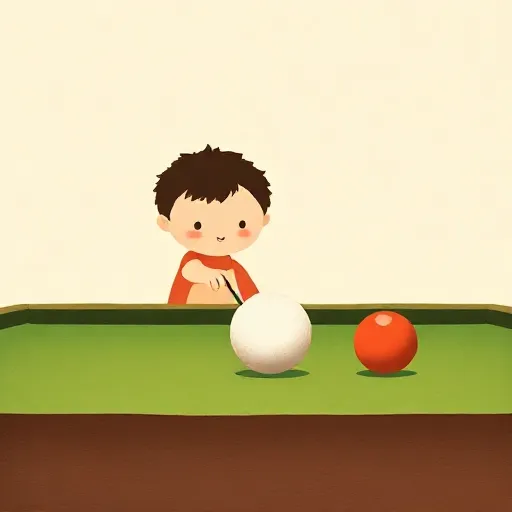
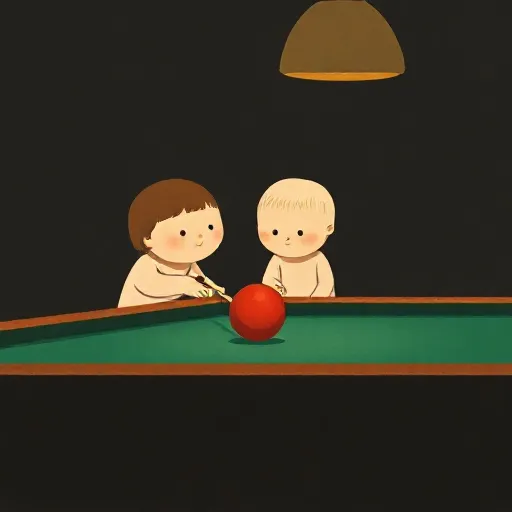
Did God Really Push That Ball? The Puzzle of Occasionalism
When a ball hits another, what really pushes? Is it the ball or God? This puzzle of occasionalism makes us rethink cause and effect.
-
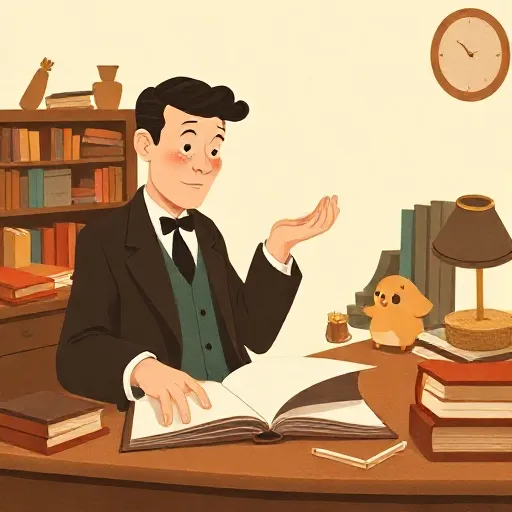
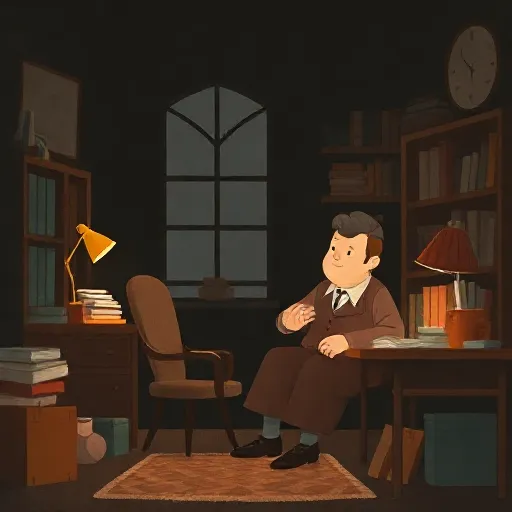
Did Leibniz Invent Modern Logic 200 Years Before It Was Born?
Did Gottfried Leibniz invent a way to calculate thoughts like math problems? His secret ideas vanished for 200 years and then amazed later thinkers.
-
Did Spinoza Believe Absolutely Everything That Happens Must Happen?
Did Spinoza think every event, from a falling leaf to your thoughts, had to happen just as it did? He did, and his reasons might surprise you.
-
Did the Greatest Philosophers Secretly Think Women Were Inferior?
Many famous philosophers secretly believed women were inferior. Feminist critics exposed their bias and rediscovered forgotten women thinkers.
-
Did the Universe Have an Edge? The Fiery Ideas of Giordano Bruno
What if the universe never ends? Giordano Bruno thought so, and his ideas about endless worlds got him burned alive. Why did his questions scare people?
-

Did the Universe Have to Turn Out This Way? Hegel’s Answer
Did the universe have to turn out this way? Hegel saw history as a drama where spirit wakes up to freedom—and you're part of it.
-
Did We Make God in Our Own Image?
Ludwig Feuerbach argued gods are hidden versions of ourselves—our hopes and needs turned into deities. A radical idea that still sparks debate.
-

Did Your Rights Come from Kings — or from Reason?
Do rights come from kings or from reason? Catharine Macaulay argued right and wrong are real truths, like math. Her ideas helped shape modern democracy.
-
Do Big Fish Have the Right to Eat Little Fish?
Do big fish have the right to eat little ones? Spinoza said you can do anything you have the power to do. Discover why his idea is both scary and hopeful.
-

Do Feelings Make Us Moral? The Sentimentalist Answer
Do our feelings shape our sense of right and wrong? Explore the sentimentalist view that emotions like sympathy are the source of morality.
-
Do We Always Know Our Own Thoughts? A 1600s Fight
Do we always notice our own thoughts? A 400-year-old argument started by Descartes says yes, but many disagree, and brain scientists still explore it.
-
Do We Have a Secret Sixth Sense for Beauty?
Do we have a secret sixth sense for beauty? Some thinkers said yes, others called it imagination. This old debate still shapes our ideas about art.
-
Do We Really Need to Keep All Our Traditions?
Why do some people think we should keep all traditions? Edmund Burke's warning from the French Revolution explains conservatism's core idea.
-

Do You Control Your Emotions—or Do They Control You?
Are emotions wild beasts you must tame or smart guides? The old fight between reason and feeling helps when anger flares or calm settles.
-
Do You Have a Built‑In Goodness Detector?
Do we have a natural sense of right and wrong? Francis Hutcheson said we do. He called it a moral sense — a gut feeling that reacts to kindness and cruelty
-
Do You Have the Right to Change Your Government? Thomas Paine's Answer
Do you have the right to change your government? Thomas Paine's answer helped spark the American Revolution and still shapes debates about freedom.
-
Do You Have the Right to Chase Happiness?
How could someone write 'all men are created equal' and own slaves? This tension still fuels arguments about equality.
-
Do You Just Know What's Right? Harold Prichard Said So
Prichard argued that we don't need reasons to know we should keep promises. We just see it. His bold claim still divides philosophers today.
-
Do You Know Right from Wrong — or Just Feel It?
Do we figure out right and wrong by thinking, or just feel it? Some say morality is a gut feeling, like seeing or hearing. See why it still matters.
-
Do You Need to Move to See the World?
Can you see depth without moving? The story of upside-down glasses shows that your actions shape what you see, and even planning to move changes your view.
-
Do You Really Choose, or Was It Always Going to Happen?
Wolff said every choice has a cause. His critics said you can feel your own freedom. A 1700s fight that never ended.
-
Do You Really Choose, or Was It Always Going to Happen?
If your choices are already decided, can you be held responsible? Philosophers from Luther to Kant have debated this, and it's still a puzzle.
-
Do You Really Choose, or Was It Always Going to Happen?
Explore whether you truly decide or just follow your strongest want, and why it changes how we think about right and wrong.
-
Do You Really Have a Choice, or Is Everything Already Decided?
Do you really have a choice, or is everything already decided? A philosopher named Cudworth argued you can break the chain of causes and really choose.
-
Do You Really Have a Choice? John Locke's Answer
Locke said freedom is the power to do what you will. But is your will itself free? A 1600s debate that still matters.
-
Do You Really Learn Through Your Senses? Gassendi's Stubborn Answer
Pierre Gassendi trusted his eyes and ears more than pure logic. His 1600s feud with Descartes still shapes how we think about science.
-
Do Your Feelings or Your Reason Decide What’s Right?
When you lie, does your gut or logic say it's wrong? Hume and Kant argued over feelings versus reason. Find out why this puzzle still matters.
-
Does Everything Have a Reason? The Big Philosophical Question
Does everything have a reason? If you keep asking why, you might never stop! Find out how thinkers have tried to solve this puzzle.
-
Does God Recreate the World Every Second?
Does God make the world new every second? It sounds strange, but philosophers really argue about this and what it means for what's real.
-
Does Memory Make You the Same Person Over Time?
Locke said memory ties your past self to your present. Thomas Reid showed how that idea leads to a paradox—and offered a different answer.
-
Does Morality Hold Back the Most Brilliant People?
Nietzsche said rules like “be kind” and “seek happiness” aren’t good for everyone—they can crush the next Goethe or Beethoven. Here’s why.
-
Does the Right Thing Always Make the World Happiest?
If saving five lives means killing one innocent person, should a doctor do it? Meet the philosophers who say yes — and those who say that can't be right.
-

Does the World Still Exist When No One Is Looking?
What if your room disappears when you leave? Berkeley said things are just ideas, held real by God's sight. That puzzling idea still makes us wonder.
-
Erasmus: The Scholar Who Thought Doubt Was a Virtue
Can we really be sure about anything? Erasmus's debate with Luther on free will shows that sometimes, saying 'I don't know' is the smartest answer.
-

Ernst Bloch Said the World Is Unfinished — and That’s a Good Thing
Is the future set in stone? Ernst Bloch says no: the world is always unfinished, and hope can turn dreams into reality.
-
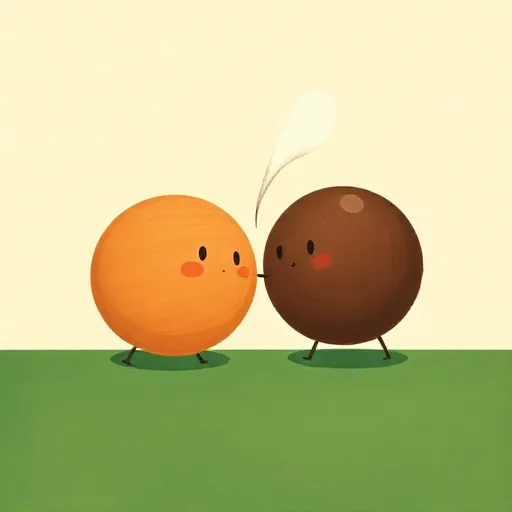
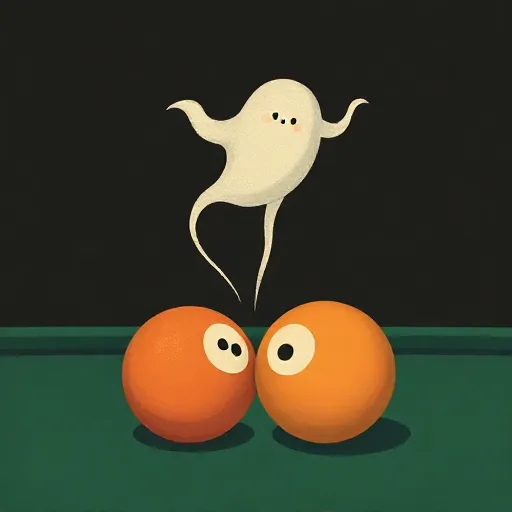
God Moves Every Ball — But You Still Choose
Can a ball push another ball? Louis de La Forge (1632–1666) said no — only God can move things. Yet he still held that you truly choose your actions.
-
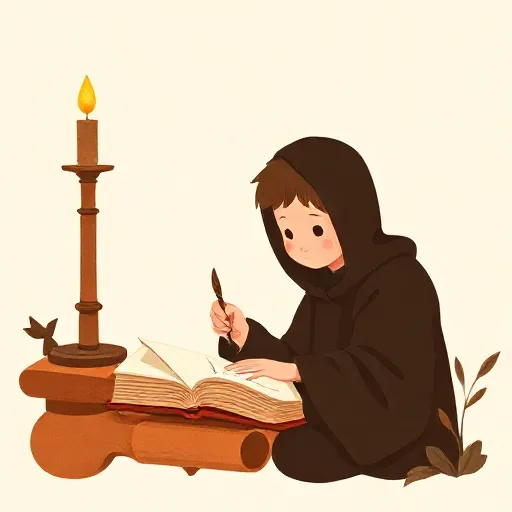
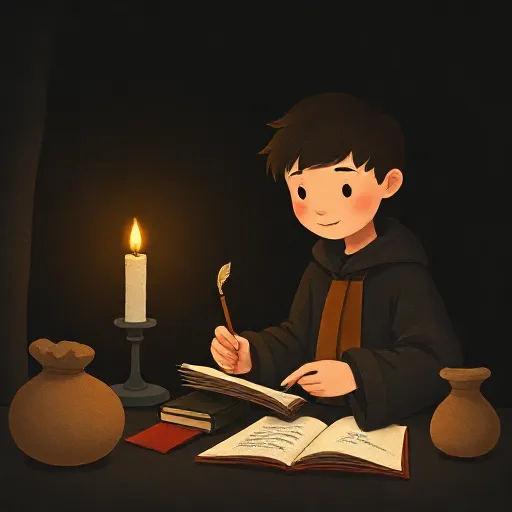
Henry More Tried to Prove the Soul Was Real. Did He Succeed?
Did Henry More prove the soul is real? He thought an invisible spirit explained gravity and life. His ideas sparked debate on mind and space.
-
How a Simple Question Broke Logic—and Then Fixed It Forever
What happens when you ask if the set of all sets that don't contain themselves contains itself? A logic crash and the birth of type theory.
-
How Can Freedom Grow From Determined Nature?
If nature always follows rules, how can we be free? Schelling thought nature is creative, like an artist, which changes how we see freedom.
-
How Can You Be Good If It Costs You Everything?
What if doing the right thing and doing what's best for you clash? Henry Sidgwick found that reason can't pick, leaving a puzzle that still nags.
-
How Charles Peirce Taught Logic to Handle Relationships
How did Charles Peirce fix logic's blind spot about relationships? His discovery still powers how computers think.
-
How Did We Prove Atoms Exist? A 200-Year Argument
For centuries, atoms were just a clever guess. Then chemists, physicists—and some dancing pollen—turned the invisible into solid fact.
-


How Do You Know What You’re Thinking Right Now?
You know your own thoughts in a way no one else can. But philosophers have found puzzles that make this simple idea much trickier.
-
How Do You Know What’s Real? Robert Boyle’s Two Kinds of Truth
He made air pumps and proved the spring of air. Yet he argued that the biggest truths — about God, the soul, and miracles — need a different kind of proof.
-
How Do You Know You Aren’t Dreaming Right Now?
Can you ever be truly sure that your hands, your room, the whole world aren’t a giant trick? The fight over this question has lasted centuries.
-
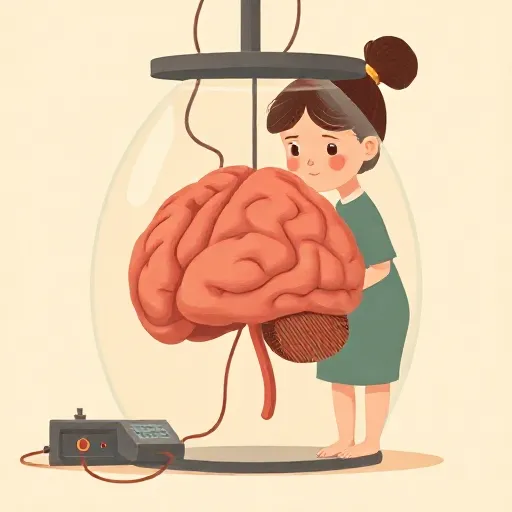
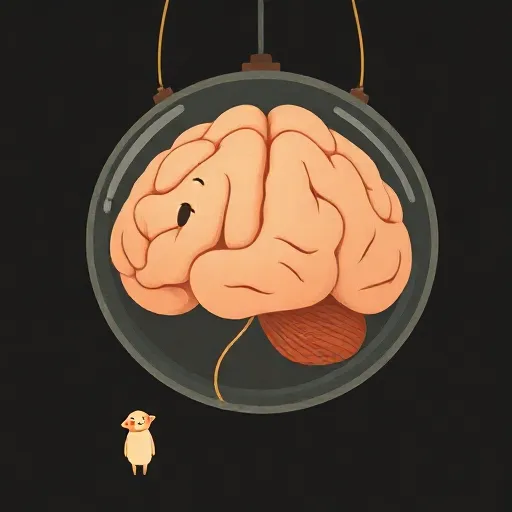
How Do You Know You’re Not a Brain in a Vat?
Could your brain be floating in a jar, fed fake sights and sounds? Explore why it's so hard to prove the world is real.
-
How Do You Know You're Not Being Fooled by an Evil Genius?
How do you know you're not being fooled by an evil genius? Descartes found one belief that can't be false: I think, therefore I am.
-
How Do You Really Figure Things Out? A 100-Year-Old Guide to Thinking
How can you think better when you're puzzled? Critical thinking is a slow, careful method that helps you dig deeper instead of guessing.
-
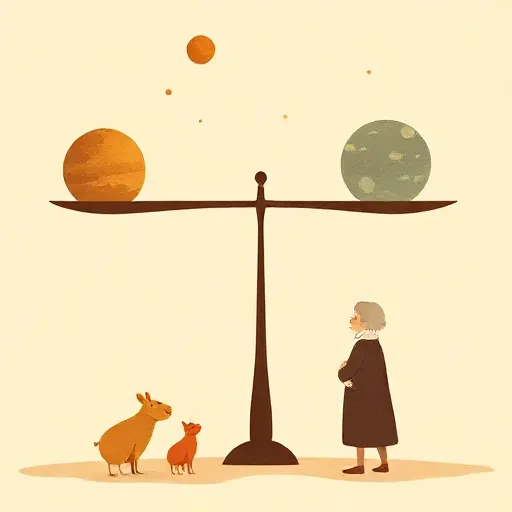
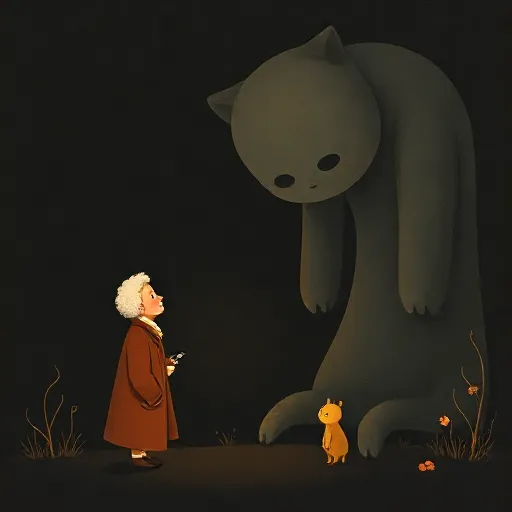
If God Is Perfect, Why Does Evil Exist? Leibniz’s Bold Explanation
Why does a good God allow evil? Leibniz said our world is the best possible, and suffering serves a greater plan. A puzzle still debated.
-
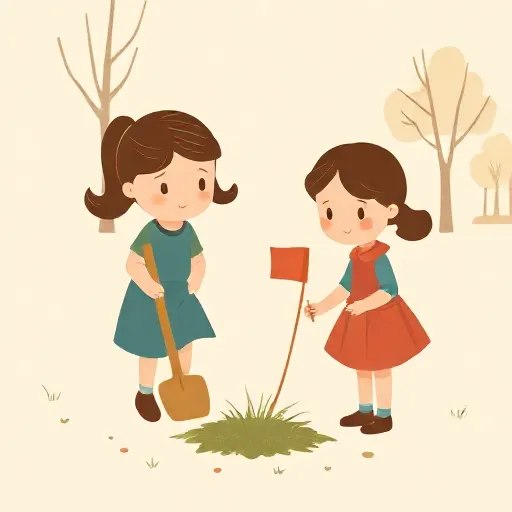
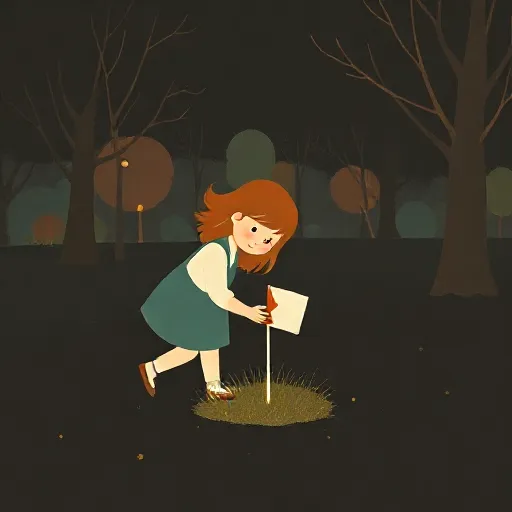
If You Didn’t Sign a Contract, Why Obey the Law? Locke’s Answer
Why obey laws you never agreed to? Locke says we have natural rights and government must protect them—or we can rebel. This idea sparked revolutions.
-
Is 'Goodness' Secret Revenge? Nietzsche’s Startling Answer
Could being good actually be a secret form of revenge? Nietzsche's surprising idea will make you rethink your own kindness.
-
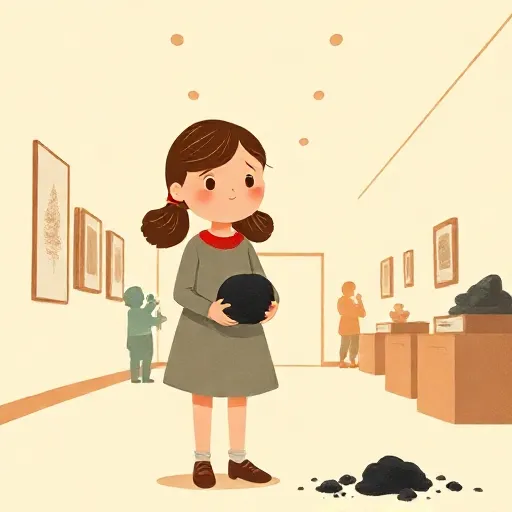
Is a Diamond More Important Than a Lump of Coal?
Why a lump of coal and the famous Koh-i-noor diamond are both just rocks, but only one belongs in a museum. A 1900s philosopher's surprising answer.
-
Is a Gang of Thieves Really Free? Dewey’s Radical Democracy
Is a gang of thieves really free? Philosopher John Dewey said no—real freedom comes from sharing many interests and openly exchanging with others.
-
Is a Sunset Just as Much Art as a Painting?
Can a sunset be art like a painting? John Dewey said yes, if the experience feels whole and alive. It challenges the usual line between art and daily life.
-
Is Any Act Truly Selfless, or Are We Secretly Out for Ourselves?
You share your lunch. Is it pure kindness, or do you secretly want something back? Philosophers have argued for centuries whether true altruism exists.
-
Is Beauty a Hidden Truth, or Is It Just Your Mind at Play?
Is beauty a clue to truth or just a game your mind plays? This old argument still shapes how we see art and taste.
-
Is Being Busy the Same as Being Alive? George Santayana’s Challenge
Santayana thought American busyness keeps us from really living. He believed true happiness comes from celebrating each moment, not chasing endless goals.
-
Is Believing in God the Smartest Bet You Can Make?
Is believing in God a smart bet? Blaise Pascal argued yes, because the possible reward is infinite happiness, while the cost is small.
-
Is Every Thought a Work of Art? Croce's Radical Idea
Can looking at an orange make you an artist? Discover Croce's surprising idea that every focused thought is a private piece of art.
-
Is Everyone Secretly Selfish? Mandeville's Scandalous Claim
Can selfishness make society better? Mandeville's poem argued greed and vanity help cities thrive, sparking a fierce debate on whether virtue is real.
-
Is Freedom Just Being Left Alone, or Having Real Power to Act?
Is freedom just being left alone, or having real power to act? The answer shapes school rules, wealth, and your daily life.
-
Is Freedom Really About Following the Rules?
Can freedom mean following the rules? Wilhelm Windelband said yes—values like right and wrong are real, and choosing to do good is true freedom.
-

Is Hendrix Really Making His Guitar Wail? Leibniz’s Strange Answer
Does Jimi Hendrix really cause his guitar to wail? Leibniz thought not—his strange idea that nothing truly causes anything else still puzzles us today.
-
Is History a March Toward Freedom, or a Storm of Wreckage?
Enlightenment thinkers believed humanity was improving. Today, we question whether that story is true—or even dangerous.
-
Is It Ever Right to Choose Your Own Death?
What is suicide, really? Ancient Greeks, Christian thinkers, and Enlightenment philosophers clashed over whether ending your life can ever be justified.
-
Is It Smart to Bet on God? Blaise Pascal’s Wager
If God exists and you believe, you gain eternal happiness. If not, you lose little. Blaise Pascal's wager asks: Is faith a smart bet?
-
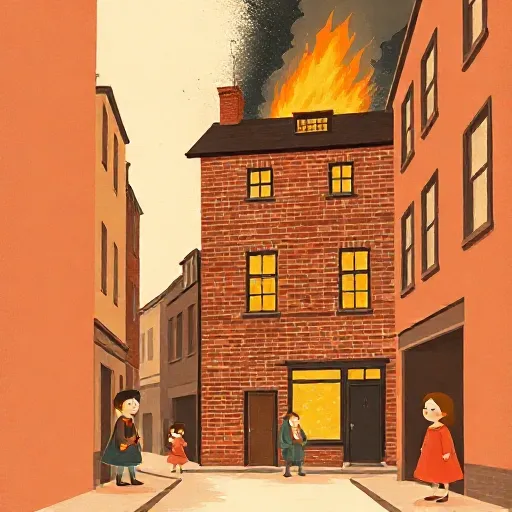
Is It Wrong to Love Your Family More Than Strangers?
Godwin said impartial justice demands saving an archbishop over your own mother. Most people find that monstrous. The clash between fairness and love.
-

Is It Wrong to Profit from Someone’s Desperation?
When is it wrong to profit from someone’s desperation? Fair prices and exploitation: do bad situations or unfair attitudes make a deal unfair?
-

Is Logic a Game of Asking and Giving Reasons?
Is logic really a game of asking and giving reasons? Find out how arguing like playing a game can show if a claim is always true.
-
Is Loving Your Family an Obstacle to Loving God?
John Norris claimed true love belongs only to God. Damaris Masham argued that loving people and the world leads you to God, not away from Him.
-
Is Math Just Logic in Disguise? The 200-Year Battle
Is math just logic? A 200-year debate over whether numbers are invented or discovered nearly ended when a hidden flaw was found. The argument still rages.
-
Is Right and Wrong Just a Feeling? David Hume’s Shocking Idea
Can feelings, not logic, tell us right from wrong? David Hume's idea that morality comes from emotions still makes us rethink rules and fairness.
-
Is Science Discovering Reality or Inventing It?
In the 1890s, German philosophers said science doesn’t just find facts—it builds them, using reason’s own laws. Why that still matters.
-
Is Space Something Out There, or Just in Your Head?
Is space a real thing like a giant invisible container, or just something our minds make up? Kant's answer still changes how you see the world.
-
Is That Song Really Beautiful, or Do You Just Like It?
David Hume said beauty isn't in the music—it's a feeling inside you. But he also believed some tastes are better than others. How can both be true?
-
Is the Universe Made of Tiny Souls? Leibniz's Strange Answer
Leibniz thought the universe is made of tiny souls called monads. Each mirrors the world in its own way. This strange idea still puzzles us.
-

Is the Voice That Says “Be Kind” Just Your Society Talking?
Adam Smith thought morality comes from imagining an impartial spectator. But if that spectator learns from your culture, can you ever be truly fair?
-
Is the World Just a Movie in Your Head? Scotland’s Philosophy War
Do you see real things or just brain pictures? In the 1800s, Scottish thinkers argued over this, creating psychology and a puzzle still unsolved.
-
Is the World Smooth or Pixelated?
Can you keep cutting something forever, or is there a smallest piece? This ancient question helped create calculus and still makes us wonder about reality.
-
Is the World You See the World That's Really There?
Is the world you see really there? Kant argued your mind shapes it all, like glasses you can't remove. Reality stays hidden—an idea still debated.
-
Is There a ‘Self’ Inside You, or Just a Bundle of Thoughts?
From Descartes’ ‘I think’ to Hume’s missing self, philosophers have battled over what you really are when you say ‘I’.
-
Is There a Little Picture Screen Inside Your Head?
When you think of a tiger, what's in your mind? Descartes argued ideas are not little pictures but ways of thinking and clear ideas connect you to reality.
-
Is There Any Good Reason to Follow the Rules? Kant’s Answer
When your freedom clashes with someone else’s, who decides the rules? Kant said it starts with the only right you’re born with — freedom itself.
-
Is There One Emotion at the Heart of All Religion?
Can suffering bring joy if it connects you to God? Is there one feeling at the heart of all religion? Philosophers have argued about this for centuries.
-
Is There Really Such a Thing as Matter? Nicolaus Taurellus Said No.
In 1573, Nicolaus Taurellus argued the universe has no matter—only forms. His defense of individual things against a single divine mind still matters.
-
Is There Something You Can Never Be Wrong About?
Descartes tried to find a belief no one could doubt. He thought 'I am thinking' did the trick. But philosophers have been arguing ever since.
-

Is Your Brain Making It All Up? Hermann von Helmholtz's Big Idea
You see a straw bent in water, but it's straight. Helmholtz said your brain doesn't copy the world—it builds your experience from clues.
-
Is Your Job Stealing Who You Really Are? Marx’s Big Idea
Marx said modern work separates you from your creativity, your friends, and even your own humanity. A fiery 19th‑century idea that still hits home.
-
Is Your Mind a Blank Slate? John Locke’s Surprising Answer
Locke argued we're all born knowing nothing—and that our ideas come from experience. Why that changed how we think about knowledge, education, and freedom.
-
Is Your Mind Building the World You See?
Does your mind passively see the world or actively build it? The surprising answer changes how you understand reality.
-

Is Your Mind Clear? The 350-Year-Old Logic Book That Asked First
Two French monks wrote a logic book in 1662 — not about symbols, but about how to think clearly, avoid confusion, and know what's real.
-
Is Your Mind Just an Idea of Your Body? Spinoza’s Strange Answer
Is your mind just an idea of your body? Spinoza thought so—and said even rocks think. His weird idea might be the key to real freedom.
-
Is Your Mind Secretly Shaping Every Experience You Have?
Your mind might have a hidden framework shaping everything you see. But can we ever know if it matches reality? Join Kant and Hume's clash of ideas.
-
Isaac Newton and the Rule That Made Modern Science
How did Newton's rule to only use what we can see change science? And why did it make people wonder if we can ever know anything for sure?
-
Minds Have No Sex: A 17th-Century Priest’s Radical Idea
A 1673 book argued women are as rational as men, using Descartes’ new method. Why François Poulain’s ideas still make us question hidden bias.
-
Our Minds Secretly Build the World (We Just Don’t Know It)
Salomon Maimon thought our minds actively construct experience — but we never see the construction. A 1700s skeptic who still haunts philosophy.
-
Poison or Progress? Du Châtelet’s Defense of Guessing in Science
She said scientists need guesses to discover truth, even when Newton disagreed. Why her controversial idea still shapes how we do science today.
-

She Used Aristotle to Prove Women Were Superior
How did a Venetian doctor's daughter use Aristotle to argue women are superior? Her clever reply still makes us question who gets to define 'natural'.
-
Should a Ruler Be Good, or Just Powerful? Machiavelli’s Tough Question
Should a ruler be good or just powerful? Machiavelli shocked the world by saying power often matters more. His idea still makes us argue today.
-
Should All Sciences Be United? The 300-Year Search for One Big Idea
Should all sciences be united into one theory? Or is knowledge too messy? This debate shapes medicine, climate policy, and how we see ourselves.
-
Should You Be Your Own Boss, No Matter What?
Max Stirner said you should answer to no one — not the law, not morals, not even your own promises. His wild idea still shakes up philosophy.
-

Should You Chase Happiness, or Something Harder?
Pleasure feels great, but do the best lives aim higher? A guide to perfectionism, a bold idea about what we owe ourselves and our society.
-
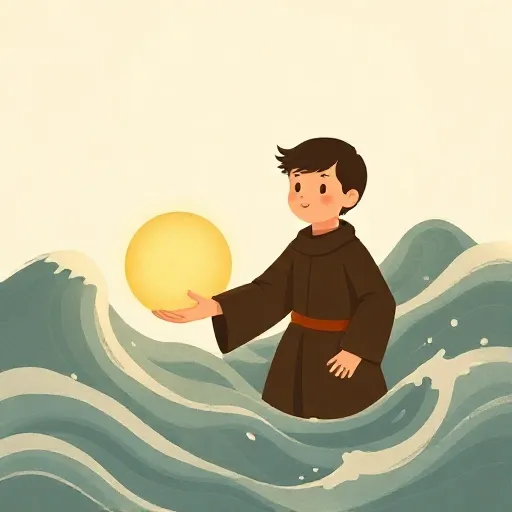
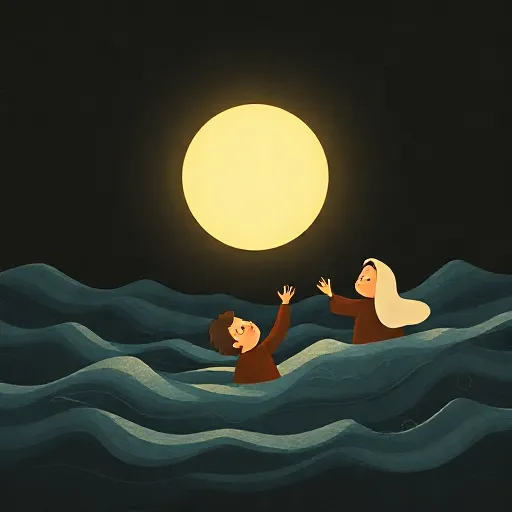
Should You Learn from Books or the World?
Should you trust books or your own eyes? A brave friar went to prison for saying real knowledge comes from looking at the world yourself.
-
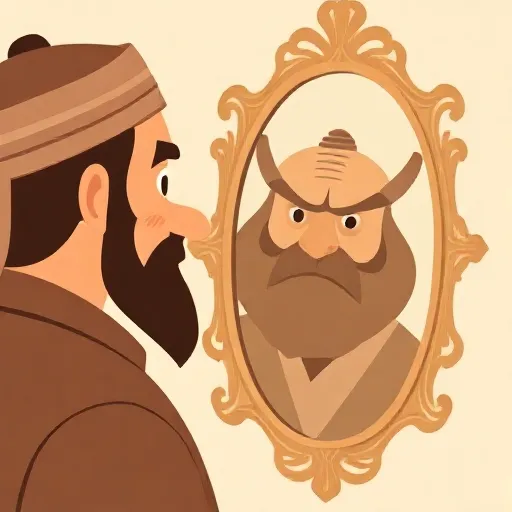
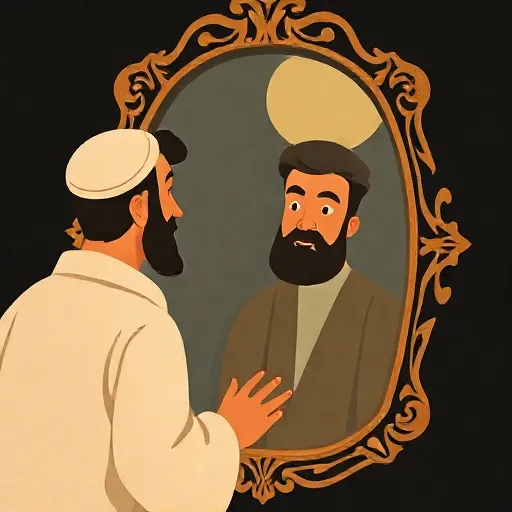
The Enlightenment Genius Who Couldn’t See His Own Cruelty
Montesquieu fought against cruel kings but ruled his own house with fear. How could he not see it? A story about power, people, and not knowing ourselves.
-

The Fear of Death Holds the Secret to Understanding Everything
How can fear of death help us understand everything? Rosenzweig's philosophy starts from personal fears and relationships to find life's deepest truths.
-
The Logic Nobody Wanted — and Why It Rules Everything Now
A quiet fight over the “right” logic lasted a century. First-order logic seemed useless — until it quietly took over math, computers, and your phone.
-
The Man Who Doubted Everything — and Found One Solid Rock
How did Descartes search for certainty? He doubted everything, found thinking is the only sure thing, but his mind-body split still puzzles us.
-
The Monk Who Connected Everyone (and Thought Math Was Enough)
He began as a fierce defender of faith, then became the secret hub of a scientific revolution. Marin Mersenne believed only math gives certainty.
-
The Philosopher Banished for Asking: Do You Have Free Will?
If everything happens for a reason, do you really have free will? This idea got a philosopher banished—and we’re still debating it today.
-
The Philosopher Who Put 'Order and Progress' on a Flag
Why does Brazil's flag say 'Order and Progress'? It's from a man who thought science could run society better than kings. His idea sparked fierce debates.
-
The Philosopher Who Thought Rocks Were Alive
What if everything is alive? Anne Conway thought even rocks are spirit and pain helps us improve. Her ideas flip God and suffering upside down.
-
The Priest Who Said God Does Everything — Even Your Thoughts
Nicolas Malebranche thought God causes every single thing, from your tiniest thought to the movement of stars. But if God does it all, are you really free?
-
The Rebel Professor Who Thought School Should Actually Be Useful
Why did a 16th‑century professor want to make school fast, cheap, and useful—and why did that make him both famous and hated?
-
The Scholar Who Believed Ancient Philosophy Could Heal a Broken Europe
Lipsius reworked Stoicism into a survival guide for a war-ravaged Europe. He said reason can quiet fear — but his political advice caused uproar.
-
The Secret Inside Your Mind That Reinhold Thought Explained Everything
Why did Reinhold's search for one mental truth fail? His 'obvious' idea kept cracking, showing how elusive certainty is.
-
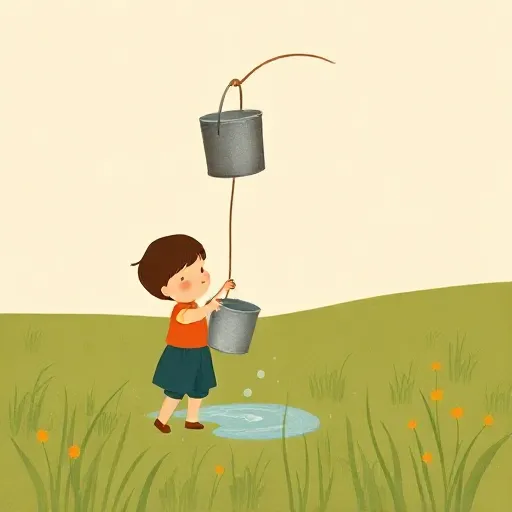
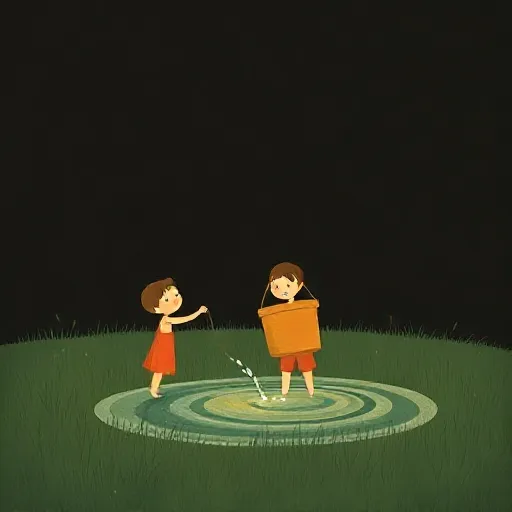
The Spinning Bucket That Shook the Universe
Newton argued space is a real thing, not just emptiness. Descartes said space is just stuff. Their fight about what “real” motion means still echoes today.
-
Was Isaac Newton a Scientist or a Philosopher?
Newton invented modern physics, but he also sparked fierce debates about space, time, and gravity that shaped philosophy for centuries.
-
Was Newton the Greatest Genius? Hume Didn’t Think So
Was Isaac Newton the greatest genius? Hume thought his science didn't help people and caused superstition. He wanted to study how we think and feel.
-

Were You Always Going to Choose That? Kant vs. the Domino Theory
Do your choices come from you, or are they like dominoes pushed by past events? Discover a 300-year-old debate that still asks if we are free.
-
What Are Your Thoughts Pointing At? (Even When Nothing's There)
How can your thoughts be about things that don't exist, like a flying horse? Philosopher Franz Brentano's answer still sparks debate today.
-
What Can Computers Solve? The Question That Started It All
Alan Turing asked what happens when a person calculates. His answer led to digital computers and showed some problems can never be solved by machines.
-

What Does It Really Mean to Respect Someone?
Kant said all persons have dignity, but do we really owe respect to everyone, even bullies? A friendly guide to a big idea that shapes how we treat others.
-
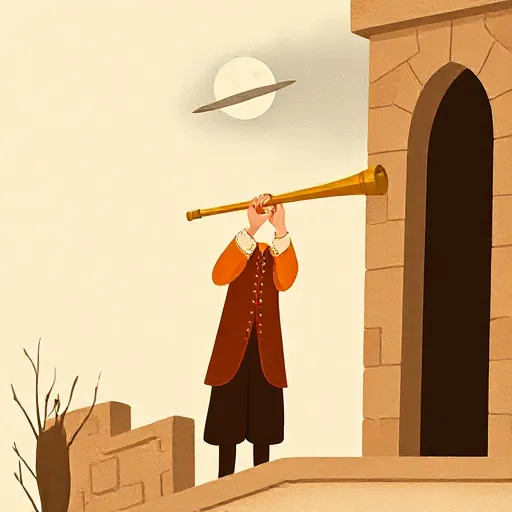
What Galileo Saw Through His Telescope and Why It Almost Destroyed Him
Galileo found mountains on the moon and stars moving around Jupiter. Then he tried to rebuild all of science — and the Church put him on trial.
-
What If Everything Is Just Force? Kant’s Cosmic Idea
Can pushes and pulls alone create stars, planets, and even thoughts? Kant’s big idea of a self-building universe shows how forces shape everything.
-
What If Reason Is Just Language in Disguise?
Philosophers said pure reason could unlock truth. Hamann argued reason needs language, experience, and faith—and that changes everything.
-
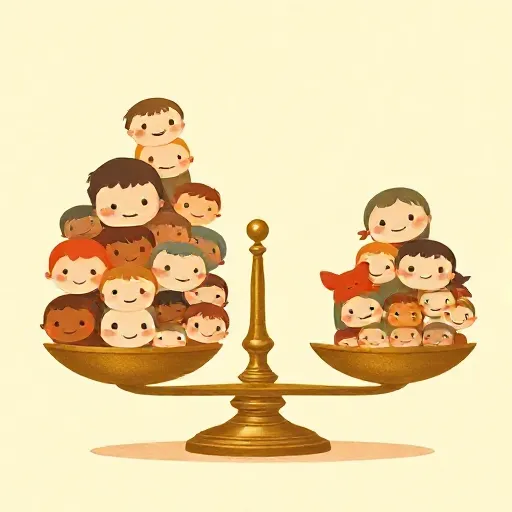
What If the Only Thing That Matters Is Happiness?
Should we always do what makes the most people happy? Bentham said yes, but then what about promises and punishing the innocent?
-

What If Women Could Be Sea‑Captains? Margaret Fuller's Challenge
Margaret Fuller asked: What if women could be anything—even sea-captains? Her bold ideas about women's potential sparked a debate that continues today.
-
What Makes a Science Real? Kant’s Surprising Answer
Kant said real science needs strict laws and math. So he thought chemistry wasn't a real science. His idea still makes us wonder: what is science?
-
What Pushes You to Be Good?
Hobbes said self-interest. Hume said sympathy. Kant said reason. Feminists added care. A 300-year argument about the invisible engine of morality.
-
What Should You Live For? Ayn Rand’s Three Answers
Ayn Rand said live for yourself, not others. Is the real goal staying alive, thinking clearly, or being happy? The answer changes how you treat people.
-

What Would You See If You’d Never Seen Before?
In 1688, William Molyneux asked: if a person born blind suddenly saw, could they tell a cube from a sphere just by looking? The debate is still going.
-


What’s Good for Its Own Sake? A Puzzle That Started with Plato
Is anything good just for itself? That question about intrinsic value has puzzled thinkers for over 2,000 years and could change how you see everything.
-
What's Left When You Take Away All a Thing's Properties?
Aristotle said a thing is more than just its color, shape, and taste. But what is that 'more'? A 2,500-year-old puzzle about what really exists.
-
When Is It Right to Overthrow the Government?
When is it right to rebel against a cruel government? Some thinkers say never, others say you can defend your rights. This question divides philosophers.
-
When Math Tried to Prove Everything Is Right
Can right and wrong be math? A philosopher's attempt accidentally proved that whatever happens is right—showing why facts can't tell us what should be.
-
When the King Fled, a Dangerous Idea Took Over Latin America
When Spain's king vanished, Latin Americans faced a huge question: who rules? The idea that power comes from the people was exciting but hard to make real.
-
Who Decides What’s Beautiful? The 1700s French Feud That Still Echoes
Is beauty a set of rules or just that 'I like it' feeling? An old French quarrel still explains why we disagree on art.
-
Who Decides What’s Right? The Philosophers Who Built Morality
Is being good like spotting a mountain, or like building a house? A 300-year-old argument about whether we discover morality or make it ourselves.
-
Who Decides What's True in Math? The Rebel Who Said: You Do
In the 1920s, L.E.J. Brouwer said math is something your mind creates—not a hidden world to discover. The fight he started isn't over.
-
Who Gets to Tell You What to Do? John Stuart Mill’s Answer
Can someone make you do things 'for your own good'? Mill said no. Your freedom stops only when you harm others.
-

Who Invented Good and Evil? Friedrich Nietzsche's Answer
Nietzsche said God is dead and morality was invented by the weak to control the strong. He challenged us to become overhumans who create their own values.
-
Who Makes Stuff Happen? The Philosopher Who Blamed God for Everything
Johann Sturm said nature has no power — only God causes things. Leibniz called that nonsense. Their clash still shapes how we think about science.
-
Who Moved the Earth? The Story of Nicolaus Copernicus
For centuries, people thought Earth was the center of everything. One astronomer dared to rethink that — and changed how we see the universe.
-
Who Really Wrote *On Liberty*? The Harriet Taylor Mill Puzzle
Did John Stuart Mill's wife Harriet secretly think up his famous ideas? The mystery shows how teamwork in philosophy can hide who deserves credit.
-
Why a Diamond Is History and a Lump of Coal Isn’t
Why is a diamond history but a lump of coal isn't? The answer shows how science and history both give us real knowledge, just in different ways.
-
Why Be Good? John Locke’s Fight Between Reason and Reward
Why be good? John Locke said moral rules are like math, but we only act for pleasure. How can both be true? The puzzle still sparks debate.
-
Why Can’t Ordinary Logic Say “It’s Five O’Clock”?
Why can't ordinary logic say 'It's five o'clock'? Because some truths are true only once. Hybrid logic invents names for moments to point to a single time.
-
Why Can’t She Speak? Margaret Fell’s Unshakeable Answer
Why could Margaret Fell preach when women were told to be silent? She used the Bible to argue for fairness, and her ideas still matter.
-
Why Couldn’t Newton Understand Aristotle?
Kuhn and Feyerabend argued that rival scientific theories can be so different that they talk past each other. A wild idea that changed how we see science.
-
Why Did a Revolutionary Philosopher Insist Women Should Vote?
Why did Condorcet demand voting rights for women in the French Revolution? His arguments about fairness still shape who counts as a citizen today.
-
Why Did Descartes Think a Tiny Gland Holds Your Soul?
Why did Descartes think a tiny gland holds your soul? Find out why his old question about mind and body still puzzles us today.
-
Why Did Edmund Burke Think Revolutions Always Turn Ugly?
He saw words like "liberty" as feelings, not facts — and when you rip out the old connections, you get chaos, not freedom.
-
Why Did God Put the Universe Here and Not Two Feet to the Left?
A princess asked two great thinkers why the universe is here, not over there. Their quarrel about space, time, and God's choices still isn't settled.
-
Why Did Leibniz Hide His Real Philosophy?
Why would a great philosopher hide his biggest ideas? Leibniz thought truths about fate and freedom were too shocking—so he hid them in stories and clues.
-

Why Did Leibniz Think Descartes Was Bad at Physics?
Leibniz argued Descartes' physics failed because force is mass times speed squared, not just mass times speed, and space-time is relational.
-


Why Do Sad Movies Feel So Good?
Why do we enjoy movies that make us cry? Philosophers call it the paradox of tragedy. It explores why we choose sad stories over happy ones.
-
Why Do the Planets Move? Newton’s Answer Changed Everything
Newton showed the same gravity pulls an apple and the Moon. But can you explain something without saying why? The fight over the greatest science book.
-
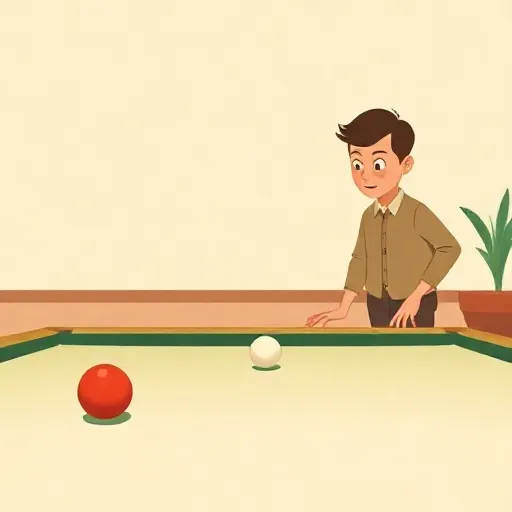
Why Do We Believe One Thing Causes Another?
Hume said we can’t prove one billiard ball will move another just by thinking. That question woke Kant and changed philosophy forever.
-

Why Do We Love Sad Stories? Nietzsche’s Strange Answer
Nietzsche asked why we enjoy tragedy even though it shows suffering. His answer challenges how we think about truth, beauty, and life itself.
-
Why Do We Obey? The Prisoner Who Uncovered Invisible Power
Why do we obey even when no one forces us? Antonio Gramsci found that power hides in what feels normal and natural.
-

Why Do We Treat Beauty Like a Fact When It’s Only a Feeling?
Why do we argue about beauty as if it's a fact, when it's just a feeling? This 200-year-old puzzle about taste shows how we mix pleasure and demands.
-
Why Do You Believe the Next Piece of Bread Will Nourish You?
Why do we expect bread to nourish tomorrow? Hume's problem of induction reveals our belief is just a mental habit with no proof.
-

Why Do You Feel Like a Stranger in Your Own Life?
Why do you sometimes feel like a stranger in your own life? The answer involves a concept called alienation, which can be both bad and good.
-
Why Do You Reach for Salt When You See Pepper?
Hume thought ideas link up from experience. Pavlov proved it with drooling dogs. But can a chain of links explain all of thinking? The fight isn't over.
-
Why Does 7 + 5 = 12? Kant’s Shocking Answer About Math
Kant argued that math truths are built inside your own mind, not just discovered in the world. That changed how we think about knowing stuff.
-
Why Does a Melody Make You Feel Brave? The 2,500-Year Debate
Why does a melody make you feel brave? Ancient Greeks thought music had secret powers from numbers or from copying feelings. Discover their story.
-

Why Is It So Hard to Say What a Woman Is? Freud’s Big Riddle
Why is it so hard to say what a woman is? Freud's ideas about how girls grow up sparked debates that still shape how we think about gender.
-
Why Is There Something Instead of Nothing?
In the 1600s, philosophers such as Descartes and Spinoza used reason alone to explain why anything exists at all. Their bold ideas still matter.
-
Why John Locke Said Science Can Only Go So Far
He started as a medical student, wading through wild theories. Then a no-nonsense doctor showed him a better way—and changed philosophy forever.
-

Why Should You Do What the Government Tells You?
When must you obey the government? Some say consent is key, others say fair rules. This debate shapes every law you encounter.
-
Why Should You Obey Laws You Never Voted For?
Why follow rules you never chose? Discover the invisible deal that sets fair rules - the social contract. It shapes everything from school to government.
-
Why Spinoza Thought Your Mind and Body Are the Same Thing
Spinoza said mind and body aren't two separate things, but two ways of looking at one substance. His radical idea still puzzles philosophers.
-
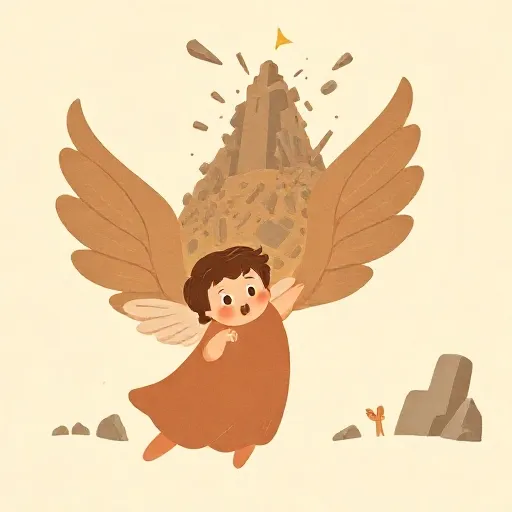
Why the Angel of History Is Flying Backwards
What if history isn't always getting better? Walter Benjamin believed it's a growing disaster. But hidden in the wreckage, memories can spark new hope.
-
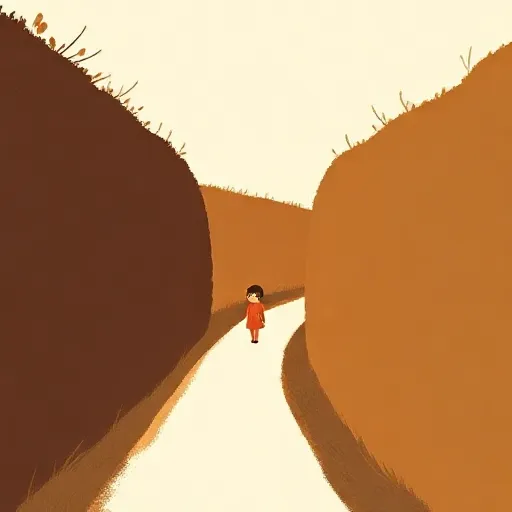
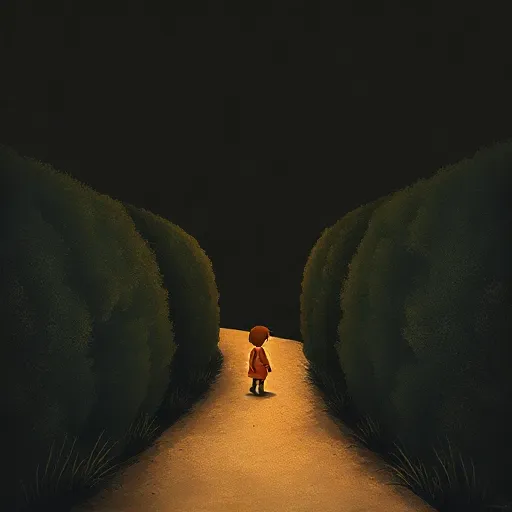
Why the Smartest Plans for Society Often Fail
Why do smart plans for society often fail? Because real knowledge needs hands-on experience, not just rulebooks—and that's key to a free society.
-
Why Thomas Hobbes Thought You Can't Know a Thing Unless You Built It
Hobbes believed that seeing isn't knowing. You only really understand what you make yourself — from a triangle to a whole country.
-
Why Would a Scholar Write a Book About How All Books Are Useless?
Cornelius Agrippa attacked every field of learning as empty, yet spent his life restoring ancient magic. What was he really after?
-

Why Would a Selfish Person Ever Be Good?
Why would a selfish person ever be good? Some thinkers say it's a smart strategy. But critics ask if that leaves out the weak or makes anyone truly kind.
-
Why Would Anyone Want an All-Powerful Ruler?
Why would anyone want an all-powerful ruler? Hobbes believed it was the only way to prevent war and chaos. Find out why his idea is still debated.
-
Why Would Anyone Want to Look at a Massacre? The Abbé Du Bos’s Answer
Du Bos noticed we seek out art that makes us cry. He thought the answer lies in imitation, boredom, and the feelings we can’t escape.
-

Why You Are Worth More Than a King — Even If Nobody Told You So
Why does everyone now have dignity, even kings? The surprising story of an idea that flipped the world upside down.
-
Why You Can’t Know Your Own Mind (But Kant Says That’s OK)
Kant thought your mind is a hidden system of skills you can never look inside to see. His model still shapes brain science.
-
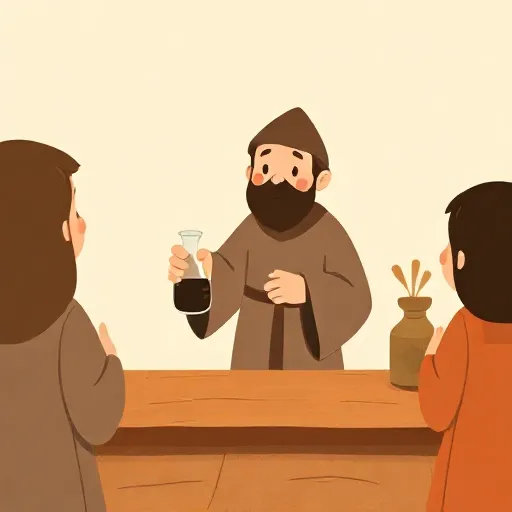
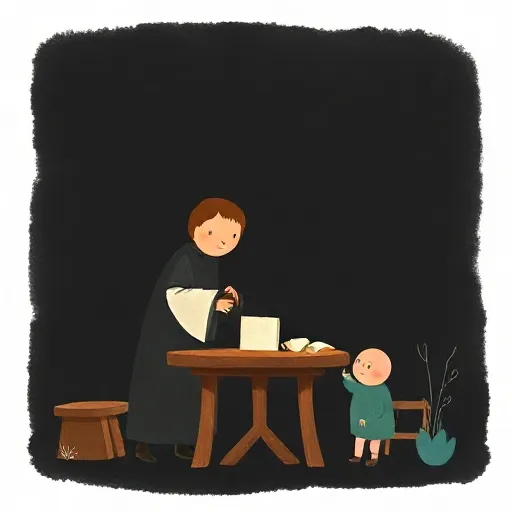
Why You’ll Never Think a Thought Without Your Body
Why can't you think without a body? A monk's blood transfusions showed senses create all thoughts, challenging Descartes.
-
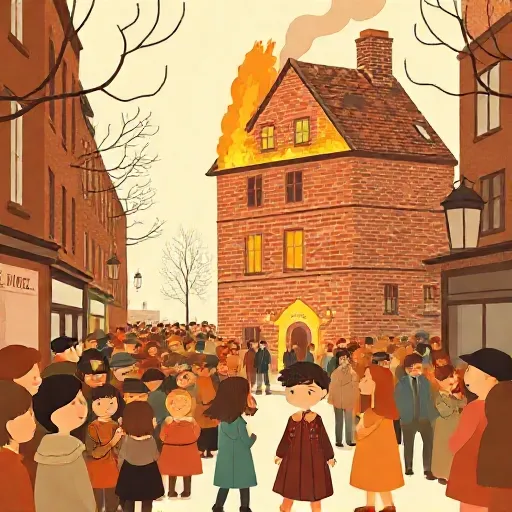
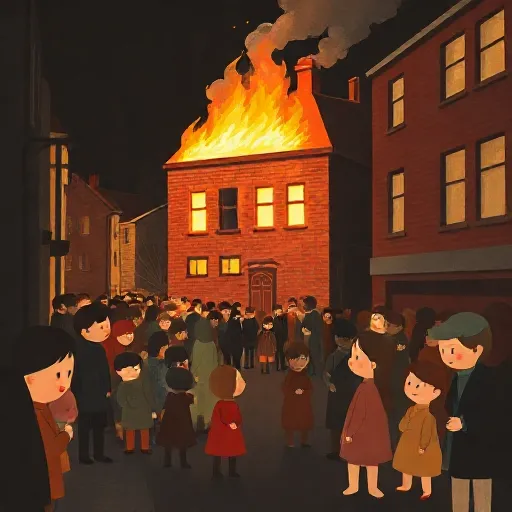
William Godwin's Dilemma: Save the Archbishop or Your Mother?
Would you save a brilliant archbishop instead of your mother from a fire? William Godwin's shocking answer challenges our ideas about fairness and love.
-

Would a World Government End War, or Start a Global Tyranny?
Would a single world government end all wars or create a global prison? This debate has lasted centuries and will shape your future.
-
Would You Push a Fat Man to Save Five Lives?
Two ways of thinking about right and wrong collide when one simple choice can let people die — or kill someone. Which side are you on?
-
Would You Ruin Your New Shoes to Save a Life?
From Hume to Singer, philosophers have asked whether we must help others—and how much. A debate that can make you rethink your allowance.
-

You Don't Need a Predicate to Make a Judgment: Brentano's Big Idea
Can you judge something is real without using words? Franz Brentano said yes, and his idea changed how we think about thinking, truth, and what exists.
-
You Were Born Good. Then Society Got in the Way?
Are we born good, and does society make us bad? Discover Rousseau's surprising answer and his dream for a truly free society.