Do You Control Your Emotions—or Do They Control You?
A Sudden Storm: What Is an Emotion, Anyway?
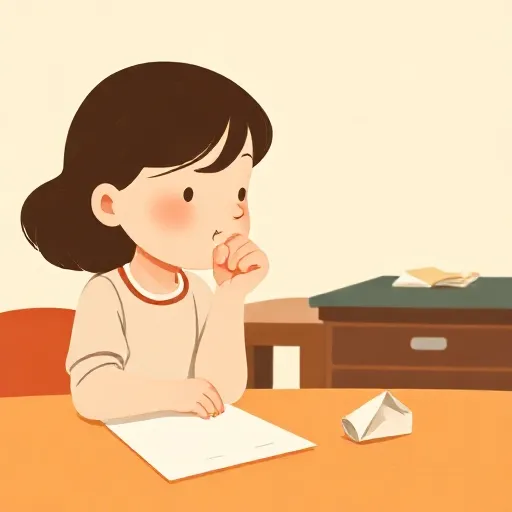
You’re sitting in class when someone whispers a mean joke about your shoes. Your face goes hot. Your heart pounds. You didn’t decide to get angry—it just happened. But was that anger something that happened to you, like a gust of wind, or was it part of your own thinking? Four hundred years ago, philosophers were asking the exact same question. They didn’t call it “anger” or “emotion” in quite our way. They used words like passion, affect, and later sentiment. And behind these words lay a fierce debate: are feelings wild animals you must tame, or are they smart guides that shape every choice you make?
In the 1600s and 1700s, the most common term was passion. It came from a Latin word meaning “suffering” or “being acted upon.” A passion wasn’t something you did; it was something you underwent. But the meaning shifted. By the 1700s, many writers preferred sentiment, which could mean a calm, reflective feeling. Today we lump all these under the word “emotion,” but back then, your vocabulary revealed your whole theory of what a feeling really was. Nearly everyone agreed on one thing, though: emotions have power over you—and learning to handle them is one of the biggest tasks of life.
Descartes: The Body’s Messages, and Wonder’s Special Place
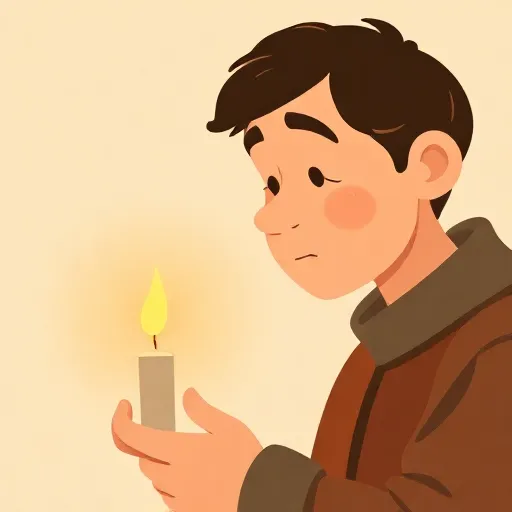
René Descartes (1596–1650) looked at a racing heart and saw a message. He called the passions perceptions—not perceptions of things outside you, like trees or tables, but of what is happening inside your own body. When you feel fear, you’re perceiving your muscles tensing, your pulse quickening, the animal spirits (tiny fast-moving particles, he thought) rushing through your nerves. The passion itself is a confused thought—it doesn’t tell you what the danger is, only that your body is in alarm mode.
Descartes listed six simple passions: wonder, love, hatred, desire, joy, sadness. All others, like jealousy or gratitude, are built from these six, like colors mixed from primary paints. Wonder was special—it wasn’t good or bad by itself. It simply made you pause and stare at something unfamiliar. Without wonder, you’d never learn anything new. Descartes believed these bodily signals were usually helpful. They kept you alive by pushing you toward food or away from cliffs. But they could also mislead you, making you terrified of a harmless spider or too angry at a friend. So he thought you needed to train your passions, using your imagination to picture things differently—like rehearsing a play until the feelings fall into line.
Hobbes and Spinoza: Motion, Conflict, and the Active Mind
Thomas Hobbes (1588–1679) had a no-nonsense view: everything, including your mind, is physical. A passion is simply a motion inside you—a tiny beginning of action. Your senses send motion inward, and that motion becomes either an appetite (a pull toward something) or an aversion (a push away). Hobbes made long lists of passions: not just fear and love, but also glory (delight in your own power) and competition (the urge to outdo others). These passions, he warned, often put people at war with each other. Yet he also admitted some passions incline us to peace. If passions are just motions, why can two passions—like curiosity and fear—tear you in opposite directions? That conflict, for Hobbes, was simply different pushes inside the same machine.
Baruch Spinoza (1632–1677) agreed that we’re part of nature and that affects drive us. But he drew a sharp line: there are passive affects, where you’re pushed around by things you don’t understand, and active affects, where you are the adequate cause of what you feel. If you understand clearly why you’re angry, you stop being a puppet—you become an agent. Spinoza criticized Descartes for thinking we could get perfect control over our passions by sheer mental effort. Still, he believed that reasoning could transform your emotions from chains into tools. He defined at least forty different affects in his Ethics, carefully showing how each one could be either passive (harmful) or active (empowering). For Spinoza, the goal wasn’t to squash emotion, but to understand it so well that your affects and your reason pull in the same direction.
Hume: Reason Is the Slave of the Passions
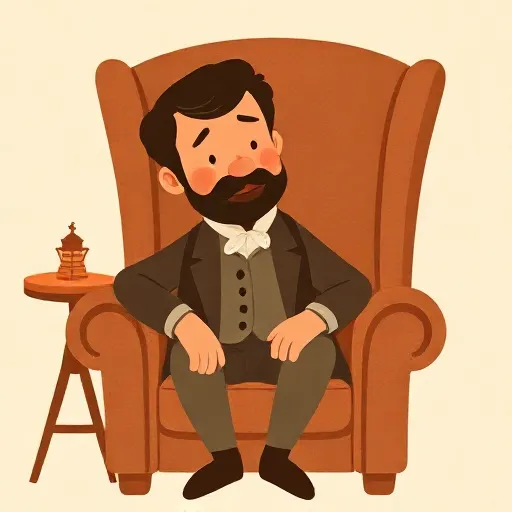
David Hume (1711–1776) went even further. In his Treatise of Human Nature, he wrote that reason “is, and ought only to be the slave of the passions.” That sounds shocking—like it’s always good to follow your feelings. But Hume had something subtle in mind. He didn’t mean you should scream at anyone who annoys you. The passions that rule you, he argued, are often calm ones—the steady desire to be healthy, the quiet love of truth, the gentle feeling that fairness matters. Reason alone can’t lift a finger. It can tell you that touching a stove will burn your hand, but without a feeling of fear or pain, you’d never pull away.
Hume also distinguished between violent passions (which shake you up) and calm sentiments (which feel smooth and settled). Moral judgments, like deciding that lying is wrong, come from sentiments—a special sort of refined feeling, not from cold calculation. When you watch a friend cheat in a game and feel a pang of disapproval, that pang is your moral judgment starting up. Eighteenth-century thinkers called this a “moral sense,” an internal taste for right and wrong, much like your tongue tastes sugar. So for Hume, educating your emotions wasn’t about chaining a beast—it was about cultivating the right calm sentiments so that your automatic reactions are wise ones.
The Shift from Passion to Sentiment (and Why It Matters)

You might wonder: why did these philosophers spend so much energy on labels? Because names shape how you see yourself. If you call your anger a passion, you’re treating it as something that befalls you—like rain. If you call it a sentiment, you’re treating it as something you can reflect on and refine. The early modern period saw a slow, massive shift from one to the other. By the mid-1700s, thinkers like Francis Hutcheson and Henry Home (Lord Kames) were drawing careful lines between violent passions and calm affections or sentiments. These calm emotions, they said, could be educated. They weren’t just animal urges; they could ground morality and art.
This matters for you today. When you snap at a sibling and later regret it, you’re tapping into that old insight: a burst of passion doesn’t have to define who you are. You can step back, figure out what triggered you, and shape your response next time. The very fact that you can reflect on your feelings—am I overreacting?—echoes what Descartes, Spinoza, and Hume all believed in their own ways: emotions are not just things that happen. You can learn to work with them, not just be worked over by them. They are part of your intelligence, not the enemy of it.
Think about it
- If a scientist could predict every emotional reaction you’ll ever have, would you still feel like you have any control over your temper?
- Is there a feeling you once thought was weak but now see as useful, or the other way around? What changed your mind?
- Can you think of a situation where following your calm feelings would lead you to a better choice than following cold reasoning alone?