
Can a Dissatisfied Philosopher Be Happier Than a Happy Pig?
The Philosopher, the Pig, and the Question of Happiness
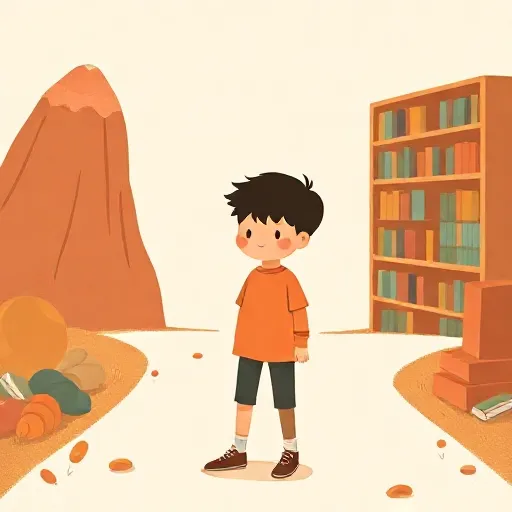
Imagine a genie offers you two lives. In the first, you have endless candy, constant comfort, and never have to think hard — you are completely satisfied. In the second, you study difficult subjects, create art, ask big questions, and sometimes feel restless or unhappy. Which do you pick?
This is a grown‑up version of a question that obsessed John Stuart Mill (1806–1873). His answer changed how many people think about happiness, freedom, and fairness.
Mill was raised to be a utilitarian reformer. Utilitarianism is the idea that the right action is the one that produces the most happiness overall. Mill learned this from his father and from a family friend, Jeremy Bentham (1748–1832), who believed happiness was simply pleasure, and that all pleasures are basically the same — you just count them up like points.
But as a young man, Mill went through a deep emotional crisis. He felt empty. He realized that a life spent only gathering pleasure wasn’t enough. When he recovered, he rethought what happiness really means. He didn’t abandon utilitarianism, but he gave it a new twist: not all pleasures are equal. Some are higher.
From Pleasure Counting to “Higher Pleasures”
Bentham was a hedonist — he thought happiness is just pleasure and the absence of pain. For him, the value of any activity came entirely from how much pleasure it gave you. If a silly game and a poetry reading produced the same amount of enjoyment, they were equally good.
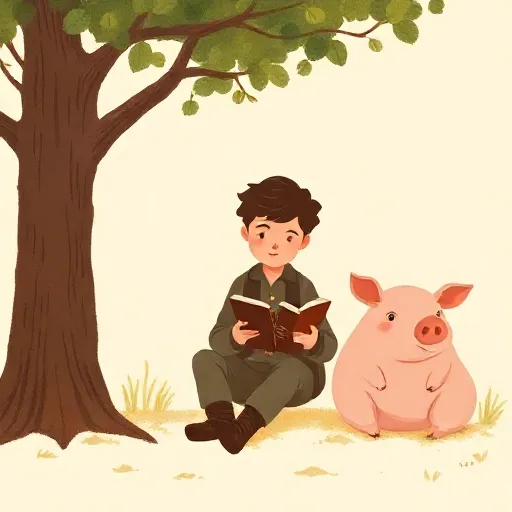
Mill’s famous reply is direct: “It is better to be a human being dissatisfied than a pig satisfied; better to be Socrates dissatisfied than a fool satisfied.” He believed that pleasures that use your higher faculties — your ability to reason, imagine, examine yourself, and make moral choices — are more valuable than pleasures from simple sensations.
To decide which pleasures are higher, Mill invented the idea of a competent judge: a person who has genuinely experienced both kinds and can compare them. If someone who knows both poetry and push‑pin (a child’s game) would never trade the poetry for any amount of push‑pin, then poetry is a higher pleasure. This isn’t just about quantity; it’s about quality.
Why do competent judges prefer higher activities? Mill thought it came from a sense of dignity — a recognition that a life exercising your higher powers is worth more. So happiness, for Mill, wasn’t just feeling good. It was living a life that develops your best human abilities.
Your Freedom, My Nose: The Harm Principle

If happiness depends on using your higher faculties, then people need the freedom to think, explore, and choose for themselves. In his book On Liberty, Mill set out a rule for when society can restrict a person’s freedom: the harm principle.
Mill wrote, “The only purpose for which power can be rightfully exercised over any member of a civilized community, against his will, is to prevent harm to others.”
That means your liberty stops when it starts hurting someone else — not merely annoying them, but genuinely damaging their important interests. You can’t use the law to force someone to be “wise” or “good” just for their own benefit. That would be paternalism, and Mill rejected it in most cases. He had two reasons: rulers often abuse that power, and even well‑meaning people will misunderstand what really makes you happy better than you do yourself.
But Mill made a principled exception: you should not be free to sell yourself into slavery. That would destroy the very deliberative capacities that make freedom valuable. This exception is what we might call autonomy‑enhancing paternalism — it stops you from permanently giving up your ability to choose.
The Marketplace of Ideas: Why Wrong Opinions Matter

Mill’s defense of free speech is one of the most famous parts of On Liberty. He wasn’t just worried about governments silencing people. He wanted to protect even opinions that most people think are false or immoral.
Why? First, a censored opinion might actually be true, or at least contain part of the truth. No one is completely infallible. But Mill gave a deeper reason: even if an opinion is totally wrong, hearing it forces us to defend and understand the truth. Without opposition, beliefs become dead dogma — something we hold without really knowing why. That weakens our ability to think for ourselves, which is central to being the progressive, deliberative beings Mill thought we are.
So free discussion isn’t just a tool for finding truth; it’s essential for justifying our beliefs and exercising our rational capacities. Censorship, even of falsehoods, robs us of that exercise. This doesn’t mean speech can never be restricted — if someone shouts “Fire!” in a crowded theatre and causes a stampede, that’s harm. But the default should be wide‑open debate.
”The Last Slavery”: Mill’s Case for Women’s Equality
Mill applied his liberal principles directly to the position of women in Victorian Britain. In The Subjection of Women, he called the legal power husbands held over their wives “the sole case, now that negro slavery has been abolished, in which a human being… is delivered up to the tender mercies of another.”
He demanded equal rights in marriage: control over one’s own body and property, the right to divorce, and a fair say in family decisions. Outside the home, he fought for women’s access to education, professions, the vote, and public office.
People often claimed women were naturally inferior — less rational, less original, more emotional. Mill’s reply was simple: we can’t know that. Women had been denied education and freedom for so long that any differences we see might be the result of that unfair treatment, not proof of natural inferiority. To use those differences to justify continued inequality would be circular reasoning. Equality must be the presumed starting point until real evidence proves otherwise.
Mill sometimes lapsed — he once speculated that most women, given full choice, would still pick traditional domestic roles. But his own principles argue against such guesses. What matters is that everyone has the same opportunity to develop their higher faculties and direct their own life.
Why Mill Still Matters in Your Life

Today, you hear Mill’s ideas everywhere. Debates about online censorship, hate speech, and safe spaces are really debates about how far the harm principle extends. When you choose between hours of video games (which you enjoy) and learning a hard skill (which frustrates you but might make you a deeper person), you are wrestling with higher pleasures. And the fight for gender equality — equal pay, equal respect, equal voice — builds on arguments Mill helped make mainstream.
Mill’s project was personal, too: he thought of you as a progressive being — someone whose happiness comes not from having more stuff, but from thinking, questioning, and freely shaping your own life. In a world that often wants to choose for you, his ideas are a permanent invitation to choose for yourself.
Think about it
- If a law would make everyone a little happier but took away one person’s freedom to speak their mind, would Mill support it? Why or why not?
- Is it ever okay to ban a book or an idea, even if you think it’s completely false and dangerous? What might Mill say?
- Mill thought some pleasures are “higher” than others. Do you agree? Can you think of a pleasure you’d rank higher than another, even if it’s less fun in the moment?