
Is Happiness Just a Good Mood, or Something Deeper?
A Simple Question That Isn’t Simple at All

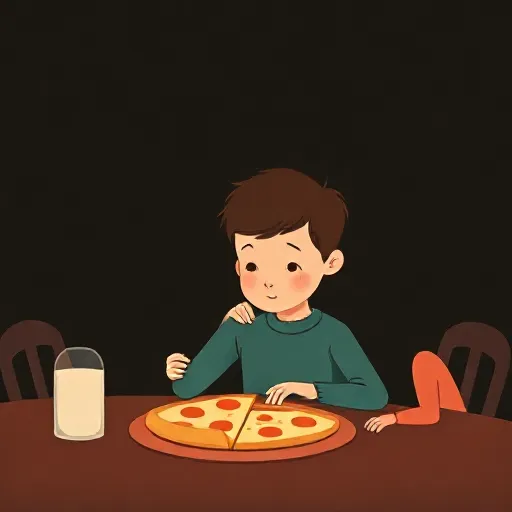
It’s a rainy afternoon in a sixth-grade classroom. The teacher writes a single word on the board: HAPPINESS. “What is it?” she asks. Hands shoot up. “Ice cream!” “Sleeping in!” “Winning a game!” Everyone has an answer. But then she asks a second question: “If you were smiling all day but everything you did was fake, would you still be happy?” The room goes quiet.
Philosophers have been wrestling with that silence for more than two thousand years. The word “happiness” might look simple, but it hides two very different ideas. In the psychological sense, happiness is a state of mind — the way you feel inside. Are you cheerful? Do you feel good? That’s one thing. In the well-being sense, happiness is something bigger: it’s about having a life that is good for you, a life worth living. If someone says “She had a happy life,” they usually mean the second thing, not just that she smiled a lot.
Right away, you can see the problem. If you and a friend use the same word but mean different things, you can argue forever without ever actually disagreeing. So philosophers who study happiness usually pick one meaning and dig deep. Most of the debate today focuses on the psychological sense — the state of mind — and that’s where our story begins.
If Happiness Is Just a Pleasure Tally — Hedonism
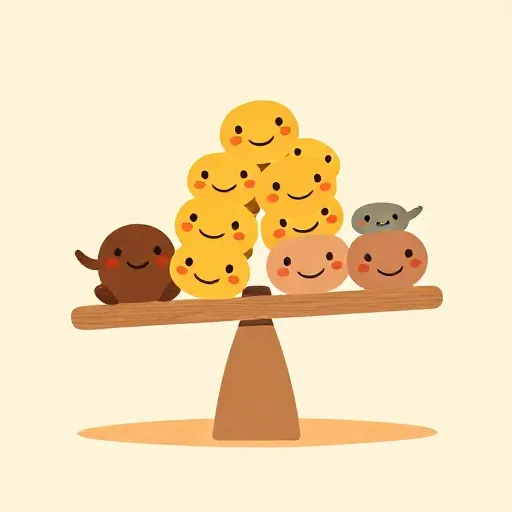
Imagine you had a happiness meter inside your brain. Every time something good happens, it ticks up; every time something bad happens, it ticks down. At the end of the day, the number tells you how happy you are. That’s the basic idea behind hedonism. Hedonists say happiness is nothing more than your balance of pleasant experiences over unpleasant ones. The more pleasure and the less pain, the happier you are.
The English philosopher Jeremy Bentham (1748–1832) pushed this view hard. He thought the whole point of life was to maximize pleasure and minimize pain, and that happiness could be measured — at least in theory — like a number on a scale. It’s a tidy, scientific-sounding picture. Who wouldn’t want a clear score for happiness?
But here’s the catch. Picture someone who spends every waking hour bouncing from one fun activity to another — video games, junk food, silly videos — never thinking about anything serious. On a hedonist view, that person could be counted as very happy. Yet many of us feel there’s something missing. What if all those good times are covering up a deep sadness? What if the person is just distracting themselves? Hedonism only cares about the surface layer of experience; it doesn’t ask whether your joy is real, meaningful, or connected to the life you actually want.
When Happiness Means Loving Your Whole Life

Some philosophers think happiness isn’t about moment-by-moment pleasure at all. On the life satisfaction view, happiness is a judgment you make about your life as a whole. It’s not about how many good minutes you had today; it’s about whether you can look at your complete story and say, “Yes, this is a life I’m okay with.”
This explains something important. A musician might spend years practicing in frustration, even suffering, and yet feel genuinely happy with her life because she’s devoted herself to something she loves. A cancer patient might report being more satisfied with his life than he was before his illness, because his values shifted and he now feels grateful for things he used to ignore. On a life satisfaction view, these people are happy — not because they feel good all the time, but because they endorse the life they are actually living.
The problem is that life satisfaction can be too easy to get. Suppose someone is living under oppressive rules, but she has been told her whole life that this is what a good life looks like, so she says she’s satisfied. Is she really happy? Most philosophers worry that life satisfaction can be tricked. You can lower your expectations so far that even a miserable life feels “good enough” to you. That makes life satisfaction a shaky guide to real well-being. And yet, many of us feel that being happy must involve some kind of overall thumbs-up to our existence.
Maybe Happiness Is Your Emotional Climate

A third idea tries to capture what the first two miss. Emotional state theories say happiness is your overall emotional condition — not a single feeling, and not a life-review, but the “climate” of your inner world. A happy person on this view is someone whose emotional weather is generally sunny, with storms that pass quickly and don’t define her. She isn’t just having fun; she feels at home in her own skin, at peace, and open to life.
This matters because you can have lots of pleasant moments — a good joke, a tasty snack — while still living with a heavy cloud of anxiety or emptiness that never really lifts. The ancient Stoic philosopher Epictetus (c. 50–135 CE) put it this way: you can have a headache and still not let it reach “the centre of your being.” Emotional state theorists think happiness is about that centre: not the small pleasures on the surface, but whether your deepest psychological self is doing well.
What’s the advantage over hedonism? An emotional state view says happiness is tied to who you really are, not just to whatever happens to feel good at the moment. But it still isn’t about the story of your whole life — it’s about your human interior, right now. For a lot of people, that feels closer to what we mean when we say someone “is happy” as opposed to “has a happy life.”
Why the Fight Over Happiness Matters
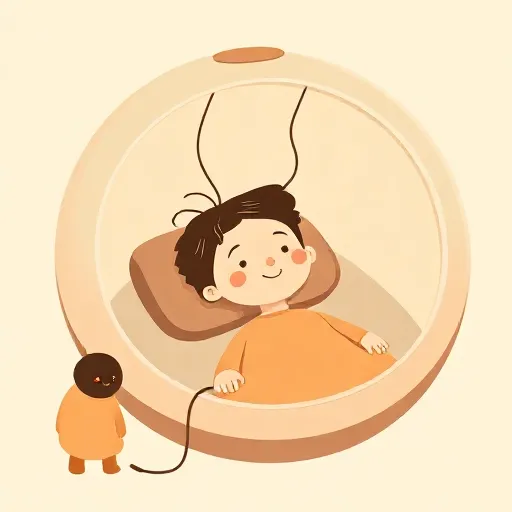
In 1974, the philosopher Robert Nozick (1938–2002) invented a famous thought experiment. Imagine a machine that can plug directly into your brain and give you a completely convincing virtual reality — a life where you succeed at everything, feel endless joy, and never suffer. You’ll forget the machine exists and believe the life is real. Would you plug in for good?
Most people say no. Something in us recoils. We don’t just want the experience of a good life; we want to actually live one. This suggests that happiness — even in the psychological sense — isn’t just about having pleasant feelings. We care about whether our happiness is connected to reality. A hedonist would have to say the machine life is happier than messy real life, and that conclusion makes many of us uncomfortable.
That’s why the fight between hedonism, life satisfaction, and emotional state views isn’t just a nerdy debate. What you believe about happiness changes what you chase. If you’re a hedonist, you might spend your days hunting fun. If you’re a life satisfaction theorist, you might focus on big goals and ignore daily moods. If you’re an emotional state theorist, you might prioritize inner peace and deep relationships over constant excitement. The question “What is happiness?” is really a question about what kind of person you want to be — and what kind of life is worth building.
Think about it
- If a machine could give you a perfect virtual life, but you’d never know it was fake, would you plug in? Why or why not?
- Imagine two people: one is always cheerful and enjoys many small pleasures but has no close friends or big achievements. The other has ups and downs, works hard for a goal and sometimes feels sad, but feels proud of her life. Which one is happier? Why?
- Can someone be happy if everyone secretly dislikes them, as long as they never find out? What does your answer say about what happiness really is?