Is Pleasure a Feeling, a Thought, or a Way of Doing Things?
The Smile, the Bath, and the Simple Idea

You see your friend’s wide grin after a silly joke. You sink into a hot bath and feel your whole body loosen. At moments like these, pleasure seems obvious. It’s just that nice feeling happening right now, right inside your experience. Philosophers call this the simple picture: pleasure is a single, special kind of feeling we each know from the inside, and we naturally want more of it.
This idea has been around for a long time. John Locke (1632–1704) thought pleasure and pain were simple ideas you learn only by experiencing them—like the taste of sugar or the sting of a scrape. Many later thinkers agreed. But the more people looked closely, the stranger pleasure became. If it is one feeling, why does the pleasure of a roller coaster feel so different from the pleasure of a lullaby? And if you try to find that one “pleasure feeling” in your mind, it can slip away like water through your fingers.
Gilbert Ryle Says It’s Not a Feeling at All
Philosopher Gilbert Ryle (1900–1976) thought the simple picture was all wrong. He argued that pleasure is never a momentary feeling, like a flash of light in your mind. Instead, pleasure is a way you do something. When you really enjoy reading a book or climbing a tree, you do it wholeheartedly, with full attention, and no part of you is pulling away or wishing you were somewhere else. The pleasure just is that absorbed, undivided doing.
Ryle was taking a hint from Aristotle, who had noticed that pleasure strengthens whatever activity you are doing. If you enjoy solving a puzzle, you get more drawn into it, while a noisy distraction weakens that satisfaction. For Ryle, to do something with pleasure is simply to do it with your whole self, not distracted by other urges or feelings. That means pleasure isn’t a mysterious inner glow added on top of life. It’s a way of living your activities.
Fred Feldman and the Pleasure-as-Belief Idea
If Ryle seemed to remove feelings, Fred Feldman (1941–2023) went further. He claimed that pleasure is a propositional attitude—a mental state like belief or hope, not a sensation at all. When you believe “it is Tuesday,” you take a certain stance toward a statement. Feldman said pleasure works the same way: you take a favorable stance toward some content, like “I am eating a ripe peach.” The pleasure is the attitude, not any feeling that comes with it. Just as you can believe something without a tingle in your brain, you can enjoy something without any specific feeling.
This idea helps explain why pleasures differ so much. The pleasure of a joke and the pleasure of a massage feel different because the contents you are enjoying differ—just as different beliefs have different contents. But many philosophers object. When a puppy rolls in grass, it seems to feel pleasure without having the ability to form beliefs about sentences. And sometimes you just wake up feeling good for no reason at all, not enjoying anything in particular. A mood can float free, without any content. That floating pleasure seems hard to capture with an attitude that always needs an object.
Aristotle’s Activity and Epicurus’s Calm
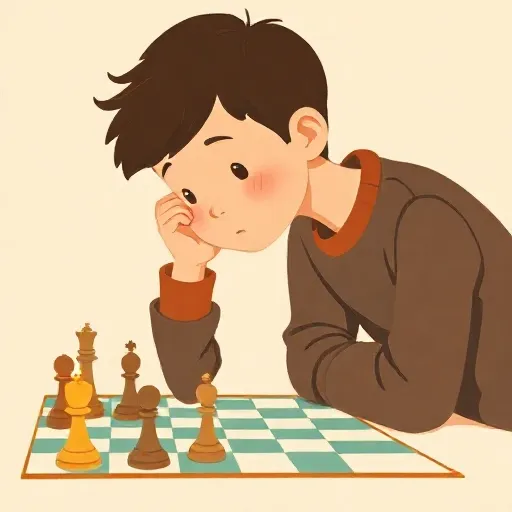
Long before Ryle, Aristotle (384–322 BCE) had a vision of pleasure that was both simple and rich. He saw every living thing as having capacities—seeing, running, thinking—that can be exercised well or poorly. When a capacity works perfectly and without interference, pleasure arises as a kind of natural by-product, like the bloom that appears on a healthy cheek. A musician playing a piece flawlessly, a runner moving smoothly, a thinker finally grasping an idea—these are pleasures that belong to the activity itself, not a separate feeling squeezed in.
Aristotle’s picture also ranked pleasures. The pleasure of reasoning about the stars, he thought, was higher than the pleasure of satisfying hunger, because our capacity for understanding is what makes us most human. Not everyone agreed. Epicurus (341–270 BCE) taught that the truest pleasure was simply the absence of pain and distress in body and mind—a calm, untroubled state. Epicureans didn’t chase thrills; they sought quiet security, good friends, and freedom from fear. For them, the best life felt like a still pond, not a fireworks show.
Your Brain on “Wanting” and “Liking”
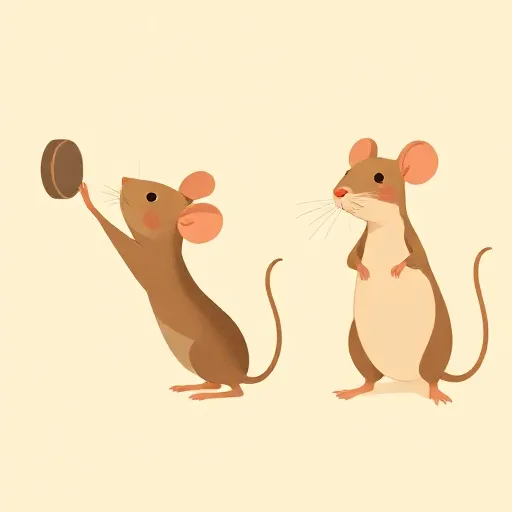
Modern brain science adds a surprising twist to this ancient puzzle. Neuroscientist Kent Berridge and his colleagues have shown that wanting and liking are not the same thing in the brain. The dopamine system—a set of brain pathways often called the “reward” system—is really about motivation and craving, not pleasure itself. When dopamine spikes, you feel a burst of energetic desire to pursue something. But that is different from the quiet savoring that comes from liking, which seems to involve opioid activity in tiny hotspots of the brain.
Berridge’s experiments show that an animal can eagerly want something without seeming to like it, and can like something without a strong urge to get it. This sounds a lot like addiction: a person can desperately crave a substance or behavior while getting almost no pleasure from it anymore. True pleasure, on this view, might be a calmer, less pushy state—a bit like the Epicurean ideal. The simple picture of pleasure as one clear feeling might conceal at least two different biological systems that often, but not always, run together.
Why This Mess Matters for Your Own Life
So what? You are not going to walk around labeling your dopamine spikes. But the debate about pleasure shapes how you think about a good life. If pleasure is just a feeling, you might try to pack your days with intense sensations—loud music, wild rides, sugary treats. If Aristotle is right, you might instead focus on getting really good at something you love, finding pleasure in the focused exercise of a skill. If Epicurus and the neuroscientists are onto something, the deepest satisfaction might come from calm, absence of stress, and simple everyday moments.
None of these views has won. Pleasure might be a single thing that feels good, or a way of doing things, or a quiet stance of welcoming whatever comes. It might even be a loose mixture that breaks apart under the microscope. What is clear is that the more we learn about the brain and the self, the more careful we have to be about what we chase. The next time you feel really good—whether from dancing, laughing with friends, or just lying in the sun—notice what that pleasure is like. Is it a feeling, a focus, a freedom from want? The answer may be worth more than the pleasure itself.
Think about it
- If a scientist could give you a pill that made every moment feel perfectly pleasant, would that be a good life? Why or why not?
- Can you think of a time you really wanted something but got no pleasure from it when you finally had it? What separated the wanting from the liking?
- Deep calm and wild excitement can both feel good. Which one do you think is more important for a happy life—and does your answer change depending on the day?