Ancient Philosophy
183 articles
-
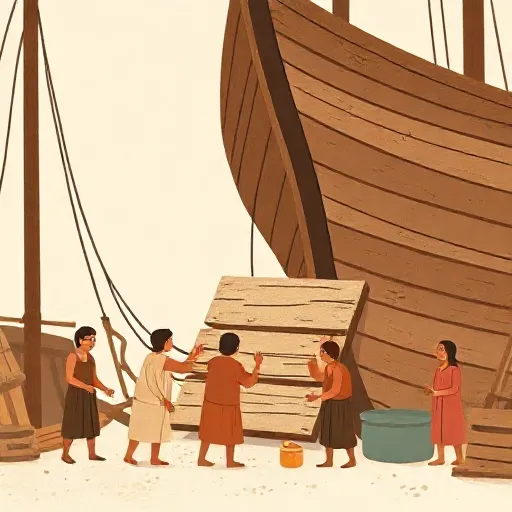
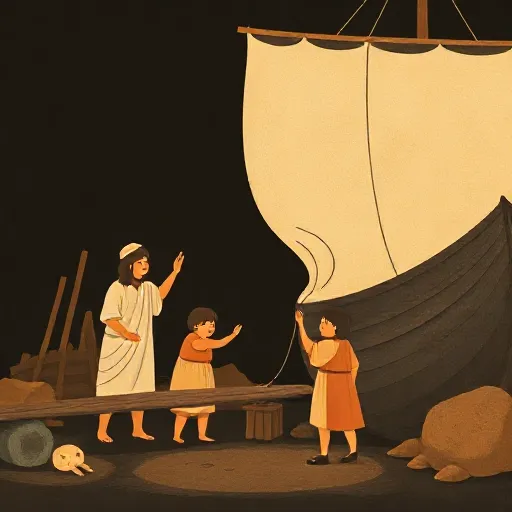
After Every Plank Is Replaced, Is It Still the Same Ship?
If you replace every plank of a ship, is it still the same? Rebuilding the old planks creates a second ship. Which is original? A puzzle about identity.
-
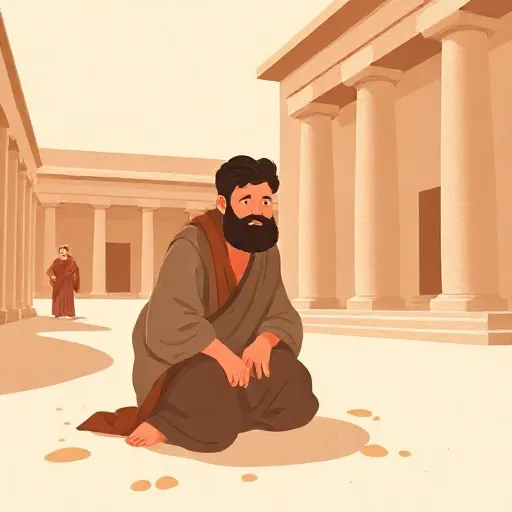
Are Some Ideas Already Inside You Before You Learn Them?
Are we born with knowledge already in our minds, or is everything learned? The debate over innate ideas still shapes science and philosophy today.
-

Are There Many Ways to Be Good, or Only One?
Can all good things be compared on one scale, or are there many kinds of good? The answer shapes how we handle hard choices.
-
Are There Things That Never Change? (And Other Metaphysical Mysteries)
Are there unchanging things? How do mind and body connect? Exploring metaphysics could change how you see yourself and the universe.
-
Are Words Like Tools or Just Stickers? An Ancient Debate
Are words natural tools that match their meanings, or just stickers people agree to use? Plato’s dialogue explores an ancient debate with a puzzling twist.
-

Are You a Brave Person, or Just a Brave Action?
Can one brave action define who you are? Find out if courage is about deeds or thoughts. See why this shapes how we judge friends.
-
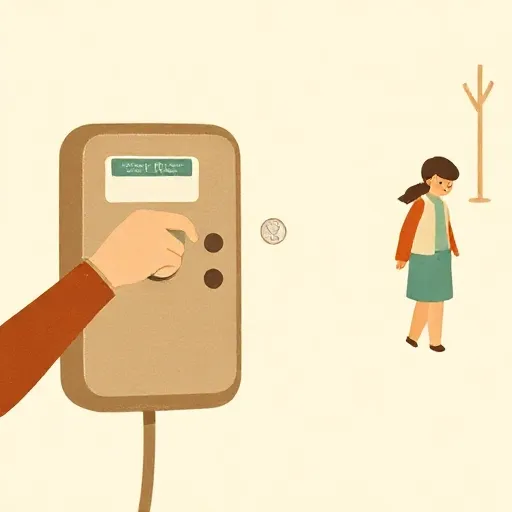
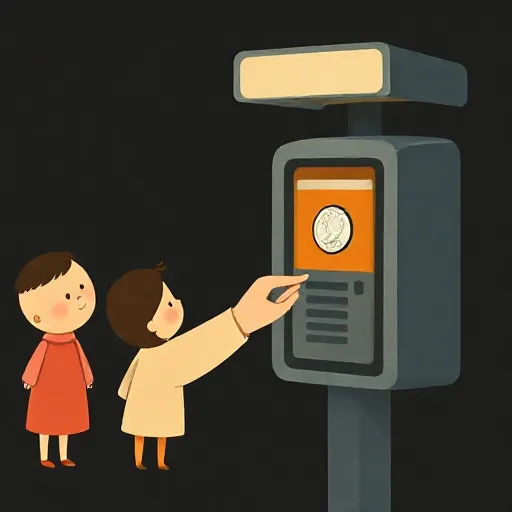
Are You a Good Person, or Do Tiny Situations Decide for You?
A found coin made strangers suddenly helpful. If small things control our behavior, do we really have stable virtues like compassion?
-
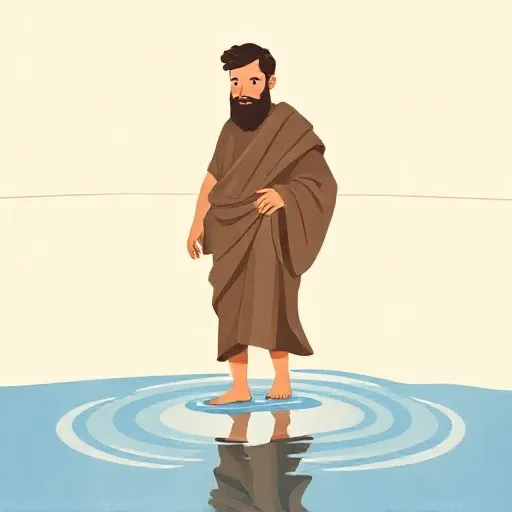
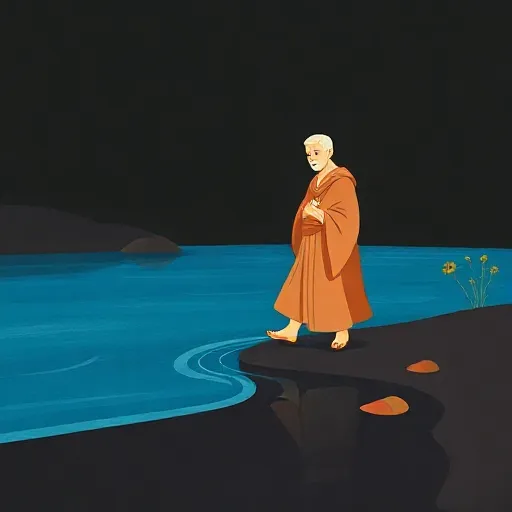
Are You More Like a River or a Rock? The Ancient Fight Over Reality
Are you more like a river, always changing, or a rock, solid and still? An ancient debate on this question might change how you see yourself.
-

Are You Really Choosing, or Was It Always Going to Happen?
Every day you pick what to eat, say, or do. But could you have done otherwise? Philosophers have argued about this for over 2,000 years.
-
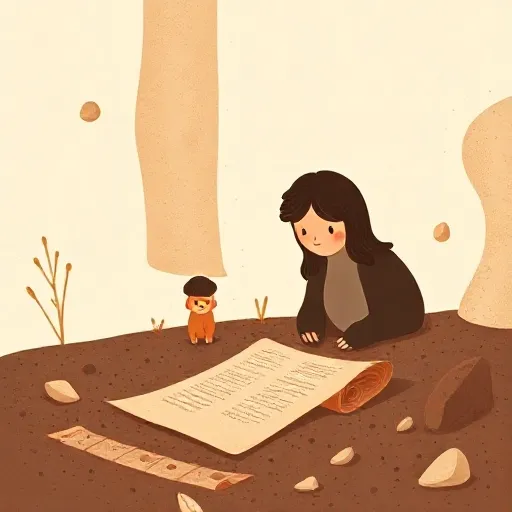
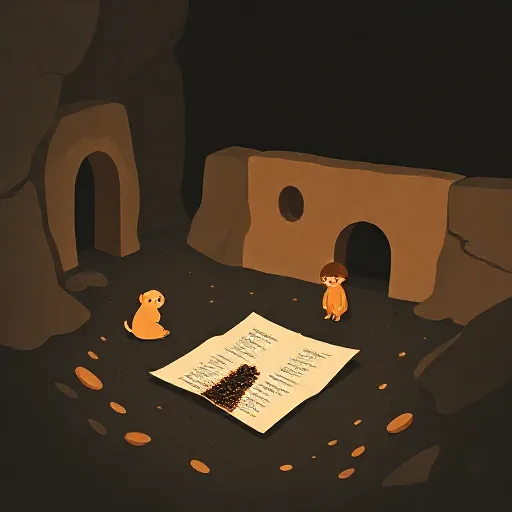
Can a Buried Philosopher Teach You How to Be Happy?
Philodemus was an ancient philosopher whose books were buried by Vesuvius. His recipe for happiness: honest talk, calm anger, and no fear of death.
-
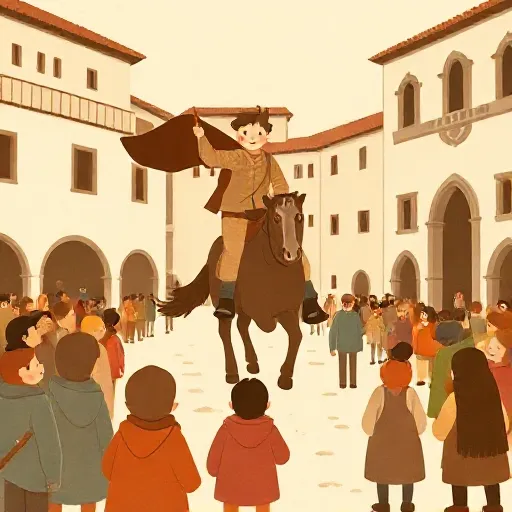
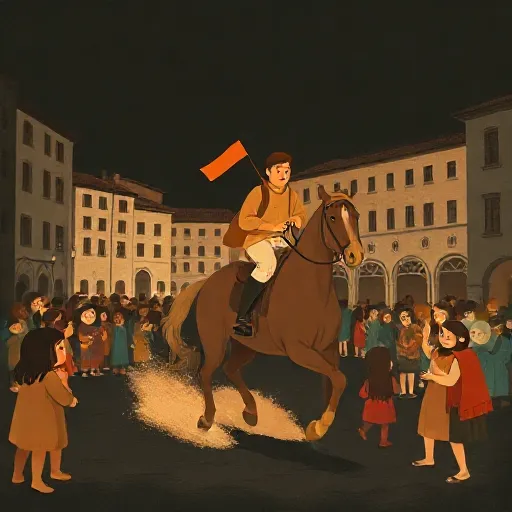
Can a Lover of Ancient Books Also Support a Tyrant?
Could book lovers in the 1400s support a ruler who crushes freedom? Their debate still shapes ideas about power and the good life.
-
Can a Pagan Philosopher Teach Christians How to Live?
Can an ancient Greek philosopher's ideas about the soul fit with Christian beliefs? This question caused fights for hundreds of years.
-
Can a Poem About Atoms Cure Your Fear of Death?
Can reading a poem about atoms really help you stop being scared of dying? The Roman poet Lucretius thought so, and his 2,000-year-old ideas make us think.
-
Can a River Teach You the Secret of the Universe?
A river is always changing yet stays the same. Heraclitus saw this as the secret of the universe. Find out why his idea still matters.
-
Can a Sentence Be True and False at the Same Time?
For 2,500 years, philosophers insisted a statement can’t be both true and false. A bold crew says it can — and points to a puzzle called the Liar as proof.
-
Can a Statement Be False?
A guy walks into town and claims you can't say what isn't. But what about a lie? Plato stages a showdown over a riddle that still shapes how we talk.
-
Can Anything Be Known for Sure? A Philosopher Who Changed His Mind
Can anything be known for sure? Philo of Larissa thought not, then changed his mind and argued that knowledge needs good reasons, not perfect certainty.
-
Can God Feel Surprise? The 1,600-Year Fight Over Divine Change
Can a perfect God know the present moment without changing? This puzzle has sparked arguments for centuries.
-
Can Greek Wisdom and the Jewish Bible Go Together? Philo's Answer
A Jewish thinker in Roman Alexandria used Plato and Stoicism to explain the Bible — and invented a new kind of philosophy.
-
Can One Simple Thing Really Make a Whole Universe?
What if everything around you came from one simple thing? Proclus believed that, and thought we can find our way back to that source.
-
Can Perfect Ideas Survive a Grilling by a Master Logician?
Plato’s young Socrates thought Forms explained everything. Then an elderly philosopher showed that perfect ideas can get tangled in impossible knots.
-

Can Something Be Real If It Never Changes? Parmenides’ Ancient Puzzle
Parmenides argued that true reality never moves, never changes, and is one single thing. But he also wrote about stars and people. How can both be true?
-
Can Something Be True and False at the Same Time?
Aristotle said no, and called it the Law of Non-Contradiction. But some thinkers say reality is stranger than logic.
-
Can Something Change and Still Be the Same?
A moving car, a flying arrow, and the weird idea that change might be an illusion — or a real contradiction.
-
Can the Devil Be Forgiven? Origen’s Dangerous Hope
Could a loving God forgive even the devil? Origen thought so, and his hopeful idea still makes us wonder if anyone is truly beyond saving.
-
Can the Future Really Be Unwritten? The Logic of Time
Arthur Prior invented a logic where sentences can change from true to false. It challenged the idea of a fixed future and now runs inside your computer.
-
Can Thinking Alone Get You to the Gods? Iamblichus Didn’t Think So
Can thinking alone bring you closer to the divine, or do rituals matter? An ancient argument still shapes how we think about faith and reason.
-


Can Two People Believe the Exact Same Thing?
Can two people ever believe the exact same thing? The ancient puzzle: are shared thoughts real objects or useful fictions, and why it matters.
-
Can We Trust Anything We Think We Know About Pythagoras?
Can we trust what we know about Pythagoras? He's famous for a math theorem, but he wrote nothing and most stories are later inventions.
-
Can Words Force You to Agree? The Invention of Logic
Can words force you to agree? The ancient Greeks discovered rules of logic that still shape how we argue today.
-


Can You Be a Good Person and a Good Citizen at the Same Time?
Can you be a good person and a good citizen at the same time? This old debate shapes what schools teach about being a citizen today.
-
Can You Be Free Even in Chains? Epictetus Says Yes
A former Roman slave taught that you can't control events, only your reaction. His Stoic toolkit for inner freedom still works today.
-


Can You Be Happy by Wanting Almost Nothing? Epicurus’s Answer
Did Epicurus think you can be happy by wanting almost nothing? Find out how understanding atoms and overcoming fear of death leads to true calm.
-

Can You Change the Future, or Was It Always Going to Happen?
If it was true a thousand years ago that you’ll ace a test, do you really have a choice? Ancient thinkers argued this — and the puzzle never went away.
-
Can You Ever Know for Sure? The Ancient Skeptic’s Challenge
Sextus Empiricus taught that for every argument, there’s an equal opposite. He promised this radical doubt leads to calm — but is that really possible?
-
Can You Learn Without Ever Seeing? The Oldest Fight About Knowledge
Do our ideas come only from what we see and hear, or are some thoughts already inside us? This 2,000-year-old debate still shapes how we test what's true.
-
Can You Live Without Believing Anything at All?
Ancient philosophers asked if you can live without beliefs. They called it skepticism, and their answers still challenge us today.
-
Can You Persuade Someone Without Cheating?
Is it possible to persuade someone fairly? Aristotle thought so, and he discovered three powerful tools for honest arguing that still work today.
-
Can You Prove It? Aristotle’s Three-Line Logic Machine
Aristotle invented a system to test any argument like a puzzle. Two thousand years later, we still use his patterns every day.
-
Can You Really Add 2+3? The Philosopher Who Said No.
Xenocrates believed numbers are special Forms that can't be added. Aristotle said that destroys math. A 4th-century BCE fight about the soul of numbers.
-
Can You Really Be Modest If You Know It? The Puzzle of Self-Awareness
Can you be modest if you know you are? Modesty seems to vanish when you think about it. This puzzle makes us wonder about knowing ourselves and being good.
-
Can You Really Be the Measure of All Things?
Protagoras said each person decides what’s true for them. That idea sparked debates about truth, religion, and democracy that still rage.
-
Can You Really Believe a Dog Is Not a Dog? Aristotle’s Weirdest Rule
Why can't a dog be both a dog and not a dog? Aristotle's rule against contradictions keeps our thinking from getting all mixed up.
-
Can You Really Control Your Anger Just by Thinking?
Seneca, a philosopher and advisor to Emperor Nero, believed that anger is not something that controls you—you can conquer it by changing your judgments.
-
Can You Really Know Anything? Plato’s Most Surprising Answer
A wounded soldier, a dying philosopher, and a simple question that still stumps everyone: What does it really mean to know something?
-
Can You Really Know Anything? The Ancient Rebel Who Said Yes
Antiochus spent years arguing that nothing can be known. Then he changed his mind, broke with his teacher, and set out to prove that real knowledge exists.
-
Can You Say Something True About a Thing That Doesn’t Exist?
Can a sentence be true if what it's about isn't there? The ancient Square of Opposition reveals why what we assume exists matters.
-
Can You Step into the Same River Twice? What Physics Says About Time
Is only the present real, or do past and future exist just as solidly? An ancient argument, re-ignited by relativity and spacetime.
-

Can You Trust Your Feelings? A 2,000-Year-Old Fight
Can you trust your feelings? For 2,000 years, philosophers argued whether emotions are dangerous or helpful—and their debate still affects us today.
-
Could a Species Really Turn Into Another? The Long Fight Before Darwin
For over 2,000 years, thinkers argued whether animals and plants could change into new kinds over time. The fight that shaped biology before Darwin.
-
Could You Have Picked the Other Ice Cream? A Medieval Puzzle
Is the future already set, or can we choose differently? A medieval monk's puzzle about choice still shapes how we see our freedom.
-
Did a Comet Smash Aristotle’s Universe to Pieces?
A comet in 1577 smashed the old idea of a perfect sky. This sparked a big debate: how do we know what’s really true?
-
Did a Cosmic Craftsman Build the Universe? Plato’s Timaeus
Did a wise mind create the universe? Plato’s Timaeus says yes, like a builder making all things good. Could your own mind be part of that plan?
-
Did a Philosopher Named David Ever Really Exist?
A 6th-century teacher gave passionate lectures on philosophy. His name was David — or was it? We're still not sure who wrote them.
-
Did the Entire Universe Come from a Single Simple Thing?
Plotinus said the whole universe flows from something so simple it can't be named. The mind can climb back to it through thinking.
-
Did the Greatest Philosophers Secretly Think Women Were Inferior?
Many famous philosophers secretly believed women were inferior. Feminist critics exposed their bias and rediscovered forgotten women thinkers.
-
Did You Really Choose That, or Was It Always Going to Happen?
Do you really make choices, or is everything already decided? Alexander of Aphrodisias argued with the Stoics, and his idea still matters today.
-
Do the Ingredients Still Exist After You Mix Them?
When you bake a cake, where did the flour and eggs go? For 2,400 years, philosophers have argued about whether the original stuff remains.
-
Do Words Hide the Real Shape of Your Thoughts?
Do sentences disguise how your thoughts really work? Uncover the hidden logical shape behind everyday language that reveals if an argument is truly solid.
-
Do You Live On After Death? A Philosophical Showdown
What happens after we die? Does a soul survive, or do we just stop? See how old and new ideas about death can shape how you live your life now.
-
Do You Really Have to Obey the Law? A 2,400-Year Fight
Socrates said yes. Antigone said no. Philosophers have been arguing ever since about whether we have a moral duty to follow rules we didn't choose.
-
Do You Really Know It, or Do You Just Remember the Answer?
What's the difference between just knowing a fact and truly understanding it? It turns out understanding is trickier but way more useful.
-

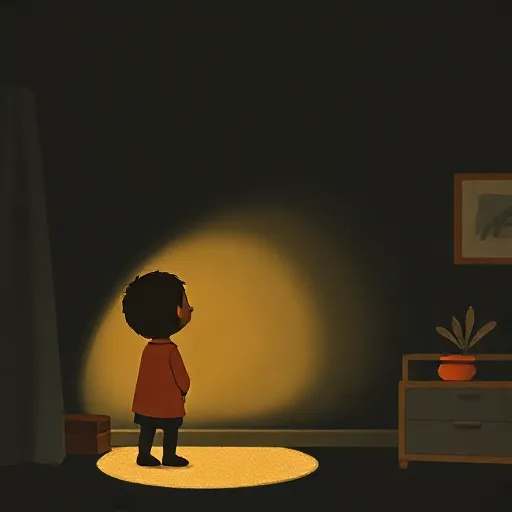
Do You See the Real World — or Just Shadows?
Is the world you see the real world? Plato pictured people in a cave, mistaking shadows for reality. He argued a more real world of perfect ideas.
-
Does the Universe Flow from a Single Source?
How can the universe come from one source? Plotinus thought it flows like ripples from a drop—a mind-bending idea that still puzzles us.
-
Does Truth Mean Matching the Real World?
Does truth mean matching the real world? If so, how can we ever check if our ideas match? A tricky question that has puzzled deep thinkers for centuries.
-
How Can “Nothing” Be Something? Leucippus’s Strange Answer
Leucippus asked what stuff is made of. He said tiny unbreakable bits and empty space. But how can nothing be something? This puzzle still makes us think.
-
How Can We Know a Perfect Circle? Plato's Answer
You’ve never seen a perfect circle, but you know it exists. Plato argued that perfect things — like Justice and Beauty — are real, just invisible.
-
How Can You Imagine a Dragon That Isn’t Real?
How can your mind picture dragons or unicorns that don't exist? A mysterious puzzle from ancient philosophy shows how thoughts can point to nothing.
-
How Did Olympiodorus Teach Plato in Secret?
How did a pagan teacher share Plato's ideas when the emperor wanted them gone? Olympiodorus used hidden clues and careful words to keep teaching safely.
-
How Did the First Philosophers’ Ideas Survive Without Their Books?
How do we know early Greek philosophers' ideas if their scrolls are gone? A puzzle about doxographies, ancient cheat sheets, still matters today.
-
How Do You Build a City That Makes People Virtuous?
Plato’s last dialogue follows three men planning a new city where laws teach, not just punish—a vision of happiness through virtue that still unsettles us.
-

How Do You Know You Aren’t Dreaming Right Now?
Can you ever be truly sure that your hands, your room, the whole world aren’t a giant trick? The fight over this question has lasted centuries.
-

How to Be a Good Person (Without a Rulebook)
Virtue ethics asks 'What kind of person should I be?' instead of 'What should I do?' It says good character leads to a happy life.
-

How Would You Sort Everything That Exists?
How would you sort everything that exists? Aristotle proposed ten basic kinds, sparking a long debate that reveals why categorizing the world is so hard.
-
If Horses Could Draw Gods, What Would They Look Like?
Why did a traveling poet claim that if horses could draw gods, they'd look like horses? He challenged ancient Greek ideas about gods and knowledge.
-

If the Highest God Is Perfect, Who Made the World?
Why a 2nd-century thinker argued that the true God never gets his hands dirty — and why that idea changed everything.
-
If You Won’t Feel It, Why Worry? The Big Fight Over Death
Is death bad for you if you can't feel it? Some thinkers say no, others say it takes away future joys. This mystery makes us wonder what makes life good.
-
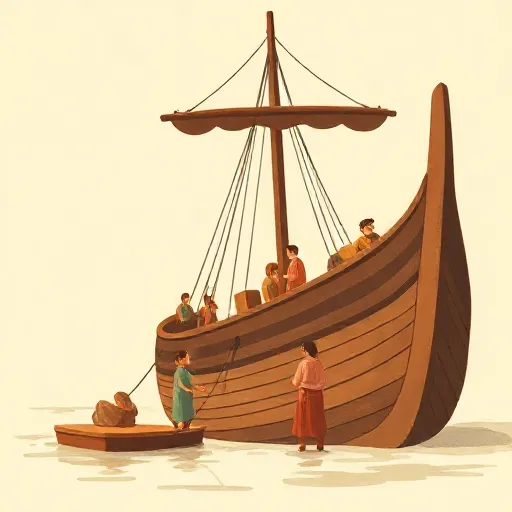
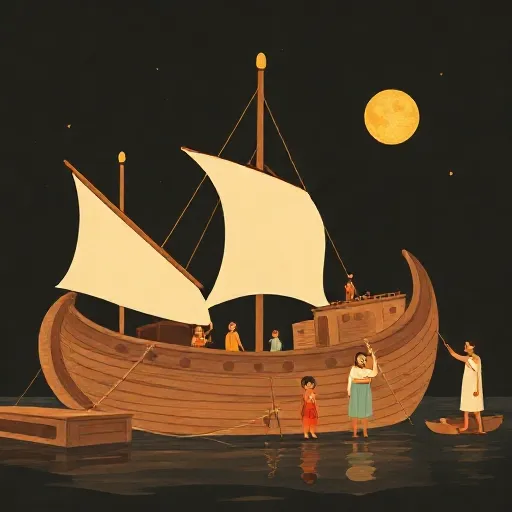
Is a Ship Still the Same Ship After Every Plank Is Replaced?
If you replace every piece of a ship with new ones, is it still the same ship? This ancient puzzle makes you question what truly makes you, you.
-
Is a Word’s Meaning in Your Head, or in the World?
Cratylus thought ‘horse’ naturally sounds like a horse. Putnam said water would be something else on Twin Earth. What really gives words their meaning?
-

Is Any Act Truly Selfless, or Are We Secretly Out for Ourselves?
You share your lunch. Is it pure kindness, or do you secretly want something back? Philosophers have argued for centuries whether true altruism exists.
-
Is Anything Really New? Anaxagoras and the Secret of Change
Is anything really new? Anaxagoras said no: everything is just a mix of eternal ingredients. This ancient idea makes us ask what is truly real.
-
Is Art a Lie? Plato’s Deep Worry About Poetry and Painting
Plato thought beauty could lead you to truth, but most art just fakes it. His arguments still shape how we think about movies, music, and TikTok.
-

Is Beauty a Secret Code in Things — Or Just a Feeling?
Is beauty a real feature of things or just a feeling inside you? This age-old puzzle shapes who gets to feel beautiful.
-
Is Everything Conscious? The Strange Idea That Might Solve the Puzzle
Could everything be conscious? This strange idea might solve the puzzle of how our minds come from brain cells.
-
Is Everything Really One? The Fight Between Monism and Pluralism
Is everything one connected whole or just many separate parts? Philosophers have debated this for ages. It shapes how we see science and ourselves.
-

Is It Better to Be Just Even If No One Is Watching?
Glaucon said we'd all cheat if we had an invisibility ring. Socrates spent the whole Republic proving him wrong—by looking inside the soul.
-
Is It Ever Right to Choose Your Own Death?
What is suicide, really? Ancient Greeks, Christian thinkers, and Enlightenment philosophers clashed over whether ending your life can ever be justified.
-
Is Knowing How to Build a Ship the Same as Knowing Geometry?
Did ancient Greeks think shipbuilding and geometry were the same kind of knowing? Their debate still shapes how we weigh skills vs. ideas in school.
-
Is Laughter Mean, Irrational, or the Best Thing About Us?
For 2,000 years, philosophers said laughter was scornful and dangerous. Now many think it's a sign of cleverness and health. How did that flip?
-
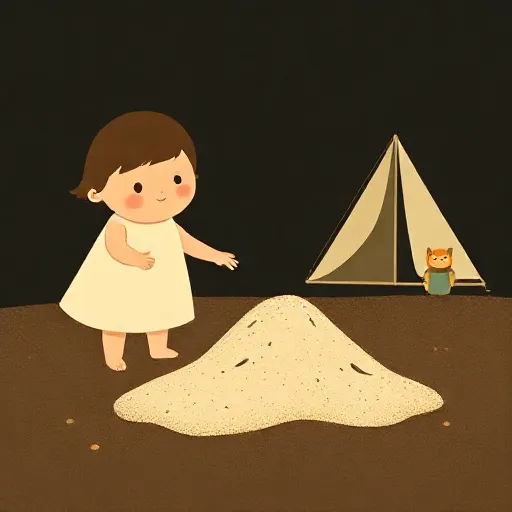
Is One Grain the Difference Between a Heap and Just a Pile?
When does a heap stop being a heap if you remove sand grain by grain? The sorites paradox shows how fuzzy words like heap or tall create tricky puzzles.
-

Is Pleasure a Feeling, a Thought, or a Way of Doing Things?
Is pleasure just a good feeling, a thought, or a way of acting? Finding out could shift how you see happiness.
-
Is Poetry Dangerous? Plato's Ancient Quarrel
Plato argued poems and speeches secretly train our emotions. Is he right? This old debate still matters when we watch movies or hear ads.
-
Is That a Good Play? Aristotle’s Guide to Judging Poetry
Why do we enjoy a scary story? Aristotle thought good plays stir pity and fear in a way that feels good, and gave us tools to tell great art from bad.
-
Is the World Made of Tiny Balls or Flickering Flashes?
Ancient Greek and Indian philosophers asked: Is the world tiny balls or flickering flashes? Their answers still fuel debates about atoms and reality.
-
Is the World Smooth or Pixelated?
Can you keep cutting something forever, or is there a smallest piece? This ancient question helped create calculus and still makes us wonder about reality.
-
Is There a ‘Self’ Inside You, or Just a Bundle of Thoughts?
From Descartes’ ‘I think’ to Hume’s missing self, philosophers have battled over what you really are when you say ‘I’.
-
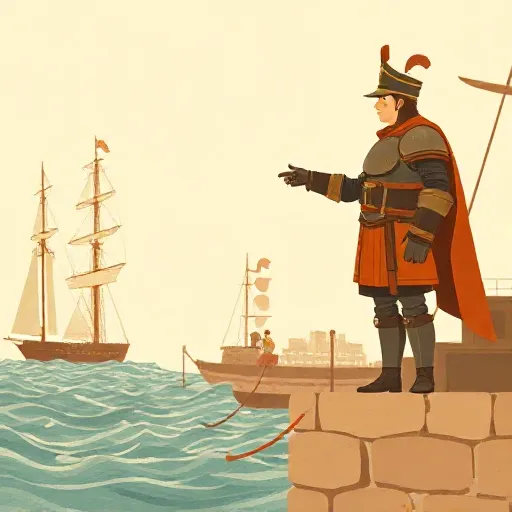
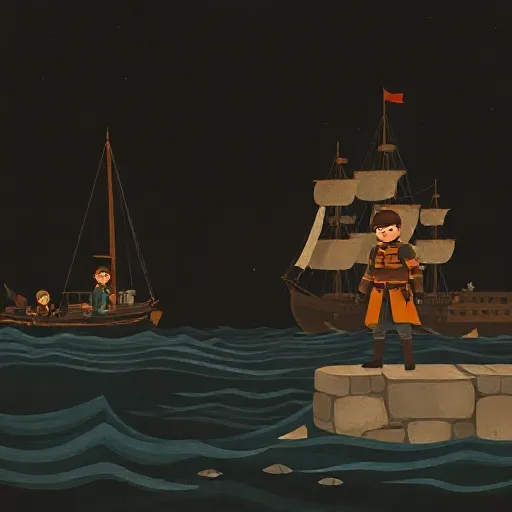
Is Tomorrow Already Written? A 2,000‑Year Argument Over True and False
Can what we say about the future be true before it happens? A 2,000-year-old puzzle about fate and free will.
-
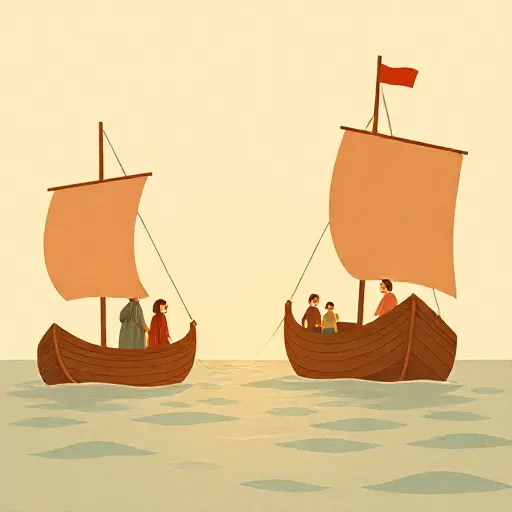
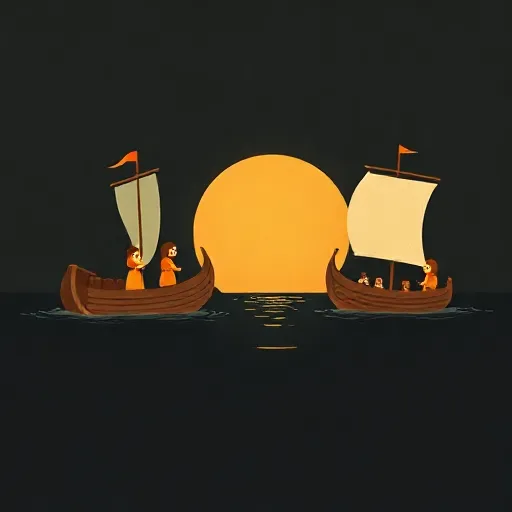
Is Tomorrow Already Written? The Sea-Battle and the Open Future
If someone says "There will be a sea-battle tomorrow," is that already true or false? A 2,000-year-old puzzle about time, fate, and freedom.
-

Is Your Soul a Ghost, a Ruler, or Just a Toolbox?
What is the soul? Ancient Greeks had different answers, from a ghost to a ruler, and their debate still shapes what we think today.
-

Should You Chase Happiness, or Something Harder?
Pleasure feels great, but do the best lives aim higher? A guide to perfectionism, a bold idea about what we owe ourselves and our society.
-
Socrates Said He Wasn’t Wise. Was He Right?
Could admitting you know nothing be the secret to true wisdom? This ancient puzzle from Socrates might change how you think about being smart.
-
The 2,300-Year-Old Puzzle About ‘If’ That Logic Still Fights Over
Aristotle and Boethius noticed that some 'if...then' patterns break normal logic. Connexive logic tries to fix that—and it’s still debated today.
-
The 700-Year Fight to Explain Aristotle’s Strangest Book
Why did Aristotle's claim about an 'active intellect' start a 700-year argument that never ended? Explore the battle over his strangest book.
-
The Book That Wasn’t Aristotle’s (And Why That Made It So Powerful)
Why did a book that claimed to be by Aristotle but wasn't end up shaping Jewish, Christian, and Islamic thought for centuries?
-

The Fill-in-the-Blank Trick That Changed Logic Forever
How a simple pattern with blanks can generate infinite true sentences. From ancient Aristotle to modern truth, schemas are the secret recipes behind logic.
-

The Philosopher Who Made a Deal with the Bishop to Keep Teaching
How did a pagan thinker survive when his city turned against his faith? His deal and his debates about fate still challenge our ideas of free will.
-
The Philosopher Who Said You Used to Be a Fish
What's the world made of? Four things, mixed by love and hate, and you might have lived as a fish. A mind-bending ancient idea.
-
The Philosopher Who Stole All Your ‘Could-Haves’
Can you say 'I could have won' if you didn't? An ancient Greek thinker named Diodorus Cronus said no. His tricky logic might change how you see chances.
-
The Philosopher Who Thought the World Was a Bad Tragedy
Can the universe be a bunch of separate things with no connections? Ancient thinker Speusippus said yes, and his odd idea still makes us question reality.
-
The Scholar Who Believed Ancient Philosophy Could Heal a Broken Europe
Lipsius reworked Stoicism into a survival guide for a war-ravaged Europe. He said reason can quiet fear — but his political advice caused uproar.
-
The Teacher Who Said Truth Is Whatever You Believe
Protagoras taught that “man is the measure of all things.” Did he mean there are no facts, only opinions? A 2,400-year-old argument that never ended.
-
The World Is Made of Atoms and Void. So Why Does Honey Taste Bitter?
Democritus thought everything is made of atoms and empty space. But then why does honey taste bitter? A puzzle that makes us question reality.
-


Two People Disagree. Can They Both Be Right?
Can two people disagree and both be right? This everyday puzzle asks if truth is the same for everyone, from ancient Greece to your lunch table.
-
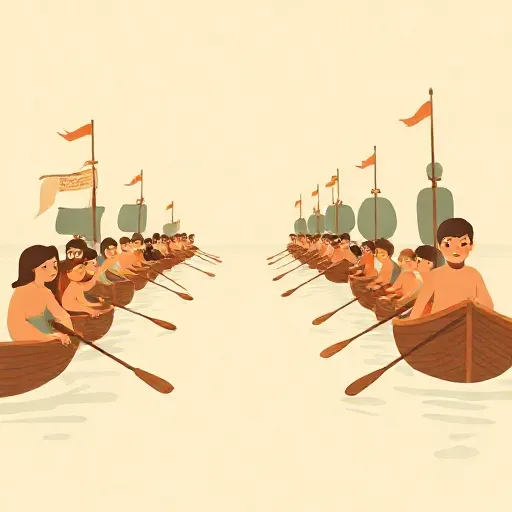
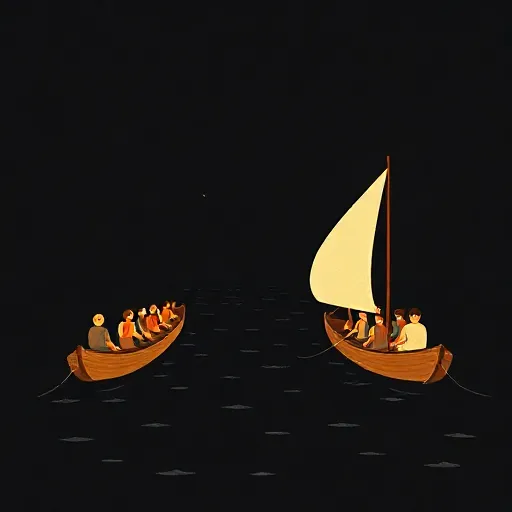
Was Everything Always Going to Happen? The Sea-Battle Puzzle
Is the future already set just because we can say what will happen? This ancient puzzle makes us wonder if we really have choices.
-
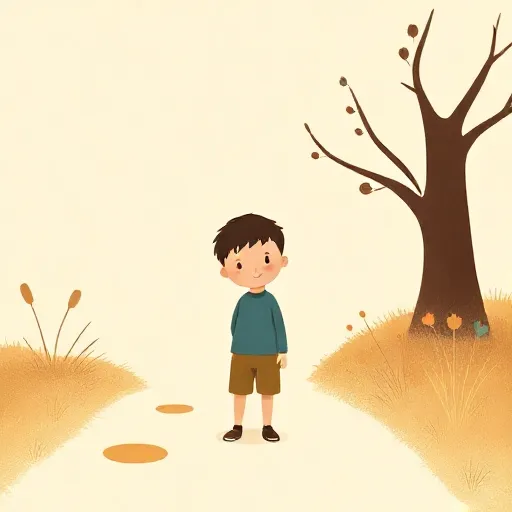
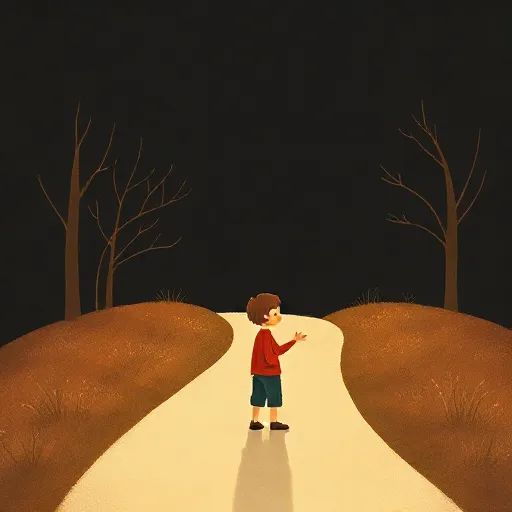
Was the Future Already Settled? The Strange Logic of Diodorus Cronus
Was the future already decided? Diodorus Cronus said yes: only actual events are possible. His puzzle still makes us question free choice.
-
Was the Philosopher Elias a Pagan in a Christian Empire?
His lectures overflowed with pagan gods and the secret of becoming divine. But he lived in a Christian empire. One of history's great whodunits.
-
Was Theophrastus Just Aristotle’s Shadow, or Something More?
Was Theophrastus just Aristotle's helper, or did he think for himself? His story shows why it's key to learn from others and still have your own ideas.
-
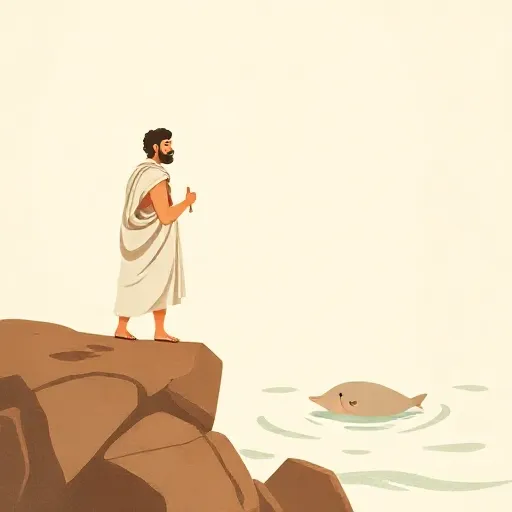
Was Tomorrow’s Sea-Battle Already Decided?
Philosophers have argued for thousands of years whether the future is already written. Dive into the puzzle of future truth that started with a sea-battle.
-
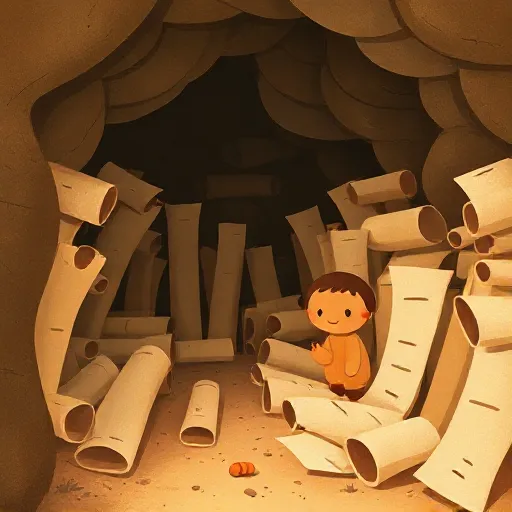
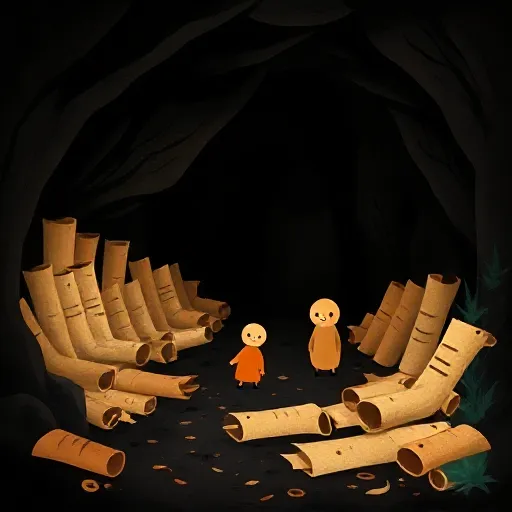
Were Aristotle’s Greatest Works Lost in a Basement for Two Centuries?
A legend says Aristotle's writings were hidden in a cellar, gnawed by worms, then rescued by a Roman general. Is it true? And why does it still matter?
-
Were Plato and Aristotle Really Enemies?
Simplicius argued that Aristotle’s attacks on Plato were only skin-deep — a daring idea that kept ancient Greek philosophy alive when it was under threat.
-
What a Roman Emperor Can Teach You About Handling Bad Days
How did a Roman emperor handle anger, fear, and unfairness? His private journal still offers practical tricks for staying calm.
-
What Are You Really Saying When You Call Something 'Wrong'?
When you say 'that's wrong,' are you stating a fact or just venting? The ancient argument between Glaucon and Socrates is still alive.
-
What Can You Trust When Every Argument Is Equally Strong?
When big ideas clash with equally strong opposites, how do we know what's true? One philosopher says: stop taking sides and trust what appears.
-
What Does Asking Questions Have to Do with Love? Socrates’ Answer
Socrates claimed expertise in love — not romance, but the art of questioning that awakens a hunger for wisdom. Plato’s story of love’s ladder, explained.
-
What Happens If You Stick Your Hand Beyond the Edge of the Universe?
What if you could reach beyond the universe? Archytas said you always can, so the universe has no boundary. An idea that still amazes.
-
What If Everything Had a Purpose — Even Rocks?
What is the purpose of everything, even rocks? Aristotle’s answer might change how you see your own life and happiness.
-
What If Light, Not Motion, Was the Real Foundation of Everything?
Could light and space be more important than matter and motion? Francesco Patrizi’s banned book asked that question, paving the way for modern science.
-
What If Nothing Was Really Good or Bad?
What if nothing is truly good or bad? Pyrrho thought this idea could make you calm. But can you really live that way? Philosophers have argued for ages.
-
What If Numbers Are the Secret Recipe of the Universe?
What if numbers are the secret recipe of the universe? The Pythagoreans thought so, and their ancient hunch still inspires scientists today.
-
What if the Earth Circled a Hidden Fire? The World of Philolaus
Long before Copernicus, Philolaus imagined Earth moving around a hidden fire. His puzzle: How do numbers and harmony hold the universe together?
-

What If the Smartest People Ruled the World?
Meritocracy promises power and rewards based on talent and hard work. But what counts as merit, and is that really fair?
-
What If Your Happiness Depended Only on You?
What if your happiness depended only on you? The Stoics show how your thoughts, not events, shape your feelings—so you can always be okay.
-
What Is Everything Made Of? The First Philosophers Asked
Long ago, Greek thinkers asked what the world is made of. Their guesses—water, endless stuff, tiny bits—started science and philosophy, no gods needed.
-
What Is Life? The 2,500-Year-Old Puzzle That Still Stumps Scientists
What is life? No definition fits every living thing and excludes non-living ones. This puzzle affects how we search for aliens and define life's start.
-
What Makes a Government Just? Aristotle’s Answer
What makes a government just? Aristotle thought it should help all citizens live well, not just help the rulers. His ideas still shape our thinking.
-
What Makes a Government Just? The Ancient Greek Debate
What makes a government fair? Two thousand years ago, ancient Greeks argued about justice and who should rule. Their ideas still matter today.
-
What Makes Hope Different From a Wish? The Surprising Answer
Hope feels like wanting something and thinking it's possible, but it's more than that. Discover the surprising difference and whether hope is always wise.
-
What Makes Something Alive? Aristotle’s Ancient Guide to the Soul
Aristotle thought every living thing has a soul—not a ghost, but a kind of inner shape. That idea still shakes up how we think about minds and bodies.
-
What Makes Things Wrong: God or Something Else?
If God says something is wrong, is it really wrong by itself? Socrates asked this 2,400 years ago, and both answers lead to trouble.
-
What Will Make You Truly Happy? Aristotle’s Answer
Aristotle said happiness isn’t a feeling — it’s an activity of your soul using reason well. But does that mean you have to become a philosopher?
-


What’s Good for Its Own Sake? A Puzzle That Started with Plato
Is anything good just for itself? That question about intrinsic value has puzzled thinkers for over 2,000 years and could change how you see everything.
-
What's Left When You Take Away All a Thing's Properties?
Aristotle said a thing is more than just its color, shape, and taste. But what is that 'more'? A 2,500-year-old puzzle about what really exists.
-
When Diogenes Said 'I Am a Citizen of the World'
Why did an ancient Greek claim he was a citizen of the world? Explore the big idea that we might owe loyalty to all people, not just our own country.
-
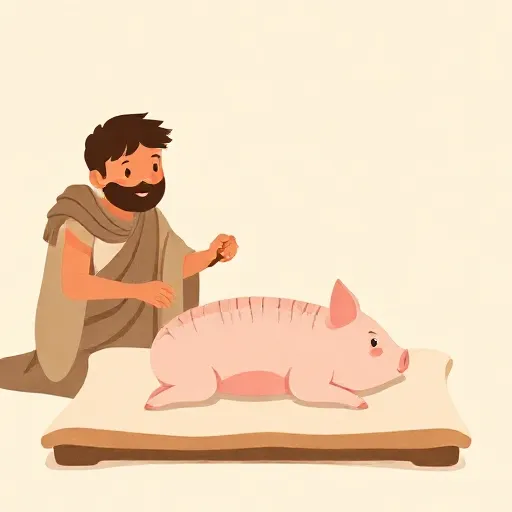
Where Is Your Mind? A Roman Doctor Put It to the Test
Where does your mind live—heart or brain? A Roman doctor used a clever pig experiment to show that thoughts come from the brain, not the heart.
-
Who Owns the Line Between Maryland and Pennsylvania?
When you cross from one state to another, where exactly does one end and the other begin? A puzzle that has stumped philosophers from Aristotle to today.
-
Why 'Not' Is the Trickiest Little Word in the World
Why does the word 'not' feel different from a simple statement? It turns out negation isn't just logic—it’s a social tool that works in surprising ways.
-
Why “Most” Isn’t Just a Word—It’s a Mathematical Idea
What does 'most' really mean when we say it? It's a logical shortcut that compares sets, and studying it reveals how language and reasoning work.
-

Why a Book About Words Became the Most-Read Philosophy Text Ever
Porphyry asked if groups like 'cat' are real or just in our minds. His book became the first philosophy lesson for millions, sparking a 1,700-year debate.
-
Why a Pile of Bricks Isn't a House: Aristotle's Search for What's Real
Aristotle thought some things are more real than others. To find out, he dug into what makes a thing the thing it is — its substance.
-
Why a Roman Senator Bet His Life on Philosophy
Why did a Roman senator risk his life for philosophy? Find out how his big question can still help us think clearly when the world feels messy.
-
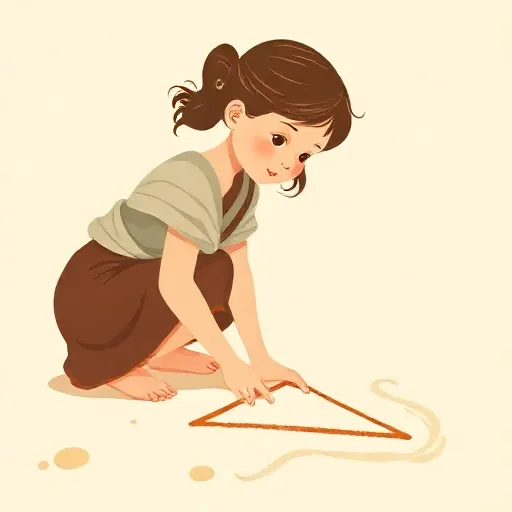
Why a Wobbly Sand-Triangle Can Prove a Perfect Theorem
How can a crooked sand triangle prove a perfect math theorem? Aristotle’s 'qua filter' idea explains why math works without a separate perfect universe.
-
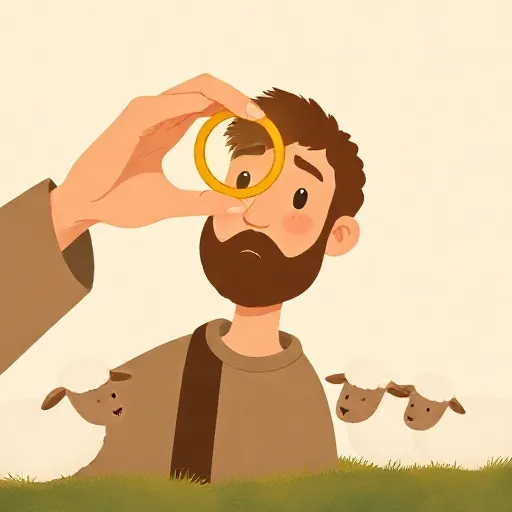
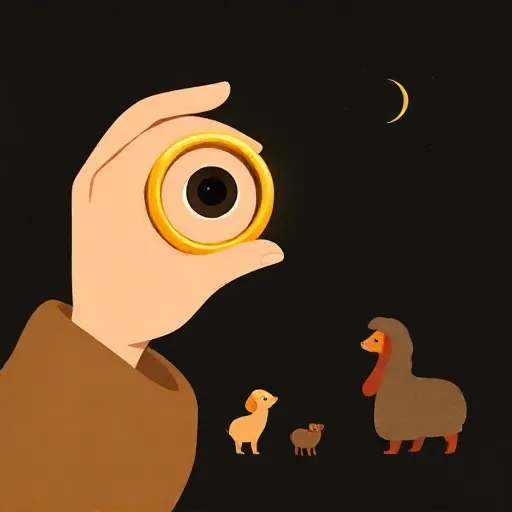
Why Be Good When Nobody Is Watching? Plato’s Big Question
Plato asked if being just really makes you happier than being unjust, and he spent his life searching for the recipe of a good soul.
-
Why Be Good When You Can Get Away With Being Bad?
Why be good if you can avoid punishment? Socrates believed being just brings peace to your mind, but being bad causes inner conflict.
-
Why Be Good? The Ancient Answer That Might Surprise You
Can being good make you truly happy? Ancient Greek thinkers had surprising answers that still shape how we think about a good life.
-
Why Did a Cardinal Risk Everything to Defend Plato?
Why did a cardinal risk his life to save and defend Plato's writings? See how he showed that Plato's ideas could help Christians understand God.
-
Why Did a Philosopher Who Loved Logic Tell Wild Stories?
Why did Plato, a logical thinker, fill his work with wild myths? It shows how stories reach people logic can't, and why even great minds need tales.
-

Why Did Ancient Chinese Thinkers Also Practice Medicine?
They used the same ideas to understand stars and sore throats. For them, a healthy body and a wise mind were the same thing.
-
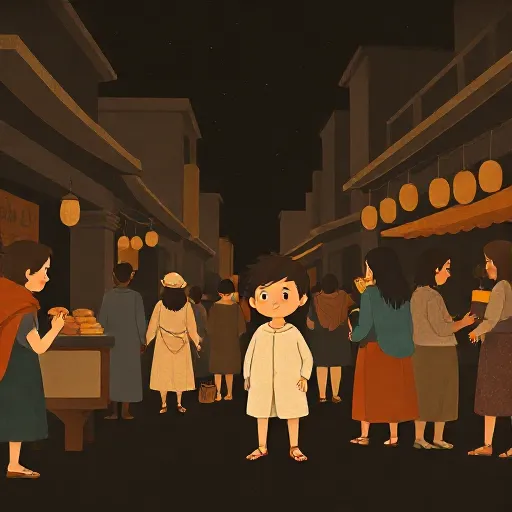
Why Did Athens Kill Its Wisest Man?
Who was Socrates really? Three ancient writers describe him differently. Finding the truth matters because his questioning still shapes how we think today.
-
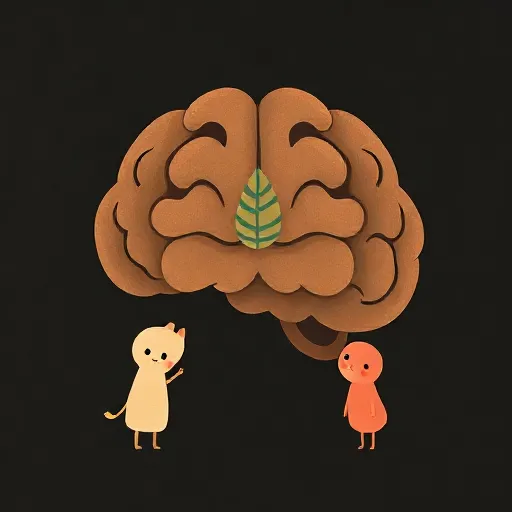
Why Did Descartes Think a Tiny Gland Holds Your Soul?
Why did Descartes think a tiny gland holds your soul? Find out why his old question about mind and body still puzzles us today.
-
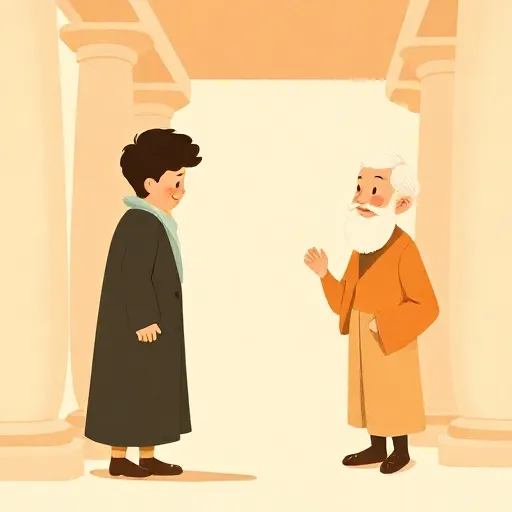
Why Did Plato’s New Leader Argue Without Ever Taking a Side?
Why did Arcesilaus, head of Plato's Academy, argue without ever sharing his views? Was he a true skeptic or playing a game? Scholars still can't agree.
-
Why Did Socrates Think No One Wants to Be Bad?
Socrates said no one does wrong knowingly. But what about when we mess up? His questions still challenge us to think about our choices.
-
Why Did Timon Write Poems Making Fun of Every Famous Thinker?
Timon of Phlius skewered Greece’s greatest minds in biting verses. But his insults hid a serious philosophy of calm suspension of judgment.
-
Why Didn't the Arrow Fall? John Philoponus's Answer
John Philoponus asked why an arrow keeps moving after it's shot. His challenge to Aristotle helped change physics forever.
-
Why Do Bad Arguments Feel So Convincing?
Why do bad arguments feel so convincing? Fallacies are hidden mistakes in reasoning that trick us. Spotting them helps you think clearly and argue fairly.
-


Why Do I Have to Learn All This? The Fight Over School's Purpose
Why are you really in school? Is it to grow your mind, or prepare for a job? Philosophers disagree, and this unsettled debate shapes your daily lessons.
-
Why Do Things Happen? Aristotle’s Four Hidden Causes
Why do things happen? Aristotle said there are always four causes. The most important is purpose—nature works toward goals, like an artist.
-
Why Does a Bird Have Feathers? Aristotle’s Blueprint for Life
Why do birds have feathers? Aristotle thought every creature’s features exist for a reason—and he invented a way to discover those reasons by observing.
-
Why Does a Heart Pump Blood? The Function Riddle
Why do hearts pump blood? Is it because they were designed to, or is it just evolution? Explore the philosopher's riddle about purpose in nature.
-
Why Does a Melody Make You Feel Brave? The 2,500-Year Debate
Why does a melody make you feel brave? Ancient Greeks thought music had secret powers from numbers or from copying feelings. Discover their story.
-
Why Does Gluing Qualities Together Never End?
How does a sugar lump stick together as one thing? Bradley's answer: relations that tie qualities lead to an endless chain, making us ask what unity is.
-
Why Does the Ball Roll Downhill? Aristotle’s Four Answers
Why do things move or change? Aristotle found four kinds of reasons: stuff, shape, starter, and goal. This helps explain rolling balls or growing pups.
-
Why Is Knowing Better Than a Lucky Guess?
Why is knowing better than a lucky guess? If a lucky guess gets you there, what makes knowledge more valuable? A 2,000-year-old puzzle.
-
Why Is There Evil? Plutarch’s Battle of Good and Evil
If God is good, why is there evil? Plutarch's answer: the world is a wrestling match between order and chaos, and that struggle is inside everyone.
-
Why Nothing Can Start from Zero: A 12th-Century Quest
Petrizi said the universe had to start with one single source — a perfect, cause-less Good. His 900-year-old answer still shapes the way we ask why.
-


Why Shouldn't Everyone Get Exactly the Same?
Why shouldn't everyone get exactly the same? This question leads to debates about needs, abilities, and what fairness really means.
-
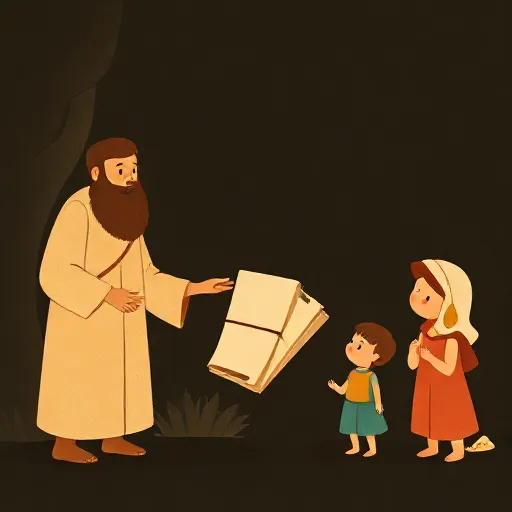
Why You Had to Read Every Aristotle Book Before You Could Read Plato
Why did Plato's Academy force students to read Aristotle first? The surprising answer reveals a clever teaching trick.
-
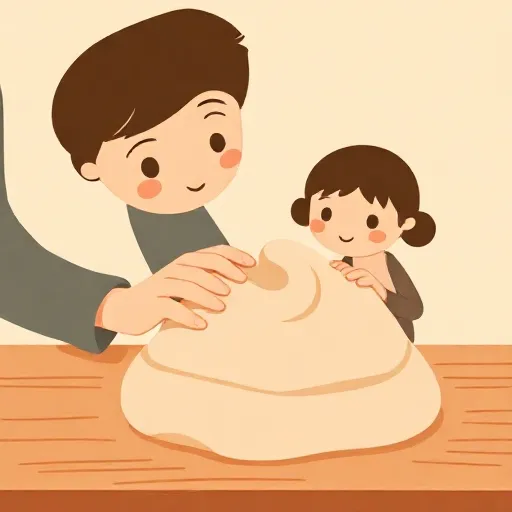
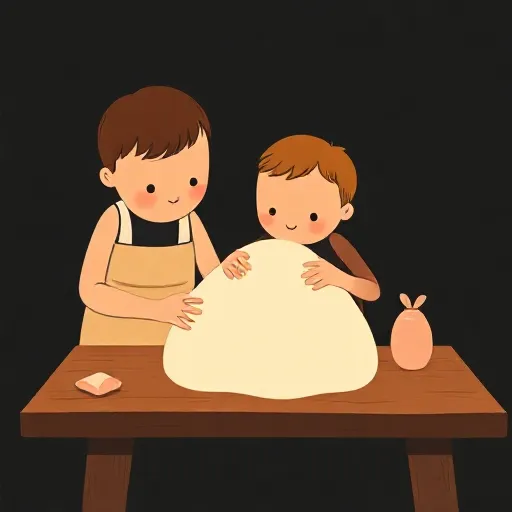
Why You're Not Just a Sack of Bones: Aristotle’s Matter and Form
What makes you different from your best friend? Aristotle's ideas of matter and form reveal the hidden parts of you and everything else.
-


Why Your Best Friend Isn’t Replaceable
What makes a friendship real? Real friends care about you for who you are, not what you get from them. But that can clash with being fair to everyone.
-

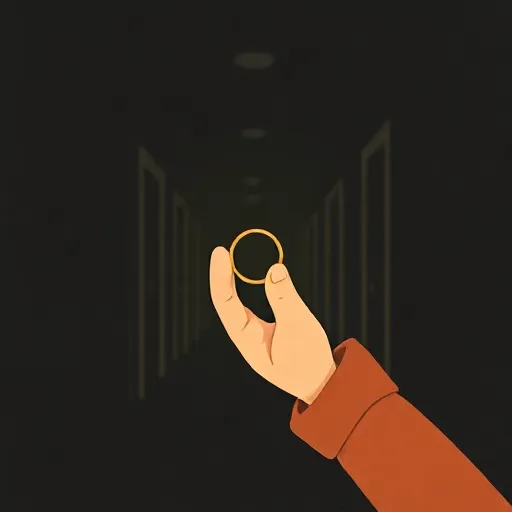
Would You Cheat If You Could Get Away With It?
If a magic ring made you invisible, would you still be fair? Philosophers ask if justice is good for us or just a way to avoid trouble.
-
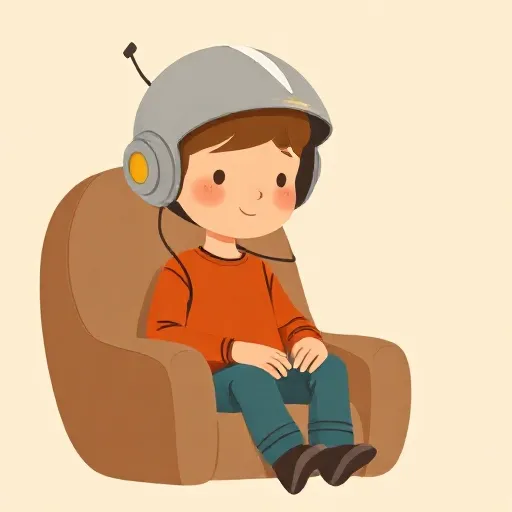

Would You Plug Into a Machine That Gives You a Perfect Life?
Imagine a dream machine makes you feel you're saving the world—but it's fake. What really makes a life go well for you? Philosophers have debated this.
-
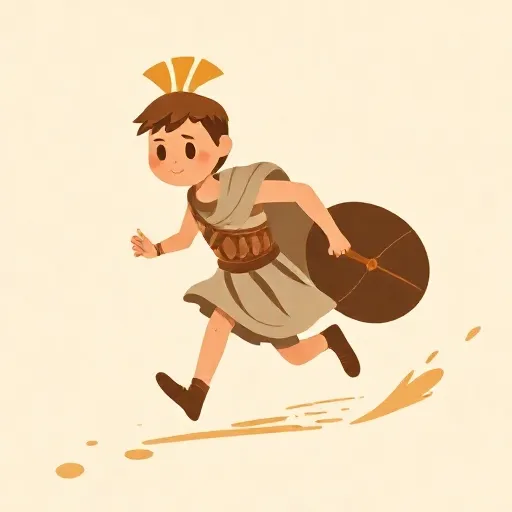
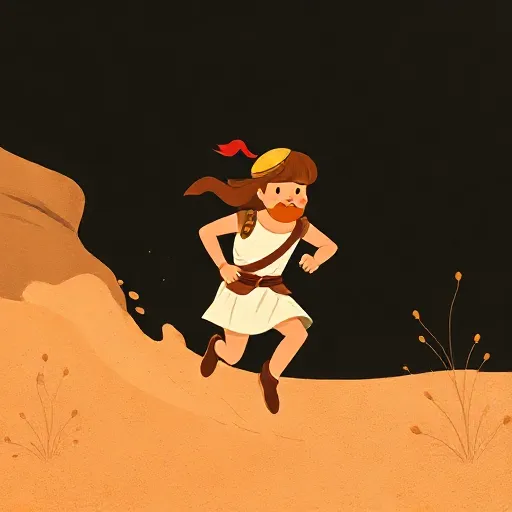
You'll Never Reach the Finish Line: Zeno's Tricky Paradoxes
Can motion be an illusion? Zeno's ancient paradoxes about infinity still make us doubt our own eyes.
-
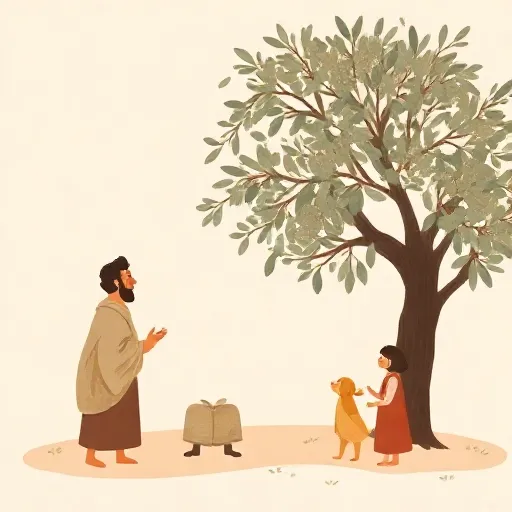
Your Brain, Your Soul, and the Democracy Inside You
Alcmaeon of Croton was the first to say the brain is the seat of thought, and he used politics to explain health. A forgotten pioneer.
-


Zeno Said Motion Is Impossible. Here’s Why You Still Can’t Ignore Him.
He argued that an arrow in flight never moves and a runner can't finish a race. Modern math has answers, but the puzzles still bug philosophers.