Is Poetry Dangerous? Plato's Ancient Quarrel
A Voice That Shakes You
The crowd leans forward. A man named Ion is reciting Homer’s Iliad, and his voice cracks as he speaks the lines of a grieving hero. Some listeners are crying. Ion himself feels the sorrow so deeply that he almost believes he is standing on the battlefield. He is a rhapsode — a professional performer of epic poetry. In ancient Athens, a rhapsode like Ion was a star, and Homer’s poems were the stories everyone knew. But in the back of the crowd sits a philosopher: Socrates (c. 470–399 BCE). He does not weep. Instead, he starts asking quiet, dangerous questions.
Plato (c. 428–348 BCE), Socrates’ student, wrote a whole series of dialogues in which Socrates picks apart the beliefs of the people around him. In several of those dialogues, the target is poetry itself and its close cousin, rhetoric — the art of persuasive speech. Plato thought something huge was at stake: nothing less than who we become and how we think. In the Republic, Socrates announces that “there is an old quarrel between philosophy and poetry.” This article is about that quarrel — why Plato waged it, and why it still hasn’t ended.
Inspired or Just Ignorant?
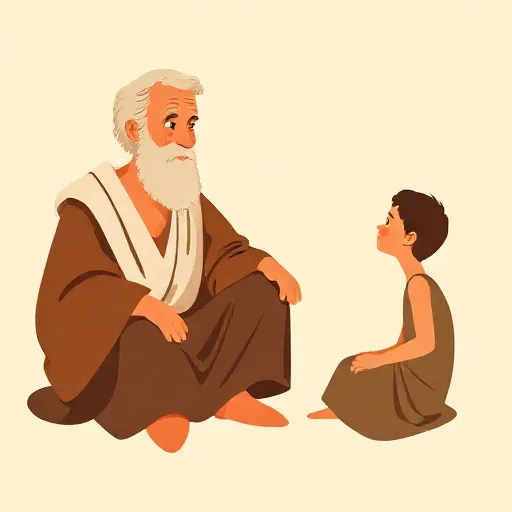
Ion claims he is not just a great performer of Homer; he also understands everything Homer means better than anyone else — even better than doctors understand medicine or generals understand war. Socrates is curious. He asks Ion a simple question: if you truly understand what Homer says about chariot-driving, then you must be able to judge whether other poets describe chariots correctly. But Ion admits he can only recite Homer beautifully, not Hesiod or any other poet. He has no interest in their work.
Socrates pounces. To judge whether Homer speaks the truth about war or medicine, you would need the techne — the real knowledge or craft — of a general or a doctor. But Ion does not have that knowledge. He cannot explain how Homer got things right because he does not understand the subject himself. So why does his performance move people so powerfully?
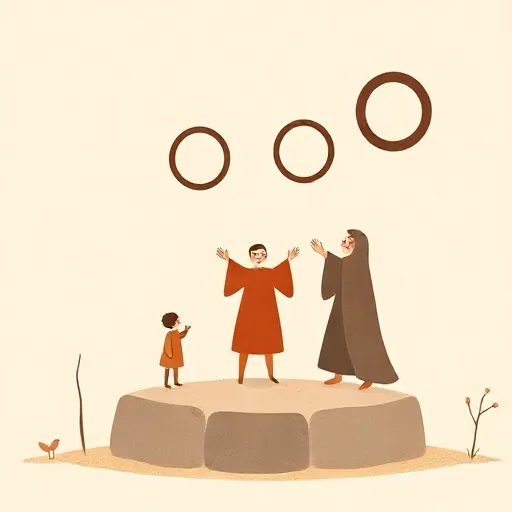
Socrates offers a strange answer: divine inspiration. He compares poets and rhapsodes to a chain of iron rings hanging from a magnet held by a god. The god sends the spark; the poet catches it and passes it to the rhapsode, who passes it to the audience. None of them know what they are saying — they are like people caught up in a kind of beautiful madness. This sounds almost like a compliment, but it takes away their claim to wisdom. If Ion is merely a ring on a chain, he has no more authority than a bird that sings sweetly without understanding its own song. That irritates some poets, but it also means they cannot be trusted as teachers.
The Republic’s Attack: Imitation Shapes Your Soul

In the Republic, Plato goes much further. He imagines a perfect city, and inside that city, the education of the young defenders matters enormously. The stories they hear, Plato insists, will shape their souls forever — and most of the stories circulating in Athens, especially those by Homer, are dangerous.
First, the poets lie about the gods. They show gods fighting, lying, and causing evil. For Plato, the divine must be perfectly good and never the cause of anything harmful. Young people who grow up hearing these false pictures will absorb wrong ideas about what justice and goodness are.
Second, poetry works by mimesis — imitation. When Homer writes a scene, he speaks not in his own voice but through his characters. The performer, and even the audience, starts to take on the feelings of the fictional hero. Plato argues that if you keep imitating sorrow or rage from the stage, those emotions become habits in your real life. You can’t keep pretending to weep without, eventually, becoming the sort of person who weeps too easily. The line between play and reality blurs.
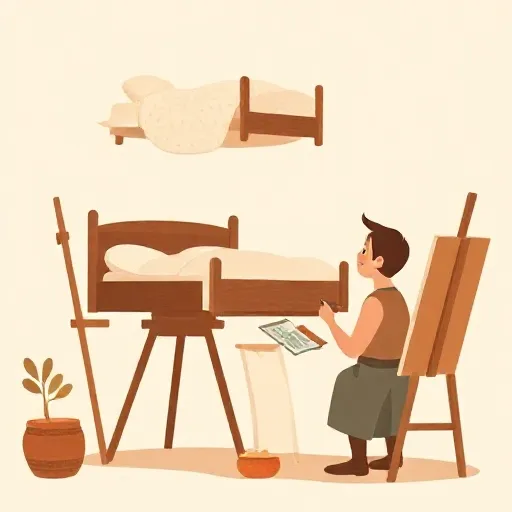
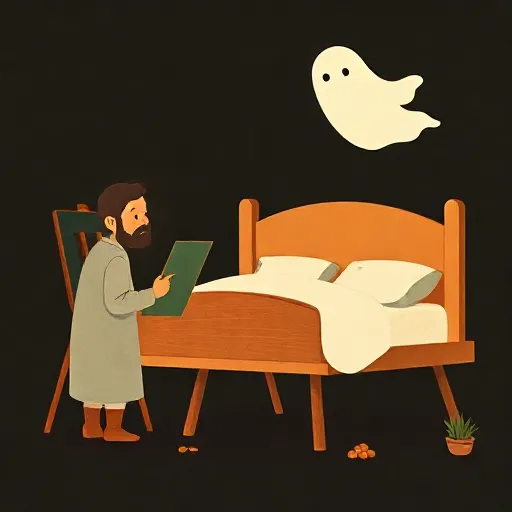
In book X, Plato sharpens this charge with a metaphor. Picture a carpenter who makes a real bed by looking at the perfect Form of a bed — the timeless pattern that exists only in thought. A painter can then paint a picture of that bed, but it is only an image, a copy of a copy. The poet, Plato says, is like that painter: he creates mere appearances of courage, justice, and love, without any deep knowledge of them. The audience, mesmerized by the beauty of the words, mistakes the image for the truth. That is why Socrates finally banishes most poetry from his just city — he calls it a “counterfeit” art that feeds the weak, emotional part of the soul and quiets the voice of reason.
Rhetoric: Sweet Talk or Sneaky Control?
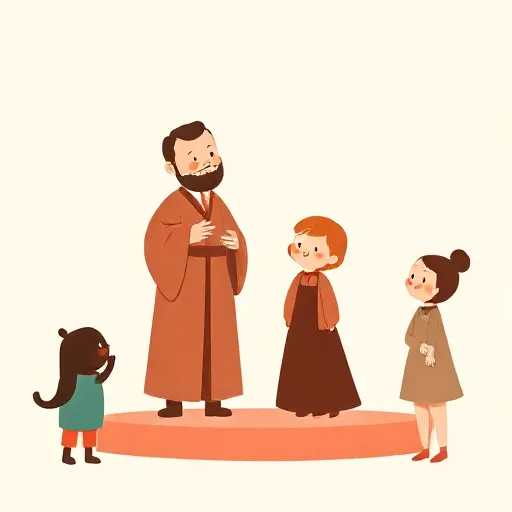
If poetry is suspect, rhetoric is its more aggressive twin. In the dialogue Gorgias, Socrates confronts the famous teacher of rhetoric Gorgias (c. 483–375 BCE) and his followers. Gorgias boasts that rhetoric is the master art — it gives a person power to persuade juries, assemblies, and crowds, making them do whatever the speaker wants. He calls it the source of freedom and rule over others.
Socrates is not impressed. He draws a sharp line between a techne (a true art aimed at the good) and a mere knack aimed at pleasure. Medicine is an art that cares for the body; cookery is a knack that just flatters the tongue. In the same way, justice is an art that cares for the soul, while rhetoric, as most people practice it, is just flattery for the ears. The orator doesn’t need to know what is truly good or true; he only needs to know what the audience wants to hear.
The debate grows fiercer when a young politician named Callicles jumps in. He argues that nature shows the strong should rule the weak, and that rhetoric is simply a tool for the naturally powerful to get what they want. “Justice” talk is just a trick the weak use to hold back the strong. For Callicles, a life devoted to philosophy makes you helpless — an easy target for enemies. Socrates counters that committing injustice is far worse than suffering it, and that a tyrant who escapes punishment is the most miserable person alive. At stake is not just speaking style, but an entire vision of what counts as a good human life.
What If Rhetoric Could Be Honest?
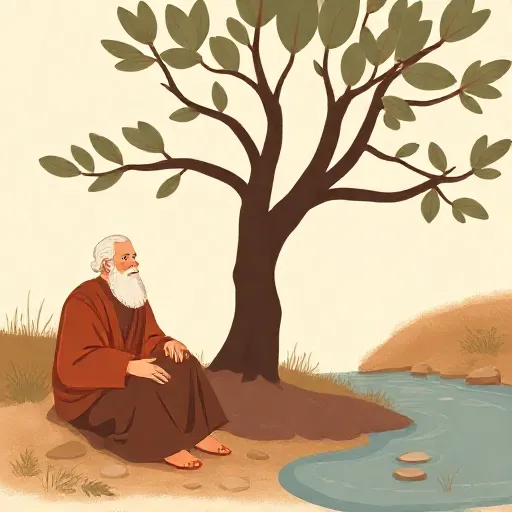
In the Phaedrus, Plato allows rhetoric a second chance. Here Socrates argues that rhetoric could become a true art — but only if the speaker knows the truth about the subject, understands the nature of the human soul, and carefully matches his words to the particular listener. A good speech should have the organic unity of a living creature, with head, body, and limbs all fitting together. The true art of speaking, Socrates says, is really a form of dialectic — the back-and-forth questioning that philosophy uses to uncover truth.
But even here, Plato remains suspicious of one crucial medium: writing. In a famous myth, the Egyptian god Theuth presents writing as a gift that will make people wiser, but the king Thamus disagrees. A written text cannot answer questions; it just repeats the same words to everyone. It makes people seem knowledgeable when they have only memorized marks on a page. Real understanding, Socrates insists, lives in spoken conversation, where two souls search together. A living speech written in the mind is far more valuable than ink on paper.
With this, Plato circles back to poetry. In the Phaedrus, poetic inspiration is praised as a divine madness — but when Socrates ranks different kinds of human lives, the poet who merely imitates sits near the bottom, just above a manual laborer and a tyrant. The philosopher, who seeks the truth directly, ranks first. Poetry may be beautiful, but it is still not the highest path to wisdom.
Why Plato’s Quarrel Won’t Die

Plato lived when poetry and spoken rhetoric dominated public life. Today, we have films, television, social media, and algorithm-driven feeds. Yet his worries sound startlingly modern. Does watching hours of violent or tragic stories make us more callous, or at least teach us what to admire and what to scorn? Can a charismatic speaker persuade us of something false simply because they know how to push our emotional buttons? Plato’s core claim is that beautiful words and images do not just entertain — they secretly train our desires, our habits of feeling, and our picture of reality.
He was the first philosopher to argue, in a sustained way, that aesthetics cannot be separated from ethics. Enjoying the suffering of a fictional character, he thought, feeds the part of us that might later enjoy real suffering or at least fail to resist it. That idea has been disputed for centuries, but it has never gone away. Just as the magnetized chain linked god to poet to audience, Plato saw an invisible line linking storyteller to listener — and he wanted us to ask, every time, what that story is doing to our souls.
Think about it
- If a movie makes you root for a villain, does that change how you feel about right and wrong in everyday life?
- Should a society ever limit what art can show, to protect people’s character? Who gets to decide?
- Can you be persuaded of something completely false just because the speaker is charming or confident? How would you know?