
Political Philosophy
380 articles
-
After War, Do You Punish or Move On? The Peace vs. Justice Dilemma
After a war, should leaders punish the bad guys or focus on keeping the peace? The answer isn't simple, and choosing one can hurt the other.
-
Are You a Citizen, or Just a Bystander?
What does it really mean to be a citizen? It is not just about having a passport. It is a tug-of-war between rights, action, and belonging.
-
Are You Being Watched Even When Nobody’s Watching?
Why do we follow rules even when no one is watching? This idea from Foucault shows how invisible power shapes our behavior and what we call normal.
-

Are You Born a Boy or a Girl — or Do You Become One?
Do our bodies decide if we act like boys or girls, or does society shape us? Find out why this matters for fairness and respect.
-
Are You Born a Boy or Girl? How Philosophy Questions Gender Itself
What makes someone a boy or girl? Trans philosophy questions whether we are born with a gender or if it's something we figure out ourselves.
-
Are You Born a Girl, or Do You Become One?
Beauvoir’s 1949 book argued that you aren’t born a woman — you become one. Why that idea still rattles playgrounds, politics, and how we see ourselves.
-

Are You Born a Woman, or Do You Become One?
Simone de Beauvoir said you become a woman. But how? Philosophers look at gender, power, and reality to find out.
-
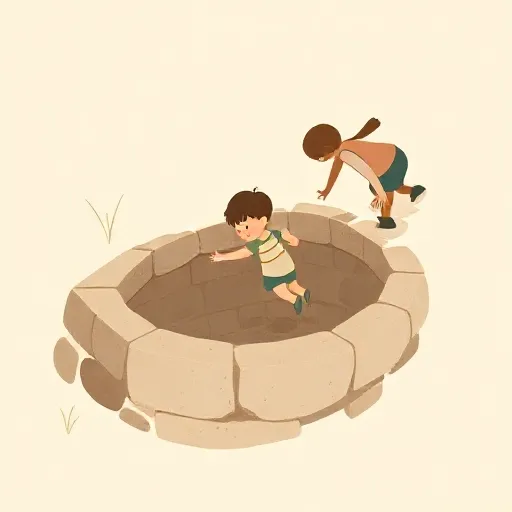
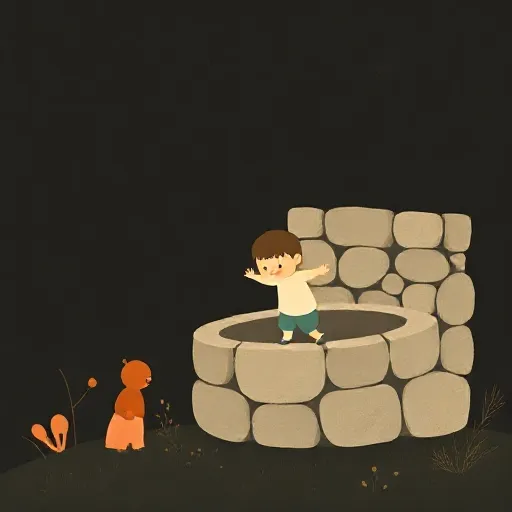
Are You Born Good? Mencius and the Seeds Inside You
Are we born good? Mencius thought we all have tiny seeds of kindness, but is he right? A 2,000-year-old debate that still shapes how we see ourselves.
-
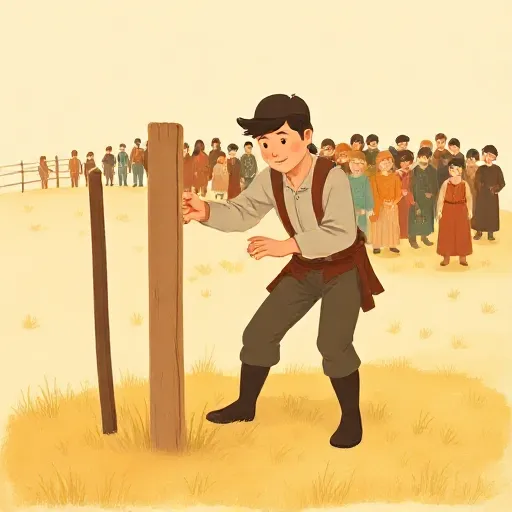
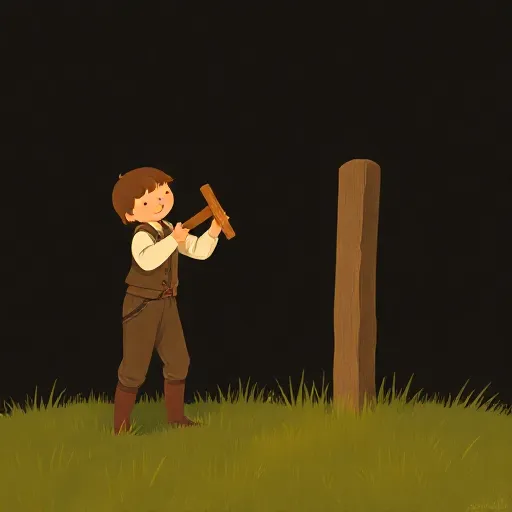
Are You Born to Rule, or Born Equal? The Fight That Still Isn’t Over
Are humans born unequal? This question drove fights against slavery and sexism, and still shapes debates about fairness today.
-
Are You Free If No One Is Stopping You?
Can you be unfree even if no one blocks you? Discover how a craving can control you and why this debate about freedom affects ads, rules, and your choices.
-
Are You Latinx if You Don’t Speak Spanish? The Fight Over Who Counts
Philosophers have fought for decades over whether being Latinx is about race, culture, or history—and their answers affect immigration and citizenship.
-
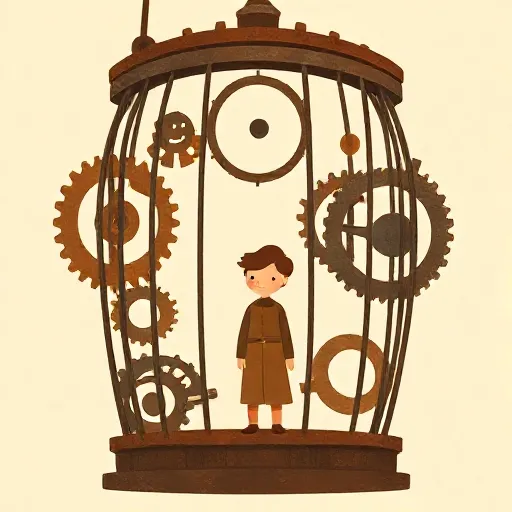
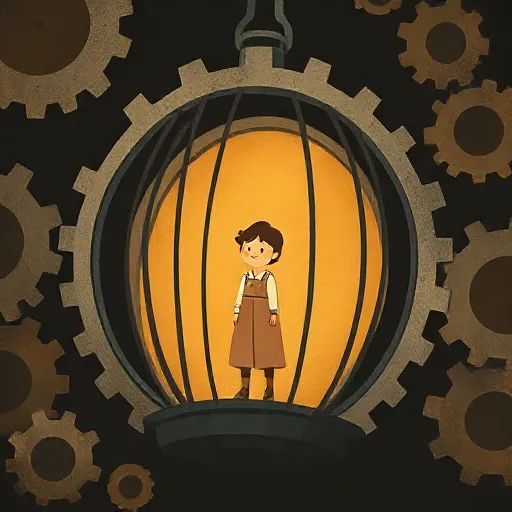
Are You Living in an Iron Cage?
A driven professor collapsed, then spent his life asking why the modern world feels so controlled and empty. His answer still haunts us.
-
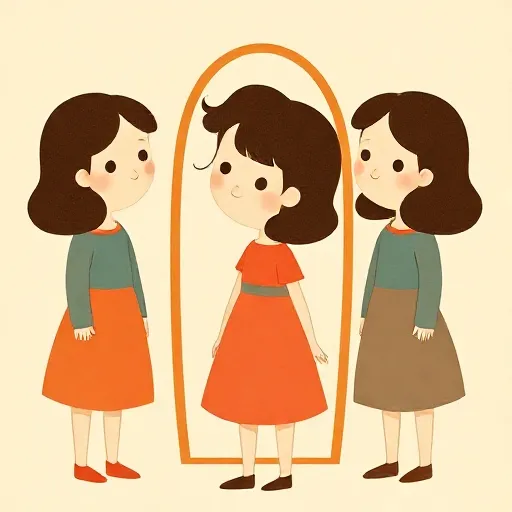
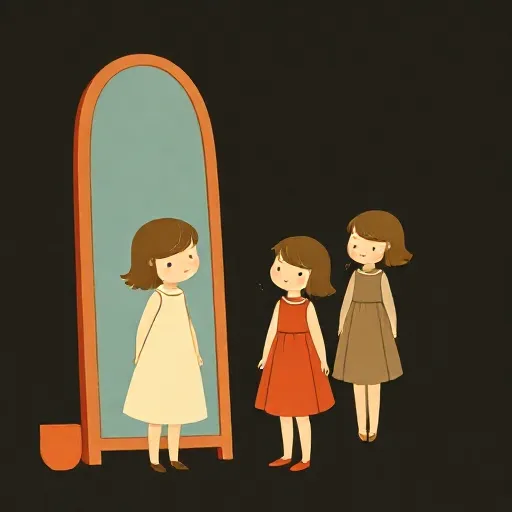
Are You the True Author of Your Own Choices?
Do you really make your own choices, or are hidden forces guiding you? Discover why this question about autonomy matters for freedom and knowing yourself.
-
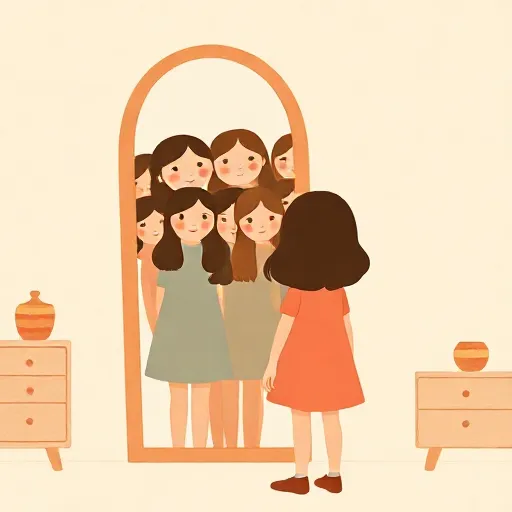
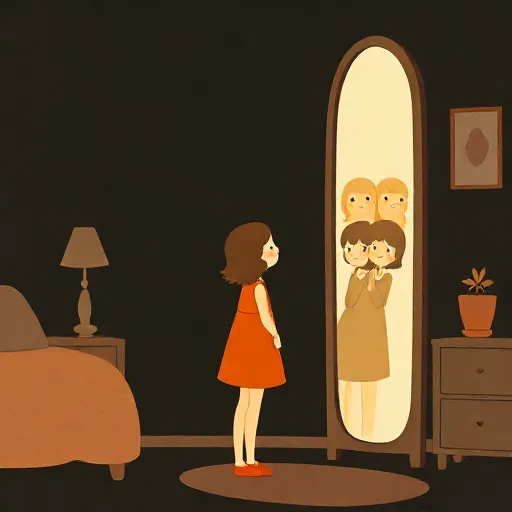
Are You Your Body? The Feminist Fight Over a Simple Question
Are you your body or your mind? This debate still shapes how boys and girls grow up and who decides what's normal.
-
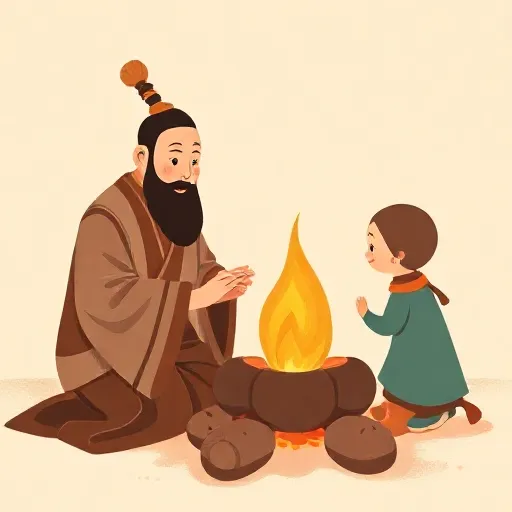
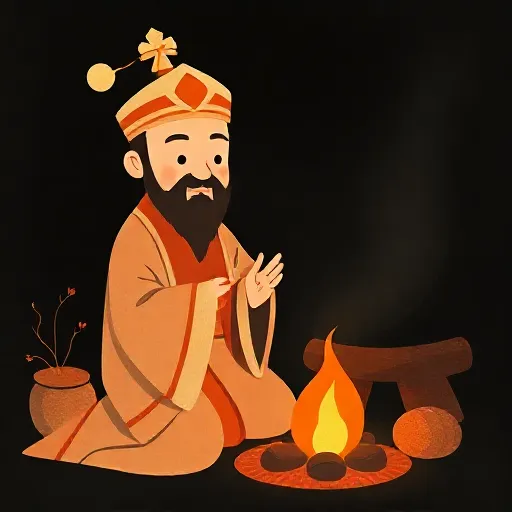
Can a Bad King Lose the Right to Rule? Ancient China’s Big Argument
Does a king need to be good to rule, or do strict rules work better? Ancient Chinese thinkers debated this 2,000 years ago, and we still ask it today.
-
Can a Belief Be True Just Because It Helps You?
Can a belief be true just because it helps you? Charles Peirce and William James argued over this. Their debate still shapes how we think about truth.
-
Can a Bigger Group Always Make Better Decisions?
What if adding more voters makes a jury worse? The surprising math behind group wisdom, from Condorcet to modern jury theorems.
-
Can a Bowl of Millet Teach You to Be a Good Person?
Can everyday actions like how you eat or greet someone really shape your character? This ancient idea still sparks debate today.
-
Can a Computer Be Fair? The Battle Over Algorithmic Fairness
What makes a computer fair? The answer depends on which math you pick. Experts can't agree, so an algorithm can seem both fair and unfair.
-
Can a Computer Simulate How We Think?
Philosophers use computer games to study how we think: why opinions spread, how we get stuck, or become unfair. A new way to explore old questions.
-
Can a Country Be Strong and Good at the Same Time?
When a mighty nation demands surrender from a weaker one, is justice just a word? A 2,500-year-old argument that still decides wars and peace.
-
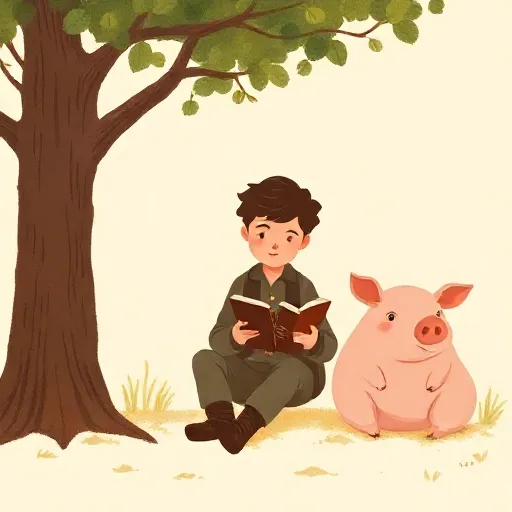
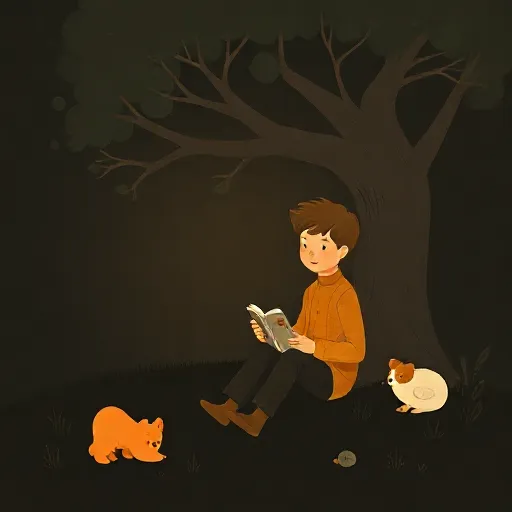
Can a Dissatisfied Philosopher Be Happier Than a Happy Pig?
Is it better to be a thoughtful person who isn't always happy, or a satisfied pig who feels great? John Stuart Mill's surprising answer.
-
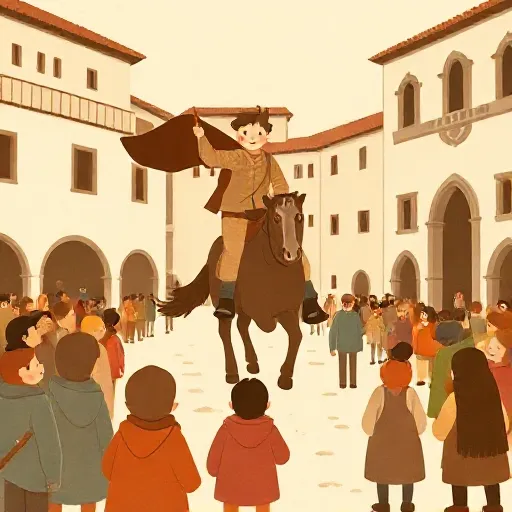
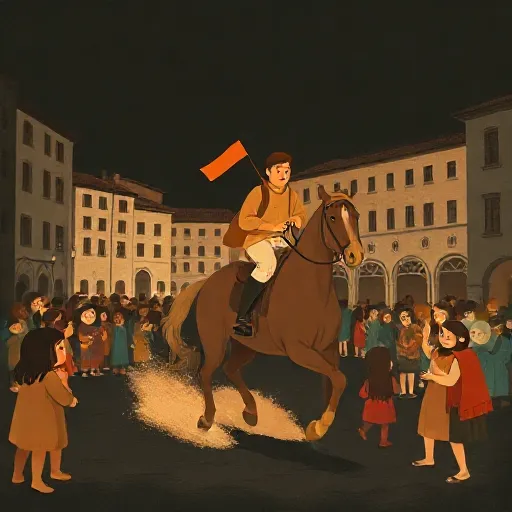
Can a Lover of Ancient Books Also Support a Tyrant?
Could book lovers in the 1400s support a ruler who crushes freedom? Their debate still shapes ideas about power and the good life.
-
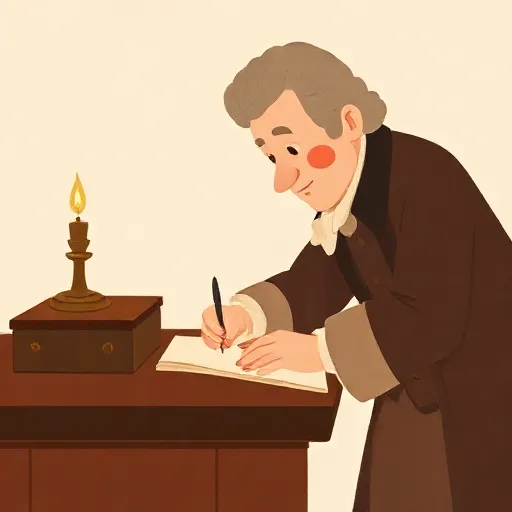
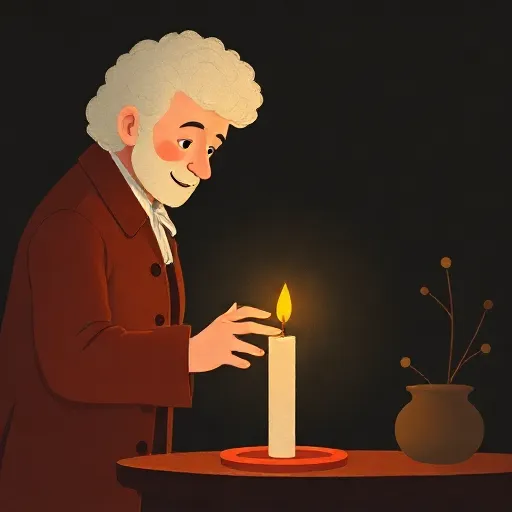
Can a Lump of Matter Really Think? The Fight That Shook 1700s England
Anthony Collins believed brains can think, all choices are determined, and we must reason freely about religion. A 1700s fight that never ended.
-
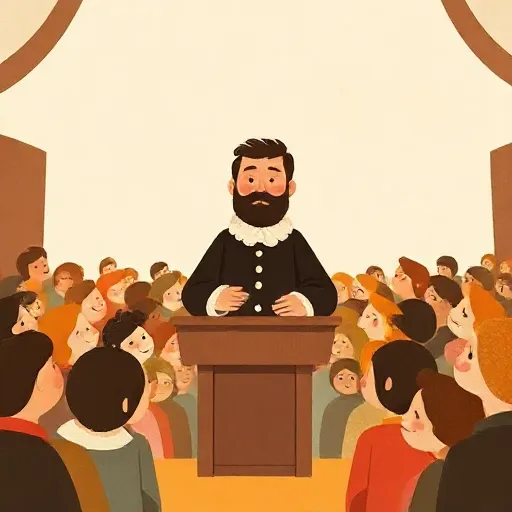
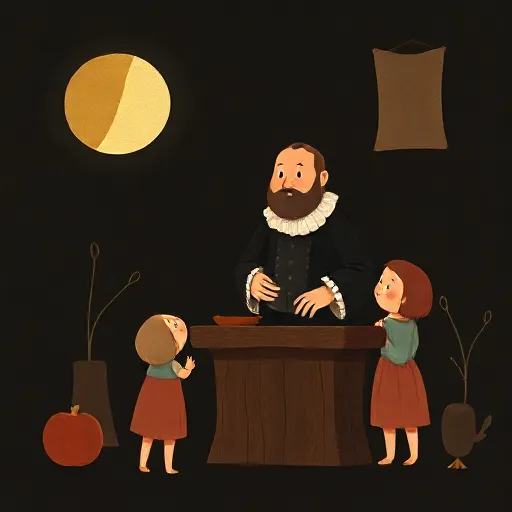
Can a Nation Have Many Religions and Still Hold Together?
Can a country with many religions stay peaceful? A French lawyer's big idea from the 1500s still sparks debate today.
-
Can a Pen Fight a Kingdom? Voltaire’s War for Reason
How did Voltaire use satire, science, and wit to battle kings and churches? His story shows how thinking for yourself can change the world.
-
Can a Rule Book Really Control a Government?
A constitution sets limits on government, but judges must decide what the rules mean. Is that fair? This question shapes every democracy.
-
Can a Society Be Good If Half the People Can't Think for Themselves?
In 1792, Mary Wollstonecraft declared that women must be educated to become truly virtuous. Her fight with powerful critics still echoes today.
-
Can a Thought Move Your Body? Elisabeth of Bohemia's Challenge
Elisabeth of Bohemia asked Descartes how a thought can move your arm. Their letters tackle mind–body interaction, virtue, and the art of ruling.
-
Can a Trans Woman Be a Woman? A Fight Inside Feminism
Feminists have long fought over whether trans women are women. The clash began decades ago and still shapes feminism today. Both sides have reasons.
-
Can a Whole Continent Have Its Own Philosophy?
In the 1960s, Latin American philosophers asked if their thinking was truly their own. Their answer launched a movement to free the mind from colonialism.
-
Can a Whole Country Be Guilty? The Fight Over Collective Blame
Can we blame a whole country or company for a crime, or only the people inside? This question matters when punishing companies or healing past wrongs.
-
Can All Good Things Go Together? The Warning of Isaiah Berlin
Berlin said values like freedom and equality clash. There is no one right answer. Why that’s a dangerous idea — and a liberating one.
-
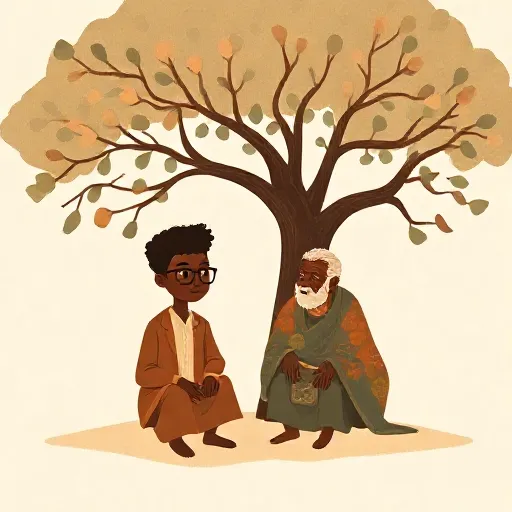
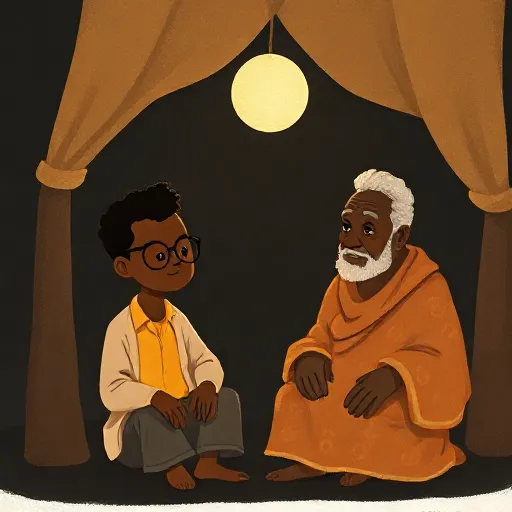
Can an Elder in a Village Teach a Professor Philosophy?
Can a village elder without formal schooling be a philosopher? Discover why recognizing African voices in philosophy matters.
-
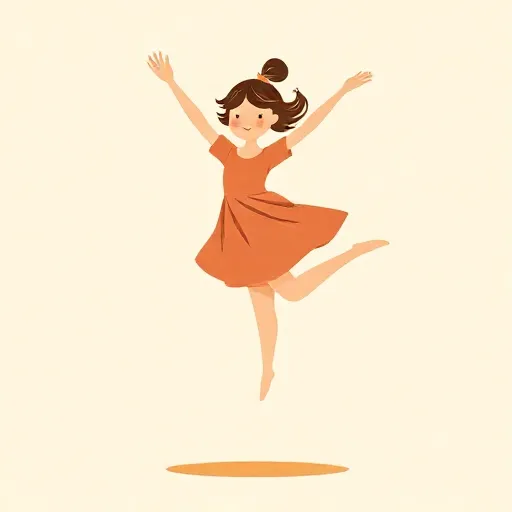
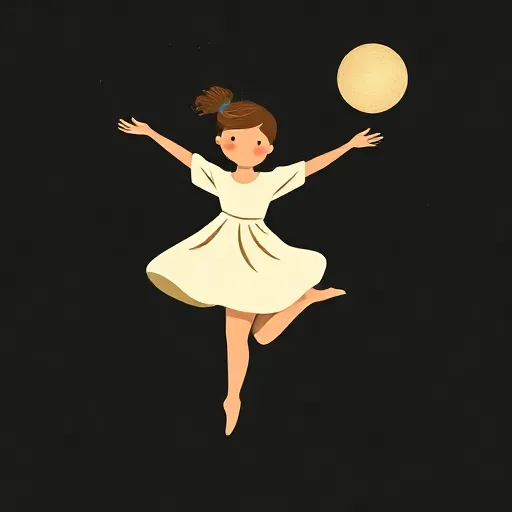
Can Art Really Set You Free? Friedrich Schiller’s Big Idea
Schiller said playing with beauty balances your wild feelings and strict thoughts, turning you into a free person. But is that really possible?
-
Can Art Unlock a Different World? The Frankfurt School’s Radical Idea
How does capitalism make us see everything as objects? The Frankfurt School argued art can jolt us awake, revealing a different world.
-
Can Capitalism Last Forever? Rosa Luxemburg Said No
Rosa Luxemburg argued that capitalism needs to expand or crash, so only a revolution led by ordinary people can bring real freedom.
-
Can Former Enemies Ever Truly Make Peace?
Can enemies become friends after trust is broken? Reconciliation can range from peace to forgiveness. What does it really take?
-
Can God Make an Infinite Number of Souls?
Could God create an endless number of souls? A 14th-century priest said yes. His ideas about infinity and fairness later shaped debates about the Americas.
-
Can It Be Wrong to Have a Baby Who Will Love Life?
Is it wrong to have a baby who will have a disability and love life? The puzzle: the child can't complain because if you'd waited, she wouldn't exist.
-
Can Morality Really Be a Tidy System? Bernard Williams Said No
Are tidy moral systems enough for real life? Bernard Williams said no—our deepest reasons come from personal commitments, making ethics wonderfully human.
-
Can One Book Explain the Whole Universe?
Can one book explain the whole universe? Han dynasty thinkers built systems to do just that, wrestling with questions that still puzzle us.
-
Can One Country Rule Another? The Fight Over Colonialism
From Spanish friars to Gandhi, thinkers asked whether taking over another land is ever justified. The debate still shapes our world.
-
Can Philosophy Be Scattered Like Seeds? A Young Romantic Thought So.
Novalis argued that true wisdom can't be trapped in a system—it grows in messy fragments, conversations, and a lifelong process of self-education.
-
Can Philosophy’s Sharpest Tools Fight Sexism?
Can logic and clear arguments fix sexism, or are they part of the problem? A deep split among feminists shapes who gets to speak.
-
Can Pornography Hurt Women? The Feminist Standoff
Does pornography hurt women? Feminists argue: some say it promotes inequality and should be limited, others fear censorship. The evidence is mixed.
-
Can Reason Alone Tell Us How to Live? Leo Strauss’s Quiet Question
Can reason alone prove right and wrong? Leo Strauss realized it can't, and he uncovered ancient thinkers who hid their real views in secret writing.
-
Can Reason Answer Everything? Kant Said No.
Kant argued reason can't prove God or the soul, but it's what lets us think freely and treat others as equals.
-
Can Science Resolve Any Disagreement?
Can science settle all arguments? Sidney Hook thought testing ideas by results could resolve any dispute, but critics said morals aren't lab experiments.
-
Can Selfishness Actually Help Everyone? Adam Smith’s Surprising Answer
Smith argued that self-interest drives markets and makes the world richer. But he also warned that the chase for cash often leaves us empty.
-
Can the Government Force You to Do Something You Don’t Agree With?
If laws need everyone’s approval, how can we ever agree on anything? Inside a fight over the biggest rulebook of all.
-
Can There Be Real Law Without a World Police?
Is international law real law without a world police? This question shapes whether we can punish war crimes and see rules between countries as true law.
-
Can Thinking Too Much Make You Unfree?
Can too much thinking make you less free? Max Horkheimer saw how reason can trap us. Discover a way of thinking that might set you free.
-
Can Unbreakable Rights Make Everyone Happier?
Herbert Spencer thought evolution shaped not just animals, but how we live together — and that certain rights should never, ever be broken.
-
Can We Agree on Justice Without Knowing the Whole Truth?
How can we agree on justice without knowing all the facts? John Rawls's 'veil of ignorance' helps create fair rules everyone can accept—but is it fair?
-

Can We Keep AI Honest? The Big Questions About Smart Machines
Can we keep AI honest? Smart machines already watch us and shape our choices, so we must ask how to make them fair and safe.
-
Can We Live Without Rulers? The Anarchist Challenge
Can we live without rulers? Anarchists say yes. They argue we can cooperate freely, without force. Is all power unfair? The debate is centuries old.
-
Can We Make Fair Laws When We Deeply Disagree?
Laws can't just be true or widely liked—philosophers argue they must be justifiable to everyone, even those who see the world differently. Here's why.
-
Can What We Do Today Harm People Who Haven’t Been Born Yet?
Can we harm people who aren't born yet? Discover why this question links to climate change, having children, and promises to the dead.
-
Can Words Be Weapons? The Fight Over Hate Speech
When does speech hurt like a punch? Hate speech attacks people for who they are. Some want to ban it, others say to fight words with words. Who is right?
-
Can You Ban Something You Can't Define? The Pornography Puzzle
Why is it hard to ban pornography? If we can’t define it, how can laws be fair? This puzzle makes us question freedom, harm, and who gets to decide.
-
Can You Be a Good Person and a Good Citizen at the Same Time?
Can you be a good person and a good citizen at the same time? This old debate shapes what schools teach about being a citizen today.
-
Can You Be a Philosopher When the World Calls You a Problem?
Africana philosophy explores big questions about identity and freedom, born from the experience of being treated as a problem because of your skin color.
-
Can You Be Evil Without Being a Monster?
Can someone be evil without being a monster? Hannah Arendt's study of Adolf Eichmann reveals how not thinking can lead to great harm.
-
Can You Be Free in a World That Follows Laws?
Fichte thought you can’t prove your freedom—you just feel it. That one feeling became the foundation for a whole system of philosophy.
-
Can You Be Happy Just by Thinking? Dante’s Bold Experiment
Dante asked if deep thinking alone can bring real happiness. His life and poem The Divine Comedy explore if philosophy or something more is needed for joy.
-
Can You Build a Perfect Country with Pure Reason?
French revolutionaries tried to rebuild society from pure reason. Rehberg argued judgment, history, and tradition also matter—and he debated Kant.
-
Can You Conquer a Kingdom Just Because It's Not Christian?
When Spain invaded the Americas, scholars in Salamanca asked: do indigenous peoples have rights? The surprising answer shaped international law.
-
Can You Escape the Gaze That Fixes You? Frantz Fanon’s Question
Frantz Fanon saw that racism doesn’t just limit what you can do — it shapes who you think you are. He asked if we could ever truly break free.
-

Can You Ever Be Alone? A Japanese Philosopher’s Challenge
Are you ever truly alone? Watsuji says no—you're made of weather, land, and everyone around you. Being good is about weaving connections.
-
Can You Fight for Freedom and Still Be a Terrorist?
Can someone fighting for freedom be called a terrorist? It depends on how we define terrorism—is it only harm to innocent people, or any violent threat?
-
Can You Find the Truth by Moving into the Poorest Neighborhood?
Can you find truth by living in a poor neighborhood? Jane Addams proved that understanding others requires being with them, making care a public duty.
-
Can You Love a God Who’s Nothing Like Anything You Know?
Can you love a God who’s completely different from anything you know? This thinker said faith isn’t about feelings, but doing what God commanded.
-
Can You Make Politicians Care About the People? James Mill's Wild Idea
Can politicians be made to care? James Mill said yes, by aligning their happiness with the people's. It changed how we govern.
-
Can You Really Be the Measure of All Things?
Protagoras said each person decides what’s true for them. That idea sparked debates about truth, religion, and democracy that still rage.
-
Can You Respect People While Thinking They’re Totally Wrong?
Is it possible to respect someone even when you believe their ideas are wrong? Explore the tricky balance between tolerance and truth.
-
Can You Think a Round Square? The Philosopher Who Said Yes
How can we think about impossible things without breaking logic? A philosopher's surprising answer helps us understand our imaginations.
-
Can You Win by Doing Nothing? Laozi’s Strange Idea
A mysterious old master said the best ruler does almost nothing. The book he left behind still puzzles and inspires people today.
-
Can Your Heart Know Something Science Can’t?
Can science tell us what's right? Four Chinese thinkers said your heart just knows. Their ideas mix old and new, and might change how you see feelings.
-
Can Your Ideas Change the World? Bruno Bauer’s Rise and Fall
Can ideas change the world? Bruno Bauer fought with his pen, but his revolutions failed. He gave up and predicted a dark future. Why did this happen?
-
Could a Law Be Natural? Hugo Grotius
Could some rules be so basic they apply to everyone, kings? Hugo Grotius believed in natural law—rules from human nature that still shape debates today.
-
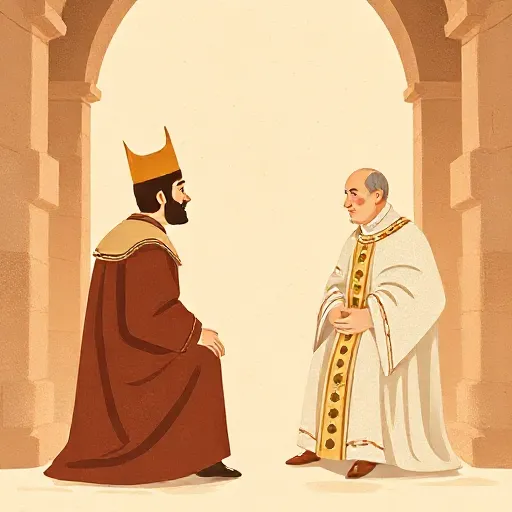
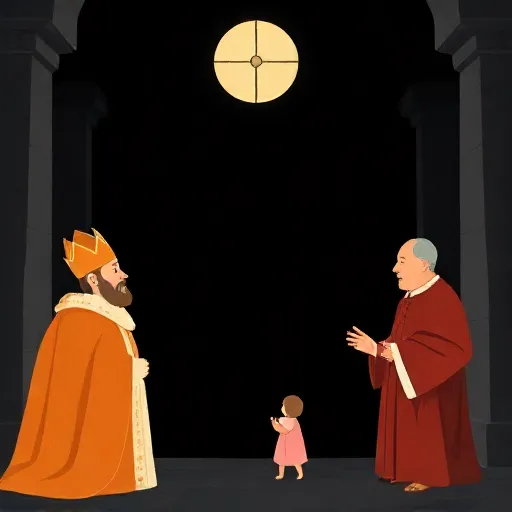
Could a Pope Tell a King What to Do? The Medieval Power Struggle
Could a king tax the church? A medieval showdown between pope and king asks: who rules? Their fight shaped modern democracy.
-
Could a World Full of Atheists Be Good?
Could a world of atheists be good? Pierre Bayle argued yes—and his bold ideas got him into trouble. Find out why his 300-year-old arguments still matter.
-
Did Chinese Ideas Steal Japan’s Original Heart?
Did Chinese ideas steal Japan's original heart? Discover the quest for a pure Japanese identity and how it still shapes anime and pride today.
-
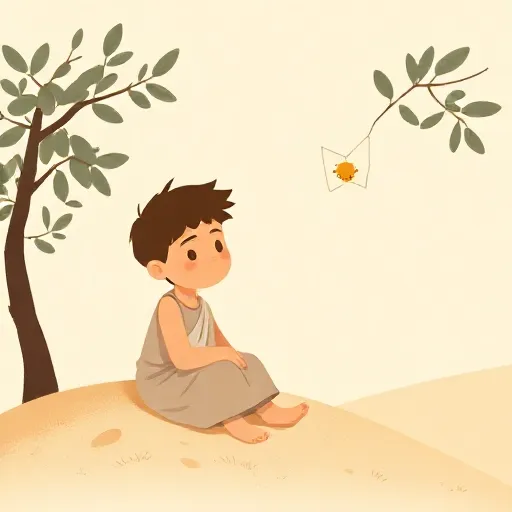
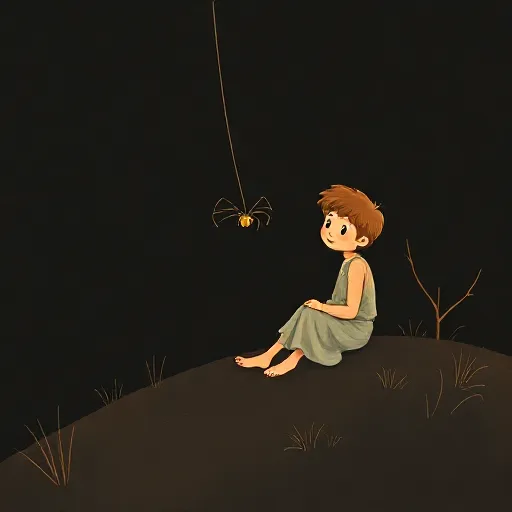
Did Nature Teach Us to Build Houses?
Ancient thinkers claimed humans copy swallows and spiders. But if we copy, who decides what gets built — and why? A story from bird nests to smartphones.
-
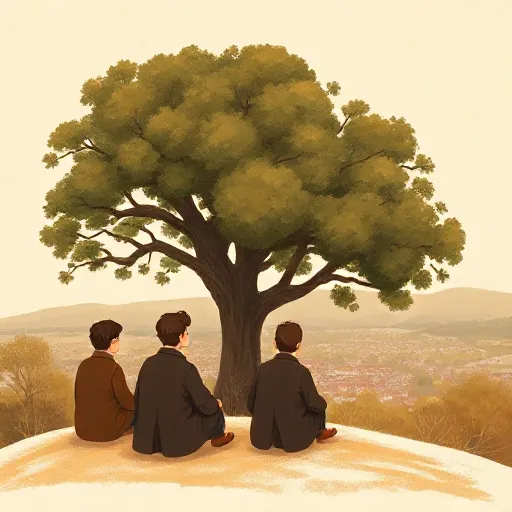
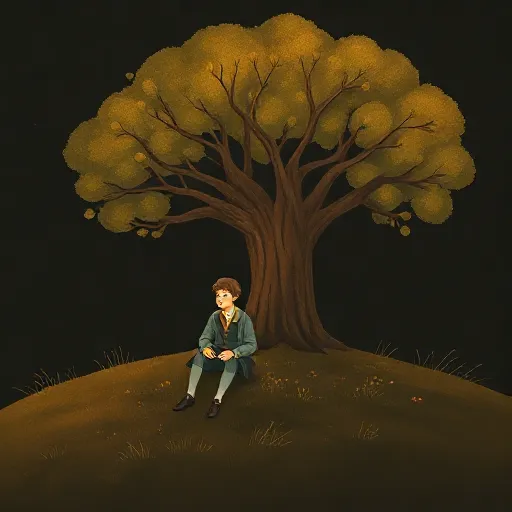
Did the Universe Have to Turn Out This Way? Hegel’s Answer
Did the universe have to turn out this way? Hegel saw history as a drama where spirit wakes up to freedom—and you're part of it.
-
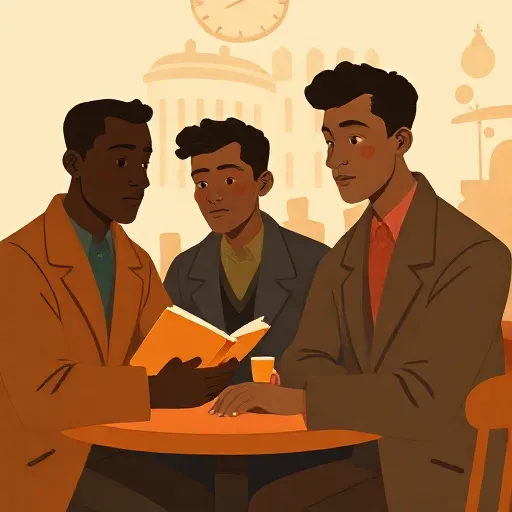
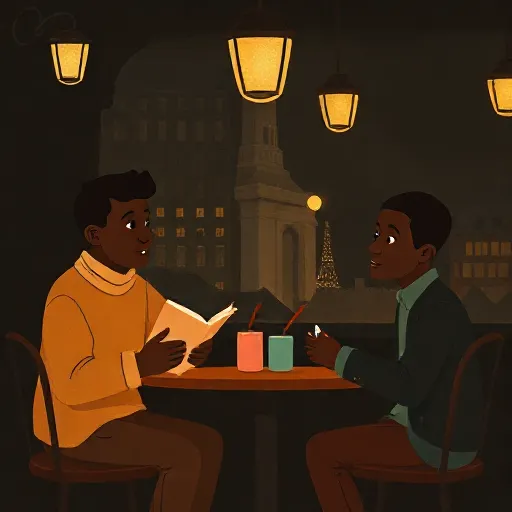
Did Three Poets Invent a Whole Philosophy of Blackness?
Did three poets create a full philosophy of Black identity, or just a protest? Their idea, Négritude, sparked a debate that still matters today.
-
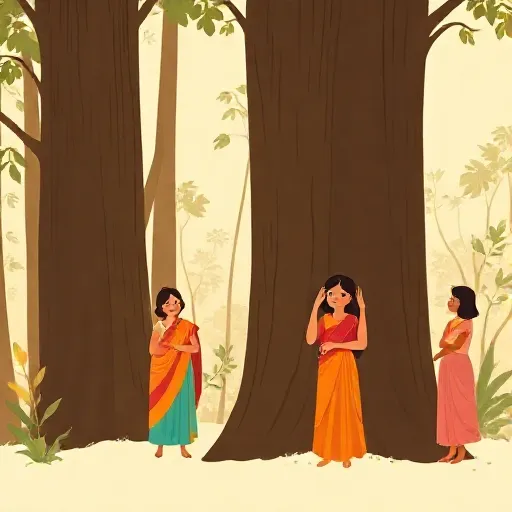
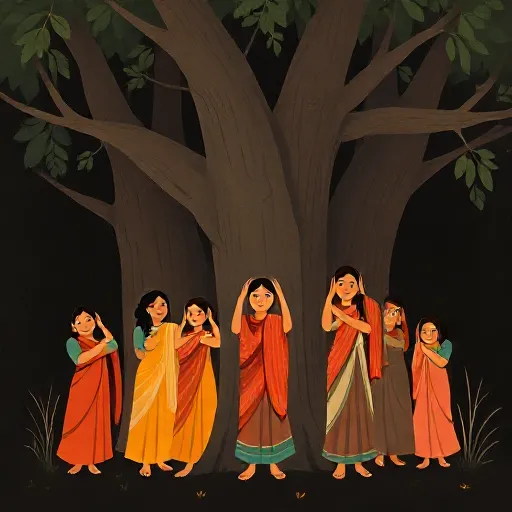
Did You Know Tree-Hugging Started as a Feminist Protest?
In 1974, women in India hugged trees to stop loggers. Their protest revealed a deep link between the domination of women and the domination of nature.
-
Did Your Rights Come from Kings — or from Reason?
Do rights come from kings or from reason? Catharine Macaulay argued right and wrong are real truths, like math. Her ideas helped shape modern democracy.
-
Do Big Fish Have the Right to Eat Little Fish?
Do big fish have the right to eat little ones? Spinoza said you can do anything you have the power to do. Discover why his idea is both scary and hopeful.
-
Do Groups Have Rights, or Only People?
Can a club, nation, or company have its own rights, separate from the people in it? The answer shapes how we protect cultures and hold groups responsible.
-
Do Landscapes Have Faces? Alexander von Humboldt’s Wild Idea
Why did a Prussian explorer think you need art and feeling, not just measurements, to truly know nature? His answer changed science forever.
-
Do Latin Americans Have Their Own Philosophy?
Some think philosophy is like math—the same everywhere. Others say culture shapes the questions you ask. A century-old debate that still matters.
-
Do Trees Have Value Even If No One Uses Them?
If you were the last human alive, would it be wrong to destroy all other life? Environmental ethics asks whether nature has value beyond what it gives us.
-
Do We Live in One World, or in Many?
We use stories, science, and art to make sense of the world. Do we live in one world or many? Cassirer says many—and warns when myth becomes a weapon.
-
Do We Live Under Laws, or Under the People Who Make Them?
Why do we follow laws made by people? Does a law have to be fair, or just clear and predictable? This question has shaped countries for centuries.
-
Do We Really Need to Keep All Our Traditions?
Why do some people think we should keep all traditions? Edmund Burke's warning from the French Revolution explains conservatism's core idea.
-
Do Words Touch Reality, or Just Help Us Get Along?
Rorty said our words can't copy the world—they're just tools. If truth is only what people agree on, can we still argue about right and wrong?
-
Do You Deserve That, or Are You Just Entitled to It?
Do you deserve something because of rules, or because of what you did? Find out why that difference matters for fairness.
-
Do You Have a Right to Be Left Alone?
Is privacy a basic right, or just a way to protect other things? See why arguments from 1890 still matter today with phones and social media.
-
Do You Have Rights the Law Can’t Take Away?
Alexander Crummell argued that all people have rights no law can take away. His fight against slavery still shapes justice today.
-
Do You Have the Right to Change Your Government? Thomas Paine's Answer
Do you have the right to change your government? Thomas Paine's answer helped spark the American Revolution and still shapes debates about freedom.
-
Do You Have the Right to Chase Happiness?
How could someone write 'all men are created equal' and own slaves? This tension still fuels arguments about equality.
-
Do You Need a Church to Know God? The Transcendentalists Said No.
Can you find God without a church? Transcendentalists believed you can—by looking within and at nature, sparking fights for freedom and new thinking.
-
Do You Need to Know What's in Someone's Head to Explain a Crowd?
Can we explain social patterns like crime rates by counting people, or must we understand each person's thoughts? A debate between two big ideas.
-
Do You Owe Your Family More Than a Stranger?
Is it right to save your friend before a stranger? This puzzle makes you choose between a fair world and a loving heart.
-
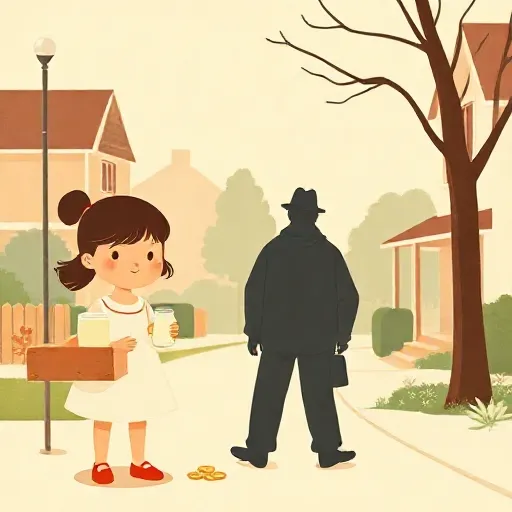
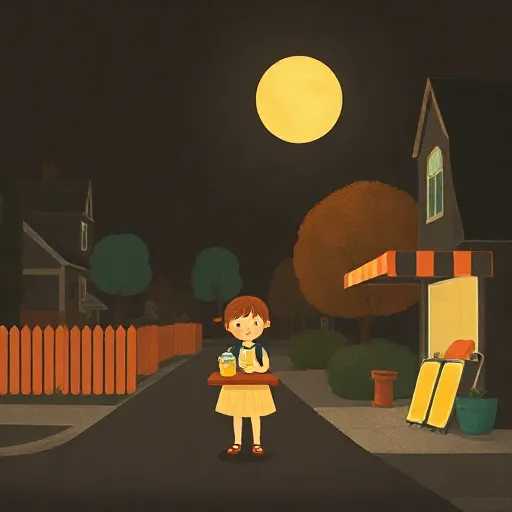
Do You Own Yourself? The Libertarian’s Core Idea
Should the government take part of your earnings? Libertarians say no—you own yourself, so taking money without consent is forced work.
-
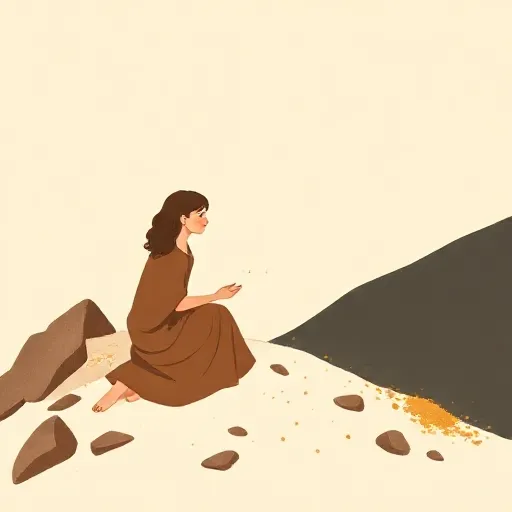
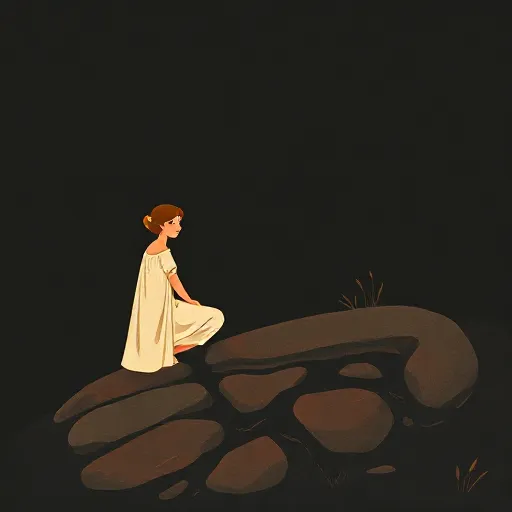
Do You Really Have to Obey the Law? A 2,400-Year Fight
Socrates said yes. Antigone said no. Philosophers have been arguing ever since about whether we have a moral duty to follow rules we didn't choose.
-
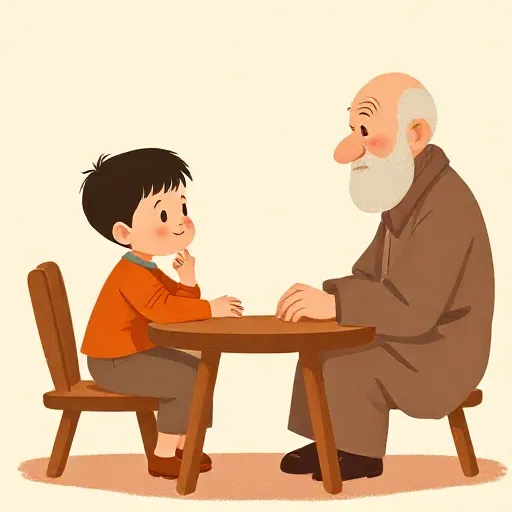
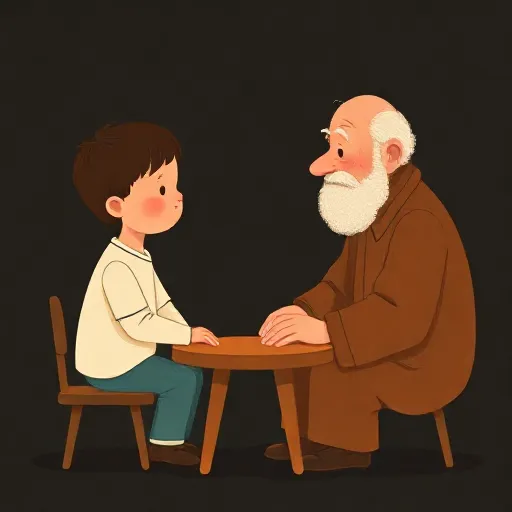
Do You See a Person or a Thing? Buber’s I and Thou
Buber argued there are two ways to meet anyone: as a full human being (Thou) or as a tool (It). His 1923 book still challenges our shallow connections.
-
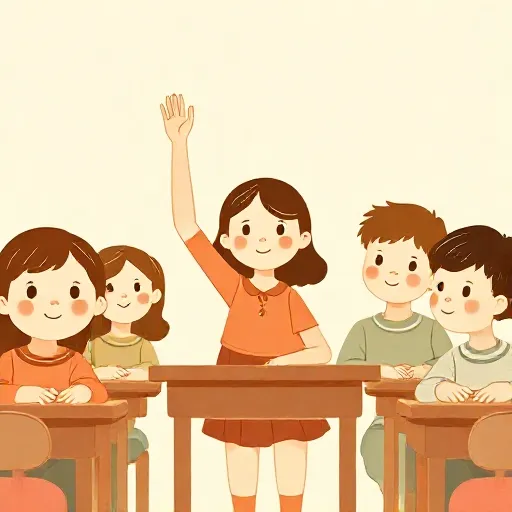
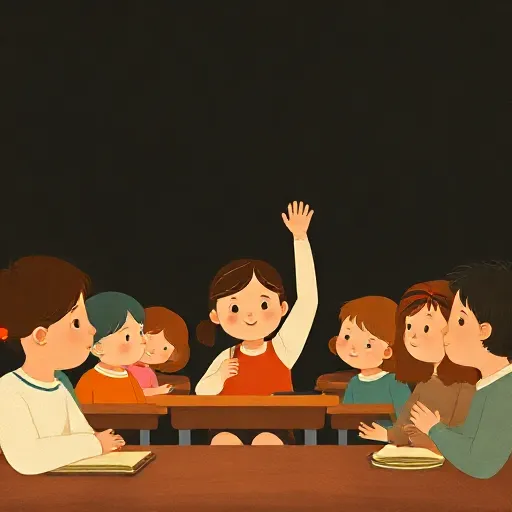
Do You See What I See? Why Your Identity Matters for Knowing
Feminist philosophers say your gender, race, and life shape what you know and whether you're believed. A surprising look at fairness in knowing.
-
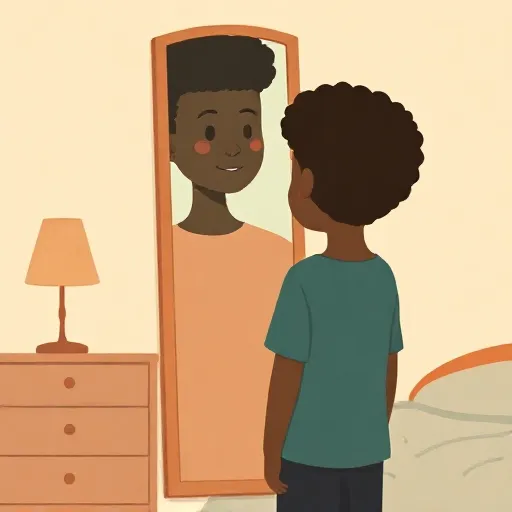
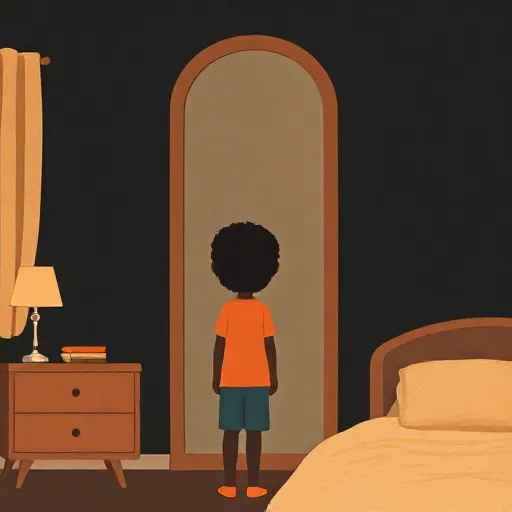
Do You See Yourself Through Their Eyes? Du Bois’s Double Consciousness
Du Bois argued that Black Americans often view themselves through white eyes, causing a split self. Why this idea still shapes how we think about identity.
-
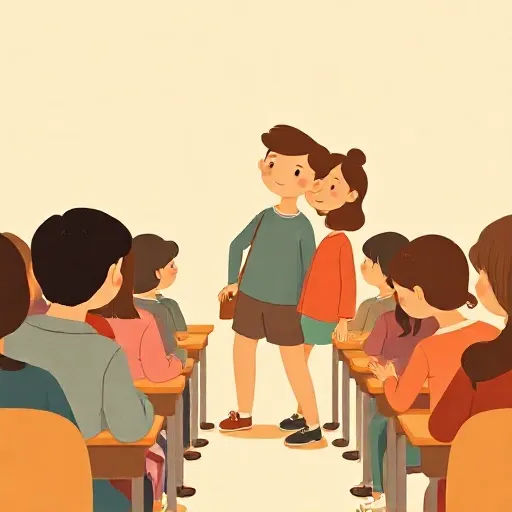
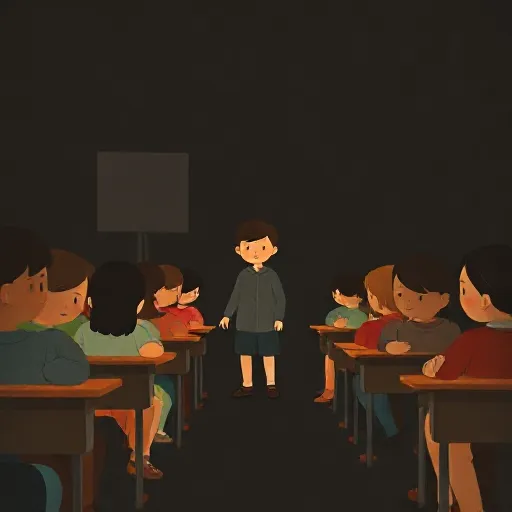
Do Your Feelings Belong to You? Continental Feminism Asks
Do your feelings really belong to you? Continental feminism reveals how moods catch on and power shapes your inner world, and how to push back.
-
Does 'Redistribution' Mean Stealing or Sharing Fairly?
Is taking from some to give to others stealing or fair sharing? It depends on who had a right to the money in the first place.
-
Does Fairness Mean Ignoring Race, or Paying Attention to It?
Is fairness treating everyone the same, or paying attention to race to fix past wrongs? See how this debate changed schools and leadership.
-
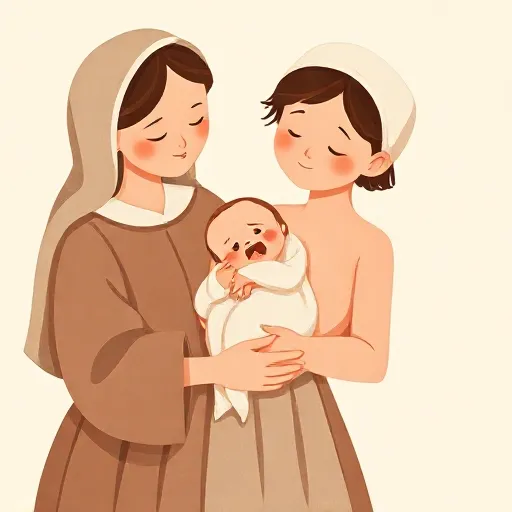
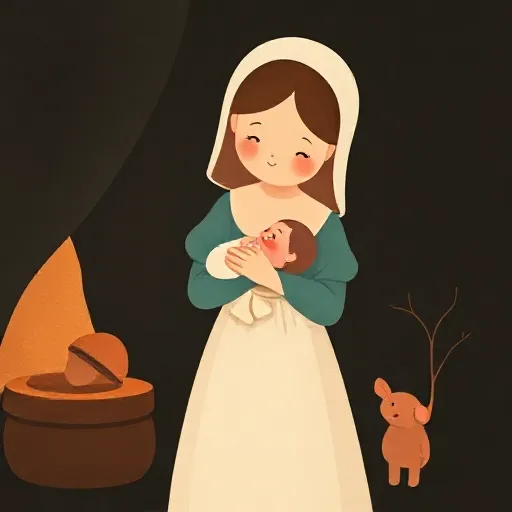
Does Morality Begin with a Baby’s Cry?
Where do our ideas of right and wrong come from? Sophie de Grouchy said it all begins with a baby’s cry and a comforting touch—a radical idea in the 1780s.
-
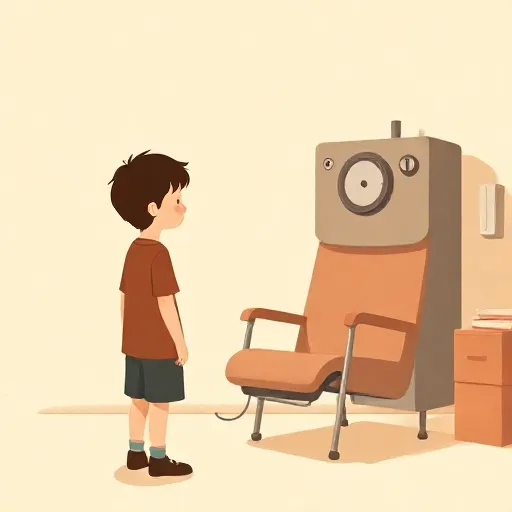
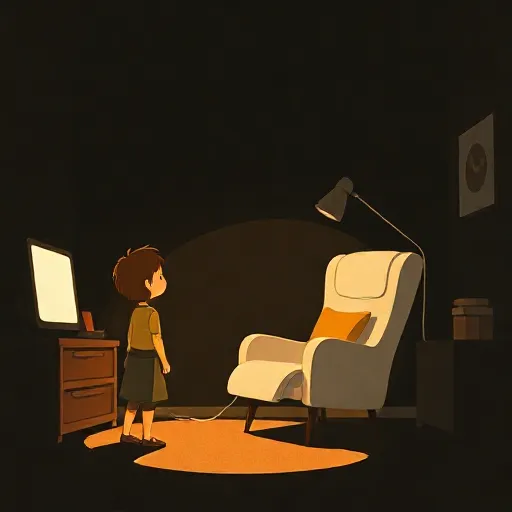
Does the Right Thing Always Make the World Happiest?
If saving five lives means killing one innocent person, should a doctor do it? Meet the philosophers who say yes — and those who say that can't be right.
-
Ernst Bloch Said the World Is Unfinished — and That’s a Good Thing
Is the future set in stone? Ernst Bloch says no: the world is always unfinished, and hope can turn dreams into reality.
-
He Wrote a Prince’s Guide—Then Told the King He Had No Power
How can someone write both a guide for kings and a book saying only the pope has power? This conflict asks: where does authority come from?
-
Hegel Loved the French Revolution. So Why Did He Defend a King?
Hegel toasted the Bastille each year, yet his ideal state had a king. He thought freedom meant following rules — a puzzle that divides philosophers.
-
How a Cup of Coffee Built Modern Democracy
What do 1700s coffee houses have to do with democracy? They sparked a new power—public opinion—that still matters.
-
How a House Full of Women Changed Philosophy (and Why It Matters)
Can philosophy happen outside a library? Over 100 years ago, women like Jane Addams did it at a community center, changing how we see truth and democracy.
-
How a Science of Ideas Became Everyone's Favorite Insult
A French thinker wanted to cure bias with a clear science of ideas. Then the word 'ideology' took a wild turn—and now it's everywhere.
-
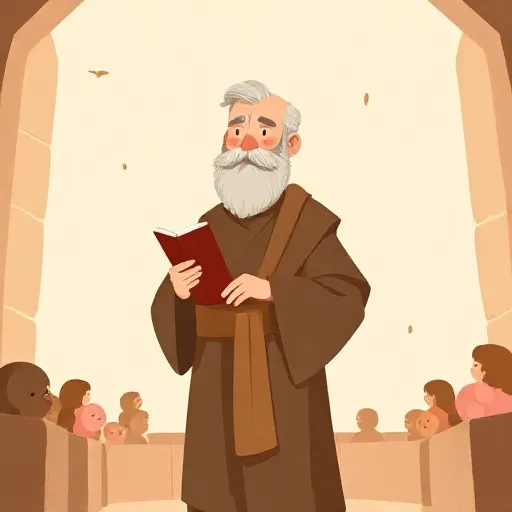
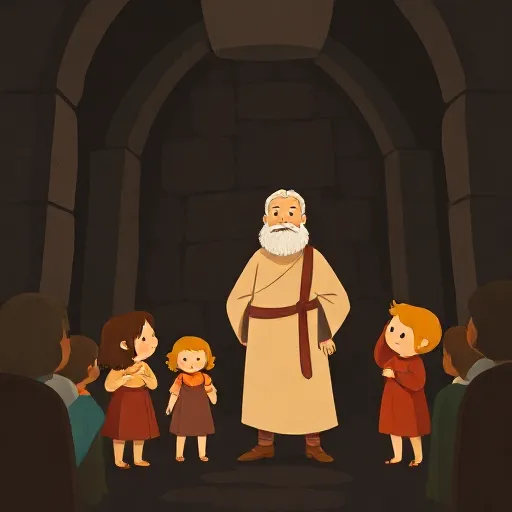
How Did Olympiodorus Teach Plato in Secret?
How did a pagan teacher share Plato's ideas when the emperor wanted them gone? Olympiodorus used hidden clues and careful words to keep teaching safely.
-
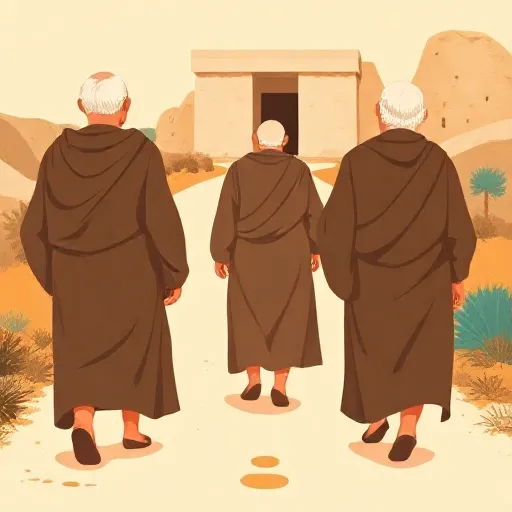
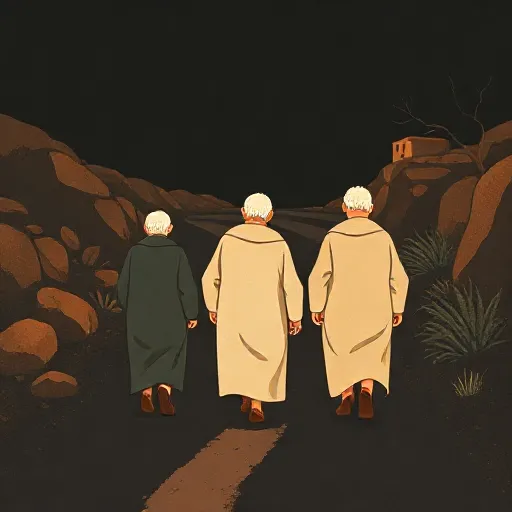
How Do You Build a City That Makes People Virtuous?
Plato’s last dialogue follows three men planning a new city where laws teach, not just punish—a vision of happiness through virtue that still unsettles us.
-
How Do You Fight Oppression When You're Told to Be Quiet?
How can you fight back when told to be quiet? Brave women like Sor Juana and Luisa Capetillo used words and protests to demand freedom in Latin America.
-
How Do You Really Know What Someone Else Feels?
We don't just guess how others feel; we see it directly. Philosopher Edith Stein made this idea famous and lived it as a nun and brave person.
-
How Much Should We Save for Our Great-Great-Grandchildren?
Should we save more now for people centuries ahead? Frank Ramsey's answer sparked a fairness debate that's still unresolved.
-
How Sneaky Words Fool Your Brain — And How to Fight Back
Susan Stebbing showed how politicians and scientists trick you just by picking certain words. Her tools for spotting those tricks still work today.
-
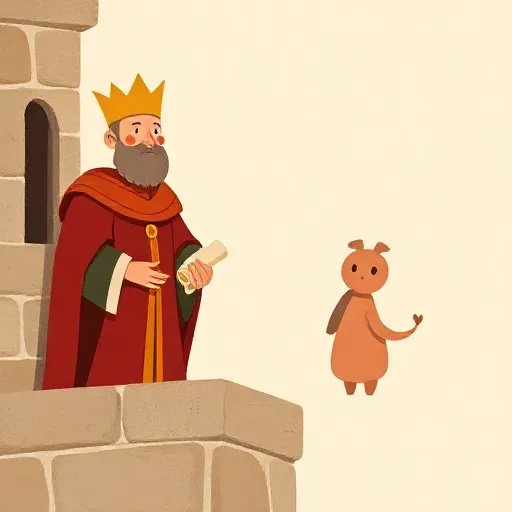
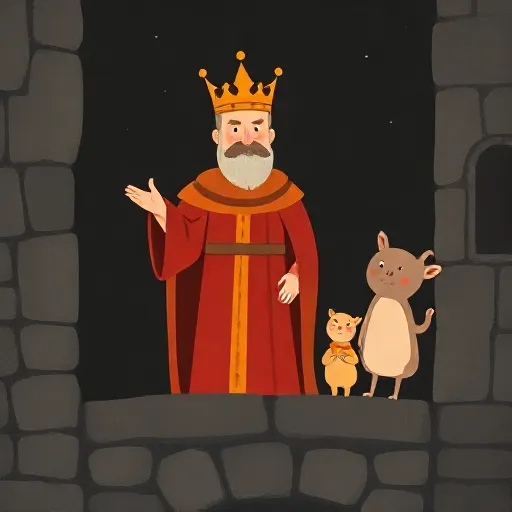
If a King Makes an Unfair Rule, Is It Still a Law? The Big Debate
Is a king's unfair command still a real law? Some say yes, if backed by force. Others say no, law must be fair. Explore this big debate.
-
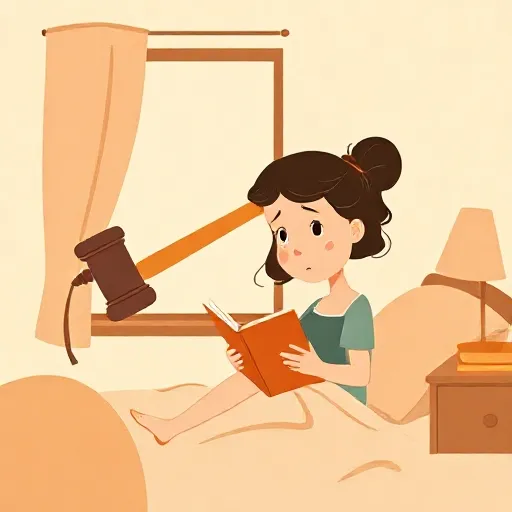
If No One Gets Hurt, Can the Law Still Punish You?
Can the law punish things that hurt no one, only because they seem wrong? This debate decides what you may do in private.
-
If You Didn’t Build It, You Don’t Really Know It
Why did Vico think we can only know things we make, like laws and languages? His idea sparked a new science of history that still shapes our thinking.
-
If You Didn’t Sign a Contract, Why Obey the Law? Locke’s Answer
Why obey laws you never agreed to? Locke says we have natural rights and government must protect them—or we can rebel. This idea sparked revolutions.
-
If You Get Sick, Does Society Owe You Help?
What if getting sick meant you couldn't see a doctor because your family couldn't pay? Is that just bad luck or an injustice that society should fix?
-
Is a Gang of Thieves Really Free? Dewey’s Radical Democracy
Is a gang of thieves really free? Philosopher John Dewey said no—real freedom comes from sharing many interests and openly exchanging with others.
-
Is Beauty a Secret Code in Things — Or Just a Feeling?
Is beauty a real feature of things or just a feeling inside you? This age-old puzzle shapes who gets to feel beautiful.
-
Is Democracy Really the Best Way to Decide?
Is voting the fairest way to decide? Thinkers have debated whether democracy leads to smart, fair choices—and why it matters from pizza to countries.
-
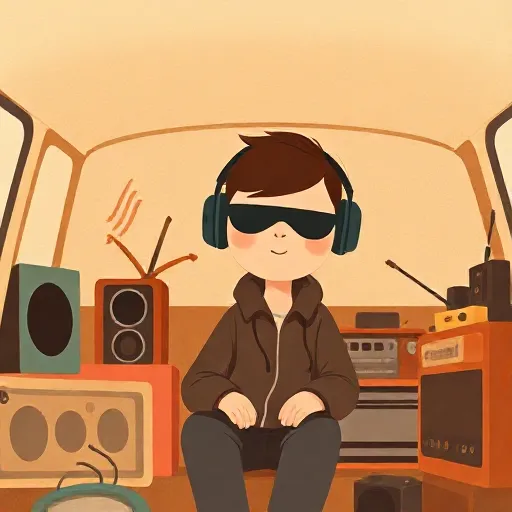
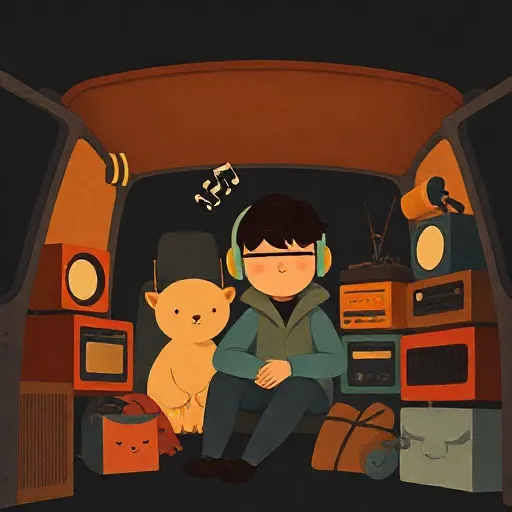
Is Disability a Medical Problem or a Social One?
Is a disability a flaw to fix, or does society create the real barriers? A debate about fairness, from blind detectives to bionic runners.
-
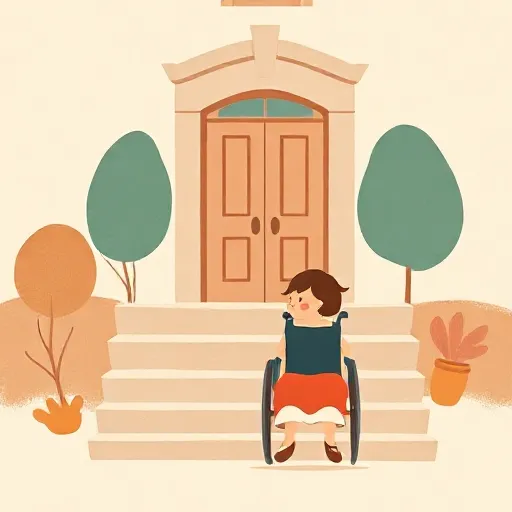
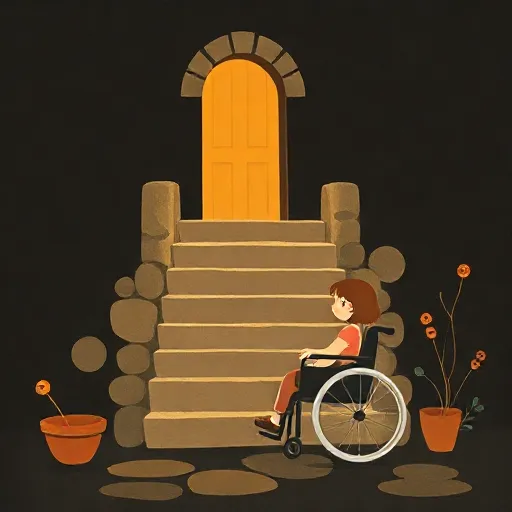
Is Disability in Your Body, or in How the World Treats You?
Is disability just a medical fact, or does society create it? Some say it’s built by ableism — invisible rules about which bodies matter.
-
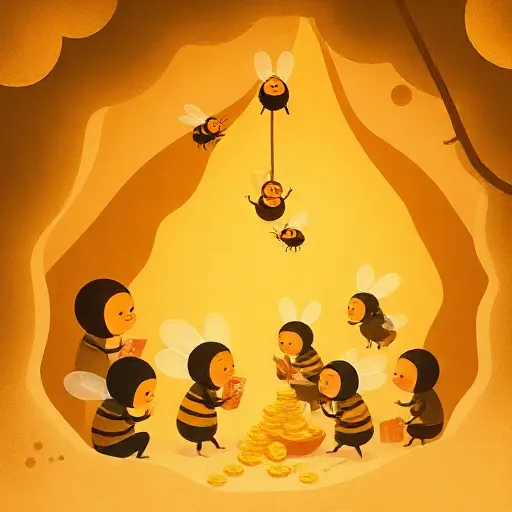
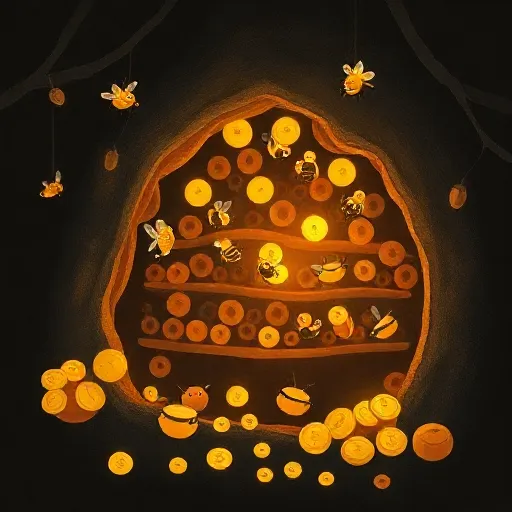
Is Everyone Secretly Selfish? Mandeville's Scandalous Claim
Can selfishness make society better? Mandeville's poem argued greed and vanity help cities thrive, sparking a fierce debate on whether virtue is real.
-
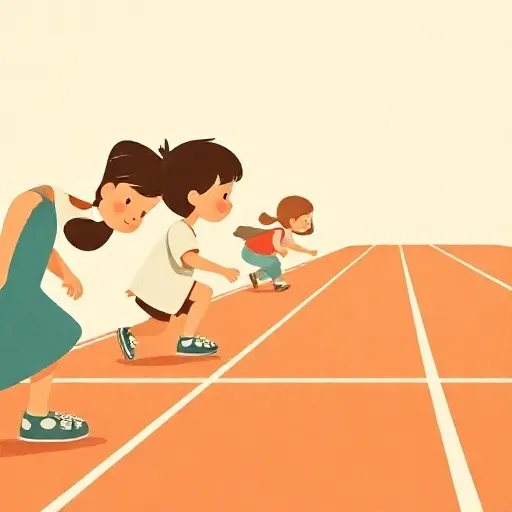
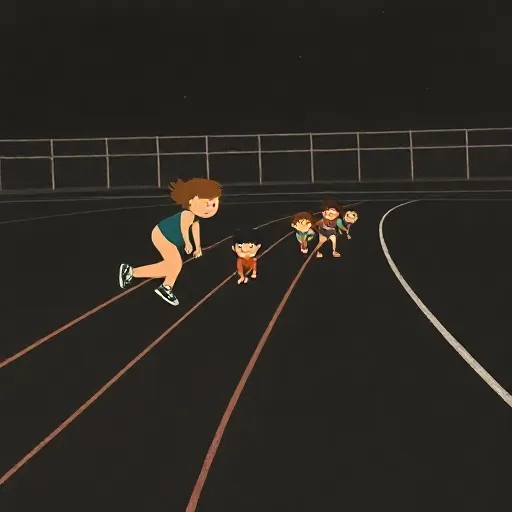
Is Everyone’s Starting Line Really the Same?
We say everyone deserves a fair chance. But does that mean no locked doors, or the same starting line? A debate that shapes every tryout and job interview.
-
Is Everything You Do Already Determined? Baron d’Holbach Said Yes
If everything is just matter in motion, can you choose your actions? Baron d’Holbach said no, but believed understanding your needs brings happiness.
-
Is Football a Religion? The Search for a Definition
Can football be a religion? It depends on defining 'religion,' once meaning keeping promises and sparking debate. The answer shapes how we treat fans.
-
Is Freedom Doing Whatever You Want? A Victorian Professor Said No.
T.H. Green thought true freedom meant using reason to become your best self, not just avoiding obstacles. His ideas still shape politics today.
-
Is Freedom Enough? Two Feminisms on Women’s Lives
Should the government make sure women have real choices, or leave everyone alone? Two ideas of freedom clash, shaping your life.
-
Is Freedom Just Being Left Alone, or Having Real Power to Act?
Is freedom just being left alone, or having real power to act? The answer shapes school rules, wealth, and your daily life.
-
Is Giving to the Poor a Kindness—or a Debt You Must Pay?
Is giving to the poor a kindness or a duty? Would you save a drowning child but ignore a faraway one? This puzzle makes us rethink helping.
-
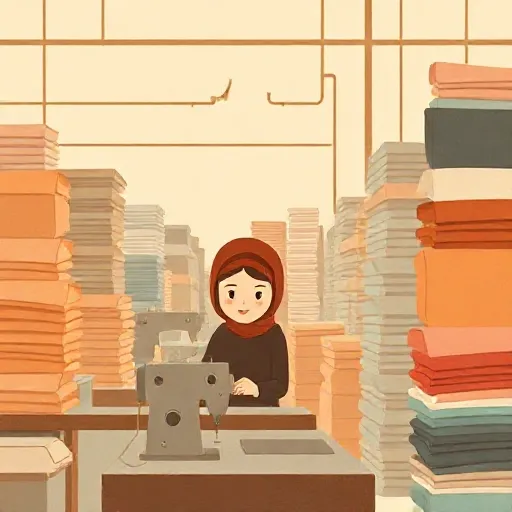
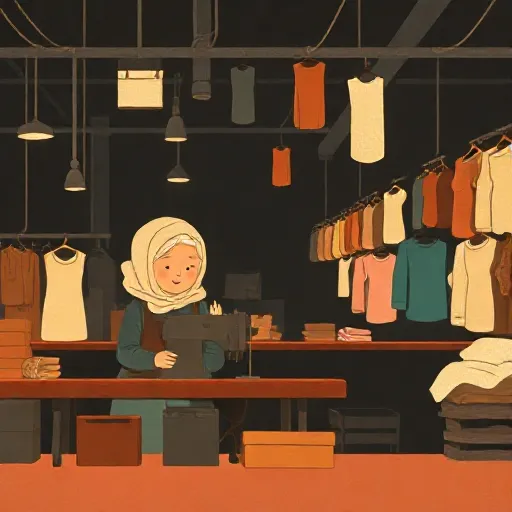
Is Global Trade a Raw Deal for Women?
Is global trade a raw deal for women? Many believe globalization helps the rich but punishes the poor, especially women. Can it be made fairer?
-
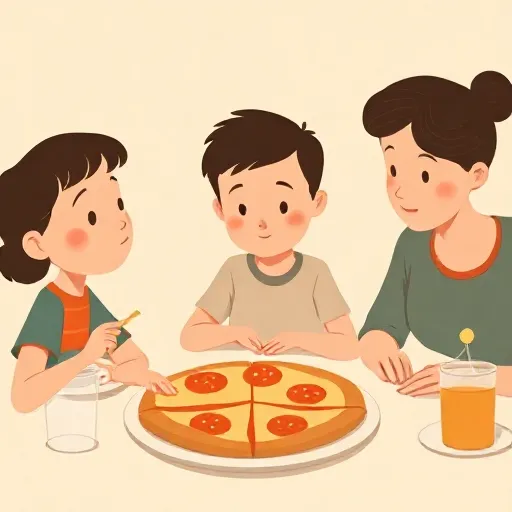
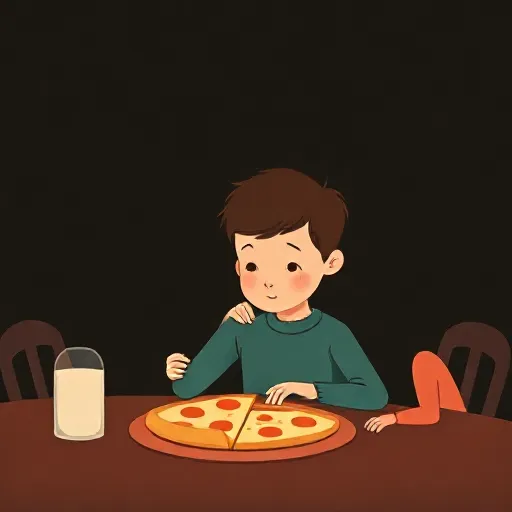
Is Goodness Real, or Just a Fancy Way of Saying ‘I Like It’?
Why do we say pizza is good? Is it just an opinion, or does goodness really exist? Dive into the debate that stumped Bertrand Russell.
-
Is Google Telling You the Truth, or Just What You Want to Hear?
Search engines promise to answer your questions. But what if they secretly shape your answers—and your world—without you knowing?
-
Is History a March Toward Freedom, or a Storm of Wreckage?
Enlightenment thinkers believed humanity was improving. Today, we question whether that story is true—or even dangerous.
-
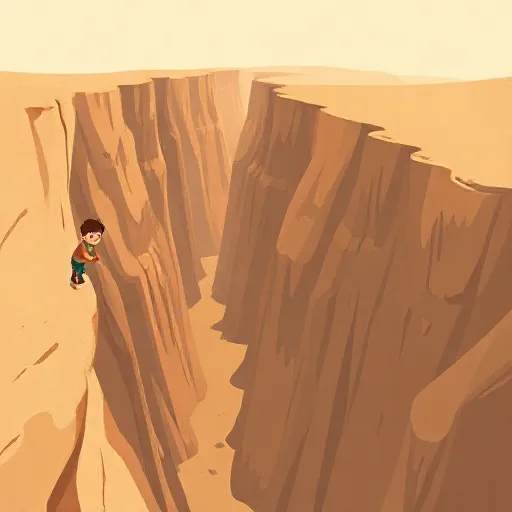
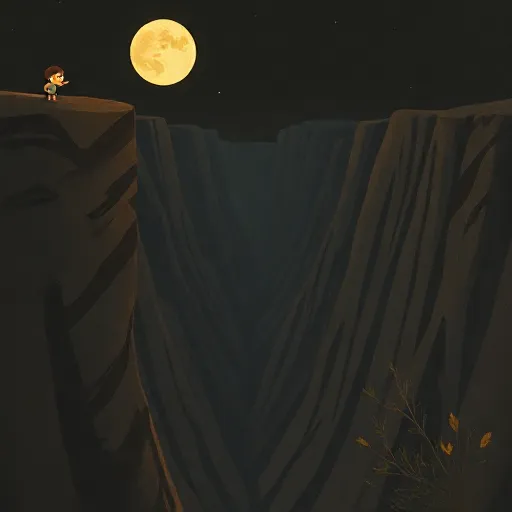
Is It Always Good to Be Loyal, or Can Loyalty Be a Trap?
Is loyalty always good? Sticking by someone can be brave, but sometimes it becomes a trap. Philosophers help us know when to stay loyal and when to quit.
-
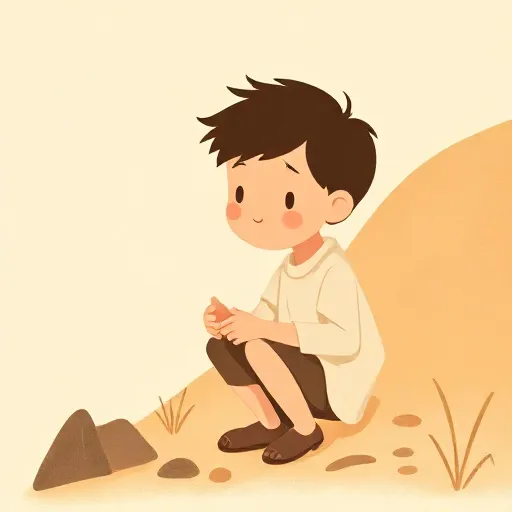
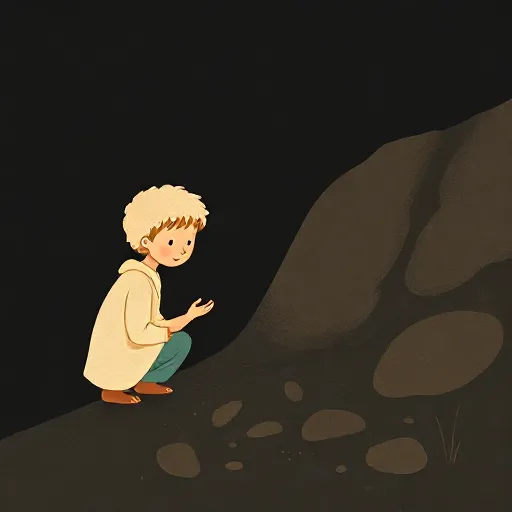
Is It Better to Be Just Even If No One Is Watching?
Glaucon said we'd all cheat if we had an invisibility ring. Socrates spent the whole Republic proving him wrong—by looking inside the soul.
-
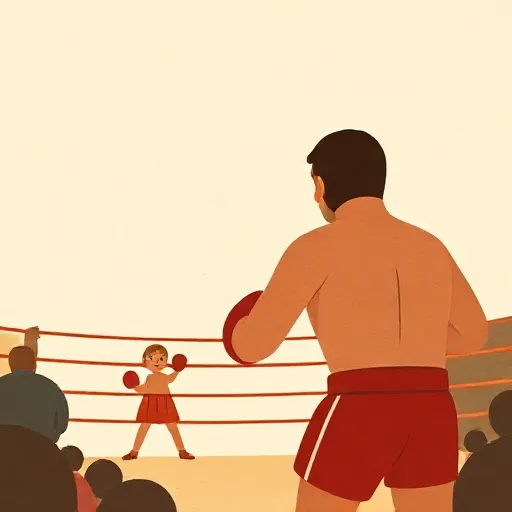
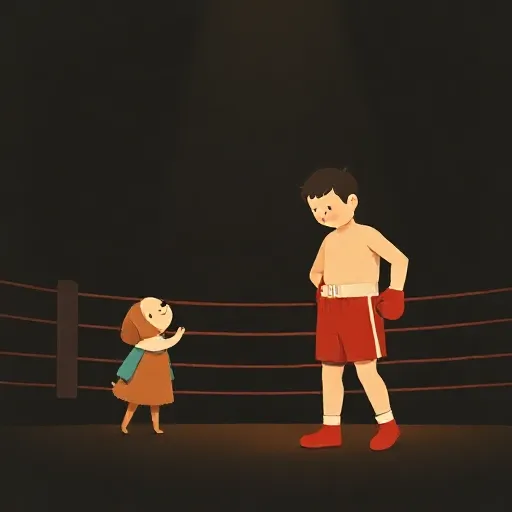
Is It Corruption If No Law Is Broken?
Is corruption only when officials break the law? Find out why a boxer who throws a fight shows corruption is really about secret deals and broken trust.
-
Is It Fair That Luck Decides Your Life?
If your advantages come from luck, not choice, can inequality be fair? This debate challenges what we truly deserve.
-
Is It Fair That Some Kids Start Life Richer Than Others?
Is it fair that some kids start life richer than others? Discover John Rawls’ thought experiment and the big debate about luck and fairness.
-
Is It Fair to Give Minority Groups Special Rights?
Is it fair to give special rights to minority groups? The debate involves identity, equality, and the fight to make sure everyone feels they belong.
-
Is It Fair to Make a Law Only Because Your God Says So?
Can a law be based on belief in God alone? Philosophers argue whether purely religious reasons are enough to justify rules that everyone must follow.
-
Is It Gratitude or Just Feeling Glad? The Hidden Difference
Is being glad it didn't rain the same as thanking someone? Find out the difference between a lucky feeling and real gratitude and if you owe anything back.
-
Is It Okay to Think Your Religion Is the Only True One?
Is it okay to think your religion is the only true one? Meeting smart, kind people who disagree makes this question real. Can we ever be sure?
-
Is It Really Good Just Because You Like It?
If you really like something, does that make it good? John Dewey says we should treat our desires like guesses and test them to find out.
-
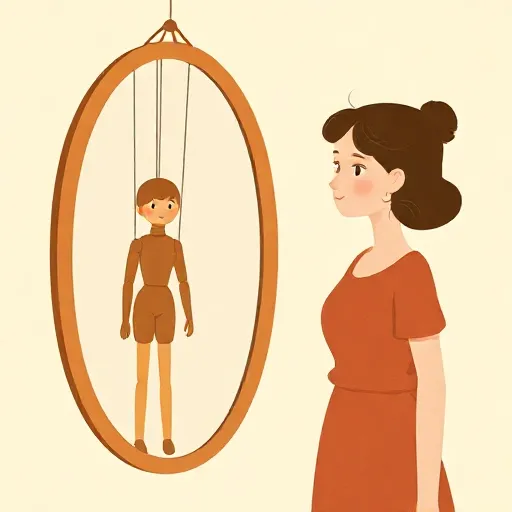
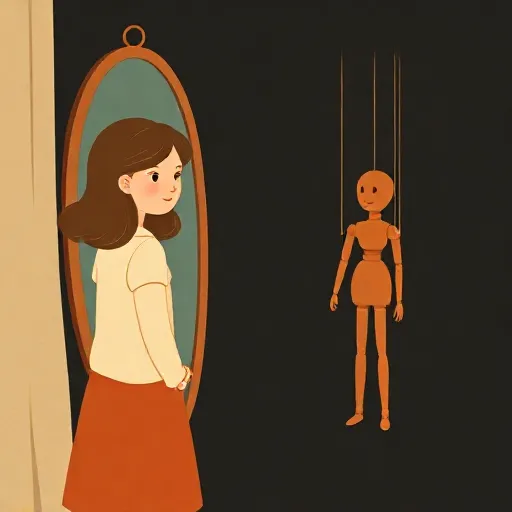
Is It Really Your Choice? When Oppression Sneaks Inside Your Head
When unfair rules sneak into your head, are your choices truly free? Why it matters for fairness and being yourself.
-
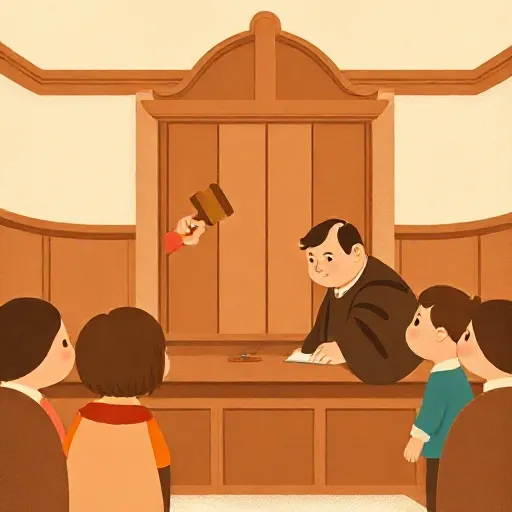
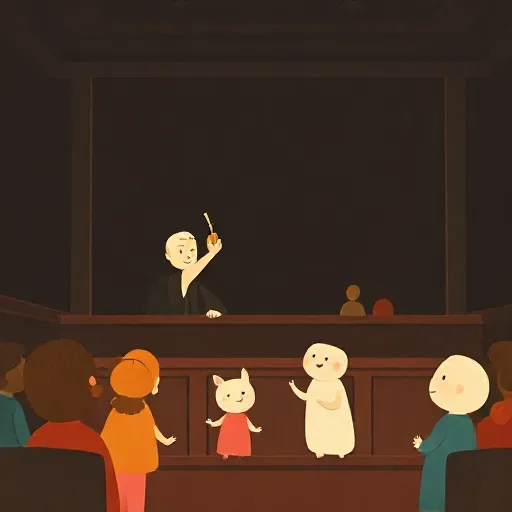
Is It Right to Make Criminals Suffer? The Big Debate Over Punishment
Is locking up lawbreakers fair? This article explores the big debate over whether punishment is about preventing crime or giving people what they deserve.
-
Is It Smart to Be Good? The Game That Traps Us All
Game theory reveals why cooperation often looks like a losing move—and why trusting each other is the one strategy that can save us.
-
Is It Wrong to Love Your Family More Than Strangers?
Godwin said impartial justice demands saving an archbishop over your own mother. Most people find that monstrous. The clash between fairness and love.
-
Is It Wrong to Profit from Someone’s Desperation?
When is it wrong to profit from someone’s desperation? Fair prices and exploitation: do bad situations or unfair attitudes make a deal unfair?
-
Is Law Just a Command from a Bully with a Crown?
If a law is just a boss's command with a threat, why do we have rules for making contracts? Exploring what turns a rule into a real law.
-
Is Law Just a Price Tag on Bad Behavior?
Economists say legal rules set the price for breaking them. But if that’s true, why do we ever obey a law when no one is watching?
-
Is Money Real? The Strange World of Social Things
How can money, laws, and teams be real when they only exist because we believe in them? This puzzle shows how shared ideas create the social world.
-
Is Morality Different for Boys and Girls? The 'Voice' Debate
Do boys and girls think about right and wrong differently? Some say girls care while boys follow rules. But is that true, or does it limit girls?
-
Is Patriotism a Virtue or Just a Dangerous Bias?
Is feeling pride when your country's flag goes up actually fair? Discover why philosophers can't agree if patriotism is a virtue or a dangerous bias.
-
Is Poetry Dangerous? Plato's Ancient Quarrel
Plato argued poems and speeches secretly train our emotions. Is he right? This old debate still matters when we watch movies or hear ads.
-
Is Race Real? A 300-Year-Old Fight Over an Idea That Won’t Go Away
Is race real or a made-up story? Explore how racial rankings were invented and why it matters if we keep or forget race labels.
-
Is Right and Wrong Just a Feeling? David Hume’s Shocking Idea
Can feelings, not logic, tell us right from wrong? David Hume's idea that morality comes from emotions still makes us rethink rules and fairness.
-
Is Taking Care of Your Family Real Work?
For over 150 years, thinkers have asked whether cooking, cleaning, and caring count as work — and why women still do most of it.
-

Is That Building Art? The Fight Over What Counts as Architecture
What makes a building architecture? Some say any built thing counts; others say only artistic ones do. Discover why this debate shapes the places we live.
-
Is the Only Job of a Company to Make Money?
Do companies exist just to make money, or should they also help workers, customers, and communities? The answer changes how they act and how you live.
-
Is the Voice That Says “Be Kind” Just Your Society Talking?
Adam Smith thought morality comes from imagining an impartial spectator. But if that spectator learns from your culture, can you ever be truly fair?
-
Is the Word "Evil" Dangerous, or Do We Need It?
When people do terrible things, we often call them evil. But some philosophers say that label causes more problems than it solves.
-
Is There a Pure Moment, or Is Everything Already a Trace?
Jacques Derrida argued that nothing is ever purely itself—not a moment, a secret, or a nation. His weird ideas still challenge us today.
-
Is There Any Good Reason to Follow the Rules? Kant’s Answer
When your freedom clashes with someone else’s, who decides the rules? Kant said it starts with the only right you’re born with — freedom itself.
-
Is Torture Ever the Right Thing to Do?
What makes something torture? And if a terrorist knows the location of a ticking bomb, could hurting him be the right thing to do? A live moral puzzle.
-
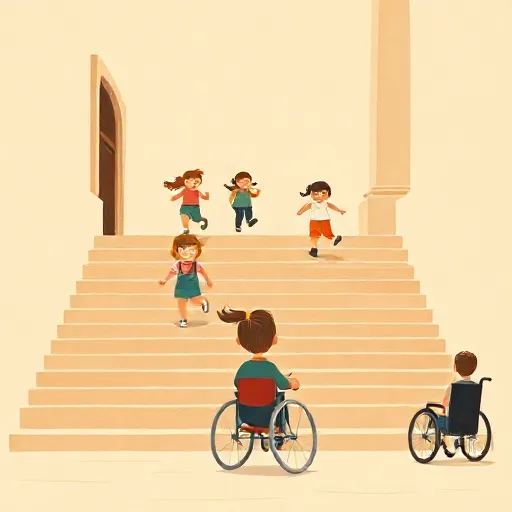
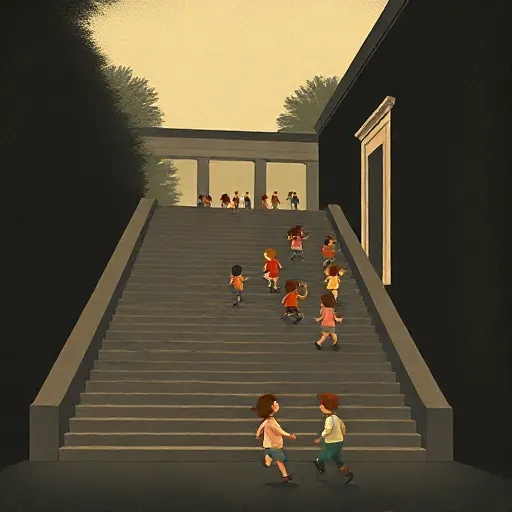
Is Your Body the Problem, or Is the World Just Not Built for You?
A staircase stops a wheelchair. Is the problem your legs or the stairs? This fight about what disability really means shapes laws, schools, and lives.
-
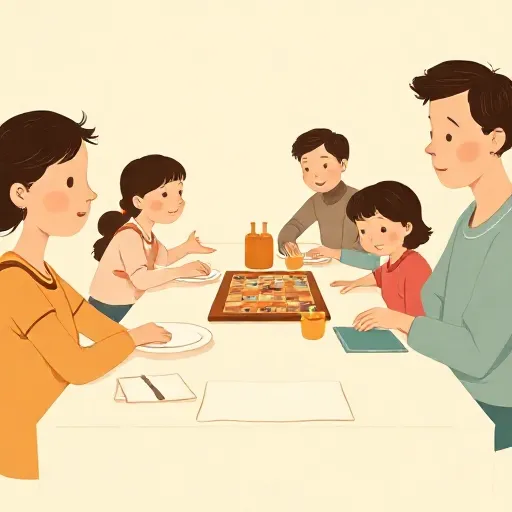
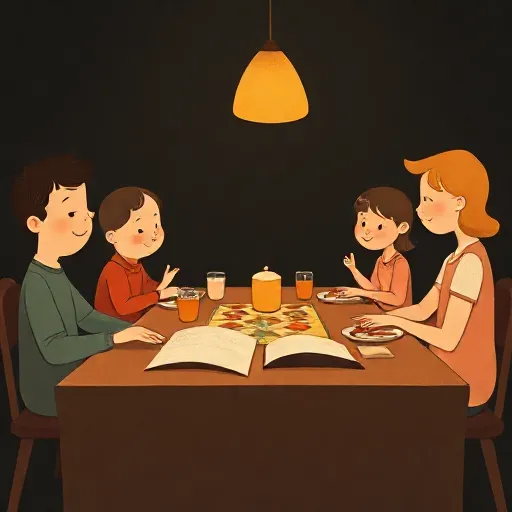
Is Your Family a Private Club or a Mini-Government?
Is your family a private club or a mini-government? Feminist thinkers say rules about chores and care are shaped by money and laws, not just love.
-
Is Your Friend Just Being Friendly — or Pulling Your Strings?
How can you tell friendly persuasion from manipulation? Spot the signs to know when someone is respecting your choices.
-
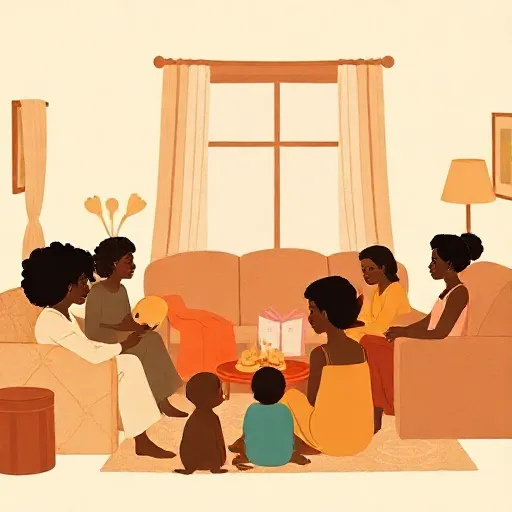
Is Your Identity a Key or a Cage?
Some say embracing your group identity unlocks power and pride. Others warn it locks you into old labels. Philosophers have argued this since the 1970s.
-
Is Your Inner Voice a Truth-Finder, or Just Your Parents Talking?
Is your inner moral compass truly pointing north, or just echoing your parents' rules? The answer changes how we treat each other every day.
-
Is Your Job Stealing Who You Really Are? Marx’s Big Idea
Marx said modern work separates you from your creativity, your friends, and even your own humanity. A fiery 19th‑century idea that still hits home.
-
Is Your Life Measured by What You Have — or What You Can Do?
Sen and Nussbaum say real freedom — not money or happiness — is the true measure of a good life. That shift has reshaped global justice and poverty action.
-
Is Your Real Self Bigger Than You Think?
Is your real self connected to everyone else? A philosopher thought so, and his ideas changed how we think about freedom and community.
-
Is Your Summer Job Making You Who You Are?
Is work just about money, or does it change who you are? This question matters because your summer job might be more than earning cash.
-
Is Your Town Just a Bunch of Private Lives?
Every community has a common good — something that holds it together. But what exactly is it, and why does it matter more than just following the rules?
-
Is Your Will a Captive Horse? Luther’s Radical Answer
Luther compared your will to a horse steered by God or Satan. If God knows your future, can you truly choose? Still raises tough questions about freedom.
-
Louis Althusser and the Hidden Code Inside Marx’s Books
How did Althusser find Marx's hidden ideas? He read in a new way, showing that even great thinkers miss their own best thoughts.
-
Minds Have No Sex: A 17th-Century Priest’s Radical Idea
A 1673 book argued women are as rational as men, using Descartes’ new method. Why François Poulain’s ideas still make us question hidden bias.
-
Moses Mendelssohn’s Big Question: Can Reason Prove God?
Can logic prove God exists? Moses Mendelssohn argued for an immortal soul and a divine creator. His story shows faith and reason can be friends.
-
Should a Prisoner Be Punished Even If It Helps Nobody?
When a criminal can't hurt anyone again and a trick would still scare others, should we still lock him up? The fight over what punishment is really for.
-
Should a Ruler Be Good, or Just Powerful? Machiavelli’s Tough Question
Should a ruler be good or just powerful? Machiavelli shocked the world by saying power often matters more. His idea still makes us argue today.
-
Should Everything Have a Price? The Great Market Debate
Can money buy everything, even friendship or body parts? Markets make things but can hurt dignity and bonds. This question shapes our lives.
-
Should Justice Be the Same for Everyone, or Fit the Community?
Liberals say fairness is a math problem for all. Communitarians say it grows from your neighborhood, family, history. A debate that shapes your life.
-
Should Kids Have the Same Rights as Adults?
Do kids have rights? Two views clash: rights as choices vs. rights as protections. This debate shapes how kids are treated daily.
-
Should Leaders Do What You Say, or What They Think Is Right?
Should your representative vote as you want, or use their own best judgment? The delegate vs. trustee debate shapes elections and how your voice is heard.
-
Should Leaders Ever Keep Secrets from the People?
Should leaders keep secrets? Some say unfair plans can't be talked about openly. But others think secrecy helps do good. This puzzle never goes away.
-
Should Science Be One Big Theory, or a Thousand Different Ones?
Should all science fit into one giant theory, or do we need many models? This debate shapes climate science and who gets to decide what's true.
-
Should the Government Tell You What to Eat?
When can the government tell you what to eat? See why health rules cause arguments about freedom and fairness.
-
Should the State Make Sure Everyone Has Someone to Love?
Philosophers argue that love, friendship, and care are not just nice extras — they might be things everyone is owed. Here's why.
-
Should We Always Help the Saddest Person First?
A philosopher wondered why we feel a pull to help his sick child more than his healthy one. The answer changed how we think about fairness.
-

Should We Use Genetics to Improve Our Children?
Early eugenics was disastrous. Now tests let us screen embryos for disease and traits. Is this different? A heated debate.
-
Should You Be Allowed to Sell Your Kidney?
Selling a kidney could save a life and pay for college. Philosophers clash over whether we should allow it — and what fair rules would look like.
-
Should You Be Forced to Wear a Helmet? The Puzzle of Paternalism
Is forcing someone to wear a helmet caring or just bossy? Explore the puzzle of paternalism and the balance between safety and freedom.
-
Should You Be Your Own Boss, No Matter What?
Max Stirner said you should answer to no one — not the law, not morals, not even your own promises. His wild idea still shakes up philosophy.
-
Should You Chase Happiness, or Something Harder?
Pleasure feels great, but do the best lives aim higher? A guide to perfectionism, a bold idea about what we owe ourselves and our society.
-
Should You Learn from Books or the World?
Should you trust books or your own eyes? A brave friar went to prison for saying real knowledge comes from looking at the world yourself.
-
Should You Trust Your Gut Feelings About Right and Wrong?
Is your gut feeling about fairness always right? Discover how philosophers balance strong feelings and principles to figure out what's truly fair.
-
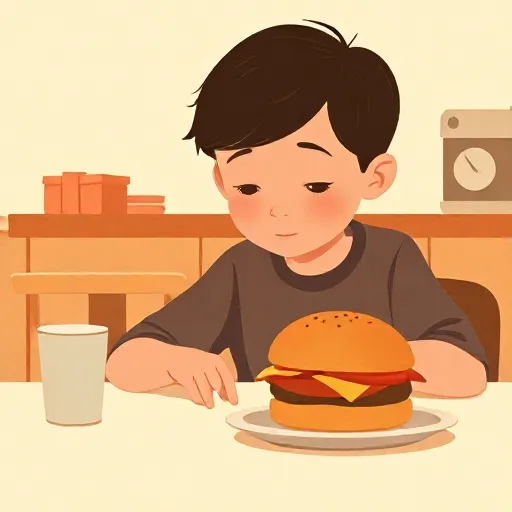
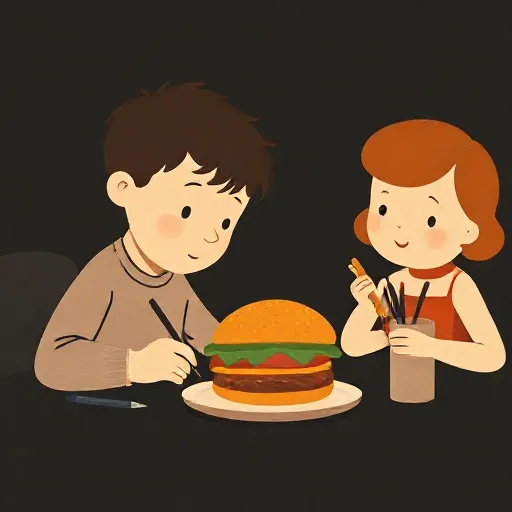
Should Your Burger Make You Feel Guilty?
Some philosophers say eating meat is wrong because of how animals are raised and killed. Others say your plate isn’t that simple.
-
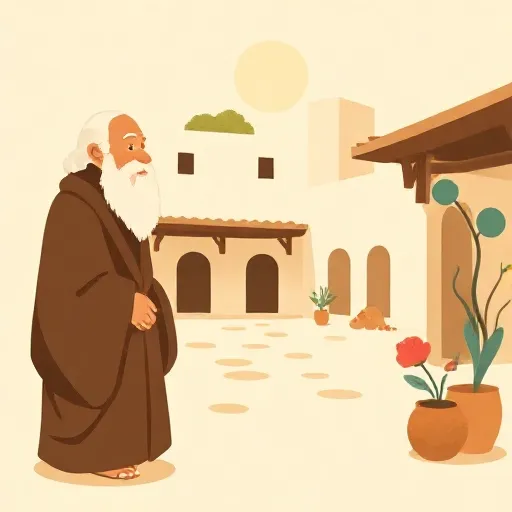
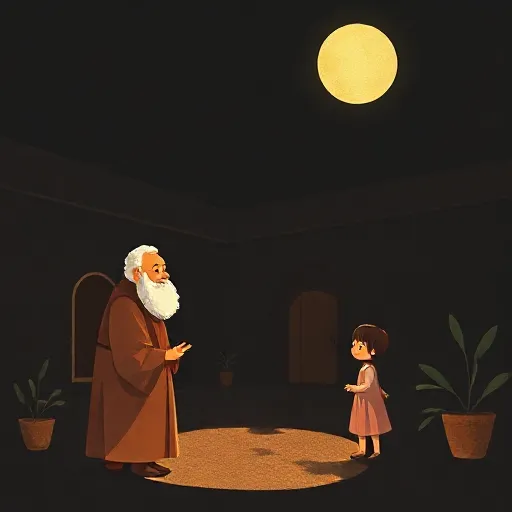
Socrates Hated Books. What Would He Think of Your Smartphone?
Socrates distrusted writing. Now phones keep secrets and make choices. Can a machine ever be a true friend or act morally?
-
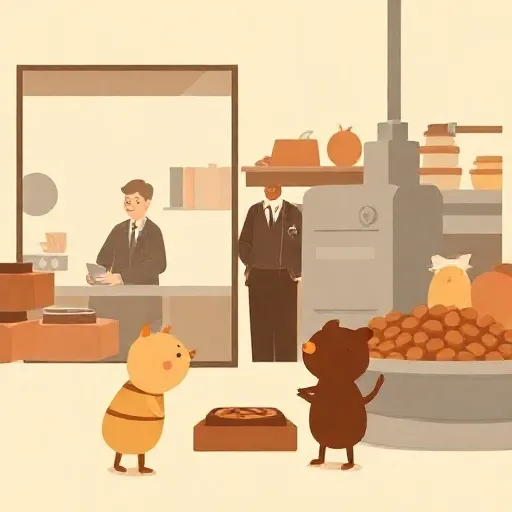
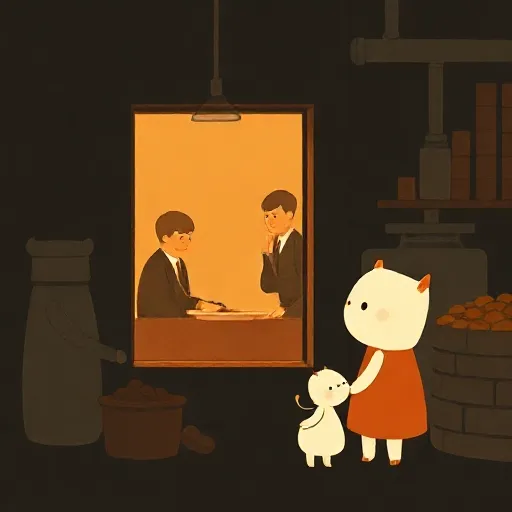
The Boss’s Office and the Factory Floor: What Makes an Economy Fair?
Who should own factories and tools? Capitalism says private owners; socialism says everyone. Why does this matter for fairness and freedom?
-
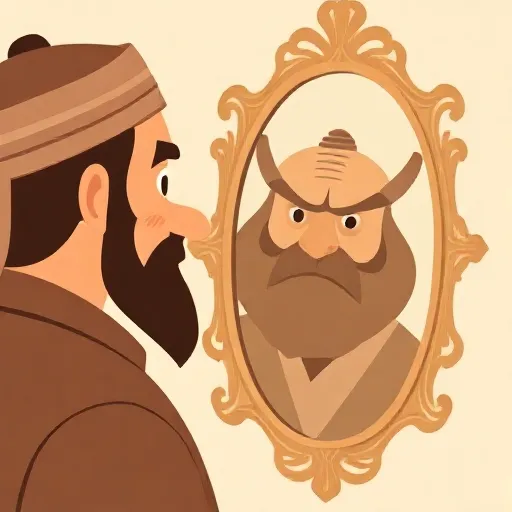
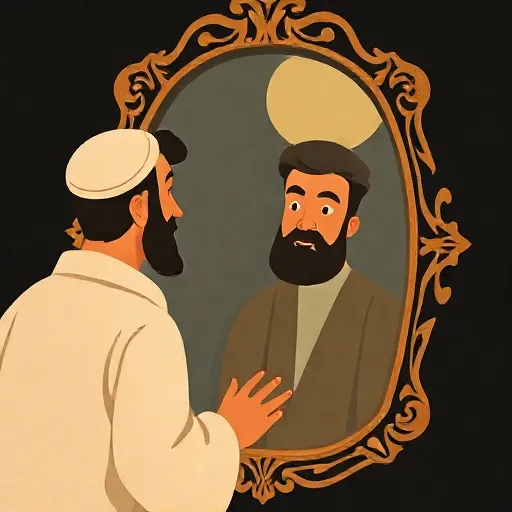
The Enlightenment Genius Who Couldn’t See His Own Cruelty
Montesquieu fought against cruel kings but ruled his own house with fear. How could he not see it? A story about power, people, and not knowing ourselves.
-
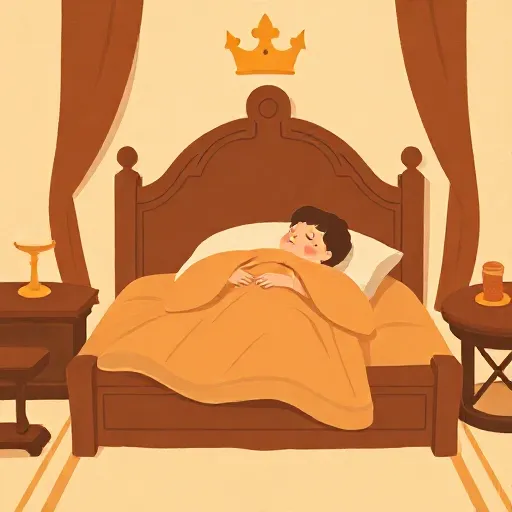
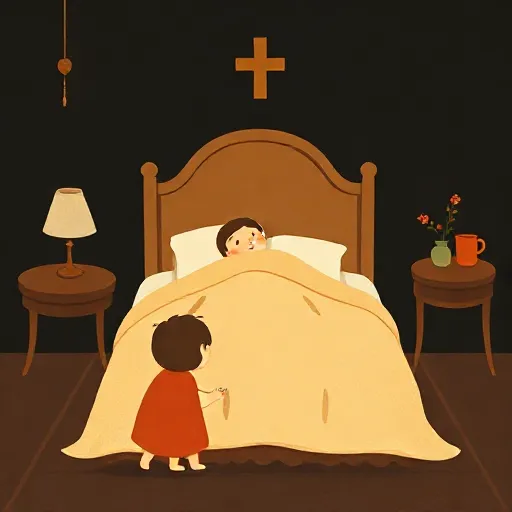
The King Is Dead; Long Live the King! What That Really Means
What does 'The king is dead; long live the king' mean? It reveals the strange idea of sovereignty, where power lives on even after rulers die.
-
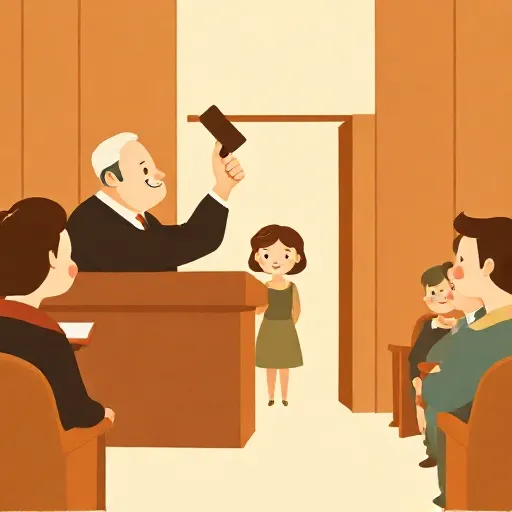
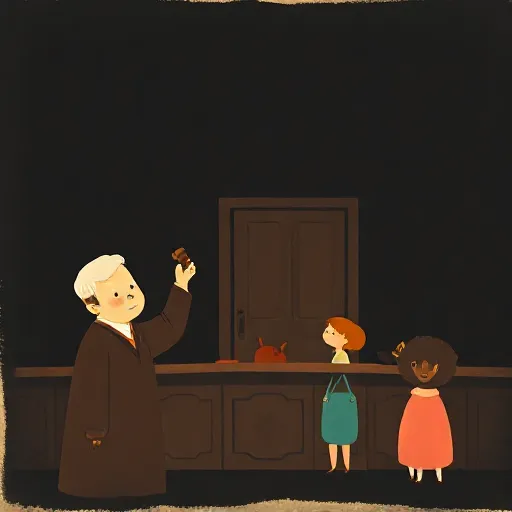
The Law Says Everyone’s Equal. So Why Doesn’t It Feel That Way?
Laws claim to treat everyone equally, but sometimes they still feel unfair. Discover why rules about work, family, and safety often fail women.
-
The Philosopher Who Hid His Deepest Ideas in Plain Sight
Al-Fārābī tried to unify all knowledge—logic, math, music, politics—but did he hide his true views from the public? A 10th-century mystery.
-
The Philosopher Who Put 'Order and Progress' on a Flag
Why does Brazil's flag say 'Order and Progress'? It's from a man who thought science could run society better than kings. His idea sparked fierce debates.
-
The Philosophy That Says You Are a "Someone," Not a "Something"
Why a group of thinkers argued that each person has absolute worth and cannot be replaced. Personalism’s fight against being treated like an object.
-

The Right to Be Let Alone—And the Fight Over What It Means
What is the 'right to be let alone'? Is it about secrets, your body, or choices? See why an old debate still matters online.
-
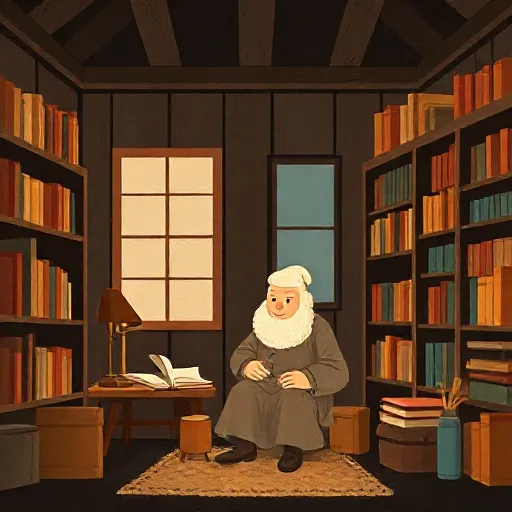
The Scholar Who Believed Ancient Philosophy Could Heal a Broken Europe
Lipsius reworked Stoicism into a survival guide for a war-ravaged Europe. He said reason can quiet fear — but his political advice caused uproar.
-
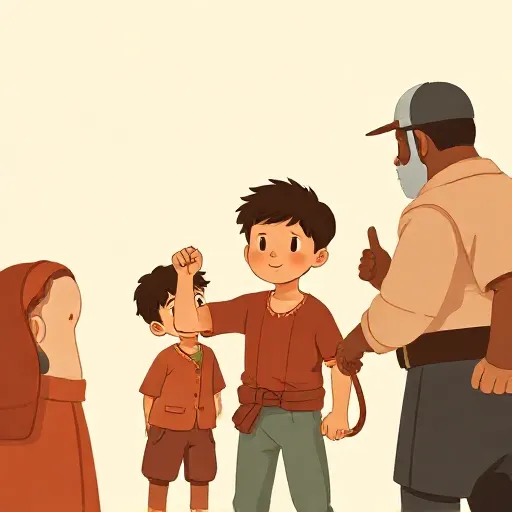
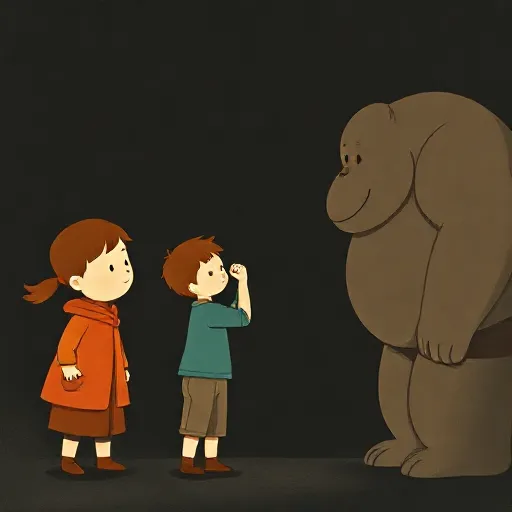
The Slave Who Demanded to Be Seen as a Human Being: Frederick Douglass
Why is slavery wrong? Frederick Douglass argued it strips people of their humanity. His fight for dignity still shapes our ideas of freedom.
-
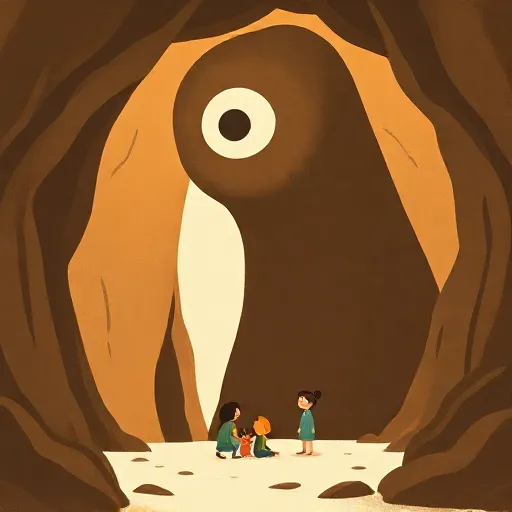
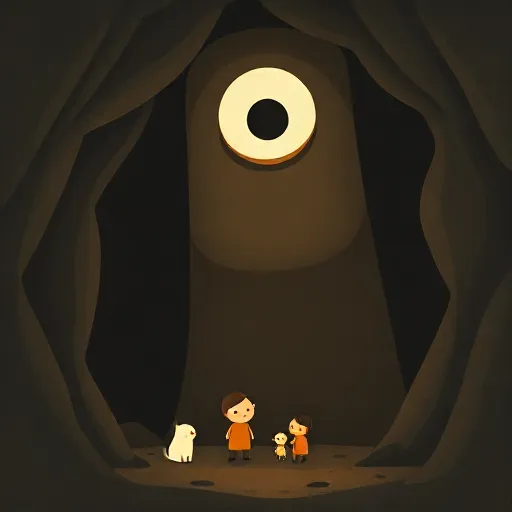
Trapped in a Giant's Cave: Is That Really Peace?
Is peace just no fighting? Discover why real peace needs fairness and safety. Can force ever protect peace?
-
We Swore We’d End Our Lives If Life Had No Meaning
Jacques and Raïssa Maritain made a desperate pact. Their search for meaning led them to a philosophy where some truths are known without words.
-
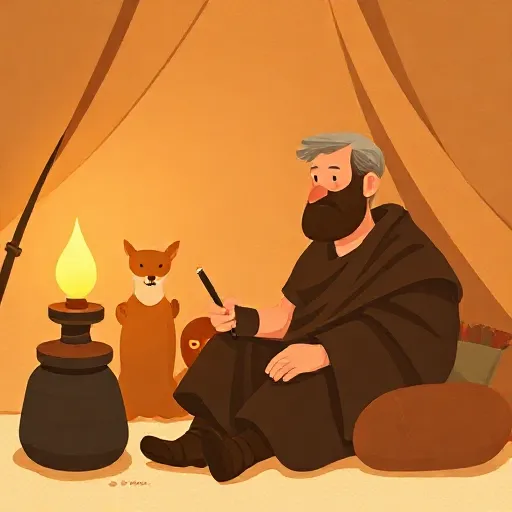
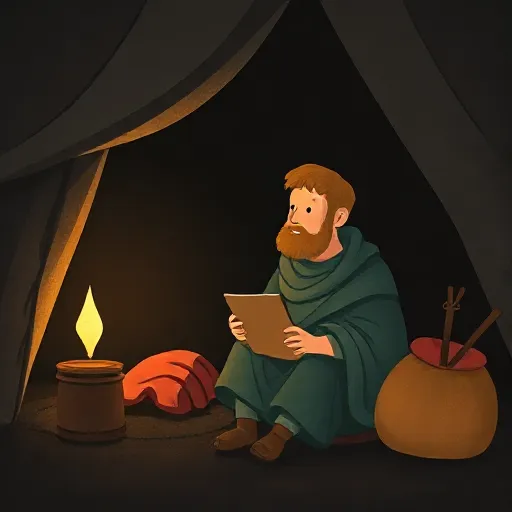
What a Roman Emperor Can Teach You About Handling Bad Days
How did a Roman emperor handle anger, fear, and unfairness? His private journal still offers practical tricks for staying calm.
-
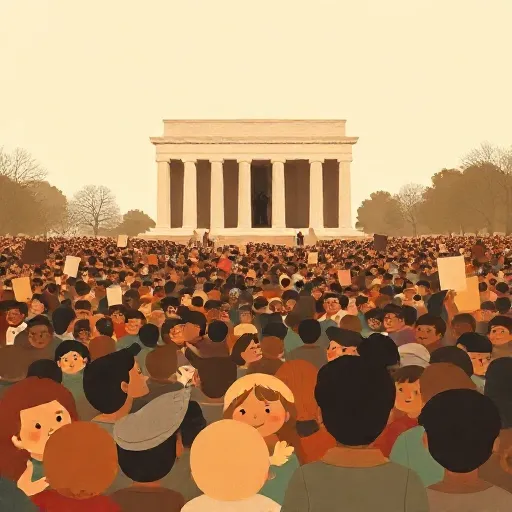
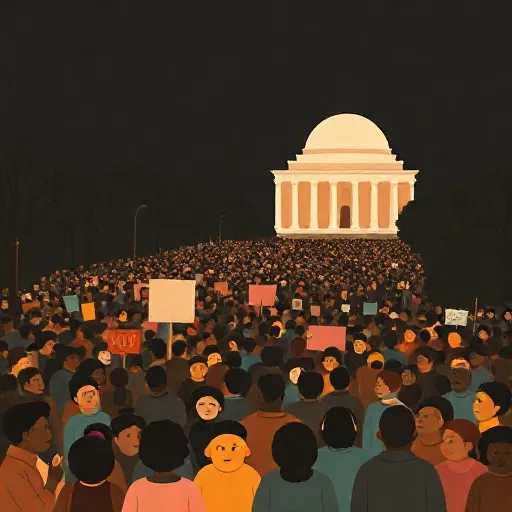
What Are Civil Rights, and Why Do They Keep Changing?
Civil rights used to mean freedom after slavery, later fighting discrimination, and now basic needs like clean water. Why does the meaning keep changing?
-
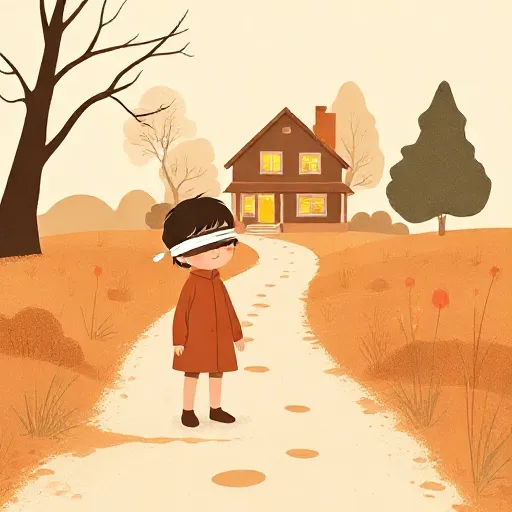
What Do We Owe One Another? The Fight Over a Social Minimum
If you didn’t know your future, what safety net would you demand? Philosophers argue about what counts as a decent life and who should pay for it.
-
What Do You Know? Montaigne and the Art of Doubting Yourself
Montaigne said we should test our opinions like trying on clothes. His essays still teach us to think for ourselves without getting stuck.
-
What Do You Owe a Stranger 5,000 Miles Away?
If a child was drowning right in front of you, you'd help. But what if they're on another continent? Philosophers argue about how far our duties reach.
-
What Does It Mean to Fight for Women? The Philosophy of Feminism
Feminism isn't just a protest sign — it's a philosophy that asks tough questions about gender, power, and who counts as 'woman'.
-
What Does It Really Mean to “Have a Right”?
What makes a right a right? Is it a shield, a permission, or a special power? Philosophers break it down into four invisible shapes that shape your life.
-
What Does It Really Mean to Pay Attention?
Simone Weil worked in a factory, saw how force turns people into things, and argued that paying real attention is the most radical act you can do.
-

What Does It Really Mean to Respect Someone?
Kant said all persons have dignity, but do we really owe respect to everyone, even bullies? A friendly guide to a big idea that shapes how we treat others.
-
What Gives You the Right to Say "I Have a Right!"?
What does it really mean when you say 'I have a right'? Discover the four building blocks of rights and why a big debate decides who gets them.
-
What Happened When Marxists Declared War on Bullshit?
Why did some Marxists start a war on nonsense? They wanted to make Marxist ideas clear and testable, leading to surprising insights.
-
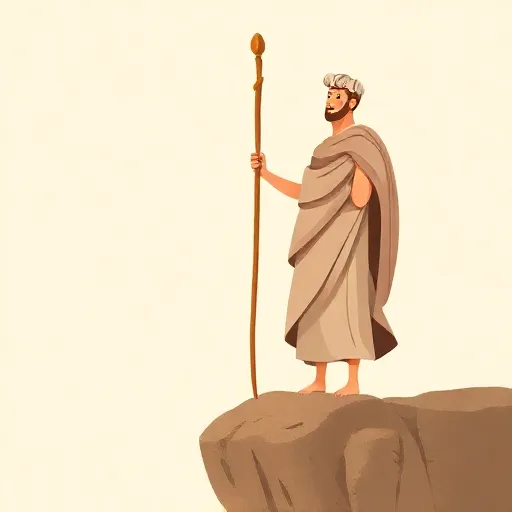
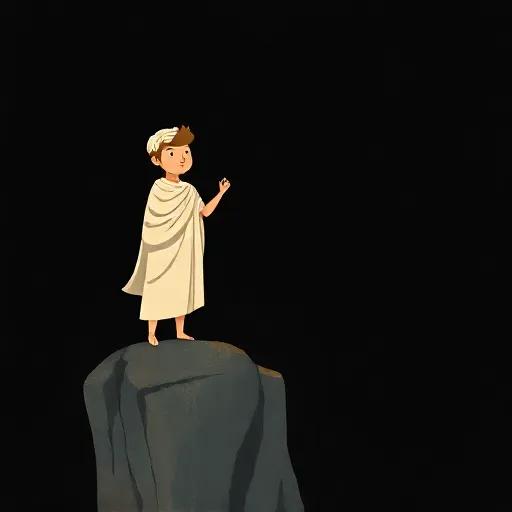
What Happens If You Stick Your Hand Beyond the Edge of the Universe?
What if you could reach beyond the universe? Archytas said you always can, so the universe has no boundary. An idea that still amazes.
-
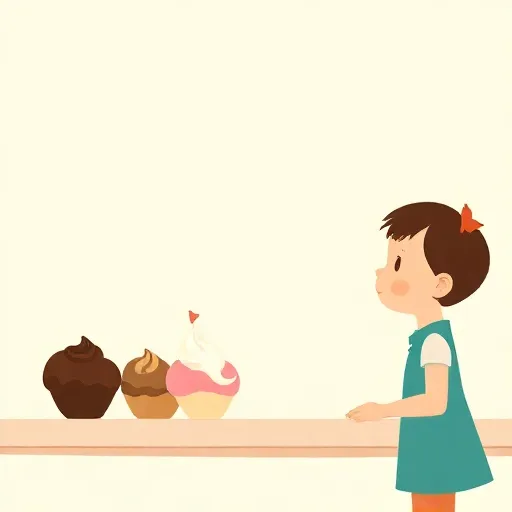
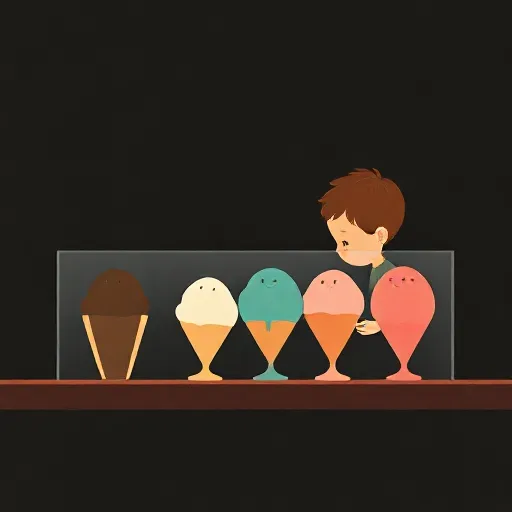
What Happens When Your Wants Loop Back on Themselves?
Your wants can clash like a game of rock-paper-scissors. Could that trick you into bad decisions? And what are preferences anyway?
-
What If Being "Reasonable" Made You Less Free?
Can being too rational make us blindly follow leaders and forget freedom? A philosopher's warning about the dark side of reason.
-
What If God Is Nature and Nothing Else? Spinoza’s Scandalous Idea
Spinoza argued that God is the universe itself, with no miracles or free will. Why was this idea so shocking, and how can it bring peace?
-
What If Laws, Not People, Ruled the Kingdom?
Can a kingdom survive with laws instead of kind rulers? Ancient Chinese Legalists said yes, with a system of rewards and punishments. Their debate matters.
-
What If No Single Story Explains the Whole World?
What if no single story explains everything? Old big stories have lost power. Now many small ones clash, making us free but unsure what's fair.
-
What If No Voting System Could Be Completely Fair?
Is perfect fairness possible in voting? Discover why every system has a hidden flaw that can lead to strange loops and no clear winner.
-
What If One Simple Idea Could Explain Everything You Know?
Could one idea explain everything? Rosmini thought so: the idea of 'being' is needed for all thought and gives us dignity. Why does it still cause debate?
-
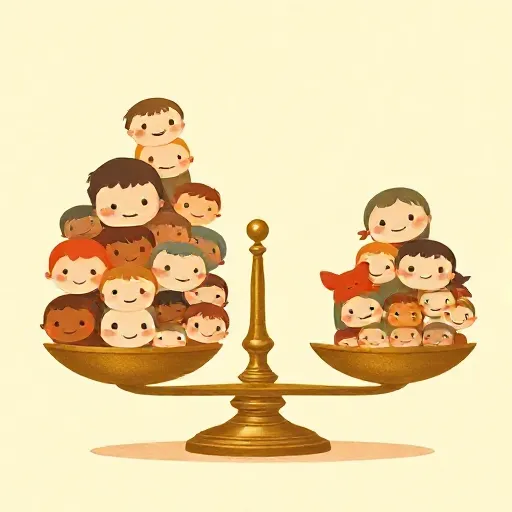
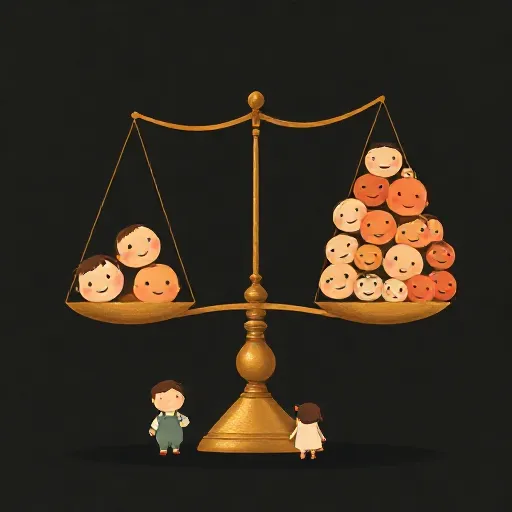
What If the Only Thing That Matters Is Happiness?
Should we always do what makes the most people happy? Bentham said yes, but then what about promises and punishing the innocent?
-
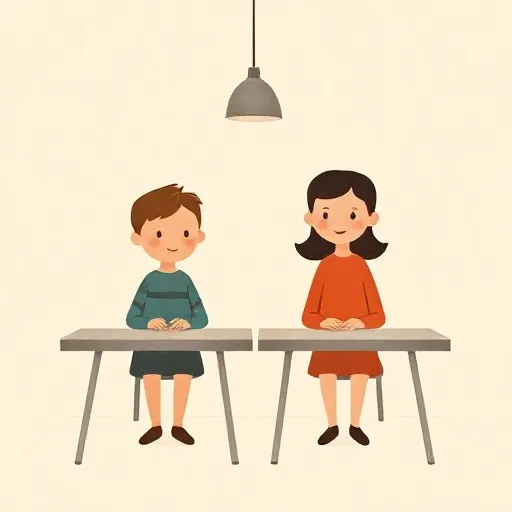
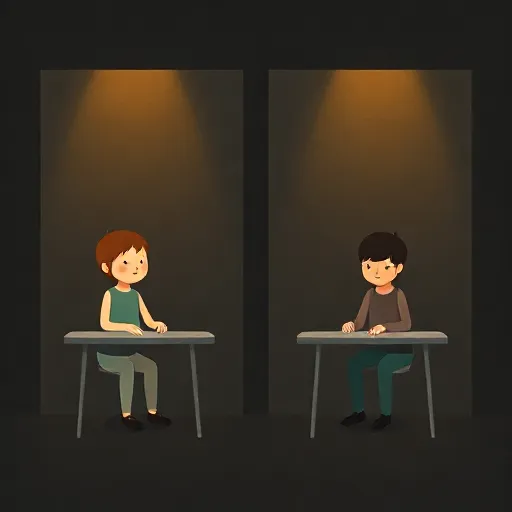
What If the Smartest Move Makes Everyone Lose?
Two prisoners face a choice. Logic pushes both toward the worst outcome. Game theory explains this trap—and shows how we escape it in real life.
-
What If the Smartest People Ruled the World?
Meritocracy promises power and rewards based on talent and hard work. But what counts as merit, and is that really fair?
-
What If Women Could Be Sea‑Captains? Margaret Fuller's Challenge
Margaret Fuller asked: What if women could be anything—even sea-captains? Her bold ideas about women's potential sparked a debate that continues today.
-
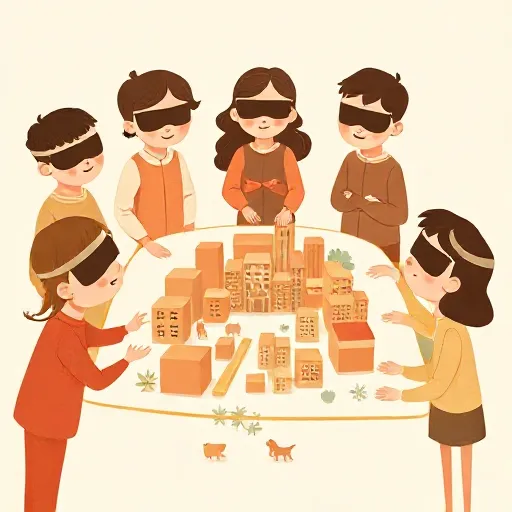
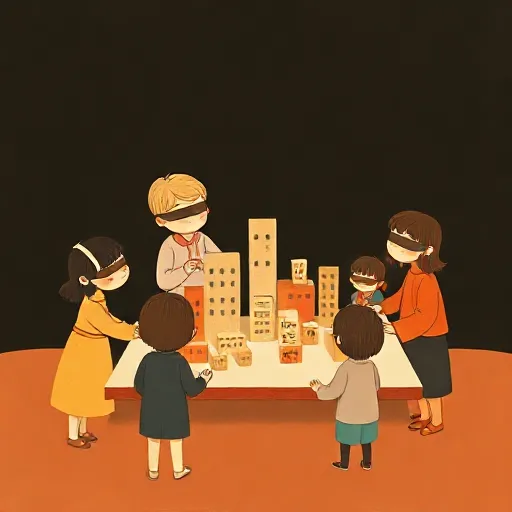
What If You Had to Design Society Without Knowing Who You'd Be?
John Rawls asked: if you didn't know your gender, race, wealth, or talents, what rules would you choose? His answer changed how we think about fairness.
-
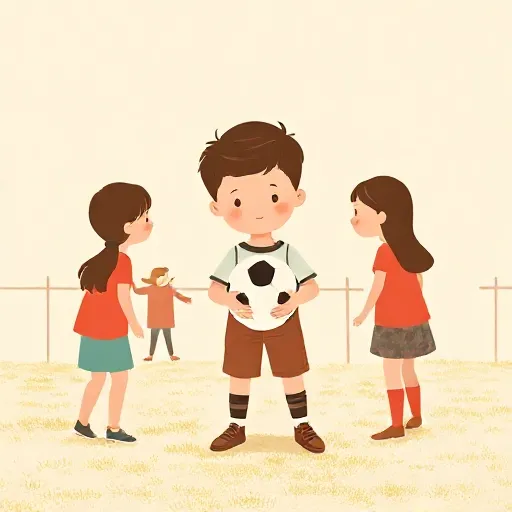
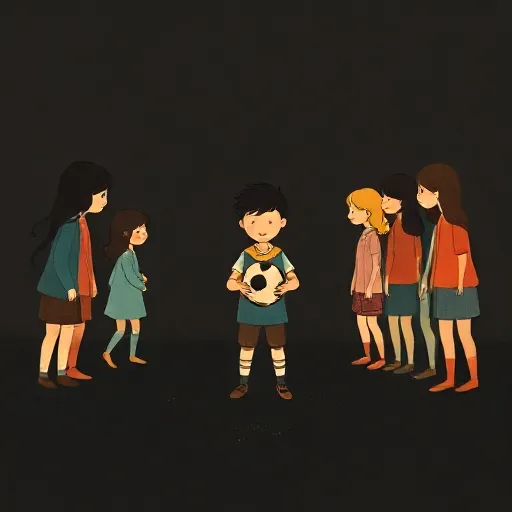
What If You Had to Justify Your Actions to Everyone on Earth?
What if you had to find rules that everyone on Earth could accept? Contractualism says an act is wrong if it would be banned by all such rules.
-
What If Your Feelings Created All Your Values?
Alain Locke argued that values come from feelings, not logic, and that cultures should be understood, not judged. His ideas changed art and race forever.
-
What Is Discrimination? More Than Just Different Treatment
Why is discrimination more than just different treatment? Explore the hidden ways it creates unfair disadvantages.
-
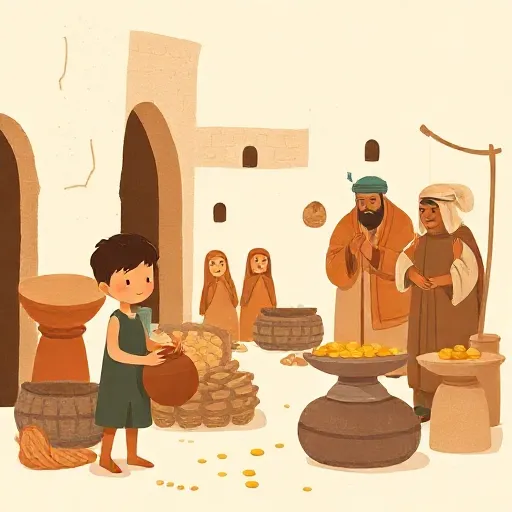
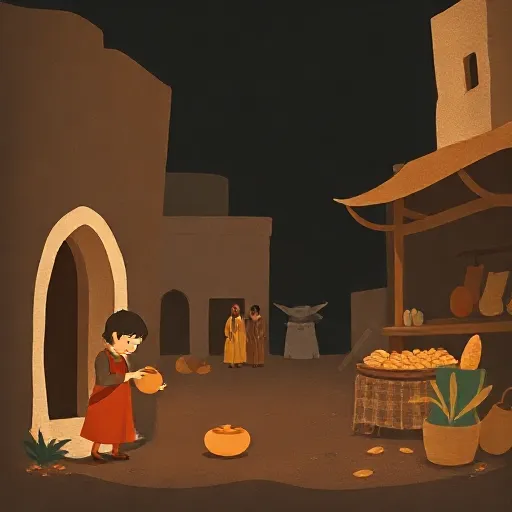
What Is Money, Really? A Coin, a Promise, or a Shared Dream?
Is money a real thing like gold or just a promise everyone trusts? The answer changes how we understand prices, banks, and digital money.
-
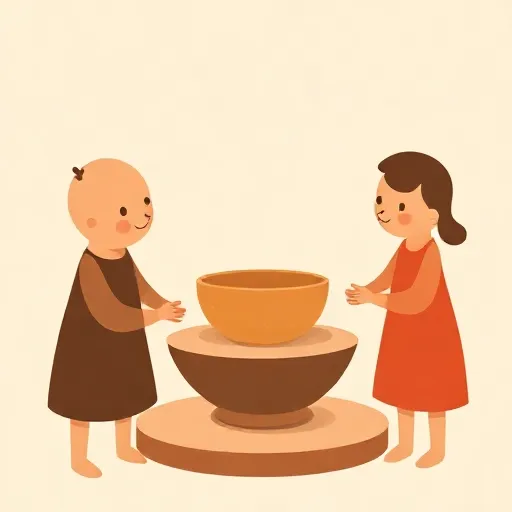
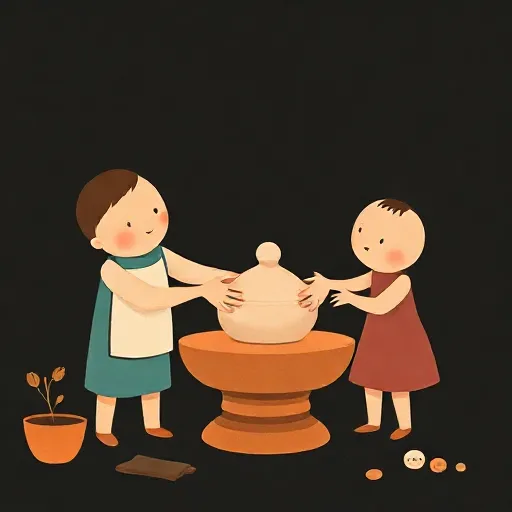
What Makes a Government Just? Aristotle’s Answer
What makes a government just? Aristotle thought it should help all citizens live well, not just help the rulers. His ideas still shape our thinking.
-
What Makes a Government Just? The Ancient Greek Debate
What makes a government fair? Two thousand years ago, ancient Greeks argued about justice and who should rule. Their ideas still matter today.
-
What Makes a Law a Law? Power, Rules, or Justice?
Is a law just a command backed by power, or must it be fair? This debate shapes when we follow rules—or challenge them.
-
What Makes a Marriage? Promises, Love, or the Law?
From Plato’s shared spouses to today’s same-sex marriage fights, philosophers ask what marriage is, who decides its rules, and why the state gets involved.
-
What Makes a Nation? A Shared Past or a Daily Choice?
What is a nation? Is it shared history or a daily choice? This idea still affects wars, borders, and who we think we are.
-
What Makes a Theory Scientific? Karl Popper’s Falsification Game
Popper watched Einstein risk everything on a single test, while Freud and Marx never could be proved wrong. He argued that science is about trying to fail.
-
What Makes Hope Different From a Wish? The Surprising Answer
Hope feels like wanting something and thinking it's possible, but it's more than that. Discover the surprising difference and whether hope is always wise.
-
What Makes Rape a Crime Against All Women?
Feminists say rape isn’t just a violent act against one person—it’s a weapon of power that harms whole groups. Here’s why.
-
What Makes Your Culture Yours — and What Can You Demand for It?
When a culture asks for special rules, who decides if that's fair? Four different pictures of culture — and the battles they fuel.
-
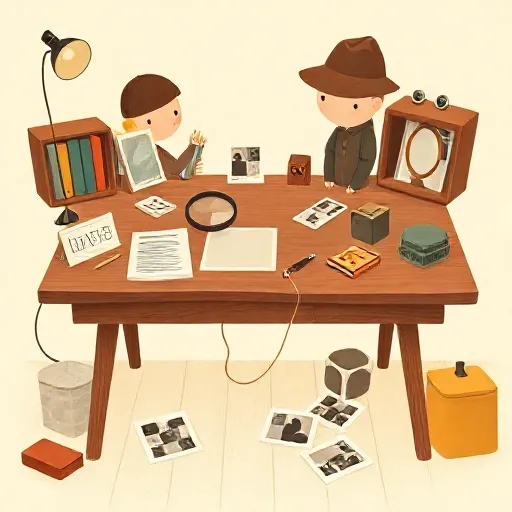
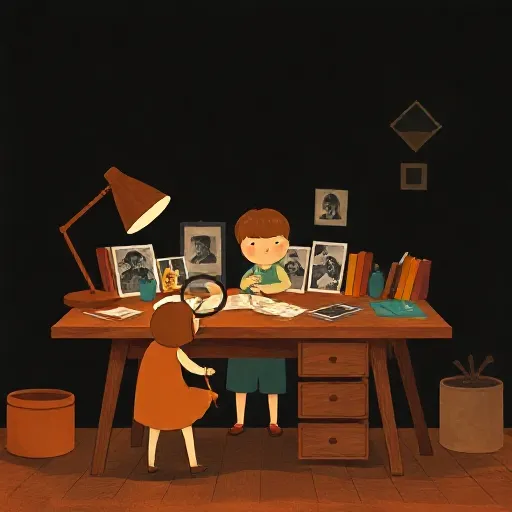
What Really Happened? The Puzzle of the Past
Why did Rome fall? Historians piece together clues, but they also choose what to include and how to tell the story. Can we ever really know the past?
-
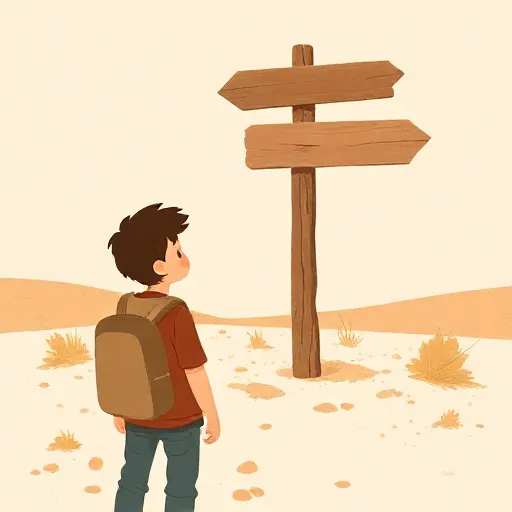
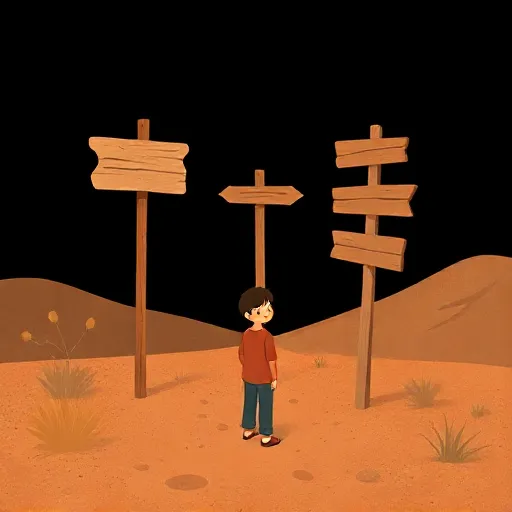
What Should You Live For? Ayn Rand’s Three Answers
Ayn Rand said live for yourself, not others. Is the real goal staying alive, thinking clearly, or being happy? The answer changes how you treat people.
-
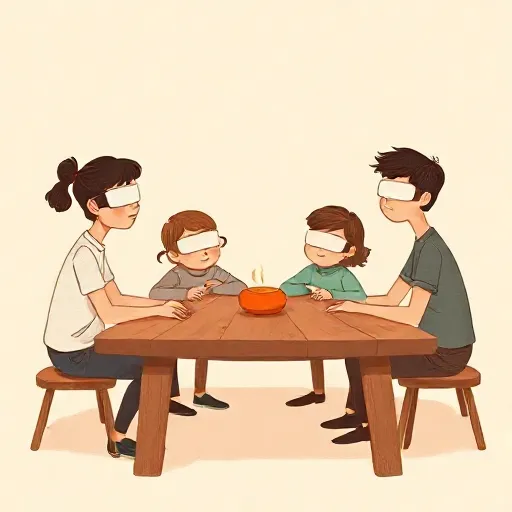
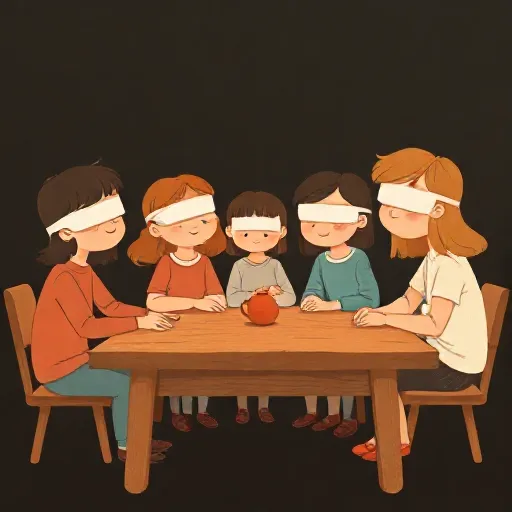
What Would You Choose If You Didn’t Know Who You’d Be?
If you could design a society without knowing who you'd be in it, what rules would you pick? John Rawls's idea shows why fairness matters for everyone.
-
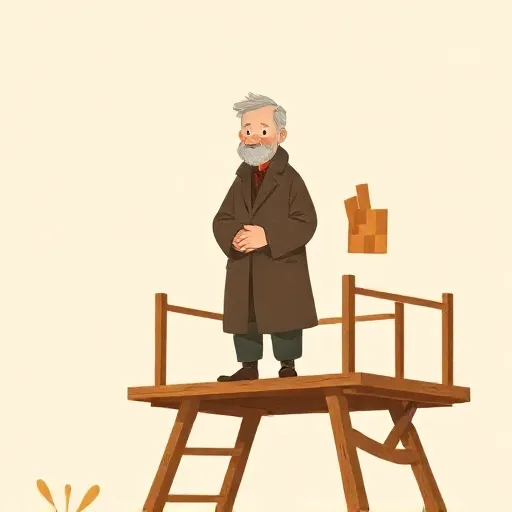
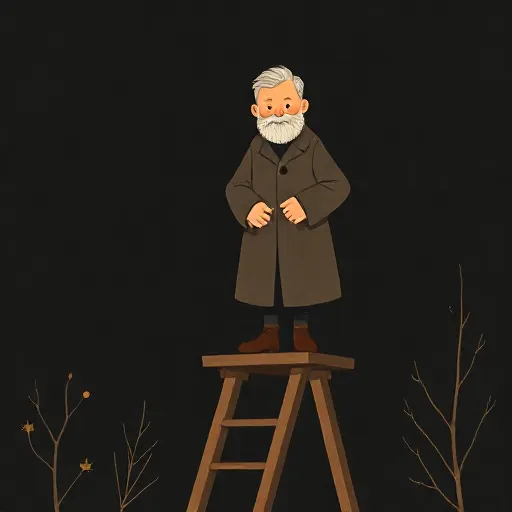
What Would You Die For? Thomas More and the Voice of Conscience
What would you die for? Thomas More chose death over betraying his conscience. Discover why his story asks what your sense of right and wrong is worth.
-
When a Book Was Burned in Chile: Can Philosophy Be Too Dangerous?
In 1844, Chile burned a book of ideas. Why did philosophy scare the authorities? The fight between free thought and power still shapes our world.
-
When Diogenes Said 'I Am a Citizen of the World'
Why did an ancient Greek claim he was a citizen of the world? Explore the big idea that we might owe loyalty to all people, not just our own country.
-
When Does 'Or Else' Become a Real Threat?
When does 'or else' become a real threat? Discover how what we see as 'normal' decides if we're forced, blamed, or free.
-
When Is It Okay for a Group to Walk Away and Make Their Own Country?
If a region wants to leave and form a new state, does it have a right to do so? Three big ideas — and why each one could change the world.
-
When Is It Okay to Hurt Someone to Defend Yourself?
When is it okay to hurt someone to defend yourself? Even if the attacker isn't at fault? Philosophers argue about this, and the answer shapes our safety.
-
When Is It Right to Overthrow the Government?
When is it right to rebel against a cruel government? Some thinkers say never, others say you can defend your rights. This question divides philosophers.
-
When Reason Builds a Cage: The Frankfurt School's Startling Warning
A group of thinkers fled Nazi Germany and asked: why did the age of reason produce tyranny? Their answer still shapes how we see power and freedom.
-
When the King Fled, a Dangerous Idea Took Over Latin America
When Spain's king vanished, Latin Americans faced a huge question: who rules? The idea that power comes from the people was exciting but hard to make real.
-
When the World Shrinks, Who Gets a Say in What’s Fair?
Once, distance kept people apart. Now trains, phones, and the internet connect everyone. How does that change what we owe people far away?
-
Where Do Your Legal Rights Really Come From?
Do your rights come from government laws or from fairness? This big question shapes everything from returning a broken phone to fighting for justice.
-
Where Does 'Evil' Come From? Nature, Choice, or Dark Forces?
A mass shooting is called "pure evil." But what does that mean? Is evil just extreme suffering, a wicked choice, or a dark force?
-
Who Can You Believe? The Puzzle of Social Knowledge
How do you decide when to trust what others say? Figuring out who to believe is a big puzzle because most of what we know comes from other people.
-
Who Can You Kill in a War? The Fight Over Just War
Can soldiers on the wrong side of a war fight fairly? A look at a big debate that changes how we judge right and wrong in battle.
-
Who Decides What a Bag of Rice Costs?
Hayek saw prices as messengers that no central planner can replace. Why trying to control them turns society into a game where nobody wins.
-
Who Decides What Happens to Your Body After You Die?
Who decides what happens to your body after you die? Your family or those needing organs? It's a question of fairness and respecting the dead.
-
Who Decides What's Right? The Trouble with Moral Relativism
Some say right and wrong are the same everywhere. Others say they depend on your culture. Meet the philosophers who can't settle the fight.
-
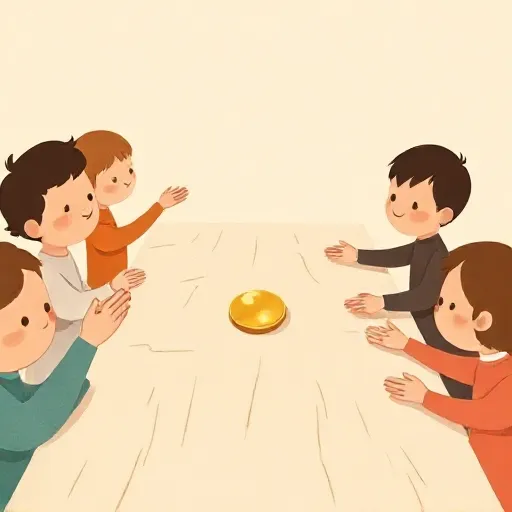
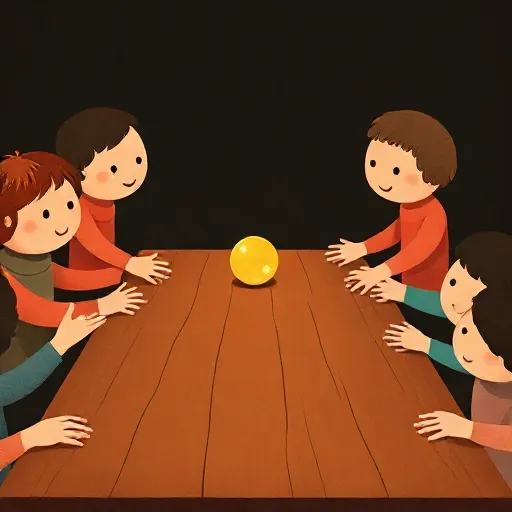
Who Deserves the Biggest Slice of the Pie?
Who should get more—the hardest worker, hungriest, or everyone equally? This big question about fairness shows up in taxes, schools, and pizza slices.
-
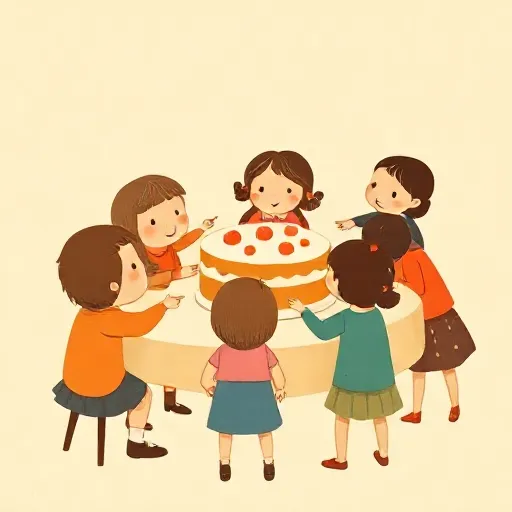
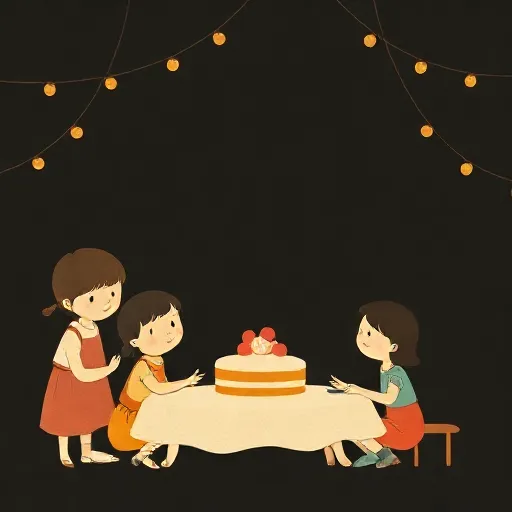
Who Gets the Biggest Slice? The Fight Over What’s Fair
How do we decide what's fair when people want different things? Philosophers have argued for centuries about what each person deserves.
-
Who Gets the Final Say? The Big Idea of Sharing Government Power
Why split power between central and local governments? Does it protect freedom or cause chaos? This 400-year-old debate still affects you.
-
Who Gets to Break the Rules When Everything Falls Apart?
Carl Schmitt said a leader must sometimes break rules to save society. Is that smart or dangerous? His ideas spark big debates.
-
Who Gets to Make the Rules for the Whole Planet?
Why don't you get a vote on global rules about climate and the internet? Could everyone on the planet have a say? Is a global democracy possible?
-
Who Gets to Make the Rules on a Piece of Earth?
Who gets to rule a patch of ground? The messy fight over territorial rights shapes your own street, your town, and the whole world map.
-
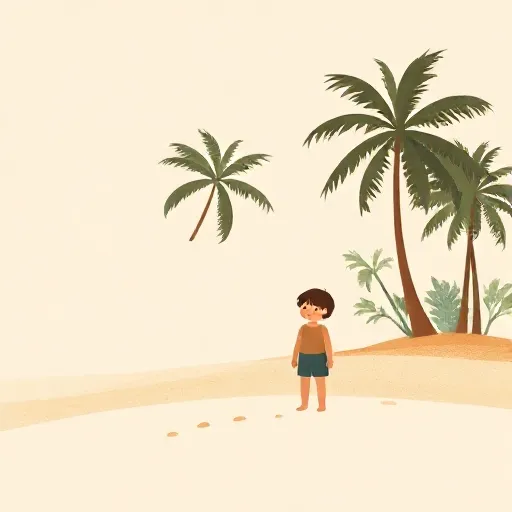
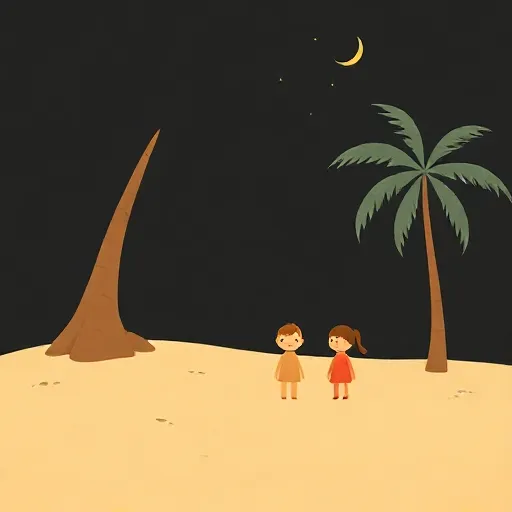
Who Gets to Say "Mine"? The Philosophy of Private Property
Why can some people own land and others can't? Is private property fair, or could we share everything? Explore the questions about who gets to say 'mine'.
-
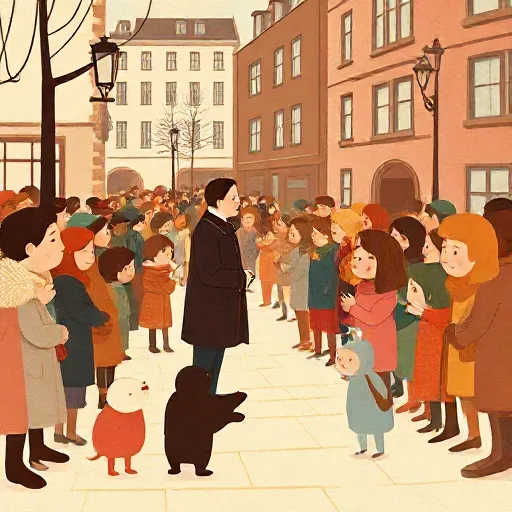
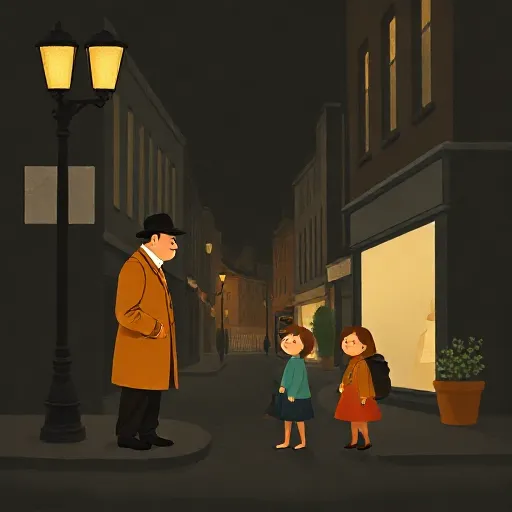
Who Gets to Tell You What to Do? John Stuart Mill’s Answer
Can someone make you do things 'for your own good'? Mill said no. Your freedom stops only when you harm others.
-
Who Holds the Remote Control? Power, Domination, and You
Is power just someone telling you what to do, or is it more complicated? Find out how power works in everyday life and why it matters for fairness.
-
Who Needs Rules When You Have a Brain?
A 13th-century monk found a way to understand right and wrong. He thought the clues were already inside your head.
-
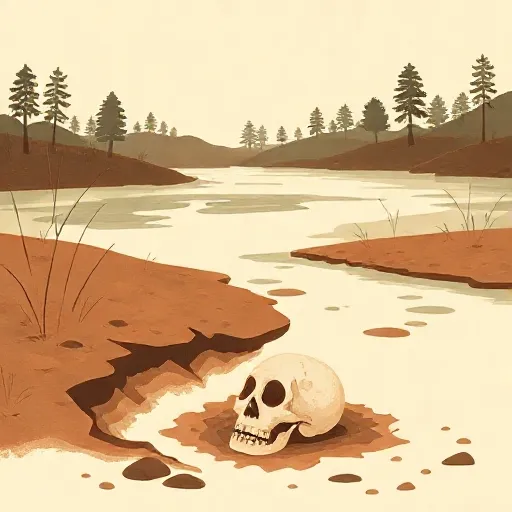
Who Owns a 9,000-Year-Old Skeleton?
Who should own a 9,000-year-old skeleton: scientists or Native Americans? This debate decides how we handle ancient remains and artifacts.
-
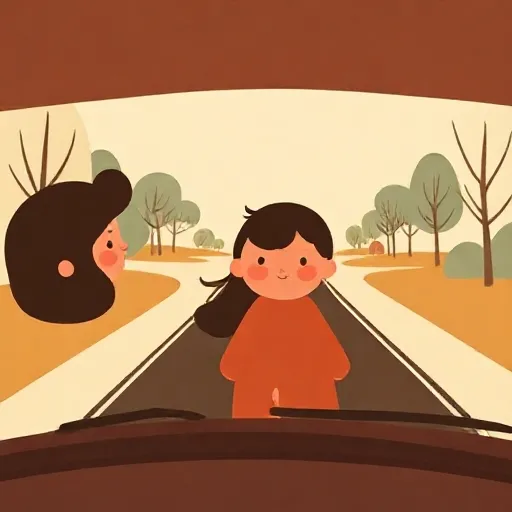
Who Owns the Line Between Maryland and Pennsylvania?
When you cross from one state to another, where exactly does one end and the other begin? A puzzle that has stumped philosophers from Aristotle to today.
-
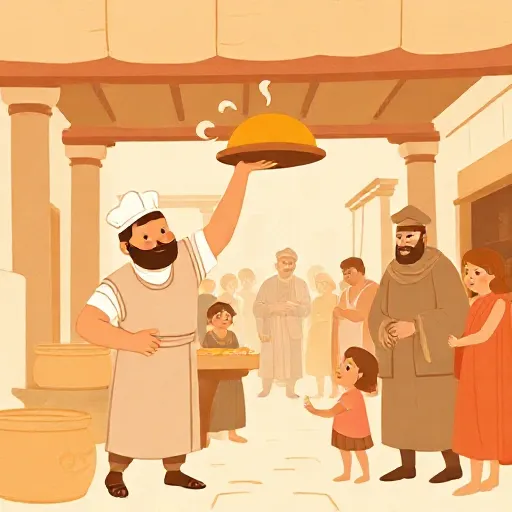
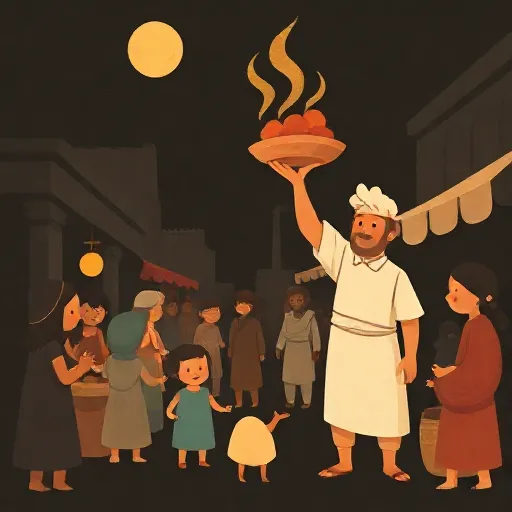
Who Owns Your Brilliant Idea? A 2,500-Year-Old Question
Who owns your art, inventions, and memes? The debate started with chefs in ancient Greece and still affects what you can copy, share, or sell today.
-
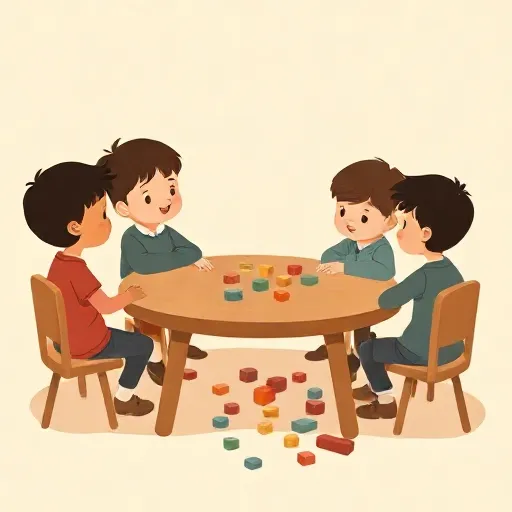
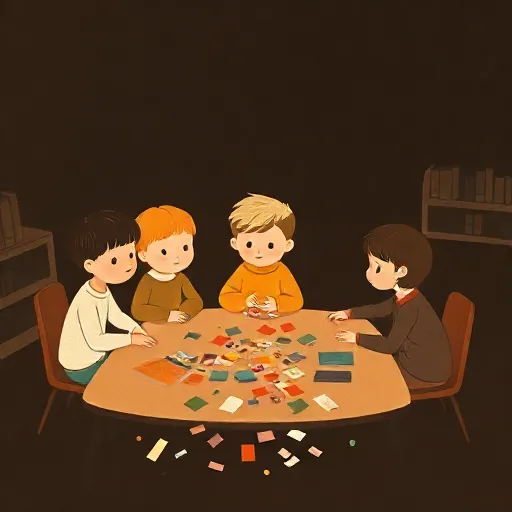
Who Really Decides? The Surprising Logic of Power
You and your friends vote on a pizza. Some groups can force their choice. Logic reveals why some decisions stick and others fall apart.
-
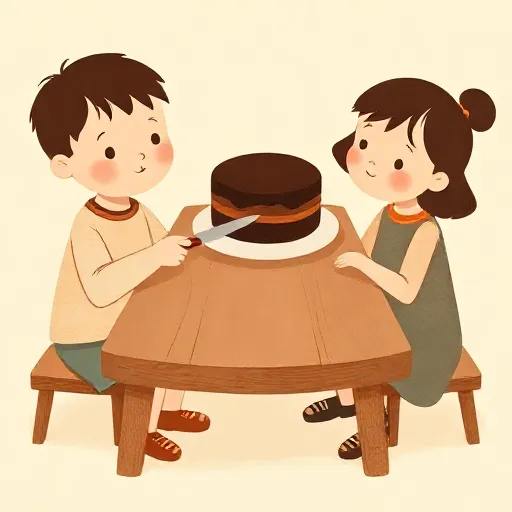
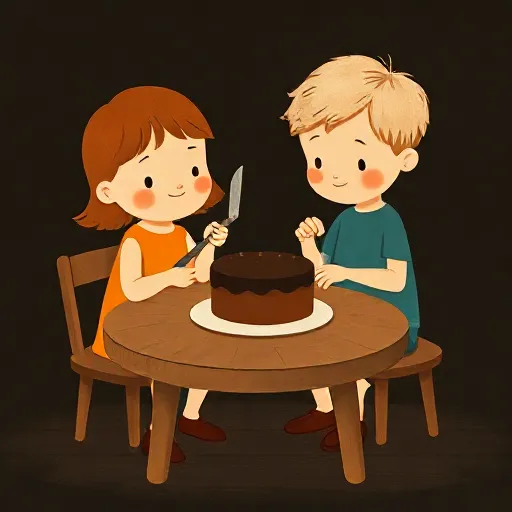
Who Really Deserves the Bigger Slice of Cake?
Can we split a cake so no one envies the other's slice? This idea scales to whole economies, but fair rules can clash in surprising ways.
-
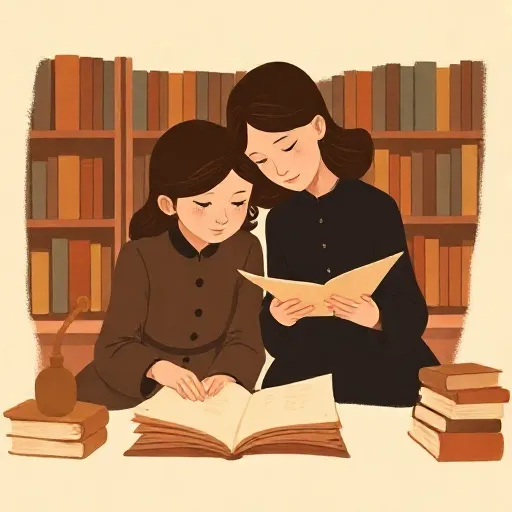
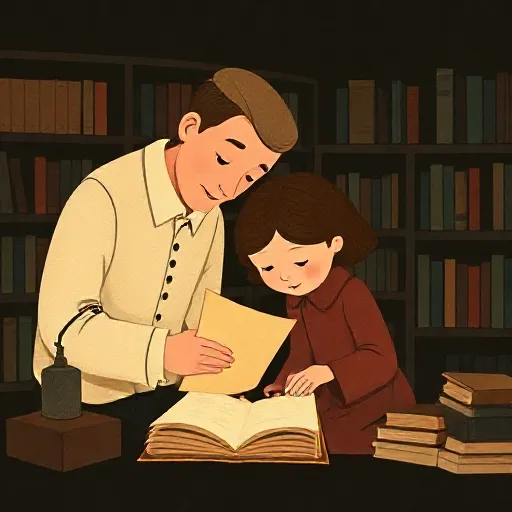
Who Really Wrote *On Liberty*? The Harriet Taylor Mill Puzzle
Did John Stuart Mill's wife Harriet secretly think up his famous ideas? The mystery shows how teamwork in philosophy can hide who deserves credit.
-
Who Should Fix the Planet? And Who Should Pay?
When heatwaves and floods hit, someone has to pay to clean up and switch to clean energy. Philosophers argue about who owes what—and what's really fair.
-
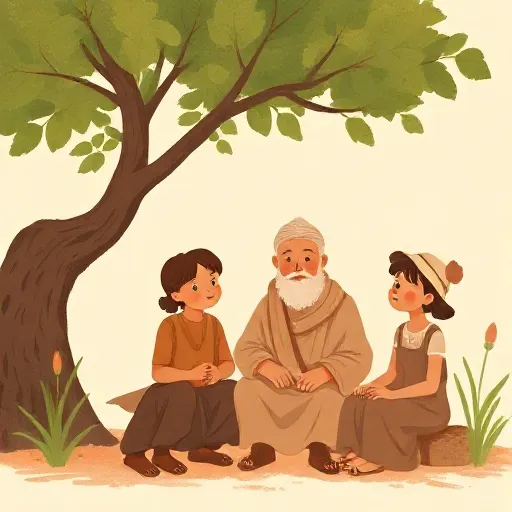
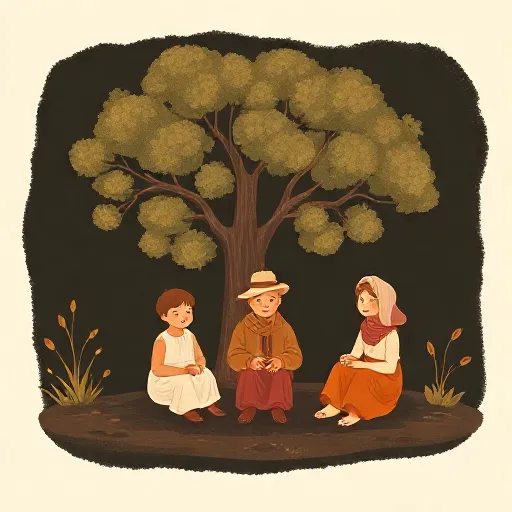
Who Should Get the Biggest Slice? The Algorithm for Fairness
What is the fairest way to share? Two farmers and a wise elder show that fairness depends on which rule you follow. It’s not always simple.
-
Who Should Win When Everyone Disagrees?
Borda and Condorcet, two 18th-century mathematicians, argued over the fairest way to pick a winner. Their clash still echoes in today's elections.
-
Who Speaks for the Black Woman? Anna Julia Cooper’s Challenge
Born a slave, she became a philosopher. Cooper argued that Black women’s voices were essential for justice — and that no one else could speak for them.
-
Who's Really in Charge? Why Some Power Feels Wrong
Is someone in charge of you even if they treat you well? Some thinkers say yes if they have the power to control you whenever they want.
-

Who's the Boss of a Pregnant Body? Doctors, Mothers, or Society?
Pregnancy used to be a family event at home. Now it's high-tech medicine. But does more medicine always mean more freedom—or more control?
-
Whose Side Is the Law Really On? The Riddle of Ideology
Is the law really neutral? Some philosophers say it hides a force called ideology that protects the powerful. Find out how to see through it.
-
Why a 12th-Century English Clerk Thought Moderation Was Everything
John of Salisbury said the best rulers and thinkers avoid extremes. His idea of a 'body politic' still shapes how we think about society.
-
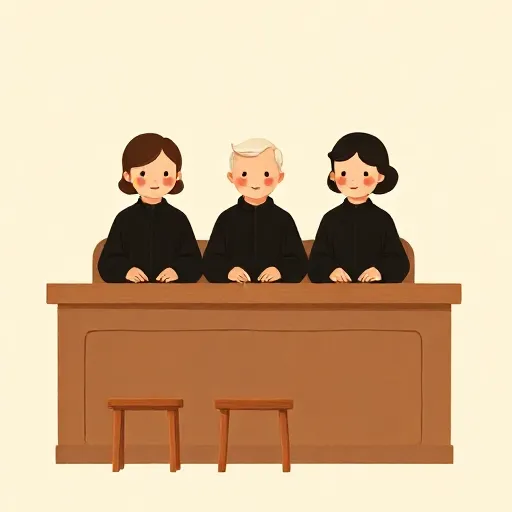
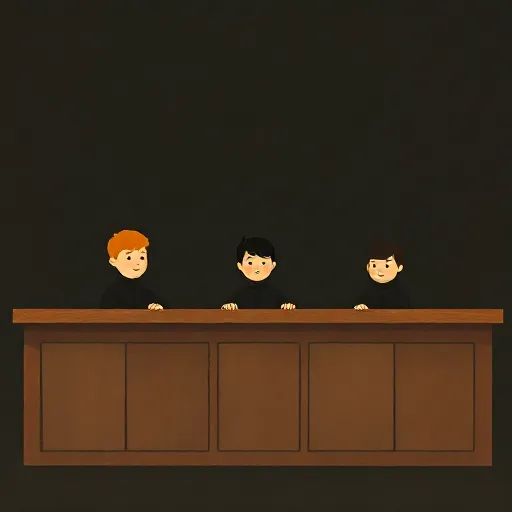
Why a Court Can Agree on Every Fact and Still Be Wrong
Three judges all vote logically. Yet their group verdict breaks the law. This puzzle shows a deep flaw in group decisions—and how we might try to fix it.
-
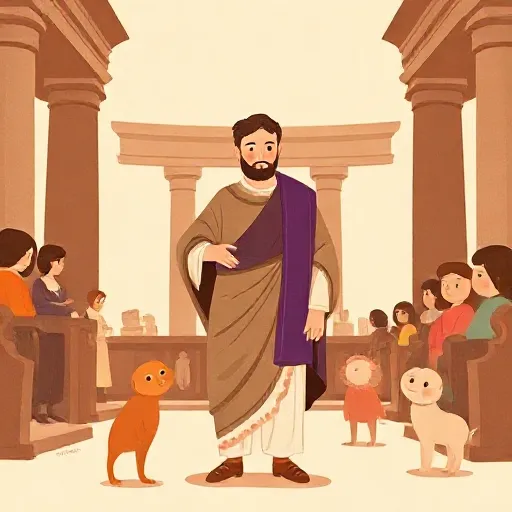
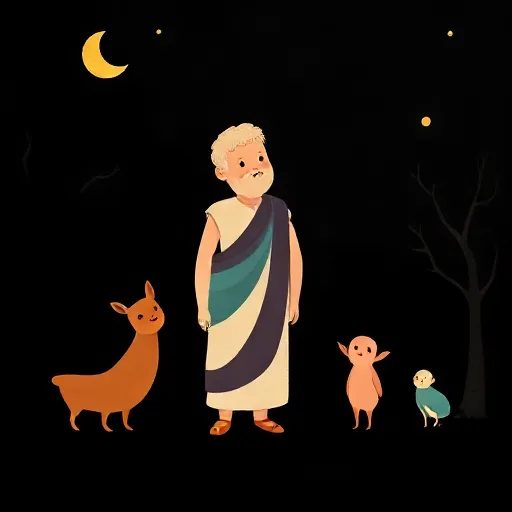
Why a Roman Senator Bet His Life on Philosophy
Why did a Roman senator risk his life for philosophy? Find out how his big question can still help us think clearly when the world feels messy.
-
Why Add Extra Things? Ockham’s Razor and the Fight Over Reality
Why add extra invisible things? Ockham's razor slices numbers and relations—and lets you choose evil. A monk's sharp tool for reality.
-
Why al-Farabi Thought Religion Was a Tool, Not the Truth
al-Farabi thought a perfect city works like a body. He also said religion is just a tool. Why would an Islamic philosopher say that?
-
Why Are People Still Fighting for Slavery Reparations?
Can people today be owed something for a wrong done long before they were born? This is the debate over reparations for slavery.
-
Why Be Good When You Can Get Away With Being Bad?
Why be good if you can avoid punishment? Socrates believed being just brings peace to your mind, but being bad causes inner conflict.
-
Why Bother Voting If Your Vote Never Decides the Election?
If your one vote almost never changes an election, why do millions still vote? The answer might surprise you—and it's about more than just picking winners.
-
Why Can’t We Just Share the Lake? The Free Rider Problem
Everyone wants the streetlights on and the fish to last, but groups still fail. The answer lies in a philosophical puzzle called the free rider problem.
-
Why Can’t We Just Vote? The Paradoxes That Haunt Democracy
Condorcet and Arrow showed that even fair voting rules can lead to impossible results. A journey through the math of collective choice.
-
Why Can’t We Take From the Rich to Give to the Poor? Nozick’s Answer
Nozick argued that a government that takes from some to give to others treats its citizens like part-owners of each other. Is he right?
-
Why Can’t You Just Move to Any Country You Want?
Some say nations need borders to protect culture and security; others say where you’re born is just luck. A debate about who gets in and why it matters.
-
Why Can't You Keep People Out? The Fight for Freedom of Association
From clubs to countries, groups decide who belongs. When does the right to pick your people become unfair? The limits of association.
-
Why Did a Revolutionary Philosopher Insist Women Should Vote?
Why did Condorcet demand voting rights for women in the French Revolution? His arguments about fairness still shape who counts as a citizen today.
-
Why Did China’s Philosophers Stop Looking Inward?
Why did China's philosophers stop looking inward? The fall of the Ming dynasty made them realize they needed to focus on the real world to make it better.
-
Why Did Edmund Burke Think Revolutions Always Turn Ugly?
He saw words like "liberty" as feelings, not facts — and when you rip out the old connections, you get chaos, not freedom.
-
Why Did Thoreau Live Alone in the Woods for Two Years?
He wanted to escape society’s noise and discover what truly matters. His answer changed philosophy, politics, and the way we think about nature.
-
Why Did W.E.B. Du Bois Say Black Americans Have Two Souls?
W.E.B. Du Bois noticed that Black Americans often feel they have two souls: one that sees itself proudly and one that sees itself through others' contempt.
-
Why Did You Check That Box? The Strange Story of Race
Scientists say race isn't real in biology. But 500 years of laws, skulls, and power made it feel that way. So what are you really choosing on the form?
-

Why Do Economists Pretend People Are Perfect?
Why do economists model people as perfectly rational? These models are clearly unreal, yet they help explain real-world patterns and guide policy.
-
Why Do I Have to Learn All This? The Fight Over School's Purpose
Why are you really in school? Is it to grow your mind, or prepare for a job? Philosophers disagree, and this unsettled debate shapes your daily lessons.
-
Why Do People Stand Together? The Puzzle of Solidarity
What makes a group of people truly united — and does it always have to be a two-way street? A look at the promises and perils of solidarity.
-
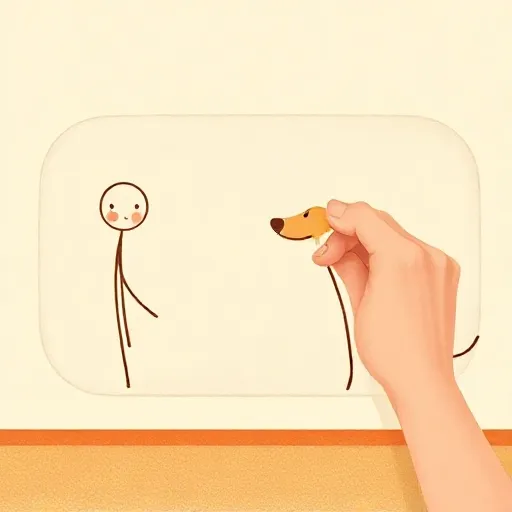
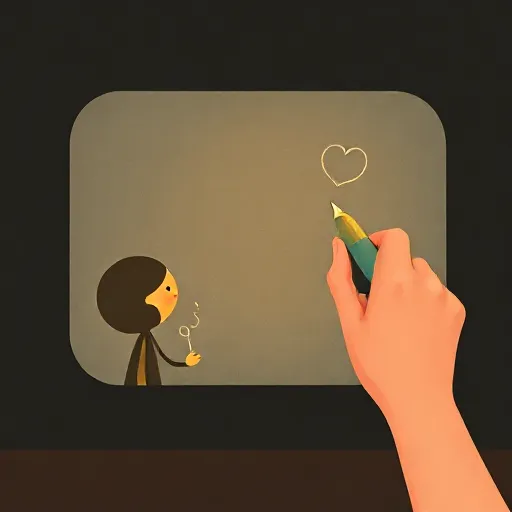
Why Do We Ever Think of Someone as Less Than Human?
Some say dehumanization is treating people badly. Others say it's thinking of them as less than human. Can you do one without the other?
-
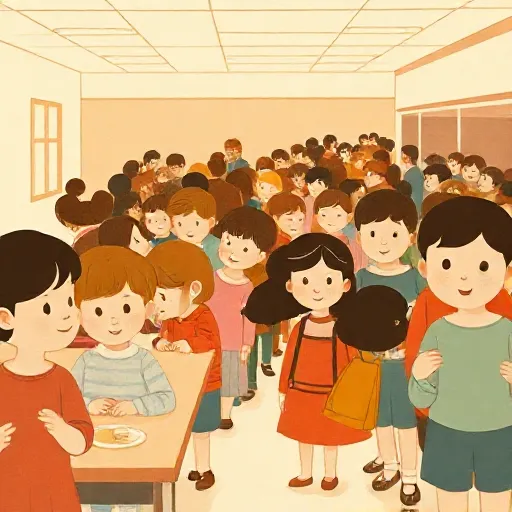
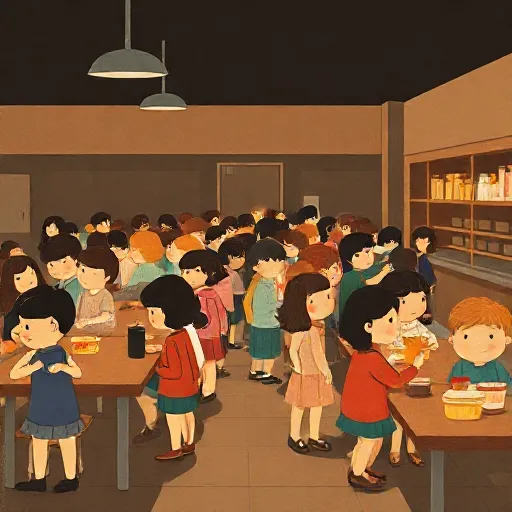
Why Do We Follow Unwritten Rules? The Power of Social Norms
Why do we follow unwritten rules? Social norms work because we expect others to follow them too. They can unite us or trap us in bad habits.
-
Why Do We Have Laws — and When Can We Ignore Them?
Why do we need laws? Can we ignore unfair ones? Explore how rules protect us and what makes a law truly just.
-
Why Do We Obey Without Being Forced? Marcuse’s Big Question
Why do we obey without being forced? Marcuse thought that fun and stuff we buy make us feel free, but we're not. Art and saying no can help us break free.
-
Why Do We Obey? The Prisoner Who Uncovered Invisible Power
Why do we obey even when no one forces us? Antonio Gramsci found that power hides in what feels normal and natural.
-
Why Do You Feel Like a Stranger in Your Own Life?
Why do you sometimes feel like a stranger in your own life? The answer involves a concept called alienation, which can be both bad and good.
-
Why Do You Get to Say No to a Doctor? The Puzzle of Informed Consent
If a doctor can save your life, why do you have the right to say no? And what does it take for your "yes" to count as a real choice?
-
Why Do You Have Rights No One Can Take Away?
Human rights say you deserve to be safe, to speak, to learn. But where do these rights come from, and why do nearly all countries promise to protect them?
-
Why Does “I Need It” Feel So Much Stronger Than “I Want It”?
When you say you’re hungry, you expect help. But why? This article digs into the real power of needs — and whether they can force us to act.
-
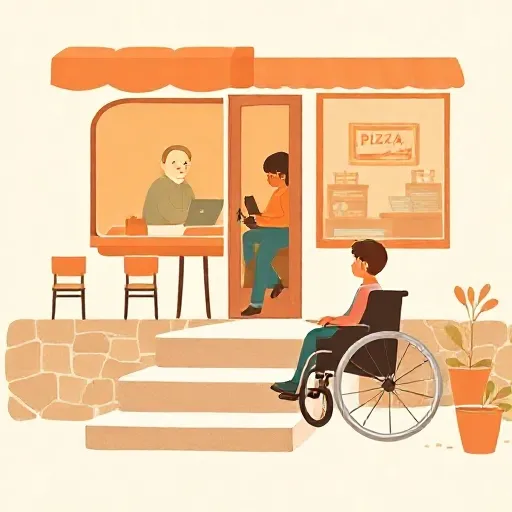
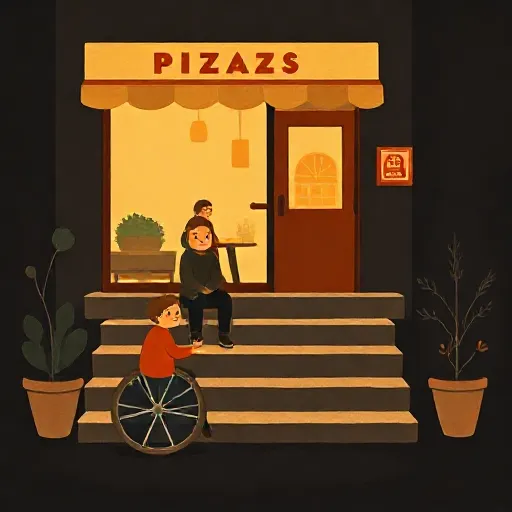
Why Does Fairness Cost Money? The Puzzle of Disability and Justice
Why does treating disabled people fairly cost money, unlike other fights for justice? It's a puzzle that makes philosophers rethink what disability means.
-
Why Does It Sting When Someone Else Has What You Want?
Why does envy feel like a sting? Thinkers ask if it always wants harm and whether it can be fair or useful. Explore the debate.
-
Why Does the State Get to Punish You?
When is it okay to make something a crime? Philosophers argue about punishment, prevention, and whether the law should express our shared values.
-
Why Does the World Feel Like a Thing? Georg Lukács’s Answer
From sad novels to angry revolutions, Georg Lukács explored why modern life feels hollow—and how we might fill it with meaning again.
-
Why Does Your Job Decide How Long You Live?
Doctors can't explain why a file clerk lives shorter than an administrator, even with free healthcare. A story about the hidden causes of illness.
-
Why Don't All Kids Get the Same Chance at School?
Why don't all kids get the same chance at school? Your zip code and family income can matter more than effort. Discover what fair education really means.
-
Why Elizabeth Anscombe Called Harry Truman a Murderer
Was Truman a murderer for dropping atomic bombs? Elizabeth Anscombe said yes, and her ideas about intentions challenge how we think about right and wrong.
-
Why Is a Dollar Bill Worth a Dollar? The Puzzle of Institutions
It's just paper. But everyone treats it like money. How do human agreements create powerful things like schools, governments, and money?
-
Why Is It So Hard to Say What a Woman Is? Freud’s Big Riddle
Why is it so hard to say what a woman is? Freud's ideas about how girls grow up sparked debates that still shape how we think about gender.
-
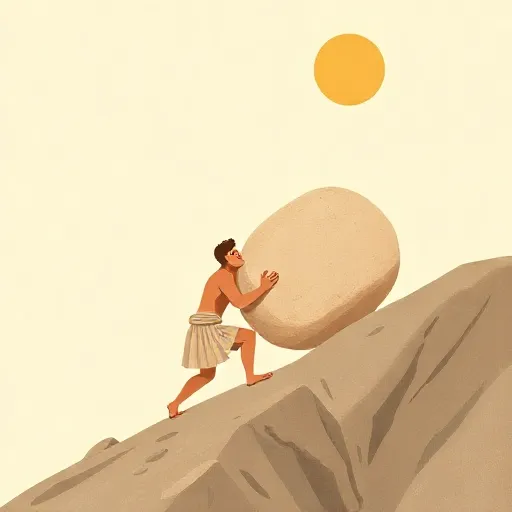
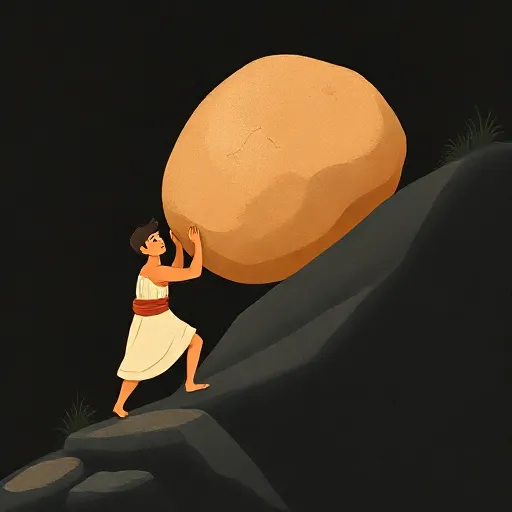
Why Keep Living If Nothing Matters? Camus's Reply
Camus thought life has no built-in meaning. So why not give up? He found a surprising reason to keep going, even when the rock rolls back down.
-
Why Pleasure Might Be the Only Thing That Matters
Is pleasure the only good? Explore Jeremy Bentham's idea that happiness should guide all choices, and how it still affects law and fairness today.
-
Why Protect Speech You Hate?
Why should we allow speech we hate? It's not about agreeing—it's about protecting your right to decide. But when does speech cause real harm? The debate.
-
Why Should You Care About a Stranger’s Hunger? Mozi Had an Answer.
Why care if a stranger is hungry? Mozi, 2,000 years ago, said we should care for all people equally, like family. It's a tough but important idea.
-
Why Should You Do What the Government Tells You?
When must you obey the government? Some say consent is key, others say fair rules. This debate shapes every law you encounter.
-
Why Should You Follow Rules You Never Agreed To?
Why obey laws made by people you never met? You didn't promise, so why should you? This fairness puzzle still has philosophers debating.
-
Why Should You Obey Laws You Never Voted For?
Why follow rules you never chose? Discover the invisible deal that sets fair rules - the social contract. It shapes everything from school to government.
-
Why Should You Obey the Law—Even When You Think It’s Wrong?
Why obey a silly helmet law? Explore reasons to follow rules you disagree with and the debates about free speech and protest.
-
Why Shouldn't Everyone Get Exactly the Same?
Why shouldn't everyone get exactly the same? This question leads to debates about needs, abilities, and what fairness really means.
-
Why Slaves Without a Whip Aren’t Free
Is someone free if no one stops them, but someone has the power to control them? This question about real freedom still matters today.
-
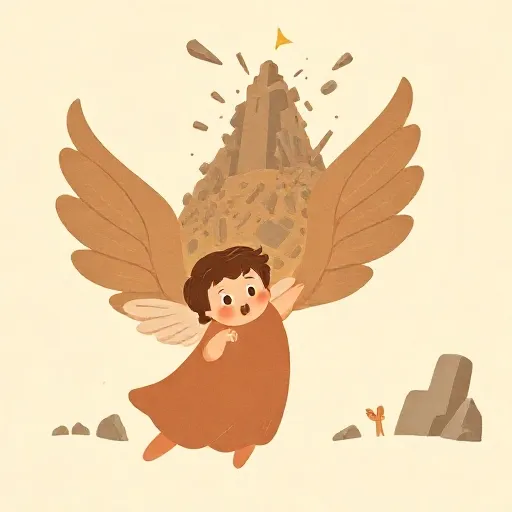
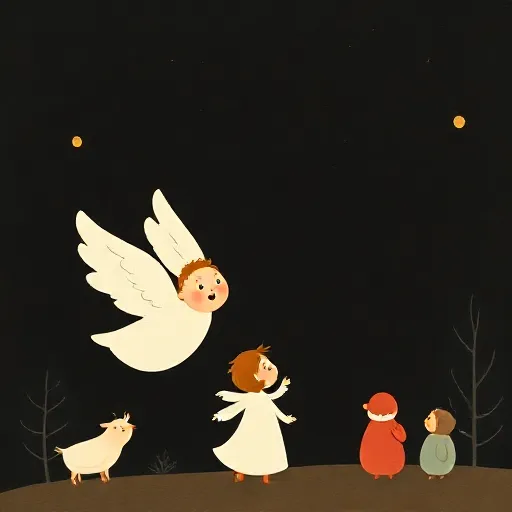
Why the Angel of History Is Flying Backwards
What if history isn't always getting better? Walter Benjamin believed it's a growing disaster. But hidden in the wreckage, memories can spark new hope.
-
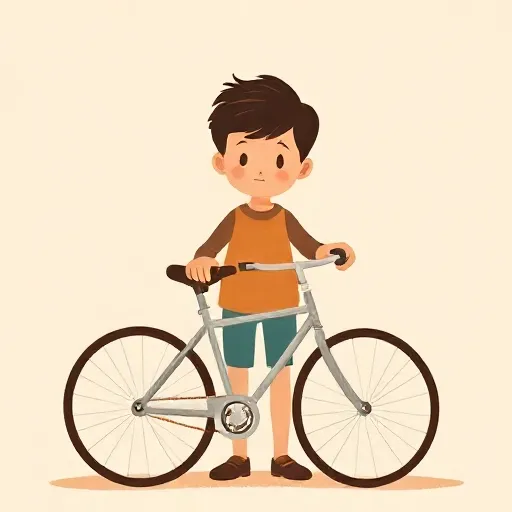
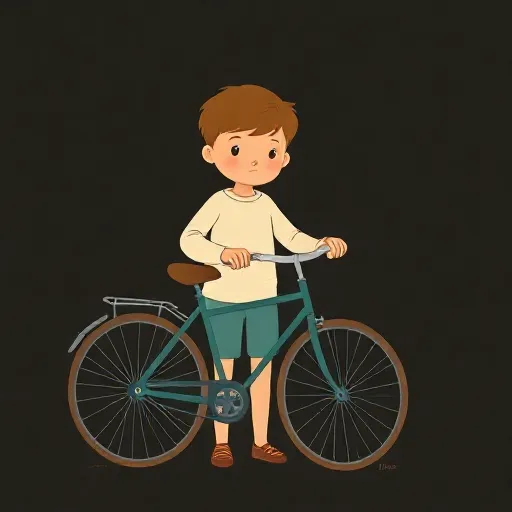
Why the Law Forces You to Keep Your Word — Three Big Ideas
Is a promise just a promise, or does it tie you down even when breaking it would make everyone richer? Philosophers clash over what contracts really mean.
-
Why the Rules of Morality Are Made, Not Found
Samuel Pufendorf asked: How do we stop killing each other? He said morality is invented — rules we create to live together safely.
-
Why the Smartest Plans for Society Often Fail
Why do smart plans for society often fail? Because real knowledge needs hands-on experience, not just rulebooks—and that's key to a free society.
-

Why This Ancient Thinker Said You’re Born Bad—and How You Fix It
Are people born good or bad? Ancient Chinese philosopher Xunzi said we're born with dangerous impulses, but we can learn kindness through daily practice.
-
Why Thomas Hobbes Thought You Can't Know a Thing Unless You Built It
Hobbes believed that seeing isn't knowing. You only really understand what you make yourself — from a triangle to a whole country.
-
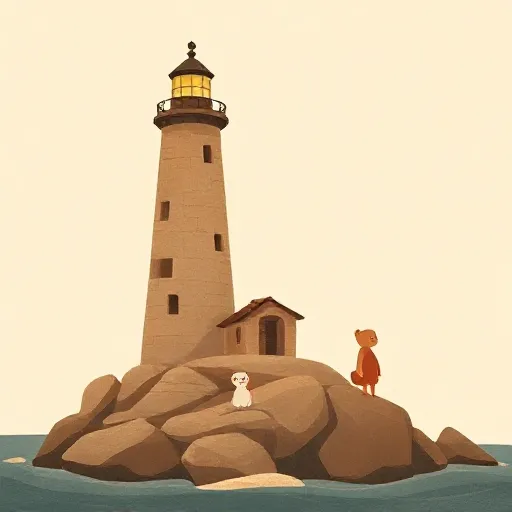
Why Won't Anyone Pay for the Lighthouse?
If you can't stop people from using a good, why would anyone pay for it? The free-rider problem explains everything from parks to national defence.
-
Why Would a Good Politician Ever Choose to Do Evil?
Is it ever okay for a leader to do something evil to prevent a huge disaster? The 'dirty hands' problem explores this tough question about power and guilt.
-
Why Would a Selfish Person Ever Be Good?
Why would a selfish person ever be good? Some thinkers say it's a smart strategy. But critics ask if that leaves out the weak or makes anyone truly kind.
-
Why Would Anyone Want an All-Powerful Ruler?
Why would anyone want an all-powerful ruler? Hobbes believed it was the only way to prevent war and chaos. Find out why his idea is still debated.
-
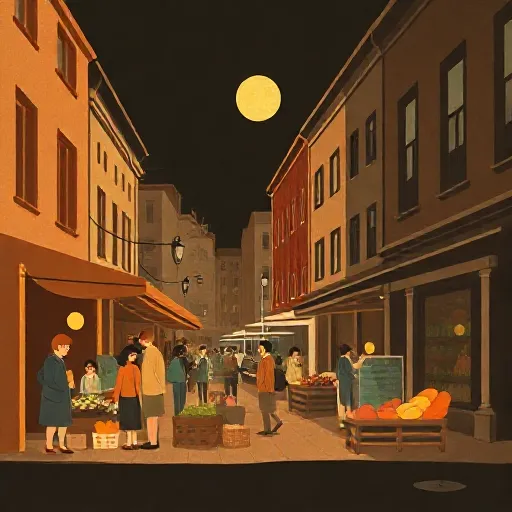
Why Would Anyone Want Less Democracy? Meet the Neoliberals
Why would someone want less democracy? The surprising fear is that majority votes can take away your freedoms and property.
-
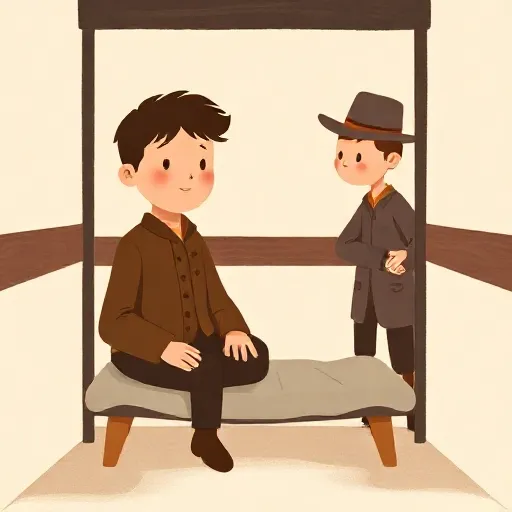
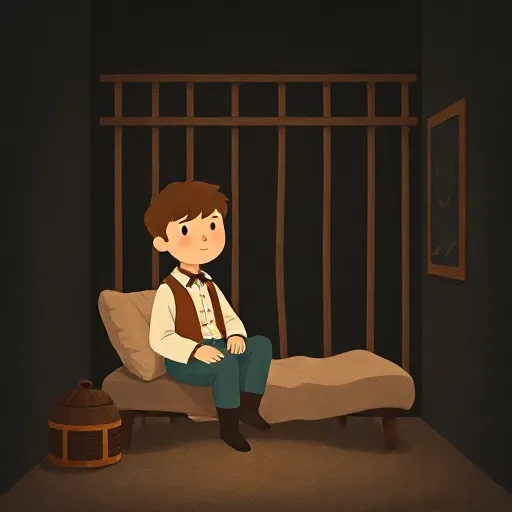
Why Would Someone Choose to Go to Jail?
Why would someone choose to go to jail? Civil disobedience: breaking a law on purpose to protest injustice, then facing the consequences. Is it right?
-
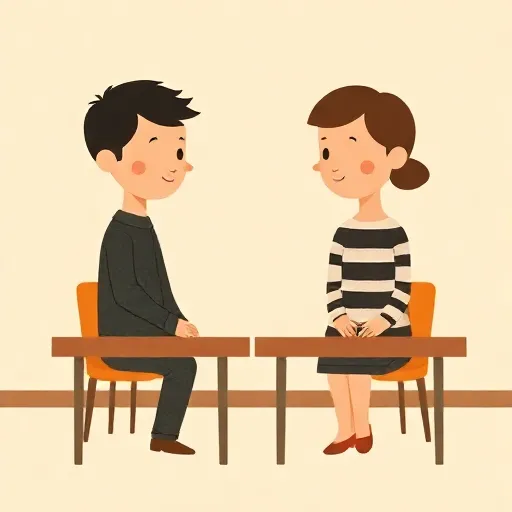
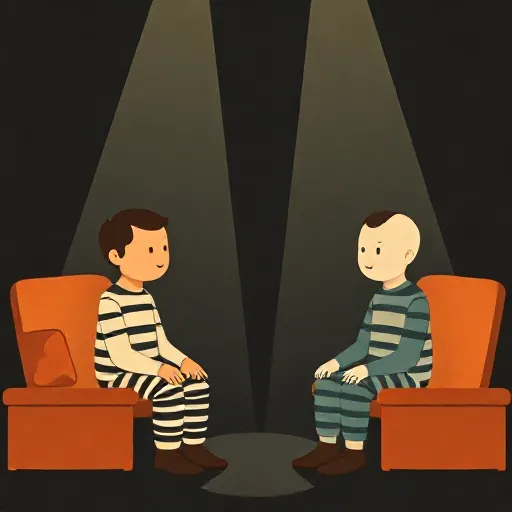
Why Would Two Prisoners Both Confess When Silence Is a Better Deal?
Why would two prisoners both confess when staying silent is better? This puzzle reveals how selfish choices can create bad outcomes for everyone.
-
Why You Are Worth More Than a King — Even If Nobody Told You So
Why does everyone now have dignity, even kings? The surprising story of an idea that flipped the world upside down.
-
Why Your Living Room Is a Political Battleground
Political philosophy used to ignore homes and families. Feminist thinkers showed that power and injustice live there too — and changed politics forever.
-
William Godwin's Dilemma: Save the Archbishop or Your Mother?
Would you save a brilliant archbishop instead of your mother from a fire? William Godwin's shocking answer challenges our ideas about fairness and love.
-
Would a World Government End War, or Start a Global Tyranny?
Would a single world government end all wars or create a global prison? This debate has lasted centuries and will shape your future.
-
Would You Cheat If You Could Get Away With It?
If a magic ring made you invisible, would you still be fair? Philosophers ask if justice is good for us or just a way to avoid trouble.
-
Would You Push a Fat Man to Save Five Lives?
Two ways of thinking about right and wrong collide when one simple choice can let people die — or kill someone. Which side are you on?
-
You Are Not an Island: The Feminist Rethinking of the Self
Feminist philosophers say the self isn't a lone thinker but a web of relationships, bodies, and social forces. Why that changes everything.
-
You Can't Be Yourself Without Others: The Real Meaning of Recognition
Why do you feel invisible when no one knows your name? The answer might change how you think about yourself and others.
-
You Were Born Good. Then Society Got in the Way?
Are we born good, and does society make us bad? Discover Rousseau's surprising answer and his dream for a truly free society.
-
Your Mind Isn’t a Box — It’s a Tool: John Dewey
Is thinking just a box in your head? John Dewey said no — it's a tool. Discover how his idea reshaped schools, science, and democracy.