Can It Be Wrong to Have a Baby Who Will Love Life?
Marie’s Impossible Choice
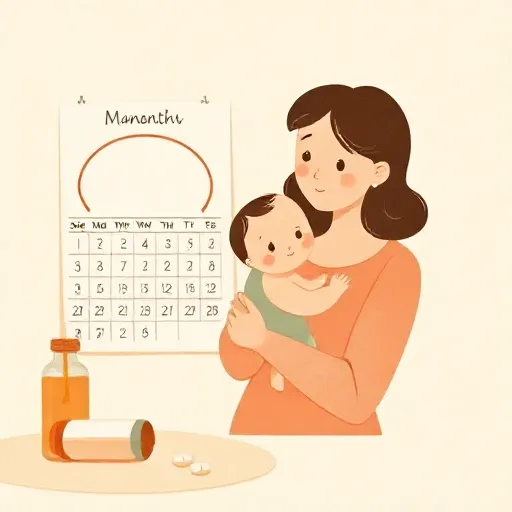
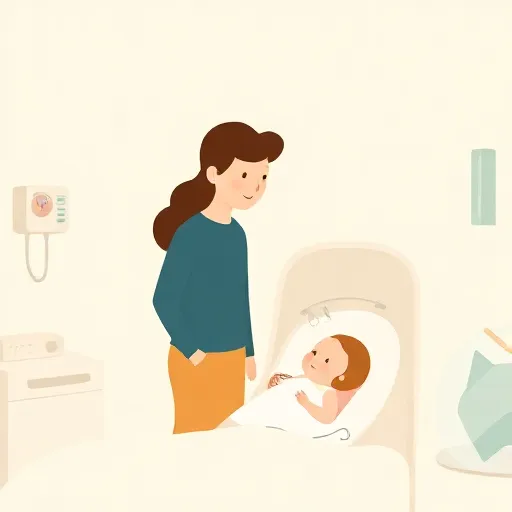
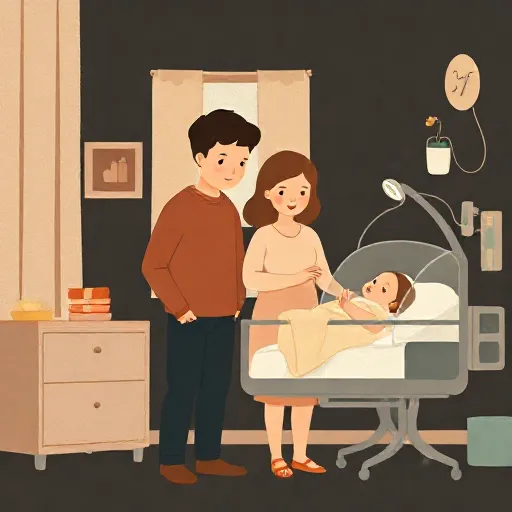
Imagine it’s the 1980s. Marie has been taking a medicine she needs, but she knows a risk: any child she conceives right now will be born with a withered arm. In three months the drug will leave her body. She could wait, have a healthy baby named Sophie, but she chooses not to. She conceives immediately and gives birth to Amy, a girl with one arm that never fully formed. Amy’s life is full of laughter, friendship, and all the ordinary ups and downs — a life she is glad to have. Yet many of us feel that Marie did something wrong.
This puzzle is what the philosopher Derek Parfit, writing in the 1980s, called the Non‑Identity Problem. It asks: can an action be wrong even if it doesn’t make anyone worse off than they would have been? Amy cannot complain — if Marie had waited, Amy would never have existed at all. A different child, Sophie, would have been born. So Amy hasn’t been harmed, because there is no version of her with two arms. Still, the wrongness nags at us. If it’s wrong, why?
The Baby Who Couldn’t Be Harmed

The puzzle deepens when you consider how we normally think about wrongdoing. Wronging someone usually means making their life go worse, or setting back their interests. But Amy’s life is good overall, and she would not have lived a better one if Marie had waited. For her, it’s this life or no life. So what’s the problem?
One answer comes from the philosopher Seana Shiffrin, who wrote in the 1990s. She thinks we should not impose a “pure benefit” on someone without their consent if it comes with a harm. Imagine a doctor breaks your leg while saving your life — that’s one thing. But if a stranger secretly gives you a drug that causes a permanent limp while also giving you a million dollars, and you would say the money far outweighs the limp, many people still feel the uninvited harm was wrong. Shiffrin argues that bringing a child into existence is like giving a pure benefit (life) that always comes with some kind of harm (pain, disappointment, eventual death). Since the baby never agreed, creation is always a little morally risky. Some philosophers think this leads all the way to Anti‑Natalism — the view that it is always wrong to bring someone into existence.
Others, however, think we need a different kind of reason. They say that a parent has a responsibility not to create a child unless she can give that child a decent life. The philosopher Laura Purdy argued that every child should have clean water, food, shelter, education, and medical care. Having a child when you know you cannot provide these basics would be wrong — not because the child is harmed in a way she could have avoided, but because you fail your role as a responsible parent. That responsibility doesn’t depend on comparing your child to a non‑existent alternative.
A further worry comes from thinkers such as Adrienne Asch, a philosopher who argued that trying to avoid disabled children sends a harmful message — that a disabled life is not worth living. She believed that such choices, even if they feel personal, feed into social prejudice. This doesn’t mean every decision to prevent a disability is wrong, but it does mean the reasons behind it matter deeply. The debate remains alive and uncomfortable.
Is It Ever Wrong to Have Children at All?
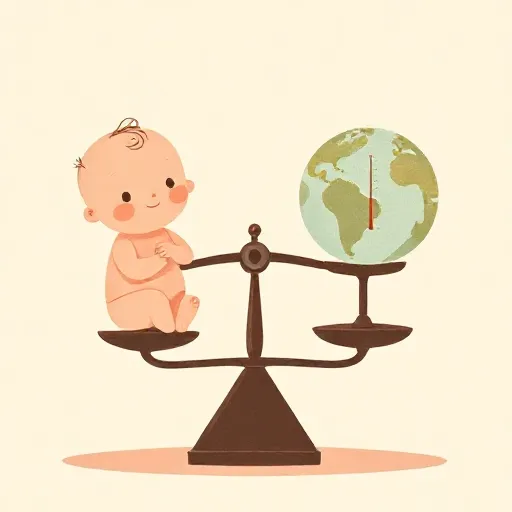
Anti‑natalism doesn’t just apply to cases like Marie’s. The most radical version says it is always better never to have existed. The contemporary philosopher David Benatar argues for this using an asymmetry. Pleasure is good, and pain is bad. But the absence of pleasure is not bad for a person who never exists, while the absence of pain is good. So non‑existence contains no bads and has a good (no pain), while any real life contains both goods and bads. In that narrow sense, Benatar thinks it is always worse to be born. Many philosophers push back: they say the comparison is rigged, because the nonexistent person cannot enjoy any goods either, and the pain of a life worth living doesn’t make the whole thing a mistake.
A less extreme anti‑natalism is driven by the environment. If each new person adds to pollution and resource use, then having a child is like refusing to recycle on a massive scale. Some critics call this “double‑counting,” because the child’s own future choices also matter. Still, the argument has led some thinkers to say that, at minimum, we should have fewer children or adopt instead.
On the other side, many philosophers defend Procreative Autonomy — the idea that people have a fundamental right to decide whether to have children. The 1948 Universal Declaration of Human Rights says everyone has the right “to marry and to found a family.” Defenders argue that interfering with that choice invades a person’s most private sphere. They also point to the deep human interest in creating and raising a child. Some even claim that adoption cannot give parents the same value, because pregnancy, birth, and genetic connection are unique goods. Yet those who favor adoption push back: millions of children already need families, and parenting can be just as meaningful without a biological tie. The dispute shows that a right to parent by adoption and a right to procreate are not the same thing.
Who Is the Real Parent? A Surrogacy Story
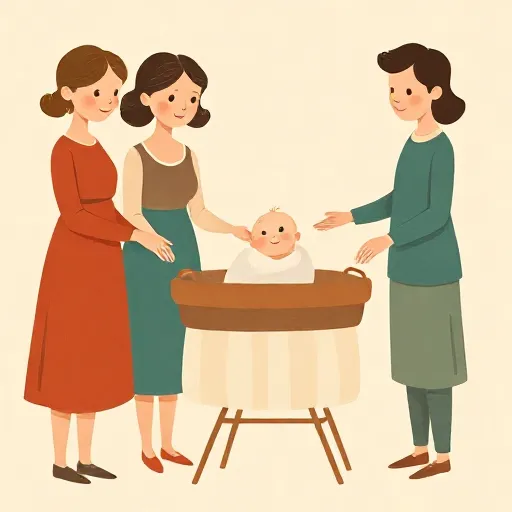
Imagine a couple, the Khans, want a child. They provide the egg and sperm, and a willing woman agrees to carry the pregnancy for them, planning to hand over the baby at birth. But after holding the newborn, she changes her mind and wants to keep it. Who should be the legal and moral parent: the couple who intended to create and raise the child, or the woman who nurtured her with her body for nine months? Or maybe the genetic link itself makes the couple the true parents?
This courtroom drama has pushed philosophers to ask what really grounds parenthood. Three main answers compete.
The Genetic Account says that providing the sperm or egg makes you the parent. The child literally comes from your biological material. Some argue, like the philosopher Jeffrie G. Murphy in one 1999 paper, that genetic ties give a primary claim. But others note that the person who gave birth, the gestational mother, didn’t contribute genes, yet she built the baby’s body cell by cell from her own nutrients and blood. Why should blueprints matter more than the builder?
The Labor‑Based Account puts gestation and caregiving at the center. The philosopher Barbara Katz Rothman argued in the 1980s that pregnancy is a profound relationship, not just a container service. The birth mother endures risk, physical work, and an intimate bond. Plus, the person who has already cared for the child may have a stronger claim because the child knows her voice and warmth. If we take that seriously, a father who never gestated becomes a parent only through a relationship with the woman, which strikes some as unfair.
The Intentionalist Account sidesteps biology. It says the couple who planned and intentionally caused the child’s existence are the parents. J. L. Hill, a legal scholar writing in the 1990s, argued that when people carefully orchestrate the whole process — choosing the gestation carrier, providing genes, and intending to raise the child — they are the ones who acted as parents from the beginning. The problem is that intentions can change, and a baby shouldn’t float in legal limbo while adults sort out their feelings.
Some defenders of Child‑Centered views go further: they say no adult has a moral right to a specific child. Instead, we should decide all custody by what is best for the child. In practice, that often means the birth mother or current caregiver, especially early on, because disruption causes harm. But the idea that children are not a reward for anyone’s work or wishes remains a radical challenge to how we think about family.
So Why Does This Still Matter?

If you are twelve, parenthood might feel like a far‑off chapter. But the questions in this article already shape the world you inherit. Laws about surrogacy, adoption, and who can be a legal parent affect real families that may look nothing like the ones you see in old storybooks. The heated debates about climate change, inequality, and overpopulation keep asking whether having children is a private choice or a collective one. Even at your own dinner table, you might someday wonder: what makes a “real” parent — love, work, biology, or a promise?
Philosophy does not hand out easy answers. It shows us that a child like Amy, who loves her life, can still be born amidst a genuine moral puzzle. It pushes us to think about when it’s okay to bring someone into the world, how we should share the joy and burden of raising the next generation, and who gets to call themselves a mom or dad. Those are not just questions for judges and professors. They are questions for anyone who will grow up and decide what kind of world they want to help build.
Think about it
- If you could know that your future child would have a difficult but happy life, would it be morally okay to still have that child? Why or why not?
- Should the person who gave birth always have the first right to raise the baby, even if another person provided the egg and wants to parent?
- Is it selfish to have your own children when millions of children in the world are already waiting for a family?