Bioethics
55 articles
-
Are You an Animal? The Surprising Philosophy of Personal Identity
You see a person in the mirror. But some philosophers say you're literally a human animal. Why would anyone think that? The debate is fierce.
-
Can a Life with a Disability Be Just as Good?
Many people assume a disability makes life worse. But when you ask people who actually live those lives, they often see it very differently.
-
Can a Rulebook Tell You the Right Thing to Do?
Early bioethicists thought big theories could settle any medical dilemma. But real life fought back. Why principles, cases, and stories all matter.
-
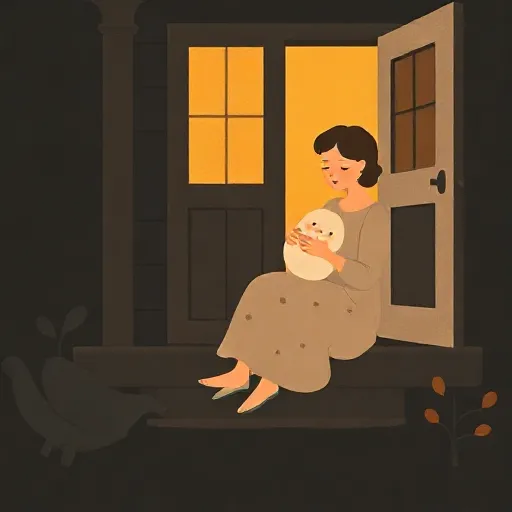
Can It Be Wrong to Have a Baby Who Will Love Life?
Is it wrong to have a baby who will have a disability and love life? The puzzle: the child can't complain because if you'd waited, she wouldn't exist.
-
Can What You Do While You’re Alive Evolve Your Whole Species?
Can your life experiences change how your whole species evolves? This debate could change our view of health and who we are.
-
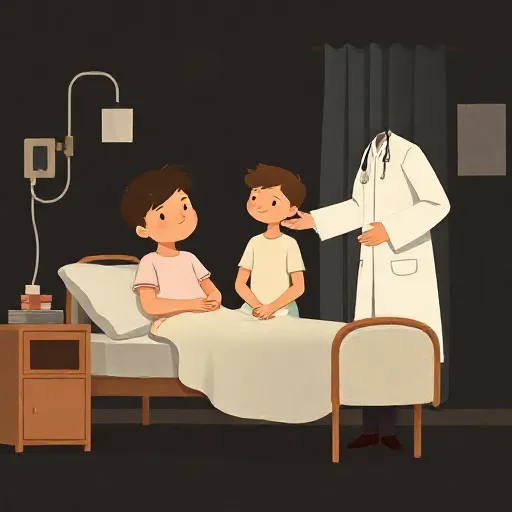
Can You Really Choose Your Own Medical Treatment?
Do kids get to decide their own medical care? It's not just about age—it's about whether you can understand risks and make a choice true to yourself.
-
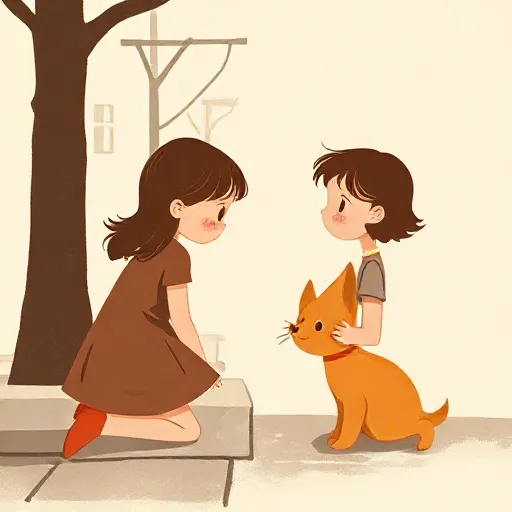
Can You Wrong a Cat? The Surprising Fight Over Animal Morals
Is hurting a cat wrong because the cat suffers, or just because it could make you cruel? This debate changes how we see animals.
-
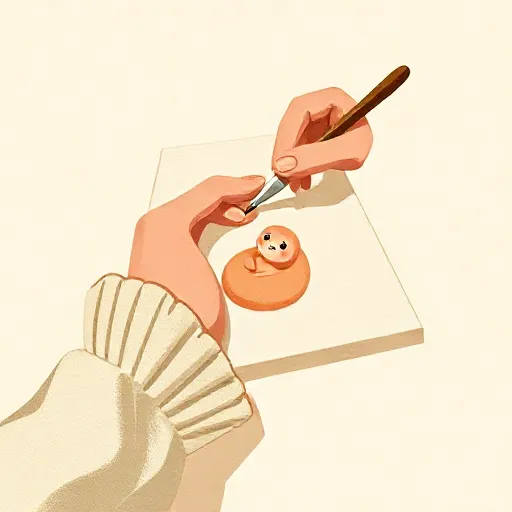
Did a Tiny Person Already Live Inside You Before You Were Born?
Did you start as a tiny fully formed person, or did you grow step by step? This old debate still shapes how we think about DNA and stem cells.
-
Did You Really Change, or Are You Still the Same You?
What makes you the same person even if you change? A puzzle about memory and self that makes you think about what connects your past and future.
-
Do All Humans Count Equally? The Puzzle of Severe Brain Differences
If full moral worth depends on self-awareness and reason, some humans with severe brain differences might have less. That thought is hard to accept.
-
Do We Really Need All Those Beetles? The Hidden Value of Variety
Should we bother saving all species? Some think the variety of life is priceless because it gives us choices for the future.
-
Do You Have a Reason to Be Good?
Why be good? Philosopher Philippa Foot asked this, and her answer kept changing. Her struggle shows why this simple question is so hard.
-
Doctors Keep Secrets. But When Should They Tell?
Doctors promise to keep your health secrets. But what if keeping quiet could harm someone? And what happens when your medical data isn't private at all?
-
If Science Says Race Isn't Real, Why Do We Still Talk About It?
If science says race isn't biological, why does it still matter? Explore the powerful social idea of race and the debate over its use.
-
If You Get Sick, Does Society Owe You Help?
What if getting sick meant you couldn't see a doctor because your family couldn't pay? Is that just bad luck or an injustice that society should fix?
-
If Your Brain Is Dead, Are You Dead?
A ventilator keeps a body breathing after the brain stops. Doctors call it death. But is it? The fight over where life ends — and why your answer matters.
-
Is a Disease a Natural Fact or a Value Judgment?
Is a disease a natural fact or a value judgment? This debate affects who gets treatment and who is blamed for being different.
-
Is a Disease Just a Broken Body Part? The Fight Over “Sick”
Is a disease just a broken body part, or is it shaped by what people think is normal? This big question affects who is seen as sick and who gets help.
-
Is a Tiny Clump of Cells a Person with Rights?
Is a tiny clump of cells a person? That question affects stem cell research, abortion laws, and who counts as human.
-
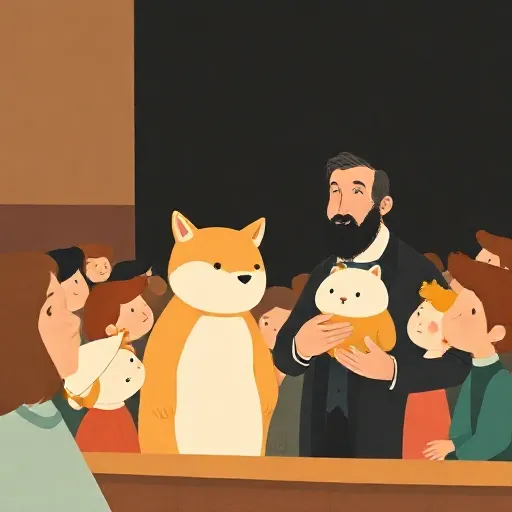
Is Biology Destiny? How Feminists Fought Bad Science About Women
Can biology tell us what women can or can't do? Feminist philosophers uncovered hidden bias in old science, showing how fixing it made knowledge fairer.
-
Is It Ever Right to Choose Your Own Death?
What is suicide, really? Ancient Greeks, Christian thinkers, and Enlightenment philosophers clashed over whether ending your life can ever be justified.
-
Is It Possible to Harm Someone by Giving Them Life?
Can you harm someone by bringing them into existence? This puzzle asks whether a choice can be wrong even if it doesn't make anyone's life worse.
-
Is Letting Someone Die Just as Bad as Killing Them?
A famous pair of bathtub cases challenged our deepest feelings about right and wrong. Philosophers are still arguing about what the answer means.
-
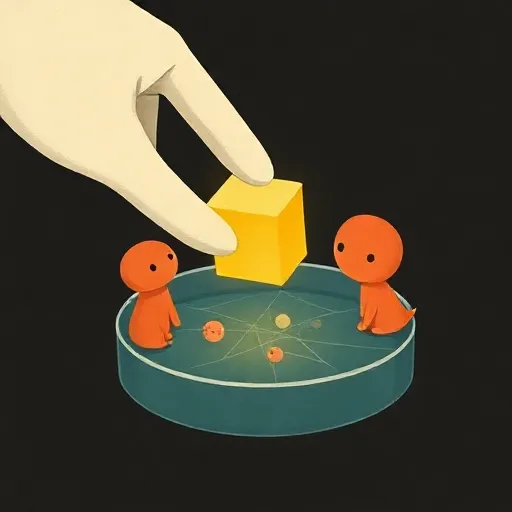
Is Life Just a Machine We Can Rewire?
Scientists use engineers’ tools to understand and redesign living cells. But does life work like a circuit board, or is it too messy to predict?
-
Is Your Body “Normal”? Feminist Bioethics Asks Who Decides
When doctors dismiss women’s pain or design medicine for male bodies, feminist bioethicists say ethics must look at power, not just rules.
-
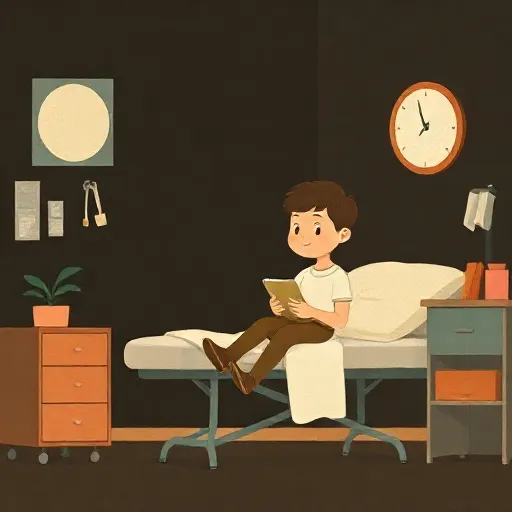
Is Your Body a Machine? The Big Debate Over Modern Medicine
When you're sick, doctors run lab tests and give you a pill. But is that the whole story? A deep dive into the philosophy behind modern medicine.
-
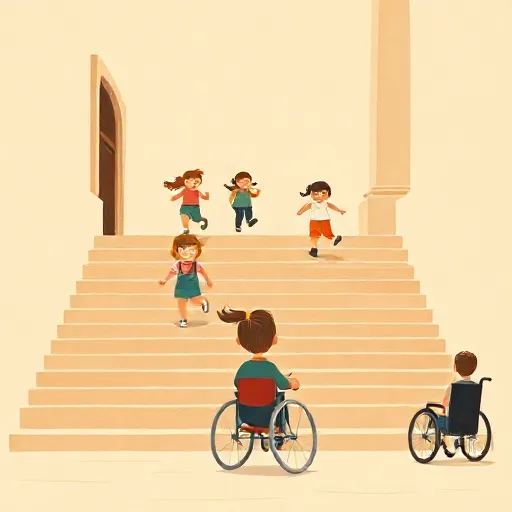
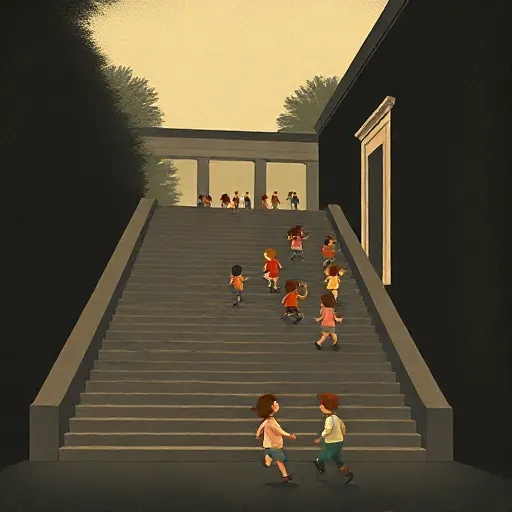
Is Your Body the Problem, or Is the World Just Not Built for You?
A staircase stops a wheelchair. Is the problem your legs or the stairs? This fight about what disability really means shapes laws, schools, and lives.
-
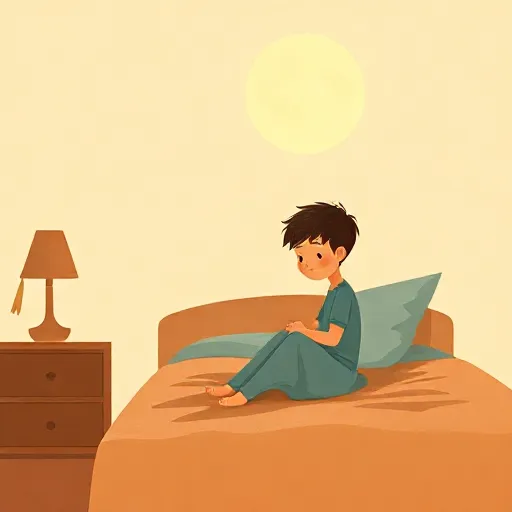
Is Your Inner Voice a Truth-Finder, or Just Your Parents Talking?
Is your inner moral compass truly pointing north, or just echoing your parents' rules? The answer changes how we treat each other every day.
-
Is Your Sadness a Sickness? The Fight Over Mental Disorders
What makes a feeling a mental disorder? Philosophers debate if it's a brain problem or a label society creates. This shapes who gets help or judged.
-
Mind-Reading, Brain Hacking, and Who You Really Are
Brain scans may soon reveal your secrets. Pills might make you smarter. Philosophers argue about whether we should use these powers — and who decides.
-
Should a Wheelchair User Get the Last Donor Heart?
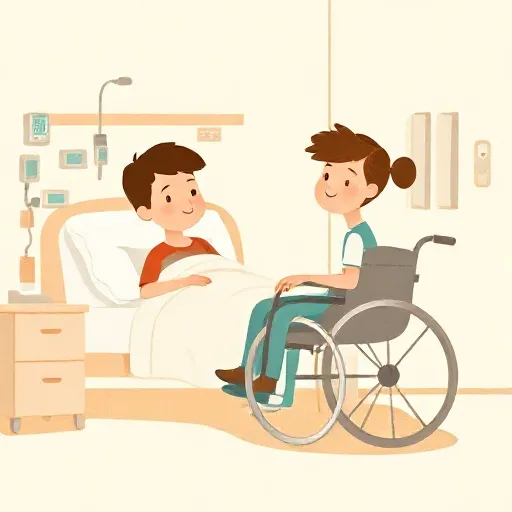
When healthcare is scarce, we have to choose. But if we pick by “quality of life,” people with disabilities lose out. Is that fair?
-
Should the Government Tell You What to Eat?
When can the government tell you what to eat? See why health rules cause arguments about freedom and fairness.
-
Should We Use Genetics to Improve Our Children?
Early eugenics was disastrous. Now tests let us screen embryos for disease and traits. Is this different? A heated debate.
-
Should You Be Allowed to Sell Your Kidney?
Selling a kidney could save a life and pay for college. Philosophers clash over whether we should allow it — and what fair rules would look like.
-
The Violinist, the Growing Child, and the Right to Life
Is abortion ever okay? Some say it's murder; others say a person controls her body. Explore the most famous thought experiments in philosophy.
-
What Exactly Is a Species? Biologists Can't Agree
Can two different species interbreed? Scientists argue over what defines a species, and the answer shapes how we protect wildlife and view ourselves.
-
What If a Mouse Had Human Thoughts?
From myth to lab, researchers now mix human stem cells with animal embryos. But if a mouse gets human-like awareness, do we have to treat it like a person?
-
What if Your Whole Life Was Written in Your Genes?
Scientists mapped all our DNA, promising cures and a look at human nature. But what they found raised deeper questions about fate, privacy, and race.
-
What Is Life? The 2,500-Year-Old Puzzle That Still Stumps Scientists
What is life? No definition fits every living thing and excludes non-living ones. This puzzle affects how we search for aliens and define life's start.
-
When You Donate Eggs or Sperm, Do You Become a Parent?
If you donate sperm or eggs, are you a parent? It depends on what you think makes a family: genes or care.
-
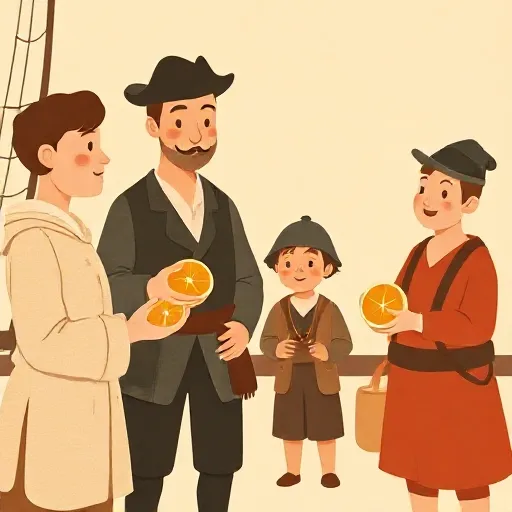
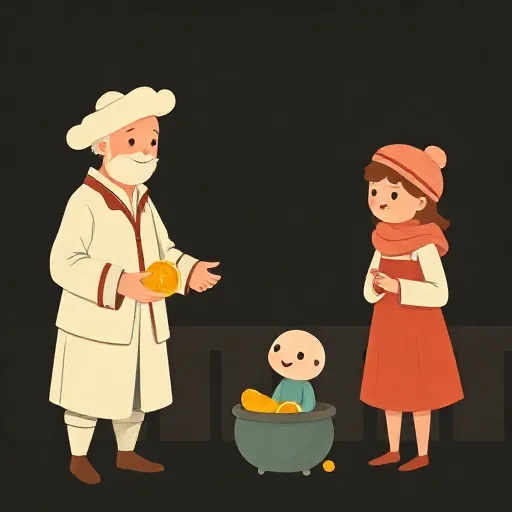
Who Bears the Risk for Tomorrow’s Cures?
Doctors once gave sailors seawater to prove oranges cured scurvy. Today we still weigh who gets the danger and who gets the benefit in medical experiments.
-
Who Decides What Happens to Your Body After You Die?
Who decides what happens to your body after you die? Your family or those needing organs? It's a question of fairness and respecting the dead.
-
Who Decides What Part of Nature to Save?
Who decides which parts of nature to save? It's a mix of science and tough moral choices that still shape our world.
-
Who's the Boss of a Pregnant Body? Doctors, Mothers, or Society?
Pregnancy used to be a family event at home. Now it's high-tech medicine. But does more medicine always mean more freedom—or more control?
-
Whose Life Is It, Anyway? The Fight Over Assisted Dying
Whose life is it anyway? The fight over whether doctors may help a suffering person die, and the slippery slope worries that stop many from agreeing.
-
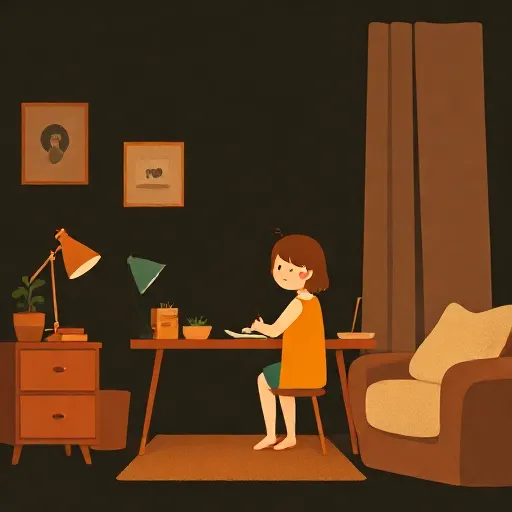
Whose Wish Counts When You Forget What You Wanted?
If your future self forgets a hard choice you made, does your old wish still matter? Marta's story about marigolds and memory shows why it's tricky.
-
Why Can’t Scientists Agree on What Counts as Cancer?
Cancer isn’t one thing — it’s a tangled puzzle. Why do some growths stay harmless while others kill? And what does that mean for how we treat it?
-
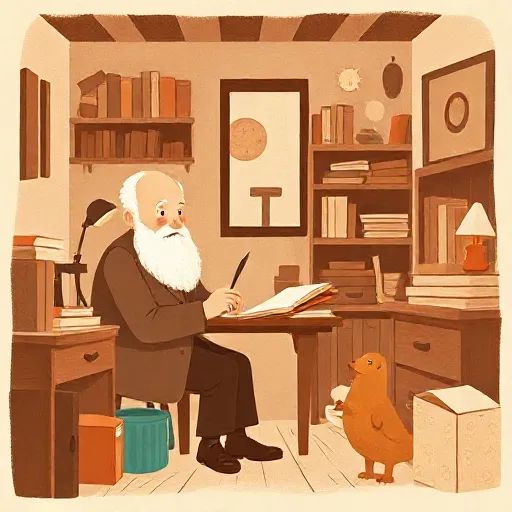
Why Did Darwin’s Idea Terrify Everyone? The Fight Over Evolution
Why did Darwin's evolution idea terrify people? It questioned chance, species, and kindness, sparking debates that still rage.
-
Why Do You Get to Say No to a Doctor? The Puzzle of Informed Consent
If a doctor can save your life, why do you have the right to say no? And what does it take for your "yes" to count as a real choice?
-
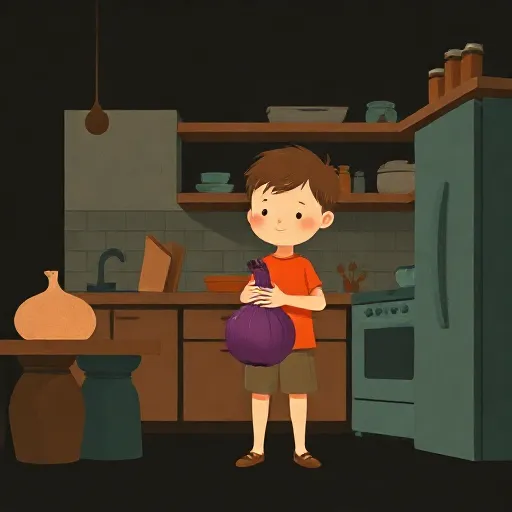
Why Does an Onion Have Five Times More DNA Than You?
Why does an onion have five times more DNA than you? The surprising answer reveals that our genome is not a tidy blueprint.
-
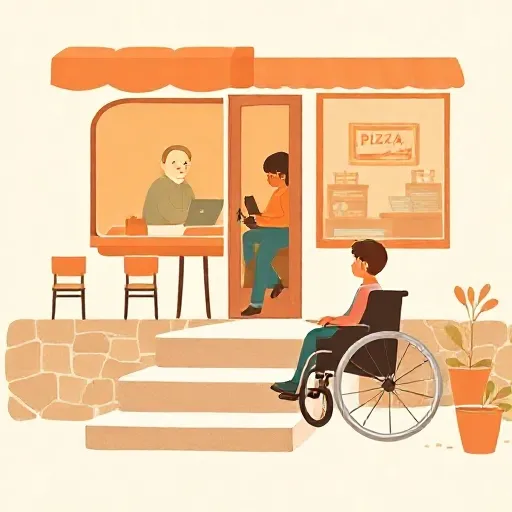
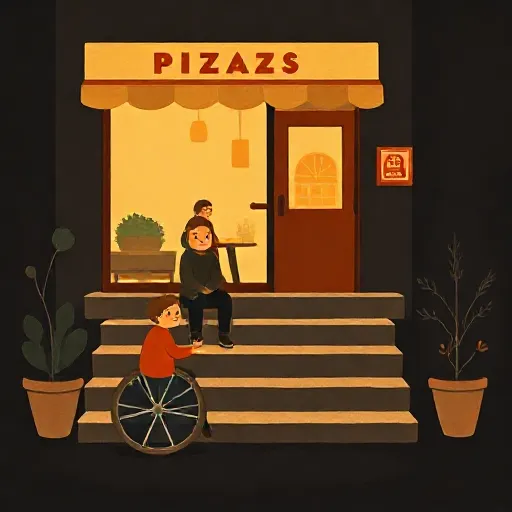
Why Does Fairness Cost Money? The Puzzle of Disability and Justice
Why does treating disabled people fairly cost money, unlike other fights for justice? It's a puzzle that makes philosophers rethink what disability means.
-
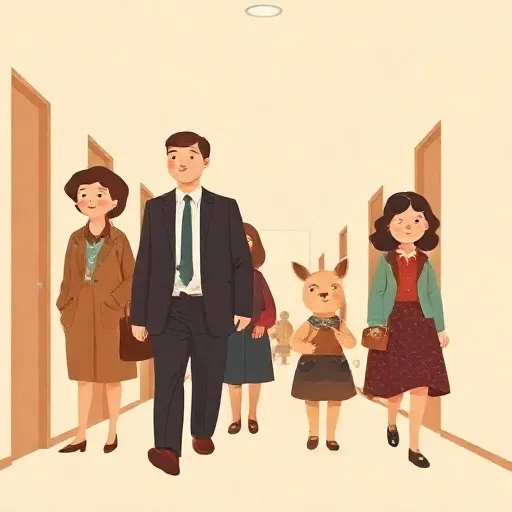
Why Does Your Job Decide How Long You Live?
Doctors can't explain why a file clerk lives shorter than an administrator, even with free healthcare. A story about the hidden causes of illness.
-
Would a Clone Be You? The Ethics of Copying People
If we cloned you, would the clone be you? The surprising answer shows clones are unique like twins, sparking debates about cloning for medicine or babies.
-
Would You Take a Pill to Make You Smarter?
Smart drugs, gene editing, and bionic limbs aren't just for the sick. They raise tough questions about fairness, identity, and what it means to be human.
-
Your Genes: Destiny, Blueprint, or Just a Part of the Story?
Mendel’s peas started a revolution. Now we can read our DNA. But does your genome really predict your future—or just give hints?