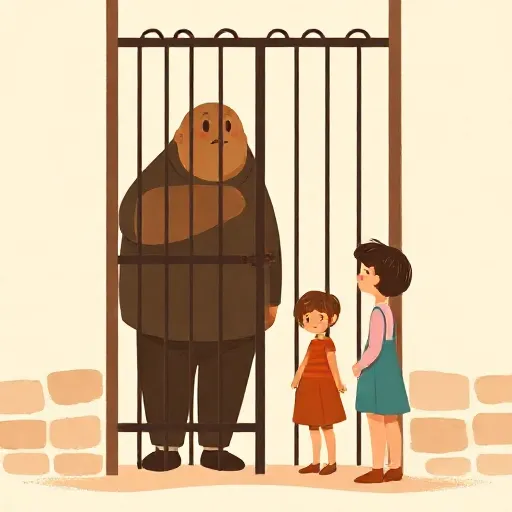

Should the Government Tell You What to Eat?
A Tale of Two Health Systems
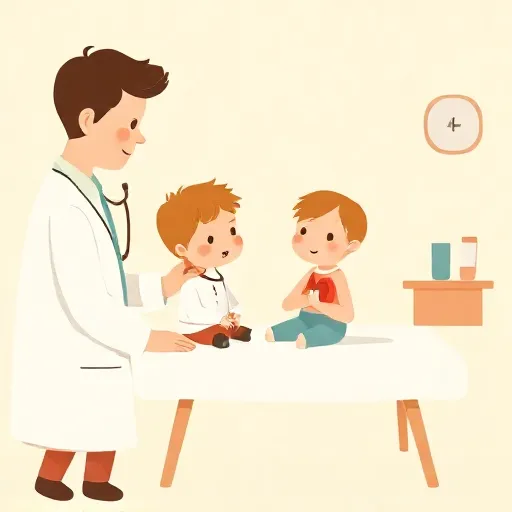
Imagine you are at the doctor’s office with a sore throat. The doctor listens to your symptoms, runs a quick test, and prescribes medicine just for you. That’s clinical care — one patient, one problem. Now imagine a city council meeting where officials are debating a tax on sugary drinks. They aren’t thinking about your sore throat. They’re looking at charts showing thousands of cases of diabetes, rising healthcare costs, and neighborhoods with more fast-food joints than grocery stores. That’s public health.
Public health focuses on the health of whole populations, not individual patients. And it often involves the government — taxes, laws, surveillance, school rules, even quarantines. These two features — a population focus and government power — make public health ethics a unique and fiercely debated branch of philosophy. The big question: when is it fair for the state to restrict your choices to protect a group you might never meet?
The Public: Everyone on the Bus?

Who exactly is the “public” in public health? One answer is a community — a group with shared language, history, or location. When public health talks about communities, it sounds natural to appeal to the common good, something we all share. But many health threats ignore boundaries. A virus doesn’t care what country you live in, so some philosophers prefer to talk about populations — any large group of people, local or global, without the cultural glue. If you ride a city bus, the health of everyone on it can affect you even if you don’t know their names.
Then there’s the question: is the health of a population just the sum of each person’s health? Reductionists say yes — the group’s health is nothing more than adding up individual health. Anti-reductionists say the public’s health is something more — a shared value like solidarity or a public good. One clear public good is herd immunity. If enough people get vaccinated, the disease can’t spread, and even those who can’t be vaccinated are protected. Herd immunity is non-rivalrous (my protection doesn’t use yours up) and non-excludable (you can’t easily deny it to anyone). That’s why governments often step in — no private company offers “herd immunity” for sale.
Who Gets the Medicine? Justice and Prevention
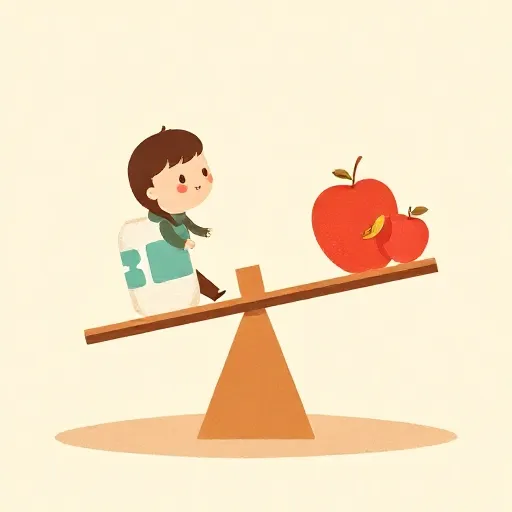
Public health deals with limited money and often has to set priorities. One way is to aim for efficiency — get the most health for the least cost. Health economists use measures like Quality-Adjusted Life Years (QALYs), which try to put a number on how many healthy years a treatment adds. But many philosophers object: QALYs might treat saving a life as comparable to curing a headache, and they may hide unfair differences between groups. Averaging can make a population look healthy while disadvantaged neighborhoods suffer quietly.
These tensions create a clash between efficiency and equity. Some argue we should give extra weight to the health of the worst-off — a view called prioritarianism. Others say justice means everyone reaches at least a decent threshold of health — sufficientarianism. The famous epidemiologist Geoffrey Rose (1926–1993) described a prevention paradox: a low-cost intervention that gives a tiny benefit to each person (like a soda tax reducing everyone’s daily sugar by a few grams) can add up to a huge population health gain. But it feels less urgent than saving a single identifiable child from an accident. This identified victim effect pushes us to fund dramatic rescues over boring prevention, a bias some philosophers say is morally just wrong.
Blaming the Sick? Responsibility and Stigma
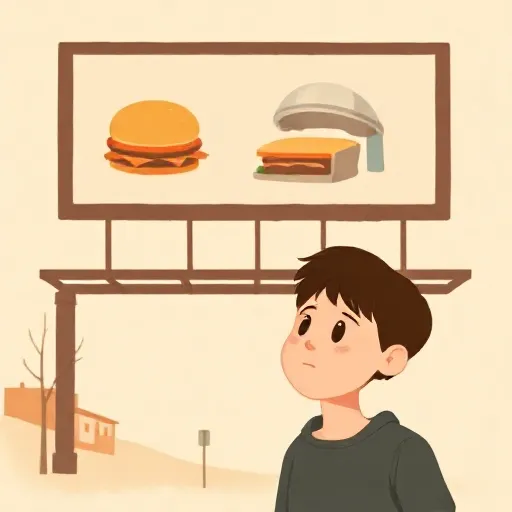
Some people argue that if your illness is caused by your own unhealthy choices, the community shouldn’t have to pay. This idea borrows from luck egalitarianism, which says people should be compensated for bad luck but held responsible for their free choices. Others push back hard: choices like smoking or eating poorly are often shaped by poverty, addiction, dishonest marketing, and a food environment designed against health. Penalizing a person for being poor and then sick, they say, is victim-blaming. And figuring out whether lung cancer in one patient was “caused” by smoking or genetics is nearly impossible for a blunt public policy.
Stigma adds another layer. If a government campaign tries to make people feel ashamed of being overweight, does that reduce obesity, or does it simply add psychological harm to an already marginalized group? Some philosophers defend targeted stigmatization if it’s the only effective way to reduce a serious health problem. Most worry it disrespects individuals, treats them as nothing more than a “spoiled identity,” and falls hardest on those already suffering from injustices.
Sugar Taxes and the Invisible Hand: Paternalism and Liberty
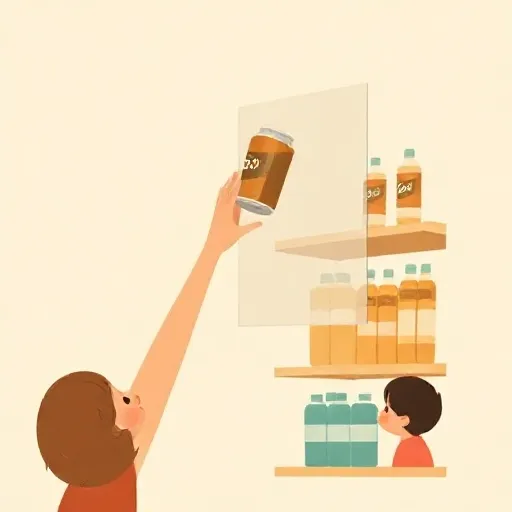
When the state stops you from doing something purely for your own good, that’s paternalism. Strong paternalism overrides your informed, voluntary choices — like forcing you to wear a helmet even when you know the risks and value the wind in your hair. Most philosophers find strong paternalism hard to justify. Weak or soft paternalism only interferes when your choice is compromised by ignorance, immaturity, or manipulation.
The English philosopher John Stuart Mill (1806–1873) offered a different line. His harm principle says the only justification for limiting liberty is to prevent harm to others. So outlawing smoking in public places is fine because second-hand smoke hurts others; banning trans fats in restaurants might be harder to defend if the only one hurt is the person eating them. Yet some argue that a cyclist without a helmet harms others by draining emergency medical resources. How broadly should we define harm?
A modern alternative is libertarian paternalism, developed by thinkers like Cass Sunstein (b. 1954) and Richard Thaler (b. 1945). Instead of banning choices, they propose nudges — small changes in “choice architecture” that make healthier options easier. Making salad the default side dish, with fries available on request, is a nudge. Defenders say it respects freedom because you can always opt out. Critics reply that manipulation is still manipulation, even without a fine. The Nuffield ladder is a useful map that arranges interventions from “do nothing” to “provide information” to “restrict choice” — but it doesn’t settle the deeper moral fight.
In the Crossroads Every Day
These arguments aren’t locked in philosophy journals. A tax on sugary drinks, a rule that you can’t buy cough medicine with certain ingredients before age 18, a vaccine requirement to attend school — each is a live example of the tension between individual liberty and collective health. You are already standing at that crossroads, every time you see a calorie label on a menu or hear a school announcement about flu shots. The question isn’t whether these decisions are made — it’s who gets a say, and which values matter most when we answer them.
Think about it
- If a tax on soda helps the whole community become healthier, but you have to give up your favorite drink, is that fair? Where would you draw the line?
- Should a hospital spend its last budget dollar on an experimental treatment for a single visible patient, or on a program that prevents disease for thousands of statistically invisible people? How would you decide?
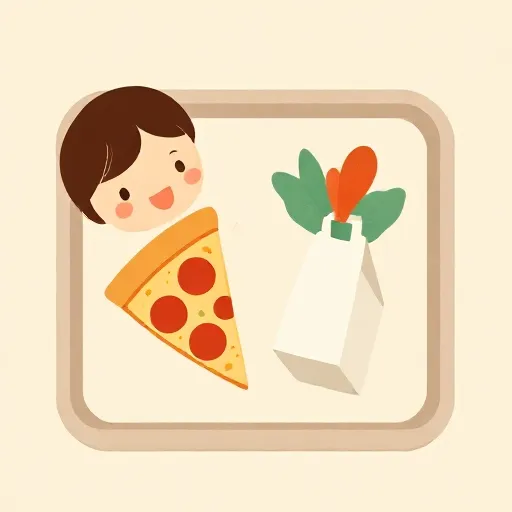
- Imagine your school makes salad the default lunch, but you can still ask for pizza. Does this nudge respect your freedom, or does it feel like a trick? What makes a nudge okay or not?