Mind-Reading, Brain Hacking, and Who You Really Are
A Pill, a Scanner, and a Hard Choice

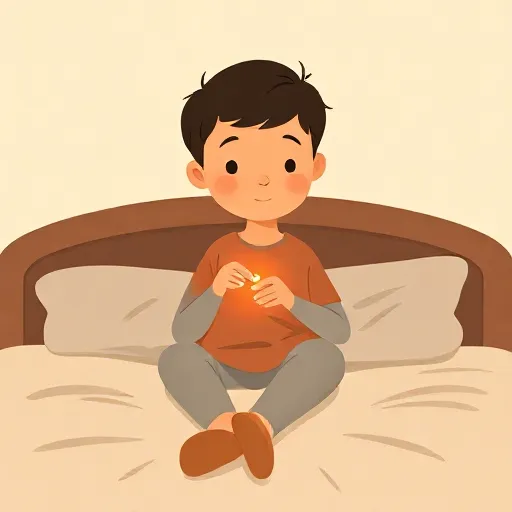
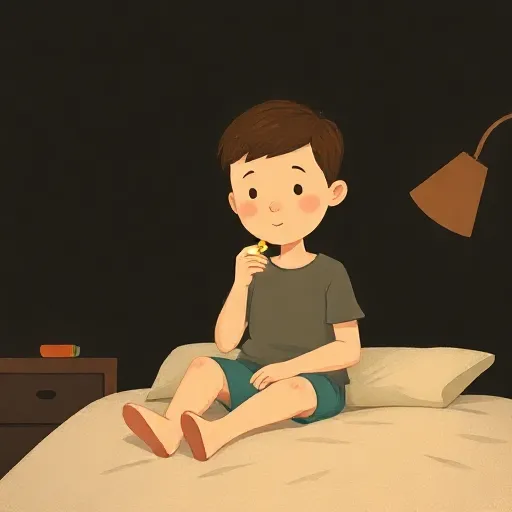
Imagine this: you’re staring at a small white pill. It won’t cure a sickness — instead, it promises to sharpen your focus so you can ace tomorrow’s test. Other kids use it, but something feels uneasy. Is it cheating? Is it dangerous? Would you do it? That tight knot of uncertainty is where neuroethics begins.
Neuroethics is a branch of philosophy that grew alongside brain science. In 2002, a group of neuroscientists, ethicists, and writers met to map out this new field. Columnist William Safire (1929–2009) gave it a name, describing neuroethics as the examination of what is right and wrong, good and bad about the treatment of, perfection of, or unwelcome invasion of and worrisome manipulation of the human brain. Around the same time, philosopher Adina Roskies argued that neuroethics has two sides. The first, the ethics of neuroscience, asks hard questions about new brain technologies: who gets to use them, and when? The second, the neuroscience of ethics, explores what brain science can tell us about our own moral thinking — and whether that should change our ideas about right and wrong.
Both sides matter because technologies that monitor and tinker with the brain are no longer science fiction. They are here, and they will keep getting smarter.
Brain Boosters: The Enhancement Debate

One of neuroethics’ hottest debates is about cognitive enhancement — using drugs or devices to push your thinking above normal, even if you’re healthy. College students already take stimulants like methylphenidate (Ritalin), originally prescribed for ADHD, to improve memory and concentration when they study. Researchers are also testing transcranial direct current stimulation (tDCS), a weak electrical jolt to the scalp that can speed up learning, and brain-computer interfaces (BCIs) that might one day let people control computers with their thoughts.
Defenders of enhancement, sometimes called “transhumanists,” offer several reasons to embrace it. They point out that we already enhance our brains all the time — education literally reshapes your neural wiring. If that’s natural, why is a pill unnatural? They also argue from cognitive liberty: the right to decide for yourself what to do with your own mind. And they appeal to fairness: if some enhancers work better for people who start with a weaker baseline, they might level the playing field.
Opponents, often labeled “bioconservatives,” push back. Their strongest worry is harm: a drug that perks you up for an exam may damage your brain in ways scientists don’t yet understand, and the benefits might not be big enough to justify the risk. Others say shortcuts undermine effort — what’s the value of a grade if a pill earned it for you? There are also deep concerns about inequality. If only wealthy families can afford brain upgrades, the gap between the haves and have-nots could grow alarmingly wide. Finally, some fear coercion: if your classmates use enhancements, you might feel forced to join in just to keep up, even if you’d rather not.
Both sides recognize that not all technologies are alike. A safe, cheap booster would raise different ethical flags than an invasive brain implant. That’s why neuroethicists keep sifting the details.
Who’s Peeking Inside Your Head?
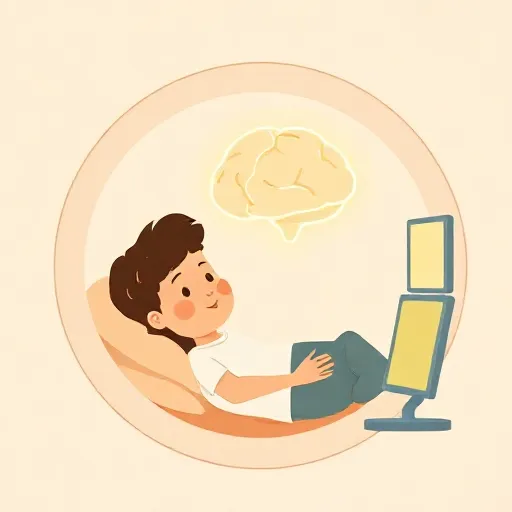
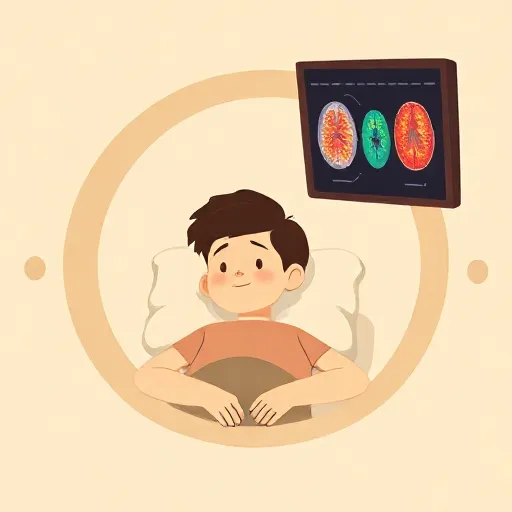
A second big worry is mental privacy. In the past, your thoughts were your own unless you spoke them. Now, a technique called functional MRI (fMRI) can track blood flow in your brain and infer what’s happening inside. Using clever algorithms, scientists can decode some mental content — for example, they can reconstruct a simple image you just viewed or figure out whether you recognize a face.
Before you panic, know the limits. The fMRI signal is fuzzy and slow compared to real thought. The machines are so sensitive to movement that an unwilling person cannot be scanned covertly. Decoding works best when you cooperate and when the set of possible thoughts is small. So the government is not secretly reading your mind from a van across the street.
Still, privacy is under threat in subtler ways. Brain scans can reveal implicit biases — automatic attitudes about race or gender that you may not even be aware of. They can sometimes detect when a person is hiding information, which has led companies to offer fMRI lie detection, even though courts have ruled it too unreliable for now. Some studies even suggest that brain activity patterns can predict whether someone is likely to cheat or break a law again in the future. If a scan could guess your trustworthiness without you knowing, where would you draw the line?
When Your Brain Gets a Tune-Up
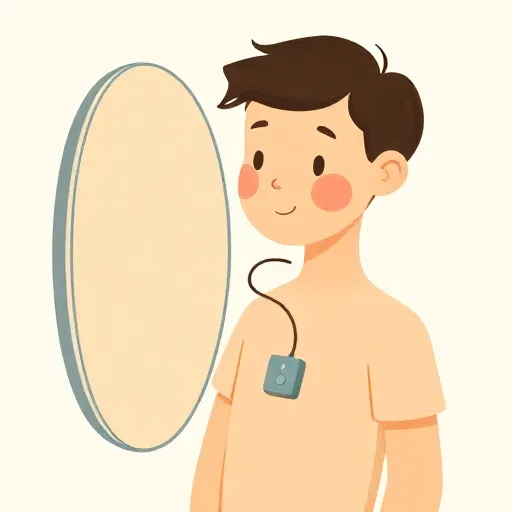
If monitoring raises questions about privacy, direct brain intervention raises questions about autonomy (self-rule) and personal identity — what makes you the same person over time. Take Deep Brain Stimulation (DBS), a treatment that implants electrodes deep inside the brain to calm the tremors of Parkinson’s disease. For many patients, it’s a miracle. But some experience striking side effects: moods swing, new obsessions appear, or tastes change dramatically. One patient, previously a broad music lover, developed a fixation on Johnny Cash’s music that vanished the moment the stimulation stopped.
A famous ethical puzzle involves a man with severe Parkinson’s whose DBS eased his paralysis but made him uncontrollably manic. While unstimulated, he chose to keep the device on; while manic, he was not considered competent to decide. So who should have the final say — the calm self or the excited self that the technology creates? If brain changes split you into two different versions, which one is the “real” you?
Neuroethicists frame this as a clash between authenticity (being true to who you are) and well-being. Some argue that what matters is whether you still weave your life into a coherent story you can call your own. Others think identity is more about your unchanging biological body. The science is far ahead of the philosophy here: we can flip neural switches now, even while we argue about what makes a person.
Do You Decide, or Does Your Brain?
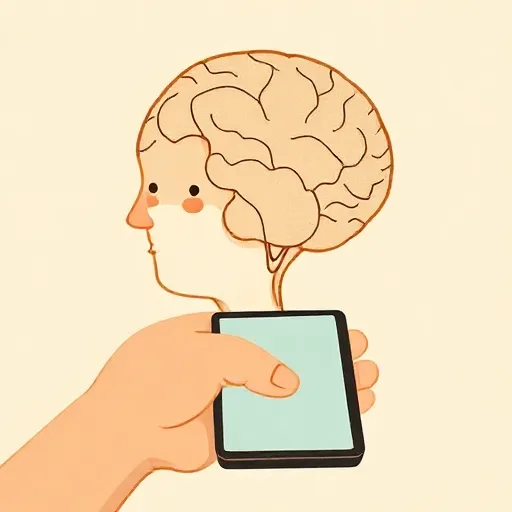
Neuroethics doesn’t just inspect gadgets. It also looks inward, using neuroscience to examine moral decision-making. In a famous experiment, Joshua Greene and colleagues scanned people’s brains while they wrestled with dilemmas like the trolley problem — should you push someone off a bridge to stop a runaway trolley from killing five? They found that “personal” dilemmas, where you have to physically hurt someone, set off emotional brain regions more strongly than abstract ones. Greene proposed a dual-process model: fast, gut-level feelings compete with slower, rational calculation when we make moral choices.
Some thinkers take results like these to cast doubt on free will. If your brain has already made a choice before you’re conscious of deciding, then maybe you were never really in charge. That idea creeps people out — and in some studies, when people are told they don’t have free will, they are more likely to cheat. Yet philosophers push back: many argue that having a physical brain cause your decisions doesn’t mean you aren’t free; it just means you are a living organism, not a ghost. The debate rages on because it touches how we hold people responsible for their actions, in school, in court, and in daily life.
Why This Matters at Your Age

You already live in a world shaped by neuroethical questions. Video games and social-media apps are designed using brain-science insights to keep you clicking — is that harmless design or manipulation? Your school might one day offer brain-training games or attention-monitoring headbands. If police could use brain data to predict crime, should they? If a pill could erase a traumatic memory, would you take it, or would that erase a piece of who you are?
These aren’t just grown-up problems. They’re about your future: your privacy, your freedom, and your sense of self. Neuroethics doesn’t hand you tidy answers. It hands you a framework for asking sharper questions — and the habit of checking who benefits from each new invention, and who might be hurt. Right now, we’re still figuring out the rules. That means you get to be part of the conversation.
Think about it
- If a brain device let you choose your mood every morning, would you still be the same person? What might you lose?
- Should schools ever use brain scans to check if students are paying attention, or would that be a step too far?
- If scientists could predict every choice you’ll ever make, would it still be fair to blame people for bad actions?