
Contemporary Philosophy
300 articles
-
A Letter, a Paradox, and the Tower of Types That Fixed Math
Why can't a set contain all sets? A simple rule—things can only point to things on lower levels—fixes a nasty loop and now runs your computer.
-
Are Electrons Really Individuals? The Quantum Identity Puzzle
Can something be a real individual if it has no unique properties? Quantum particles like electrons challenge our idea of what makes things distinct.
-
Are Some Infinities Bigger Than Others? Cantor's Discovery
Cantor found that some infinities are bigger than others. Then he asked an impossible question about the continuum — and it broke mathematics.
-
Are the Rules of Logic Inside Your Head or Out in the World?
In 1900, German philosophers fought over whether logic is part of psychology. The battle changed how we think about truth, thought, and the mind.
-
Are There Beliefs That Prove Themselves?
Do any beliefs need no proof? If every reason needs another reason, we might never stop asking why. But perhaps some things are just obvious.
-
Are There Facts About What You Know, or Do We Just Make Them Up?
Is there a real fact about what you know, or is knowing like a game rule we invent? This debate shapes how we think about truth and trust.
-
Are There Math Problems No Computer Can Ever Solve?
Some math problems can never be solved by any computer. Alonzo Church's surprising discovery changed computer science forever.
-
Are There Other Versions of You? David Lewis’s Wild Answer
Could there be real alternate versions of you in other universes? David Lewis said yes—every possible you is out there somewhere.
-
Are There Things That Never Change? (And Other Metaphysical Mysteries)
Are there unchanging things? How do mind and body connect? Exploring metaphysics could change how you see yourself and the universe.
-
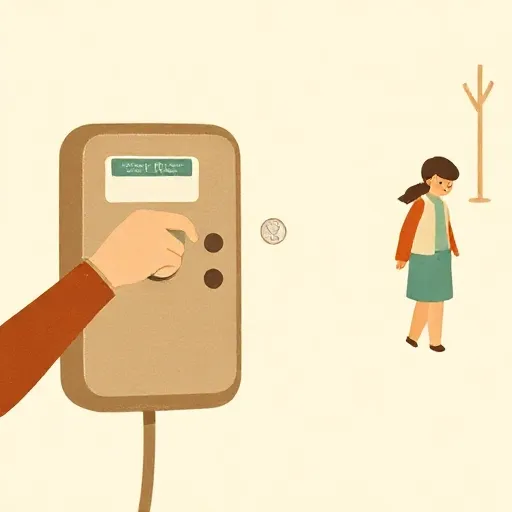
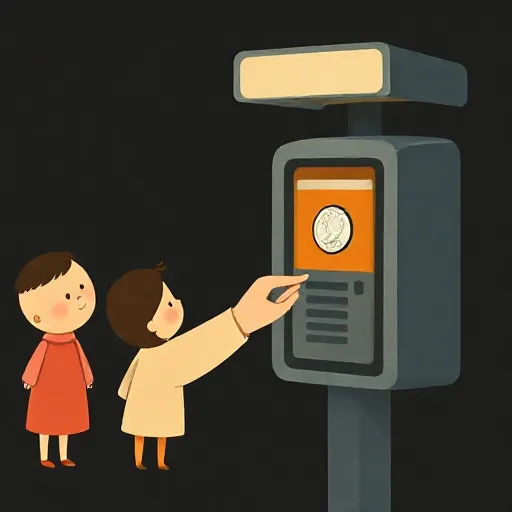
Are You a Good Person, or Do Tiny Situations Decide for You?
A found coin made strangers suddenly helpful. If small things control our behavior, do we really have stable virtues like compassion?
-
Are You a Whole Person? The Search for Integrity
Why being true to yourself is harder than it sounds — and why your commitments, desires, and even your friendships put your integrity to the test.
-
Are You Born a Girl, or Do You Grow Into One?
Are you born a girl, or do you become one? The answer affects laws, schools, and how you see yourself.
-

Are You Born a Woman, or Do You Become One?
Simone de Beauvoir said you become a woman. But how? Philosophers look at gender, power, and reality to find out.
-
Are You Missing the Art in Your Own Kitchen?
Do you notice the art in your cereal or outfit? Everyday aesthetics shows how small moments of liking or not liking shape who you are.
-
Are You More Than a Body? Roderick Chisholm’s Bold Answer
What makes you you? Philosopher Roderick Chisholm argued you are a simple self, not just a body, and you can truly know the world and choose freely.
-
Are You More Than Your To-Do List? Gabriel Marcel’s Answer
Are you more than your to-do list? Gabriel Marcel’s insight might reshape your view of life and purpose.
-
Are You Pretending When You Say 'Two Plus Two Is Four'?
Is math real, or are we just pretending? Some philosophers think numbers, rules, and even objects are like make-believe. Find out why that idea matters.
-
Are You Really Fair, or Just Good at Pretending?
When scientists gave strangers $10 to split, something shocking happened. The games that reveal our hidden selfishness — and our surprising fairness.
-
Are You Really Sitting Still? The 400-Year Fight Over Motion and Space
Why does smooth motion feel like standing still? The answer took 400 years, from Galileo to Einstein, and it’s why your phone’s GPS works.
-
Before You See Anything, You Feel Yourself Alive
Why the French philosopher Michel Henry said there's a deeper kind of appearing — a warm, aching, joyful self-awareness that makes all experience possible.
-
Can a Computer Ever Truly Understand Your Words?
A 1960s chatbot fooled people by echoing their words. Today's apps are smarter but still miss meaning. Why is human language so tricky for machines?
-
Can a Dirty Pair of Shoes Change the Way You See Everything?
Can a pair of old shoes really change the world? Heidegger thought art is not just pretty—it can shape what whole societies believe is true.
-
Can a Dirty Room Change What You Think Is Wrong?
Can finding a dime or sitting in a smelly room change what you think is wrong? Experiments say yes—so how reliable are our moral instincts?
-
Can a Good Reason Hop from One Belief to Another?
If a reason for one belief works for another, can we prove the world is real? Explore why reasons sometimes get stuck.
-
Can a Lie Be More Informative Than the Truth?
Can a lie be more informative than the truth? This question makes us rethink what it means to learn from words and why we value truth.
-
Can a Machine Think? The Boyish Genius Who Dared to Ask
Can a machine think? Alan Turing's ideas about computing and conversation tests still shape AI and make us question what thinking means.
-
Can a Math Proof Also Be a Computer Program?
Can a math proof also be a computer program? This idea checks proofs by running them, making software that never crashes.
-
Can a Robot Feel Pain? The Big Fight Over Functionalism
Can a robot feel pain? Functionalism says yes if it works like us. But critics have zany thought experiments to say no. Discover why it matters.
-
Can a Song Make the World Feel Less Pointless?
Sartre thought art reveals the world and our freedom. Camus argued it helps us face the absurd. A look at why making and enjoying art is a big deal.
-
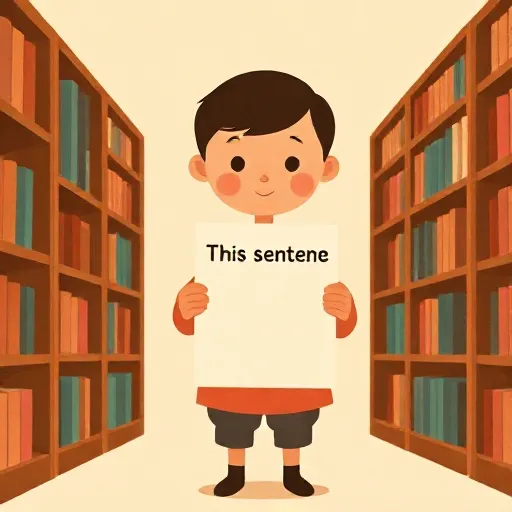
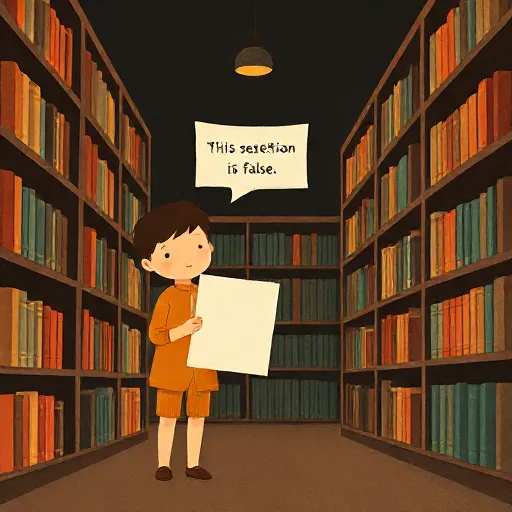
Can a Statement Be Both True and False?
Can a statement be true and false? Classical logic says no: a contradiction explodes reason. Paraconsistent logics tame contradictions for the real world.
-
Can a Teacher Ever Give a Truly Surprise Test?
A student's logic seems to rule out surprise tests. Yet teachers give them. How can both be true? Dive into this tricky puzzle.
-
Can a Thought Make You Move? The Puzzle of Anomalous Monism
Can a thought really move your arm? Davidson said yes, but his idea makes some wonder if thoughts have any real power.
-
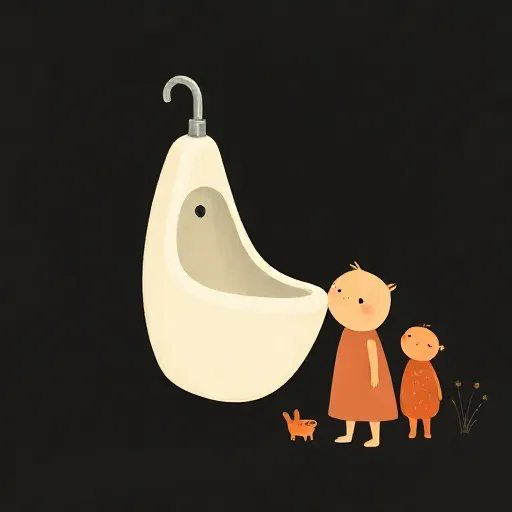
Can a Toilet Be Art?
A man once put a urinal in an art show. The judges said no. He said yes. A 100-year-old fight about who gets to decide what art really is.
-
Can a Trans Woman Be a Woman? A Fight Inside Feminism
Feminists have long fought over whether trans women are women. The clash began decades ago and still shapes feminism today. Both sides have reasons.
-
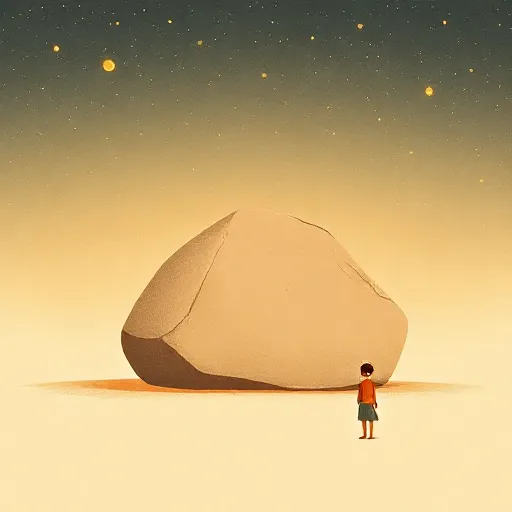
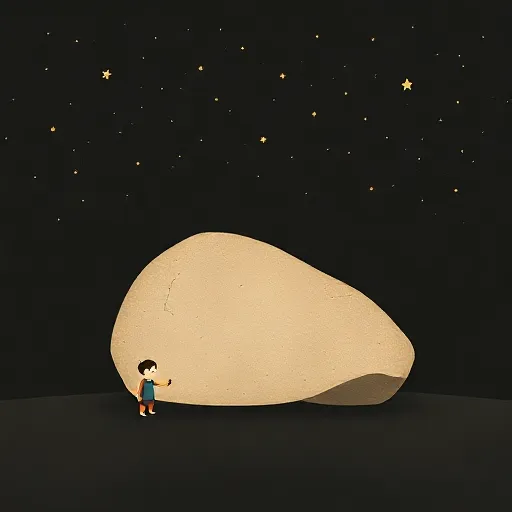
Can an All-Powerful Being Make a Rock So Heavy It Can’t Lift?
If God can do anything, the stone paradox seems to prove otherwise. Philosophers still debate what “all-powerful” really means.
-
Can an Idea Be a Work of Art? The Conceptual Art Puzzle
Why some artists stopped making beautiful objects and put ideas at the center of their work — and why that still makes people angry.
-
Can Anyone Really Define What Morality Is?
Philosophers disagree on what morality means. Is it about harm, society's rules, or something else? The answer shapes how we treat others and design tech.
-
Can Brain Science Explain Your Mind? The Neurophilosophy Challenge
Neuroscientists can watch your brain in action. Does that mean your thoughts, feelings, and choices are just brain cells firing? A guide to the big debate.
-
Can God Feel Your Pain? The Fight Over a Changing God
Can God feel your pain? The fight between an unchanging God and one who grows with love. It changes prayer, suffering, and the future.
-
Can Math Prove That It Has No Contradictions?
Can math prove it has no hidden contradictions? Gödel showed it can't from within, but Gentzen found an infinite method—and today's apps rely on it.
-
Can One Country Rule Another? The Fight Over Colonialism
From Spanish friars to Gandhi, thinkers asked whether taking over another land is ever justified. The debate still shapes our world.
-
Can Philosophers Tell Mathematicians They’re Wrong About Math?
Can a philosopher's doubts change math that science and everyday life rely on? This debate decides who truly sets the rules for numbers.
-
Can Something Change and Still Be the Same?
A moving car, a flying arrow, and the weird idea that change might be an illusion — or a real contradiction.
-
Can Something Exist Without Depending on Anything Else?
Your desk, your thoughts, even the number 2—do they all lean on something more basic? The tricky idea of ontological dependence and why it matters.
-
Can Thoughts Mean Anything Without Feelings?
What makes a thought about pizza? Some say we need feelings to give thoughts meaning. Without consciousness, thoughts are empty.
-
Can Two Particles on Opposite Sides of the Universe Share a Secret?
Can particles far apart share an invisible link? Einstein called it spooky. The answer makes us rethink what is real when no one is looking.
-
Can Two People See the Same Quantum Event Differently?
Relational quantum mechanics claims properties only exist when systems interact. An event can look different to different observers.
-
Can Two Things Be Exactly the Same and Still Be Two?
What makes you uniquely you, even if an exact copy existed? This old puzzle about sameness and identity still shapes how we see ourselves.
-
Can We Agree on Justice Without Knowing the Whole Truth?
How can we agree on justice without knowing all the facts? John Rawls's 'veil of ignorance' helps create fair rules everyone can accept—but is it fair?
-
Can We Build a Better Language for Thinking?
Carnap said old words trick us. He designed new, precise language rules to clear up confusion — and said we could choose any rules as long as we're clear.
-
Can We Ever Be Sure of Anything? Latin America’s Skeptical Heart
Ancient doubt revived in Latin America asks if we can be sure of anything. It connects to the math AI uses to learn.
-
Can Words and Ideas Really Fight for Survival?
Can words and ideas struggle for life like animals? Darwin believed they could. Find out how useful ideas spread and why others disappear.
-
Can You Always Do What’s Best — and Still Keep Your Promises?
Is it always right to do what's best if it means breaking a promise? This dilemma pits loyalty against the greater good.
-
Can You Be Blamed for Something You Didn’t Know Was Wrong?
If you break a rule you never knew existed, are you off the hook? Philosophers wrestle over what you really need to be aware of to deserve blame.
-
Can You Be Evil Without Being a Monster?
Can someone be evil without being a monster? Hannah Arendt's study of Adolf Eichmann reveals how not thinking can lead to great harm.
-
Can You Blame a Machine? When Computers Act, Who’s Responsible?
Can a computer be morally responsible? When tech goes wrong, philosophers ask if only humans can be blamed, and what it truly means to act freely.
-
Can You Boil Down Skill to a List of Facts?
Is knowing how to do something just a list of facts? Philosophers debate whether skills like bike riding are more than mental rules.
-
Can You Build a Machine That Makes Time Loops?
Physicists imagine a device that warps space so you could loop back and meet yourself. But can it really work, and how would we know it caused the loops?
-

Can You Build the Whole Universe Out of Simple Facts?
Can simple facts build the universe like Legos? Russell's logical atomism says yes. Analyzing language exposes hidden assumptions about reality.
-
Can You Change the Future Before It Happened?
Can your future be predicted? Philosopher Jan Łukasiewicz said no—the future isn’t fixed, so your choices are free. He created a new logic to prove it.
-
Can You Escape the Gaze That Fixes You? Frantz Fanon’s Question
Frantz Fanon saw that racism doesn’t just limit what you can do — it shapes who you think you are. He asked if we could ever truly break free.
-
Can You Ever Really See Inside Your Own Mind?
Philosophers argue whether you detect your thoughts like a scientist or whether knowing your own mind is something else entirely.
-
Can You Figure Out What’s True Just By Thinking?
Some philosophers say you can understand knowledge with pure reasoning. Others say you need a lab. A debate that never ended.
-
Can You Fix a Broken Relationship? The Puzzle of Atonement
Why is mending a broken relationship more than just an apology? This explores the puzzle of atonement and whether forgiveness can be earned.
-
Can You Invent a Recipe for Discovery?
Can you invent a recipe for discovery? Find out why philosophers now think even the best ideas aren't just luck.
-
Can You Know Right from Wrong Just by Thinking?
Kant said moral truths are built into reason, like math. Moore thought you could just "see" goodness. But does that inner flash really come from nowhere?
-
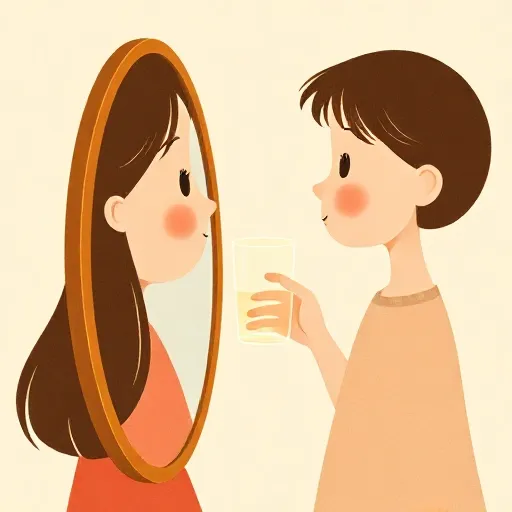
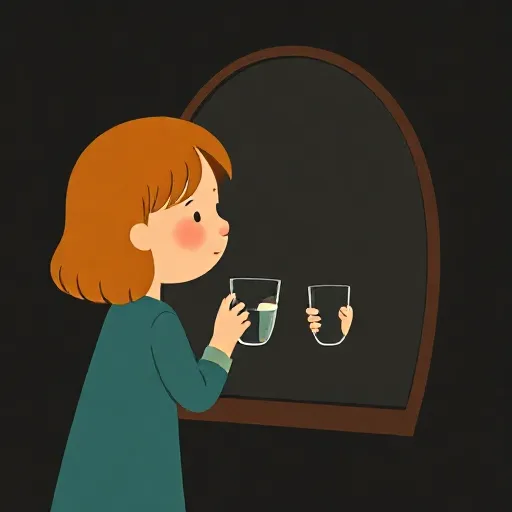
Can You Know Your Own Thoughts? The Twin Earth Puzzle
If Twin Earth has different water, can you know your own thoughts? This question asks if your mind needs to check the world to know itself.
-
Can You Prove a Computer Program Will Never Crash?
Testing a program just tries a few inputs. But logicians found a way to prove that your code always works, using a tool called dynamic logic.
-
Can You Prove It Exists Without Finding It?
Can you prove something exists without ever finding it? This debate splits math and shapes logic and computer science.
-
Can You Prove That Ice Cream Is Better Than Broccoli?
Why do you prefer vanilla over chocolate? Can feelings be proven? Philosophy and computer science decode choices—and power your apps.
-
Can You Really Be Modest If You Know It? The Puzzle of Self-Awareness
Can you be modest if you know you are? Modesty seems to vanish when you think about it. This puzzle makes us wonder about knowing ourselves and being good.
-
Can You Really Be Yourself? The Surprising History of Authenticity
For centuries, thinkers have argued whether you should follow your inner voice or obey society’s rules. The battle over being real is still raging.
-
Can You Really Know Right from Wrong?
People argue about morals all the time, but does that mean there’s no real moral truth? Philosophers have found clever ways to think about this.
-
Can You Really Know That Stealing Is Wrong?
You feel sure that some things are just wrong. But philosophers have raised powerful doubts — and their arguments are hard to dismiss.
-
Can You Really Owe Something to Yourself?
Why does breaking a New Year’s resolution feel wrong even though you made it to yourself? A philosophical puzzle about duties to yourself.
-
Can You See Wrongness, or Just Feel It?
Do we see wrongness like a color, or just feel it? The answer might reveal whether right and wrong are real parts of the world or only in our minds.
-
Can You Stay Mad When Everything Is Determined?
P.F. Strawson said that anger, gratitude, and forgiveness are too human to be erased by any theory — and that’s why the free will debate never really ends.
-
Can You Step into the Same River Twice? What Physics Says About Time
Is only the present real, or do past and future exist just as solidly? An ancient argument, re-ignited by relativity and spacetime.
-
Can You Trust What People Say Without Checking First?
When someone tells you something, should you believe them right away or do you need proof first? Philosophers have debated this for centuries.
-
Can You Wrong a Cat? The Surprising Fight Over Animal Morals
Is hurting a cat wrong because the cat suffers, or just because it could make you cruel? This debate changes how we see animals.
-
Can Your Hands Show What Words Keep Hidden? The Logic of Sign Language
How does sign language use points in space to track who is who, like invisible name tags? It might show that language is partly built from pictures.
-
Could a Computer Ever Have a Mind of Its Own?
Could a computer ever have a mind of its own? The Turing Test checks if a machine can pass as human, raising questions about thinking.
-
Could Redness and Roundness Be the Universe's Building Blocks?
What if redness and roundness, not objects, make up everything? See why this bold guess and reason still matter in philosophy.
-
Could There Be a Purple Elephant? Ruth Barcan Marcus Says No
When you imagine a purple elephant, does that elephant exist somewhere? Marcus said no—and rewrote the logic of possibility to prove it.
-
Could Two Identical Brains Have Different Thoughts?
If you copied your brain perfectly, would the copy think the same as you? Your answer shapes how we see robots, free will, and right and wrong.
-
Could You Ever Travel Back and Kill Your Grandfather?
Time loops could let you kill your grandfather. But weird contradictions might stop you, showing time's true nature is strange.
-
Do Groups Have Rights, or Only People?
Can a club, nation, or company have its own rights, separate from the people in it? The answer shapes how we protect cultures and hold groups responsible.
-
Do Latin Americans Have Their Own Philosophy?
Some think philosophy is like math—the same everywhere. Others say culture shapes the questions you ask. A century-old debate that still matters.
-
Do Quantum Computers Really Use Parallel Universes?
Does a quantum computer's power come from splitting into parallel universes? Scientists disagree, and the truth could reshape our view of reality.
-
Do Scientists Discover Facts, or Do They Build Them Together?
Do scientists find facts or create them as a group? A strange story about syphilis testing shows how shared ideas shape what we call true.
-
Do Words Hide the Real Shape of Your Thoughts?
Do sentences disguise how your thoughts really work? Uncover the hidden logical shape behind everyday language that reveals if an argument is truly solid.
-
Do Words Really Make Things Happen? The Philosophers Who Say Yes
You say “I promise” and suddenly you owe someone something. How can a few sounds change reality? Philosophers have been puzzling over this for a century.
-
Do Words Touch Reality, or Just Help Us Get Along?
Rorty said our words can't copy the world—they're just tools. If truth is only what people agree on, can we still argue about right and wrong?
-
Do You Have a Reason Only If You Want To?
Are reasons only about what you want, or do some reasons exist no matter your feelings? This question changes how we judge right and wrong.
-
Do You Have a Reason to Be Good?
Why be good? Philosopher Philippa Foot asked this, and her answer kept changing. Her struggle shows why this simple question is so hard.
-
Do You Owe Your Family More Than a Stranger?
Is it right to save your friend before a stranger? This puzzle makes you choose between a fair world and a loving heart.
-
Do You Really Know Why You Believe What You Believe?
Do you really know why you believe what you believe? Can you always find your reasons just by thinking? Philosophers disagree. It makes us rethink knowing.
-
Do You Truly Choose, or Is Everything Set in Stone?
For centuries, thinkers have asked if our choices are truly free. If every action is determined by past events, can we really praise or blame anyone?
-
Do Your Feelings Belong to You? Continental Feminism Asks
Do your feelings really belong to you? Continental feminism reveals how moods catch on and power shapes your inner world, and how to push back.
-
Does 'I Know' Change Meaning When Someone Raises the Stakes?
You say you know the bus schedule, but doubt yourself when a skeptic asks tricky questions. The surprising idea that knowledge depends on the conversation.
-
Does Fairness Mean Ignoring Race, or Paying Attention to It?
Is fairness treating everyone the same, or paying attention to race to fix past wrongs? See how this debate changed schools and leadership.
-
Does God Live Through Time, or Is He Outside It?
Is God outside time, seeing all moments at once, or does He live through time with us? This question shapes ideas about free will and prayer.
-
Does Morality Actually Demand Too Much From You?
Why do our gut feelings about right and wrong clash? Exploring the puzzle of whether being a good person asks more than we can give.
-
Does Quantum Physics Live in Atoms or in Your Head?
Are quantum chances facts about atoms or bets in your head? Some physicists say it's your beliefs—making you part of the science story.
-
Does Social Media Bring Us Together — or Pull Us Apart?
Philosophers once warned that online life would feel fake and empty. They were partly right, partly wrong, and the argument is far from over.
-
Does the Right Thing Always Make the World Happiest?
If saving five lives means killing one innocent person, should a doctor do it? Meet the philosophers who say yes — and those who say that can't be right.
-
Does Your Name Mean Something, or Is It Just a Tag?
Does the word 'Alice' carry a secret definition, or does it just point to a person? Philosophers have argued for centuries about what names really mean.
-
How a Cup of Coffee Built Modern Democracy
What do 1700s coffee houses have to do with democracy? They sparked a new power—public opinion—that still matters.
-
How a Penguin Made Logicians Rethink Everything
Why does new evidence change our minds, and how did a penguin make logicians rethink the rules of reasoning?
-
How a Science of Ideas Became Everyone's Favorite Insult
A French thinker wanted to cure bias with a clear science of ideas. Then the word 'ideology' took a wild turn—and now it's everywhere.
-
How a Simple Question Broke Logic—and Then Fixed It Forever
What happens when you ask if the set of all sets that don't contain themselves contains itself? A logic crash and the birth of type theory.
-
How Do You Know That Everyone Knows You Know?
How does knowing that everyone knows something help us coordinate? Tiny gaps in what we know about each other's knowledge can break everything.
-
How Do You Know What Someone Else Is Thinking?
You guess what friends are feeling all the time. But do you do it with a mental rulebook, or by stepping into their shoes? A 30-year debate.
-
How Do You Know What You’re Thinking Right Now?
You know your own thoughts in a way no one else can. But philosophers have found puzzles that make this simple idea much trickier.
-
How Do You Know You Aren’t Dreaming Right Now?
Can you ever be truly sure that your hands, your room, the whole world aren’t a giant trick? The fight over this question has lasted centuries.
-
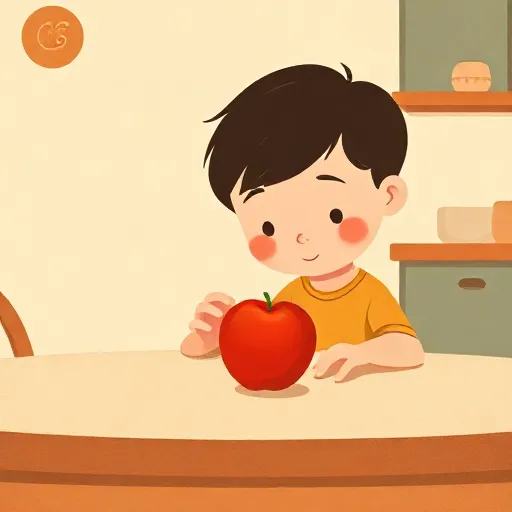
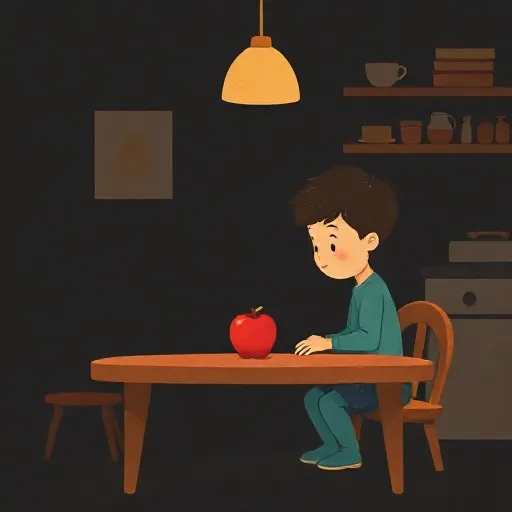
How Do You Know You're Not Just Making It Up?
Is your belief in a red apple justified? Alvin Goldman said it's not about having reasons, but whether your brain's process for forming beliefs is reliable
-
How Does Your Brain Decide What You Notice?
Why do we miss things right in front of us? The answer lies in how attention works. Philosophers have long debated this hidden power.
-
How Good Are Your Guesses? The Math That Judges Your Beliefs
How can we measure and improve our guesses? Math from philosophers shows rules for confidence and updating beliefs, helping us seek truth.
-
How to Be a Good Person (Without a Rulebook)
Virtue ethics asks 'What kind of person should I be?' instead of 'What should I do?' It says good character leads to a happy life.
-
If You Won’t Feel It, Why Worry? The Big Fight Over Death
Is death bad for you if you can't feel it? Some thinkers say no, others say it takes away future joys. This mystery makes us wonder what makes life good.
-
If You're Both Equally Smart, Whose Belief Should You Trust?
When you and an equally smart friend disagree, should you meet in the middle or trust yourself? It's a puzzle from math to life's biggest questions.
-
Is “Survival of the Fittest” Just an Empty Saying?
Can we define 'fittest' without making natural selection an empty truism? The answer isn't as simple as it seems.
-
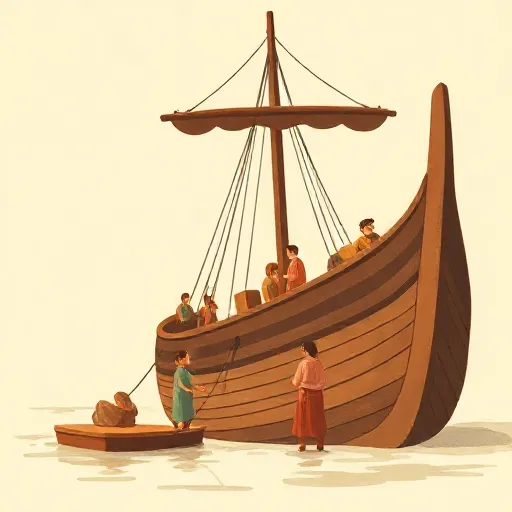
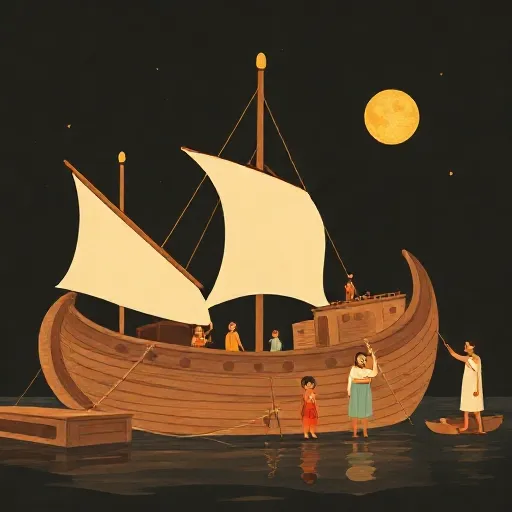
Is a Ship Still the Same Ship After Every Plank Is Replaced?
If you replace every piece of a ship with new ones, is it still the same ship? This ancient puzzle makes you question what truly makes you, you.
-
Is a Word’s Meaning in Your Head, or in the World?
Cratylus thought ‘horse’ naturally sounds like a horse. Putnam said water would be something else on Twin Earth. What really gives words their meaning?
-
Is Being Gay a Natural Kind or a Social Invention?
Why did ancient Greeks not sort people by gay or straight? The category of 'homosexual' is only 150 years old. Is it a natural kind or a made-up label?
-
Is Democracy Really the Best Way to Decide?
Is voting the fairest way to decide? Thinkers have debated whether democracy leads to smart, fair choices—and why it matters from pizza to countries.
-
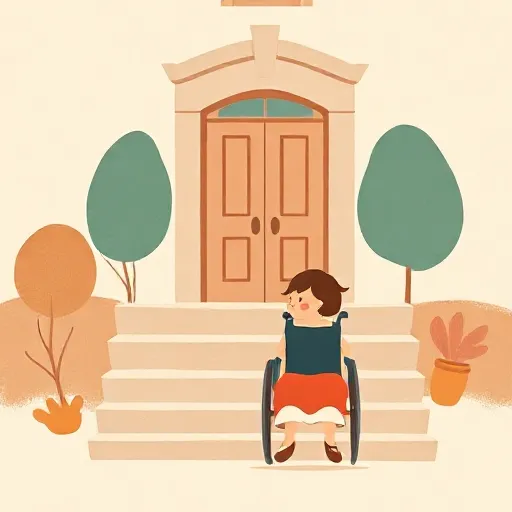
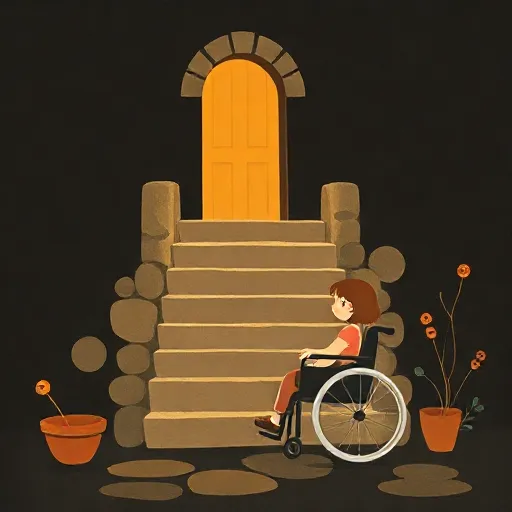
Is Disability in Your Body, or in How the World Treats You?
Is disability just a medical fact, or does society create it? Some say it’s built by ableism — invisible rules about which bodies matter.
-
Is Fear a Feeling, a Thought, or a Command to Run?
Is fear a feeling, a thought, or a push to run? The answer affects how we control emotions, see animal minds, and even why scary movies thrill us.
-
Is Forgiveness More Than Just a Feeling?
Does forgiving mean you stop feeling mad, or do you have to say 'I forgive you'? This debate changes how we handle when someone hurts us but isn't sorry.
-
Is Freedom Enough? Two Feminisms on Women’s Lives
Should the government make sure women have real choices, or leave everyone alone? Two ideas of freedom clash, shaping your life.
-
Is Giving to the Poor a Kindness—or a Debt You Must Pay?
Is giving to the poor a kindness or a duty? Would you save a drowning child but ignore a faraway one? This puzzle makes us rethink helping.
-
Is God Outside the World, Inside It, or Both?
Is God outside the world, part of it, or both? Panentheism says the world is in God, and God is affected by what we do.
-
Is Google Telling You the Truth, or Just What You Want to Hear?
Search engines promise to answer your questions. But what if they secretly shape your answers—and your world—without you knowing?
-

Is Happiness Just a Good Mood, or Something Deeper?
Philosophers don't just ask how to be happy — they ask what happiness even is. A great mood? A life you're proud of? The answer might surprise you.
-
Is It a Cause If You Can Wiggle It to Change Something?
Can we call something a cause only if we can wiggle it and see an effect? This question helps us think about how we test ideas and understand the world.
-
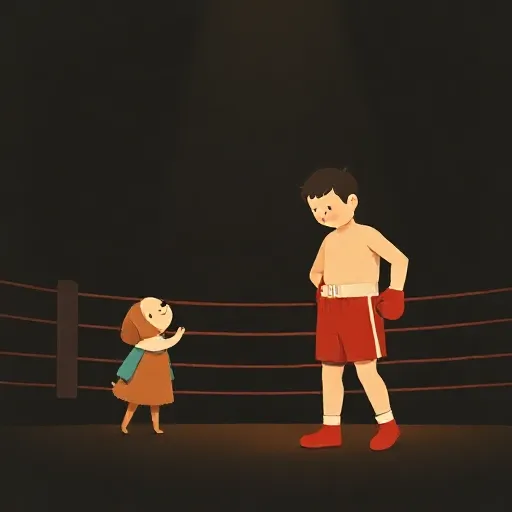
Is It Corruption If No Law Is Broken?
Is corruption only when officials break the law? Find out why a boxer who throws a fight shows corruption is really about secret deals and broken trust.
-
Is It Fair That Luck Decides Your Life?
If your advantages come from luck, not choice, can inequality be fair? This debate challenges what we truly deserve.
-
Is It Fair That Some Kids Start Life Richer Than Others?
Is it fair that some kids start life richer than others? Discover John Rawls’ thought experiment and the big debate about luck and fairness.
-
Is It Okay to Study Your Posts Without Asking?
Is it okay for researchers to study your online posts without asking? Old ethics rules weren't made for the internet, so this is a tricky problem.
-
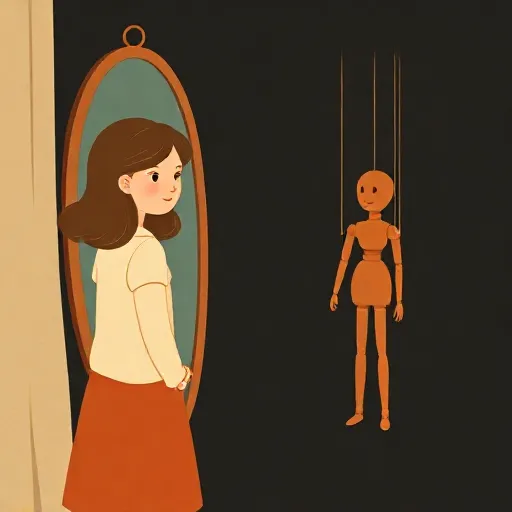
Is It Really Your Choice? When Oppression Sneaks Inside Your Head
When unfair rules sneak into your head, are your choices truly free? Why it matters for fairness and being yourself.
-
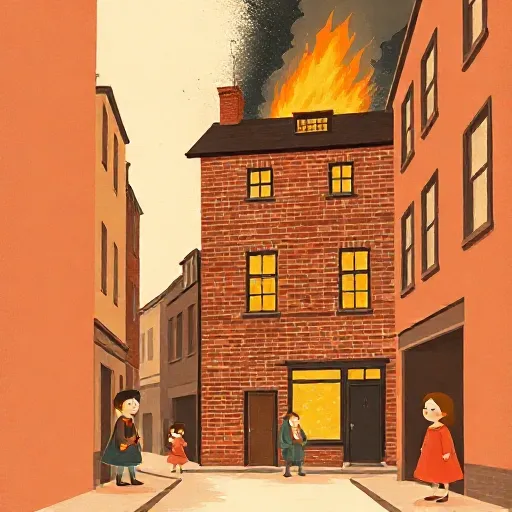
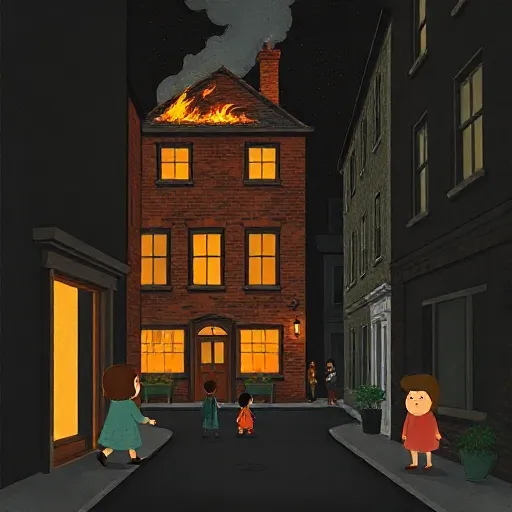
Is It Wrong to Love Your Family More Than Strangers?
Godwin said impartial justice demands saving an archbishop over your own mother. Most people find that monstrous. The clash between fairness and love.
-
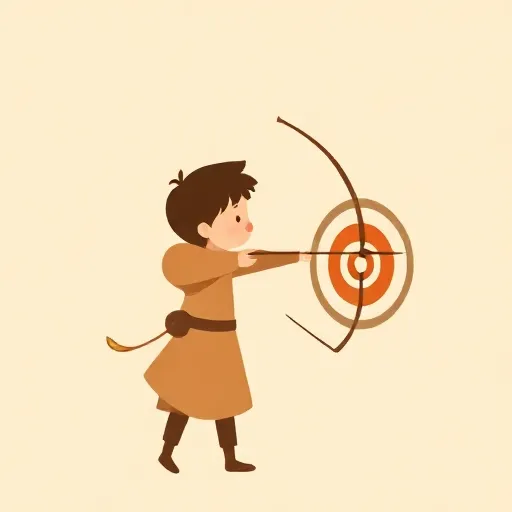
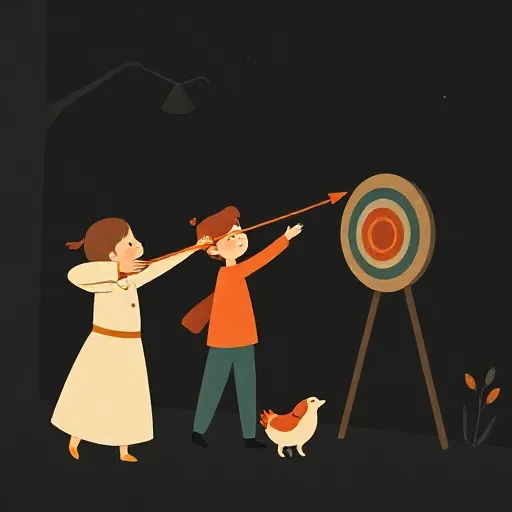
Is Knowing Something More Than Just Being Right?
What makes a lucky guess different from real knowledge? Virtue epistemology says it's all about the thinker's character—and an archer's shot shows why.
-
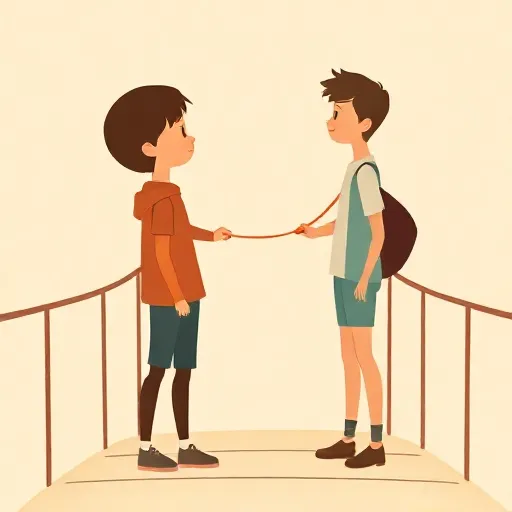
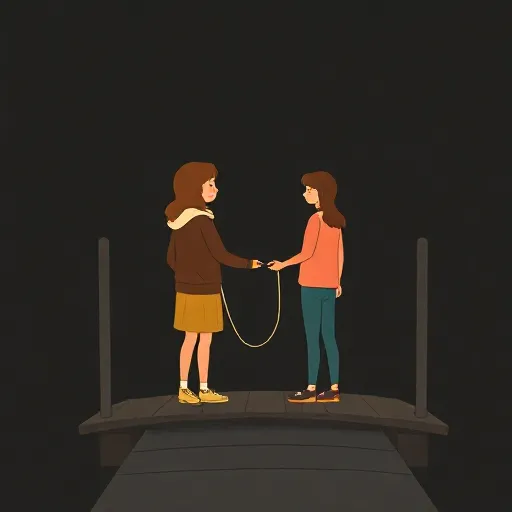
Is Love a 'We'? The Fight Over What Love Really Is
What is love? Thinkers disagree: is it sharing an identity or caring deeply? And why love one person over another? A puzzle about our deepest feeling.
-
Is Marie Curie Still Real? The Fight Over What Exists
Does Marie Curie still exist? This question makes us wonder how we can speak truly about the past — and what Einstein might say.
-
Is Morality Different for Boys and Girls? The 'Voice' Debate
Do boys and girls think about right and wrong differently? Some say girls care while boys follow rules. But is that true, or does it limit girls?
-
Is Pleasure a Feeling, a Thought, or a Way of Doing Things?
Is pleasure just a good feeling, a thought, or a way of acting? Finding out could shift how you see happiness.
-
Is Reality Fading Into Screens and Sneaker Logos?
Why do sneaker logos cost extra? It's about more than shoes—it's about the messages we send. See how brands and screens can blur what's real.
-
Is Remembering Like Time Travel, or Are You Just Making It Up?
Is your memory like a video replay, or do you rebuild it each time? The answer affects whether you can trust your own memories.
-
Is Sameness Just an Illusion? Deleuze’s Philosophy of Difference
Are you the same person as last year? Deleuze thought not. He saw the world as shifting differences, not fixed things. Discover why identity is an illusion
-
Is That Art? The Science of Taste and Controversy
Why do we argue about beauty, and can science ever settle what counts as art? Philosophers and psychologists team up to explore the hidden rules of taste.
-
Is That Painting Talking to You? Gadamer’s Big Idea About Art
When a work of art stops you in your tracks, what’s really happening? German philosopher Hans-Georg Gadamer said art speaks to us — and changes who we are.
-
Is That Really Your Dad? What Delusions Reveal About Belief
Can someone see their dad as an impostor despite proof? Delusions show how beliefs can defy reason, making us question our own certainties.
-
Is the Future Already Written, or Does It Branch Like a Tree?
Arthur Prior thought time itself branches, with many possible futures. A look at the wild idea that tomorrow’s sea battle isn’t true or false yet.
-
Is the Word "Evil" Dangerous, or Do We Need It?
When people do terrible things, we often call them evil. But some philosophers say that label causes more problems than it solves.
-
Is the World Just a Game We Forgot We’re Playing?
Some philosophers say reality is made of stories no one wrote, and we’re all just characters playing along. But what if the stories are falling apart?
-
Is There a Pure Moment, or Is Everything Already a Trace?
Jacques Derrida argued that nothing is ever purely itself—not a moment, a secret, or a nation. His weird ideas still challenge us today.
-
Is There a Secret Door That Only Philosophy Can Open?
Quine tore down the idea that some truths are 'true just by meaning.' That changed how we think about knowledge, language, and reality.
-
Is There a Secret Language Hidden Inside Your Brain?
Do we think in a secret mental code, like words in our head? This debate shapes our understanding of minds, learning, and AI.
-
Is There One Right Way to Think? The Battle Over Logic
Is there just one correct way to reason? Discover why logicians built a perfect thinking language and why it sparked a debate that still matters today.
-
Is There Such a Thing as a Truly Selfless Act?
Can we do a truly selfless act, or is every kind thing we do selfish deep down? Psychologists test this old question with surprising experiments.
-
Is Today’s Science Tomorrow’s Fairy Tale?
Scientists once swore by invisible fluids and crystal spheres. Now we call those ideas silly. Could our best theories be just as wrong?
-
Is Water Just a Bunch of Tiny Things, or Something Else?
You can count chairs but not water. Philosophers argue whether the world is made of things, stuff, or both—and why it matters.
-
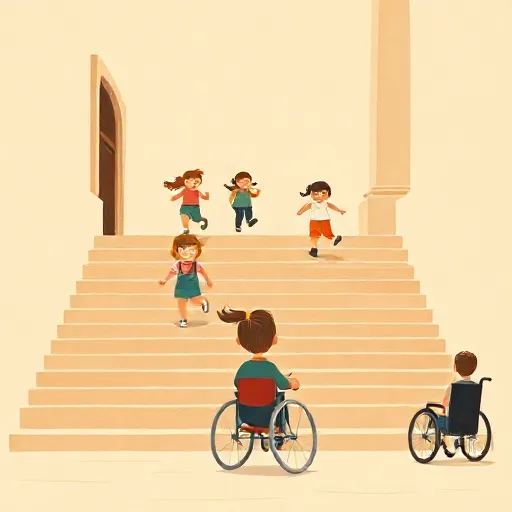
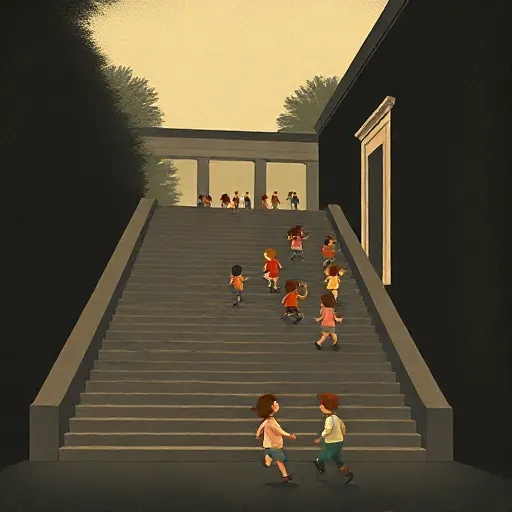
Is Your Body the Problem, or Is the World Just Not Built for You?
A staircase stops a wheelchair. Is the problem your legs or the stairs? This fight about what disability really means shapes laws, schools, and lives.
-
Is Your Brain Editing Reality Right Now? Ernst Mach Said Yes
Ernst Mach thought our senses don’t just copy the world—they shape it, like evolution shaping species. Why that changes everything.
-
Is Your Life a Cage? Karl Jaspers on How to Break Free
Is your life a cage of fixed beliefs? Karl Jaspers shows how crises and real talk can help you break free and find truth.
-
Is Your Life Measured by What You Have — or What You Can Do?
Sen and Nussbaum say real freedom — not money or happiness — is the true measure of a good life. That shift has reshaped global justice and poverty action.
-
Is Your Mind Always Pointing at Something, Even When Nothing Is There?
Do thoughts always point to something, or can feelings like pain just be raw? Figuring this out helps us understand animal and robot minds.
-
Is Your Phone Just a Tool, or Is It Changing Who You Are?
Is your phone just a tool, or is it changing who you are? Explore three big ideas about technology and control, and see why they matter for your choices.
-
Is Your Phone Photo Still a Real Photograph?
Every digital image is a grid of numbers. That makes it easy to copy and change. But does it change what the picture really is?
-

Is Your Sadness a Sickness? The Fight Over Mental Disorders
What makes a feeling a mental disorder? Philosophers debate if it's a brain problem or a label society creates. This shapes who gets help or judged.
-
Is Your Summer Job Making You Who You Are?
Is work just about money, or does it change who you are? This question matters because your summer job might be more than earning cash.
-
Lucky Guesses and Fake Barns: What Does It Really Mean to Know?
A true belief with good reasons still might not be knowledge. Why? Because luck can fool you. A 2,500-year-old puzzle that still isn't solved.
-
Mind-Reading, Brain Hacking, and Who You Really Are
Brain scans may soon reveal your secrets. Pills might make you smarter. Philosophers argue about whether we should use these powers — and who decides.
-
Should a Prisoner Be Punished Even If It Helps Nobody?
When a criminal can't hurt anyone again and a trick would still scare others, should we still lock him up? The fight over what punishment is really for.
-
Should Justice Be the Same for Everyone, or Fit the Community?
Liberals say fairness is a math problem for all. Communitarians say it grows from your neighborhood, family, history. A debate that shapes your life.
-

Should We Use Genetics to Improve Our Children?
Early eugenics was disastrous. Now tests let us screen embryos for disease and traits. Is this different? A heated debate.
-
Should You Trust a Brain That Warns You Not To Trust It?
If evidence suggests you are irrational, should you rethink everything? Philosophers call this the puzzle of higher-order evidence.
-
Should You Trust the Math or Your Gut? The Puzzle of Smart Bets
Should you trust math or your gut when you gamble? The answer lies in a centuries-old puzzle about what it means to be rational.
-
Should You Trust Yourself When You Doubt Your Own Thinking?
Should you trust yourself when you doubt your own thinking? Explore why self-doubt is such a tricky puzzle and how to figure out when to change your mind.
-
Socrates Hated Books. What Would He Think of Your Smartphone?
Socrates distrusted writing. Now phones keep secrets and make choices. Can a machine ever be a true friend or act morally?
-
Socrates Said He Wasn’t Wise. Was He Right?
Could admitting you know nothing be the secret to true wisdom? This ancient puzzle from Socrates might change how you think about being smart.
-
Spooky Action at a Distance: Is the Universe Secretly Connected?
In 1964, physicist John Bell found a way to settle an argument between Einstein and quantum mechanics. The answer shattered our understanding of reality.
-
The 2,300-Year-Old Puzzle About ‘If’ That Logic Still Fights Over
Aristotle and Boethius noticed that some 'if...then' patterns break normal logic. Connexive logic tries to fix that—and it’s still debated today.
-
The Cat in the Box and the Secret of Quantum Possibilities
Why don't we see a cat both alive and dead? Modal interpretations suggest reality is made of possible outcomes with chances, not one fixed result.
-
The Computer That Cracked a 50-Year Math Puzzle
Can a computer program solve a math puzzle that stumped experts for 50 years? Yes, and it teaches us that computers can be thinking partners.
-
The Day Someone Invented a Word That Destroyed Logic
What if a new word could prove the moon is made of cheese? The story of 'Tonk' shows why logical words need special rules.
-
The Knowability Paradox: If You Can Know Everything, Do You Already?
Logic shows that if every truth can be known, then every truth is already known. But unknown truths exist. So what's wrong with the logic?
-
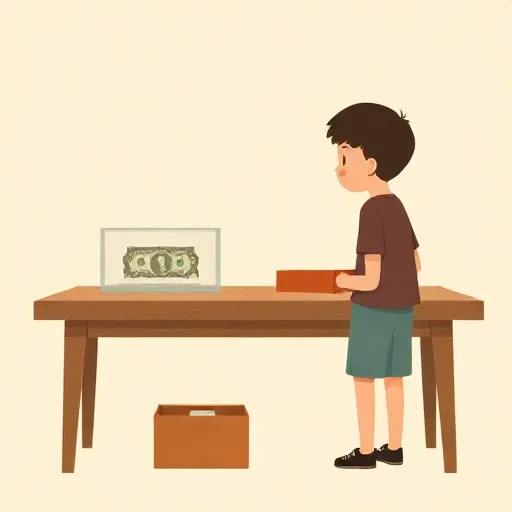
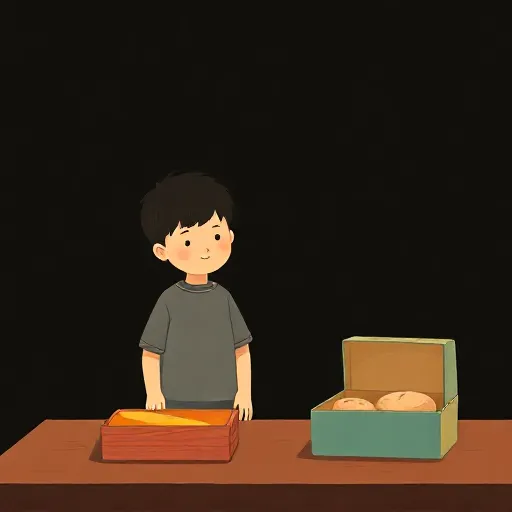
The Million-Dollar Box That Might Be Empty
Should you trust a prediction or grab what's in front of you? Newcomb's Problem pits two ways of thinking against each other in a baffling money puzzle.
-
The Philosopher Who Said Truth Depends on Where You Stand
How can different views all be true? Ortega saw that your life situation shapes your truth, and every perspective adds a real piece to the whole picture.
-
The Philosopher Who Said You Are Condemned to Be Free
Sartre argued you’re radically free — you can’t blame your past, biology, or God. That freedom is terrifying, but it’s also what makes you human.
-
The Philosopher Who Thought Your Name Could Change the World
How does simply hearing your name change the moment? Eugen Rosenstock-Huessy believed speech creates our world, not just describes it.
-
The Philosophers Who Chased Clarity Across Latin America
How did Latin American philosophers turn thinking into a tool as sharp as science? Their secret groups and new ways of logic helped defend human rights.
-
The Right to Be Let Alone—And the Fight Over What It Means
What is the 'right to be let alone'? Is it about secrets, your body, or choices? See why an old debate still matters online.
-
The Secret Logic That Lives Inside Every Sentence
How is grammar like a math puzzle? Jim Lambek revealed that words combine with strict logic, which now helps computers understand language.
-
The Simple Rule That Fixes the Cat Paradox
Schrödinger's cat seems both dead and alive, but that paradox comes from asking a meaningless question. The Consistent Histories approach explains why.
-
Two People Disagree. Can They Both Be Right?
Can two people disagree and both be right? This everyday puzzle asks if truth is the same for everyone, from ancient Greece to your lunch table.
-
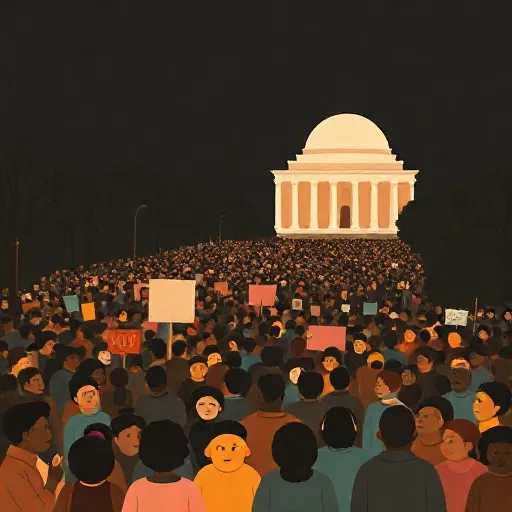
What Are Civil Rights, and Why Do They Keep Changing?
Civil rights used to mean freedom after slavery, later fighting discrimination, and now basic needs like clean water. Why does the meaning keep changing?
-
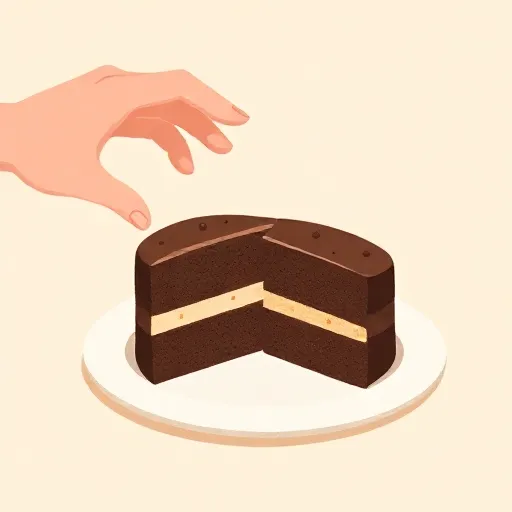
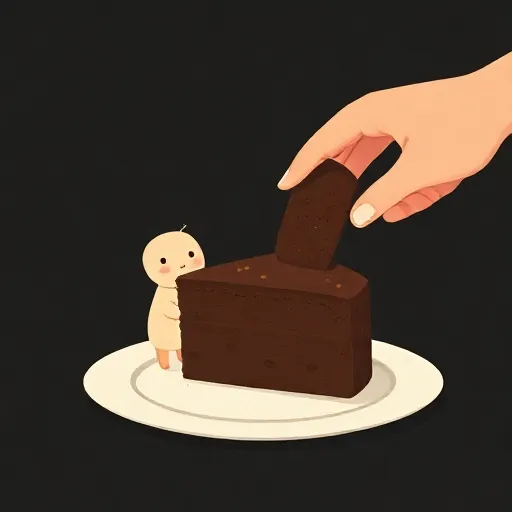
What Counts as a Real Piece of a Thing?
What makes something a real part of a whole? Philosophers argue about rules, and their answers change how you think about things like cake or your body.
-
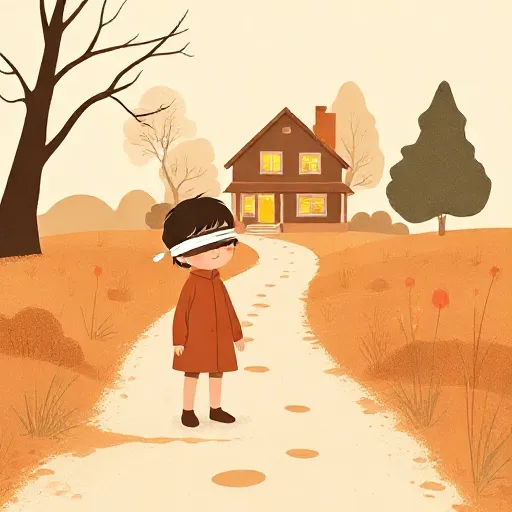
What Do We Owe One Another? The Fight Over a Social Minimum
If you didn’t know your future, what safety net would you demand? Philosophers argue about what counts as a decent life and who should pay for it.
-
What Do You Owe a Stranger 5,000 Miles Away?
If a child was drowning right in front of you, you'd help. But what if they're on another continent? Philosophers argue about how far our duties reach.
-
What Does “And” Mean? It’s All About the Rules
How do words like 'and' get meaning? One idea says from truth facts, another says from reasoning rules. This changes how we see logic and truth.
-
What Does It Mean to Be? Heidegger’s Hammer
Why does a hammer vanish when you use it, and why does that matter? Martin Heidegger asked a question so simple it shook philosophy to its roots.
-
What Happened When Marxists Declared War on Bullshit?
Why did some Marxists start a war on nonsense? They wanted to make Marxist ideas clear and testable, leading to surprising insights.
-
What Happens When Philosophers Start Running Experiments?
For centuries, philosophers thought about big questions in their armchairs. Then some started surveying ordinary people — and the answers shook things up.
-
What If Causes Could Run Backwards in Time?
What if the future could send messages to the past? This idea might explain why tiny particles act linked across space—but it’s still a big mystery.
-
What If Every Fact You Used Disappeared After One Use?
What if every fact you used disappeared? Linear logic sees ideas as resources that run out, reshaping computers, arguments, and everyday life.
-
What If Ideas Evolve Like Animals? Inside Evolutionary Epistemology
Do ideas evolve like living things? This surprising approach uses Darwin’s theories to explain how knowledge and even our brains develop.
-
What If Logic Can't Say "It Depends"?
Ordinary logic can say "every boy loves some girl." But can it say the second boy doesn't depend on the first? A new logic had to be invented.
-
What If No Single Story Explains the Whole World?
What if no single story explains everything? Old big stories have lost power. Now many small ones clash, making us free but unsure what's fair.
-
What If the Last Person on Earth Destroyed Everything?
Would it be wrong for the last person to destroy all life painlessly? This thought experiment challenges the idea that only harm to others matters.
-
What If the Smartest People Ruled the World?
Meritocracy promises power and rewards based on talent and hard work. But what counts as merit, and is that really fair?
-
What If Two Plus Two Equaled Five—and It Was Fine?
What if contradictions in math didn't cause chaos? By tweaking logic, mathematicians safely study impossible ideas like unbuildable pictures.
-
What If You Could Assume Anything? The Logic of “What‑If” Boxes
Natural deduction uses temporary “what‑if” boxes to test ideas in logic. It changed how we think about reasoning, truth, and the meaning of words.
-
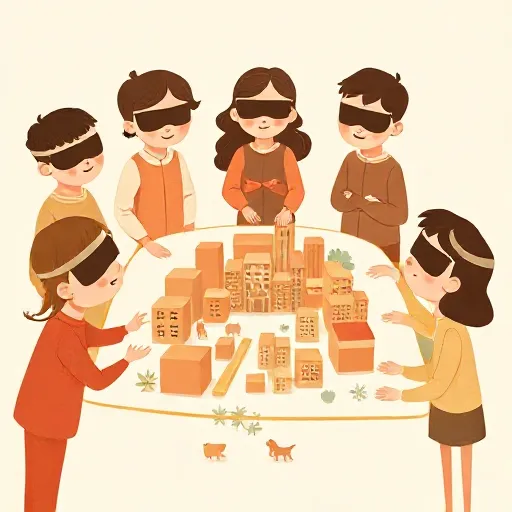
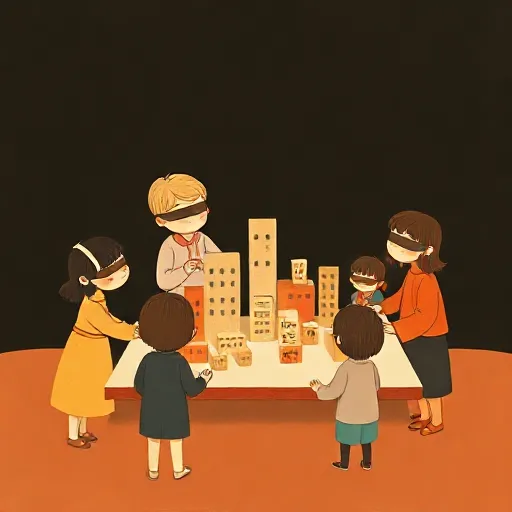
What If You Had to Design Society Without Knowing Who You'd Be?
John Rawls asked: if you didn't know your gender, race, wealth, or talents, what rules would you choose? His answer changed how we think about fairness.
-
What If You Had to Justify Your Actions to Everyone on Earth?
What if you had to find rules that everyone on Earth could accept? Contractualism says an act is wrong if it would be banned by all such rules.
-
What If Your Body Shapes Every Thought You Have?
Can thinking happen without a body? Descartes sought pure reason, but feminist thinkers say bodies shape our minds. That changes how we see truth.
-
What If Your Identity Is an Accident? Mexican Existentialism’s Answer
What if your identity is accidental, shaped by history and place? Mexican existentialists say we are our circumstances—freedom means committing to them.
-
What Is It Like to See Red? The Mystery of Qualia
You see a red rose. There’s something it feels like inside. But can science ever explain that feeling? Philosophers have been arguing for decades.
-
What Makes “We Did It” Different from “I Did It, and So Did You”?
What makes a group action truly shared? Two scenes can look the same, but only one is a 'we'. It might involve shared aims, promises, or even a group mind.
-

What Makes a 'We'? The Strange Logic of Doing Things Together
If you and I both plan to visit the Taj Mahal, is that a 'we'? Philosophers argue about what turns individual plans into shared actions.
-
What Makes a Discovery Truly Revolutionary?
Kuhn said normal science is like puzzle-solving, then a crisis flips the paradigm. Is that how science works? A story about why we trust science.
-
What Makes a Life Meaningful? God, Your Passions, or Something Deeper?
Philosophers ask: what makes life meaningful? Some point to God, others to personal passions, or to love and learning. Your answer affects how you live.
-
What Makes an “If” True? A 2,000‑Year‑Old Puzzle
We use “if” all the time, but philosophers can’t agree on what makes it true. A journey through possible worlds, probabilities, and relevance.
-
What Makes Things Wrong: God or Something Else?
If God says something is wrong, is it really wrong by itself? Socrates asked this 2,400 years ago, and both answers lead to trouble.
-

What Separates Doing Something on Purpose from a Mere Twitch?
Why does deciding to move feel different from a reflex twitch? Philosophers explore the hidden mental parts that turn movements into actions.
-
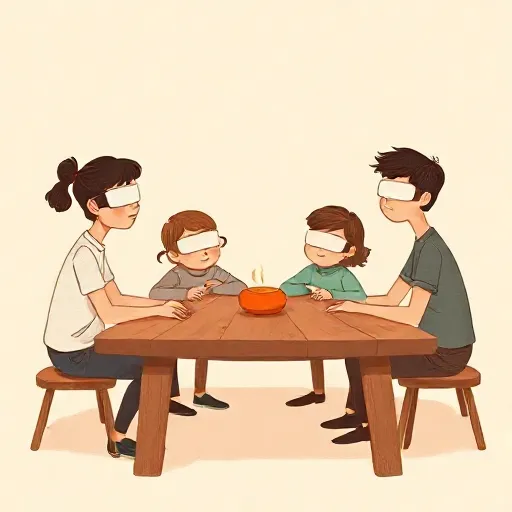
What Would You Choose If You Didn’t Know Who You’d Be?
If you could design a society without knowing who you'd be in it, what rules would you pick? John Rawls's idea shows why fairness matters for everyone.
-
What's Left When You Take Away All a Thing's Properties?
Aristotle said a thing is more than just its color, shape, and taste. But what is that 'more'? A 2,500-year-old puzzle about what really exists.
-
When Reason Builds a Cage: The Frankfurt School's Startling Warning
A group of thinkers fled Nazi Germany and asked: why did the age of reason produce tyranny? Their answer still shapes how we see power and freedom.
-
When Should You Give Up on a Theory?
When should you give up on a scientific theory? Lakatos argued stubbornness is rational if it keeps predicting surprising new things that are true.
-
When the World Shrinks, Who Gets a Say in What’s Fair?
Once, distance kept people apart. Now trains, phones, and the internet connect everyone. How does that change what we owe people far away?
-
When You Donate Eggs or Sperm, Do You Become a Parent?
If you donate sperm or eggs, are you a parent? It depends on what you think makes a family: genes or care.
-
Who Are You, Really? Paul Ricoeur’s Story-Shaped Answer
Ricoeur thought you can't look inside yourself and find a fixed 'you.' Instead, your identity is a story you tell — and retell — throughout your life.
-
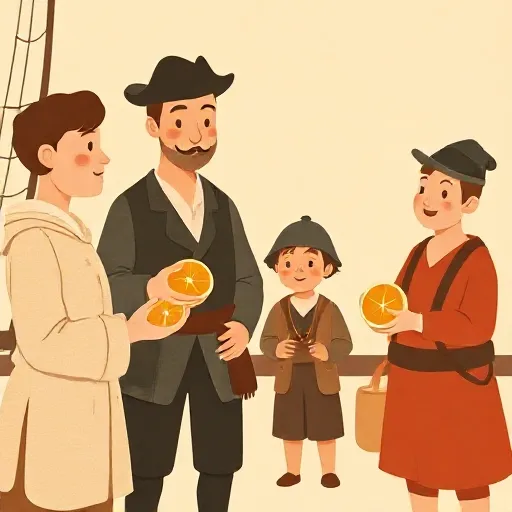
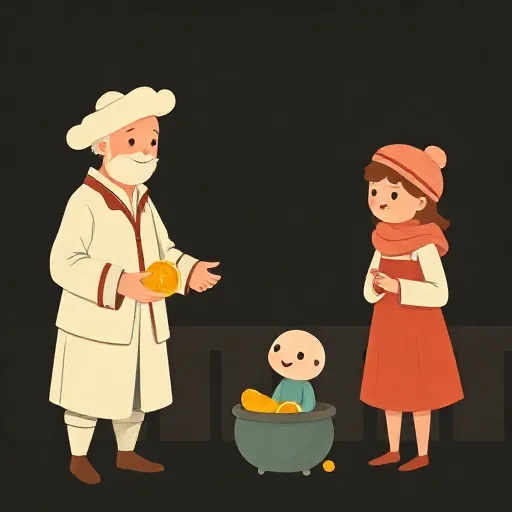
Who Bears the Risk for Tomorrow’s Cures?
Doctors once gave sailors seawater to prove oranges cured scurvy. Today we still weigh who gets the danger and who gets the benefit in medical experiments.
-
Who Can You Believe? The Puzzle of Social Knowledge
How do you decide when to trust what others say? Figuring out who to believe is a big puzzle because most of what we know comes from other people.
-
Who Can You Kill in a War? The Fight Over Just War
Can soldiers on the wrong side of a war fight fairly? A look at a big debate that changes how we judge right and wrong in battle.
-

Who Decided We Drive on the Right?
Why do we all stop at red lights, use money, and speak the same language even though nobody forced us to? An exploration of social conventions.
-
Who Decides What’s Right? The Philosophers Who Built Morality
Is being good like spotting a mountain, or like building a house? A 300-year-old argument about whether we discover morality or make it ourselves.
-
Who Deserves the Biggest Slice of the Pie?
Who should get more—the hardest worker, hungriest, or everyone equally? This big question about fairness shows up in taxes, schools, and pizza slices.
-
Who Gets to Break the Rules When Everything Falls Apart?
Carl Schmitt said a leader must sometimes break rules to save society. Is that smart or dangerous? His ideas spark big debates.
-
Who Gets to Make the Rules for the Whole Planet?
Why don't you get a vote on global rules about climate and the internet? Could everyone on the planet have a say? Is a global democracy possible?
-
Who Gets to Make the Rules on a Piece of Earth?
Who gets to rule a patch of ground? The messy fight over territorial rights shapes your own street, your town, and the whole world map.
-
Who Holds the Remote Control? Power, Domination, and You
Is power just someone telling you what to do, or is it more complicated? Find out how power works in everyday life and why it matters for fairness.
-
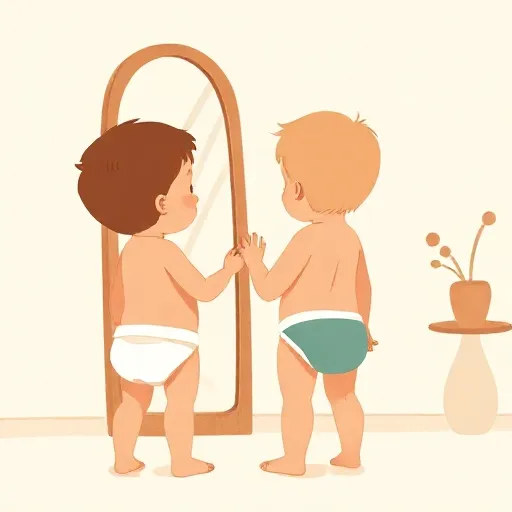
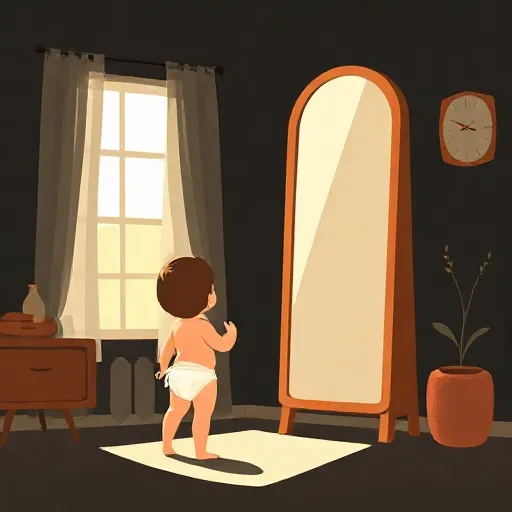
Who Is That in the Mirror? Lacan’s Strange Theory of You
Who is that in the mirror? Lacan said your self isn't inside you—it's built from reflections and words. The real you stays hidden.
-
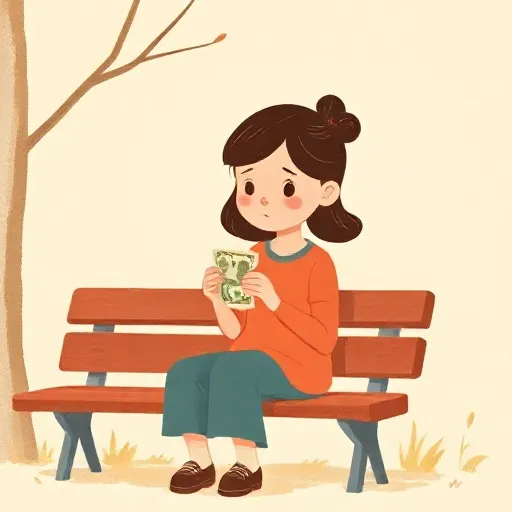
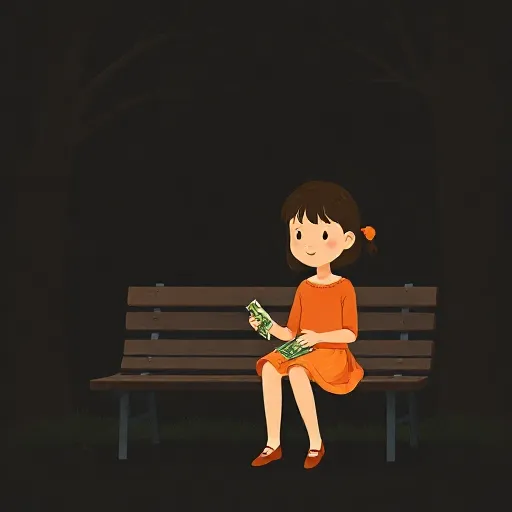
Who Made Up Money? And What About Race?
Who made up money? And what about race? Explore how social construction challenges what we think is natural and changes how we see fairness.
-
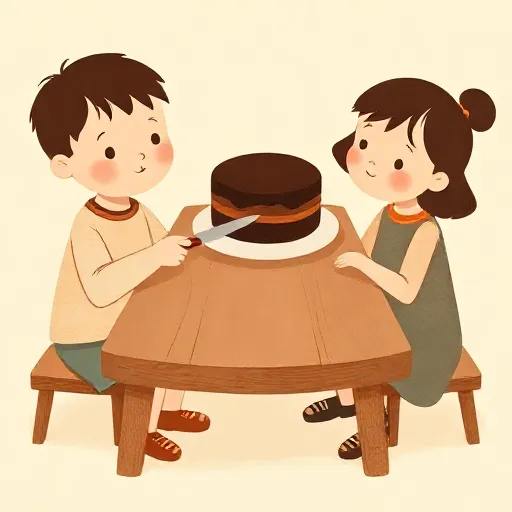
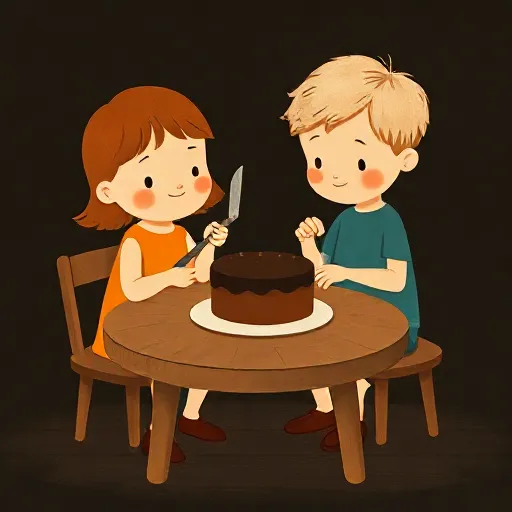
Who Really Deserves the Bigger Slice of Cake?
Can we split a cake so no one envies the other's slice? This idea scales to whole economies, but fair rules can clash in surprising ways.
-
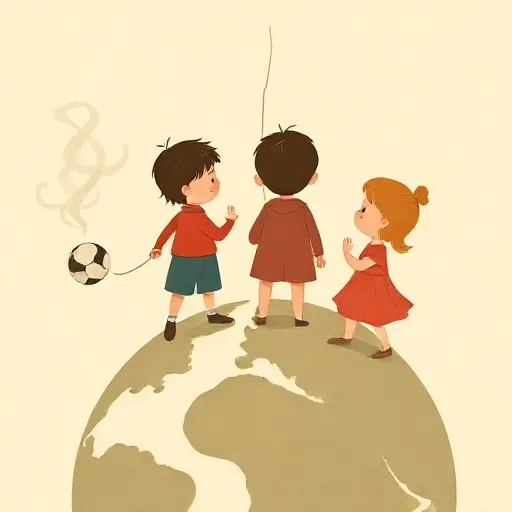
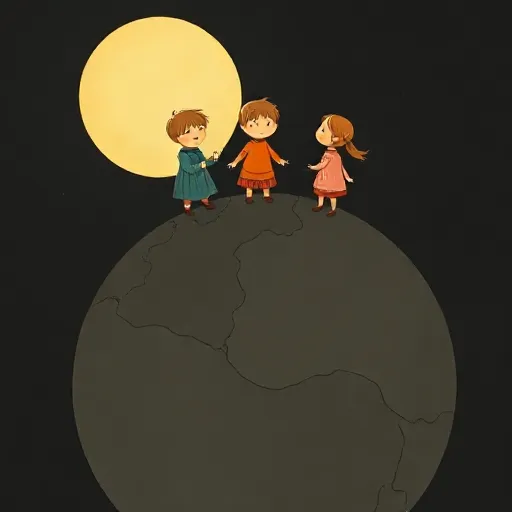
Who Should Fix the Planet? And Who Should Pay?
When heatwaves and floods hit, someone has to pay to clean up and switch to clean energy. Philosophers argue about who owes what—and what's really fair.
-
Who Should Win When Everyone Disagrees?
Borda and Condorcet, two 18th-century mathematicians, argued over the fairest way to pick a winner. Their clash still echoes in today's elections.
-
Why Can’t I Just Watch TV? The Fight Over Morality’s Demands
How much must we give to help others? Is it okay to keep money for fun when people need help? This question sparks a big argument in philosophy.
-
Why Can’t We Just Vote? The Paradoxes That Haunt Democracy
Condorcet and Arrow showed that even fair voting rules can lead to impossible results. A journey through the math of collective choice.
-
Why Can’t We Take From the Rich to Give to the Poor? Nozick’s Answer
Nozick argued that a government that takes from some to give to others treats its citizens like part-owners of each other. Is he right?
-
Why Can't You Just Do Whatever You Want?
Why do you do things? Two thinkers found reasons are like recipe steps or rules for all. This changes how we see right and wrong.
-
Why Can’t You Just Move to Any Country You Want?
Some say nations need borders to protect culture and security; others say where you’re born is just luck. A debate about who gets in and why it matters.
-
Why Can’t You Tell Which Choice Is Better?
Why can't you always say one choice is better than another? Some values might not fit on the same scale, making 'better' and 'worse' useless.
-
Why Couldn’t Newton Understand Aristotle?
Kuhn and Feyerabend argued that rival scientific theories can be so different that they talk past each other. A wild idea that changed how we see science.
-

Why Did They Do That? A Banker-Philosopher Explains
Why do people act? A banker-philosopher said actions have future and past reasons. Understanding others is hard because you can't be in their now.
-
Why Did You Check That Box? The Strange Story of Race
Scientists say race isn't real in biology. But 500 years of laws, skulls, and power made it feel that way. So what are you really choosing on the form?
-
Why Do I Have to Learn All This? The Fight Over School's Purpose
Why are you really in school? Is it to grow your mind, or prepare for a job? Philosophers disagree, and this unsettled debate shapes your daily lessons.
-
Why Do People Keep Doing Wrong? What Philosophy Says About Sin
If God is good, why is there evil? Philosophers explore sin as a mistake, a sickness, and a puzzle stretching back to the very first wrong choice.
-
Why Do People Stand Together? The Puzzle of Solidarity
What makes a group of people truly united — and does it always have to be a two-way street? A look at the promises and perils of solidarity.
-
Why Do Scientists Suddenly See the World Differently?
Why do scientists suddenly see the world differently? Thomas Kuhn's idea of scientific revolutions explains how science can leap sideways.
-
Why Do Smart Choices Sometimes Build a Trap?
Each choice can make sense, yet the whole path leads somewhere you hate. Philosophers study 'dynamic choice problems' to see why we trap ourselves.
-
Why Do Things Happen Together? The Hidden Cause Rule
Why do barometers drop before storms? A hidden cause may link them, but tiny particle experiments show this rule can break, reshaping cause and chance.
-
Why Do We Cry Over Fake People in Stories?
We cry when fake characters die. Why do we feel real sadness for made-up people? Figuring it out changes how you experience every story.
-
Why Do We Treat Arguments Like Battles?
Why do we often treat arguing like a battle? That combative style can push people away and block learning. How new ways of arguing together might help.
-
Why Do We Understand Things Differently? Gadamer’s Answer
Why do we understand things differently? Gadamer says our history isn't a barrier—it's the key. Understanding is a two-way conversation fusing our worlds.
-
Why Do You Follow Rules Nobody Is Enforcing?
You probably don't steal, even when you'd get away with it. Where does that invisible pull come from? Philosophers and scientists are trying to find out.
-
Why Do You Have Rights No One Can Take Away?
Human rights say you deserve to be safe, to speak, to learn. But where do these rights come from, and why do nearly all countries promise to protect them?
-
Why Do You Owe More to a Baby Than to a Goldfish?
We all feel a baby matters more than a fish, but why? Philosophers wrestle with what gives some beings full moral status and others less of it.
-
Why Do You Reach for Salt When You See Pepper?
Hume thought ideas link up from experience. Pavlov proved it with drooling dogs. But can a chain of links explain all of thinking? The fight isn't over.
-
Why Does “I Need It” Feel So Much Stronger Than “I Want It”?
When you say you’re hungry, you expect help. But why? This article digs into the real power of needs — and whether they can force us to act.
-
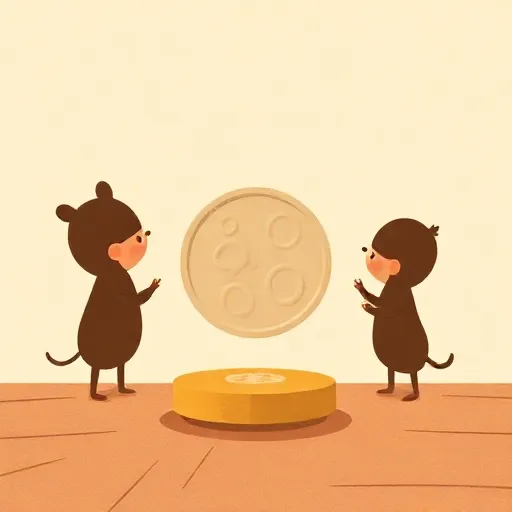
Why Does a Spinning Coin Turn Into Heads or Tails When You Look?
Why does looking at a spinning coin make it choose heads or tails? Quantum physics says it was both until then, puzzling scientists for a century.
-

Why Does a Stranger’s Face Stop You in Your Tracks?
Why does a stranger's face make you feel you must not harm them? Levinas, a Holocaust survivor, said the face calls you to be good before you can think.
-
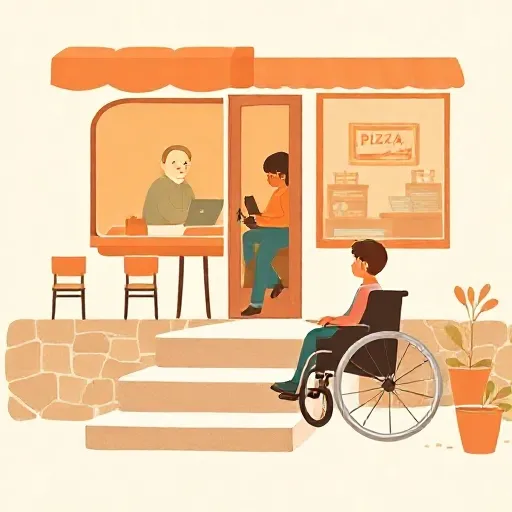
Why Does Fairness Cost Money? The Puzzle of Disability and Justice
Why does treating disabled people fairly cost money, unlike other fights for justice? It's a puzzle that makes philosophers rethink what disability means.
-
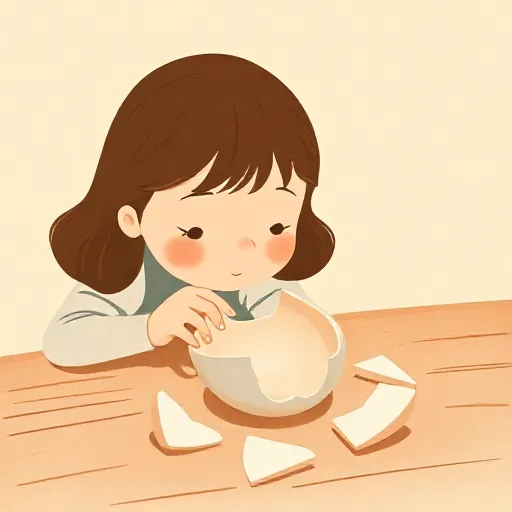
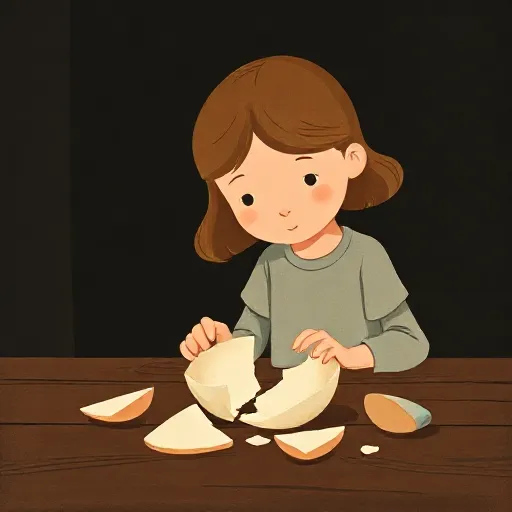
Why Does One Fact Depend on Another? The Mystery of Grounding
A bowl breaks because of its atoms. But what does "because" really mean? Philosophers call it grounding — and the debate is far from settled.
-
Why Does Your Mind Feel Like One Thing When It’s So Many Pieces?
Why does your mind feel whole when it's made of many parts? Evidence from split-brain patients hints you could be two minds at once.
-
Why Have There Been No Great Women Artists?
Why are there so few famous women artists in museums? Old rules called their creations crafts, not fine art, so they were ignored.
-
Why Is It Okay to Save Your Mom First?
Why is it okay to save your mom first? The surprising answer shows how some reasons are personal and others are for everyone.
-
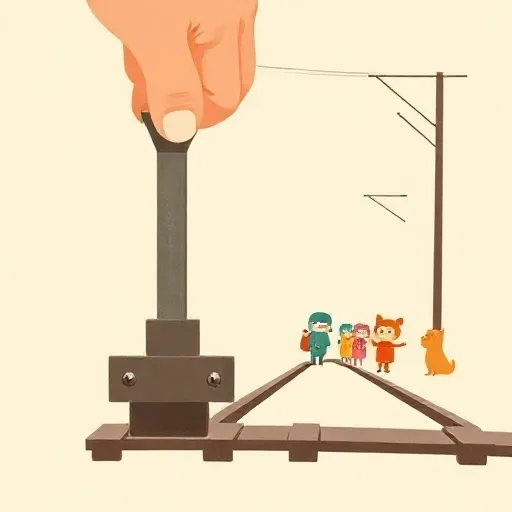
Why Is It Okay to Turn the Trolley but Not Push the Man?
Some harms you plan; others you just see coming. A 700-year-old idea says the difference changes everything — from war to medicine to self-driving cars.
-
Why Is There Something Rather Than Nothing?
Why does anything exist? Some think a powerful being must have made it. Others say there's no reason—it's just a brute fact. A huge puzzle!
-
Why Protect Speech You Hate?
Why should we allow speech we hate? It's not about agreeing—it's about protecting your right to decide. But when does speech cause real harm? The debate.
-
Why Saying “Three” Means Exactly Three
Why do we hear 'exactly three' when someone says 'three'? Words alone mean 'at least three,' but our brains play a hidden game to add extra meaning.
-
Why Should You Do What the Government Tells You?
When must you obey the government? Some say consent is key, others say fair rules. This debate shapes every law you encounter.
-
Why Should You Obey Laws You Never Voted For?
Why follow rules you never chose? Discover the invisible deal that sets fair rules - the social contract. It shapes everything from school to government.
-
Why Shouldn't Everyone Get Exactly the Same?
Why shouldn't everyone get exactly the same? This question leads to debates about needs, abilities, and what fairness really means.
-
Why Singing in the Shower Might Be Real Art
R. G. Collingwood said art isn’t craft, magic, or fun — it’s the way you get to know your own feelings. And he meant every word you say.
-
Why Slaves Without a Whip Aren’t Free
Is someone free if no one stops them, but someone has the power to control them? This question about real freedom still matters today.
-
Why Time Flows Like Music, Not Like Frames: Henri Bergson’s Revolution
Bergson argued that real time is a living melody, not a string of instants. His idea upends how we think about free will, memory, and creativity.
-
Why Understanding Is a Circle, Not a Ladder
Hermeneutics says we never start from scratch — our prejudices are actually the key. How a 200-year-old debate still shapes how you read, listen, and grow.
-
Why Would a Good Politician Ever Choose to Do Evil?
Is it ever okay for a leader to do something evil to prevent a huge disaster? The 'dirty hands' problem explores this tough question about power and guilt.
-
Why Would Anyone Want Less Democracy? Meet the Neoliberals
Why would someone want less democracy? The surprising fear is that majority votes can take away your freedoms and property.
-
Why Your Living Room Is a Political Battleground
Political philosophy used to ignore homes and families. Feminist thinkers showed that power and injustice live there too — and changed politics forever.
-
Why Your Stubbed Toe is the Most Certain Thing You Know
Russell said some knowledge is direct — like the pain of a stubbed toe. But is that really knowledge? And can we ever be sure we're not fooling ourselves?
-
Would a World Government End War, or Start a Global Tyranny?
Would a single world government end all wars or create a global prison? This debate has lasted centuries and will shape your future.
-
Would You Pay a Million Dollars to Flip a Coin?
A coin-flip game with infinite prize money: math says pay any price, but it feels absurd. Why does this puzzle stump philosophers?
-
Would You Push a Fat Man to Save Five Lives?
Two ways of thinking about right and wrong collide when one simple choice can let people die — or kill someone. Which side are you on?
-
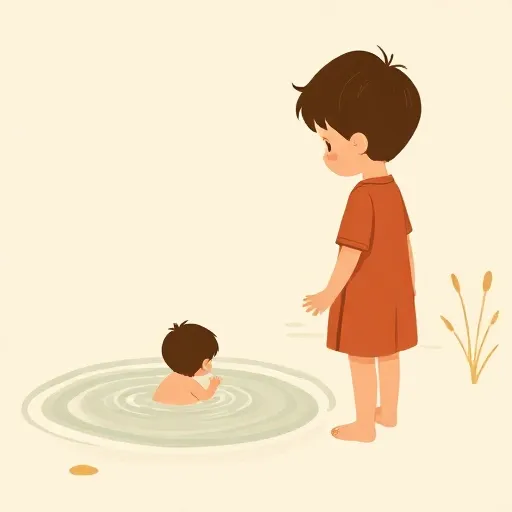
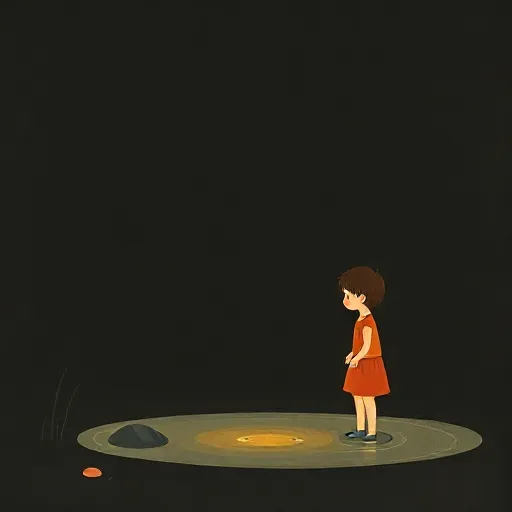
Would You Ruin Your New Shoes to Save a Life?
From Hume to Singer, philosophers have asked whether we must help others—and how much. A debate that can make you rethink your allowance.
-
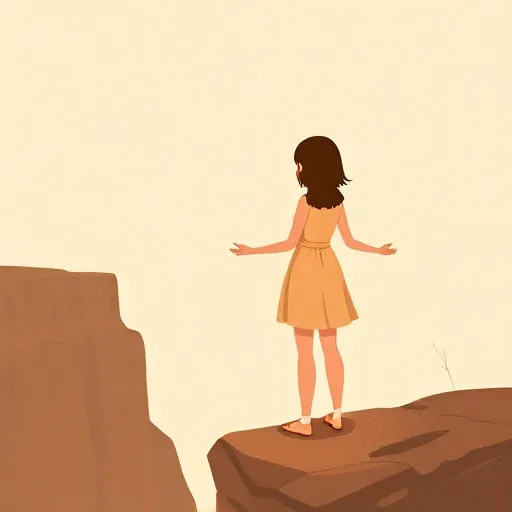
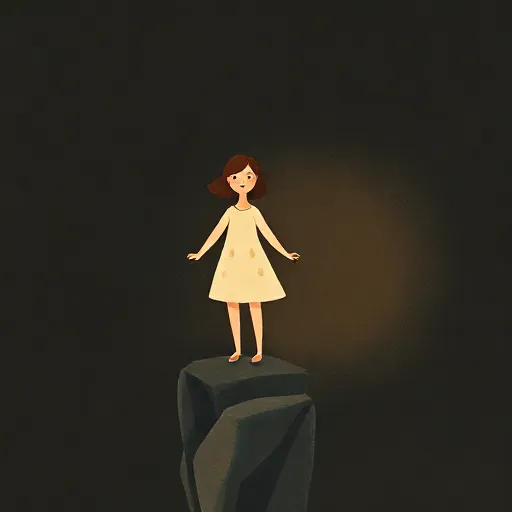
You Are Not a Thing — You Are a Project
What if the world gives you no built‑in purpose? Existentialists say that’s not a disaster — it’s an invitation. You get to create your own meaning.
-
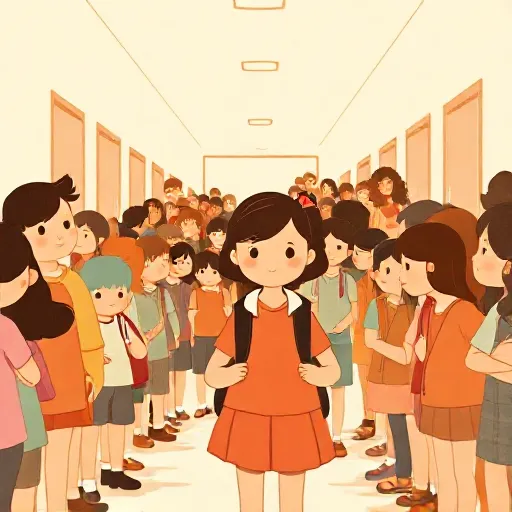
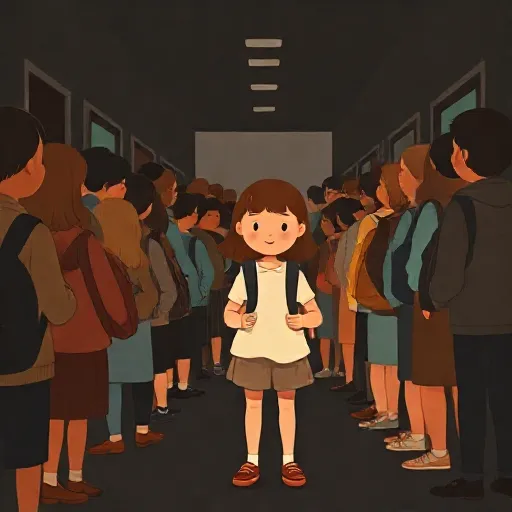
You Can't Be Yourself Without Others: The Real Meaning of Recognition
Why do you feel invisible when no one knows your name? The answer might change how you think about yourself and others.
-
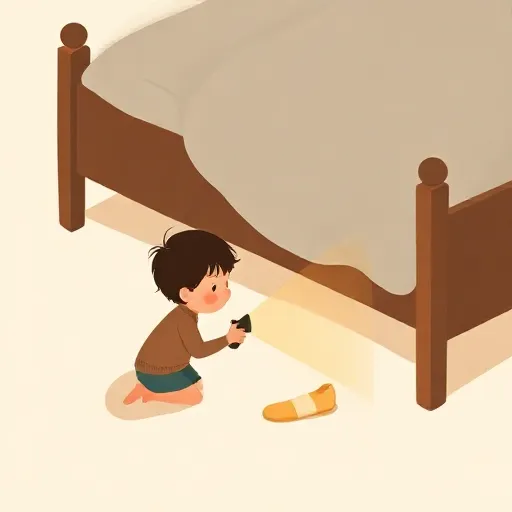
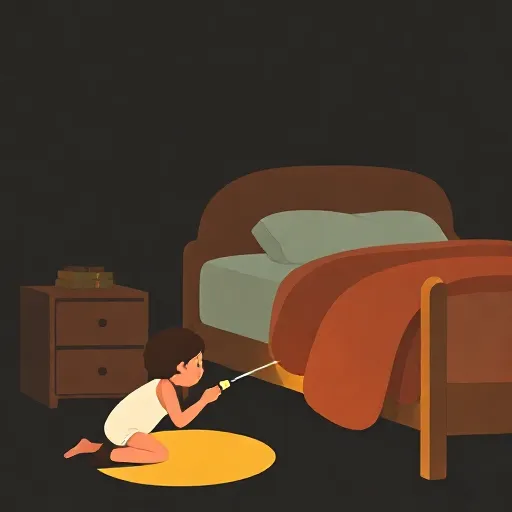
You Just Said 'Some Numbers Are Even.' Does That Mean Numbers Exist?
Does saying 'some numbers are even' force you to believe numbers exist? Discover the surprising debate over what words secretly commit us to.
-
You Think You're Right — But Can You Prove It?
When you argue with a friend, how do you know who's right? Find out how to spot strong reasons and weak ones in everyday talk and news.