What Are Civil Rights, and Why Do They Keep Changing?
1866: A Contract That Wasn’t Worth the Paper It Was Written On
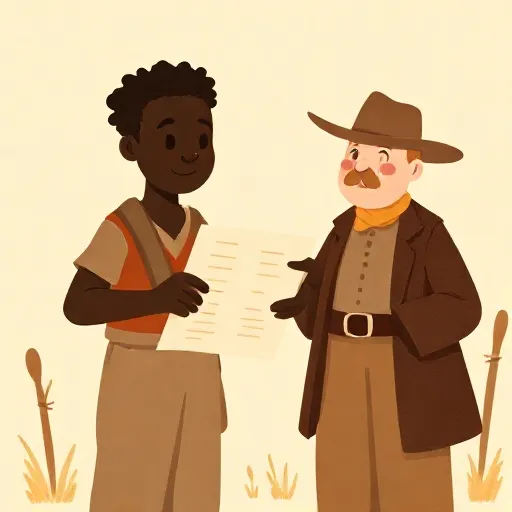
Imagine it is 1866. You are a freed slave in Mississippi. You saved money from your first months of paid work, and you sign a contract to buy a small plot of land. You hand over the cash. But the white seller refuses to give you the land. You go to court. The judge won’t let you testify because you are Black. The contract is never enforced. You have no legal right to get your money back or own the land.
All across the former Confederate states, newly freed men and women faced the same wall. Southern states passed Black Codes — laws that listed crimes like vagrancy, which basically made unemployment a crime, and that openly denied freed slaves the protection of ordinary laws. A freedman couldn’t sue, couldn’t testify against a white person, couldn’t leave a will, and couldn’t count on the police to keep him safe from white mobs.
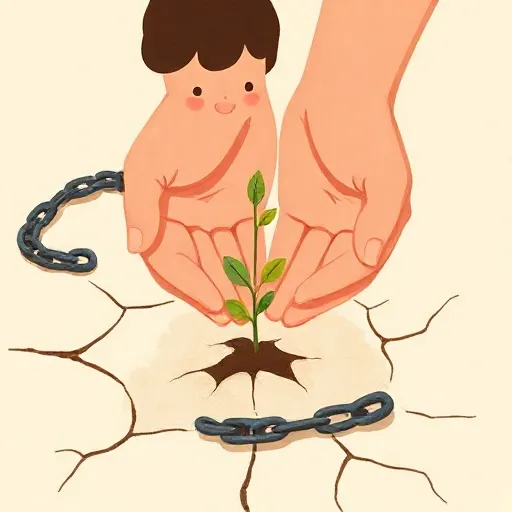
Northern Republicans in Congress saw this as slavery returning under another name. They responded by passing the first Civil Rights Act in 1866, the first time those words entered American law. The act declared that all citizens, regardless of “previous condition of slavery,” had the same right as white men to make contracts, own property, sue, give evidence, and enjoy “the full and equal benefit of all laws … for the security of person and property.” Congress soon added the Fourteenth Amendment to the Constitution, promising “equal protection of the laws.”
What kind of rights were these? The 1866 Act took its idea of civil rights from earlier thinkers like the English lawyer William Blackstone (1723–1780) and the revolutionary writer Thomas Paine (1737–1809). For them, civil rights were not natural rights you have just by being human. They were legal rights — rights created by law — that you possess because you live in a civil society. Some legal rights, they argued, are so basic that without them you cannot thrive in society: the right to make contracts, to hold property, to sue in court, and to be protected from violence. The 1866 Act turned these into a equal protection principle: everyone must have the same access to those fundamental laws.
The idea seemed simple and powerful. But in practice it collapsed. The Supreme Court soon ruled that the federal government could not enforce these civil rights against private individuals. The Court said the power to protect people from assault or broken contracts belonged to the states, not Congress. The broad dream — that the nation as a whole guarantees everyone basic legal protections — faded. What remained was only the part that said you could not discriminate in who gets those protections. The deeper idea that every person has a civil right to the law itself — to have police protect you, to have contracts enforced — was largely forgotten.
1964: No More ‘Whites Only’
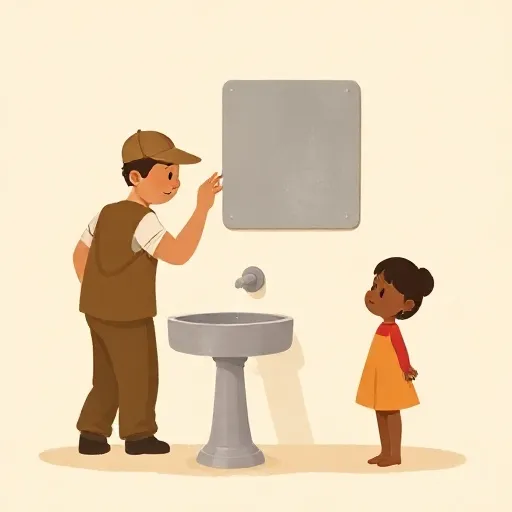
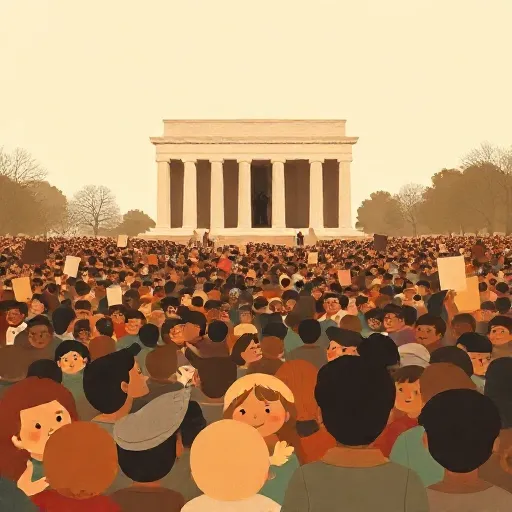
Jump forward a hundred years. In the early 1960s, Black Americans in the South lived under Jim Crow laws that legalized racial separation. Restaurants, motels, buses, and drinking fountains were marked “Whites Only.” Private businesses freely refused to hire or serve Black people. This was not just custom — it was law and widespread practice. The civil rights movement, led by figures like Martin Luther King Jr. (1929–1968), demanded an end to this regime of open humiliation.
Congress responded with the Civil Rights Acts of the 1960s. The 1964 Act, for instance, outlawed discrimination in employment, the 1965 Voting Rights Act broke barriers to the ballot box, and the 1968 Fair Housing Act attacked discrimination in renting and selling homes. The antidiscrimination principle became the heart of what “civil rights” meant. Under this principle, you have a right not to be treated differently or worse because of your membership in a group that has faced deep, systematic mistreatment — race, sex, religion, national origin, and later disability and age.
The laws aimed to stop both government and private discrimination. An employer could no longer refuse to hire Black workers simply because of their skin color. A landlord could not turn away a family because they were Mexican American. The effect was sweeping. Over the next few decades, courts and laws also expanded the idea of what counts as discrimination. It now included practices that have a disparate impact on a protected group — like a hiring test that screens out many more minority applicants without a solid business reason. It also came to cover severe harassment that makes a workplace or school hostile, such as sexual harassment. By the 1990s, civil rights law had reshaped daily life, from the water fountain to the boardroom.
But thinkers from many sides began to ask whether the antidiscrimination principle was enough. Free-market economists like the University of Chicago’s Gary Becker argued that competitive markets naturally punish employers who reject qualified workers out of bigotry. By that logic, antidiscrimination laws might be unnecessary. From the left, a set of scholars called critical legal theorists raised a deeper problem. Stopping individual acts of discrimination, they said, is not the same as achieving real equality. Centuries of slavery, Jim Crow, and unequal education left Black families with far less wealth and weaker access to good jobs, homes, and health care. Even if every person stopped being biased today, the massive gap would remain.
To make the point clearer, some used a footrace metaphor. Imagine two runners. For the first half of the race, one runner must wear a heavy weight. Halfway through, the weight is removed. Both runners are now treated identically — no extra weight. But unless you compensate the runner who was held back, the final result will still reflect the early unfairness. The antidiscrimination principle, critics said, only removes the weight now. It doesn’t deal with the leftover harm.
Another task went beyond formal equality: what about people who suffer unique harms because they belong to multiple subordinated groups? A Black woman might face harassment that neither a white woman nor a Black man experiences. If the law only checks whether an employer treated all women or all Black people the same way, her particular injury can become invisible. This idea came to be called intersectionality, and it further challenged the simplicity of the antidiscrimination model.
Despite these criticisms, the antidiscrimination vision remains the most common way Americans understand civil rights. It overturned legal apartheid and put equality before the law at the center of public life. But the limits left many asking: what would a civil right look like if its goal weren’t just stopping unfair treatment, but actually enabling a decent life?
Today’s ‘Civil Rights’ Talk: From Park Benches to Planet Health
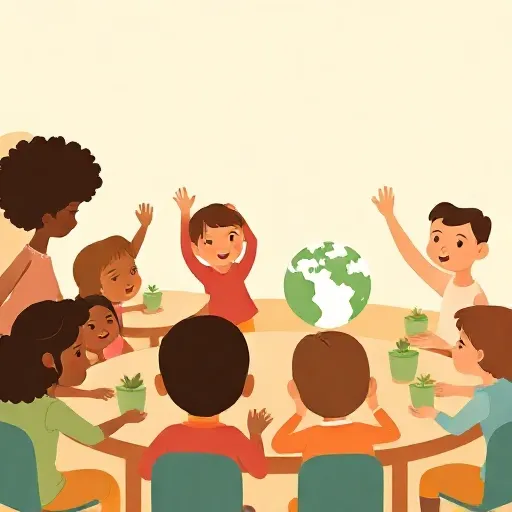
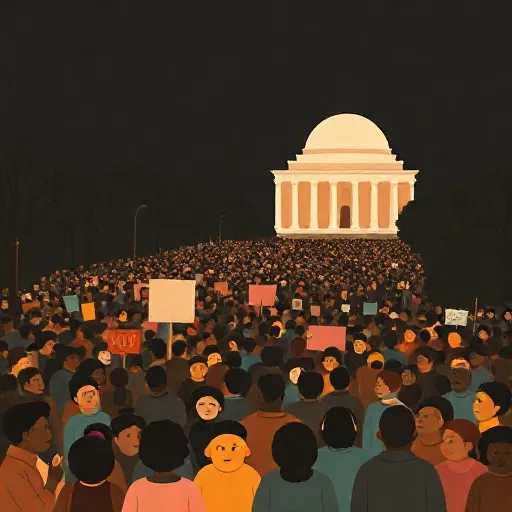
In the 21st century, you can hear people use the phrase “civil rights” to argue for things that have nothing to do with discrimination. Environmental justice activists say communities of color face a heavier burden of pollution and climate change — and that everyone has a civil right to clean air and water. Campaigners for universal preschool call child care a civil right. Gun safety advocates say being safe in your neighborhood is a civil right. Proponents of the Affordable Care Act treated access to health insurance as a civil right, too.
These claims don’t fit neatly under the equal protection principle or the antidiscrimination principle. It isn’t that clean air laws exist and are just enforced unequally — often the law doesn’t exist in the first place. The demand isn’t “treat us the same,” but “create a new law that helps everyone thrive.” This marks the rise of what some scholars call a welfarist principle of civil rights. Under this view, civil rights are the rights we have or should have to the social conditions necessary for a flourishing life: decent housing, a good education, a healthy environment, and some measure of safety.
The shift is important for two reasons. First, the wrong being fought is not just bias or unequal application of existing law — it’s the absence of law where one is needed. Second, the rights claimed are universal. They aren’t designed for one historically oppressed group alone, even if those groups would benefit the most. A civil right to a sound education helps every child, not only those who experienced past discrimination.
This welfarist way of thinking echoes the ambitions of modern human rights talk around the world. It also echoes a very old idea: civil rights are those legal protections without which you cannot live a life worthy of a human being. The 1866 Act listed contract and property law; a 2025 version might list education law, environmental law, and health law. What remains constant is the insistence that law exists not just to keep order, but to help people flourish.
What Belongs on Your List?

Our idea of what counts as a civil right has been through three major transformations. In the 19th century, it meant the right to the equal protection of ordinary law — the ability to make a contract, own property, or be safe from violence. In the 20th century, it came to mean the right to be free from discrimination based on race, sex, and other traits. Now a third meaning is forming: the right to the laws that make a flourishing life possible, whether that is a clean atmosphere or a quality teacher in every classroom.
None of these meanings has fully replaced the one before it. You might hear “civil rights” used in all three ways in the same week: a news story about a police abuse lawsuit (equal protection), a report about a company accused of gender bias (antidiscrimination), and a march demanding pollution controls in a poor neighborhood (welfarist). That triple meaning isn’t confusion — it’s a live debate about what equality really requires.
The question is not settled. Philosophers, lawyers, and ordinary people argue about which basic goods — jobs, health, nature, education — law should guarantee. The history of the phrase shows that as societies change, the list changes. The 1866 generation would be stunned by the idea of a civil right to clean water or child care. What will amaze your grandchildren? When you decide you have a civil right to something, you are making a philosophical claim: that a decent life is impossible without it, and that we owe it to one another to build laws that provide it.
Think about it
- If a law says everyone has the same right to buy a house, but some families have far less money because of past unfairness, is that true equality? Why or why not?
- Some people claim we need a civil right to clean drinking water and good schools, even if providing them means higher costs for everyone. Others say civil rights should only protect you from direct harm by the government — like stopping illegal searches — not force the government to give you services. Which view makes more sense to you?
- Fifty years from now, what do you think people will consider a basic civil right that we don’t recognize today? (Think about technology, health, or the environment.)