Can a Dirty Pair of Shoes Change the Way You See Everything?
The Painting That Wouldn’t Sit Still
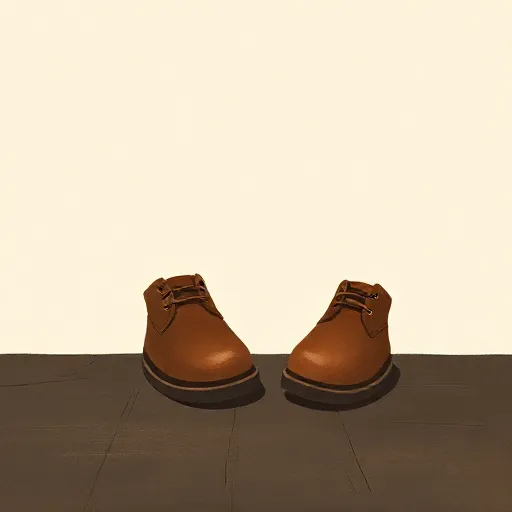
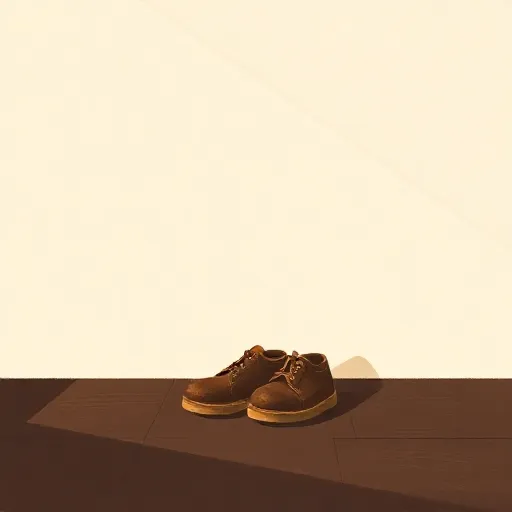
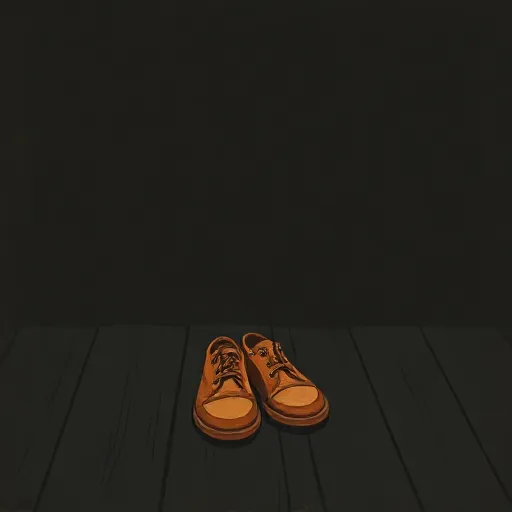
At an art exhibition in Amsterdam in 1930, a middle‑aged professor with a stern, thoughtful face planted himself in front of a small canvas. It showed a pair of crinkled leather shoes, worn and empty. Most visitors glanced and moved on. Martin Heidegger (1889–1976) stood there, transfixed. Later he wrote that this picture of old shoes was not just a picture. It could, he claimed, let truth spring forth and even start a new chapter of history.
To us that sounds wild. A painting of shoes shaping history? To understand why a serious philosopher would say such a thing, we first need to know what he thought was wrong with the way we usually look at art.
What’s Wrong With “Aesthetics”?
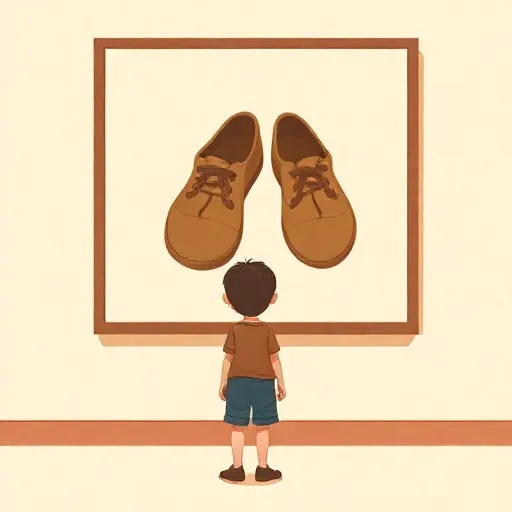
Philosophers call the study of beauty and our feelings about art aesthetics (from a Greek word for sensation or feeling). In modern Western thinking, aesthetics treats every artwork as an object that a subject — you, the viewer — experiences. You stand here, the painting stands over there, and something pleasant or intense jumps across the gap.
Heidegger thought this picture of art was not just limiting: it was a trap. If art is only about refined taste, then a café barista pouring foamy milk into a cappuccino counts as an artist. He joked that for us today, “art belongs in the domain of the pastry chef.” That might sound snobby, but his real point ran deeper. As long as we think of art as objects giving us special feelings, he argued, we will never notice the much bigger thing great art can do — it can quietly re‑wire what a whole community counts as real and important.
The World Built by a Temple
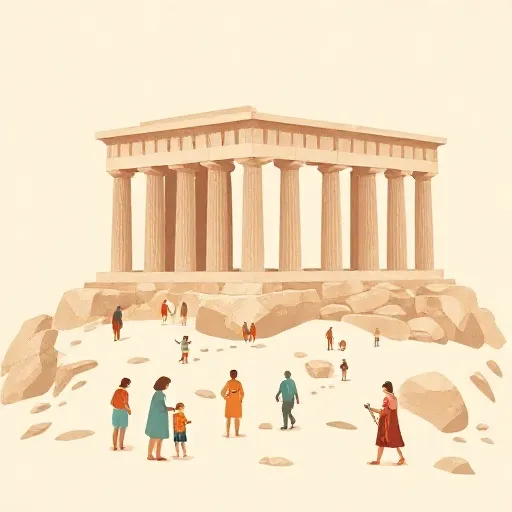
To show what art could be, Heidegger looked back to ancient Greece. Imagine the temple of Hera at Paestum, built long before smartphones and museums. It did not just sit there looking pretty. Heidegger believed it “first gives to things their look and to humanity their outlook on themselves.” In other words, the temple helped a community feel what was noble and what was shameful, what was victory and what was ruin. It pulled together a whole way of experiencing life.
Heidegger called this shared sense of what matters a world. A great artwork, he said, doesn’t just reflect a world — it can create one, or change one. When a temple stands at the centre of a people’s life, it gathers paths, stories, and decisions. That is what he meant by saying art “grounds history.” The temple was not a museum piece; it was a quiet engine of meaning.
The Secret Inside Van Gogh’s Shoes
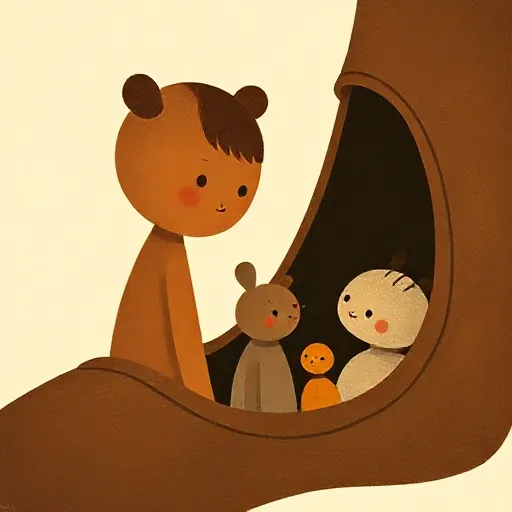
Back to those shoes. Heidegger insisted we should simply look, without any philosophical theory. So try it. A pair of beaten‑up leather shoes, standing still. Nothing is happening. Yet the more you pay attention, the more you might notice that the “empty” background is not really empty. Faint, inchoate shapes press forward — maybe a sun‑bonneted head, a stooped shoulder, a hoe — but they never fully solidify. They recede the moment you try to pin them down.
Heidegger gave two names to what he saw in this wrestling match between what appears and what stays hidden. He called the meaningful order that comes into view world — here, the quiet, weary life of a farmer, the ripening grain, the winter fields. And he called the deep, mysterious source that both supports that meaning and always exceeds it earth. Earth is not a lump of dirt; it is reality’s refusal to be completely captured, its inexhaustible ability to offer new hints while withdrawing from our final grasp.
In Van Gogh’s painting, earth and world are locked in what Heidegger called an essential strife. The shoes belong to a farmer who walks on the earth and battles it and depends on it. The painting makes that struggle visible — not by showing a story, but by letting you feel meaning being born and slipping away at the same time.
How a Picture Can Teach You to Walk in a Farmer’s Shoes
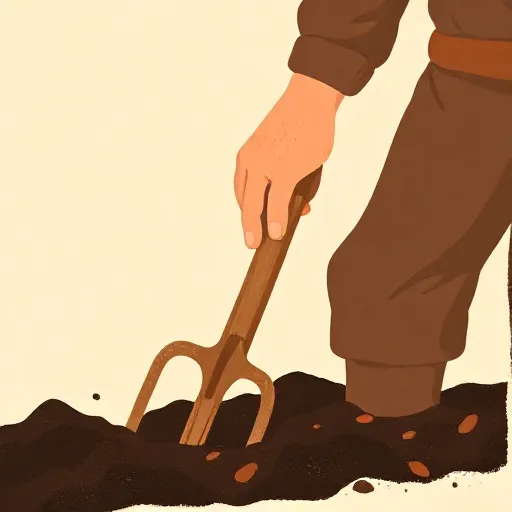
Heidegger was not just daydreaming about farming. By staring at that tension in the painting, he said, you can taste what it is like to be a farmer — not because you magically enter her head, but because you experience for yourself the very same activity of drawing meaning from something that resists you. The shoes were where her world met the earth, and the painting recreates that meeting place.
This, Heidegger believed, is the deep secret of all art. Real art is a bringing‑into‑being. It pulls a new world out of the earth’s hidden reserves, just as a sculptor frees a shape from a block of marble. And when that happens powerfully enough, it can shift what an entire culture thinks is real. Big historical changes, he suggested, sometimes begin with an artwork that makes us see differently.
He also worried about the modern opposite of this. In our technological age, he argued, we tend to treat everything — trees, people, even ourselves — as enframing: mere resources standing by to be optimised, counted, and used up. Art that stays alive with the earth‑world strife pushes back against that. It teaches us that things can be richer than our plans for them, and that meaning is something we have to respond to, not just manufacture.
Why a 90‑Year‑Old Argument About Shoes Still Matters

Some art historians later caused a stir by pointing out that the shoes in Van Gogh’s painting were probably his own, not a female farmer’s. Does that destroy Heidegger’s whole argument? It doesn’t. He was not building a case from a label; he was showing you something you could see for yourself. Even if Vincent wore them, the struggle between earth and world is still there in the paint.
That struggle matters today. When a song, a story, or even a video game starts to change how you and your friends think about courage, friendship, or what is “normal,” something like a tiny world‑building is happening. Art can still secretly gather a community. But you have to slow down enough to notice what is really there — not just the object, but the hidden richness flickering in the background.
Heidegger wanted us to leave behind the idea that art is just a pretty thing to consume. He invited us to become meaning‑farmers ourselves: people who can see the shape trying to be born inside an ordinary pair of shoes, a piece of music, a patch of earth. That kind of seeing, he thought, might even help us build a future where things are not just resources to be used, but presences to be met.
Think about it
- If you stare at a picture long enough and start to see a face that isn’t “really” painted there, is that face part of the artwork’s meaning — or is it only something you imagined?
- Think of a song, a film, or a game that changed the way you or your friends talk about something. Could something like that ever shift what a whole generation thinks is important?
- When you use an everyday object — a pencil, a phone, a worn‑out pair of sneakers — do you ever feel it has a life or depth that goes beyond what it’s for? What might we lose if we treated everything as just a tool?