
Aesthetics
98 articles
-
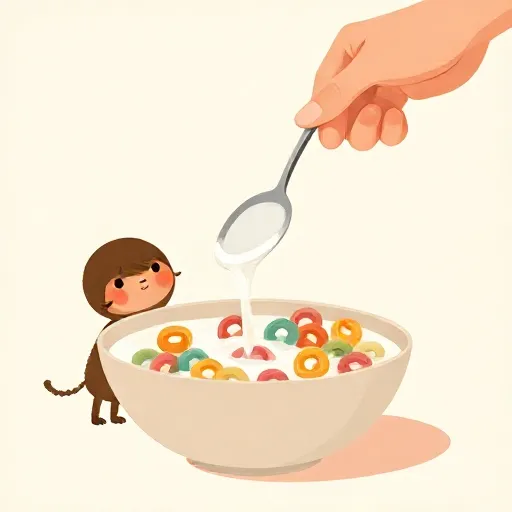
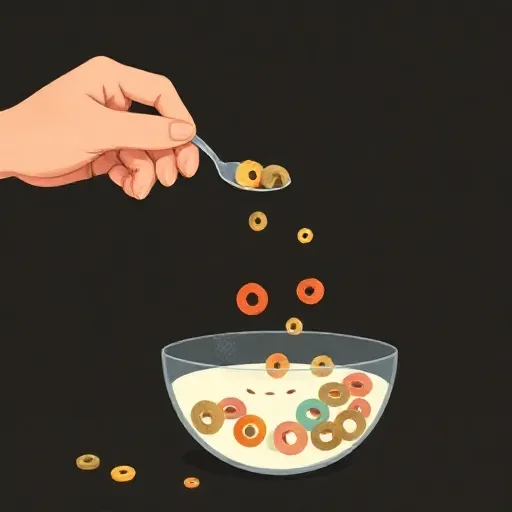
Are You Missing the Art in Your Own Kitchen?
Do you notice the art in your cereal or outfit? Everyday aesthetics shows how small moments of liking or not liking shape who you are.
-
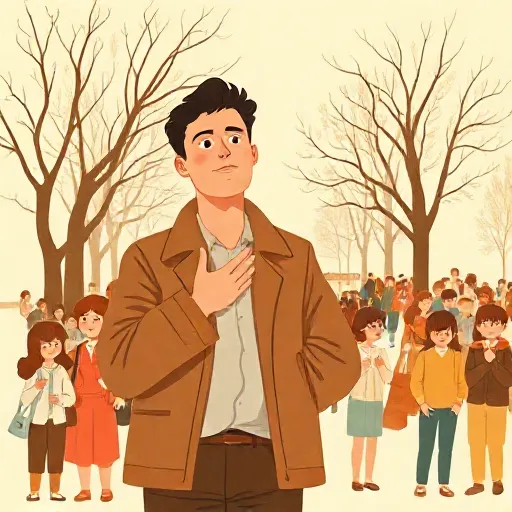
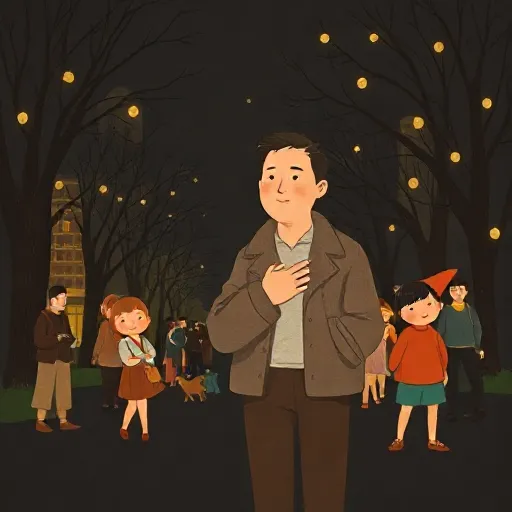
Are You Watching a Play — or Is It Real Life?
A man shouts in a park about a lost wallet. Everyone stops. Is it theatre? How do we know? Philosophers have been puzzling over this for centuries.
-
Art Doesn't Copy Nature — It Makes a World
Why does a play feel more alive than a perfect copy of reality? Schlegel's surprising answer: art doesn't imitate nature—it builds whole new worlds.
-
Before You See Anything, You Feel Yourself Alive
Why the French philosopher Michel Henry said there's a deeper kind of appearing — a warm, aching, joyful self-awareness that makes all experience possible.
-
Can a Dirty Pair of Shoes Change the Way You See Everything?
Can a pair of old shoes really change the world? Heidegger thought art is not just pretty—it can shape what whole societies believe is true.
-
Can a Melody Feel Sad? The 200-Year-Old Debate
Can a melody feel sad? 200 years ago, thinkers debated if music has real emotions or is just sound. The mystery still gives you chills.
-
Can a Painting Be Great Art If It Wants to Arouse You?
Kant said real art gives a calm, “disinterested” pleasure. But what about works designed to stir sexual desire? A debate that’s still fiery today.
-
Can a Song Make the World Feel Less Pointless?
Sartre thought art reveals the world and our freedom. Camus argued it helps us face the absurd. A look at why making and enjoying art is a big deal.
-
Can a Statue Show You What Freedom Looks Like?
Can a statue show freedom? Hegel thought art's job was to make freedom visible, but he said ancient Greek art did it best. Is modern art different?
-
Can a Toilet Be Art?
A man once put a urinal in an art show. The judges said no. He said yes. A 100-year-old fight about who gets to decide what art really is.
-
Can a Work of Art Invent Its Own Rules?
Why do people argue about art? Friedrich Schlegel thought every artwork invents its own beauty rules. That idea still shapes debates about films and songs.
-
Can an Idea Be a Work of Art? The Conceptual Art Puzzle
Why some artists stopped making beautiful objects and put ideas at the center of their work — and why that still makes people angry.
-
Can Art Really Set You Free? Friedrich Schiller’s Big Idea
Schiller said playing with beauty balances your wild feelings and strict thoughts, turning you into a free person. But is that really possible?
-
Can Art Unlock a Different World? The Frankfurt School’s Radical Idea
How does capitalism make us see everything as objects? The Frankfurt School argued art can jolt us awake, revealing a different world.
-
Can Philosophy Be Scattered Like Seeds? A Young Romantic Thought So.
Novalis argued that true wisdom can't be trapped in a system—it grows in messy fragments, conversations, and a lifelong process of self-education.
-
Can Poetry Solve the Riddles That Science Cannot?
Can poetry solve riddles that science cannot? In the 1800s, poets and thinkers believed art and beauty could answer life's deepest questions.
-
Can Science Ever Explain What Makes Art Beautiful?
Why do we care if a painting is a forgery? Even if it looks the same, knowing it's fake changes how we feel. Can brain scans explain this?
-
Can Silence Be Music? And Other Big Questions About Sound
What turns noise into music? Can a silent piece or a flushing toilet count? Dive into the strange puzzles music hides.
-
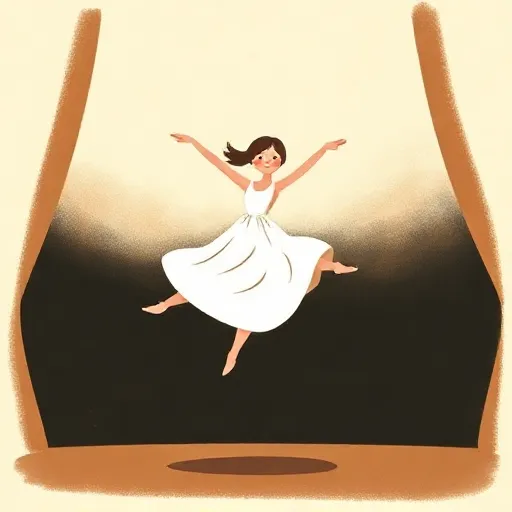
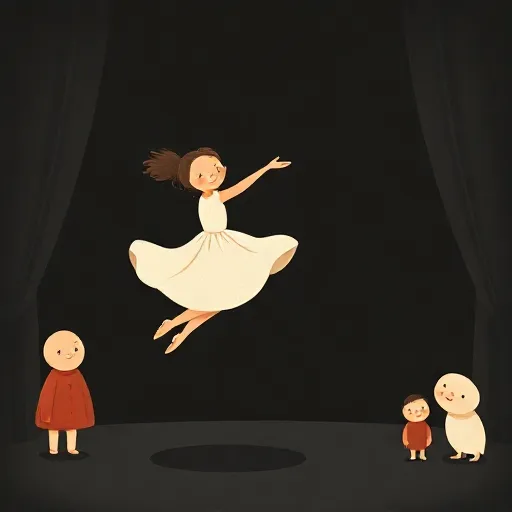
Can the Same Dance Happen Twice?
When a dancer leaps, the moment is gone. Philosophers argue whether we can ever really repeat a dance — and if we can, what makes it the same one.
-
Can You Ever Really Say What “Good” Means?
Philosopher G.E. Moore argued we can never define 'good'—even happiness might not be good. This sparked debate: is goodness real or just a feeling?
-
Can You Feel Beauty Without Thinking? The 1700s Fight Over Taste
Can you feel beauty without thinking? Some say it's instant like tasting soup; others say you must reason. This old debate still matters for all art today.
-
Can You Feel Morality? Shaftesbury’s Revolutionary Idea
The Earl who said we’re born with a sense of right and wrong, like a taste for beauty — and why it sparked a 300-year fight over where morality comes from.
-
Can You Really Know if a Painting Is Beautiful Without Looking at It?
Can you judge art without seeing it? Some philosophers say no, you need firsthand experience. Others say trust is fine. It helps you find your own voice.
-
Can You Train Yourself to See the World Differently?
Can you train your brain to notice hidden flavors, sounds, or bird calls? Perceptual learning shows how practice reshapes your senses—permanently.
-
Did Chinese Ideas Steal Japan’s Original Heart?
Did Chinese ideas steal Japan's original heart? Discover the quest for a pure Japanese identity and how it still shapes anime and pride today.
-
Did Three Poets Invent a Whole Philosophy of Blackness?
Did three poets create a full philosophy of Black identity, or just a protest? Their idea, Négritude, sparked a debate that still matters today.
-
Do Landscapes Have Faces? Alexander von Humboldt’s Wild Idea
Why did a Prussian explorer think you need art and feeling, not just measurements, to truly know nature? His answer changed science forever.
-
Do We Have a Secret Sixth Sense for Beauty?
Do we have a secret sixth sense for beauty? Some thinkers said yes, others called it imagination. This old debate still shapes our ideas about art.
-
Do You Have to Be a Scientist to Truly See Nature’s Beauty?
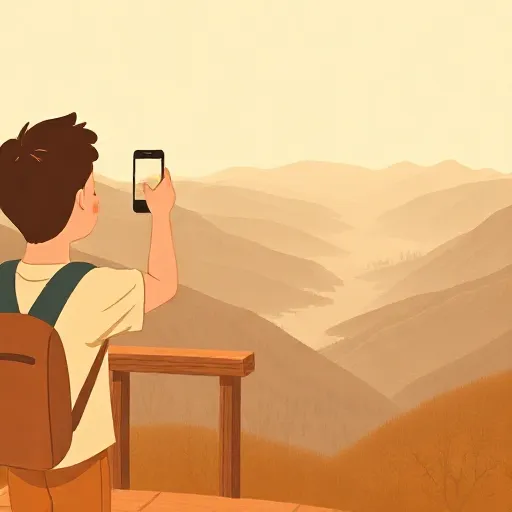
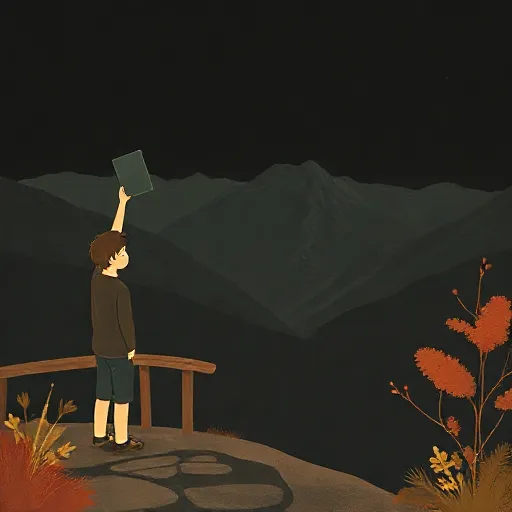
Carlson said yes—you need ecology and geology. Berleant said no—immerse yourself and just feel. A fight about how to look at the world around you.
-
Does Math Have a Style — and Does It Matter?
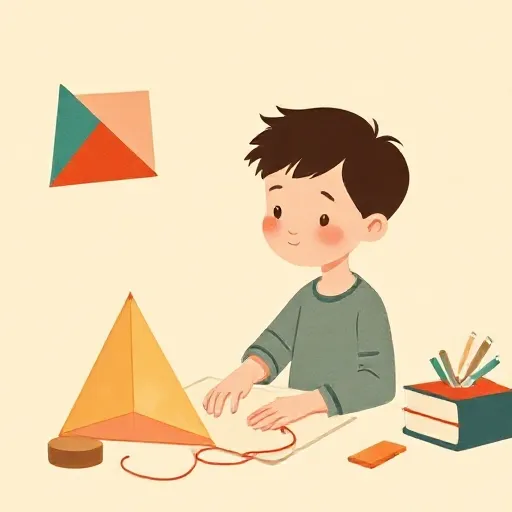
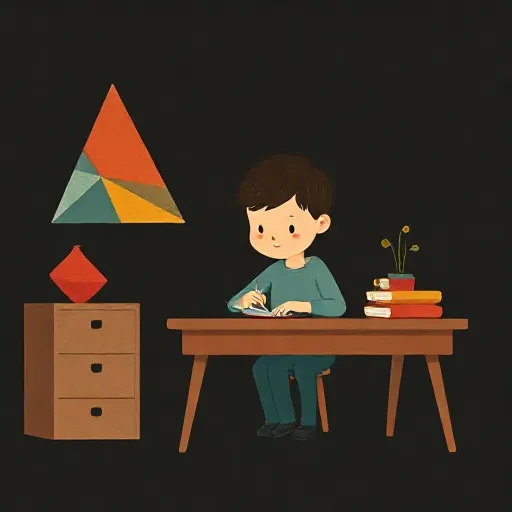
Mathematicians approach problems in different ways, like artists. Some think style is just decoration, but others say it shapes what math even is.
-
Emeralds Are Green—But Will They Stay That Way?
If every emerald has been green, how do you know the next one won’t be blue? Goodman’s “grue” puzzle challenges induction and says we build our own worlds.
-
Ernst Bloch Said the World Is Unfinished — and That’s a Good Thing
Is the future set in stone? Ernst Bloch says no: the world is always unfinished, and hope can turn dreams into reality.
-
How Can Freedom Grow From Determined Nature?
If nature always follows rules, how can we be free? Schelling thought nature is creative, like an artist, which changes how we see freedom.
-
If a Model is Just Fancy Equations, Why Do We Trust It?
Why do we trust models that are just fancy equations? Because they help us imagine and learn about the real world in surprising ways.
-
Is ‘Rose’ the Same Word Every Time You Write It?
How many words in ‘Rose is a rose is a rose is a rose’? Three or ten? It hinges on a hidden distinction: the general type versus its concrete tokens.
-
Is 'That Is Beautiful' a Fact or Just a Feeling?
Can beauty be a fact, not just an opinion? Florence Landmann-Kalischer said yes. She thought beauty is a property, like color, so we can argue about it.
-
Is a Melody Just a Bunch of Notes? The Puzzle That Changed Psychology
Is a melody just a bunch of notes? No – your mind hears a pattern that the notes alone don’t have. This idea changed how we think about thinking.
-
Is a Sunset Just as Much Art as a Painting?
Can a sunset be art like a painting? John Dewey said yes, if the experience feels whole and alive. It challenges the usual line between art and daily life.
-
Is Art a Lie? Plato’s Deep Worry About Poetry and Painting
Plato thought beauty could lead you to truth, but most art just fakes it. His arguments still shape how we think about movies, music, and TikTok.
-
Is Beauty a Hidden Truth, or Is It Just Your Mind at Play?
Is beauty a clue to truth or just a game your mind plays? This old argument still shapes how we see art and taste.
-
Is Beauty a Secret Code in Things — Or Just a Feeling?
Is beauty a real feature of things or just a feeling inside you? This age-old puzzle shapes who gets to feel beautiful.
-
Is Beauty Just a Feeling, or Is It Something More?
Why do we expect everyone to agree on beauty? Kant said it's because our minds play freely. He also explored how living things are not just machines.
-
Is Being Busy the Same as Being Alive? George Santayana’s Challenge
Santayana thought American busyness keeps us from really living. He believed true happiness comes from celebrating each moment, not chasing endless goals.
-
Is Every Thought a Work of Art? Croce's Radical Idea
Can looking at an orange make you an artist? Discover Croce's surprising idea that every focused thought is a private piece of art.
-
Is Hamlet Real? And What That Tells Us About Everything
How do things exist? Roman Ingarden said some are solid like rocks, some only in our minds. That idea helps us understand stories, money, and what is real.
-
Is Laughter Mean, Irrational, or the Best Thing About Us?
For 2,000 years, philosophers said laughter was scornful and dangerous. Now many think it's a sign of cleverness and health. How did that flip?
-
Is Poetry Dangerous? Plato's Ancient Quarrel
Plato argued poems and speeches secretly train our emotions. Is he right? This old debate still matters when we watch movies or hear ads.
-
Is That a Good Play? Aristotle’s Guide to Judging Poetry
Why do we enjoy a scary story? Aristotle thought good plays stir pity and fear in a way that feels good, and gave us tools to tell great art from bad.
-
Is That Art? The Science of Taste and Controversy
Why do we argue about beauty, and can science ever settle what counts as art? Philosophers and psychologists team up to explore the hidden rules of taste.
-
Is That Building Art? The Fight Over What Counts as Architecture
What makes a building architecture? Some say any built thing counts; others say only artistic ones do. Discover why this debate shapes the places we live.
-
Is That Painting Talking to You? Gadamer’s Big Idea About Art
When a work of art stops you in your tracks, what’s really happening? German philosopher Hans-Georg Gadamer said art speaks to us — and changes who we are.
-
Is That Song Really Beautiful, or Do You Just Like It?
David Hume said beauty isn't in the music—it's a feeling inside you. But he also believed some tastes are better than others. How can both be true?
-
Is the Mona Lisa Just a Canvas, or Something Else?
If a robot made a perfect copy of the Mona Lisa, is it still the same artwork? Why or why not? This question makes us think about what art really is.
-
Is the Universe Just a Blind, Hungry Monster?
Arthur Schopenhauer saw the world as a never-ending hunger, but said art and compassion could quiet the feast. A 1800s thinker with a surprising answer.
-
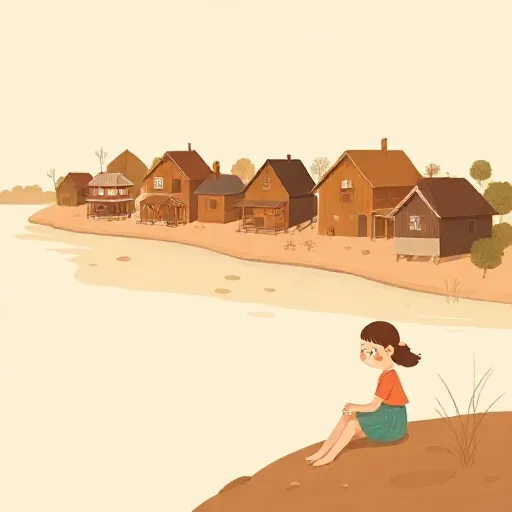
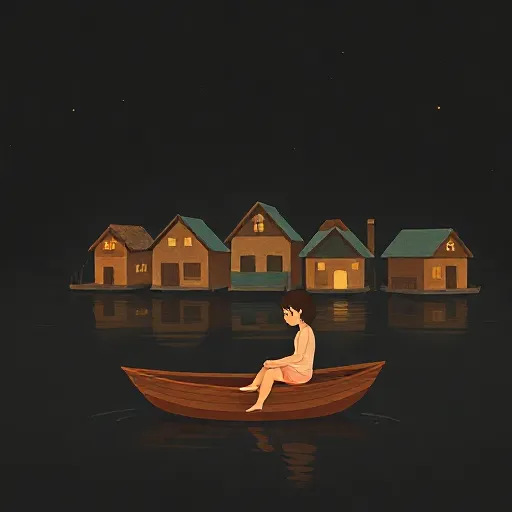
Is the Village Floating? How Words Get Extra Meanings
What does "the village is on the Ganges" really mean? Indian philosophers argued for centuries about hidden layers in language.
-
Is the World Just a Game We Forgot We’re Playing?
Some philosophers say reality is made of stories no one wrote, and we’re all just characters playing along. But what if the stories are falling apart?
-
Is Touch Just One Sense, or a Whole Orchestra?
When you touch something, you feel heat, texture, and pressure from different sensors. Are these one sense or many?
-
Is Your Phone Photo Still a Real Photograph?
Every digital image is a grid of numbers. That makes it easy to copy and change. But does it change what the picture really is?
-
Love Isn’t Just a Feeling — It’s the Glue of the Universe
A Jewish philosopher on the run wrote that love and beauty are cosmic forces, connecting a flower's color to God's own joy.
-
Sherlock Holmes Isn’t Real… Or Is He?
Does Sherlock Holmes exist? Some say he's just a story, but others argue he's real in a strange way. This puzzle makes us question what 'real' even means.
-
The Philosopher Who Said Stones Could Think
Could a stone become a thinking person? Diderot thought matter might be alive and able to think. His bold idea still puzzles what minds are.
-
Was That Movie Just Entertainment, or Real Art?
Why do we cry over people who never existed? Can a film think? The big ideas behind the movies you watch.
-
We Swore We’d End Our Lives If Life Had No Meaning
Jacques and Raïssa Maritain made a desperate pact. Their search for meaning led them to a philosophy where some truths are known without words.
-
What Does 'Beautiful' Mean? Wittgenstein's Surprising Answer
Wittgenstein thought the search for a single essence of beauty was a mistake; instead, he showed that aesthetic words work like gestures within a culture.
-
What Does Asking Questions Have to Do with Love? Socrates’ Answer
Socrates claimed expertise in love — not romance, but the art of questioning that awakens a hunger for wisdom. Plato’s story of love’s ladder, explained.
-
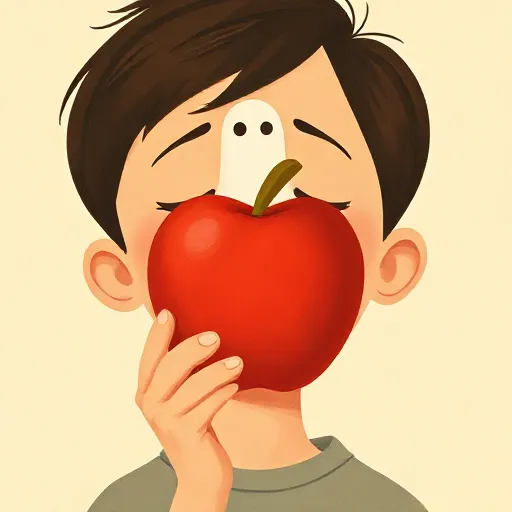
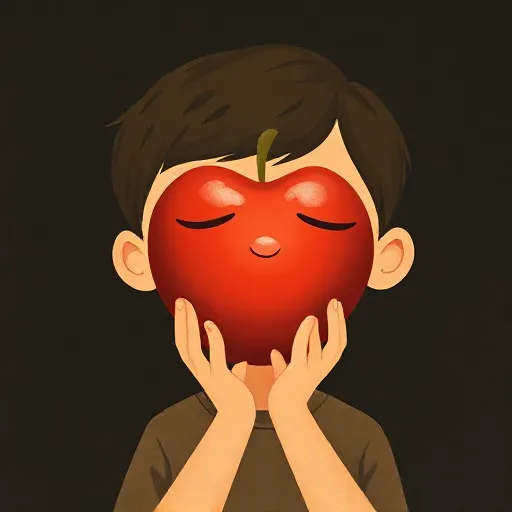
What Happens When You Close Your Eyes and Picture an Apple?
Some people 'see' an apple when they close their eyes; others see nothing. Scientists think mental imagery shapes memory, feelings, and movies you love.
-
What If Being "Reasonable" Made You Less Free?
Can being too rational make us blindly follow leaders and forget freedom? A philosopher's warning about the dark side of reason.
-
What If No Single Story Explains the Whole World?
What if no single story explains everything? Old big stories have lost power. Now many small ones clash, making us free but unsure what's fair.
-
What If Your Feelings Created All Your Values?
Alain Locke argued that values come from feelings, not logic, and that cultures should be understood, not judged. His ideas changed art and race forever.
-
Who Decides What Your Poem Really Means?
When you write a poem, do you control its meaning? Philosopher Monroe Beardsley said no—and that debate affects how we understand books and songs.
-
Who Decides What’s Beautiful? The 1700s French Feud That Still Echoes
Is beauty a set of rules or just that 'I like it' feeling? An old French quarrel still explains why we disagree on art.
-
Who Owns a 9,000-Year-Old Skeleton?
Who should own a 9,000-year-old skeleton: scientists or Native Americans? This debate decides how we handle ancient remains and artifacts.
-
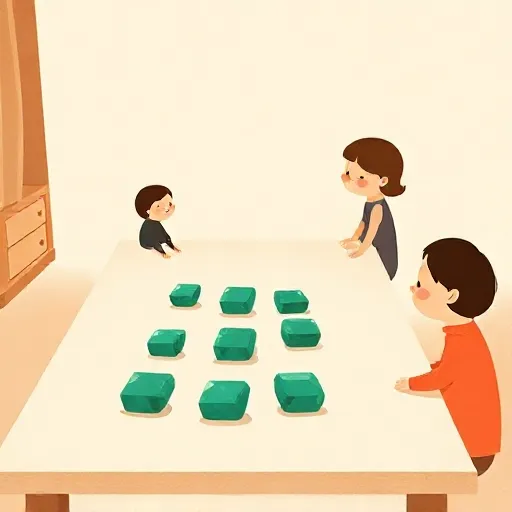
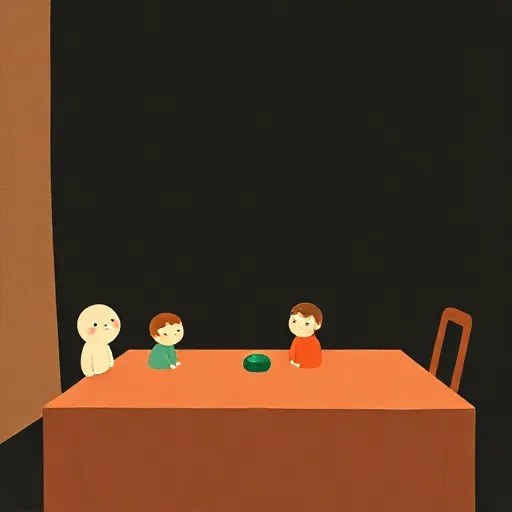
Why a Fake Painting Is Never Just a Fake, According to Nelson Goodman
Why do emeralds seem green? The 'grue' puzzle shows it's not just our eyes—our habits and words build the world we see.
-
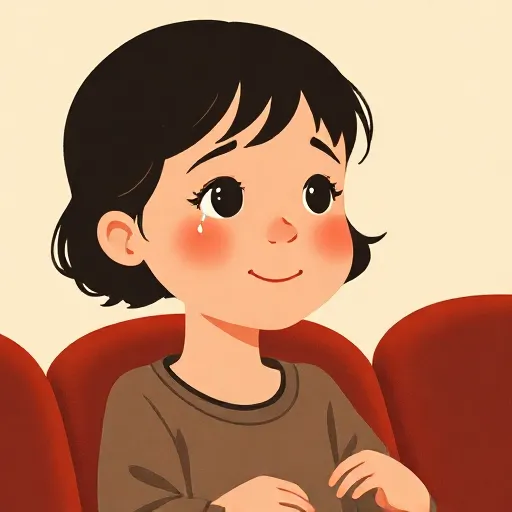
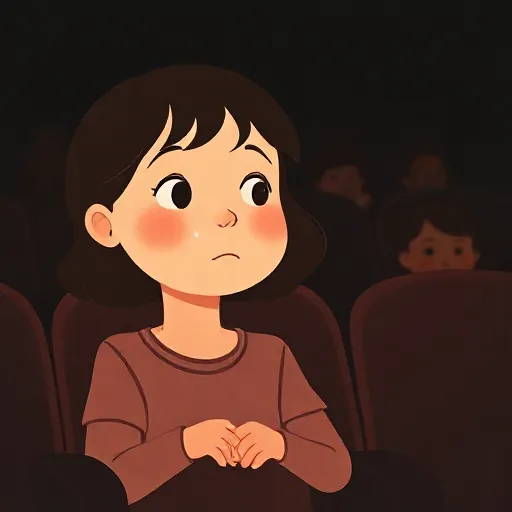
Why Do Sad Movies Feel So Good?
Why do we enjoy movies that make us cry? Philosophers call it the paradox of tragedy. It explores why we choose sad stories over happy ones.
-
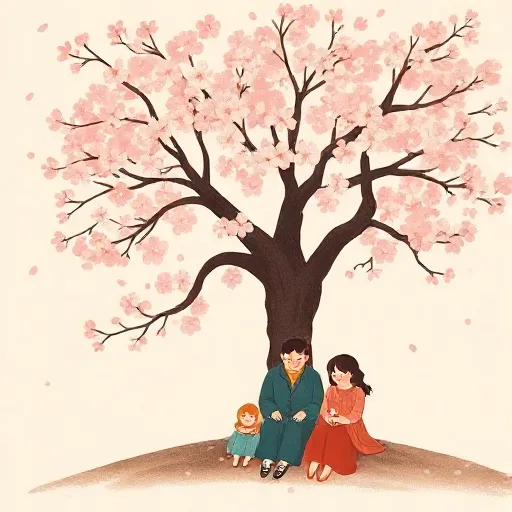
Why Do the Japanese Love Cherry Blossoms That Fall So Quickly?
Why do the Japanese love cherry blossoms that fall so fast? Their Buddhist belief finds beauty in things that don't last, changing how we see the world.
-
Why Do We Call Someone a Gorilla? The Strange Power of Metaphor
Why do we insult someone by calling them a gorilla? Metaphors mix things up to say something without stating it plainly. That makes them so powerful.
-
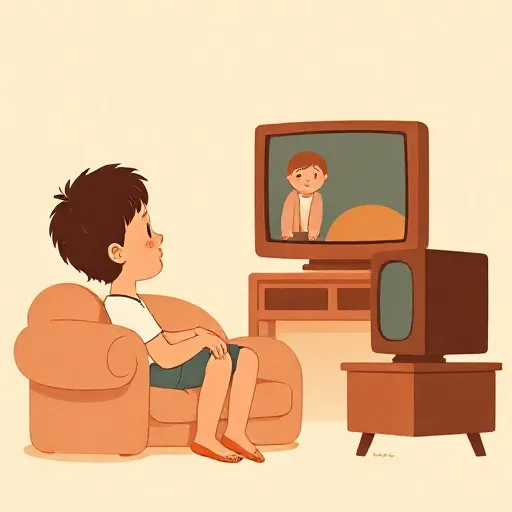
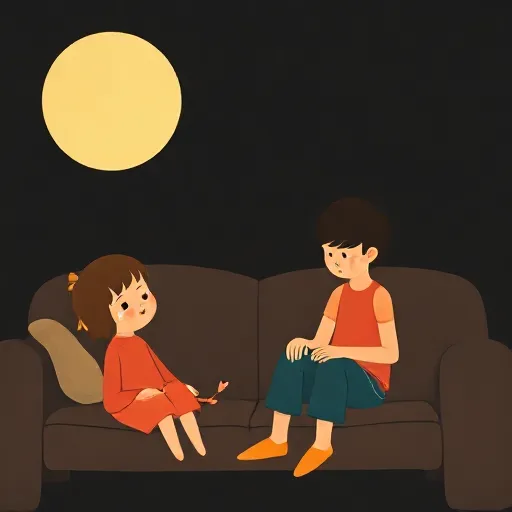
Why Do We Cry Over Fake People in Stories?
We cry when fake characters die. Why do we feel real sadness for made-up people? Figuring it out changes how you experience every story.
-
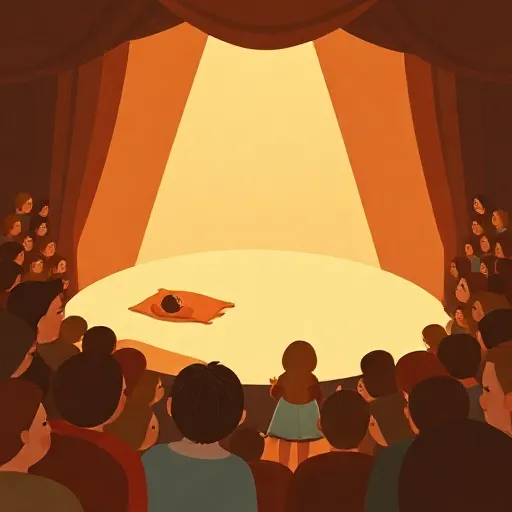
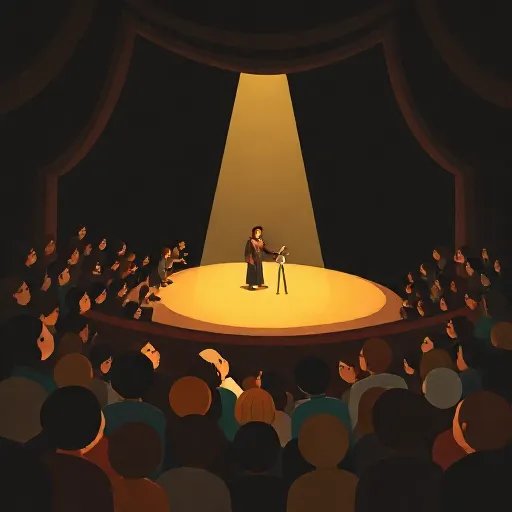
Why Do We Feel Real Emotions for Fake People?
We feel real sadness for people in stories, but we don't act to help them. Why? This puzzle helps us understand emotions.
-
Why Do We Love Sad Stories? Nietzsche’s Strange Answer
Nietzsche asked why we enjoy tragedy even though it shows suffering. His answer challenges how we think about truth, beauty, and life itself.
-
Why Do We Obey Without Being Forced? Marcuse’s Big Question
Why do we obey without being forced? Marcuse thought that fun and stuff we buy make us feel free, but we're not. Art and saying no can help us break free.
-
Why Do We Treat Beauty Like a Fact When It’s Only a Feeling?
Why do we argue about beauty as if it's a fact, when it's just a feeling? This 200-year-old puzzle about taste shows how we mix pleasure and demands.
-
Why Do We Understand Things Differently? Gadamer’s Answer
Why do we understand things differently? Gadamer says our history isn't a barrier—it's the key. Understanding is a two-way conversation fusing our worlds.
-
Why Does a Flat Picture Show a Whole World?
Why does a flat picture show a world? The simple answer—it resembles the real thing—has flaws. Philosophers' alternate views change how we see all images.
-
Why Does a Melody Feel Like One Whole, Not Just Many Notes?
Why does a melody feel like one whole, not separate notes? Stumpf said we experience patterns first. This idea still shapes psychology today.
-
Why Does a Melody Make You Feel Brave? The 2,500-Year Debate
Why does a melody make you feel brave? Ancient Greeks thought music had secret powers from numbers or from copying feelings. Discover their story.
-
Why Does a Statue Grab You and Hold You Still?
Is beauty a hidden order, a pleasure button in your brain, or a demand that everyone else feel the same? A puzzle that lasts centuries.
-
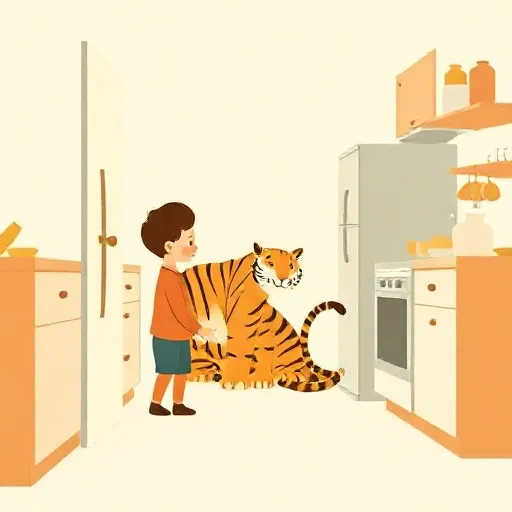
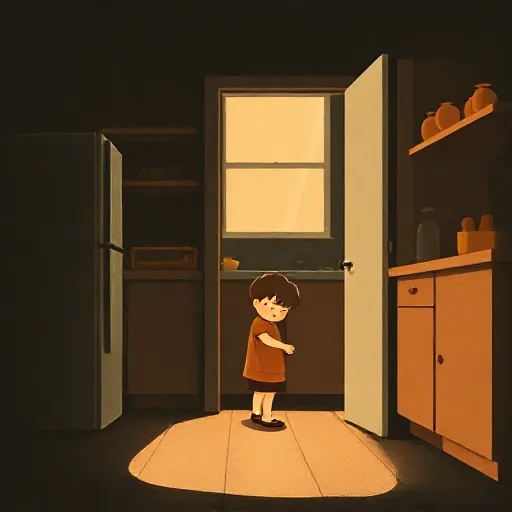
Why Don't You Run from an Imaginary Tiger?
Why don't you run from an imaginary tiger? It's because your mind borrows real-world rules but quarantines the scary stuff. Find out why that's so useful.
-
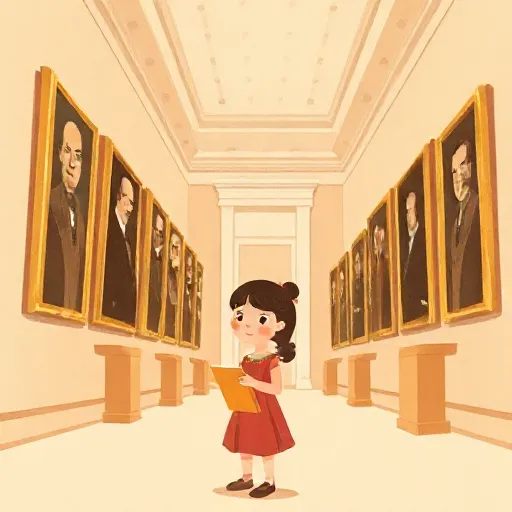
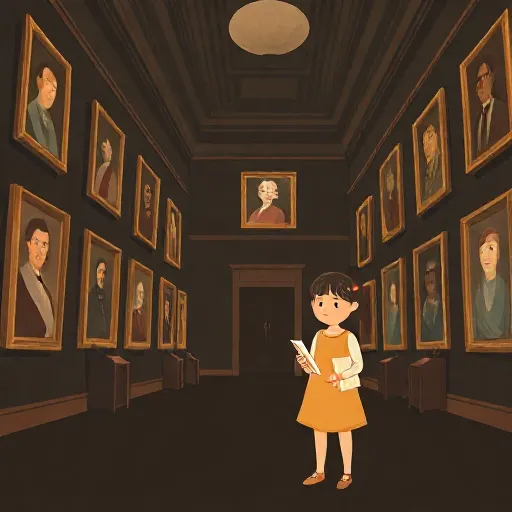
Why Have There Been No Great Women Artists?
Why are there so few famous women artists in museums? Old rules called their creations crafts, not fine art, so they were ignored.
-
Why Is It So Hard to Imagine That Cruelty Is Right?
Why can we imagine dragons, but not that bullying is right? This puzzling resistance has bothered philosophers for centuries.
-
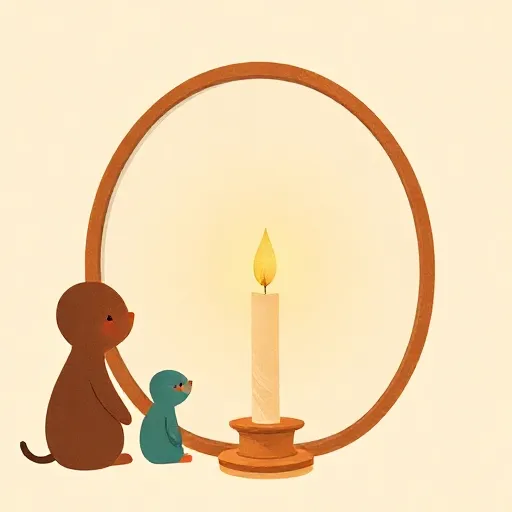
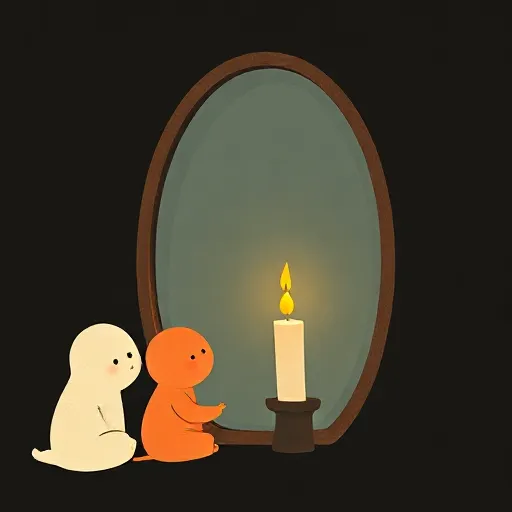
Why Is It So Hard to See the World Through Someone Else’s Eyes?
Why do we think everything is about us? George Eliot's mirror parable shows how our self-centered view distorts reality, and how stories build sympathy.
-
Why Is It So Hard to Teach Someone to Be Creative?
From divine madness to brain scans, philosophers and scientists argue whether creativity is a gift, a skill, or something in between.
-
Why Loving Someone Means They’ll Always Be a Stranger
Is love about becoming one? Margarete Susman says no: love needs the other to stay a stranger. This idea turns sadness into hope.
-
Why Schopenhauer Thought Music Could Unlock the Universe
Schopenhauer said the world is driven by a blind, hungry "will" that causes endless suffering. But art — especially music — can set us free for a while.
-
Why Singing in the Shower Might Be Real Art
R. G. Collingwood said art isn’t craft, magic, or fun — it’s the way you get to know your own feelings. And he meant every word you say.
-
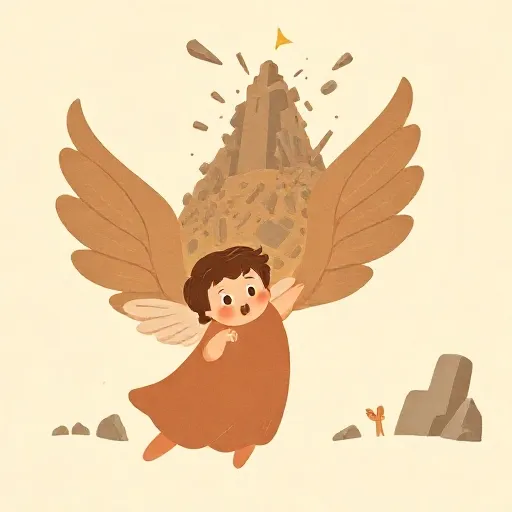
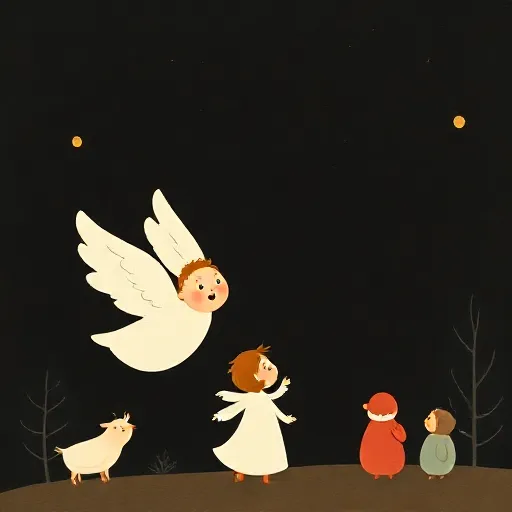
Why the Angel of History Is Flying Backwards
What if history isn't always getting better? Walter Benjamin believed it's a growing disaster. But hidden in the wreckage, memories can spark new hope.
-
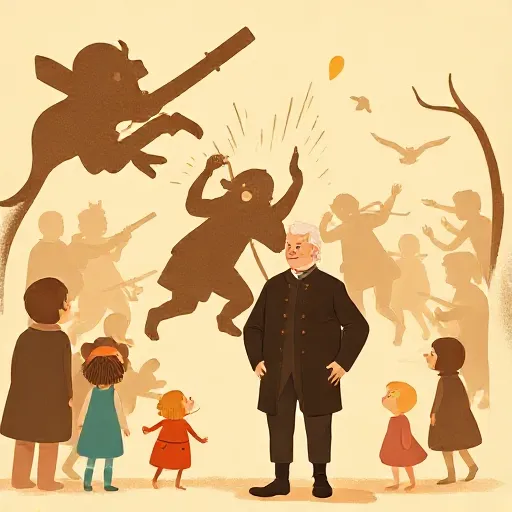
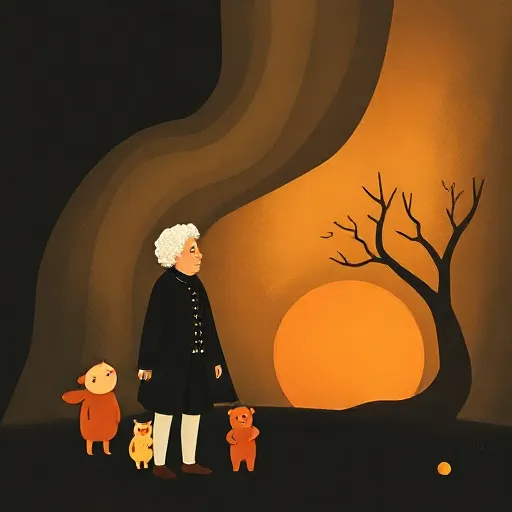
Why Would Anyone Want to Look at a Massacre? The Abbé Du Bos’s Answer
Du Bos noticed we seek out art that makes us cry. He thought the answer lies in imitation, boredom, and the feelings we can’t escape.
-
You See With Your Whole Body, Not Just Your Eyes
How does your body 'know' where your nose is without thinking? A brain-injured soldier helps answer this big question about perception.
-
You've Seen This Movie Before. So Why Are You Nervous?
Why do we feel suspense even when we know the ending? Philosophers have four answers, but none completely explains why.