Why Is It So Hard to Teach Someone to Be Creative?
The Snake That Bit Its Own Tail
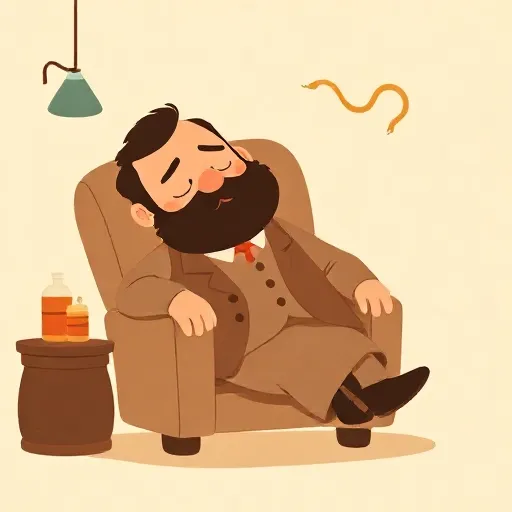
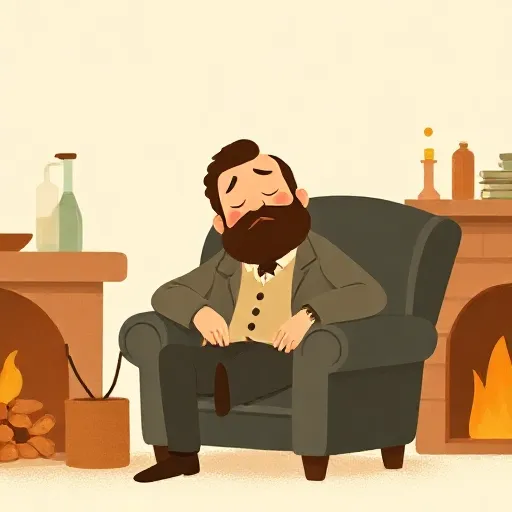
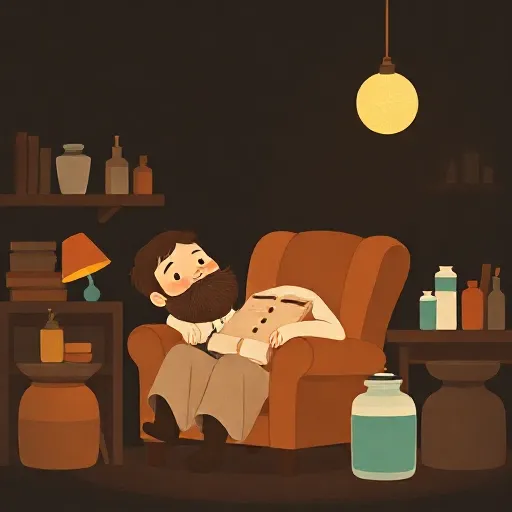
In 1865, the chemist August Kekulé was stuck. He could not figure out how the atoms in benzene fit together. One evening, dozing by the fire, he saw a vision: a snake seizing its own tail, spinning like a wheel. That image sparked the idea that benzene was a ring. He had been thinking hard for days, but the answer came in a sudden flash. Was that genius, a trick of the brain, or something else? The question of where creative ideas come from has puzzled thinkers for centuries. And it is not just about big discoveries — it is about the little moments of invention we all have. But what does it even mean to be creative?
What Does “Creative” Even Mean?
Most philosophers and psychologists agree that a creative product — an idea, a song, a painting — must be new (at least to the person who made it) and valuable in some way. A string of random letters is new but useless, so it is not creative. Immanuel Kant (1724–1804) said that making “original nonsense” is not enough; the work must be exemplary — it sets a standard others can follow.
But does creativity require that the thing be good? Some say no. Imagine a brilliantly clever lie, or a prank nobody has pulled before. It is new, it works, but it is not nice. Is it creative? Psychologists even study “dark creativity” — using creative thinking to harm. Philosophers argue both sides. Some say a thing can be creative if it is good of its kind (effective as a prank) without being good overall. Others insist creativity does not need value at all — just novelty plus the right kind of process.
Another key point: your idea does not have to be the first in history. If you independently invent something that someone else already discovered, it is still creative for you. Psychologist and philosopher Margaret Boden calls an idea P-creative (psychologically creative — new to you) even if it is not H-creative (historically creative — new to the world). That is why students can have creative thoughts in class even when the idea is old news to their teacher.
Can Creativity Be Taught?
If creativity is just coming up with new, valuable things, can you learn to do it? A long tradition says no. The 18th‑century poet Edward Young thought true originality grows naturally, like a plant, and that learning by imitation stamps it out. Immanuel Kant agreed: genius is an inborn gift that cannot be taught; learning is just imitation, and genius is the opposite of imitation. According to this view, if you follow rules or copy others, you are not really being creative.
But recent philosophers push back. Contemporary thinker Berys Gaut argues that these arguments confuse learning creatively with learning to be creative. Even if copying a manual is not creative in itself, the manual can make you more creative. And not all learning is imitation — you learn by experimenting, making mistakes, and trying again.
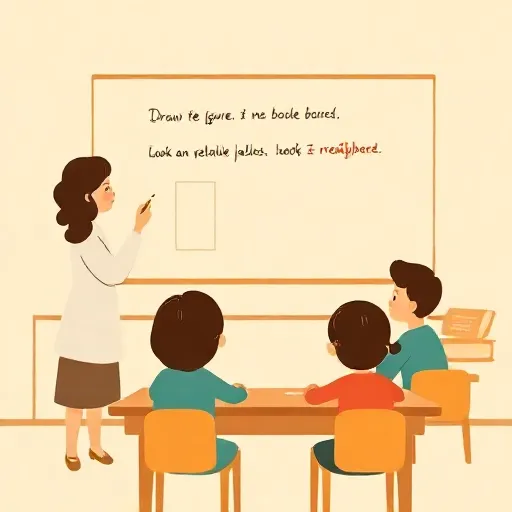
More importantly, following rules does not have to kill creativity, as long as the rules are not rigid step‑by‑step instructions. A heuristic is a loose “rule of thumb” that guides you without locking you into one path. Math teachers use heuristics like “draw the figure” or “consider extreme cases” to help students tackle tricky problems. Creative writing manuals say “show, don’t tell” and “be specific about sensory details.” These do not tell you exactly what to write; they open up space for your own choices. So creativity can be nurtured — you can get better at generating valuable new ideas by practicing skills and learning flexible strategies.
The Madness of the Muses
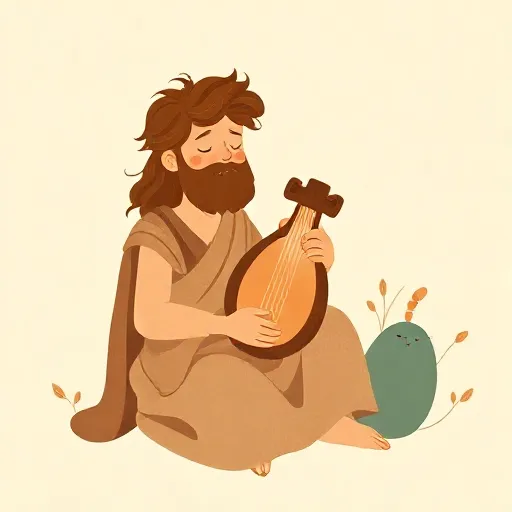
Even if you can learn to be more creative, where does the spark come from? For centuries, many thinkers have treated creativity as something mysterious, even supernatural. Plato (4th century BCE) had Socrates say that great poets are “inspired” — literally breathed into by a god or a Muse. The poet is not using skill or knowledge; he is out of his mind, possessed. That is why beautiful poems feel like they come from somewhere else.
Immanuel Kant made the mystery earthly but still baffling: genius, he said, is an inborn talent that “gives the rule to art.” A genius does not follow rules; she invents them through a free play of the imagination, and even she cannot explain how. Arthur Schopenhauer (1788–1860) added a touch of madness: the genius loses herself in the object she contemplates, forgetting her own identity. From this romantic perspective, creativity cannot be fully explained by science — it is too free, too unpredictable.
But does that mean creativity defies science forever? Not necessarily, say modern researchers. Just because creators cannot explain their process does not mean nobody can. You cannot describe how you digest food, but scientists can. And even the wildest “inspiration” might have natural causes inside the brain.
The Science of the “Aha!” Moment
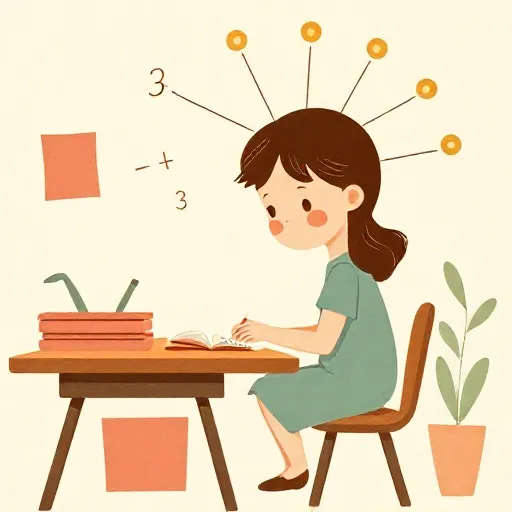
Cognitive scientists have spent decades studying how people actually create. They have found that creativity is not one big leap but a messy dance of several stages: preparation (years of practice and learning), generation (producing lots of ideas, often unconsciously), insight (the sudden “Aha!”), evaluation (deciding which ideas are worth keeping), and externalization (turning the idea into something real, like a sketch).
The most mysterious part is generation and insight. Research suggests that when you step away from a problem, your brain keeps working on it. The default mode network — a set of brain regions that become active when you daydream or let your mind wander — may shuffle ideas and make new connections without you noticing. Later, a solution pops into your awareness with a jolt of surprise. That is what happened to Kekulé and to Einstein, who got a key insight about gravity while imagining a falling man. It is not magic; it is your brain’s hidden workshop.
Scientists also find that creative people are not just blessed with genius. They often follow the productivity theory: to get good ideas, you need lots of ideas — and then you ruthlessly throw out the bad ones. Linus Pauling, a Nobel‑winning chemist, once remarked, “If you want to have good ideas you must have many ideas.”
Why Your Own “Aha!” Matters
So what does all this mean for you? The romantic myth of the lone genius struck by lightning is just that — a myth. Creativity involves hard work, flexible thinking, and a willingness to be wrong many times. When you learn a musical instrument, write a story, or design a science project, you are building the preparation and the heuristics that make novel ideas possible. And when you get stuck, taking a break to play outside or doodle might be exactly what your brain needs to solve the problem behind the scenes.
Philosophers still debate whether a computer can be genuinely creative — can it ever “care” about its ideas? For now, that spark of caring is uniquely human. The next time a strange, brilliant idea pops into your head while you are showering or staring out the window, remember: your brain has been working on it all along. That is something to marvel at — no Muse required.
Think about it
- Imagine a new way to cheat at a board game that no one has ever thought of. Would you call that “creative”? Why or why not?
- If a teacher gives you a set of rules like “show, don’t tell” for writing a story, does that make you more creative or less? What is the difference between a helpful rule and a limiting rule?
- If scientists could predict exactly which ideas you will have next, would you still feel like you were being creative? Why might that change how you think about your own mind?