Can a Toilet Be Art?
“Fountain”: The Urinal That Broke the Art World
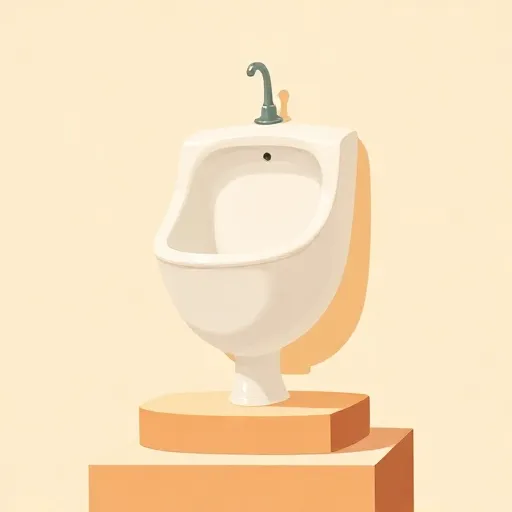
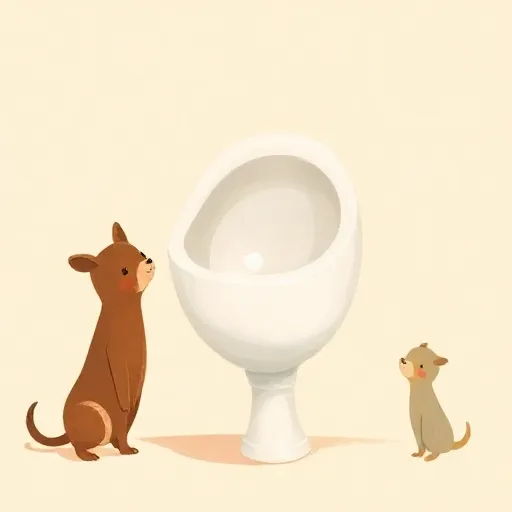
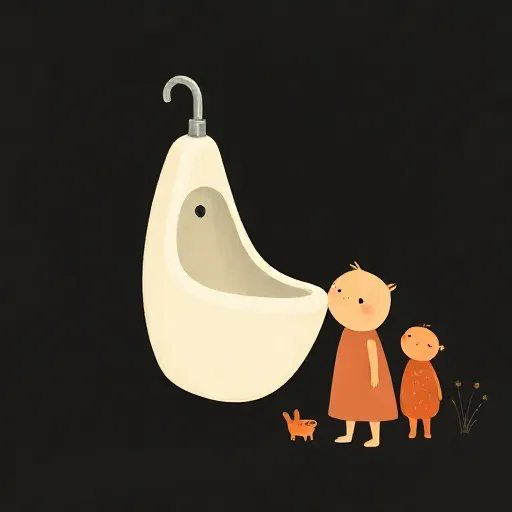
New York City, 1917. The Society of Independent Artists is putting on a huge art show. A man named Marcel Duchamp (1887–1968) walks in with an ordinary porcelain urinal. He turns it on its side, signs it “R. Mutt,” and titles it Fountain. He dares the judges to call it art.
The judges reject it. They see a piece of plumbing. Duchamp sees a revolution. He argues that he chose the object. He shifted its context. He gave it a new name and a new thought. For nearly every art lover at the time, art meant beauty, skill, and emotion. Duchamp’s Fountain seemed to mock all three.
This prank sparked a philosophical fire that has never gone out. It forced everyone to ask the question: Do we actually know what art is? Or can any object become art if the right person says so? This isn’t just an art history lesson — it’s a brain-twisting puzzle about rules, rebellion, and reality.
The Old Rules: Beauty, Skill, and the Sublime
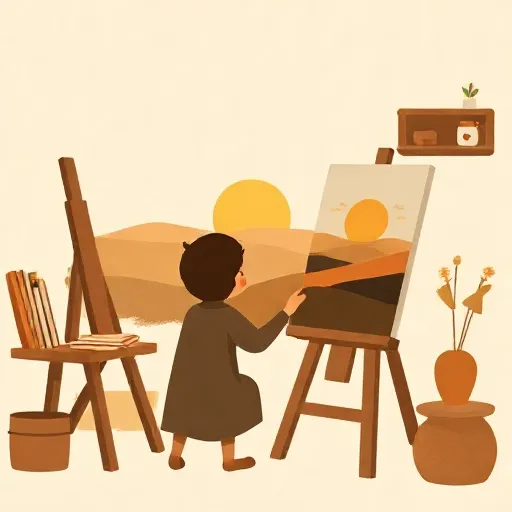
Long before Duchamp, philosophers built their definitions of art around three sturdy pillars. The first was representation. For thinkers like Plato (c. 427–347 BCE), art was an imitation of reality. A painting of a tree was a copy of a tree. The second pillar was expression. Art floods out of human emotion. Immanuel Kant (1724–1804) talked about art as a beautiful kind of communication that felt purposeful without having a practical use. The third pillar was form. Art is about perfect arrangements of shape, color, and sound.
These old definitions feel natural. When we see a stunning landscape painting or hear a symphony that makes our hearts ache, it is easy to say, “Yes, this is art.” Philosopher Monroe Beardsley (1915–1985) pinned it down nicely: an artwork is an arrangement intended to give us an aesthetic experience — a complete, intense, unified feeling that is valuable for its own sake.
But there is a catch. The old definitions also fail in obvious ways. A medical textbook has perfect representations of the human body, but you wouldn’t call it art. A human face can be deeply expressive, but a crying baby is not a sculpture. A sleek sports car has beautiful formal properties, but is a factory an artist’s studio? These simple definitions collapse under the weight of everyday life.
The New Rule: The “Artworld” Decides
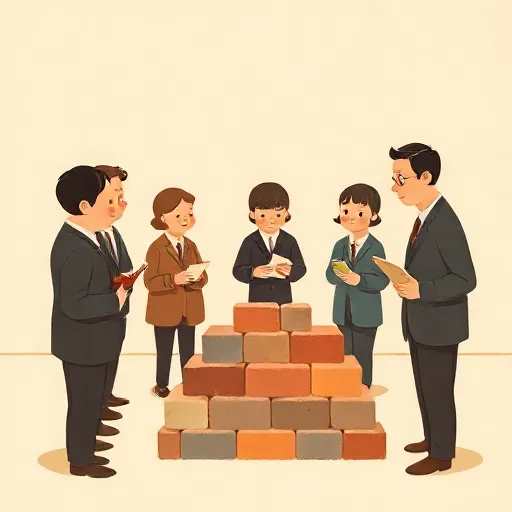
Enter the institutional theory of art. If art isn’t about beauty, maybe art is just a status that society gives to an object. Philosopher Arthur Danto (1924–2013) looked at Duchamp’s Fountain and other strange modern works and coined the term “artworld.” For Danto, the artworld was an “atmosphere of art theory” — a network of artists, critics, galleries, and history. An object only becomes art when this network treats it as art.
George Dickie (b. 1926) built an even sharper version. He argued that an artwork is simply an artifact created to be presented to an artworld public. An artist is just someone who participates with understanding in making a work of art. A public is a group of people prepared to understand an object presented to them. It sounds almost like a club with a secret handshake.
This view explains Duchamp perfectly. When the artworld finally accepted the Fountain decades later, it became art. But it also has a big problem. It suggests that art cannot exist outside of a fancy institution. If a lonely genius on a deserted island makes a breathtaking masterpiece, is it not art just because no curator saw it? And if the artworld is wrong — imagine it suddenly declares a moldy sandwich a masterpiece — does that ruin the whole system?
No Rules at All: The “Family Resemblance” Gambit
Maybe defining art is impossible. Philosophers in the 20th century, inspired by Ludwig Wittgenstein (1889–1951), began to think that art was an open concept. Wittgenstein pointed out that we cannot define a “game” with a simple list of necessary features. Some games are fun, some are competitive, some use balls, some don’t. Yet we all recognize a game when we see one.
Morris Weitz (1912–1981) applied this to art. He argued that art is open to endless change. Artists are always inventing new genres that smash the old rules. A perfect definition therefore can never exist, because a new Duchamp will always show up to break it.
This gave rise to the cluster theory, defended most notably by philosopher Berys Gaut. Instead of hunting for one magic ingredient, cluster theorists hand you a checklist. A thing can be art if it ticks enough boxes. The boxes include: possessing positive aesthetic properties, being expressive of emotion, being intellectually challenging, being formally complex, conveying complex meanings, exhibiting an individual point of view, being original, being the product of a high degree of skill, belonging to an established art form, or being created with the intention to make a work of art.
No single box is strictly required, but if something ticks almost none of them, it probably isn’t art. Critics say this is just a definition in disguise, or that the list will grow forever. But it does match how we actually talk. If a friend asks, “Is a video game art?”, we usually start going down exactly this mental list: “Well, it has complex design, emotional storylines, beautiful music…”
Why This Fight Matters for You
So who wins? The traditionalists who demand beauty and skill, or the rebels who think context is king? The answer is that the fight is the whole point. How you define art changes how you see the world.
If you side with the old guard, you might think a perfectly thrown football pass or a sunset can be beautiful, but it isn’t art. If you side with the institutionalists, you accept that a urinal on a pedestal is art, but you might struggle to explain why a clever piece of advertising isn’t in the Louvre. If you prefer the cluster theory, you have a practical tool for judging everything from a comic book to an A.I.-generated painting, but you might have a hard time drawing a solid red line between what is art and what is just cool design.
This isn’t just a dusty museum argument. Every time you argue that a song is “actual garbage” or that a video game is a “narrative masterpiece,” you are doing philosophy. You are deciding what deserves the label. Duchamp’s prank taught us that art doesn’t have to be pretty. It just has to make us ask: “Wait, what is this?” And the answer to that question is entirely up to you.
Think about it
- If an artificial intelligence creates a new song that makes you cry, is it a work of art? Does an artwork require a human brain and a human intention to have meaning?
- You see a pile of candy wrapped in plastic on the floor of a gallery. A sign says it is a self-portrait. How do you tell the difference between a profound idea and a joke that is just pretending to be profound?
- Think of something you made that felt like art, but an adult called “just a hobby.” Which box on the cluster checklist did the adult think was missing? Do you agree with them?