Can a Song Make the World Feel Less Pointless?
A Jazz Song, a Café, and a Sudden Glimpse of Meaning
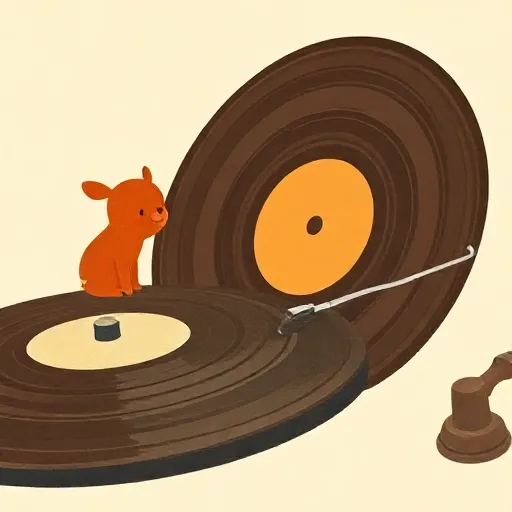
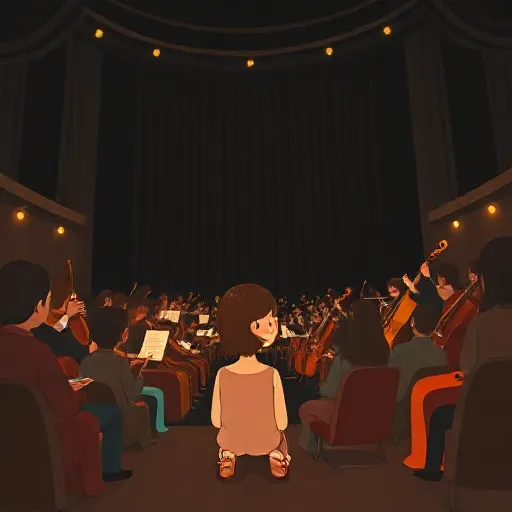
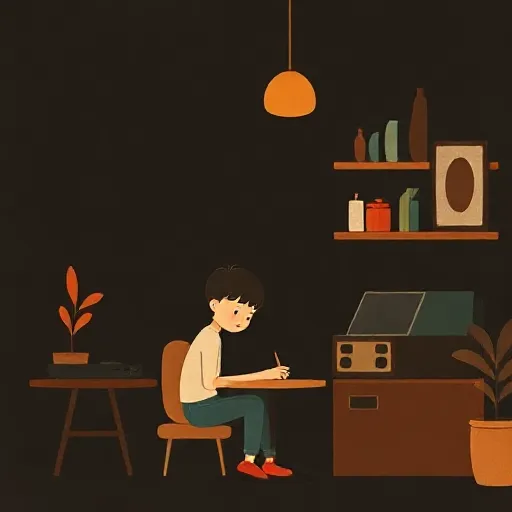
In Jean-Paul Sartre’s (1905–1980) novel Nausea, the main character sits in a café feeling sick from the meaningless weight of everything around him. Then a jazz song starts playing. Suddenly, the music cuts through the fog. It feels like a “band of steel,” a perfect little world of order and beauty, untouched by the mess of reality. Why did that song feel so different from everything else? This question gets at the heart of what existentialist philosophers thought about art.
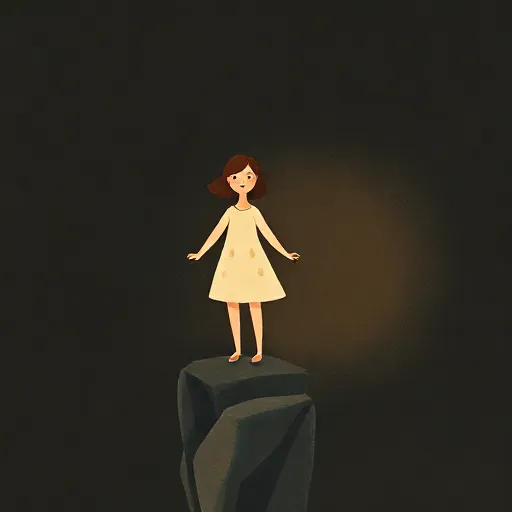
For the existentialists, every moment of human experience is shaped by something they called intentionality. This fancy word means that your mind is never blank—it’s always aimed at something. When you see a tree, you’re not just receiving a flat image; you’re actively pulling together glimpses from different angles, comparing past memories, and expecting what you’ll see next. That’s how you create meaning. The song in the café didn’t just plop meaning into the character’s head. His consciousness grabbed the sounds and wove them into a structured, compelling whole. The song became a tiny revelation: it showed that the world can be organized, at least for a moment.
Artists Reveal the World (The Painter’s Double Joy)
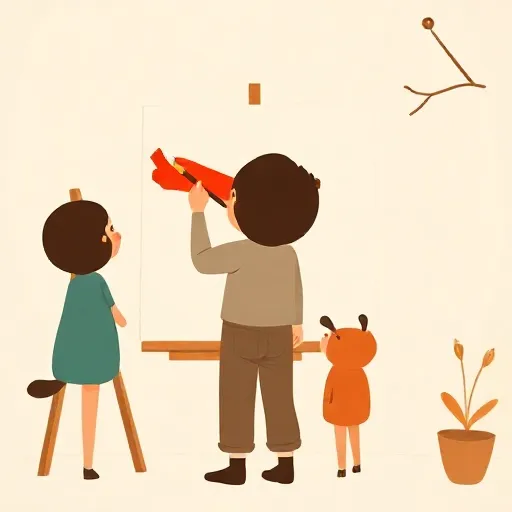
Sartre argued that all people are “directors of being”—we constantly bring order and relations into the world just by perceiving it. But artists do this on purpose. A painter who decides to show a landscape isn’t just copying what’s there. She chooses certain shapes, highlights a particular light, and arranges the scene to emphasize relationships that no one noticed before. In doing so, she feels a double joy: she reveals a hidden aspect of the world, and she feels her own freedom sharply. Sartre said this is one of the chief motives for making art: needing to feel essential in relation to the world.
For existentialists, a great artwork doesn’t just show one small thing; it aims at revealing something about the whole of reality. The novelist Simone de Beauvoir (1908–1986) defended what she called the “metaphysical novel”—a story that uses specific characters and events to dig into the big questions about existence, freedom, and what it means to be human. That’s why many existentialist philosophers were also novelists and playwrights: for them, writing a story was just another way of doing philosophy.
A Call That Requires Your Freedom
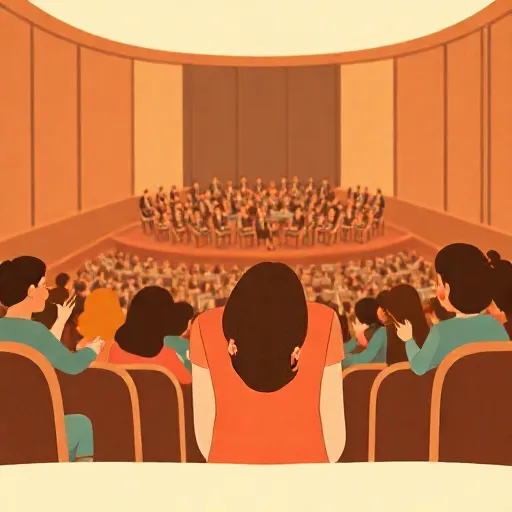
Art doesn’t stop with the artist. The existentialists believed that a painting or a novel is also a call to the person who experiences it. Sartre described a book as “an imaginary presentation of the world inasmuch as it requires human freedom.” That means the artwork needs you to complete it.
Your own deepest values—what you care about most—already shape how you see a mountain or a friend’s expression. Art takes that to a higher level. When you read a novel or watch a play, the artist offers you a coherent way of seeing the world, which reflects a fundamental choice about what matters. But you’re not just passive. You have to actively imagine the scenes, fill in the gaps, and decide how to respond. The artwork appeals to your freedom. For the existentialists, this was why art and engagement—being committed to acting in the world—were inseparable. Every story, every painting, proposes a possible way to live.
When the World Pushes Back: Art and the Absurd
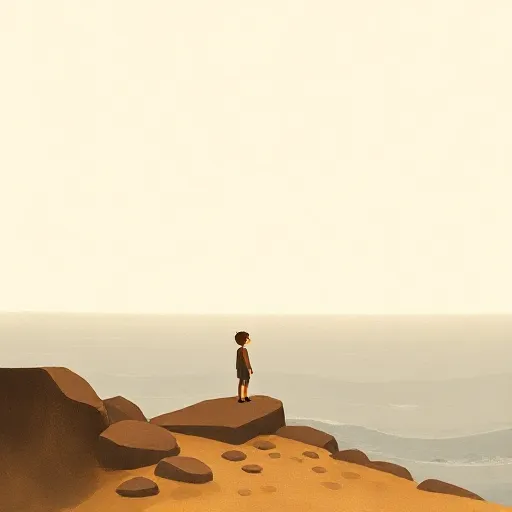
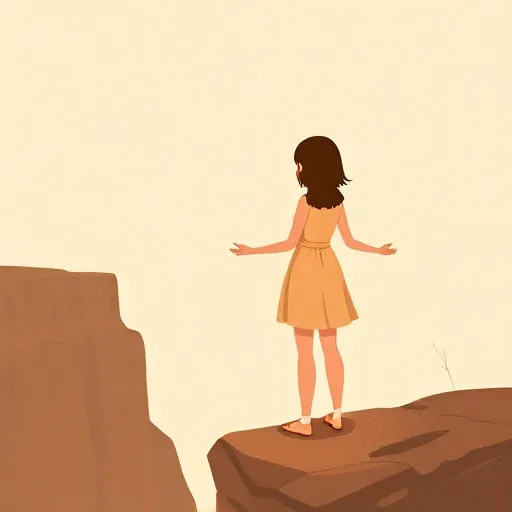
So far, it sounds like art always succeeds in making sense of things. But the existentialists also stressed that the world often resists our attempts to find meaning. Albert Camus (1913–1960) called this resistance the absurd. We crave harmony and unity, but the world often gives us chaos and blind forces. Sartre’s character in Nausea feels the disgustingly random “nausea” of a pebble on the beach or a glass of beer.
Yet art, for Camus, was one of the most dignified ways to face the absurd. A writer “chooses” to create order, even knowing the world will never be fully tamed. In moments of aesthetic joy—like that jazz song, or the rugged beauty of a Mediterranean landscape in Camus’s own writing—people can briefly escape the feeling of pointlessness. Art doesn’t solve the absurd, but it rebels against it. Some existentialists, like Maurice Merleau-Ponty (1908–1961) and Gabriel Marcel (1889–1973), were more optimistic: they thought the world was fundamentally welcoming to our efforts, and art could genuinely reveal truths about reality. But all agreed that making art is a powerful way humans cope with being thrown into a confusing world.
The Secret of an Artwork’s Two Lives
Sartre made a puzzling but brilliant point about how artworks exist. A painting is a real, physical thing—canvas, pigments, brushstrokes. But when you look at it, you don’t focus on the oily surface; you see a face, a landscape, a mood. That image is what Sartre called an “unreal” object. It’s not actually present in the same way the paint is, yet you perceive it. The painting has two sides, real and imaginary, woven together so closely you can’t separate them. This is the power of derealisation: your consciousness intends the artwork as absent, as a virtual world, and that’s what lets meaning shine through.
Because meaning appears in the gaps, existentialist aesthetics is full of talk about silence and what’s left unsaid. In a novel, the story doesn’t emerge from any single word but from the “organic totality” of the hints, the elisions, the rhythm. Every element of a composition gets its significance not from some fixed meaning but from its relation to all the others—like how in language, the word “dog” means what it does by not being “log” or “fog.” Artworks work negatively: the space between the notes or the brushstrokes is as important as what’s actually there.
Why Stories on Stage and Page Are Different
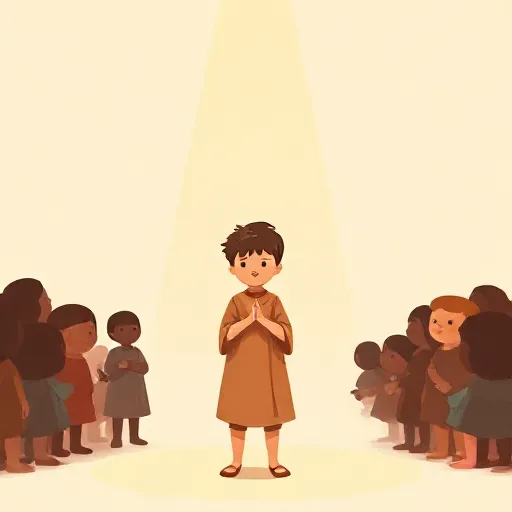
If all art expresses freedom, why did the existentialists shower so much attention on theatre and novels, while often being suspicious of poetry and nearly ignoring cinema? The answer lies in language. For Sartre, words are signs that point beyond themselves to the world of action and human situations. A novel can present a character facing a life-altering choice, making the reader feel the weight of that decision. Theatre, even more directly, puts a living person in a situation—a concrete moment of conflict where freedom is at stake—and makes the audience witness and respond. That’s why Sartre called theatre the art of situations par excellence.
Poetry, by contrast, often treats words as things in themselves, like colors or sounds, rather than as windows into a shared world. That, the existentialists thought, was a mistake: it shrank poetry’s power to call people to social and political awareness. (Though Camus and others admired certain poets like René Char, they still ranked fiction and drama higher.) The lesson for us is that when we tell stories—whether in a book, a play, or even a movie today—we are not just decorating the world. We are actively shaping how we understand freedom, justice, and responsibility. That’s why existentialist aesthetics, with its insistence that art must be “engaged,” still echoes in debates about whether artists should take a stand on political issues.
Think about it
- Think of a piece of art (a song, a book, a drawing) that once made you see something in a completely new way. Did it change how you felt about your own life, or was it just a momentary escape?
- If every painting reflects the artist’s particular way of seeing the world, can you ever fully understand what the artist meant? Does that matter?
- The existentialists thought art should push people to act and take responsibility. Do you think an artist has a duty to make the world better, or is it fine to create art just because it’s beautiful?