Who Owns a 9,000-Year-Old Skeleton?
The Ancient One: Bones, Science, and Belief
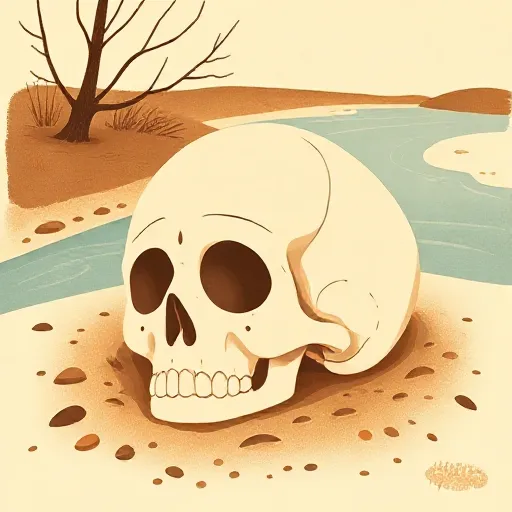
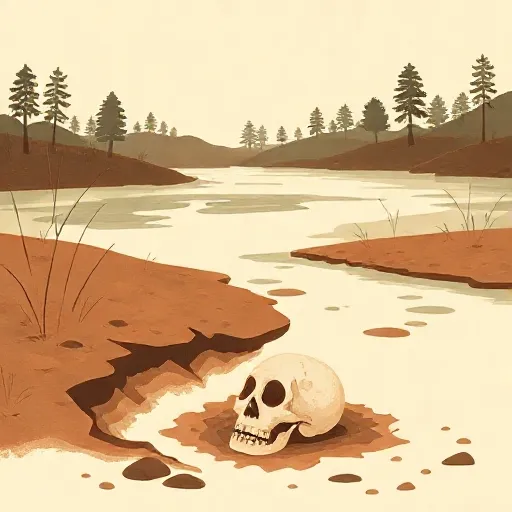
In 1996, two college students wading in the Columbia River found a human skull. Archaeologists soon uncovered a nearly complete skeleton. Scientists were thrilled: the bones were over 9,000 years old and could reveal secrets about the first people to live in the Americas. But local Native American tribes protested. The bones, they said, were not a laboratory specimen. They called the skeleton the “Ancient One” and demanded its return for reburial according to their traditions.
The fight went to court. Scientists argued that the skeleton was so old it could not be linked to any living tribe, and that studying it would benefit all of humanity. The tribes pointed to a federal law, the Native American Graves Protection and Repatriation Act, which requires museums to return Native American remains and sacred objects to their descendant communities. For years, the skeleton sat in a museum while both sides asked the same question: who had a stronger moral claim to these ancient bones?
This case is not just about one skeleton. It touches a much bigger puzzle that philosophers and legal scholars have been wrestling with: cultural heritage — the things, practices, and stories that a group inherits from the past — can feel like a treasure, but it is rarely clear who gets to decide its fate.
What Makes Something a “Cultural Heritage”?
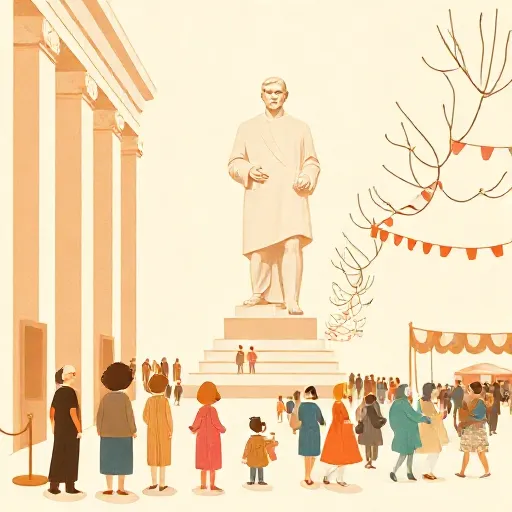
If you walk through a museum filled with ancient statues, you are seeing what the heritage researcher Laurajane Smith (born 1962) calls official heritage. This is the version of the past that governments and big institutions put on display. It usually focuses on grand buildings, famous artworks, and objects that look old and precious. The United Nations even keeps a World Heritage List that includes places like the Pyramids of Giza and the Great Wall of China, declaring them valuable to all humankind.
Smith argues that official heritage can feel like a polished, finished story — as if the past is already decided and sealed behind glass. But she insists that heritage is really a process, not just a collection of things. People constantly reinterpret the past for their own present needs. A statue of a queen might make one group feel proud, while another sees it as a symbol of oppression.
That is why Smith also highlights unofficial heritage: the bottom‑up ways ordinary people keep the past alive. Think of a neighborhood street festival, the songs a family sings at holidays, or the recipes a grandmother teaches. These traditions rarely make it into museums, yet they shape how communities see themselves. Official heritage often ignores them entirely. Paying attention to unofficial heritage reminds us that the past is never truly settled — it is always being retold, and sometimes contested.
Who Does Culture Belong To? The Great Divide
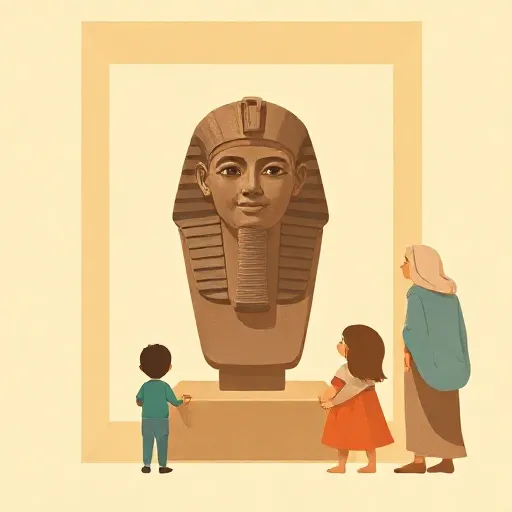
If a cultural treasure belongs to anyone, then it is cultural property. The idea is that an entire group — not just an individual owner — can have moral rights over an artifact, a place, or even a style. But how widely should those rights stretch? Legal scholar John Henry Merryman (1920–2015) drew a famous map of the dispute.
On one side are cultural internationalists. They believe that every particular culture contributes to a single Human Culture, and so everyone on Earth has a stake in cultural treasures, wherever they were made. From this view, an ancient Egyptian statue is part of our shared human story, not just Egypt’s. Internationalists often oppose laws that keep artifacts from traveling to museums abroad, and they are skeptical about demands to return objects to their country of origin.
On the other side are cultural nationalists. They argue that a nation has a special, deep relationship with objects created within its borders or by its ancestors. Those objects are not just pretty things; they are part of that nation’s character and identity. Nationalists push for laws that restrict the export or sale of cultural heritage, and they support repatriation — returning objects to the culture, nation, or owner of origin.
This divide becomes extra messy when you consider that modern nations are rarely culturally uniform. An ancient statue might have been made by a people who no longer exist in the same form. Does modern Egypt have a better claim to pharaonic artifacts than modern Italy has to Roman ones? The question gets even trickier when indigenous groups within a nation demand the return of objects that the national government — or a far‑away museum — wants to keep for its own story. The cultural nationalist and internationalist labels do not easily fit sub‑national communities, leaving many real disputes in a gray zone.
When Borrowing Becomes Stealing: Cultural Appropriation
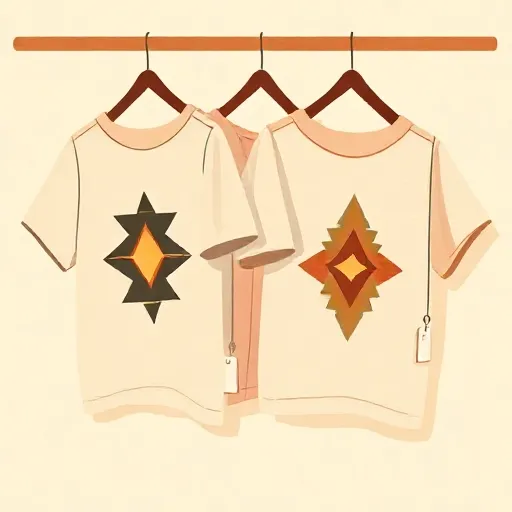
Sometimes the fight is not about returning an object, but about who gets to use a cultural practice or style in the first place. This is cultural appropriation: taking or using cultural products — stories, music, clothing designs, traditional knowledge — from a group you do not belong to, especially when that group has less social power.
In 2012, a clothing company sold t‑shirts and accessories with Navajo‑style patterns while the Navajo Nation itself struggled with poverty. The company was profiting from cultural designs that the Navajo had developed over centuries, without asking permission or sharing any of the money. Many saw this as exploitation: making an unfair gain from a vulnerable group.
Philosophers point out several possible wrongs. Appropriation can cause profound offense — the kind that strikes at a person’s core values and sense of self. Imagine a sacred religious symbol being turned into a fashion accessory; the hurt goes deeper than simple annoyance. It can also misrepresent a culture, spreading false stereotypes or reducing a rich tradition to a cartoon. Over time, such misrepresentation can silence the very people whose voices should be heard, making it harder for them to be seen as experts on their own lives. The disability rights slogan “nothing about us without us” captures the idea that a group should control its own story.
Critics of the appropriation critique worry about drawing sharp lines between cultures. After all, cultures constantly borrow from each other — jazz, pizza, and yoga all grew through cross‑cultural mixing. And if culture is always changing, how can we say what belongs exclusively to one group? Defenders of the critique answer that the problem is not borrowing itself, but the power imbalance that turns borrowing into exploitation. The Navajo Nation, for example, had no real say in whether a multinational brand used their designs.
Why It Still Matters: Your Past, Your Identity
The fight over the Ancient One never reached a simple philosophical verdict. The legal system focused on the question of whether the skeleton could be “culturally affiliated” with living tribes. But the deeper ethical tension remains. Should the bones be treated as a key to the whole human story, displayed for all to learn from? Or should they be respected as the remains of an ancestor, returned to the earth?
These questions do not live only in courtrooms and museums. When your family insists on keeping your great‑grandmother’s necklace, that is a small act of heritage. When a school picks a mascot based on a Native American tribe, questions about respect and ownership flare up. When a neighbor’s family serves a dish that your grandmother also made, you might feel both connected and a little protective of the recipe.
Philosophers call these tensions “heritage ethics.” There is no single right answer, but thinking clearly about them helps us be more honest about power, identity, and the stories we inherit. The past is not a dead thing locked away. It is alive, and it is never really settled.
Think about it
- If a museum owns a beautiful artifact that was taken from another country long ago, does it matter whether the taking was legal at the time — or only whether it feels wrong today?
- You love a style of music that comes from a culture very different from your own. When does enjoying it become respectful, and when might it feel like you are taking something that is not yours to use?
- Imagine your town wants to put up a statue of a historical figure who did some good things but also caused great harm. Who should get to decide whether the statue stays or goes, and what should they consider most?