
Is Freedom Enough? Two Feminisms on Women’s Lives
Imagine You’re Locked Out of the Lab
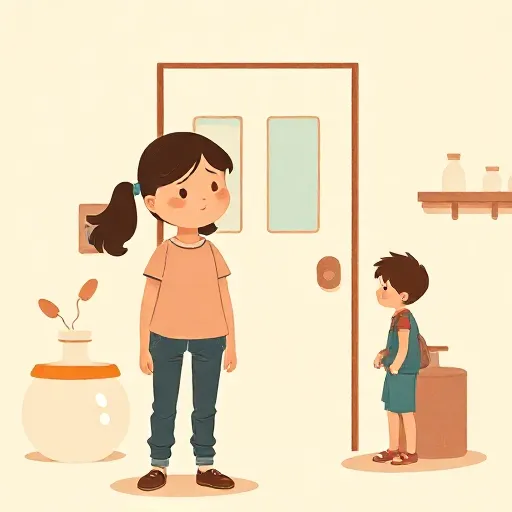
Suppose you love science, but your school only lets boys take the advanced physics class. Is that fair? If a law prevents women from being firefighters, should the government change it? What if no law blocks women — but bosses keep saying “we don’t hire mothers” — and most mothers you know do all the housework and child care? Should the state step in then?
Feminists have argued about these questions for over a century. They all want women to be free and treated as equals. But they disagree passionately about what freedom means for women and what the government should do about it. Two big families of feminism grew from that argument: egalitarian-liberal feminism and classical-liberal feminism. Understanding their battle helps you make sense of laws, families, and your own future.
One Side: Freedom Needs a Helping Hand
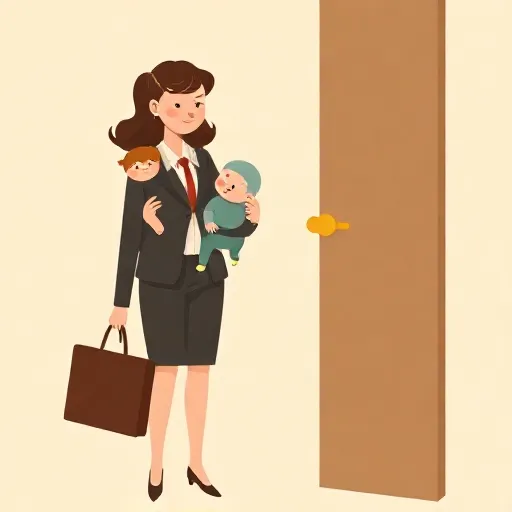
Egalitarian-liberal feminists think women cannot be truly free unless certain enabling conditions are in place. They call this personal autonomy — the power to live a life of your own choosing. But many things stand in the way: violence, poverty, unfair work rules, and a gender system — old traditions and institutions that push women into certain roles. The feminist Susan Moller Okin (1946–2004) argued that the gender system holds women back, and the government should fix it.
Think of freedom as riding a bike. If someone steals your bike or chains up the road, you can’t ride. Egalitarians say the government must stop the stealing, unlock the gates, and maybe even build bike lanes. That means laws against violence (no matter where it happens), rules against sex discrimination in hiring, and making sure caregivers — most often women — don’t lose their careers when they have kids. Martha Nussbaum (born 1947) added that freedom isn’t just about choice: women need real capabilities — like bodily health and education — to flourish. Without them, choosing is like a menu with most items blacked out.
Okin went further. She believed the state should encourage families where both parents share paid and unpaid work equally. That way, children grow up seeing equality, and girls develop the strength to choose their own paths. But other egalitarians, like Ann Cudd (born 1959), worried that pushing one family model might limit the very freedom they wanted to protect. Still, they all agree: the state is the women’s movement’s ally, not its enemy.
The Other Side: Freedom Means Nobody Interferes
Classical-liberal feminists start from a different idea: self-ownership. Every woman owns her own body and abilities. She has a right to freedom from coercive interference — nobody, including the government, may force her or take her property. The state’s only job is to protect that right, like a night watchman. Wendy McElroy (born 1951) says: if the government simply recognized women’s full equal rights, she’d stop writing about women’s issues — because the political job would be done.
This group, often called equity feminists, thinks that in countries like the United States, the big legal battles have been won. Laws that treat men and women differently are wrong, so they should all be scrapped. But once women have the same legal right to choose, the government must step back — even if private companies refuse to hire women or pay them less. Why? Because those companies don’t use force; women can walk away and work elsewhere. Christina Hoff Sommers (born 1950) and others argue that discrimination is rare anyway, and that free markets punish sexist bosses because they lose good workers and customers.
Some classical-liberals also call themselves cultural libertarian feminists. They agree that the state should stay out, but they add that culture itself — old expectations about what women should do — is a form of oppression. They want a radical, nonviolent movement to change hearts and minds, not laws. But equity feminists like McElroy say that’s “personal” work, not politics. For them, a woman who stays home because her religion or community expects it is still free — as long as no government threat forces her.
The Big Clash: Can the State Be the Hero?
Now the real fight begins. Egalitarians say a government that merely prevents force is blind. If a woman feels she “chooses” to stay home because all daycares cost too much, is that choice truly free? If culture tells girls they can’t lead, and schools teach it, isn’t that a subtle cage? They point to the feminization of poverty — the fact that women, especially single mothers, are far more likely to be poor — as proof that leaving people alone isn’t enough. Okin even argued that a family where Dad earns the money and Mom does all the unpaid care is often unjust, not a free choice.
Classical-liberals fire back. They say egalitarians want to be preference police. If the state pushes a 50-50 family, what about women who genuinely want a traditional life? Using laws to steer women into one way of living smells like paternalism — treating adults like children. Also, they warn, every new government program comes with a tax and a rule, which themselves limit freedom. As one critic put it: replacing cultural pressure with state pressure just changes the sort of oppression, not the fact.
Both sides face hard cases. Egalitarians disagree among themselves on issues like pornography or surrogacy: should the state ban it, or regulate it to protect women’s autonomy? Classical-liberals must answer why a desperate woman who “chooses” a job where she’s groped is considered uncoerced. And if the market naturally punishes discrimination, why did it take centuries to even give women the vote?
Why It Still Matters
You live in the middle of this debate. Whether your school offers paid parental leave, whether girls’ sports get equal funding, whether your mom’s boss can legally ask about her plans for kids — all of these trace back to the ideas above. When you hear a politician say “government should get out of our lives” or “we need a law to protect working mothers,” you’re hearing classical-liberal and egalitarian-liberal voices.
The two sides agree on one huge thing: women are not property, and no tradition is more important than a person’s right to live their own life. The disagreement is about what that actually takes. Is freedom the absence of chains, or the presence of open doors? As you grow up, you’ll face choices — about career, family, and how you treat others — that make this question very personal. The philosophers won’t hand you an answer, but they’ve given you a sharp way to ask it.
Think about it
- If a girl freely chooses to become a stay-at-home mom because her community expects it, has she been pressured in a way government should worry about? Why or why not?
- Should a private club be allowed to ban women if its members vote and prefer it that way? What makes a rule “fair” in a private space?
- If a law requires all workplaces to offer paid leave to both parents, does that treat women and men as identical when their situations are often different? Is that just?