
Feminism
91 articles
-
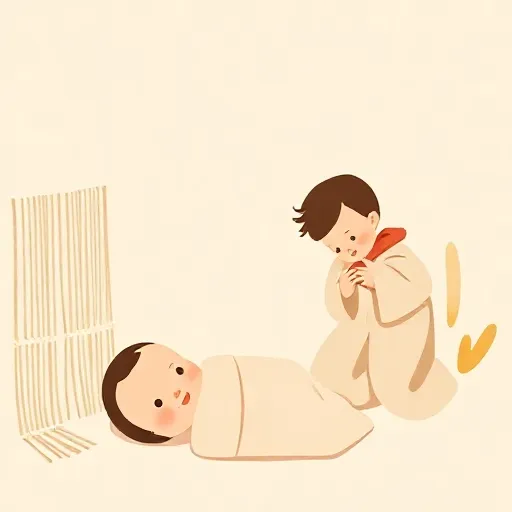
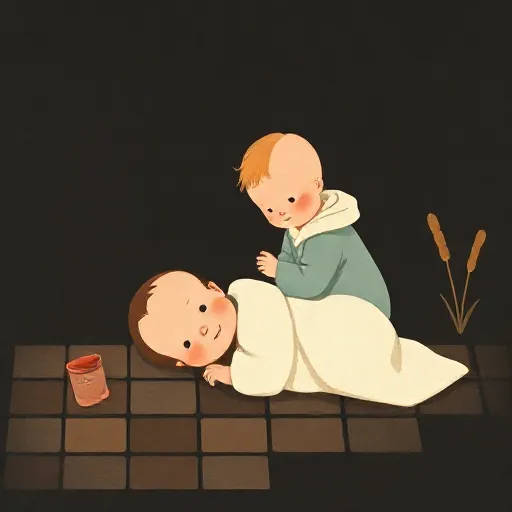
A Life Inside: How Confucian Ritual Shrank a Woman’s World
Why were girls in ancient China trained from birth to live inside the home? And could Confucian care ideas help build a fairer world?
-
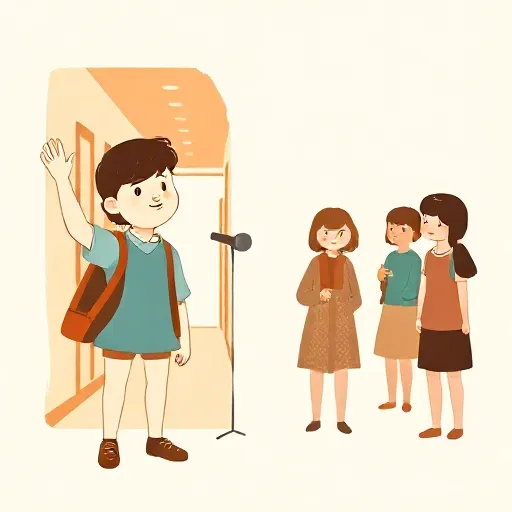
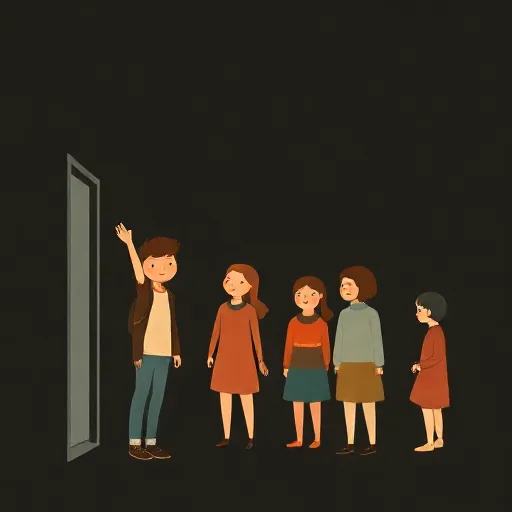
Are You a Citizen, or Just a Bystander?
What does it really mean to be a citizen? It is not just about having a passport. It is a tug-of-war between rights, action, and belonging.
-

Are You Born a Boy or a Girl — or Do You Become One?
Do our bodies decide if we act like boys or girls, or does society shape us? Find out why this matters for fairness and respect.
-
Are You Born a Boy or Girl? How Philosophy Questions Gender Itself
What makes someone a boy or girl? Trans philosophy questions whether we are born with a gender or if it's something we figure out ourselves.
-
Are You Born a Girl, or Do You Become One?
Beauvoir’s 1949 book argued that you aren’t born a woman — you become one. Why that idea still rattles playgrounds, politics, and how we see ourselves.
-
Are You Born a Girl, or Do You Grow Into One?
Are you born a girl, or do you become one? The answer affects laws, schools, and how you see yourself.
-
Are You Born a Woman, or Do You Become One?
Simone de Beauvoir said you become a woman. But how? Philosophers look at gender, power, and reality to find out.
-
Are You Born to Rule, or Born Equal? The Fight That Still Isn’t Over
Are humans born unequal? This question drove fights against slavery and sexism, and still shapes debates about fairness today.
-
Are You Latinx if You Don’t Speak Spanish? The Fight Over Who Counts
Philosophers have fought for decades over whether being Latinx is about race, culture, or history—and their answers affect immigration and citizenship.
-
Are You the True Author of Your Own Choices?
Do you really make your own choices, or are hidden forces guiding you? Discover why this question about autonomy matters for freedom and knowing yourself.
-
Are You Your Body? The Feminist Fight Over a Simple Question
Are you your body or your mind? This debate still shapes how boys and girls grow up and who decides what's normal.
-
Can a Dissatisfied Philosopher Be Happier Than a Happy Pig?
Is it better to be a thoughtful person who isn't always happy, or a satisfied pig who feels great? John Stuart Mill's surprising answer.
-
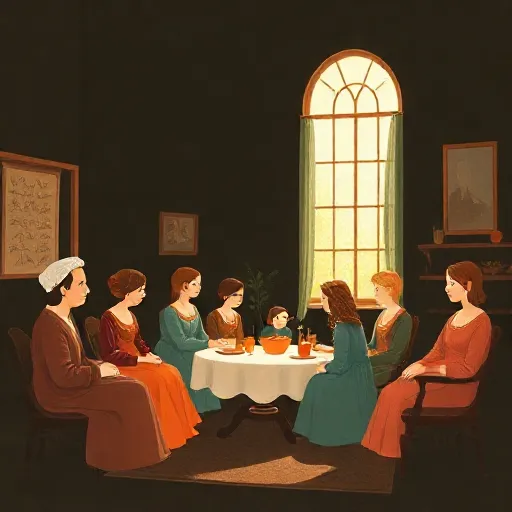
Can a Map Teach You to Love? Madeleine de Scudéry’s Tender Geography
In 17th-century Paris, a philosopher drew a map of the heart. Her salon debates about virtue, friendship, and women's minds still challenge us.
-
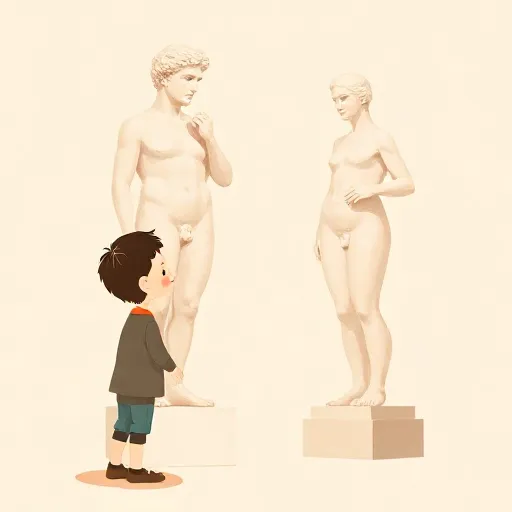
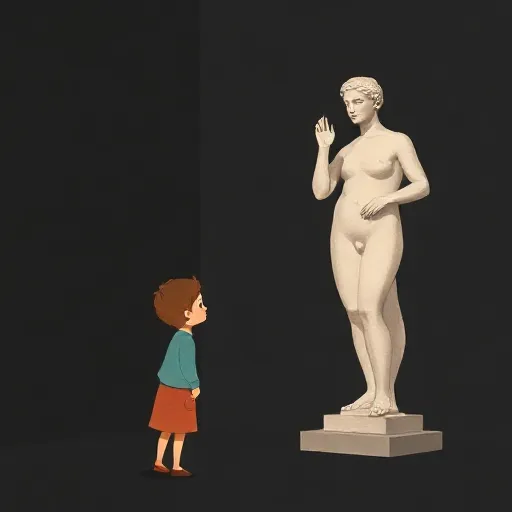
Can a Painting Be Great Art If It Wants to Arouse You?
Kant said real art gives a calm, “disinterested” pleasure. But what about works designed to stir sexual desire? A debate that’s still fiery today.
-
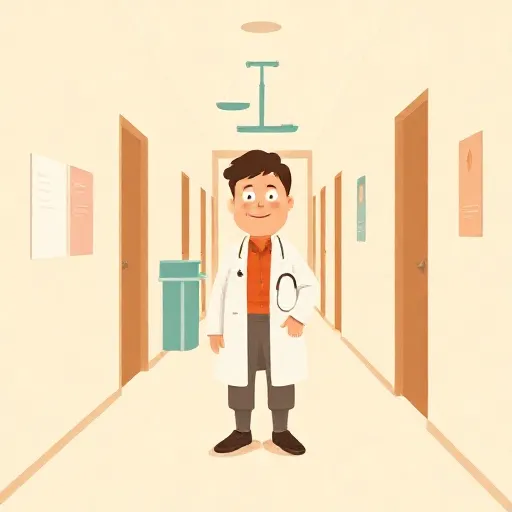
Can a Rulebook Tell You the Right Thing to Do?
Early bioethicists thought big theories could settle any medical dilemma. But real life fought back. Why principles, cases, and stories all matter.
-
Can a Society Be Good If Half the People Can't Think for Themselves?
In 1792, Mary Wollstonecraft declared that women must be educated to become truly virtuous. Her fight with powerful critics still echoes today.
-
Can a Trans Woman Be a Woman? A Fight Inside Feminism
Feminists have long fought over whether trans women are women. The clash began decades ago and still shapes feminism today. Both sides have reasons.
-
Can Capitalism Last Forever? Rosa Luxemburg Said No
Rosa Luxemburg argued that capitalism needs to expand or crash, so only a revolution led by ordinary people can bring real freedom.
-
Can It Be Wrong to Have a Baby Who Will Love Life?
Is it wrong to have a baby who will have a disability and love life? The puzzle: the child can't complain because if you'd waited, she wouldn't exist.
-
Can Philosophy’s Sharpest Tools Fight Sexism?
Can logic and clear arguments fix sexism, or are they part of the problem? A deep split among feminists shapes who gets to speak.
-
Can Pornography Hurt Women? The Feminist Standoff
Does pornography hurt women? Feminists argue: some say it promotes inequality and should be limited, others fear censorship. The evidence is mixed.
-
Can Who You Are Give You a Better View of the Truth?
Can your identity affect what you know? Your background might help you notice things others miss, and that’s why we need many different points of view.
-
Can You Ban Something You Can't Define? The Pornography Puzzle
Why is it hard to ban pornography? If we can’t define it, how can laws be fair? This puzzle makes us question freedom, harm, and who gets to decide.
-
Can You Find the Truth by Moving into the Poorest Neighborhood?
Can you find truth by living in a poor neighborhood? Jane Addams proved that understanding others requires being with them, making care a public duty.
-
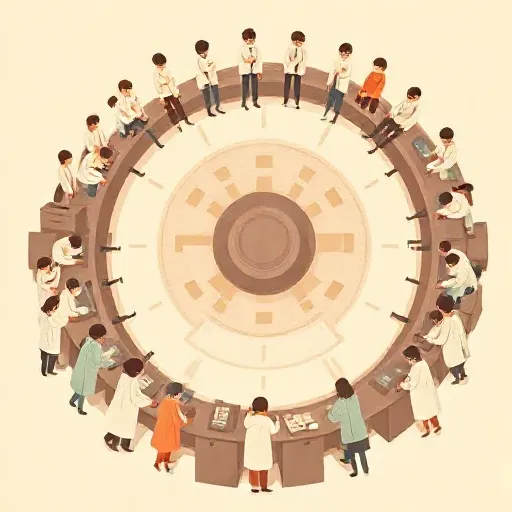
Can You Trust a Scientist Who Trusts Other Scientists?
Can we trust a scientist who trusts other scientists? This question reveals that all knowledge depends on teamwork and checking each other's work.
-
Could Your Mind Be Made of Matter? Margaret Cavendish’s Bold Idea
Could your thoughts be made of the same stuff as rocks? Margaret Cavendish said yes: all is matter, even minds, and thinking is everywhere.
-
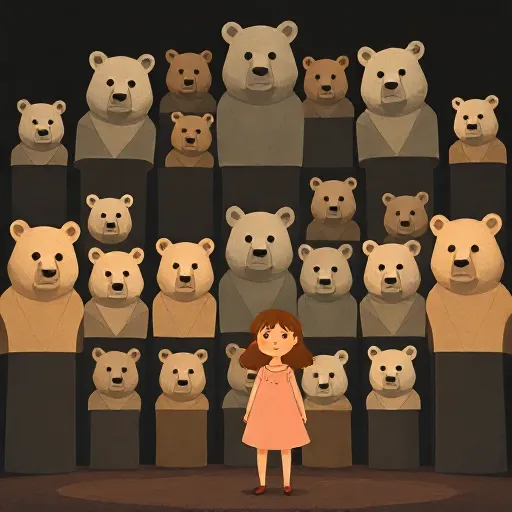
Did the Greatest Philosophers Secretly Think Women Were Inferior?
Many famous philosophers secretly believed women were inferior. Feminist critics exposed their bias and rediscovered forgotten women thinkers.
-
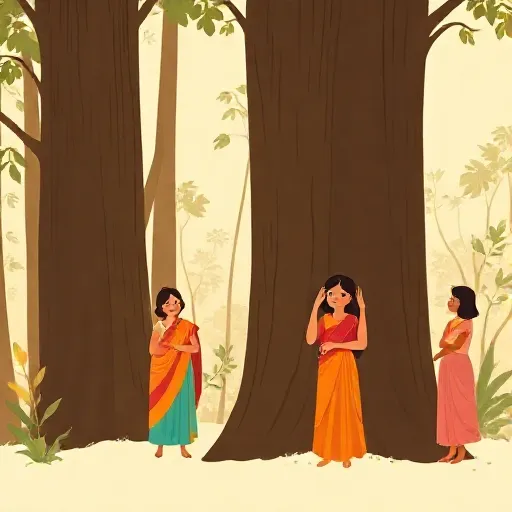
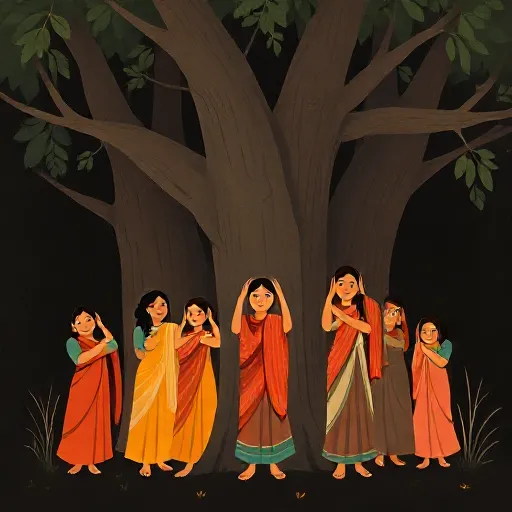
Did You Know Tree-Hugging Started as a Feminist Protest?
In 1974, women in India hugged trees to stop loggers. Their protest revealed a deep link between the domination of women and the domination of nature.
-
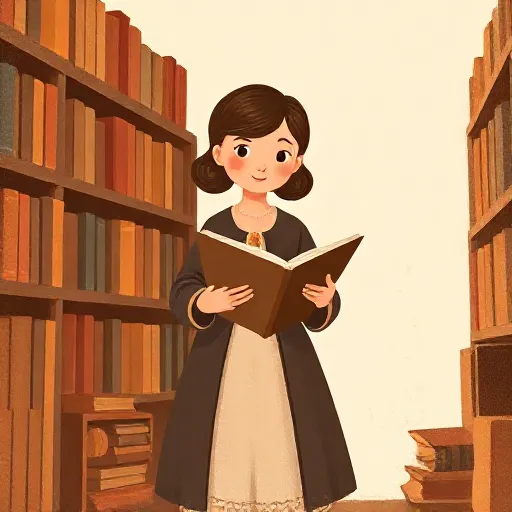
Did Your Rights Come from Kings — or from Reason?
Do rights come from kings or from reason? Catharine Macaulay argued right and wrong are real truths, like math. Her ideas helped shape modern democracy.
-
Do Words Really Make Things Happen? The Philosophers Who Say Yes
You say “I promise” and suddenly you owe someone something. How can a few sounds change reality? Philosophers have been puzzling over this for a century.
-
Do You Need a Church to Know God? The Transcendentalists Said No.
Can you find God without a church? Transcendentalists believed you can—by looking within and at nature, sparking fights for freedom and new thinking.
-
Do You See What I See? Why Your Identity Matters for Knowing
Feminist philosophers say your gender, race, and life shape what you know and whether you're believed. A surprising look at fairness in knowing.
-
Do Your Feelings Belong to You? Continental Feminism Asks
Do your feelings really belong to you? Continental feminism reveals how moods catch on and power shapes your inner world, and how to push back.
-
Does Morality Begin with a Baby’s Cry?
Where do our ideas of right and wrong come from? Sophie de Grouchy said it all begins with a baby’s cry and a comforting touch—a radical idea in the 1780s.
-
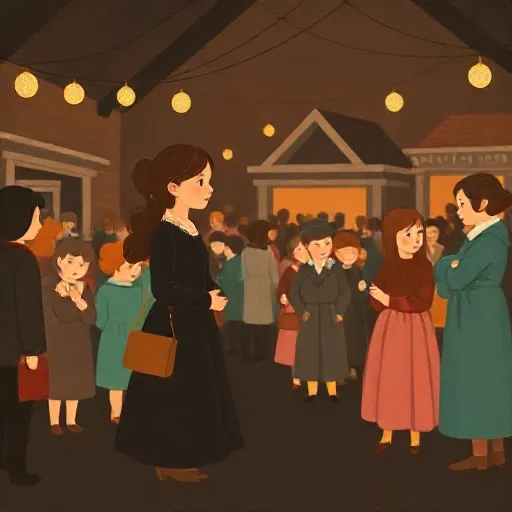
How a House Full of Women Changed Philosophy (and Why It Matters)
Can philosophy happen outside a library? Over 100 years ago, women like Jane Addams did it at a community center, changing how we see truth and democracy.
-
How Do You Fight Oppression When You're Told to Be Quiet?
How can you fight back when told to be quiet? Brave women like Sor Juana and Luisa Capetillo used words and protests to demand freedom in Latin America.
-
How Do You Really Know What Someone Else Feels?
We don't just guess how others feel; we see it directly. Philosopher Edith Stein made this idea famous and lived it as a nun and brave person.
-
Is ‘He’ Really for Everyone? How Words Can Hide Women
The little word ‘he’ was supposed to include girls. But research shows it makes us think only of boys. Why feminists say language matters.
-
Is Beauty a Secret Code in Things — Or Just a Feeling?
Is beauty a real feature of things or just a feeling inside you? This age-old puzzle shapes who gets to feel beautiful.
-
Is Biology Destiny? How Feminists Fought Bad Science About Women
Can biology tell us what women can or can't do? Feminist philosophers uncovered hidden bias in old science, showing how fixing it made knowledge fairer.
-
Is Disability a Medical Problem or a Social One?
Is a disability a flaw to fix, or does society create the real barriers? A debate about fairness, from blind detectives to bionic runners.
-
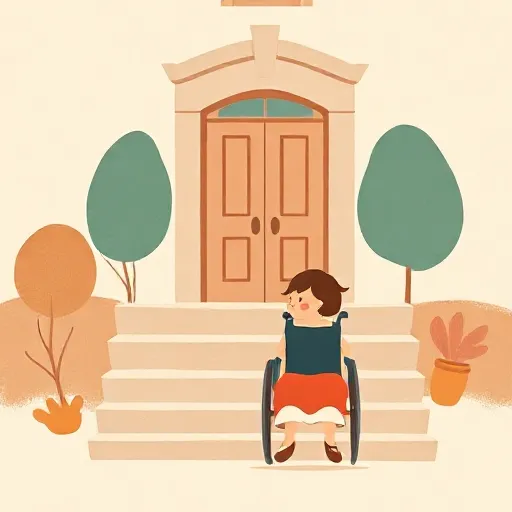
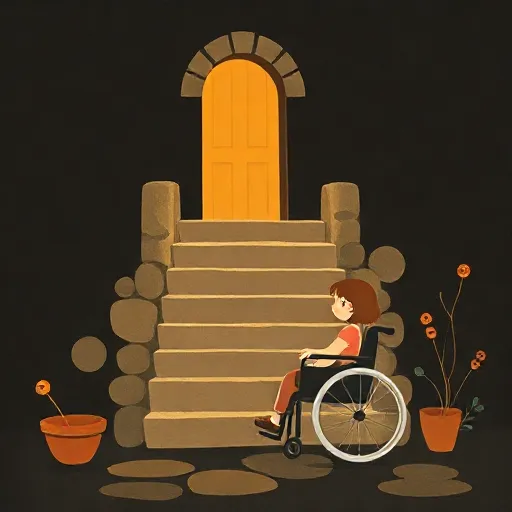
Is Disability in Your Body, or in How the World Treats You?
Is disability just a medical fact, or does society create it? Some say it’s built by ableism — invisible rules about which bodies matter.
-
Is Freedom Enough? Two Feminisms on Women’s Lives
Should the government make sure women have real choices, or leave everyone alone? Two ideas of freedom clash, shaping your life.
-
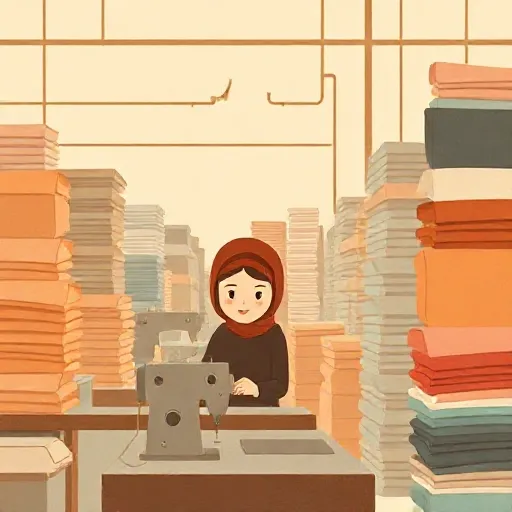
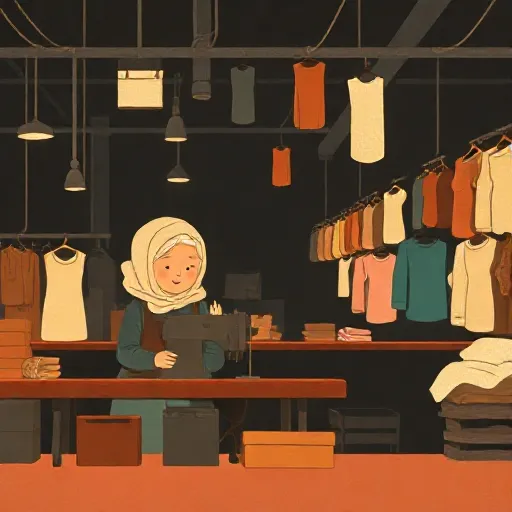
Is Global Trade a Raw Deal for Women?
Is global trade a raw deal for women? Many believe globalization helps the rich but punishes the poor, especially women. Can it be made fairer?
-
Is God a Prison or a Key? Feminists Argue About Religion
Why is God almost always seen as a man? Feminists disagree: some say it traps women, others say a new view of God can free them.
-
Is It Fair to Give Minority Groups Special Rights?
Is it fair to give special rights to minority groups? The debate involves identity, equality, and the fight to make sure everyone feels they belong.
-
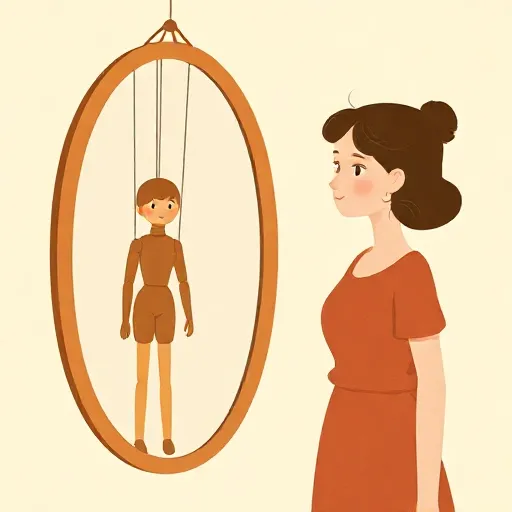
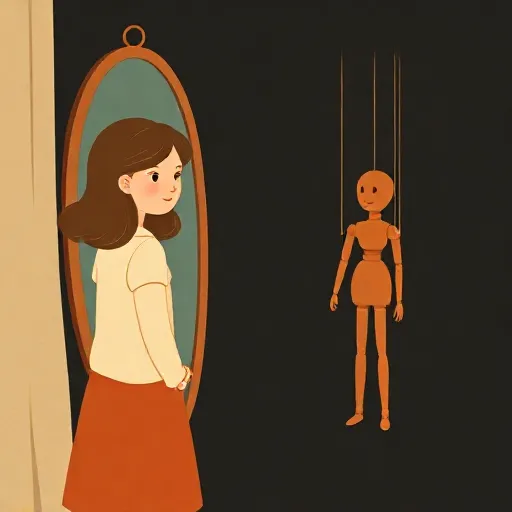
Is It Really Your Choice? When Oppression Sneaks Inside Your Head
When unfair rules sneak into your head, are your choices truly free? Why it matters for fairness and being yourself.
-
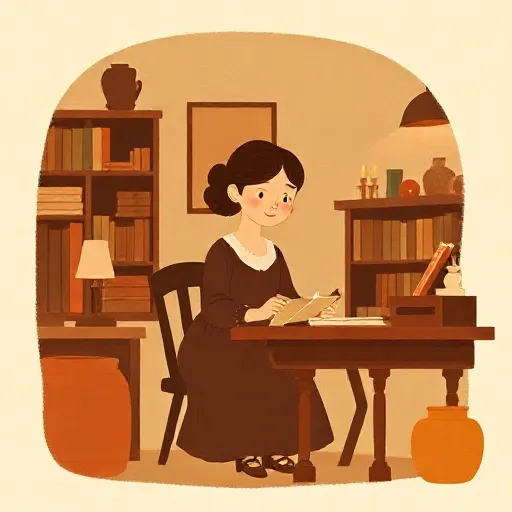
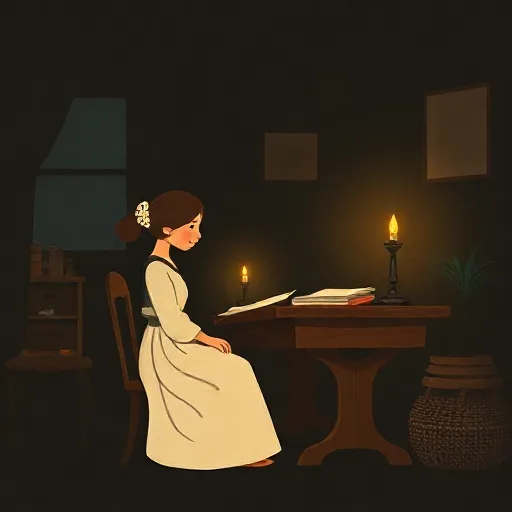
Is Loving Your Family an Obstacle to Loving God?
John Norris claimed true love belongs only to God. Damaris Masham argued that loving people and the world leads you to God, not away from Him.
-
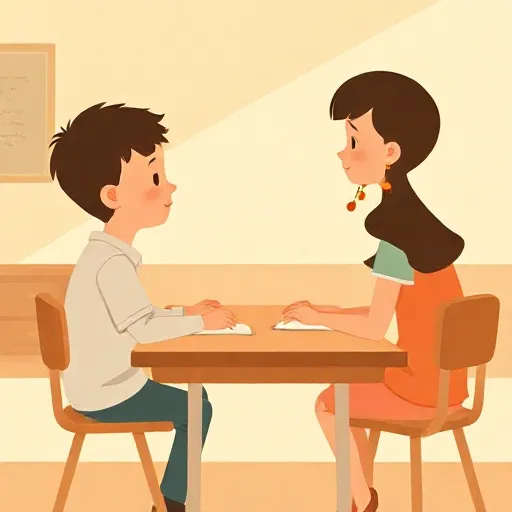
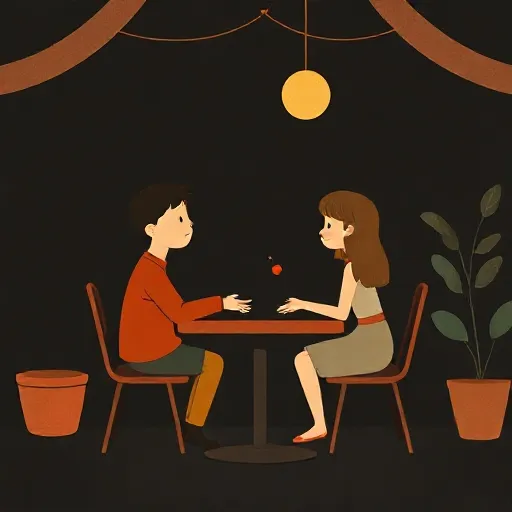
Is Morality Different for Boys and Girls? The 'Voice' Debate
Do boys and girls think about right and wrong differently? Some say girls care while boys follow rules. But is that true, or does it limit girls?
-
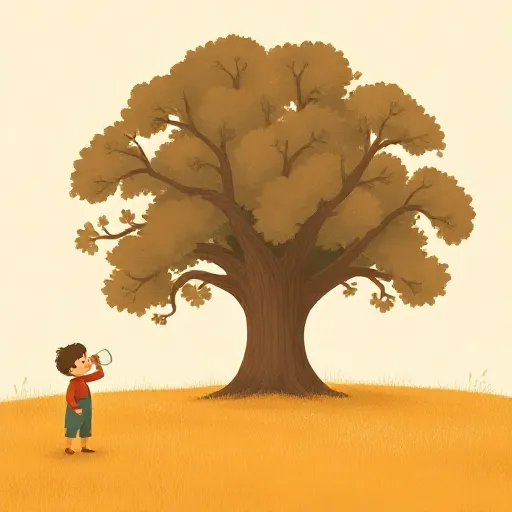
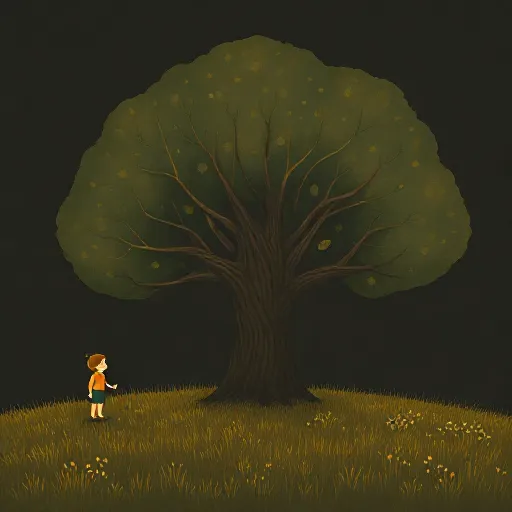
Is Science Really a 'View from Nowhere'?
Can science see the world with no personal bias, like a 'view from nowhere'? We explore why this might be impossible and why we might not even want it.
-
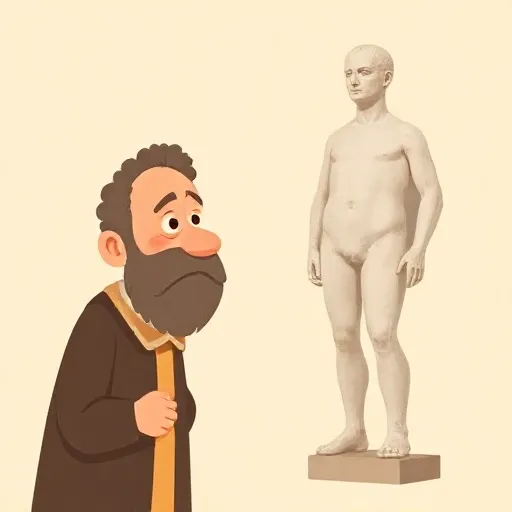
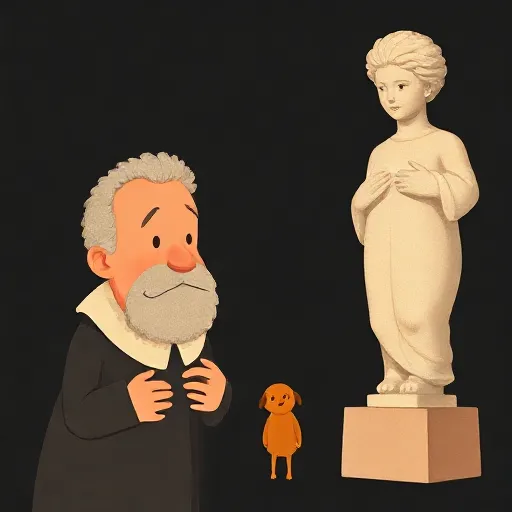
Is Sexual Desire Good or Bad? The 300-Year Philosophical Fight
Some thinkers say it brings people together and creates joy. Others warn it turns people into objects. Why your crushes and attractions are a deep puzzle.
-
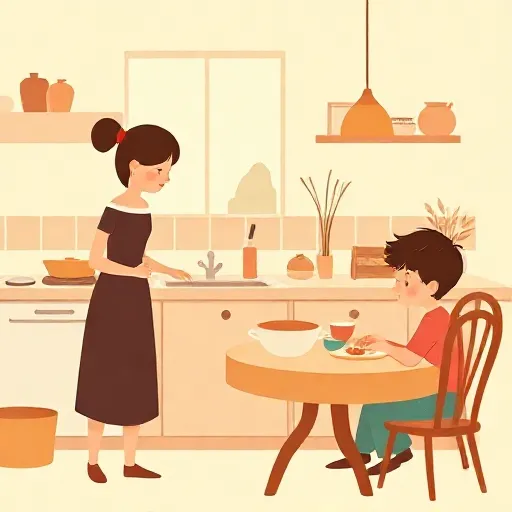
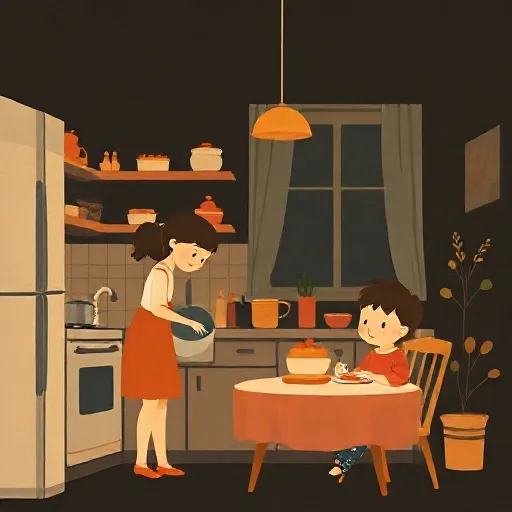
Is Taking Care of Your Family Real Work?
For over 150 years, thinkers have asked whether cooking, cleaning, and caring count as work — and why women still do most of it.
-
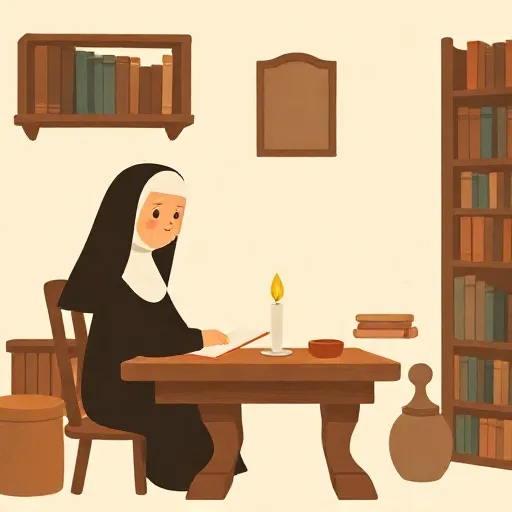
Is There Really Such a Thing as Mexican Philosophy?
Is Mexican philosophy just copied European ideas, or a new mix of native and Spanish thinking? This debate shapes identity today.
-
Is Your Body “Normal”? Feminist Bioethics Asks Who Decides
When doctors dismiss women’s pain or design medicine for male bodies, feminist bioethicists say ethics must look at power, not just rules.
-
Is Your Family a Private Club or a Mini-Government?
Is your family a private club or a mini-government? Feminist thinkers say rules about chores and care are shaped by money and laws, not just love.
-
Is Your Identity a Key or a Cage?
Some say embracing your group identity unlocks power and pride. Others warn it locks you into old labels. Philosophers have argued this since the 1970s.
-
Is Your Mind a Spark of God? Mary Astell's Rebel Philosophy
A 17th-century thinker said women aren't born vain — they're born with divine minds. Her fight for clear thinking still matters.
-
Minds Have No Sex: A 17th-Century Priest’s Radical Idea
A 1673 book argued women are as rational as men, using Descartes’ new method. Why François Poulain’s ideas still make us question hidden bias.
-
She Used Aristotle to Prove Women Were Superior
How did a Venetian doctor's daughter use Aristotle to argue women are superior? Her clever reply still makes us question who gets to define 'natural'.
-
Should Science Be One Big Theory, or a Thousand Different Ones?
Should all science fit into one giant theory, or do we need many models? This debate shapes climate science and who gets to decide what's true.
-
Should the State Make Sure Everyone Has Someone to Love?
Philosophers argue that love, friendship, and care are not just nice extras — they might be things everyone is owed. Here's why.
-
The Law Says Everyone’s Equal. So Why Doesn’t It Feel That Way?
Laws claim to treat everyone equally, but sometimes they still feel unfair. Discover why rules about work, family, and safety often fail women.
-
The Right to Be Let Alone—And the Fight Over What It Means
What is the 'right to be let alone'? Is it about secrets, your body, or choices? See why an old debate still matters online.
-
The Violinist, the Growing Child, and the Right to Life
Is abortion ever okay? Some say it's murder; others say a person controls her body. Explore the most famous thought experiments in philosophy.
-
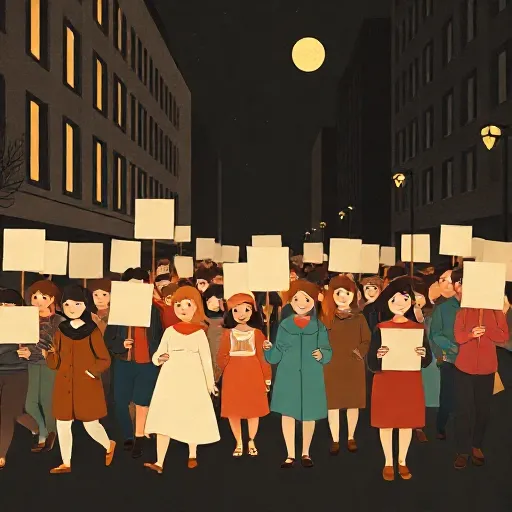
What Does It Mean to Fight for Women? The Philosophy of Feminism
Feminism isn't just a protest sign — it's a philosophy that asks tough questions about gender, power, and who counts as 'woman'.
-
What Does It Mean to Treat Someone Like an Object?
When does treating a person like a thing cause harm? Kant, feminists, and others disagree about whether you can treat someone like an object without harm.
-
What If Women Could Be Sea‑Captains? Margaret Fuller's Challenge
Margaret Fuller asked: What if women could be anything—even sea-captains? Her bold ideas about women's potential sparked a debate that continues today.
-
What If Your Body Shapes Every Thought You Have?
Can thinking happen without a body? Descartes sought pure reason, but feminist thinkers say bodies shape our minds. That changes how we see truth.
-
What Makes a Marriage? Promises, Love, or the Law?
From Plato’s shared spouses to today’s same-sex marriage fights, philosophers ask what marriage is, who decides its rules, and why the state gets involved.
-
What Makes Rape a Crime Against All Women?
Feminists say rape isn’t just a violent act against one person—it’s a weapon of power that harms whole groups. Here’s why.
-
What Pushes You to Be Good?
Hobbes said self-interest. Hume said sympathy. Kant said reason. Feminists added care. A 300-year argument about the invisible engine of morality.
-
Who Can You Believe? The Puzzle of Social Knowledge
How do you decide when to trust what others say? Figuring out who to believe is a big puzzle because most of what we know comes from other people.
-
Who Holds the Remote Control? Power, Domination, and You
Is power just someone telling you what to do, or is it more complicated? Find out how power works in everyday life and why it matters for fairness.
-
Who Made Up Money? And What About Race?
Who made up money? And what about race? Explore how social construction challenges what we think is natural and changes how we see fairness.
-
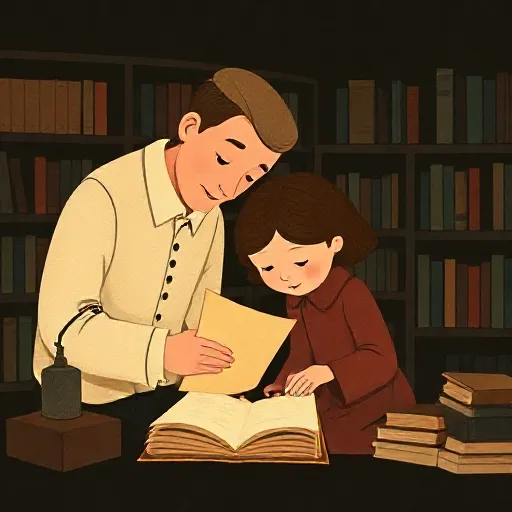
Who Really Wrote *On Liberty*? The Harriet Taylor Mill Puzzle
Did John Stuart Mill's wife Harriet secretly think up his famous ideas? The mystery shows how teamwork in philosophy can hide who deserves credit.
-
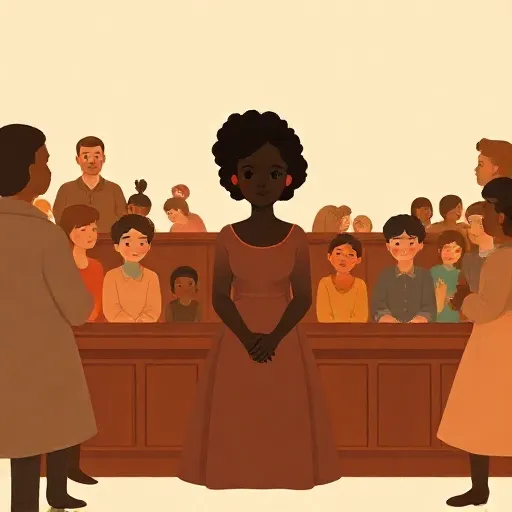
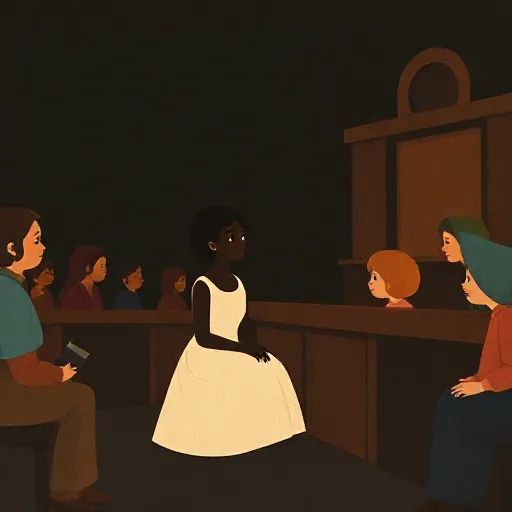
Who Speaks for the Black Woman? Anna Julia Cooper’s Challenge
Born a slave, she became a philosopher. Cooper argued that Black women’s voices were essential for justice — and that no one else could speak for them.
-
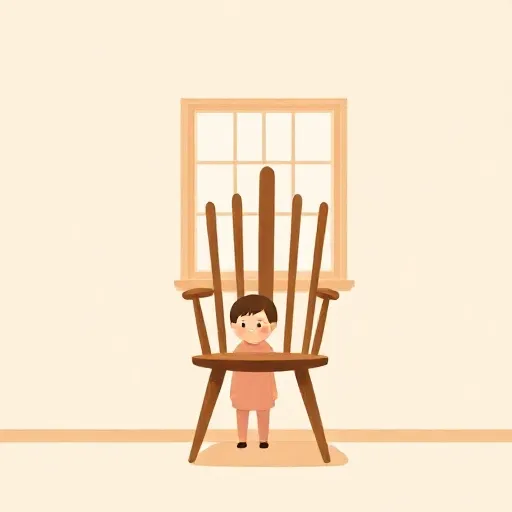
Who's Really in Charge? Why Some Power Feels Wrong
Is someone in charge of you even if they treat you well? Some thinkers say yes if they have the power to control you whenever they want.
-
Who's the Boss of a Pregnant Body? Doctors, Mothers, or Society?
Pregnancy used to be a family event at home. Now it's high-tech medicine. But does more medicine always mean more freedom—or more control?
-
Why Can’t She Speak? Margaret Fell’s Unshakeable Answer
Why could Margaret Fell preach when women were told to be silent? She used the Bible to argue for fairness, and her ideas still matter.
-
Why Did a Revolutionary Philosopher Insist Women Should Vote?
Why did Condorcet demand voting rights for women in the French Revolution? His arguments about fairness still shape who counts as a citizen today.
-
Why Did Doctors Miss Heart Disease in Women for Decades?
Why did doctors miss heart disease in women for so long? The surprising reason has to do with who was allowed in the lab, and how it made science weaker.
-
Why Do People Stand Together? The Puzzle of Solidarity
What makes a group of people truly united — and does it always have to be a two-way street? A look at the promises and perils of solidarity.
-
Why Do We Ever Think of Someone as Less Than Human?
Some say dehumanization is treating people badly. Others say it's thinking of them as less than human. Can you do one without the other?
-
Why Do We Treat Arguments Like Battles?
Why do we often treat arguing like a battle? That combative style can push people away and block learning. How new ways of arguing together might help.
-
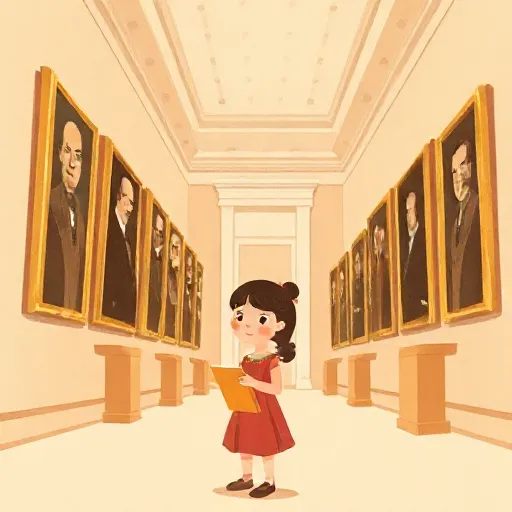
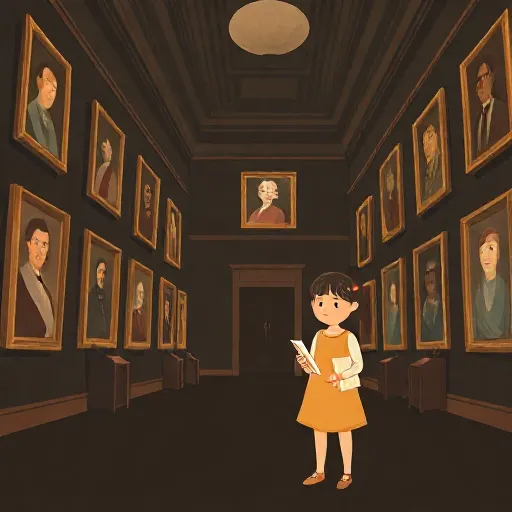
Why Have There Been No Great Women Artists?
Why are there so few famous women artists in museums? Old rules called their creations crafts, not fine art, so they were ignored.
-
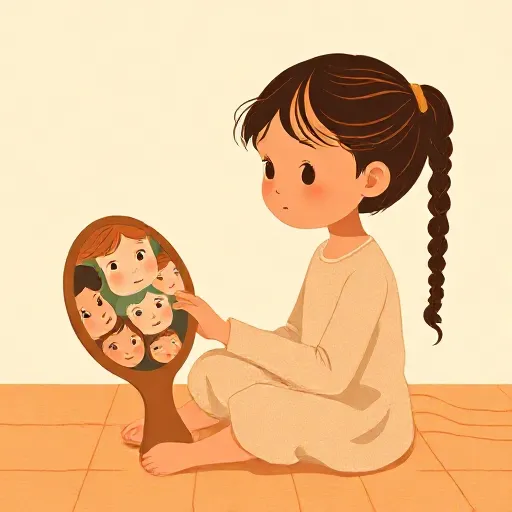
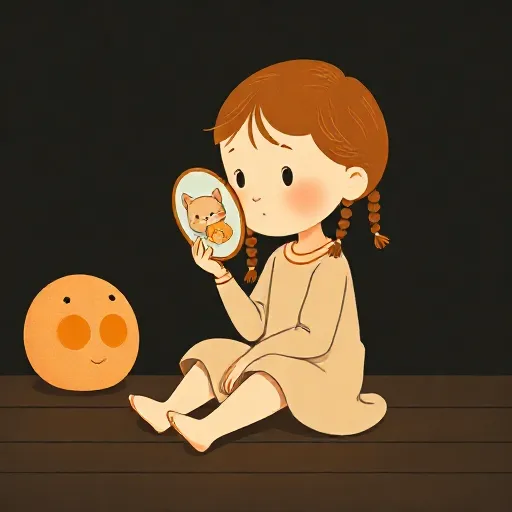
Why Is It So Hard to Say What a Woman Is? Freud’s Big Riddle
Why is it so hard to say what a woman is? Freud's ideas about how girls grow up sparked debates that still shape how we think about gender.
-
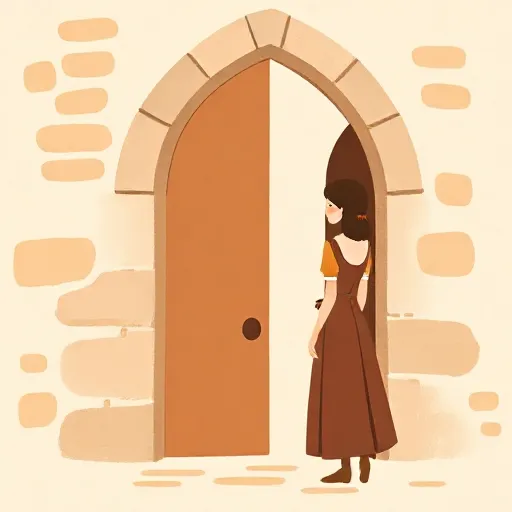
Why Loving Someone Means They’ll Always Be a Stranger
Is love about becoming one? Margarete Susman says no: love needs the other to stay a stranger. This idea turns sadness into hope.
-
Why This Doctor Said Kids Should Be Free—Even in School
Montessori believed children learn best when they choose their own work. Her ideas about freedom, minds, and peace still shape schools worldwide.
-
Why Would a Selfish Person Ever Be Good?
Why would a selfish person ever be good? Some thinkers say it's a smart strategy. But critics ask if that leaves out the weak or makes anyone truly kind.
-
Why Your Living Room Is a Political Battleground
Political philosophy used to ignore homes and families. Feminist thinkers showed that power and injustice live there too — and changed politics forever.
-
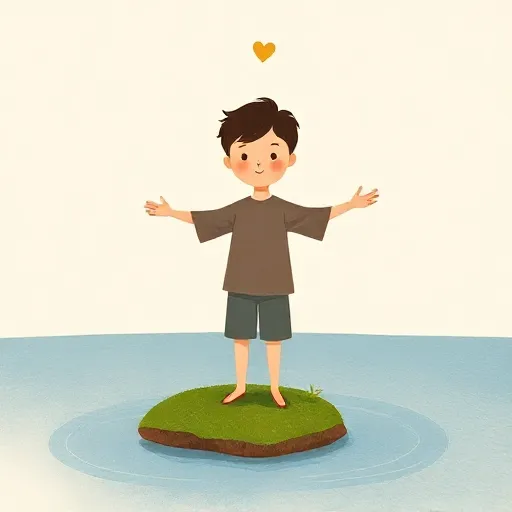
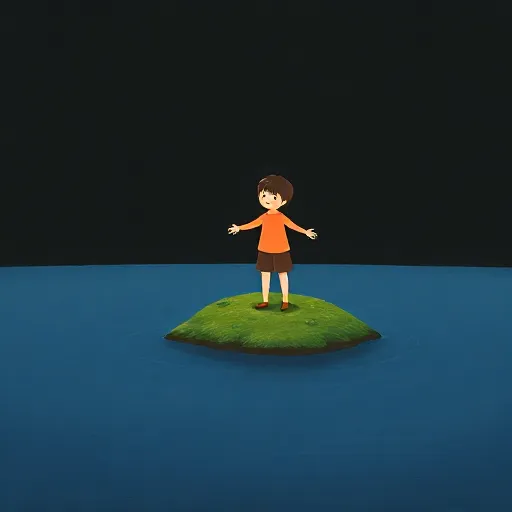
You Are Not an Island: The Feminist Rethinking of the Self
Feminist philosophers say the self isn't a lone thinker but a web of relationships, bodies, and social forces. Why that changes everything.