
What Makes a Marriage? Promises, Love, or the Law?
A World of Weddings (But One “Marriage”?)
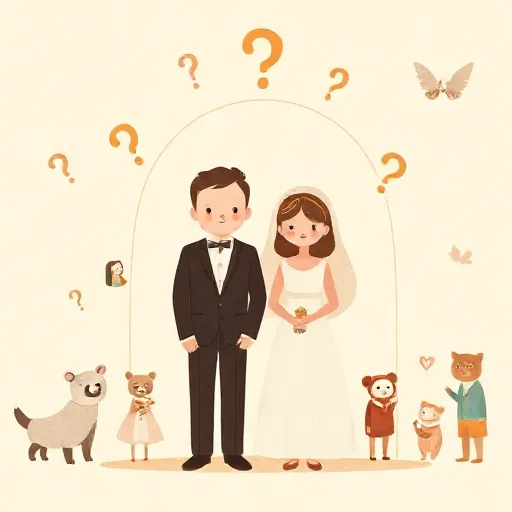
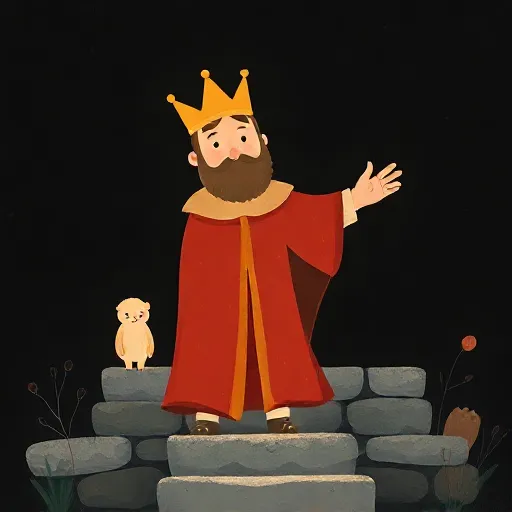
Imagine you’re at a wedding. The couple exchanges rings, says vows, and kisses. It feels like the most natural thing in the world. But if you had been in ancient Athens, the philosopher Plato (427–347 BCE) might have handed you a very different picture: a city where marriages were temporary, arranged by rulers, and children were raised by the state instead of their biological parents. A few centuries later, in medieval Europe, people saw marriage mainly as an economic and political deal — a way to control property, not a matter of romantic love. In many cultures today, families arrange marriages based on duty and long-term care, not on passion. So what makes all these things “marriage”?
This variety led some philosophers to argue that marriage is a family resemblance concept — a phrase borrowed from the philosopher Ludwig Wittgenstein. Just as there’s no single feature that makes every game a game, there’s no single essence that all marriages share. Some are about love, some about money, some about children. If that’s true, you can’t point to “the definition of marriage” to settle what the law should allow. You have to look deeper — into ethics and politics — to decide what marriage ought to be.
Promises, Promises: The Contract View

If marriage isn’t defined by one timeless rulebook, maybe it’s simply an agreement between the people getting married. This is the contractual view. On this view, your special obligations to your spouse — faithfulness, support, staying together — come from promises you make, not from nature or God. After all, many philosophers think that all special obligations (the duties we have to specific people) arise only from voluntary choices. If that’s right, then spouses can decide what their marriage will look like. They can promise sexual exclusivity, or not. They can promise to stay together, or agree that divorce is fine. The rules are theirs.
But trouble appears fast. Can you really promise to love? You can’t control your feelings directly — and if you can’t, then “ought implies can” says you can’t be morally bound to feel love. Defenders of the contract view reply that you only promise behaviors: to act lovingly, to support each other. Yet many people exchanging vows surely mean to promise the feeling, not just the acting. Besides, if marriage is just a personalized set of promises, why not call any set of promises a marriage? Critics say the contract view can’t explain what’s special about marrying as opposed to, say, a business partnership.
There’s also a darker worry. The British philosopher John Stuart Mill (1806–1873) argued that for many women in his time, “choosing” marriage was barely a choice at all. With no economic independence and few legal rights, marriage was “Hobson’s choice — that or none.” If one side enters a contract without real alternatives, can it really be called a fair deal? That concern still haunts debates today.
Two Institutional Answers: Babies vs. Love
If marriage isn’t just a private contract, maybe it’s an institution whose purpose sets the rules. Philosophers who hold this institutional view say that becoming a spouse is like becoming a doctor: you can choose to take the role, but you can’t rewrite the duties that come with it. There are two big versions of what that purpose is.
The new natural law view (defended by contemporary philosophers like John Finnis) says marriage is designed for procreation and raising children. It’s a union of one man and one woman because only that pair can naturally create new life together. Sex within such a marriage is good — it helps build fides (roughly, marital friendship) and it’s open to having babies. Any sex that isn’t marital (or isn’t open to procreation) fails to realize the basic human good of marriage and, these thinkers argue, treats our bodies as mere tools. That’s why they oppose same-sex marriage and contraception even within marriage.
Many philosophers push back hard. Why should infertile couples be allowed to marry if procreation is the essence? How can you say that all non‑marital sex — from loving committed relationships to casual hookups — is equally valueless? And why single out sexuality for such strict rules while leaving other basic goods (like health) without similar moral restrictions? These critics think the new natural lawyers overstate the specialness of sexual difference.
A second institutional approach focuses on love, not children. On this view, marriage exists to protect and sustain romantic love. The obligations of marriage — for many, including sexual exclusivity — are what it takes to keep that love alive. But does love really need legal backup? And does it actually work? Divorce statistics suggest that many marriages fail to protect love. Plus, some people — polyamorists, for example — build loving, committed relationships that don’t look like exclusive monogamy and seem to work just fine. If the point is love, why privilege one shape of love?
The State’s Stake: Why Recognize Any Marriage at All?

So far we’ve talked about moral rules between the spouses. But marriage is also a legal status — one that comes with tax breaks, inheritance rights, hospital visits, and a big bundle of social recognition. Why should the state be in the marriage business at all?
One answer is that the state should guide people toward valuable lives. If monogamous, committed relationships are good for us and good for children, then the state can offer incentives to encourage them. Another answer is that marriage stabilizes society by producing good little citizens. But these rationales run into trouble in a politically liberal state — one that tries to stay neutral about what the best way to live is. If the state can’t take sides on controversial moral and religious questions, how can it legally favor one type of intimate relationship?
The debate gets loudest around same‑sex marriage. Proponents point to discrimination: same‑sex couples are excluded from real benefits and from the social dignity that the status of marriage carries. Offering “civil unions” instead, they argue, is like the old “separate but equal” doctrine — it still marks out same‑sex couples as second‑class. Opponents sometimes claim that marriage is essentially different‑sex, appealing to the procreative view. But the law already marries couples who can’t or won’t have children. So that charge becomes harder to sustain.
And then the questions multiply: what about polygamy? Incest? Could a neutral state really exclude three willing adults who love each other, or a pair of siblings who promise lifelong care? Some philosophers bite the bullet and say: yes, if the relationships are just and consensual, the state should not interfere. Others propose abolishing legal marriage entirely, replacing it with “civil unions” for any caregiving unit, or even piecemeal legal protections for any intimate arrangement. The future shape of marriage is still being fought.
Is Marriage a Trap? Oppression and Liberation
Marriage hasn’t just been an abstract puzzle for philosophers. It has been a powerful tool for injustice. Until the late 19th century, English and American law practiced coverture: upon marriage, a wife’s legal identity was “covered” by her husband’s. She couldn’t own property, make contracts, or keep her own wages. Marital rape wasn’t a crime in many places until shockingly recently. Anti‑miscengenation laws banned inter‑racial marriage in the U.S. until 1967, and enslaved people were denied marriage altogether.
Even today, feminists point out that the gendered division of labor in marriage often makes women economically vulnerable: they do more housework and childcare, downgrade their careers, and end up poorer after divorce. This is why many insist that a just state must actively shape marriage law to protect women — not leave it to private negotiation between unequal partners. Some go further and argue that the very idea of marriage entrenches inequality by teaching girls to aspire to a white dress rather than to independence. Queer critics add that pushing for same‑sex marriage risks “assimilating” queer relationships into a heterosexual, monogamous ideal — erasing the creative, flexible ways many LGBTQ people have built families and intimacies.
Yet the counter‑arguments are strong too. Excluding same‑sex couples from marriage certainly hasn’t liberated them; it has marked them as inferior citizens. And reformers within feminism and the LGBTQ movement argue that winning access to marriage can transform the institution from the inside — stretching it to include more equal, diverse, and non‑patriarchal models. Maybe marriage, like many human creations, is a battlefield rather than a monolith. The question for you, thinking about the world you’ll grow into, is whether the law should give its blessing to any particular form of love — and if so, which ones, and at what cost.
Think about it
- If marriage were completely a private contract, would it be wrong for two people to agree that one partner does all the housework and the other earns all the money?
- Should the state ever encourage marriage to help children, even if that might pressure some adults into unions they don’t really want?
- Imagine a future where most child‑raising is done by networks of friends, not couples. Should the law still give special benefits only to romantically‑paired spouses?