
Can a Few Words Create a Real Duty? The Philosophy of Promises
A Pinky Promise on the Playground

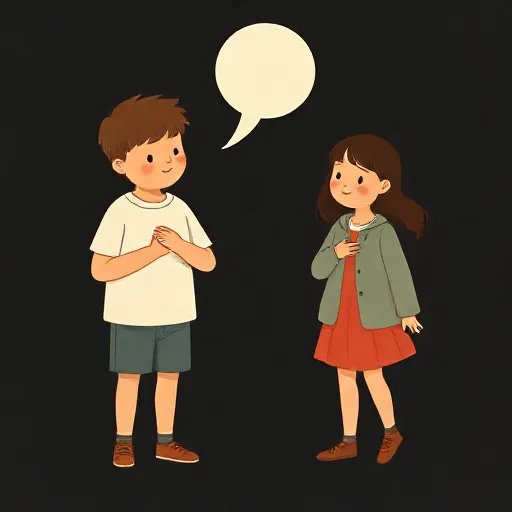
You lock pinky fingers with your best friend and say, “I promise I’ll save you a seat at lunch.” Moments later, you feel a tug inside — if you don’t do it, you’ve done something wrong. Why? The words themselves didn’t physically force you to act. Yet almost everyone agrees that breaking a promise is a kind of moral mistake. Philosophers have argued for centuries about where this strange power comes from.
They’ve come up with three big families of answers. Some think promises are like a normative power — a special ability we each have to create obligations just by speaking. Others say promising is a convention, a game with rules everyone agrees to follow. A third group claims the duty arises from the expectations or trust you create in another person. Each idea has strong points and tricky problems, and the debate is still very much alive.
The Power of Your Own Words

For some thinkers, promising is a direct normative power — you create a moral bond simply by deciding to do so and saying so. Aristotle (384–322 BCE) taught that promise-keeping is required by virtues like justice and truthfulness. A virtuous person keeps their word because lying or letting someone down is shameful. The Roman jurist Cicero (106–43 BCE) developed a specific virtue of fidelity to promises. He and others even formalized a spoken procedure, the stipulatio, where a question-and-answer exchange created a binding obligation.
In the Middle Ages, Thomas Aquinas (1225–1274) described a promise as an act of the will that “binds” a person — you direct your own future actions, much like a commander directs soldiers. That self-binding, he said, is what gives a promise its force.
Modern versions of this idea don’t appeal to virtues or divine law, but to our own interests. H. L. A. Hart (1907–1992) argued that by promising, you exercise your freedom of choice and voluntarily give the promisee a special right. Joseph Raz (1939–2022) said we have an interest in being able to bind ourselves to others so we can cooperate and shape our lives. David Owens (a contemporary philosopher) says we often want authority over someone else’s action: when you promise to drive me home, I get the right to demand that you do it, and that authority itself matters to us. Seana Shiffrin (also a contemporary thinker) proposes that promising is essential to forming and maintaining close relationships — the power to commit to someone else, under conditions of equal respect, is part of what makes intimate bonds possible.
So on this family of views, your “I promise” is a bit like wielding a special tool that directly changes what you owe, just because you meant to use it.
Is Promising Just a Game We All Play?
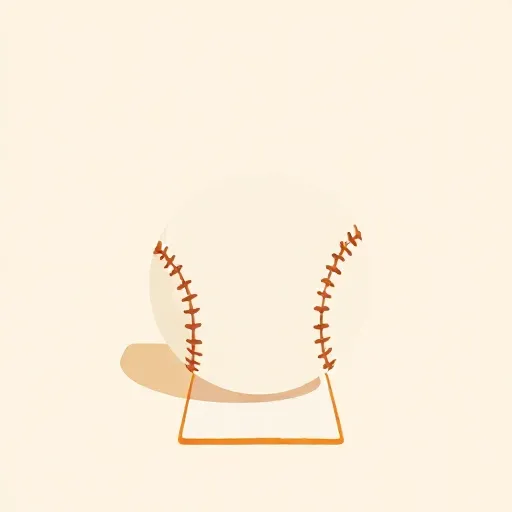
A completely different approach says promises are conventional. No single person can invent a promise on their own — the act only makes sense because there’s a shared social practice, like a game with rules. John Rawls (1921–2002) compared promising to baseball. You can’t “strike out” without the rulebook that defines what a strike is. Likewise, you can’t genuinely promise without the rule of promising: roughly, “If someone says ‘I promise to do X’ in the right circumstances, they must do X, unless certain excuses apply.”
Rawls argued that the obligation to keep a promise comes from a principle of fairness. If you voluntarily accept the benefits of the promising system (for example, receiving promises from others), you are obligated to play your part and keep your own promises. Breaking a promise would be free-riding on a system that helps everyone cooperate.
Earlier philosophers had related ideas. David Hume (1711–1776) said promises are “artificial” — they depend on a human convention and wouldn’t exist outside society. He thought, however, that the moral push to keep them comes from our natural moral sentiments (feelings of approval or disapproval), not from the convention itself. Thomas Hobbes (1588–1679), even earlier, saw promises as a transfer of a right, but claimed they only have force when backed by a powerful state. These mixed views opened the door to today’s clearer conventionalist picture: the whole institution of promising is what gives your promise its power.
Can You Owe Something Just Because Someone Trusted You?

Suppose you tell a friend you’ll help them move on Saturday. They rearrange their schedule, rent a truck, and count on you. If you don’t show up, you’ve caused real harm — not just inconvenience, but a betrayal of the trust you deliberately built. This is the core of expectation theories.
The most famous version comes from T. M. Scanlon (born 1942). He argues that promising is a way of giving assurance. You knowingly lead someone to expect you’ll do something, and they want that assurance. If you then break your promise, you’ve manipulated them unfairly — much like lying. On this view, the duty to keep a promise is really a special case of the wider duty not to deceive or manipulate others. Some versions say the promisee must actually rely on you and suffer a loss; others require only that they trust you, even if no concrete harm results. What unites all these views is the idea that a promise’s moral force comes from the effect your words have on someone else’s mind.
But critics ask: if the duty depends on creating expectations, what happens when no expectation is possible? That question leads to some of the hardest puzzles in the whole debate.
When No One Is Watching
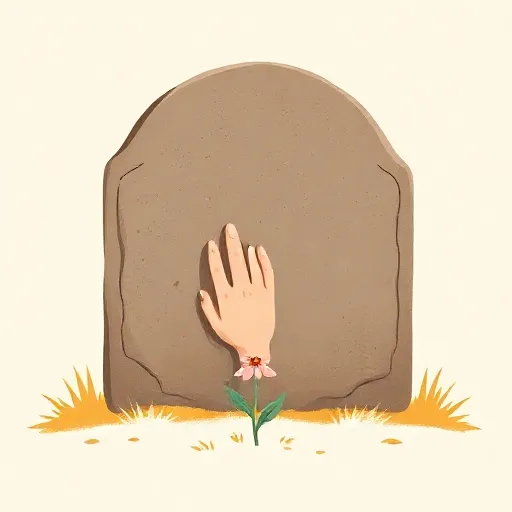
Philosophers love testing theories with tricky cases. Imagine you promise something to a dying relative who passes away before you can fulfill it. They can’t be disappointed, and no one else knows about your promise. Do you still have a duty to keep it? Many of us feel that you do — but expectation theories struggle to explain why, since there is no living person to trust you or be let down.
Then there are promises to yourself: “I promise to practice the piano every day.” If you break that promise, who is wronged? Hobbes pointed out long ago that if you are both the promisor and the promisee, you could release yourself at any moment — so it seems impossible to be truly bound. Yet people behave as if self-promises carry real weight, and some modern philosophers (like Connie Rosati) argue that self-binding is actually the purest form of promising, a way of exercising authority over your own life.
These “problematic promisees” — the dead, the absent, your future self — force each theory to sharpen its explanations. They also connect to the puzzles of vows and oaths. A doctor’s oath or a wedding vow often feels like a promise, but who is the other party? God? Society? The profession? Answering that well is still work in progress.
Why It Still Matters

You don’t have to be a philosopher to use promises every day. You promise to do chores, keep a secret, or show up for a friend. The strength of your word builds trust and shapes your relationships. When promises break, that trust crumbles — and the theory of why helps us decide when it’s truly okay not to follow through.
In the law, contracts are basically formal promises. Courts often decide cases by thinking about whether someone reasonably relied on a promise or whether the promising “game” was played fairly. The debate between normative power, convention, and expectation views plays out in real courtrooms when judges decide what to enforce.
And the questions are bigger than just the law. If a friend’s brain injury means they can no longer form expectations, are you still bound by your promise to them? If a machine says “I promise,” does that mean anything? By digging into what a promise really is, you come to see that a pinky swear on the playground isn’t just a silly ritual — it’s a small doorway into some of the deepest puzzles about human cooperation, morality, and what it means to have a say over your own life.
Think about it
- If you promise yourself you won’t eat candy for a month, is it just as wrong to break that promise as it is to break a promise to a friend? Why or why not?
- Suppose you record a voice message saying “I promise to water your plants,” and your friend plays it while you’re away. Does that recording bind you the same way a live conversation would?
- What would happen in a society where nobody ever felt obligated to keep a promise? Could cooperation still exist, or would everyday life break down?