Philosophy of Language
272 articles
-
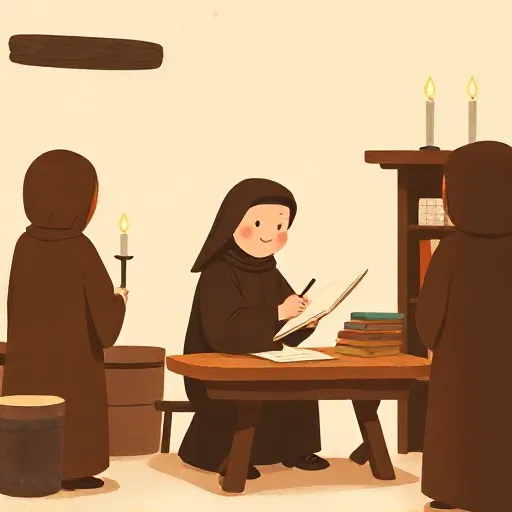
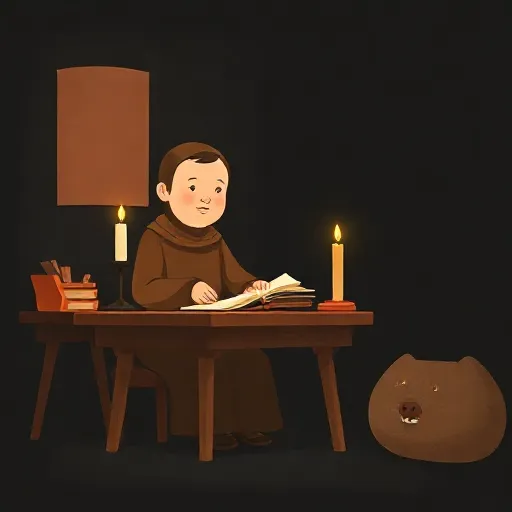
A Monk's Puzzle: How Can the Word 'Man' Mean the Whole Human Race?
How can one word stand for a universal idea, a single person, or all of humanity? Peter of Spain's puzzle shows why context matters in everyday arguments.
-
Are All Necessary Truths the Same One Thought?
Can two sentences that are always true still differ in meaning? If they couldn't, we could never learn anything new.
-
Are Facts Real Things, or Just True Sentences?
Are facts real things in the world, or just true statements? The answer affects how we think about truth, knowledge, and why anything exists.
-
Are Other Worlds Real, or Just Stories We Tell?
Is there a real world where you chose chocolate ice cream, or is that just a story? See how philosophers use pretend worlds to talk about what could be.
-
Are Questions Just Looking for Answers, or Do They Shape Our Thinking?
Are questions just requests for missing info, or do they do more? Find out why asking might be as basic as telling and how it shapes thinking.
-
Are There Invisible Worlds Just as Real as Ours?
David Lewis believed our world is just one of many real possible worlds, each as solid as our own. How does that make sense of talk about “what if”?
-
Are There Only Ten Ways to Exist? A Medieval Mind Says Yes
When you point at a dog, what exactly are you pointing at? Robert Alyngton thought everything fits into ten real categories, like a cosmic filing system.
-
Are There Really Only Ten Kinds of Thing in the World?
Can everything in the universe be sorted into just ten basic boxes? Philosophers have argued about this for centuries, and the answer might surprise you.
-
Are There Things That Don't Exist? The Ronald McDonald Puzzle
You say "Ronald McDonald doesn't exist." But what are you talking about? A 200-year-old fight about reality, fiction, and the words we use.
-
Are There Tiny Unbreakable Bricks at the Bottom of Everything?
Cordemoy shocked Cartesians by arguing matter consists of unbreakable atoms and empty space. His claim that God causes all changes still puzzles.
-
Are Triangles Real? The Medieval Fight Over Universal Ideas
Why can one word like ‘human’ name billions of people? Medieval thinkers argued whether universals exist in things, in minds, or only in words.
-
Are Two Recipes That Always Bake the Same Cake Really the Same Recipe?
When two computer programs do the same thing with different steps, are they the same program? A 1930s logic puzzle that still shapes your apps.
-
Are Words Invisible Hands That Reach Into Someone’s Mind?
How can a few spoken words instantly change what someone thinks or feels? Anton Marty believed words are like mental seeds we plant in each other’s minds.
-
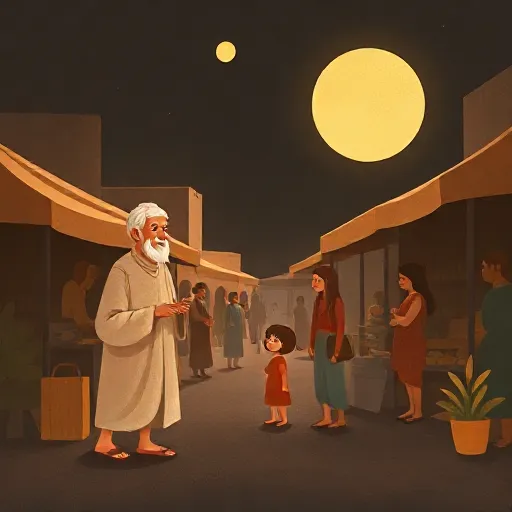
Are Words Like Tools or Just Stickers? An Ancient Debate
Are words natural tools that match their meanings, or just stickers people agree to use? Plato’s dialogue explores an ancient debate with a puzzling twist.
-
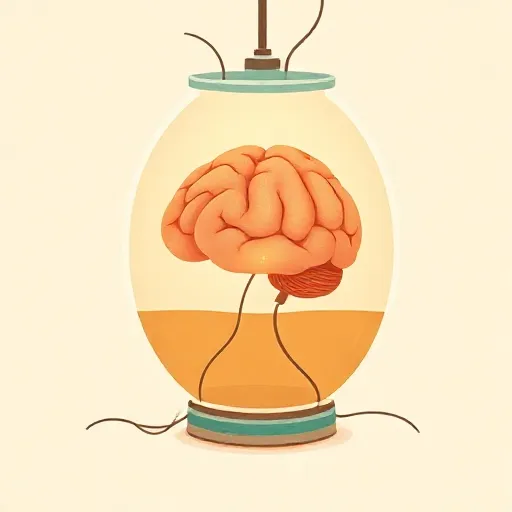
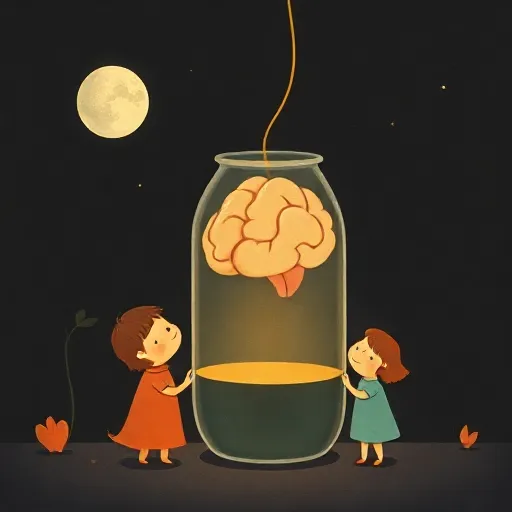
Are You a Brain in a Vat? The Philosopher Who Said You Can’t Be
Could you be a brain in a vat? If you were, you couldn't even think that thought. The scary idea might defeat itself.
-
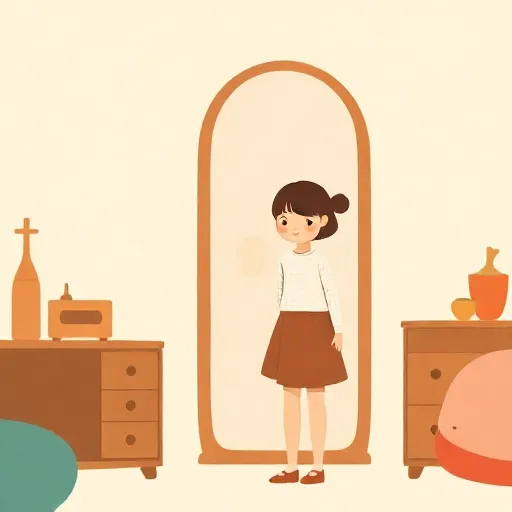
Are You Born a Girl, or Do You Grow Into One?
Are you born a girl, or do you become one? The answer affects laws, schools, and how you see yourself.
-
Are You Born Knowing How to Talk? The Fight Over What’s ‘Innate’
Do we come into the world with a mental starter kit, or is everything learned? The answer matters for understanding language, talent, and what makes us us.
-
Are You Made of Other People? George Herbert Mead's Social Self
Your sense of self might not come from inside you. George Herbert Mead argued it's shaped by conversations and seeing yourself through others' eyes.
-
Are You Pretending When You Say 'Two Plus Two Is Four'?
Is math real, or are we just pretending? Some philosophers think numbers, rules, and even objects are like make-believe. Find out why that idea matters.
-
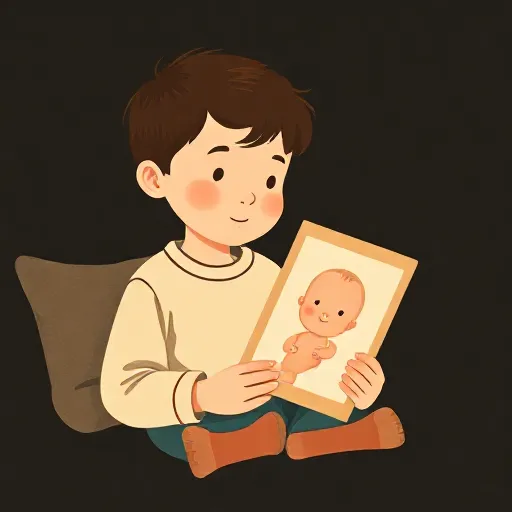
Are You the Same Person You Were Yesterday?
What makes you the same person across time? The answer shapes how we think about promises, punishment, and even your old shoes.
-
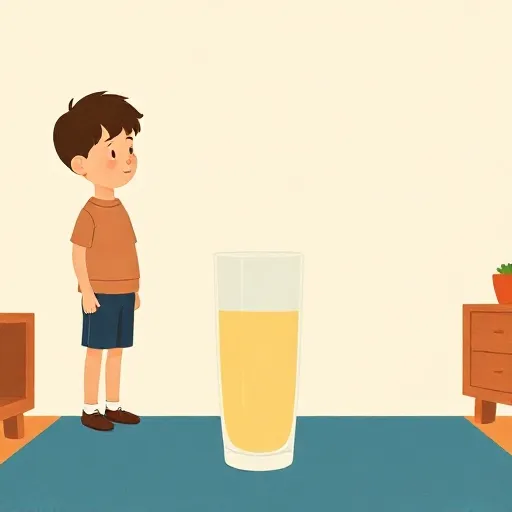
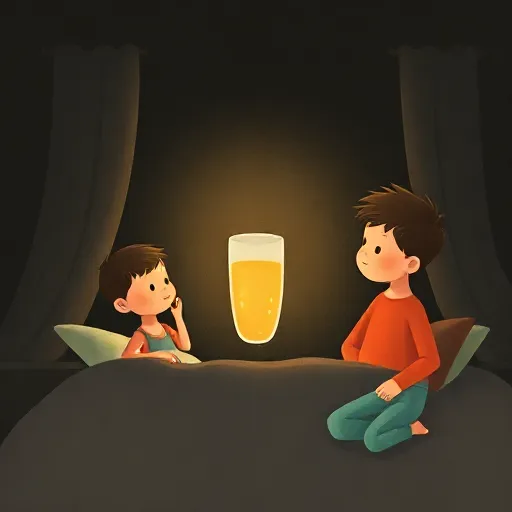
Are Your Thoughts Inside Your Head, or Out in the World?
If an exact copy of you grew up on another planet, would she think the same things you do? Philosophers have been arguing about this for fifty years.
-
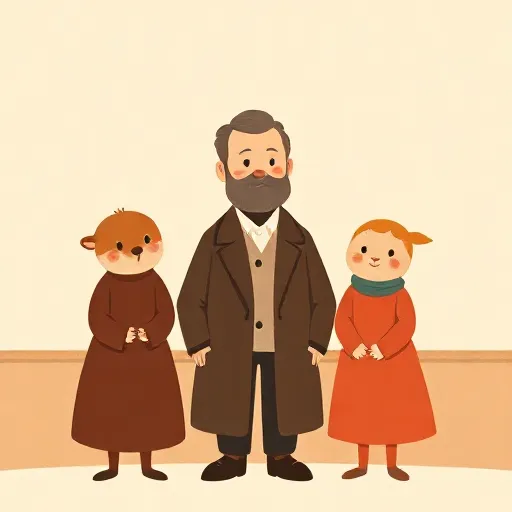
Art Doesn't Copy Nature — It Makes a World
Why does a play feel more alive than a perfect copy of reality? Schlegel's surprising answer: art doesn't imitate nature—it builds whole new worlds.
-
Can “Some” Ever Be Free of “All”?
Can 'some' ever be free of 'all'? Attempts to answer this puzzle led to new ideas about truth and the limits of computers.
-
Can a Computer Ever Truly Understand What You Say?
Can a computer truly understand language? John Searle's Chinese Room thought experiment suggests no, but many experts disagree. The debate is still raging.
-
Can a Computer Ever Truly Understand Your Words?
A 1960s chatbot fooled people by echoing their words. Today's apps are smarter but still miss meaning. Why is human language so tricky for machines?
-
Can a Few Words Create a Real Duty? The Philosophy of Promises
When you say “I’ll do it,” why do you suddenly owe it? Philosophers argue whether promises are a special power, a social game, or something else.
-
Can a Game Tell You What “Every” Means?
Every “all” and “some” hides a tiny battle between two invisible players. Discover how logicians turned truth into a move‑by‑move game.
-
Can a Joke and a Math Problem Be True in the Same Way?
Some philosophers say truth is one simple thing. Others say a scientific fact, a moral claim, and a joke are true in very different ways. Who’s right?
-
Can a Lie Be More Informative Than the Truth?
Can a lie be more informative than the truth? This question makes us rethink what it means to learn from words and why we value truth.
-
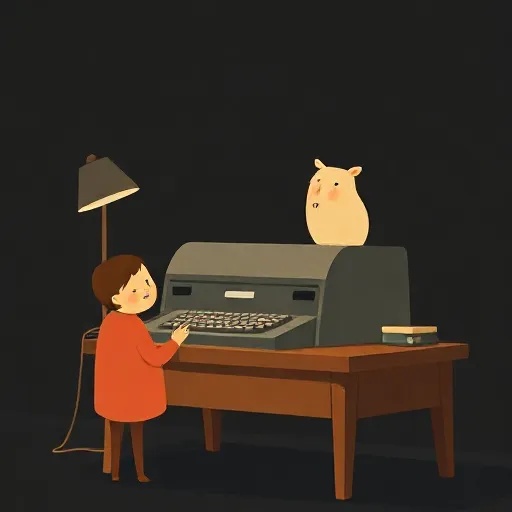
Can a Machine Think? Alan Turing’s Strange Game
In 1950, mathematician Alan Turing proposed a game to decide if a machine could think. His test still sparks arguments about what thinking really means.
-
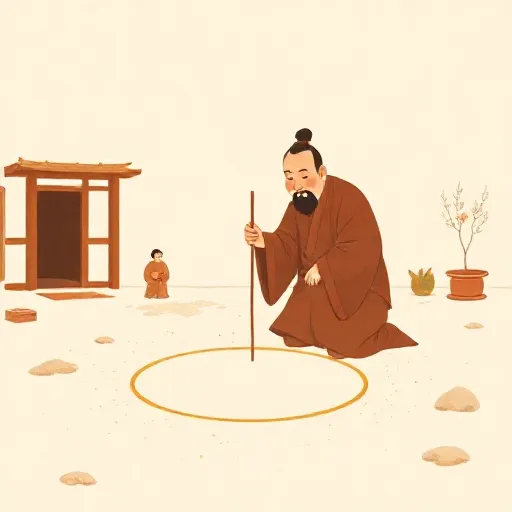
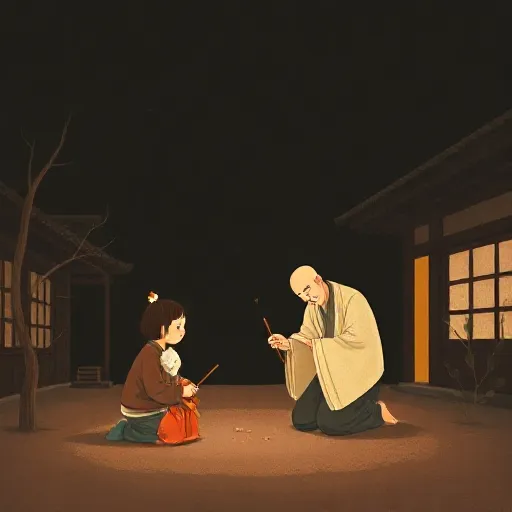
Can a Model Settle Every Argument? The Mohists' Big Idea
Can a model settle every argument? The Mohists thought so, but a puzzle about words and reality got in the way, leaving a mystery that still puzzles us.
-
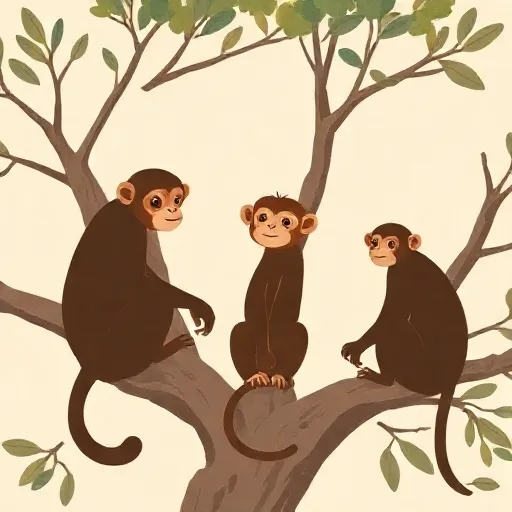
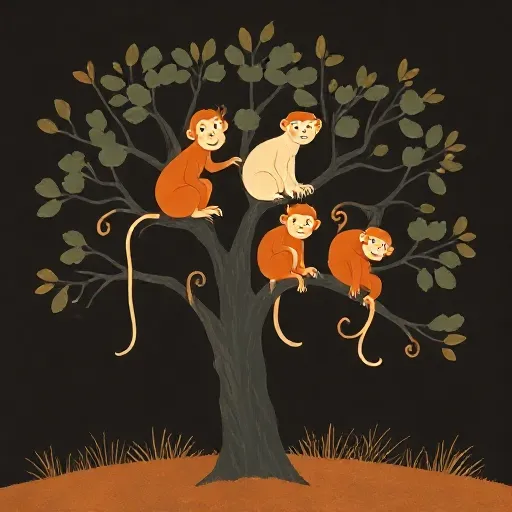
Can a Monkey Mean “Leopard!”?
Do monkey alarm calls mean something like words? And could animals have grammar too? This helps us understand what makes human language special.
-

Can a Number Be Blue? The Mystery of Jumbled Sentences
Why do sentences like 'Saturday is in bed' feel not just false but impossible? Category mistakes show hidden rules of language and thinking.
-
Can a Round Square Be Round? The Impossible Idea That Makes Sense
Can a round square be round? Philosopher Alexius Meinong said yes, and his idea helps us understand how we think about impossible and imaginary things.
-
Can a Sentence Be True and False at the Same Time?
For 2,500 years, philosophers insisted a statement can’t be both true and false. A bold crew says it can — and points to a puzzle called the Liar as proof.
-
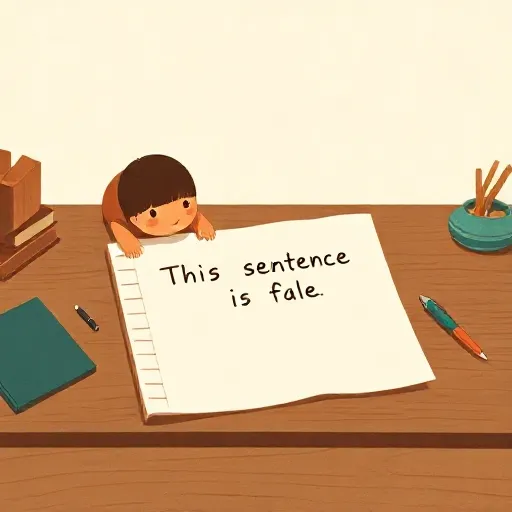
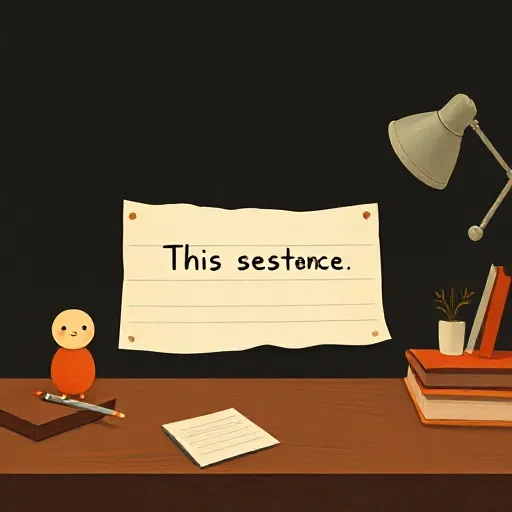
Can a Sentence Break Itself? The Puzzle of Self-Reference
Can a sentence be true and false at once? The liar paradox loops and broke logic's rules, leading to big ideas in math and computing.
-
Can a Sentence Flip Between True and False Forever?
A liar sentence says it's false, and that makes it both true and false. Some philosophers think truth is a process of revising guesses—not a final answer.
-
Can a Sentence Prove That Time Is Infinite?
How can one sentence, using only logic, make you believe impossible things like time is infinite? This paradox reveals a flaw in everyday reasoning.
-
Can a Sentence Really Say It’s False? The Logic of “True”
Philosophers tried to write down the rules for truth and found that it can create impossible puzzles—and surprising new mathematics.
-
Can a Sentence Say "I'M False" Without Breaking Logic?
A simple note that calls itself false leads to a logical meltdown. Philosophers have battled for centuries over what this says about truth and language.
-
Can a Sentence Say It Is False Without Contradiction?
Can a sentence say it's false without creating a loop? If it's true it's false, if false true. See how medieval minds tried to break the cycle.
-
Can a Sentence Tell You It’s True? Alfred Tarski’s Puzzle
Can a sentence declare itself true without creating a logical loop? Alfred Tarski’s discovery reveals a boundary no language can cross.
-
Can a Statement Be False?
A guy walks into town and claims you can't say what isn't. But what about a lie? Plato stages a showdown over a riddle that still shapes how we talk.
-
Can a Statement Be Half-True?
Can a statement be half-true? Many-valued logic lets truth come in degrees, solving ancient puzzles and powering smart machines.
-
Can a True Sentence Stay True Even If the World Is Empty?
If every human disappeared, would 'humans are animals' still be true? A medieval thinker said yes—and his reason reveals how words connect to reality.
-
Can a White Horse Not Be a Horse?
Can a white horse not be a horse? Ancient Chinese thinkers used this puzzle to question how words label things and whether our categories are truly fixed.
-
Can Grammar Tell Us How the World Really Is?
Do the words we use reflect reality, or are they just human-made rules? A 700-year-old debate asks how language shapes our world.
-
Can Logic Crack the Bible’s Code? Joseph ibn Kaspi Said Yes
Can logic uncover hidden meanings in the Bible? Joseph ibn Kaspi thought so, and his daring ideas about faith and reason still spark debate.
-
Can Logic Defeat Confusion? The Polish School That Believed So
In early 1900s Poland, a group of philosophers built a fortress of clear thinking. They invented new logics, redefined truth, and showed why words matter.
-

Can Lois Lane Believe Clark Kent Is Strong?
How can Lois Lane believe Superman is strong but Clark Kent is not, if they're the same person? This puzzle changed how we think about words and meaning.
-

Can Making Up a Word Change What’s True?
Can making up a word change reality? Discover how definitions can unlock new truths or just be empty labels, depending on the rules you follow.
-
Can One Planet Be Two Stars? The Puzzle That Changed Philosophy
Frege wanted to prove that math is just logic. His efforts led to a devastating paradox, but also to a puzzle about why two names for Venus feel different.
-
Can One Word Name a Million Things? Walter Burley’s Unseen World
Can one word like 'dog' name all dogs? A medieval debate asked if a 'dogness' exists in every dog. Their clash changed how we think about words.
-
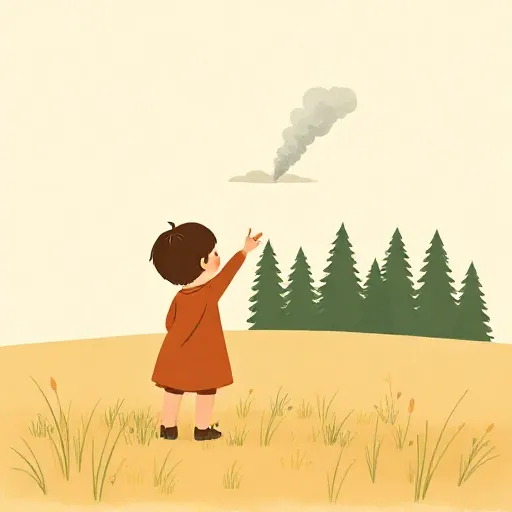
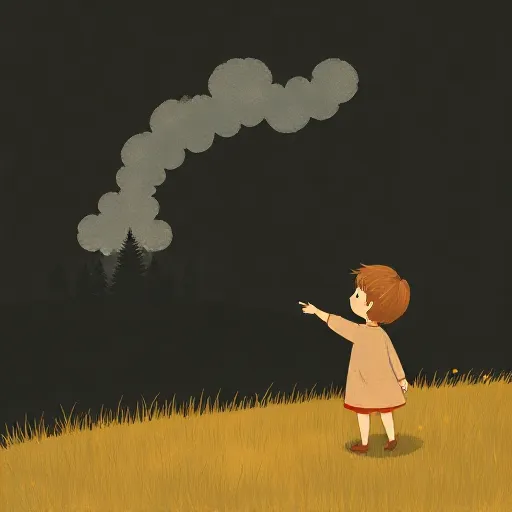
Can Smoke Mean Fire? Charles Peirce’s Wild Theory of Signs
How does a puff of smoke make you think of fire? Charles Peirce’s strange idea of signs shows why your brain treats one thing as standing for another.
-
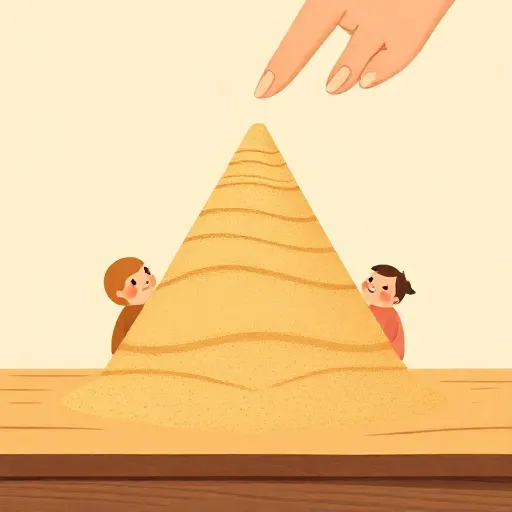
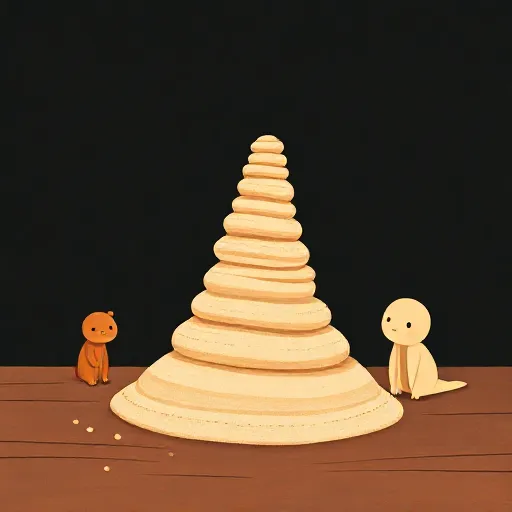
Can Something Be Half‑True? The Logic of Fuzzy Truth
A heap loses grains one by one. When does it stop being a heap? Fuzzy logicians say truth comes in degrees — and they built a logic for “sort‑of.”
-
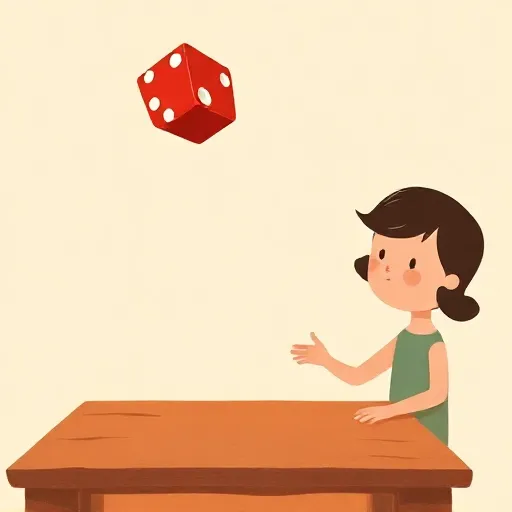
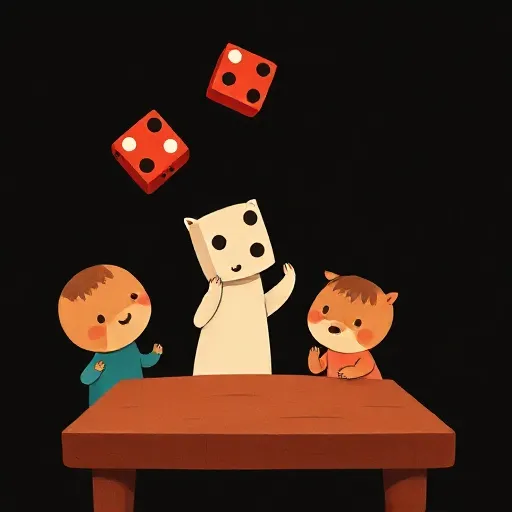
Can Something That Never Happens Still Be Real?
Is a dice roll that never lands on 11 still real? 'States of affairs' exist even if they never happen, shaping how we understand chance.
-

Can Two People Believe the Exact Same Thing?
Can two people ever believe the exact same thing? The ancient puzzle: are shared thoughts real objects or useful fictions, and why it matters.
-
Can We Build a Better Language for Thinking?
Carnap said old words trick us. He designed new, precise language rules to clear up confusion — and said we could choose any rules as long as we're clear.
-
Can We Ever Settle a Moral Argument for Good?
Why can't we agree on right and wrong? Some think moral claims are only feelings. Others say moral facts exist. Can we ever settle moral arguments?
-
Can Words Be Weapons? The Fight Over Hate Speech
When does speech hurt like a punch? Hate speech attacks people for who they are. Some want to ban it, others say to fight words with words. Who is right?
-
Can Words Force You to Agree? The Invention of Logic
Can words force you to agree? The ancient Greeks discovered rules of logic that still shape how we argue today.
-
Can Words Guide Right and Wrong? Ancient China's Debate
Can words guide us to what's right and wrong? Over 2,000 years ago, Chinese thinkers debated this. Discover how their ideas still shape our fairness today.
-
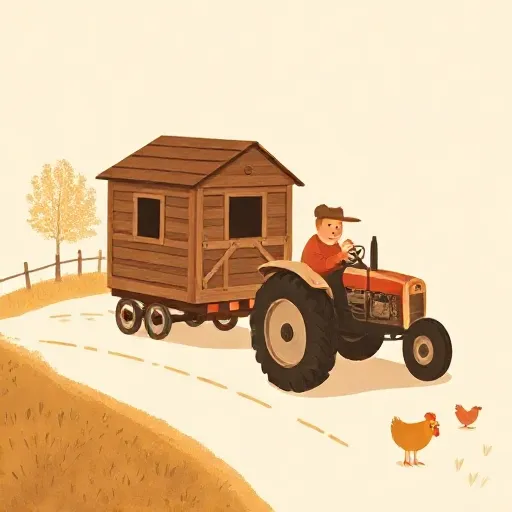
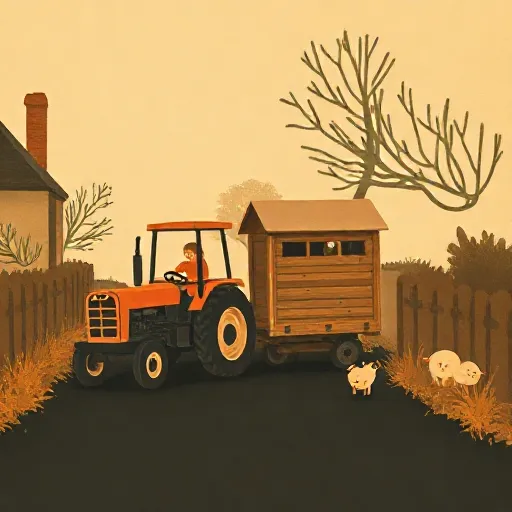
Can Words Make Laws? The Chicken Coop That Drove Philosophy Crazy
Bentham said law is just a sovereign's words. But when a farmer put iron wheels on a chicken coop, judges had to decide what a 'vehicle' really means.
-
Can Words Shape Thought? Humboldt's Radical Idea
Can your words change how you think? Humboldt's radical idea: language doesn't just name thoughts, it builds them.
-
Can You Become a Buddha Right Now, in This Very Body?
Can you become a Buddha in this very body? Kūkai believed yes, by using gestures, chants, and symbols to awaken to the enlightenment already inside you.
-

Can You Build the Whole Universe Out of Simple Facts?
Can simple facts build the universe like Legos? Russell's logical atomism says yes. Analyzing language exposes hidden assumptions about reality.
-
Can You Define Truth? These Philosophers Said Don’t Even Try.
Thinkers from ancient China to modern labs have tried to define truth. Some say it's impossible — and that may be the key to understanding our minds.
-
Can You Ever Really Say What “Good” Means?
Philosopher G.E. Moore argued we can never define 'good'—even happiness might not be good. This sparked debate: is goodness real or just a feeling?
-

Can You Invent a Language Only You Understand?
Wittgenstein's diary thought experiment shows why a word that gets its meaning from a private inner feeling might not be a word at all.
-
Can You Know Your Own Thoughts? The Twin Earth Puzzle
If Twin Earth has different water, can you know your own thoughts? This question asks if your mind needs to check the world to know itself.
-

Can You Prove a Computer Program Will Never Crash?
Testing a program just tries a few inputs. But logicians found a way to prove that your code always works, using a tool called dynamic logic.
-
Can You Say Something True About a Thing That Doesn’t Exist?
Can a sentence be true if what it's about isn't there? The ancient Square of Opposition reveals why what we assume exists matters.
-
Can You Search for Superman Without Searching for Clark?
If Lois looks for Superman, is she also looking for Clark Kent? Swapping names sometimes changes what's true, puzzling us about words and thoughts.
-
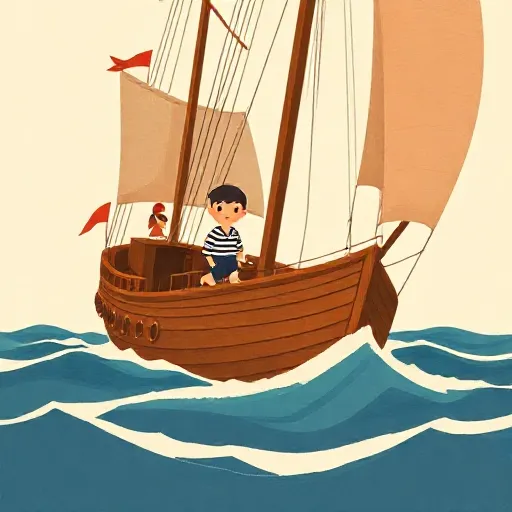
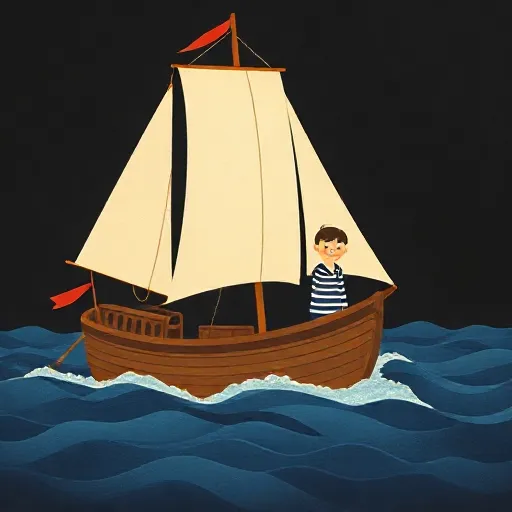
Can You Start Your Beliefs from Scratch? Neurath Says No
Why can't you start your beliefs from scratch? Neurath's boat: we fix our knowledge like a ship at sea, never jumping off.
-

Can You Talk About Something You've Never Seen?
How do words for invisible things like heat get meaning? A philosopher's puzzle shows why testing scientific theories is trickier than it looks.
-
Can You Tell a Lie Without Trying to Deceive?
Can you lie without trying to deceive? Most say no, but some philosophers say you can—by stating what you know is false, even if nobody is fooled.
-
Can You Think About a Unicorn? The Strange World of Nonexistent Things
Can you think about a unicorn if it doesn't exist? Philosophers say this puzzle changes how we understand truth and stories.
-
Can You Think Directly About People, or Only Through Descriptions?
Do you think about people directly, or through mental descriptions? This puzzle about names and identity reveals how thoughts reach the real world.
-
Can You Think Without Pictures? The Munich Philosophers Who Said Yes
Can you think without pictures? In 1900 Munich, thinkers argued logic isn't just mind stuff; promises aren't feelings but real. Their ideas still surprise.
-
Can You Trust That the World Is Real? A Medieval Puzzle
If you can only know the pictures in your mind, how can you be sure anything outside is real? A 14th-century monk's bold answer still makes us wonder.
-
Can You Trust Your Senses? A Thinker's Answer
Gaṅgeśa said we have four ways of knowing—seeing, reasoning, comparing, and trusting experts—but they can still fool us. His system still matters.
-
Can Your Hands Show What Words Keep Hidden? The Logic of Sign Language
How does sign language use points in space to track who is who, like invisible name tags? It might show that language is partly built from pictures.
-
Could a Machine Think? Hobbes Said Yes, 300 Years Before Computers
Can a machine think? Thomas Hobbes believed thinking is just adding and subtracting in the brain, an idea that still shapes robots and AI today.
-
Could Something That Never Happened Still Be Real?
Could something that never happened still be real? Discover how possible worlds make sense of imaginary objects and why it's a puzzle.
-
Could the Evening Star Have Turned Out Not to Be the Morning Star?
Could the evening star have really not been the morning star? A simple name overturned centuries of thinking about necessity, identity, and the mind.
-
Could There Be a Purple Elephant? Ruth Barcan Marcus Says No
When you imagine a purple elephant, does that elephant exist somewhere? Marcus said no—and rewrote the logic of possibility to prove it.
-
Could There Be Real Worlds Where Dogs Fly and You're a Rock Star?
Could there be a world where dogs fly and you're a rock star? Exploring possible worlds helps us understand why words like 'must' are so tricky.
-
Could You Have Had a Dragon? The Argument Over Shadowy Things
Do things that could have happened but didn't, like a pet dragon, exist in some way? This question shapes how we think about imagination and stories.
-
Did Frege Invent Modern Logic Twice?
Why did Frege invent modern logic twice? His two logics treated names and sentences differently, revealing puzzling questions about what logic is.
-
Did Humans Invent Language, or Did It Always Exist?
Did humans invent language, or has it always existed? Ancient Indian thinkers debated this, and their answers change how we think about truth and trust.
-
Do We Learn Language Like Tricks? The Great Debate
How do children learn to speak? Some say we're born with grammar rules; others say we learn by trial and error. The debate reveals how minds work.
-
Do We Live in One World, or in Many?
We use stories, science, and art to make sense of the world. Do we live in one world or many? Cassirer says many—and warns when myth becomes a weapon.
-
Do Words Build the World You See? Herder’s Radical Idea
Most people think words just express ideas. Herder argued words actually shape what we can think — and that’s why understanding others is so hard.
-
Do Words Hide the Real Shape of Your Thoughts?
Do sentences disguise how your thoughts really work? Uncover the hidden logical shape behind everyday language that reveals if an argument is truly solid.
-
Do Words Invent Reality? The Hidden Philosophy in How You Talk
Are holes, shadows, and mistakes real? Language might trick you. Some thinkers say grammar hides secrets about reality. A mystery for curious minds.
-

Do Words Just Describe, or Do They Make the World?
Ever wonder if words can actually do things? Philosopher J. L. Austin showed that saying 'I promise' isn't describing—it's an action that changes reality.
-
Do Words Really Make Things Happen? The Philosophers Who Say Yes
You say “I promise” and suddenly you owe someone something. How can a few sounds change reality? Philosophers have been puzzling over this for a century.
-
Do Your "What Ifs" Really Mean What You Think?
Can a 'what if' thought be true even if it never happened? Finding out is tricky and changes how we see causes and decisions.
-
Do Your Genes Carry a Secret Message?
Do genes and animal calls carry real information, like a message, or just cause and effect? This shapes what we can predict and what counts as talk.
-
Does 'I Know' Change Meaning When Someone Raises the Stakes?
You say you know the bus schedule, but doubt yourself when a skeptic asks tricky questions. The surprising idea that knowledge depends on the conversation.
-
Does 'Wisdom' Exist? The Radical Idea of Reism
Do things like wisdom and justice exist only as words? This question changes how we see the world and keeps us from being tricked.
-
Does English Really Exist, or Is Language Just in Your Head?
Is English a real thing outside your mind, or just thoughts in your brain? This question changes how we think about talking, learning, and smart machines.
-
Does Learning One New Fact Change the Meaning of Every Word?
Can learning one fact change what every word means? Meaning holism says yes, so we might never truly disagree.
-
Does Logic Force You to Believe in Numbers?
Do numbers really exist, or are they just ideas? See how logic and language tricks fuel a big philosophy fight that matters for what we think is real.
-
Does Saying "You Ought to Do It" Really Mean "Do It"?
Is saying 'you ought to' describing a fact or giving an order? R.M. Hare said it's a command, and that changes how we argue about right and wrong.
-
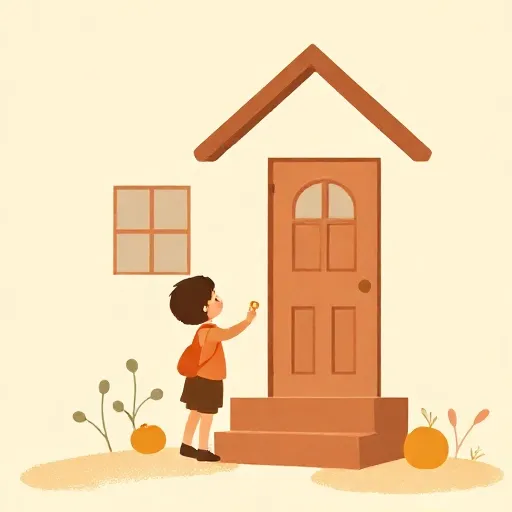
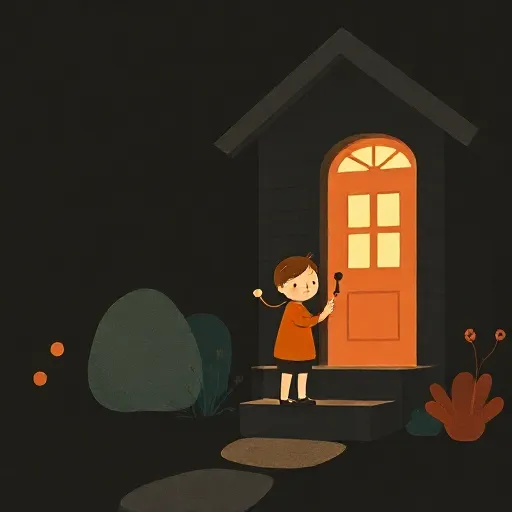
Does the Word 'If' Sometimes Flip Meanings?
Does 'if' always mean what logic says? Explore how a simple key-and-door puzzle shows that language can flip our ideas about what must be true.
-
Does the World Decide What You're Thinking?
Does the world decide what you think? Your thoughts might not be just in your head—they could depend on things like a notebook or your surroundings.
-
Does Truth Mean Matching the Real World?
Does truth mean matching the real world? If so, how can we ever check if our ideas match? A tricky question that has puzzled deep thinkers for centuries.
-
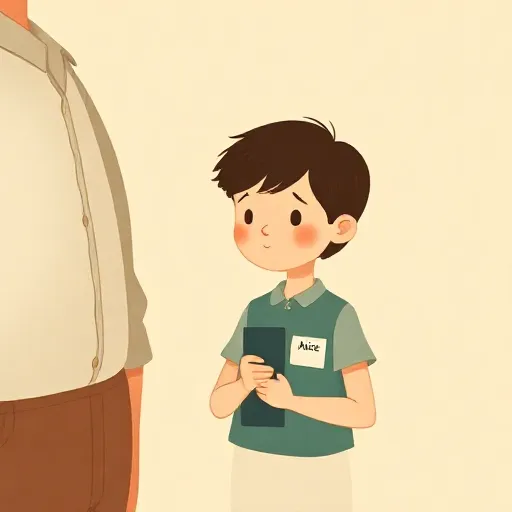
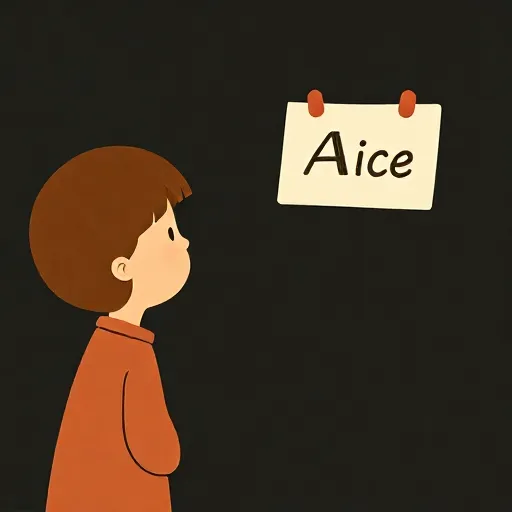
Does Your Name Mean Something, or Is It Just a Tag?
Does the word 'Alice' carry a secret definition, or does it just point to a person? Philosophers have argued for centuries about what names really mean.
-
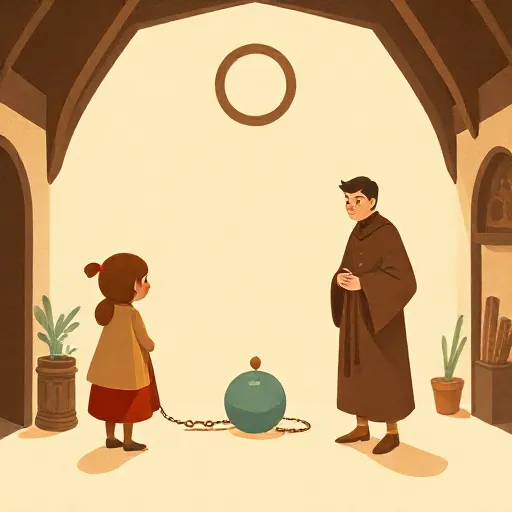
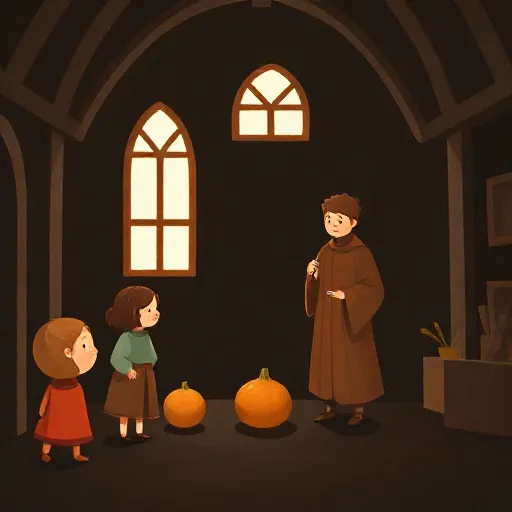
Every Time You Say "Man", Who Do You Mean?
How can the word "man" mean a knight, all of humanity, or the word itself? Medieval thinkers uncovered rules that stop language from turning into nonsense.
-
Hawks, Doves, and the Evolution of Cooperation
Why do some animals fight to the death while others just show off? Evolutionary game theory reveals the hidden logic behind conflict and cooperation.
-
How a Cup of Coffee Built Modern Democracy
What do 1700s coffee houses have to do with democracy? They sparked a new power—public opinion—that still matters.
-
How Can You Search for a Unicorn That Doesn’t Exist?
Why can we say we're searching for a unicorn without proving it's real? A mathematician discovered the hidden rules of language that explain this puzzle.
-
How Can You Think About Something That Doesn't Exist?
How can we think about dragons or future snow? This article explores why thoughts about things that don't exist are puzzling and fascinating.
-
How Do Words Make Truth? The Puzzle Inside Sentences
How do words make true statements? Simple sentences hide rules called functions. The puzzle: can a rule apply to itself? The answer reshaped logic.
-
How Do Words Mirror the World? A 10th-Century Genius Explains
Al-Fārābī asked how languages grow from pointing to poetry, and why logic helps us think together. His surprising answer still shapes debate today.
-
How Do You Know If the Couch Fits? And Other Mysteries of Possibility
How can we tell what's possible? Our brains use logic, daydreams, and the laws of nature to map out what might happen.
-
How Do You Know That Everyone Knows You Know?
How does knowing that everyone knows something help us coordinate? Tiny gaps in what we know about each other's knowledge can break everything.
-

How Do You Know What 'It' Means? The Hidden Mental Maps of Language
How does your brain instantly know who 'he' and 'it' refer to in tricky sentences? The answer reveals that we build mental pictures of stories.
-
How Do You Understand Sentences You’ve Never Heard Before?
You understand brand-new sentences instantly. The secret might be a rule called compositionality — but tricky examples show it’s not so simple.
-
How Do Your Words Reach Out and Touch the World?
You say "Boris likes to party" and your friend knows exactly which Boris you mean. How? The century-old puzzle of how words hook onto things.
-
How Does a Sentence Change What You Know?
How do pronouns like 'he' work? Instead of just labeling, they rely on how each sentence quietly updates what you know.
-
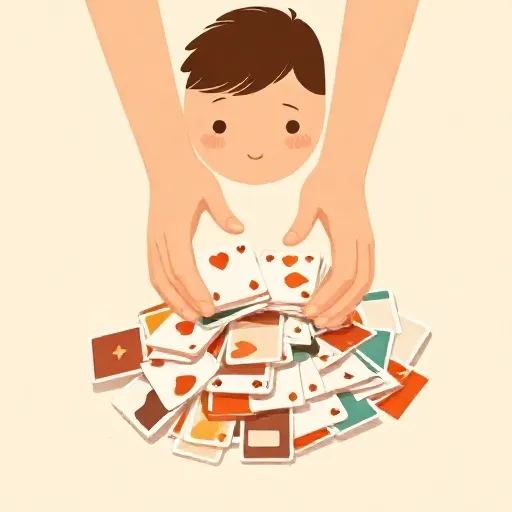
How Many Things Are on Your Desk?
Counting seems simple until you ask: is a deck of cards one thing or 52? The answer changes depending on what word you use to sort objects.
-
How Sneaky Words Fool Your Brain — And How to Fight Back
Susan Stebbing showed how politicians and scientists trick you just by picking certain words. Her tools for spotting those tricks still work today.
-
How to Banish Variables from Logic Forever
Schönfinkel found a way to rewrite logic using a single symbol and combinators, tiny functions that can even apply to themselves—making variables obsolete.
-
How to Talk About a King Who Isn’t There
Russell said a sentence like “The king of France is bald” hides three smaller claims. That idea launched a fight over language, reality, and unicorns.
-
If It’s True in All Possible Worlds, Why Do We Need a Lab to Find It?
Are some facts always true but only discoverable in a lab? This puzzle separates what is necessary from how we come to know it.
-
If You Didn’t Build It, You Don’t Really Know It
Why did Vico think we can only know things we make, like laws and languages? His idea sparked a new science of history that still shapes our thinking.
-
If You Take Away Everything Accidental, Are We All the Same?
A medieval monk had two wild answers to the puzzle of what makes you you. His student tried to destroy him — but the ideas survived.
-
Is 'Good' Just Another Word for 'I Like This'?
Is saying something is "good" just a fancy way of saying "I like it"? This idea might explain why moral arguments can feel impossible to settle.
-
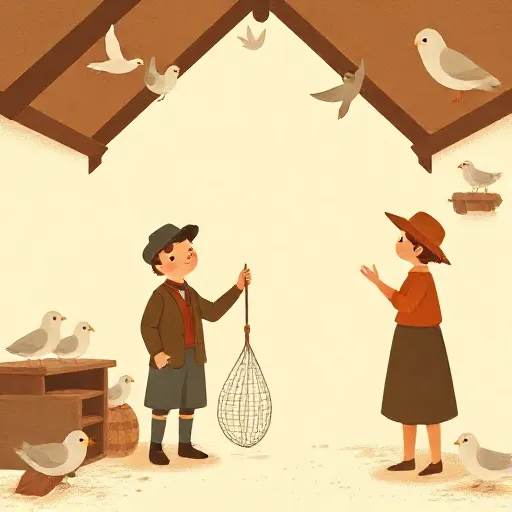
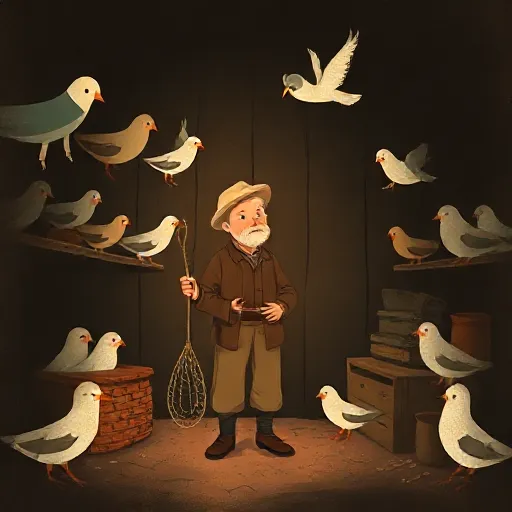
Is 'He Is Killing All of Them' True? The Game of Model Theory
A mysterious sentence about a pigeon-killer reveals a powerful idea: truth depends on interpretation. This is model theory, and it changed math and logic.
-
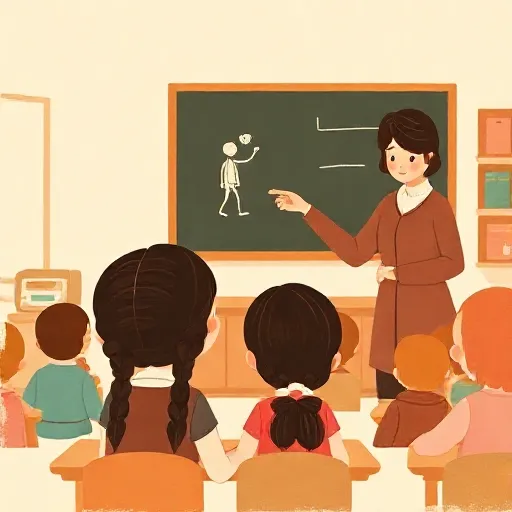
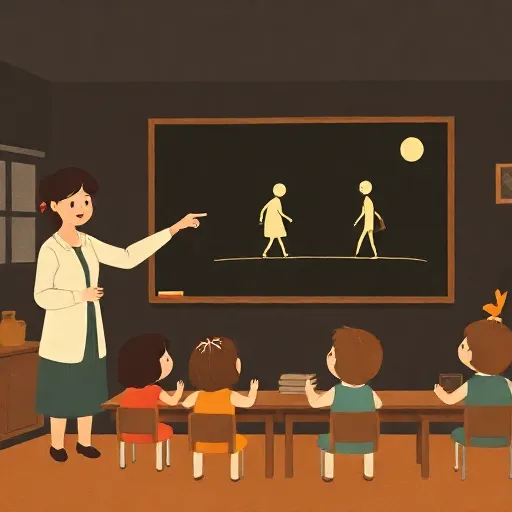
Is ‘He’ Really for Everyone? How Words Can Hide Women
The little word ‘he’ was supposed to include girls. But research shows it makes us think only of boys. Why feminists say language matters.
-
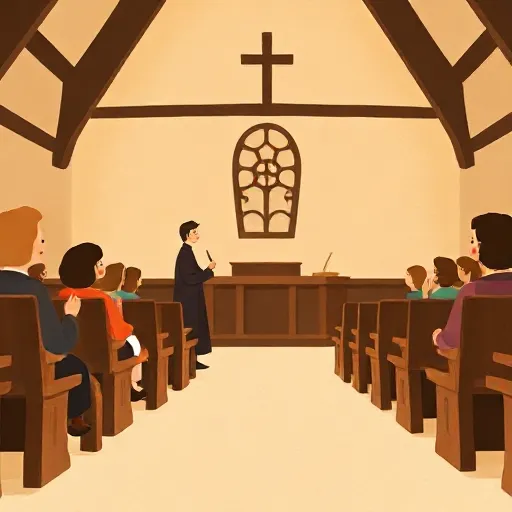
Is 'Humanity' a Real Thing? The Medieval Battle Over Universals
Is 'humanity' a real thing or just a handy word? Medieval thinkers argued fiercely, and their ideas still shape how we see language today.
-
Is 'Murder Is Wrong' Just Another Way of Saying 'Boo!'?
Can we prove murder is wrong? Or is it just a feeling, like shouting 'Boo!'? A.J. Ayer's answer still sparks debates about truth and feelings.
-
Is ‘Rose’ the Same Word Every Time You Write It?
How many words in ‘Rose is a rose is a rose is a rose’? Three or ten? It hinges on a hidden distinction: the general type versus its concrete tokens.
-

Is ‘Sherlock Holmes Is a Detective’ Actually True?
Can we say 'Sherlock Holmes is a detective' is true if he isn't real? Logic needs a special kind for empty names, which affects fiction and computers.
-
Is 'Stealing Is Wrong' a Fact, or Just a Feeling?
When you say something is wrong, are you stating a fact like 'grass is green' or just showing your emotions? A century-old debate in philosophy.
-
Is ‘Taller’ Something Real, or Just a Way of Talking?
Is 'taller' a real thing or just a way of talking? Philosophers fought over this for centuries, and their debate shapes how we understand the world.
-
Is "Yes or No" the Only Way to Think?
Is yes-or-no thinking enough? Life is full of maybes. Discover how logic evolved from simple switches to tackling life's trickiest questions.
-

Is a Dog Still a Dog if It Looks Like a Raccoon?
Why do we call a surgically altered dog a dog, not a raccoon? It's all about concepts—the hidden mental tools that shape how we think, learn, and judge.
-
Is a Donut Hole a Thing? The Fight Over Nothing
Is a hole a real thing? Philosophers debate whether holes are just shapes or actual objects made of nothing, making us rethink what 'existing' means.
-


Is a Golden Mountain Really Golden? John Findlay’s Answer
John Findlay argued a golden mountain is golden even if it doesn’t exist. He also created a logic for time and imagined a perfect world beyond shadows.
-
Is a Number a Real Thing? The Fight Over What Objects Are
Is a number as real as a table? Some say everything is an object, others argue numbers and colors aren't things. It's a puzzle about what exists.
-

Is a Table Really a Table, or Is It All Just Sounding Smart?
Do tables exist or just atoms? Some say it's a word game. The real puzzle might be about the question itself, not tables.
-
Is a True Thought the Same Thing as a Fact?
Is a true thought the very same thing as the fact it's about? Some philosophers say yes, and it's a mind-bending idea.
-
Is a Word Just a Sound? Peter Abelard’s Fight Against Invisible Things
A brilliant 12th-century monk fell in love, lost everything, and argued that only inner intentions count — and that universal ideas are just words.
-
Is a Word’s Meaning in Your Head, or in the World?
Cratylus thought ‘horse’ naturally sounds like a horse. Putnam said water would be something else on Twin Earth. What really gives words their meaning?
-
Is Forgiveness More Than Just a Feeling?
Does forgiving mean you stop feeling mad, or do you have to say 'I forgive you'? This debate changes how we handle when someone hurts us but isn't sorry.
-
Is Goodness Real, or Just a Fancy Way of Saying ‘I Like It’?
Why do we say pizza is good? Is it just an opinion, or does goodness really exist? Dive into the debate that stumped Bertrand Russell.
-
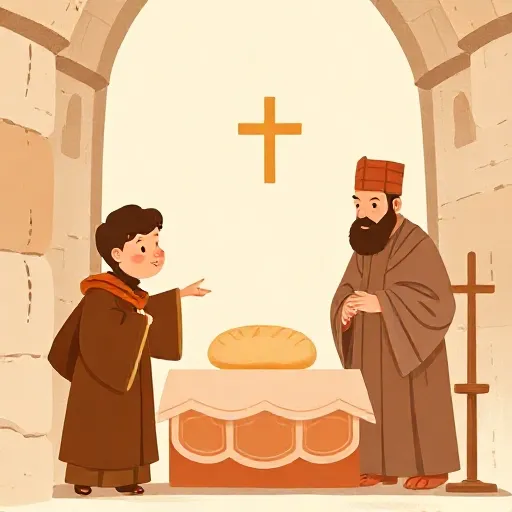
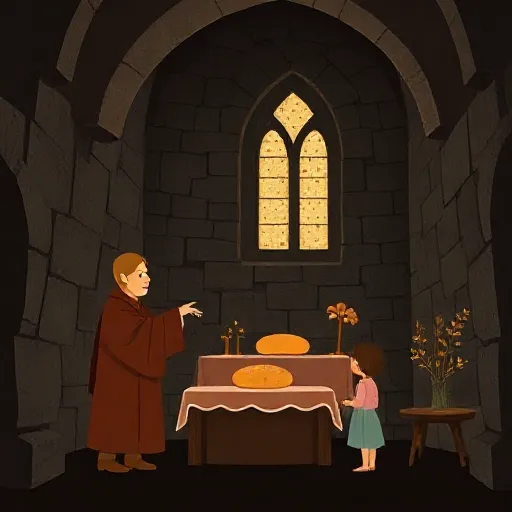
Is Humanity a Real Thing, or Just a Word? The Priest Who Said Yes
Do words like 'human' name a real, invisible essence? A priest's answer challenged popes and kings, and shook the medieval world.
-
Is It Possible That More Than One Logic Is Correct?
Could two opposite rules of reasoning both be correct? That's the surprising claim of logical pluralism—and it's a real philosophical puzzle.
-
Is Language a Thing in Your Head, or Something You Do?
Some linguists dig through billions of spoken words. Others search for a hidden code in your mind. A three-sided debate about what language even is.
-
Is Logic a Game of Asking and Giving Reasons?
Is logic really a game of asking and giving reasons? Find out how arguing like playing a game can show if a claim is always true.
-
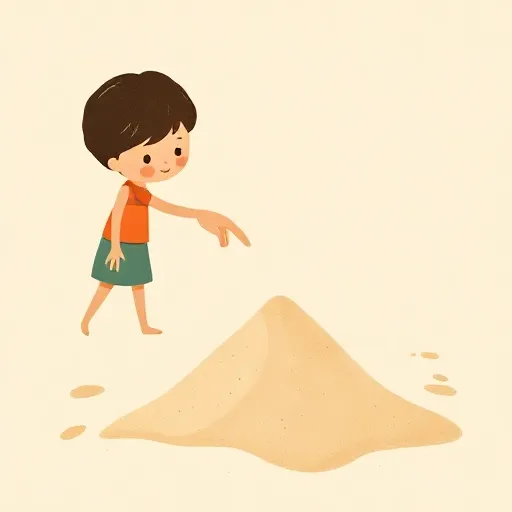
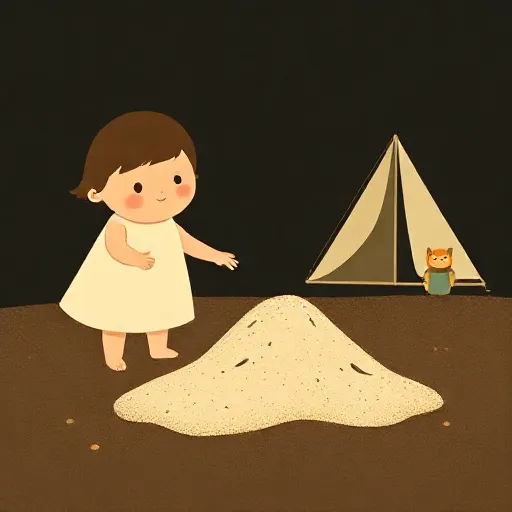
Is One Grain the Difference Between a Heap and Just a Pile?
When does a heap stop being a heap if you remove sand grain by grain? The sorites paradox shows how fuzzy words like heap or tall create tricky puzzles.
-
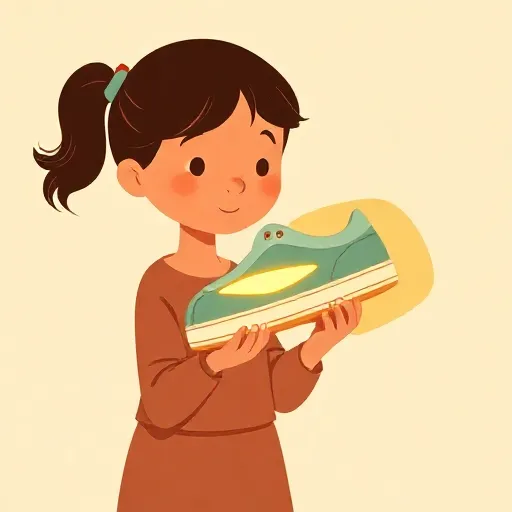
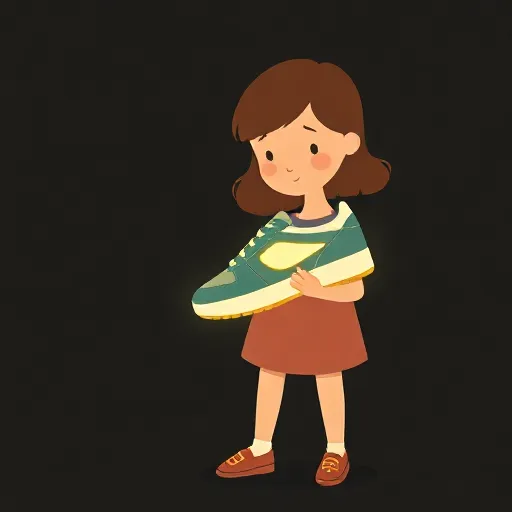
Is Reality Fading Into Screens and Sneaker Logos?
Why do sneaker logos cost extra? It's about more than shoes—it's about the messages we send. See how brands and screens can blur what's real.
-
Is That Desk Really One Thing, or Just a Swarm of Atoms?
Is a desk one solid object or a swarm of atoms? Philosophers disagree, and their ideas might change how you think about everyday things.
-
Is That Voice in Your Head Really Talking?
Is the voice in your head real talking or just a mental echo? Find out why philosophers disagree and how it affects how we think and hear voices.
-
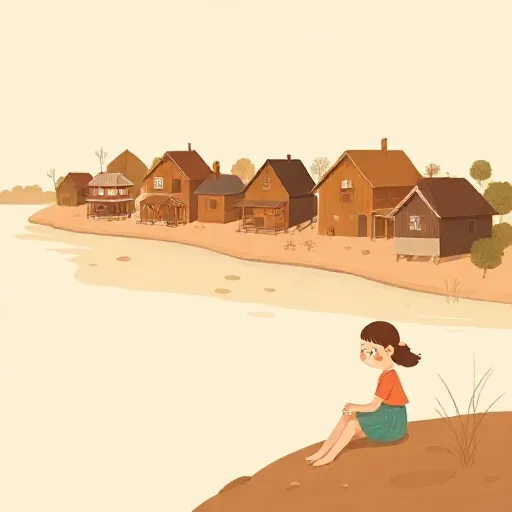

Is the Village Floating? How Words Get Extra Meanings
What does "the village is on the Ganges" really mean? Indian philosophers argued for centuries about hidden layers in language.
-
Is the World Just a Game We Forgot We’re Playing?
Some philosophers say reality is made of stories no one wrote, and we’re all just characters playing along. But what if the stories are falling apart?
-
Is the World Still There When You Close Your Eyes?
If no one ever finds out whether Socrates sneezed in his sleep, is there still a fact? Realists say yes. Anti-realists aren't so sure.
-
Is There a Hidden "Blueness" in Every Blue Thing?
Buddhist thinkers Dignāga and Dharmakīrti said no — only fleeting moments are real. Their clever theory explains how words work without invisible sameness.
-
Is There a Pure Moment, or Is Everything Already a Trace?
Jacques Derrida argued that nothing is ever purely itself—not a moment, a secret, or a nation. His weird ideas still challenge us today.
-
Is There a Secret Door That Only Philosophy Can Open?
Quine tore down the idea that some truths are 'true just by meaning.' That changed how we think about knowledge, language, and reality.
-
Is There a Secret Language Hidden Inside Your Brain?
Do we think in a secret mental code, like words in our head? This debate shapes our understanding of minds, learning, and AI.
-
Is There a Secret Rulebook Hidden Inside Every Word?
Do words secretly tell you how you must use them? The answer affects how we see language, mistakes, and science.
-
Is There One Right Way to Live? Zhuangzi Said No
Two thousand years ago, a Chinese thinker argued that the universe offers countless paths, but no one can tell you which one is truly correct.
-
Is There One Right Way to Think? The Battle Over Logic
Is there just one correct way to reason? Discover why logicians built a perfect thinking language and why it sparked a debate that still matters today.
-
Is Truth a Thing? Frege's Strange Idea That Changed Logic
Is truth just a word we use, or a real thing? Frege said truth is an object, and that strange idea still makes us wonder what truth really is.
-
Is Truth Something We Discover, or Something We Make?
Is truth like a hidden treasure we uncover, or like a game we invent? This question affects how we see science, honesty, and what’s real.
-
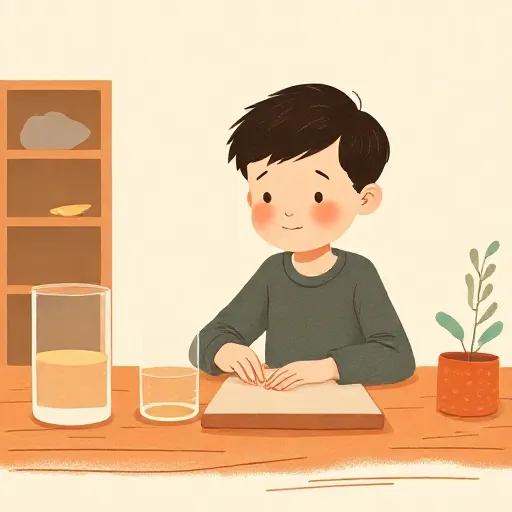
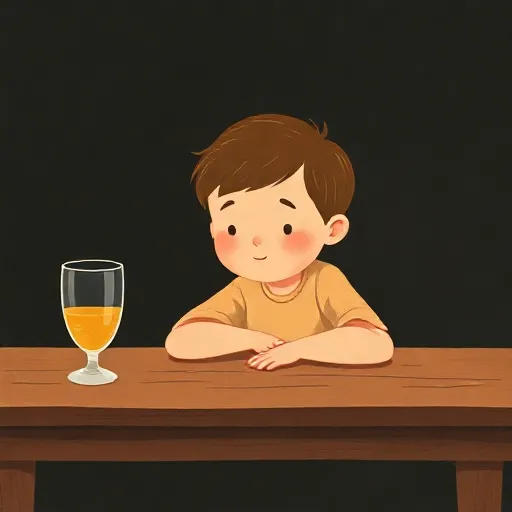
Is Water Just a Bunch of Tiny Things, or Something Else?
You can count chairs but not water. Philosophers argue whether the world is made of things, stuff, or both—and why it matters.
-
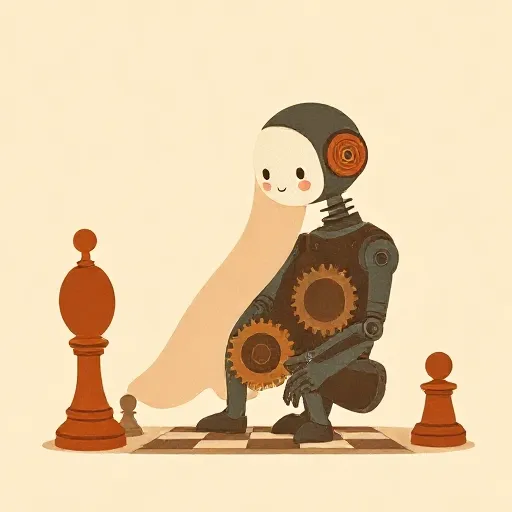
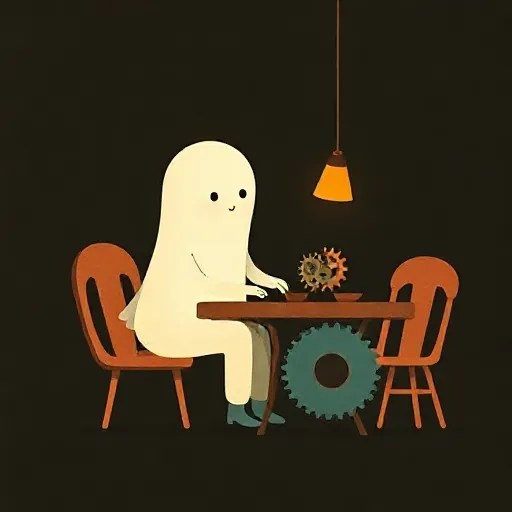
Is Your Mind a Ghost Hiding Inside a Machine?
Descartes said the mind is a secret inner self pulling the body’s levers. Gilbert Ryle showed this picture leads to a big mistake. What is the mind really?
-
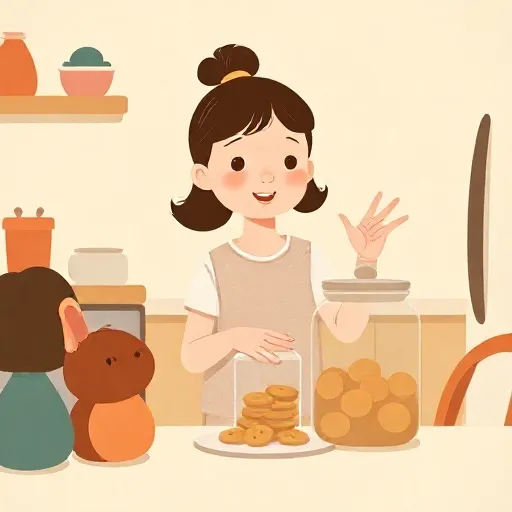
Reasons Are Causes, But Minds Aren't Machines
Why do we do what we do? Donald Davidson says your reasons are the actual causes of your actions, but your mind can't be fully predicted by science.
-
Seeing vs. Thinking: The 800‑Year Tibetan Debate That Isn’t Over
When you see blue, does your mind just take a picture or does it rule out not-blue? An 800-year Tibetan debate that still shapes how we think and talk.
-
Sherlock Holmes Isn’t Real… Or Is He?
Does Sherlock Holmes exist? Some say he's just a story, but others argue he's real in a strange way. This puzzle makes us question what 'real' even means.
-
Should Judges Read Minds or Just Read the Words?
When a law is confusing, what should a judge look for? The secret plan behind it, or just the plain words? It's a fight about where the law really lives.
-
The 13th-Century Teacher Who Solved the Mystery of "Every"
Sherwood said "every" demands three things and "is" has two meanings. His logic tricks still shape how we think about words.
-
The 2,500-Year Hunt for the Glue of Thought
What makes a word like 'and' logical? The 2,500-year hunt for the answer reveals how arguments work, and the puzzle isn't settled yet.
-
The Day Someone Invented a Word That Destroyed Logic
What if a new word could prove the moon is made of cheese? The story of 'Tonk' shows why logical words need special rules.
-
The Forgotten Monk Who Solved the Mystery of What Words Point To
How do words like 'cat' hook onto the world? A 13th-century monk named Lambert found a clever answer that still shapes how we think about meaning.
-
The Grammar Rebel Who Tried to Plow Up All of Philosophy
Lorenzo Valla said most philosophy was just bad Latin and nonsense words. His fight over language, logic, and pleasure still matters.
-
The Little Symbol That Almost Saved Mathematics
How did a tiny symbol try to make math safe from contradictions, and what surprising uses did it find?
-
The Logic Trap That Made a Famous Philosopher Admit Defeat
Can logic rely on words alone, or does it need real things? Discover the medieval argument that forced a great thinker to admit his system was flawed.
-
The Parisian Teacher Who Believed Grammar Holds the Key to Reality
How does the structure of language mirror reality? A 700-year-old teacher's surprising idea reveals why we can express thoughts and make choices.
-
The Philosopher Who Thought Your Name Could Change the World
How does simply hearing your name change the moment? Eugen Rosenstock-Huessy believed speech creates our world, not just describes it.
-
The Philosophers Who Chased Clarity Across Latin America
How did Latin American philosophers turn thinking into a tool as sharp as science? Their secret groups and new ways of logic helped defend human rights.
-
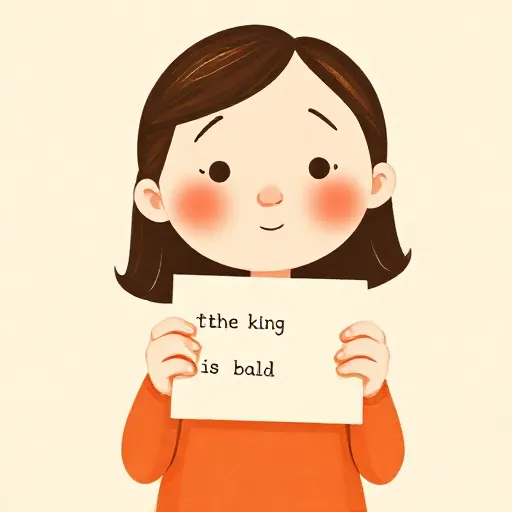
The Secret Assumptions Hiding in Every Sentence You Speak
Saying “the king is bald” quietly assumes a king exists. Philosophers call these hidden parts presuppositions, and they shape how we judge truth and lies.
-
The Secret Logic That Lives Inside Every Sentence
How is grammar like a math puzzle? Jim Lambek revealed that words combine with strict logic, which now helps computers understand language.
-
The Set That Wasn’t: How a Logical Contradiction Remade Math
How can a rule about sets create a contradiction? Bertrand Russell found a paradox that broke mathematics, leading to new foundations we still use.
-
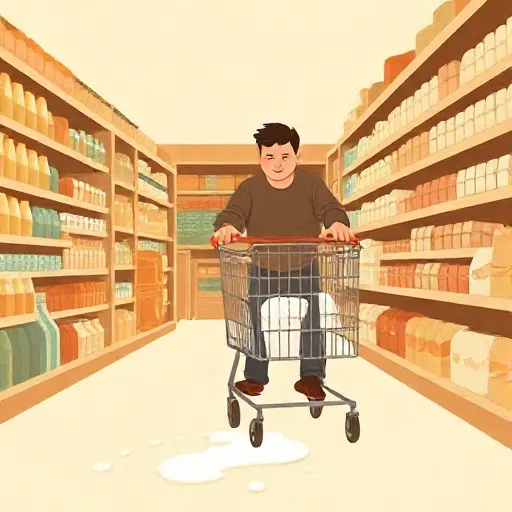
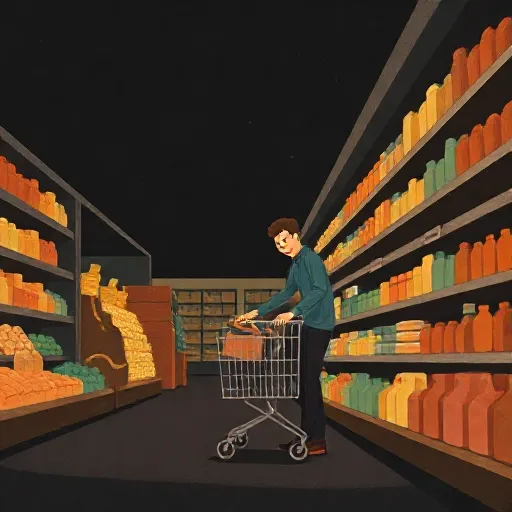
The Shopper Who Chased Himself: A Puzzle About 'I'
Why is believing 'I am making a mess' different from believing 'John Perry is making a mess'? This puzzle shows something surprising about self-awareness.
-
The Strange Idea That ‘True’ Adds Nothing to What You Say
Does the word 'true' really add meaning? Some say it's just a label; others think it's a deep property. This debate has lasted over 100 years. Why?
-
Was Roger Bacon a Wizard, a Scientist, or Something In-Between?
Why do some people say Roger Bacon was a wizard and others call him a scientist? The debate reveals what we think real science should look like.
-
What a Word Means vs. Why It Means That
Why does a word mean what it does, and how is that different from what it means? Mixing them up causes confusion, but philosophy can help keep them apart.
-

What a Wreath Above a Tavern Taught Philosophers About Signs
What makes a wreath, a footprint, or a word into a sign? Medieval thinkers discovered that signs depend on minds, and even thoughts are signs.
-
What Are the Real Boxes the World Fits Into?
Aristotle said there are ten ultimate kinds of things. Kant said our minds make the boxes. Ryle said mixing them up causes hilarious confusion.
-
What Are the Tiniest Pieces of Language and Reality?
What are the smallest pieces of language and reality? Wittgenstein's search for simple names and objects led him to a surprising discovery.
-
What Do You Lose When You Translate a Big Idea?
In 1204, Samuel Ibn Tibbon finished translating Maimonides' Guide into Hebrew. His real battle was over translation — and the meaning of a human life.
-
What Do You Really Mean? The Hidden Rules of Conversation
How do we understand what others really mean, even when they don't say it directly? The secret rules of conversation make it work.
-
What Do You Really Mean? The Secret Life of Words
Why do we say one thing but mean another? Discover the invisible rules that let us share jokes, promises, and polite refusals every day.
-
What Does 'Beautiful' Mean? Wittgenstein's Surprising Answer
Wittgenstein thought the search for a single essence of beauty was a mistake; instead, he showed that aesthetic words work like gestures within a culture.
-
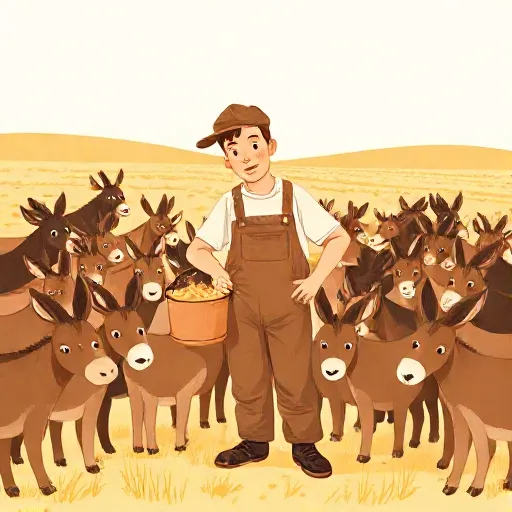
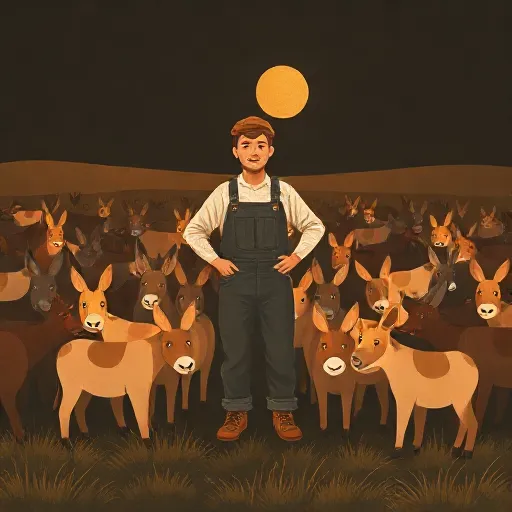
What Does 'It' Mean When There’s Nothing to Point At?
How can a word like 'it' make sense when there's nothing to point to? A sentence about farmers and donkeys hides a strange puzzle about meaning.
-

What Does 'Or' Really Mean? The Logic of Choices
Why does the little word 'or' cause big puzzles? See how logic and everyday use clash, raising questions about truth, choices, and how we think.
-
What Does “And” Mean? It’s All About the Rules
How do words like 'and' get meaning? One idea says from truth facts, another says from reasoning rules. This changes how we see logic and truth.
-

What Does "I" Really Mean? The Two-Dimensional Puzzle
What does "I" mean if it points to a different person each time it's said? Discover how words can carry two kinds of meaning at once.
-
What Does “Length” Really Mean? A Physicist’s Radical Answer
How do we know what words like 'length' really mean? A Nobel-winning physicist said meaning comes from how you measure it, sparking a big debate.
-
What Does Your Code Really Mean? The Hidden Puzzle of Programs
Two programs can act the same but have different inner meanings. Can math capture exactly what they do? A puzzle about code and conversation.
-
What If 'Plus' Really Meant 'Quus'? The Rule‑Following Puzzle
Can we ever prove what a word means? A clever puzzle suggests maybe not, shaking the ground under all our words and thoughts.
-
What If a Single Word Could Describe and Judge at Once?
Can a word describe something and judge it at the same time? Words like 'selfish' do this, challenging the idea that facts and values are separate.
-
What If Every Fact You Used Disappeared After One Use?
What if every fact you used disappeared? Linear logic sees ideas as resources that run out, reshaping computers, arguments, and everyday life.
-
What If Logic Can't Say "It Depends"?
Ordinary logic can say "every boy loves some girl." But can it say the second boy doesn't depend on the first? A new logic had to be invented.
-


What If Morality Isn’t About Rules, But About Walking a Path?
What if being good isn't about following rules? Daoism sees life as a path. Practicing skills leads to smooth choices, not obeying commands.
-
What If No Single Story Explains the Whole World?
What if no single story explains everything? Old big stories have lost power. Now many small ones clash, making us free but unsure what's fair.
-
What If Reason Is Just Language in Disguise?
Philosophers said pure reason could unlock truth. Hamann argued reason needs language, experience, and faith—and that changes everything.
-
What If You Could Assume Anything? The Logic of “What‑If” Boxes
Natural deduction uses temporary “what‑if” boxes to test ideas in logic. It changed how we think about reasoning, truth, and the meaning of words.
-
What If You Could Take Apart a Thought?
Can you break a thought into pieces like untying a knot? Philosophers call this analysis, but it might change the idea you're studying.
-


What Is the World Made Of? A Japanese War of Words
What is the world made of? A centuries-long Japanese debate over ki (energy) and ri (pattern) changed how people thought about life and rule.
-
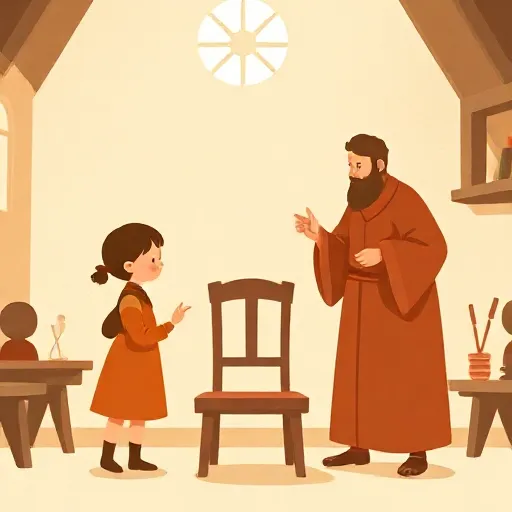
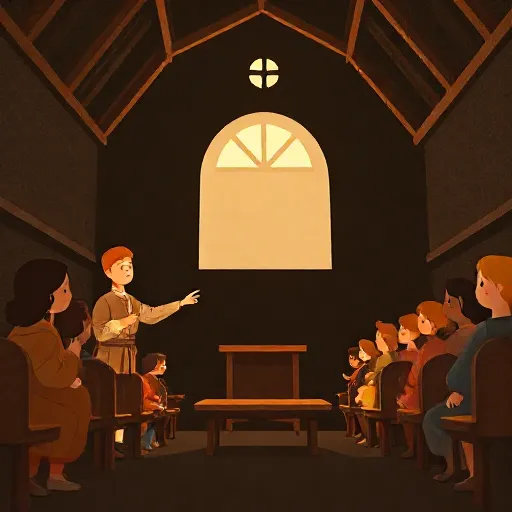
What Makes ‘Socrates’ Point to One Man? A Medieval Name Puzzle
Why does the name 'Socrates' still work after he dies? A medieval puzzle about how names point to things reveals surprising ideas about language.
-
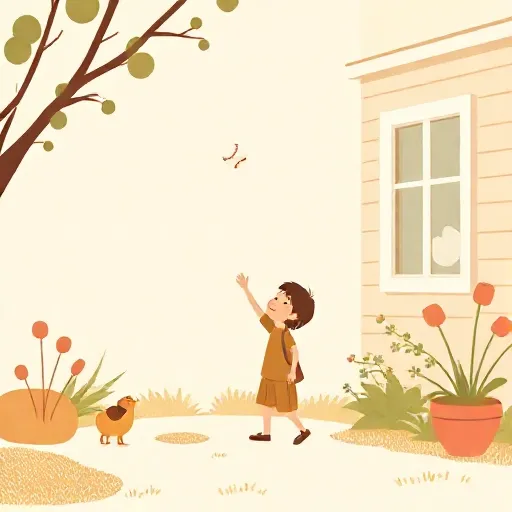
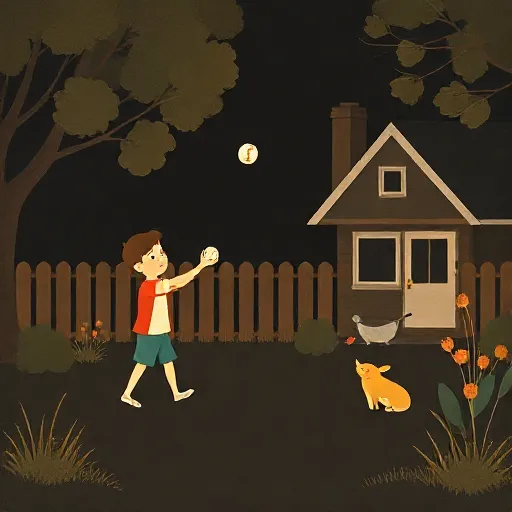
What Makes a Ball Smash Into a Window an "Event"?
You saw a window break. Was that one event or many? Philosophers argue about what events really are and why it matters for blame and excuses.
-
What Makes a Sentence True? Tarski’s Puzzle
How can we decide if a sentence is true? Alfred Tarski found a step-by-step method. It shapes logic, language, and computers.
-
What Makes a Thought About a Dog, and Not About a Fox?
What makes a thought about a dog mean 'dog' and not 'fox'? It's a tricky puzzle that's sparked clever philosophical ideas.
-
What Makes an “If” True? A 2,000‑Year‑Old Puzzle
We use “if” all the time, but philosophers can’t agree on what makes it true. A journey through possible worlds, probabilities, and relevance.
-
What Makes Gold Gold? The Invisible Code Inside Everything
What makes gold gold? John Locke said there's a hidden inner code. We can never see it, only the outer shine. So do we discover 'gold' or invent it?
-
What Makes Water Water? The Battle Over Real Kinds
Are kinds like water, gold, and tigers real divisions in nature or just labels we invent? The answer shapes how we do science and see our world.
-
What Makes You, You? A Medieval Philosopher’s Surprising Answer
Is there a real 'dogness' shared by all dogs, or is it just a name? Paul of Venice’s clever middle path helps us see what makes each of us unique.
-
When 'Lovely Weather' Really Means a Blizzard Is Raging
Why do people say 'lovely weather' during a blizzard? Your brain instantly spots hidden meanings like sarcasm or politeness—here’s how.
-
When "If... Then..." Goes Crazy
Why can 'if...then' sometimes prove nonsense, and how do relevance logicians fix it by demanding a real connection between ideas?
-
When Did You Stop Being a Child? The Puzzle of Vague Words
When did you stop being a child? The answer seems simple until you look closely. This puzzle about vague words reveals surprising ideas about truth.
-
When You Say “God Is Good,” Are You Talking About Reality?
If you say “God is loving,” are you making a claim about a being, or are you just expressing a feeling? A huge argument among philosophers.
-
When You Say "I Know That," What Have You Really Done?
Saying "I have a cat" isn't just sharing a fact. It's taking a stand, like making a promise. But what rules tell you when it's okay to say it?
-
When You Say “Some Things,” Are You Making a New Thing?
You talk about “some apples” all the time. But does that commit you to a weird invisible collection beyond the apples? A lively philosophical fight.
-
When You Think of a Donkey, Is the Donkey Inside Your Head?
When you think 'donkey,' how does your thought connect to the real animal? Medieval mind-shapes and mental words reveal a puzzle shaping modern thought.
-

Who Are You, Really? Paul Ricoeur’s Story-Shaped Answer
Ricoeur thought you can't look inside yourself and find a fixed 'you.' Instead, your identity is a story you tell — and retell — throughout your life.
-

Who Decided We Drive on the Right?
Why do we all stop at red lights, use money, and speak the same language even though nobody forced us to? An exploration of social conventions.
-
Who Decides What Your Poem Really Means?
When you write a poem, do you control its meaning? Philosopher Monroe Beardsley said no—and that debate affects how we understand books and songs.
-
Who Owns the Line Between Maryland and Pennsylvania?
When you cross from one state to another, where exactly does one end and the other begin? A puzzle that has stumped philosophers from Aristotle to today.
-
Why 'All Pediatricians Are Doctors' Is Weirdly Certain
Some sentences seem true just because of what the words mean. But can you really know something without checking the world? A 250-year-old puzzle.
-
Why ‘I Saw Her Duck’ Can Mean Two Totally Different Things
A sentence like ‘I saw her duck’ can be about a bird or a quick move. So what makes a word ambiguous, and why does it matter for arguments and laws?
-
Why 'If' Drives Logicians Crazy: A Mind‑Bending Puzzle
When you say “if you touch that wire, you’ll get a shock,” what makes it true or false? A logic puzzle that’s still unsolved.
-
Why 'Not' Is the Trickiest Little Word in the World
Why does the word 'not' feel different from a simple statement? It turns out negation isn't just logic—it’s a social tool that works in surprising ways.
-

Why ‘Scott is the Author of Waverley’ Isn’t Just ‘Scott is Scott’
Why does 'Scott is the author of Waverley' teach us something, but 'Scott is Scott' doesn't? This riddle about identity shows how words can surprise.
-
Why "Everything" Is More Complicated Than You Think
You say "everything is on sale" but do you mean the moon too? How logicians discovered that talking about all things at once might be impossible.
-
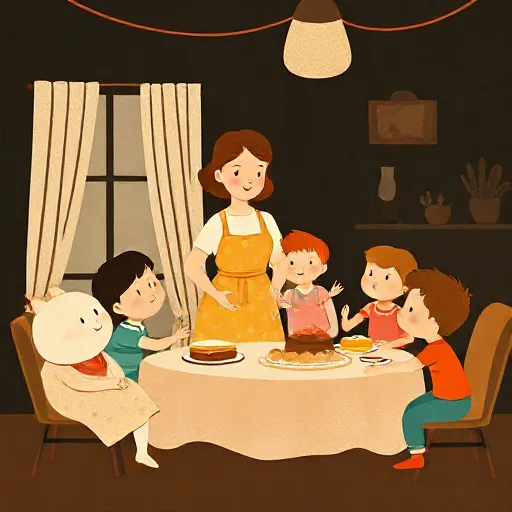
Why "I Am the Cook" Can Be True and False at the Same Time
How can saying 'I am the cook' be true about a single dish but false about the whole meal? This puzzle shows we talk about small slices of reality.
-
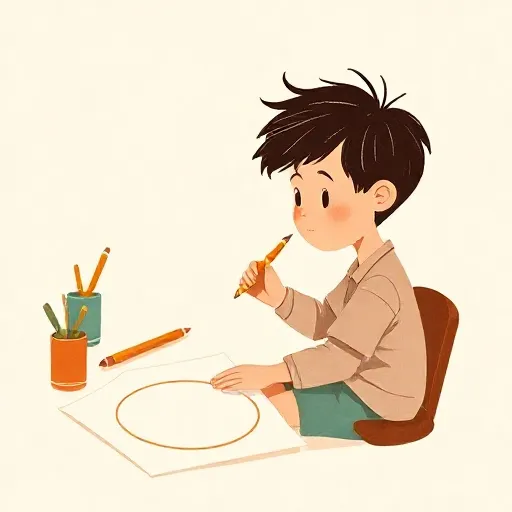
Why "I Was Drawing a Circle" Doesn't Mean I Drew One
Why doesn't 'I was drawing a circle' mean I finished? Words can hide if an action is complete. This puzzle shows how language shapes our sense of time.
-
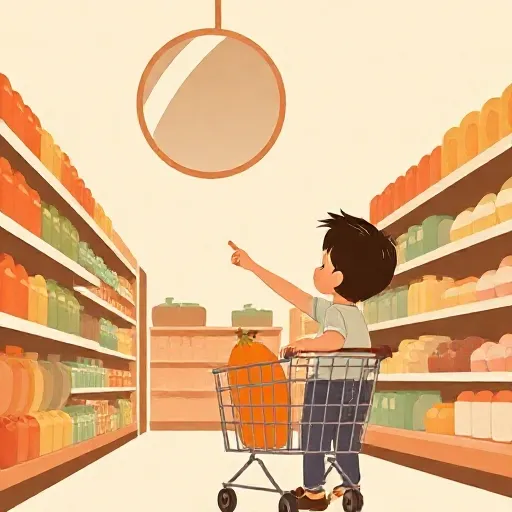
Why "I" Is the Most Dangerous Word in the Grocery Store
When you say "I" you mean yourself. But the same word picks out someone else if they say it. How does that work, and how can it play tricks on you?
-
Why “Most” Isn’t Just a Word—It’s a Mathematical Idea
What does 'most' really mean when we say it? It's a logical shortcut that compares sets, and studying it reveals how language and reasoning work.
-
Why a Fake Painting Is Never Just a Fake, According to Nelson Goodman
Why do emeralds seem green? The 'grue' puzzle shows it's not just our eyes—our habits and words build the world we see.
-
Why Build It Yourself? Bertrand Russell's Honest Toil
Why is it better to build ideas from simple parts instead of assuming they're true? Russell's 'honest toil' changed math and logic.
-
Why Can a Single Chinese Sentence Be Read Ten Different Ways?
Why can one Chinese sentence have so many meanings? Classical Chinese characters mix picture, sound, and idea, so understanding depends on context.
-
Why Can You Call a Dog "Healthy" and a Diet Too?
How can 'healthy' describe a dog, food, and a friendship? Medieval thinkers debated this, and their answer still shapes how we use words today.
-
Why Can You Say ‘She Did It’ and the Other Person Just Gets It?
When we talk, we share an invisible stash of info that nobody ever spoke aloud. But what is that ‘common ground’, and how deep does it go?
-
Why Can You Say “Ducks Lay Eggs” When Only Female Ducks Do?
Why is 'Ducks lay eggs' true when only girl ducks do? This puzzle shows how words can be partly true yet still feel correct.
-
Why Can't a Swan Be Black? The Secret of Truly Foolproof Arguments
If all you've seen are white swans, can you be sure the next one is white? Logic says no. The real puzzle: what makes an argument completely airtight?
-
Why Can’t Ordinary Logic Say “It’s Five O’Clock”?
Why can't ordinary logic say 'It's five o'clock'? Because some truths are true only once. Hybrid logic invents names for moments to point to a single time.
-
Why Can’t You Just Switch ‘Bachelor’ for ‘Unmarried Man’?
You can't swap synonyms inside quotation marks. A pair of tiny marks hides a riddle that tangled up some of the sharpest minds in philosophy.
-
Why Can't You Say "Three Waters"? The Riddle of Mass and Count
Why do we say 'much milk' but 'many eggs'? The answer reveals puzzling questions about counting, measuring, and what makes things the same or different.
-
Why Did Edmund Burke Think Revolutions Always Turn Ugly?
He saw words like "liberty" as feelings, not facts — and when you rip out the old connections, you get chaos, not freedom.
-
Why Do "Clark Kent" and "Superman" Feel Different?
Both sentences are true in every possible situation, yet Lois Lane knows only one. How can our thoughts be different when the facts are exactly the same?
-
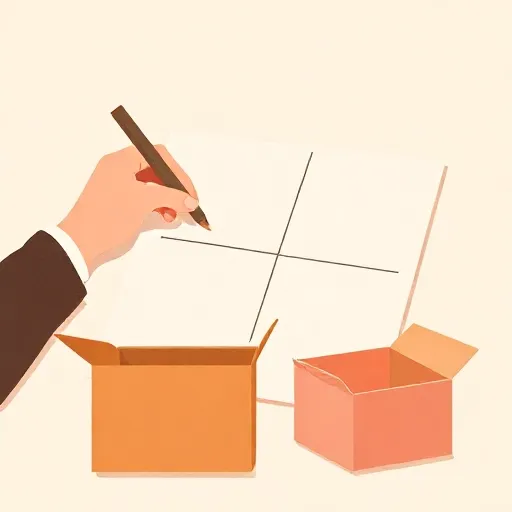
Why Do Logicians Sort the World into Kinds?
Why do logicians sort the world into kinds? It stops nonsense mix-ups and helps us reason about time travel and computers.
-
Why Do We Call Someone a Gorilla? The Strange Power of Metaphor
Why do we insult someone by calling them a gorilla? Metaphors mix things up to say something without stating it plainly. That makes them so powerful.
-
Why Do We Understand Things Differently? Gadamer’s Answer
Why do we understand things differently? Gadamer says our history isn't a barrier—it's the key. Understanding is a two-way conversation fusing our worlds.
-
Why Does “And” Mean “And Then”?
Why do we assume 'and' means 'and then'? Our minds add hidden meaning to words, sparking debates on lying and promises.
-
Why Does a Flat Picture Show a Whole World?
Why does a flat picture show a world? The simple answer—it resembles the real thing—has flaws. Philosophers' alternate views change how we see all images.
-
Why Does the Morning Star Feel Different from the Evening Star?
Why is 'the morning star is the evening star' surprising but 'the morning star is the morning star' is not? The answer shows how words connect to thought.
-
Why Is 'Green' More Real Than 'Grue'?
Why do some categories seem to match real things in the world while others feel made up? Philosopher David Lewis thought the world has natural 'joints'.
-
Why Is It So Hard to Really Understand Someone?
Why is it hard to truly understand someone? Schleiermacher showed that perfect understanding is impossible, but careful interpretation helps us get closer.
-
Why Juan Luis Vives Thought Certainty Was a Trap
Why did Juan Luis Vives think certainty is a trap? His advice to learn from experience helped launch modern science.
-
Why Ludwig Wittgenstein Threw Away His Own Book
He built a perfect picture of language, then decided it was nonsense. A story of two philosophies that still shapes how we think about meaning.
-
Why Medieval Students Loved Arguing About Impossible Sentences
A sentence like “Every animal but man is irrational” could spark hours of debate. For medieval thinkers, these puzzles were serious philosophy training.
-
Why Saying “Three” Means Exactly Three
Why do we hear 'exactly three' when someone says 'three'? Words alone mean 'at least three,' but our brains play a hidden game to add extra meaning.
-
Why Singing in the Shower Might Be Real Art
R. G. Collingwood said art isn’t craft, magic, or fun — it’s the way you get to know your own feelings. And he meant every word you say.
-
Why There's No Such Thing as a Golden Mountain
Russell used cold, clear logic to unmask the hidden tricks in language—and showed that wanting certainty could mean questioning everything, even God.
-
Why Understanding Is a Circle, Not a Ladder
Hermeneutics says we never start from scratch — our prejudices are actually the key. How a 200-year-old debate still shapes how you read, listen, and grow.
-
You Just Said 'Some Numbers Are Even.' Does That Mean Numbers Exist?
Does saying 'some numbers are even' force you to believe numbers exist? Discover the surprising debate over what words secretly commit us to.