
Philosophy of Law
106 articles
-
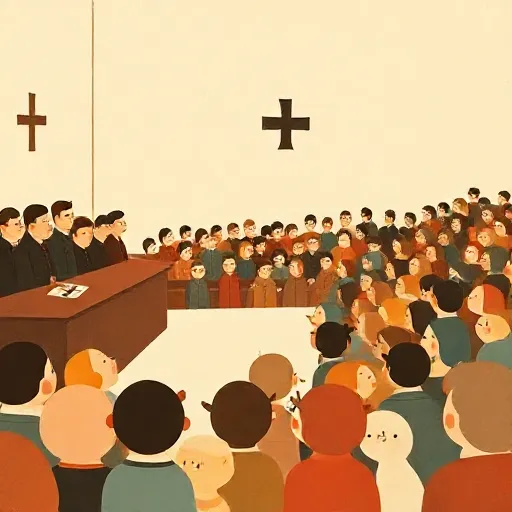
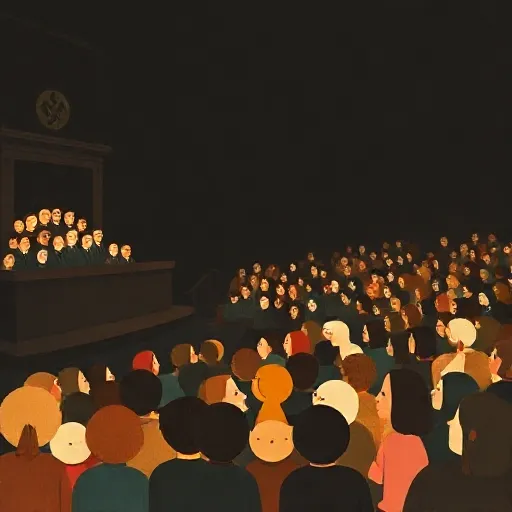
After War, Do You Punish or Move On? The Peace vs. Justice Dilemma
After a war, should leaders punish the bad guys or focus on keeping the peace? The answer isn't simple, and choosing one can hurt the other.
-
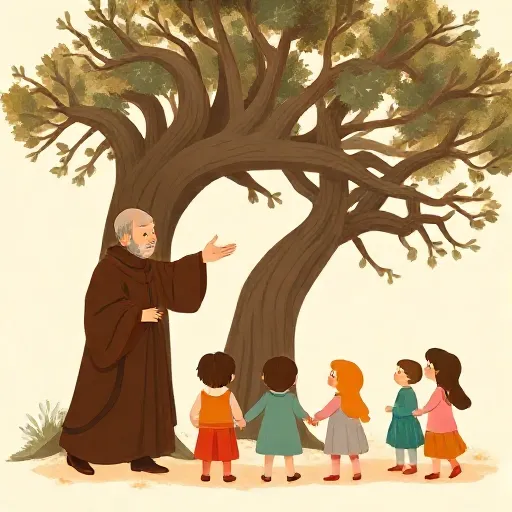
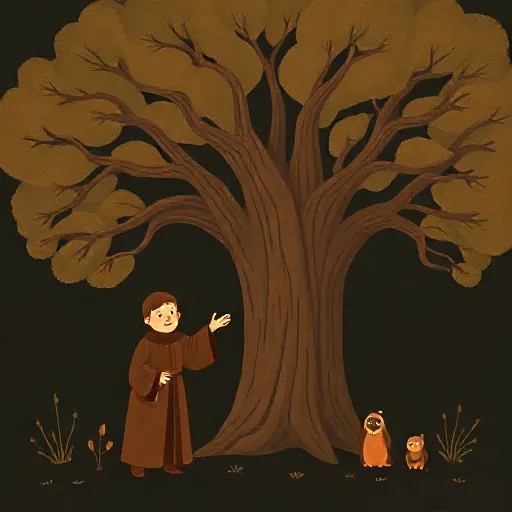
Are the Rules of Right and Wrong Built Into Nature?
Thomas Aquinas thought that being human comes with a built-in moral guidebook, knowable by everyone. But if that’s true, why do we disagree so much?
-
Can a Computer Be Fair? The Battle Over Algorithmic Fairness
What makes a computer fair? The answer depends on which math you pick. Experts can't agree, so an algorithm can seem both fair and unfair.
-
Can a Few Words Create a Real Duty? The Philosophy of Promises
When you say “I’ll do it,” why do you suddenly owe it? Philosophers argue whether promises are a special power, a social game, or something else.
-
Can a Rule Book Really Control a Government?
A constitution sets limits on government, but judges must decide what the rules mean. Is that fair? This question shapes every democracy.
-
Can a Whole Country Be Guilty? The Fight Over Collective Blame
Can we blame a whole country or company for a crime, or only the people inside? This question matters when punishing companies or healing past wrongs.
-
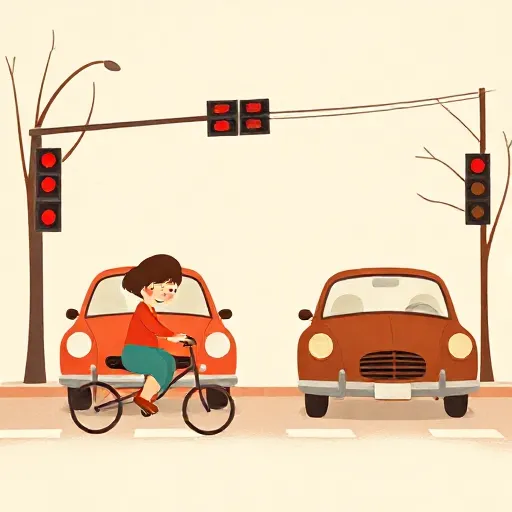
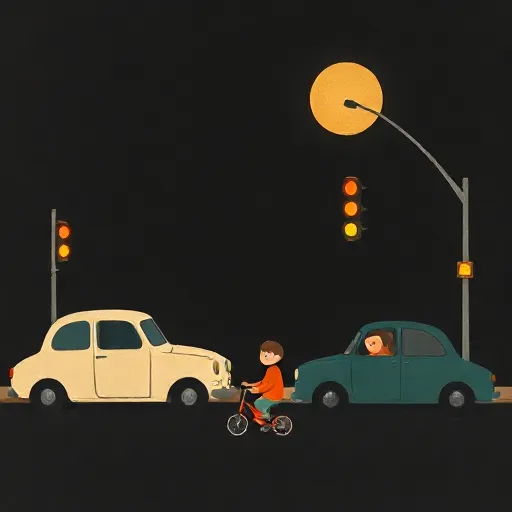
Can Luck Make You More Guilty?
If two drivers run a red light but only one hits a child, is the second more guilty? The problem of moral luck asks whether luck should affect blame.
-
Can Math Alone Prove Guilt?
Can math prove someone broke the law? Numbers seem clear, but strange puzzles show that even a 99% chance might not be enough for a fair trial.
-
Can Pornography Hurt Women? The Feminist Standoff
Does pornography hurt women? Feminists argue: some say it promotes inequality and should be limited, others fear censorship. The evidence is mixed.
-
Can Regular People Figure Out What a Law Really Means?
When a park rule says 'no vehicles,' does an ambulance count? Experts used to answer, but now they ask regular people. Whose view should shape our laws?
-
Can Science Tell Us What the Law Really Is?
Can we understand law by watching judges like scientists watch animals? Or does it need unseen ideas of right and wrong? This debate shapes fairness.
-
Can the Government Force You to Do Something You Don’t Agree With?
If laws need everyone’s approval, how can we ever agree on anything? Inside a fight over the biggest rulebook of all.
-
Can There Be Real Law Without a World Police?
Is international law real law without a world police? This question shapes whether we can punish war crimes and see rules between countries as true law.
-
Can We Make Fair Laws When We Deeply Disagree?
Laws can't just be true or widely liked—philosophers argue they must be justifiable to everyone, even those who see the world differently. Here's why.
-
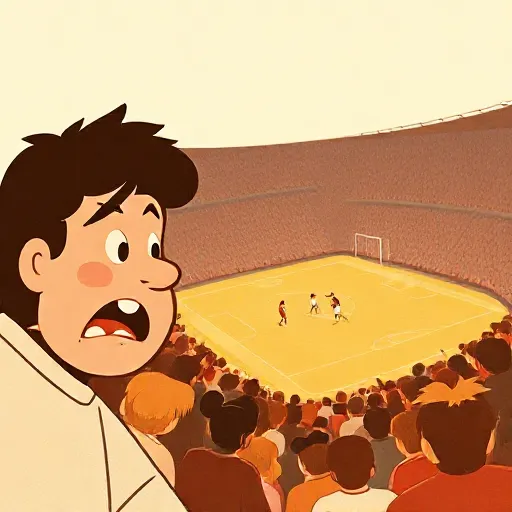
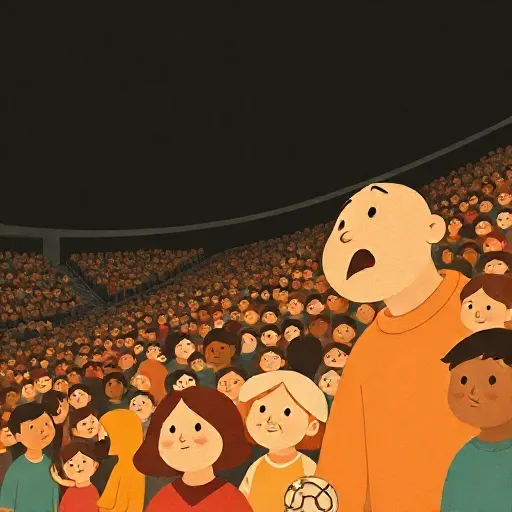
Can Words Be Weapons? The Fight Over Hate Speech
When does speech hurt like a punch? Hate speech attacks people for who they are. Some want to ban it, others say to fight words with words. Who is right?
-
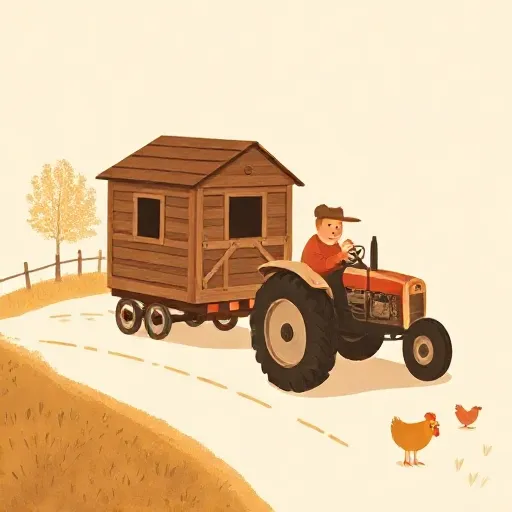
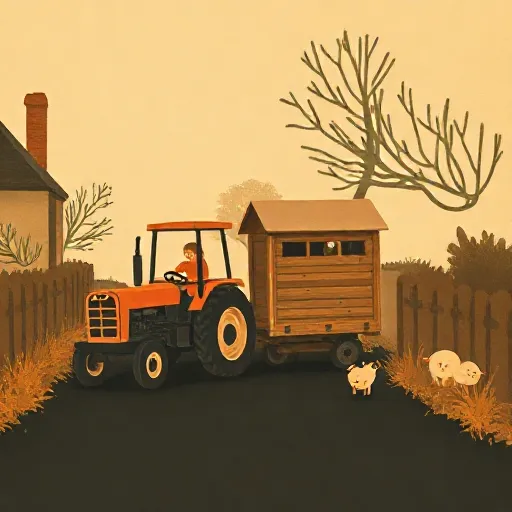
Can Words Make Laws? The Chicken Coop That Drove Philosophy Crazy
Bentham said law is just a sovereign's words. But when a farmer put iron wheels on a chicken coop, judges had to decide what a 'vehicle' really means.
-
Can You Ban Something You Can't Define? The Pornography Puzzle
Why is it hard to ban pornography? If we can’t define it, how can laws be fair? This puzzle makes us question freedom, harm, and who gets to decide.
-
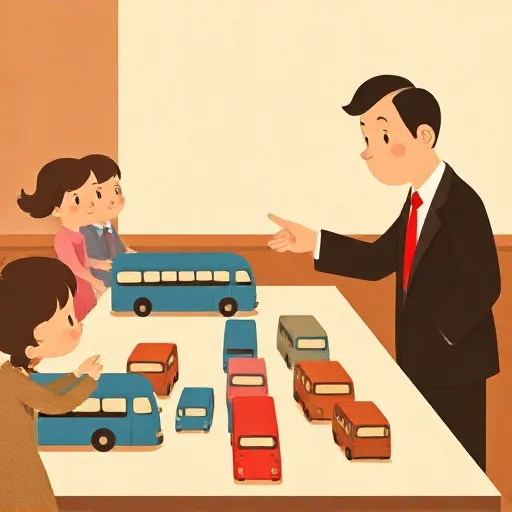
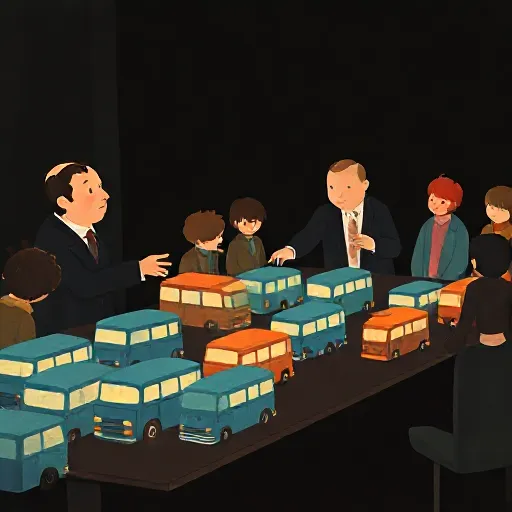
Can You Be Guilty Because the Numbers Say So?
If 75% of buses are blue and one hits you, is that enough to sue the blue bus company? The puzzle of what counts as evidence in court.
-
Can You Conquer a Kingdom Just Because It's Not Christian?
When Spain invaded the Americas, scholars in Salamanca asked: do indigenous peoples have rights? The surprising answer shaped international law.
-
Could a Law Be Natural? Hugo Grotius
Could some rules be so basic they apply to everyone, kings? Hugo Grotius believed in natural law—rules from human nature that still shape debates today.
-
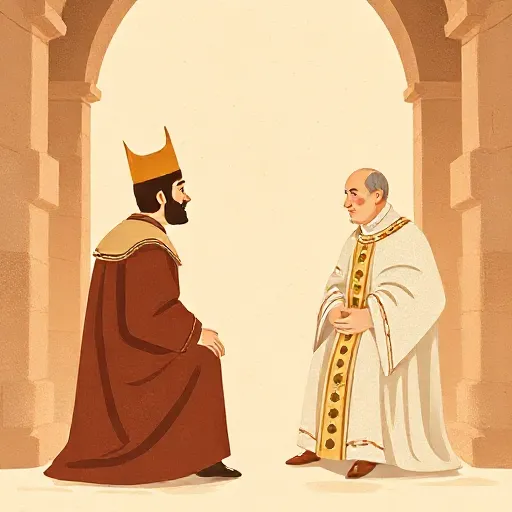
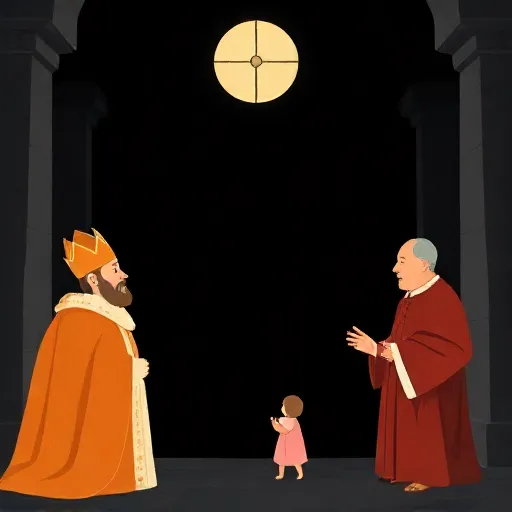
Could a Pope Tell a King What to Do? The Medieval Power Struggle
Could a king tax the church? A medieval showdown between pope and king asks: who rules? Their fight shaped modern democracy.
-
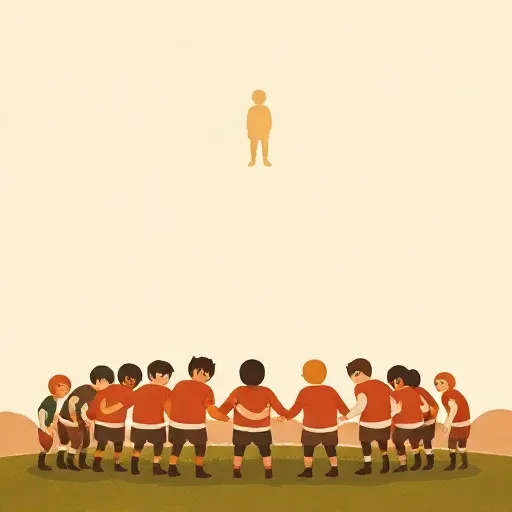
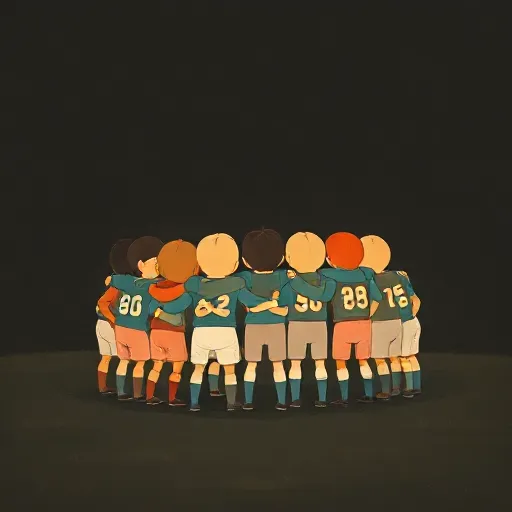
Do Groups Have Rights, or Only People?
Can a club, nation, or company have its own rights, separate from the people in it? The answer shapes how we protect cultures and hold groups responsible.
-
Do We Live Under Laws, or Under the People Who Make Them?
Why do we follow laws made by people? Does a law have to be fair, or just clear and predictable? This question has shaped countries for centuries.
-
Do You Have a Right to Be Left Alone?
Is privacy a basic right, or just a way to protect other things? See why arguments from 1890 still matter today with phones and social media.
-
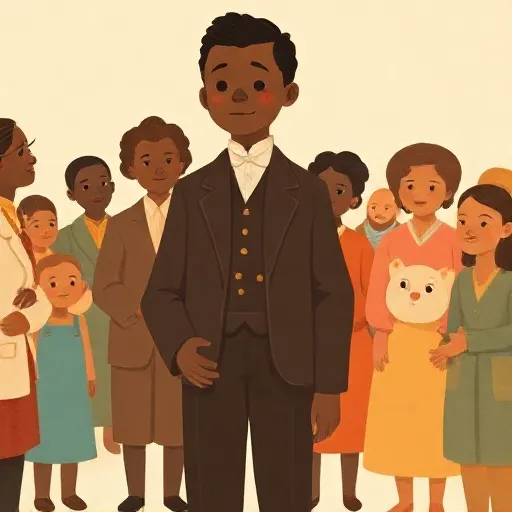
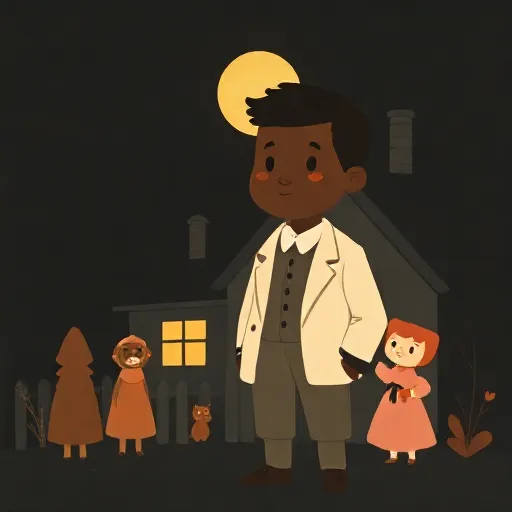
Do You Have Rights the Law Can’t Take Away?
Alexander Crummell argued that all people have rights no law can take away. His fight against slavery still shapes justice today.
-
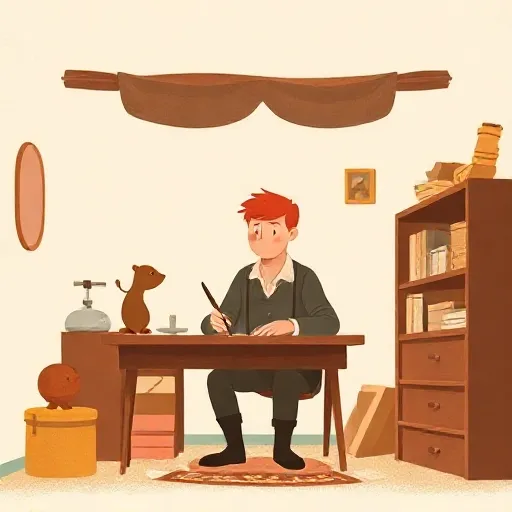
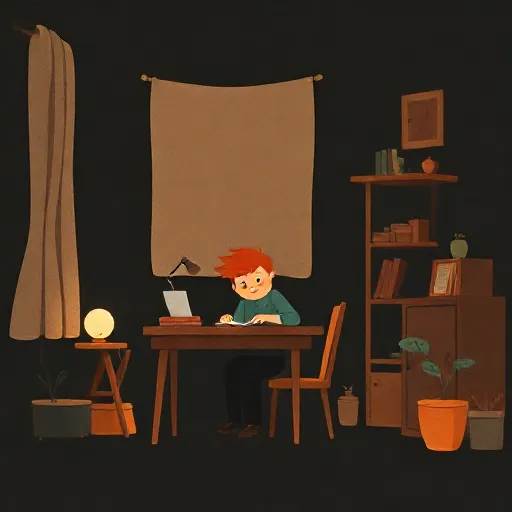
Do You Have the Right to Chase Happiness?
How could someone write 'all men are created equal' and own slaves? This tension still fuels arguments about equality.
-
Do You Owe Your Family More Than a Stranger?
Is it right to save your friend before a stranger? This puzzle makes you choose between a fair world and a loving heart.
-
Do You Own Yourself? The Libertarian’s Core Idea
Should the government take part of your earnings? Libertarians say no—you own yourself, so taking money without consent is forced work.
-
Do You Really Deserve Blame for Anything?
If your actions are caused by genes, upbringing, and luck, can you truly deserve blame? It changes how we view crime, anger, and right and wrong.
-
Do You Really Have to Obey the Law? A 2,400-Year Fight
Socrates said yes. Antigone said no. Philosophers have been arguing ever since about whether we have a moral duty to follow rules we didn't choose.
-
Do Your Promises Create Real Duties in the World?
Does saying 'I promise' create a real duty? Philosopher Adolf Reinach said yes—promises form invisible bonds between people, even before rules exist.
-
Doctors Keep Secrets. But When Should They Tell?
Doctors promise to keep your health secrets. But what if keeping quiet could harm someone? And what happens when your medical data isn't private at all?
-
Does Fairness Mean Ignoring Race, or Paying Attention to It?
Is fairness treating everyone the same, or paying attention to race to fix past wrongs? See how this debate changed schools and leadership.
-
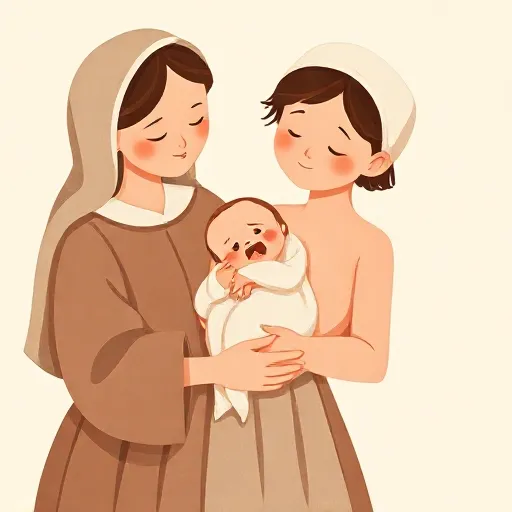
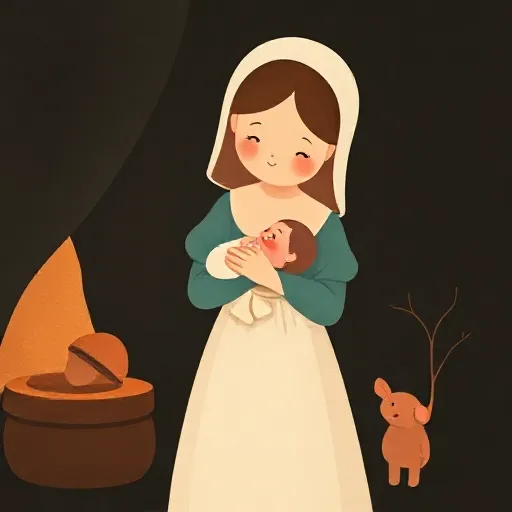
Does Morality Begin with a Baby’s Cry?
Where do our ideas of right and wrong come from? Sophie de Grouchy said it all begins with a baby’s cry and a comforting touch—a radical idea in the 1780s.
-
Hegel Loved the French Revolution. So Why Did He Defend a King?
Hegel toasted the Bastille each year, yet his ideal state had a king. He thought freedom meant following rules — a puzzle that divides philosophers.
-
If a King Makes an Unfair Rule, Is It Still a Law? The Big Debate
Is a king's unfair command still a real law? Some say yes, if backed by force. Others say no, law must be fair. Explore this big debate.
-
If No One Gets Hurt, Can the Law Still Punish You?
Can the law punish things that hurt no one, only because they seem wrong? This debate decides what you may do in private.
-
If You Didn’t Sign a Contract, Why Obey the Law? Locke’s Answer
Why obey laws you never agreed to? Locke says we have natural rights and government must protect them—or we can rebel. This idea sparked revolutions.
-
If You Had No Choice, Are You Still Responsible?
If a hidden device would have forced your choice but didn't, are you still responsible? Philosophers challenge the idea that freedom needs alternatives.
-
Is Freedom Just Being Left Alone, or Having Real Power to Act?
Is freedom just being left alone, or having real power to act? The answer shapes school rules, wealth, and your daily life.
-
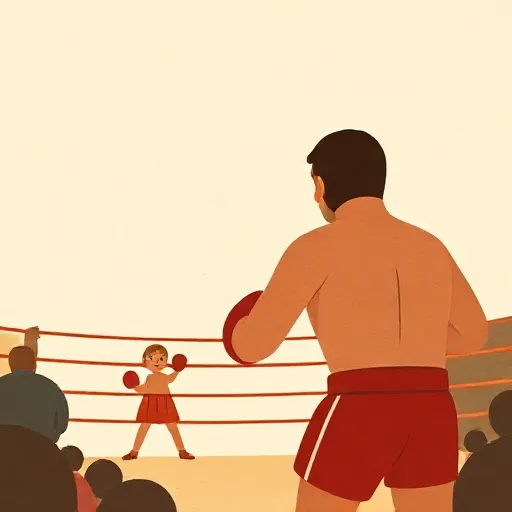
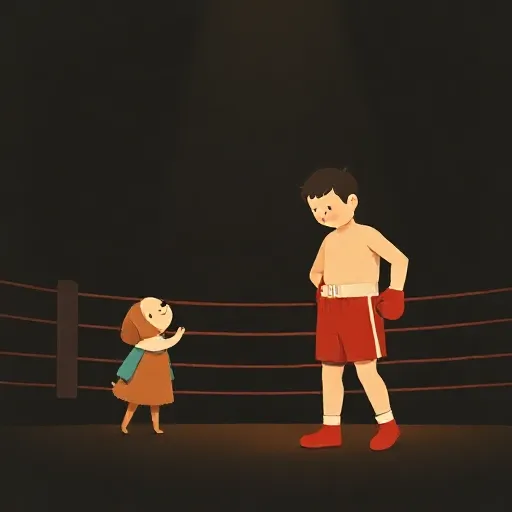
Is It Corruption If No Law Is Broken?
Is corruption only when officials break the law? Find out why a boxer who throws a fight shows corruption is really about secret deals and broken trust.
-
Is It Fair to Make a Law Only Because Your God Says So?
Can a law be based on belief in God alone? Philosophers argue whether purely religious reasons are enough to justify rules that everyone must follow.
-
Is It Okay to Study Your Posts Without Asking?
Is it okay for researchers to study your online posts without asking? Old ethics rules weren't made for the internet, so this is a tricky problem.
-
Is It Right to Make Criminals Suffer? The Big Debate Over Punishment
Is locking up lawbreakers fair? This article explores the big debate over whether punishment is about preventing crime or giving people what they deserve.
-
Is Law Just a Command from a Bully with a Crown?
If a law is just a boss's command with a threat, why do we have rules for making contracts? Exploring what turns a rule into a real law.
-
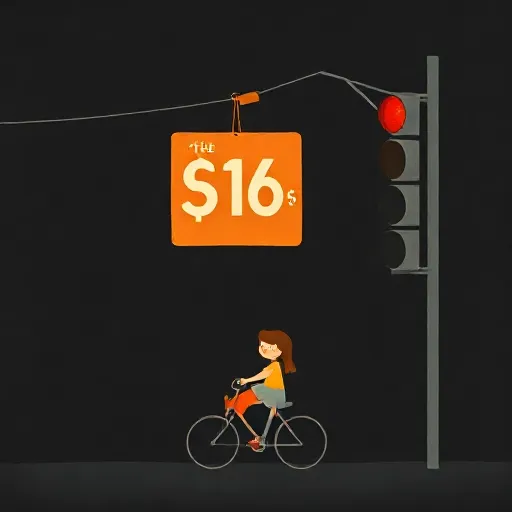
Is Law Just a Price Tag on Bad Behavior?
Economists say legal rules set the price for breaking them. But if that’s true, why do we ever obey a law when no one is watching?
-
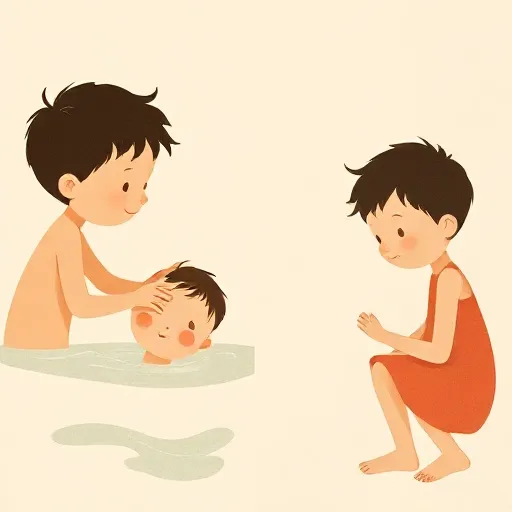
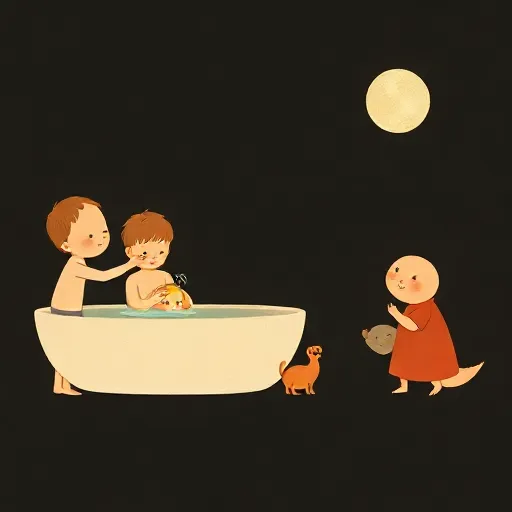
Is Letting Someone Die Just as Bad as Killing Them?
A famous pair of bathtub cases challenged our deepest feelings about right and wrong. Philosophers are still arguing about what the answer means.
-
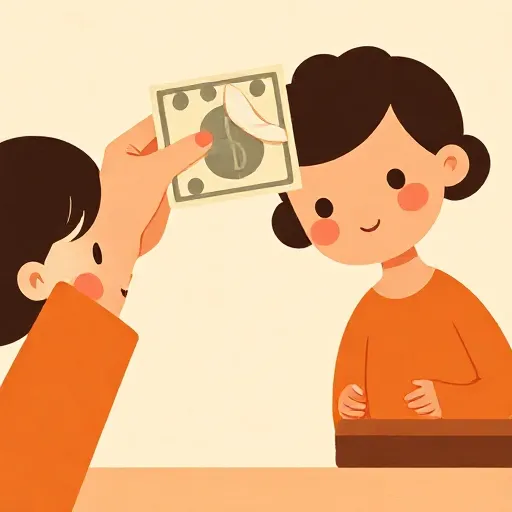
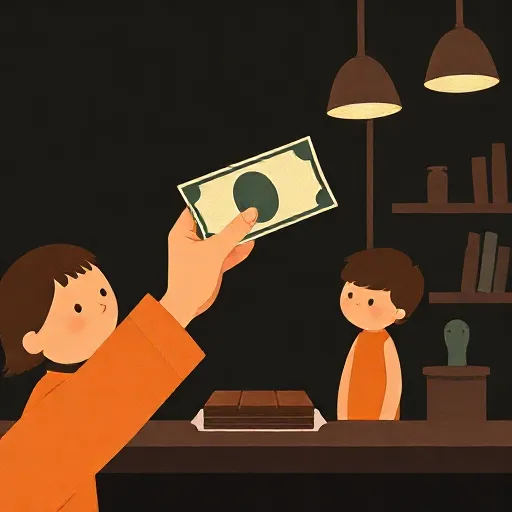
Is Money Real? The Strange World of Social Things
How can money, laws, and teams be real when they only exist because we believe in them? This puzzle shows how shared ideas create the social world.
-
Is There Any Good Reason to Follow the Rules? Kant’s Answer
When your freedom clashes with someone else’s, who decides the rules? Kant said it starts with the only right you’re born with — freedom itself.
-
Is Torture Ever the Right Thing to Do?
What makes something torture? And if a terrorist knows the location of a ticking bomb, could hurting him be the right thing to do? A live moral puzzle.
-
Is Your Family a Private Club or a Mini-Government?
Is your family a private club or a mini-government? Feminist thinkers say rules about chores and care are shaped by money and laws, not just love.
-
Should a Prisoner Be Punished Even If It Helps Nobody?
When a criminal can't hurt anyone again and a trick would still scare others, should we still lock him up? The fight over what punishment is really for.
-
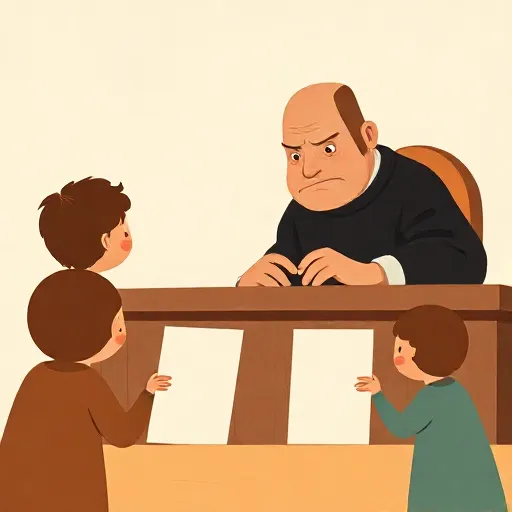
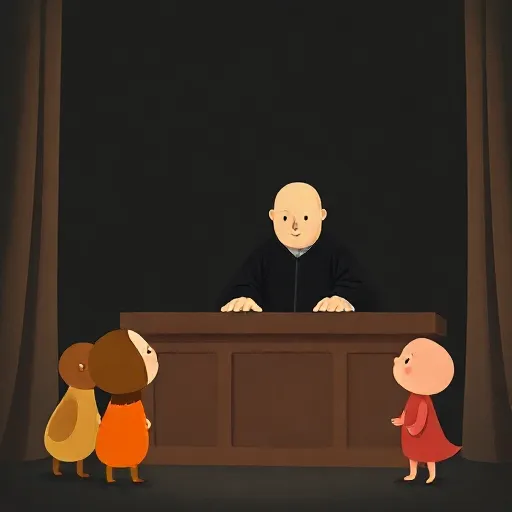
Should Judges Read Minds or Just Read the Words?
When a law is confusing, what should a judge look for? The secret plan behind it, or just the plain words? It's a fight about where the law really lives.
-
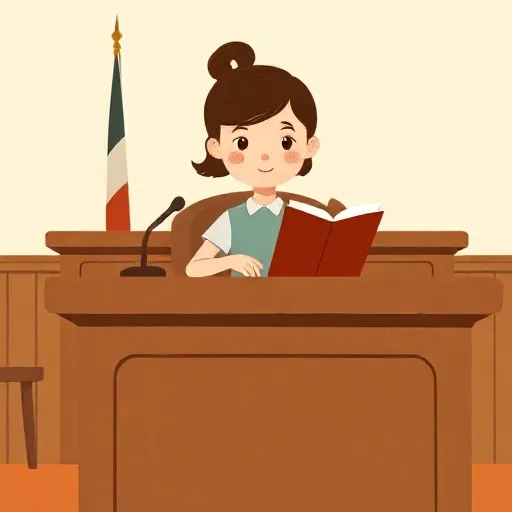
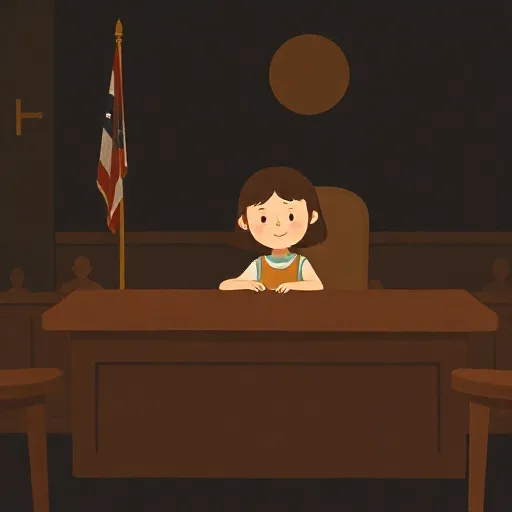
Should Kids Have the Same Rights as Adults?
Do kids have rights? Two views clash: rights as choices vs. rights as protections. This debate shapes how kids are treated daily.
-
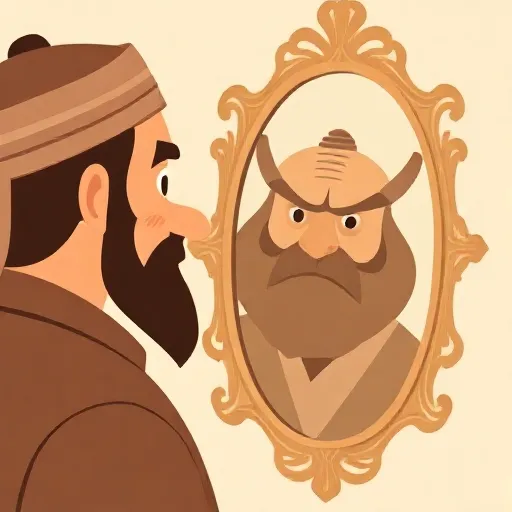
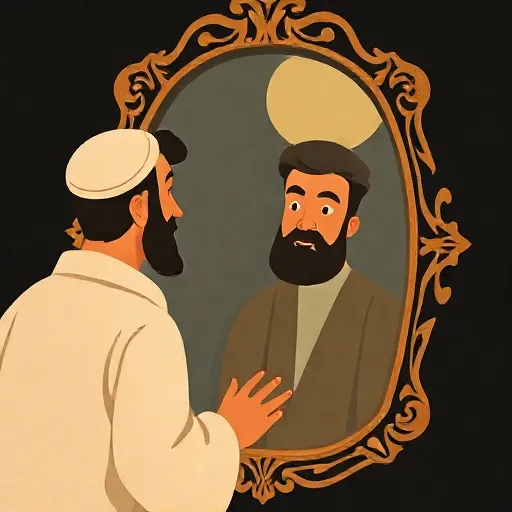
The Enlightenment Genius Who Couldn’t See His Own Cruelty
Montesquieu fought against cruel kings but ruled his own house with fear. How could he not see it? A story about power, people, and not knowing ourselves.
-
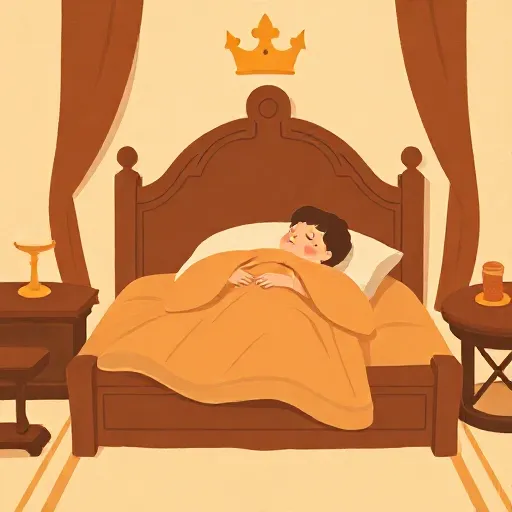
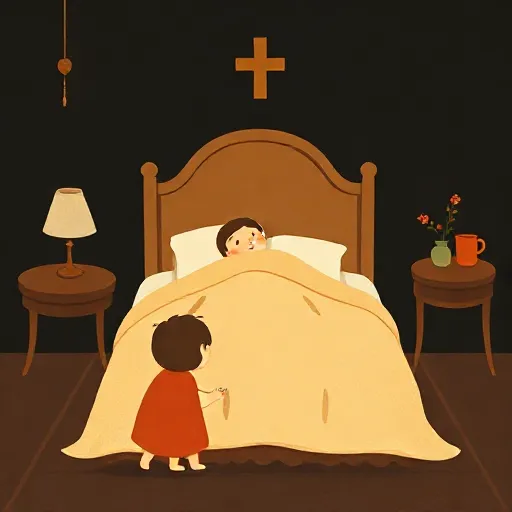
The King Is Dead; Long Live the King! What That Really Means
What does 'The king is dead; long live the king' mean? It reveals the strange idea of sovereignty, where power lives on even after rulers die.
-
The Law Says Everyone’s Equal. So Why Doesn’t It Feel That Way?
Laws claim to treat everyone equally, but sometimes they still feel unfair. Discover why rules about work, family, and safety often fail women.
-
The Philosophers Who Chased Clarity Across Latin America
How did Latin American philosophers turn thinking into a tool as sharp as science? Their secret groups and new ways of logic helped defend human rights.
-

The Right to Be Let Alone—And the Fight Over What It Means
What is the 'right to be let alone'? Is it about secrets, your body, or choices? See why an old debate still matters online.
-
The Slave Who Demanded to Be Seen as a Human Being: Frederick Douglass
Why is slavery wrong? Frederick Douglass argued it strips people of their humanity. His fight for dignity still shapes our ideas of freedom.
-
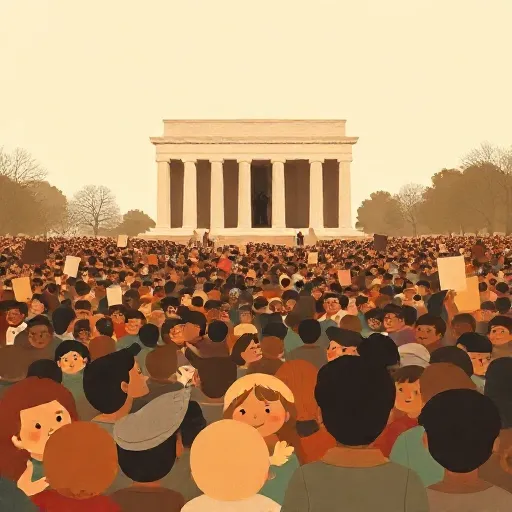
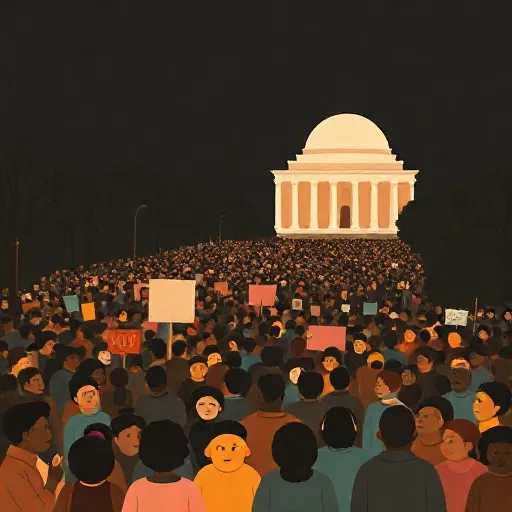
What Are Civil Rights, and Why Do They Keep Changing?
Civil rights used to mean freedom after slavery, later fighting discrimination, and now basic needs like clean water. Why does the meaning keep changing?
-
What Does It Really Mean to “Have a Right”?
What makes a right a right? Is it a shield, a permission, or a special power? Philosophers break it down into four invisible shapes that shape your life.
-
What Gives You the Right to Say "I Have a Right!"?
What does it really mean when you say 'I have a right'? Discover the four building blocks of rights and why a big debate decides who gets them.
-
What If You Had to Design Society Without Knowing Who You'd Be?
John Rawls asked: if you didn't know your gender, race, wealth, or talents, what rules would you choose? His answer changed how we think about fairness.
-
What Is Discrimination? More Than Just Different Treatment
Why is discrimination more than just different treatment? Explore the hidden ways it creates unfair disadvantages.
-
What Makes a Law a Law? Power, Rules, or Justice?
Is a law just a command backed by power, or must it be fair? This debate shapes when we follow rules—or challenge them.
-
What Makes Rape a Crime Against All Women?
Feminists say rape isn’t just a violent act against one person—it’s a weapon of power that harms whole groups. Here’s why.
-
What Makes Your Culture Yours — and What Can You Demand for It?
When a culture asks for special rules, who decides if that's fair? Four different pictures of culture — and the battles they fuel.
-
When a Judge Decides a Case, Are They Finding Law—or Making It?
Do judges just follow old laws or do they invent new ones? See how this affects fairness when new technology like self-driving cars causes trouble.
-
When Does 'Or Else' Become a Real Threat?
When does 'or else' become a real threat? Discover how what we see as 'normal' decides if we're forced, blamed, or free.
-
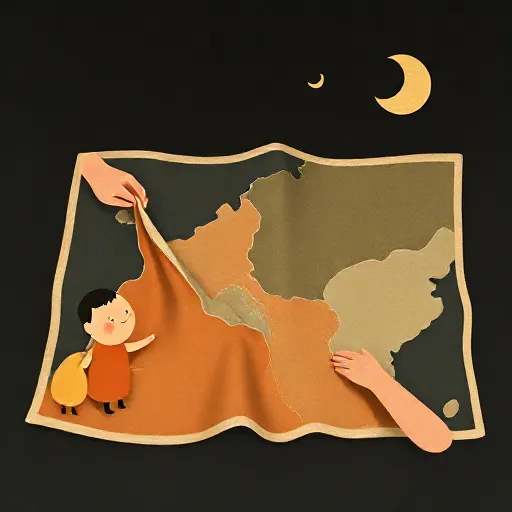
When Is It Okay for a Group to Walk Away and Make Their Own Country?
If a region wants to leave and form a new state, does it have a right to do so? Three big ideas — and why each one could change the world.
-
When Is It Okay to Hurt Someone to Defend Yourself?
When is it okay to hurt someone to defend yourself? Even if the attacker isn't at fault? Philosophers argue about this, and the answer shapes our safety.
-
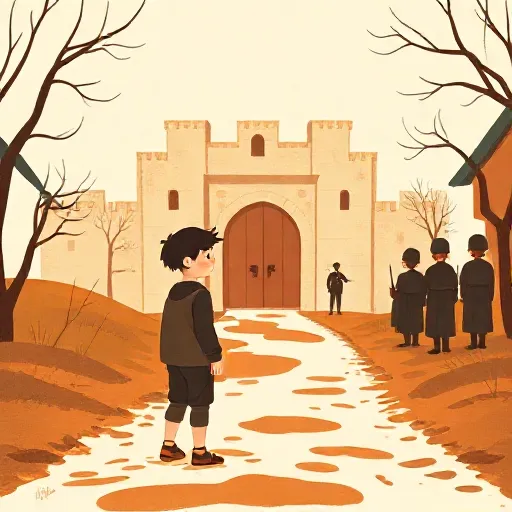
When Is It Right to Overthrow the Government?
When is it right to rebel against a cruel government? Some thinkers say never, others say you can defend your rights. This question divides philosophers.
-
Where Do Your Legal Rights Really Come From?
Do your rights come from government laws or from fairness? This big question shapes everything from returning a broken phone to fighting for justice.
-
Where Does Law’s “Ought” Come From? A Puzzle About Rules
Law tells us what to do, but where does its authority come from? If the basic rule depends on what people usually do, is law any different from force?
-
Who Decides What a Bag of Rice Costs?
Hayek saw prices as messengers that no central planner can replace. Why trying to control them turns society into a game where nobody wins.
-
Who Decides What Happens to Your Body After You Die?
Who decides what happens to your body after you die? Your family or those needing organs? It's a question of fairness and respecting the dead.
-
Who Gets to Break the Rules When Everything Falls Apart?
Carl Schmitt said a leader must sometimes break rules to save society. Is that smart or dangerous? His ideas spark big debates.
-
Who Gets to Make the Rules on a Piece of Earth?
Who gets to rule a patch of ground? The messy fight over territorial rights shapes your own street, your town, and the whole world map.
-
Who Gets to Say "Mine"? The Philosophy of Private Property
Why can some people own land and others can't? Is private property fair, or could we share everything? Explore the questions about who gets to say 'mine'.
-
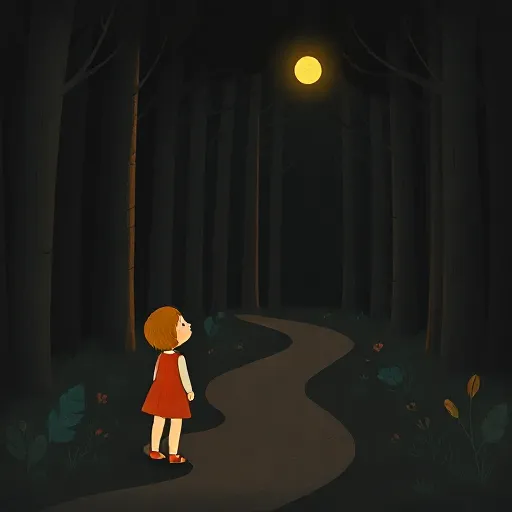
Who Needs Rules When You Have a Brain?
A 13th-century monk found a way to understand right and wrong. He thought the clues were already inside your head.
-
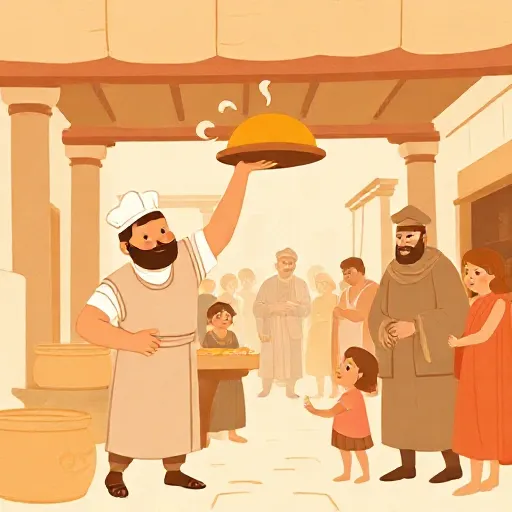
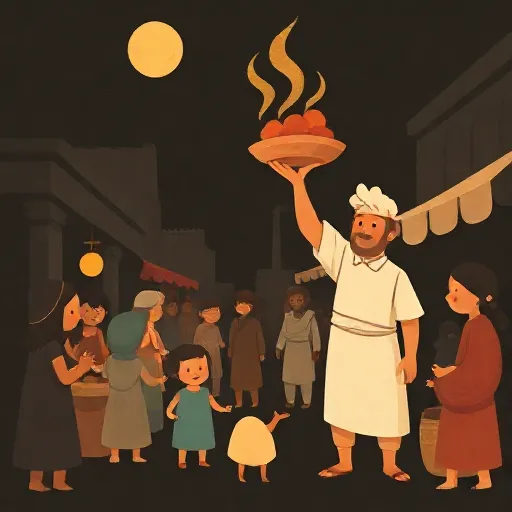
Who Owns Your Brilliant Idea? A 2,500-Year-Old Question
Who owns your art, inventions, and memes? The debate started with chefs in ancient Greece and still affects what you can copy, share, or sell today.
-
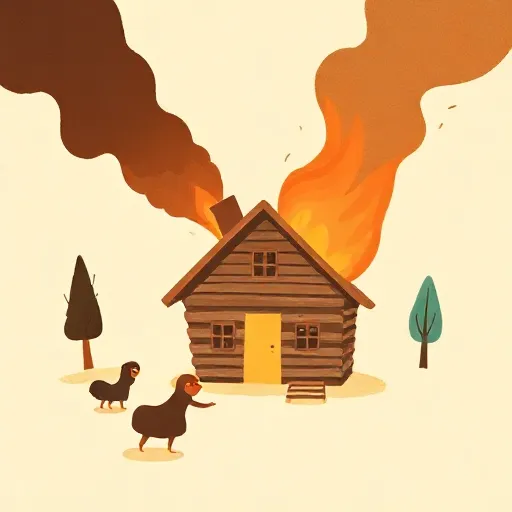
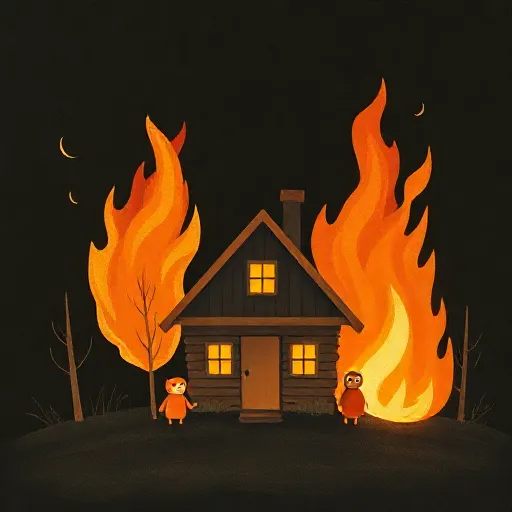
Who Really Caused the Fire? Law's Hunt for a Hidden Link
When two things both could have caused a harm, how does the law decide who's responsible? Judges use fairness or common sense, but philosophers disagree.
-

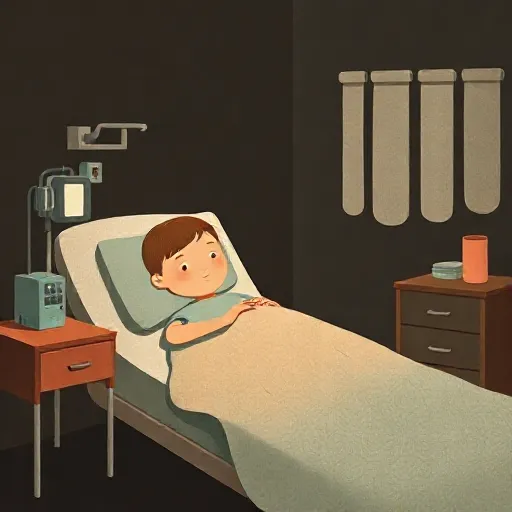
Whose Life Is It, Anyway? The Fight Over Assisted Dying
Whose life is it anyway? The fight over whether doctors may help a suffering person die, and the slippery slope worries that stop many from agreeing.
-
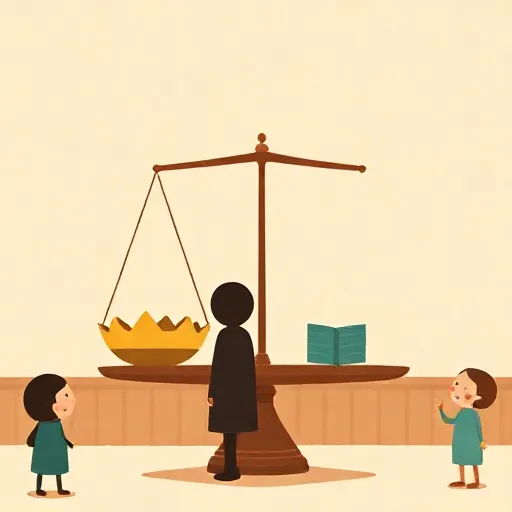
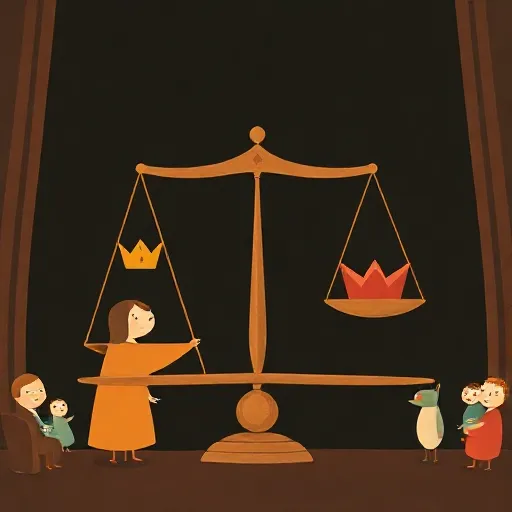
Whose Side Is the Law Really On? The Riddle of Ideology
Is the law really neutral? Some philosophers say it hides a force called ideology that protects the powerful. Find out how to see through it.
-
Whose Wish Counts When You Forget What You Wanted?
If your future self forgets a hard choice you made, does your old wish still matter? Marta's story about marigolds and memory shows why it's tricky.
-
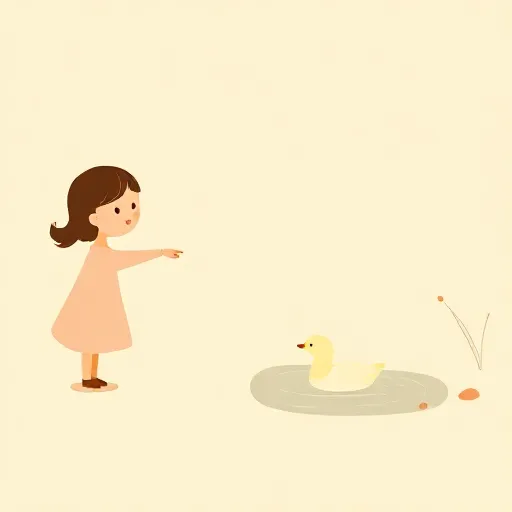
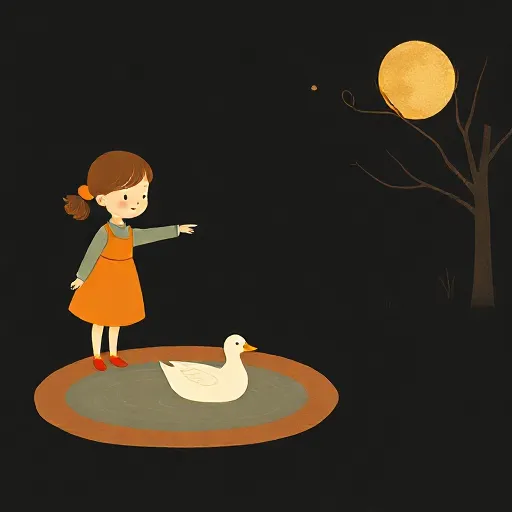
Why ‘I Saw Her Duck’ Can Mean Two Totally Different Things
A sentence like ‘I saw her duck’ can be about a bird or a quick move. So what makes a word ambiguous, and why does it matter for arguments and laws?
-
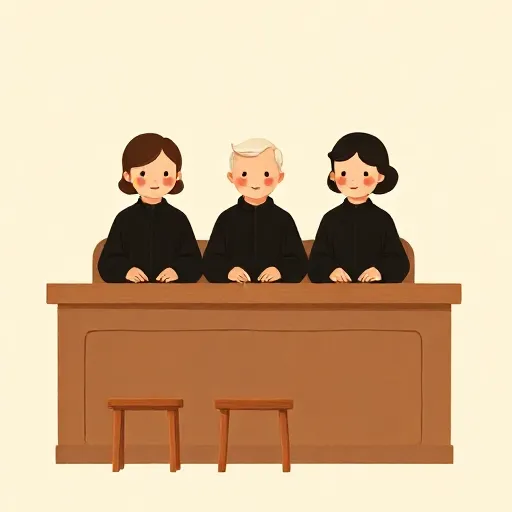
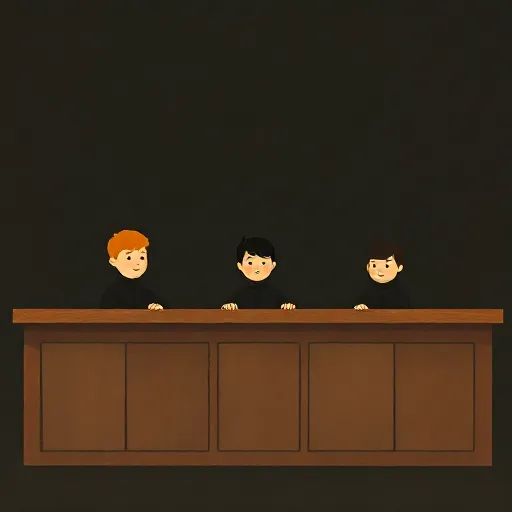
Why a Court Can Agree on Every Fact and Still Be Wrong
Three judges all vote logically. Yet their group verdict breaks the law. This puzzle shows a deep flaw in group decisions—and how we might try to fix it.
-
Why Are People Still Fighting for Slavery Reparations?
Can people today be owed something for a wrong done long before they were born? This is the debate over reparations for slavery.
-
Why Can't You Keep People Out? The Fight for Freedom of Association
From clubs to countries, groups decide who belongs. When does the right to pick your people become unfair? The limits of association.
-
Why Do We Have Laws — and When Can We Ignore Them?
Why do we need laws? Can we ignore unfair ones? Explore how rules protect us and what makes a law truly just.
-
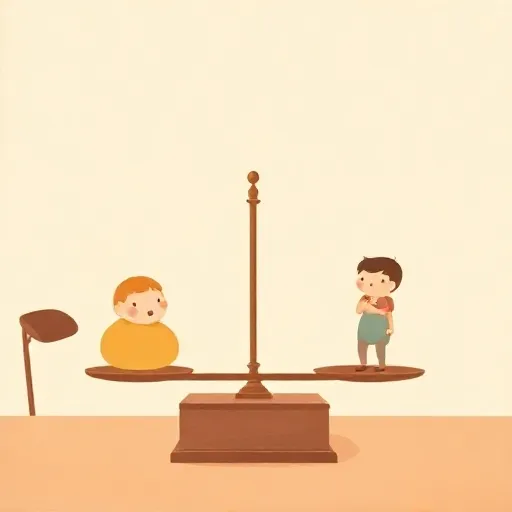
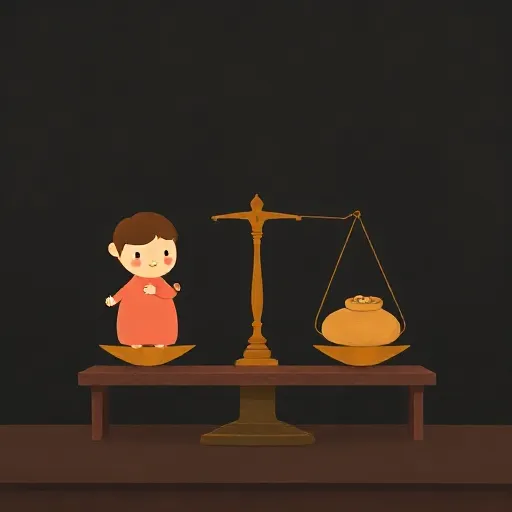
Why Do We Make People Pay When They Hurt Someone by Accident?
Why do we make people pay when they hurt someone by accident? Is it to right a wrong or manage risks? A real farm fire sparks a big philosophical fight.
-
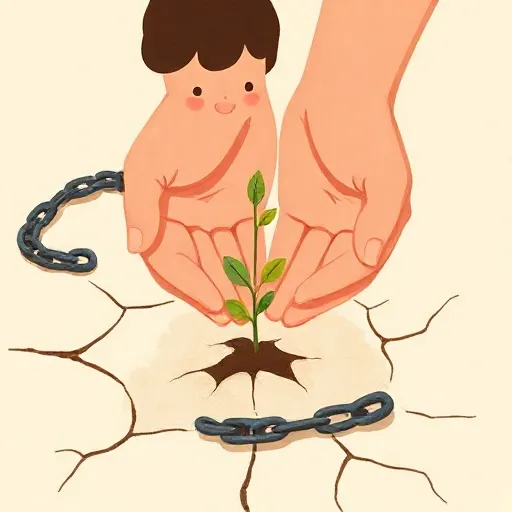
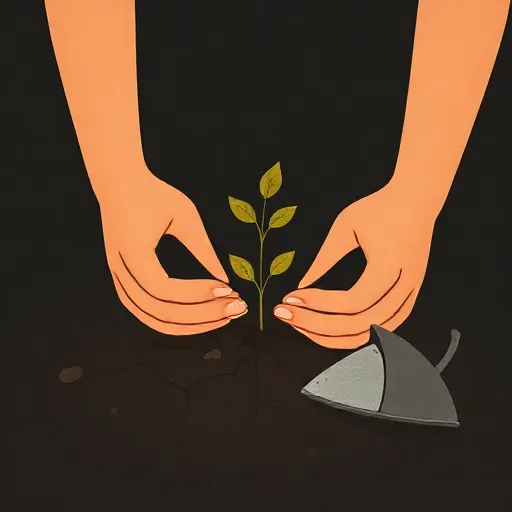
Why Do You Have Rights No One Can Take Away?
Human rights say you deserve to be safe, to speak, to learn. But where do these rights come from, and why do nearly all countries promise to protect them?
-
Why Does the State Get to Punish You?
When is it okay to make something a crime? Philosophers argue about punishment, prevention, and whether the law should express our shared values.
-
Why Does Yesterday’s Court Case Control Today’s?
When a judge decides a case, they’re bound by earlier decisions—even wrong ones. Why? And how do they escape old rulings? A look inside legal reasoning.
-
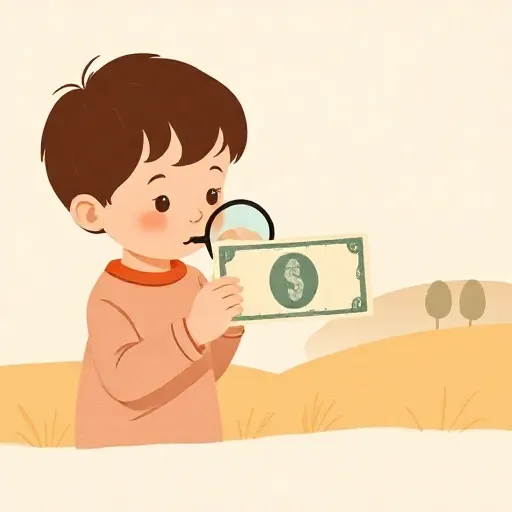
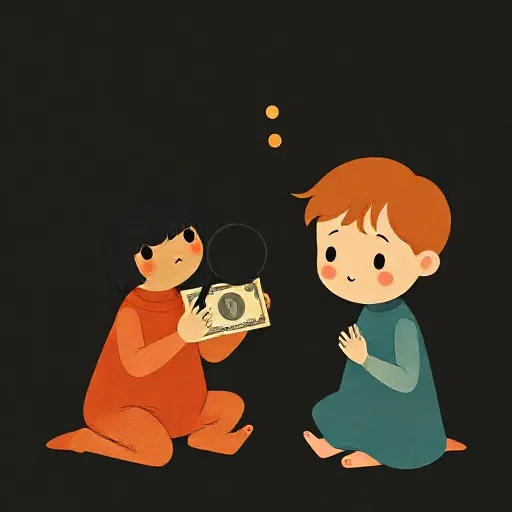
Why Is a Dollar Bill Worth a Dollar? The Puzzle of Institutions
It's just paper. But everyone treats it like money. How do human agreements create powerful things like schools, governments, and money?
-
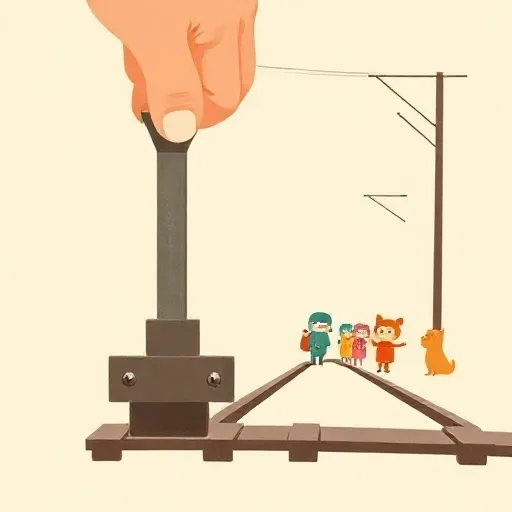
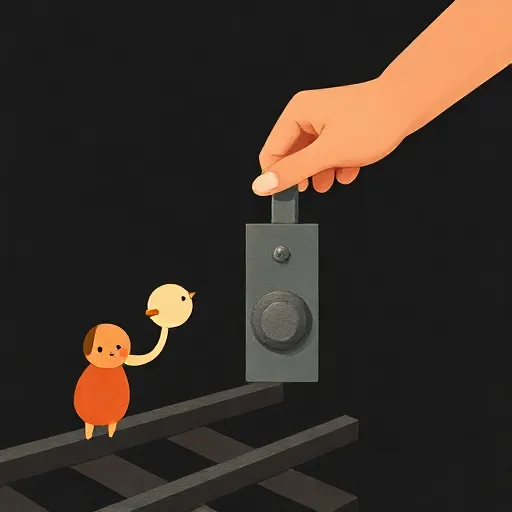
Why Is It Okay to Turn the Trolley but Not Push the Man?
Some harms you plan; others you just see coming. A 700-year-old idea says the difference changes everything — from war to medicine to self-driving cars.
-
Why Pleasure Might Be the Only Thing That Matters
Is pleasure the only good? Explore Jeremy Bentham's idea that happiness should guide all choices, and how it still affects law and fairness today.
-
Why Protect Speech You Hate?
Why should we allow speech we hate? It's not about agreeing—it's about protecting your right to decide. But when does speech cause real harm? The debate.
-
Why Should You Follow Rules You Never Agreed To?
Why obey laws made by people you never met? You didn't promise, so why should you? This fairness puzzle still has philosophers debating.
-
Why Should You Obey the Law—Even When You Think It’s Wrong?
Why obey a silly helmet law? Explore reasons to follow rules you disagree with and the debates about free speech and protest.
-
Why the Law Forces You to Keep Your Word — Three Big Ideas
Is a promise just a promise, or does it tie you down even when breaking it would make everyone richer? Philosophers clash over what contracts really mean.
-
Why the Rules of Morality Are Made, Not Found
Samuel Pufendorf asked: How do we stop killing each other? He said morality is invented — rules we create to live together safely.
-
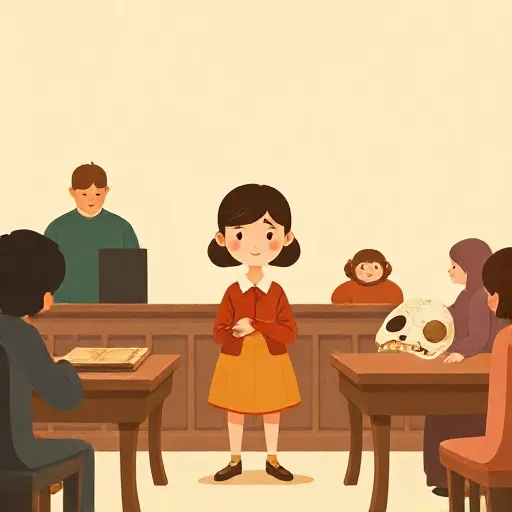
Why Was a Teacher on Trial for Teaching Evolution?
Why did teaching evolution land a teacher in court? The clash over faith and science still shapes what kids learn today.
-
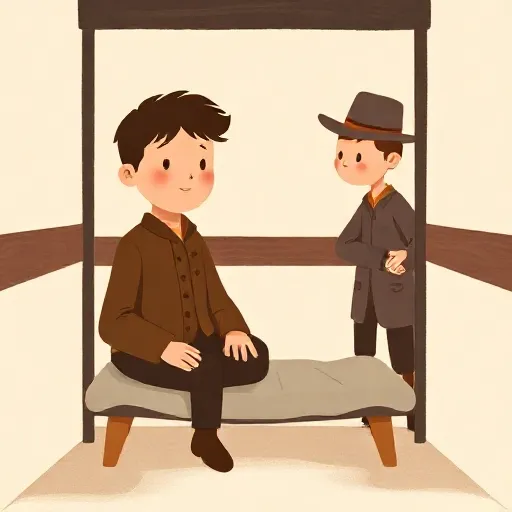
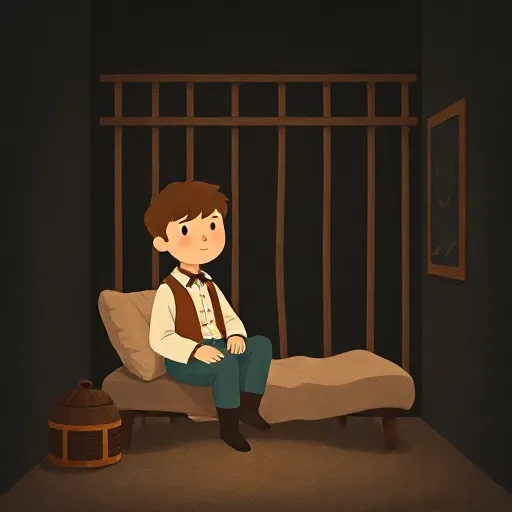
Why Would Someone Choose to Go to Jail?
Why would someone choose to go to jail? Civil disobedience: breaking a law on purpose to protest injustice, then facing the consequences. Is it right?
-
Why You Are Worth More Than a King — Even If Nobody Told You So
Why does everyone now have dignity, even kings? The surprising story of an idea that flipped the world upside down.