Is It Right to Make Criminals Suffer? The Big Debate Over Punishment
What Makes Punishment So Strange?
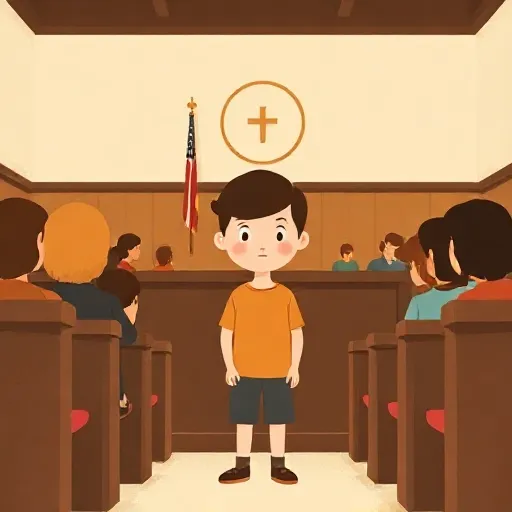
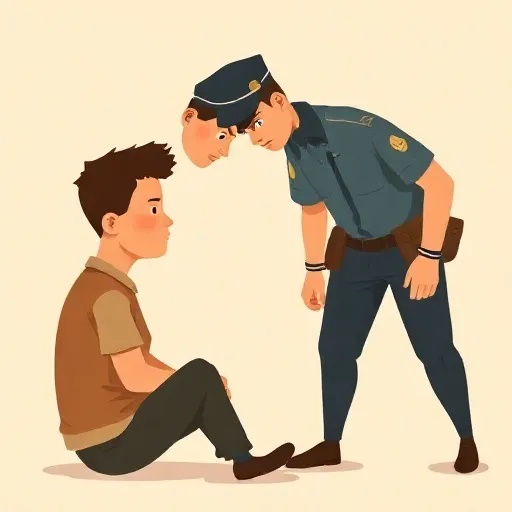
Last week, someone swiped your bike. The thief got caught and ended up in court. The judge told him he’d spend six months in jail. Why does anyone think that’s okay? He’s being locked up and publicly shamed — not just told to pay for the bike. How can a system that deliberately burdens people and announces that they’ve done wrong be justified? That’s the puzzle philosophers have been chewing on for centuries.
Legal punishment — the kind a state hands out after a crime — has two features that make it especially hard to defend. First, it’s intentionally burdensome: it takes away things people value, like freedom, time, or money, or makes them do things they’d never choose, like reporting to a probation officer. Second, it’s condemnatory: it doesn’t just hurt; it sends a message that the person has done wrong. A parking ticket is a “penalty” — you pay and move on, no real blame attached. A criminal sentence, by contrast, says “you are guilty and we blame you.” So the central question is: What, if anything, makes it right for the state to aim burdens and blame at people who break the law?
The “It Stops More Crime” View: Punishment as a Tool
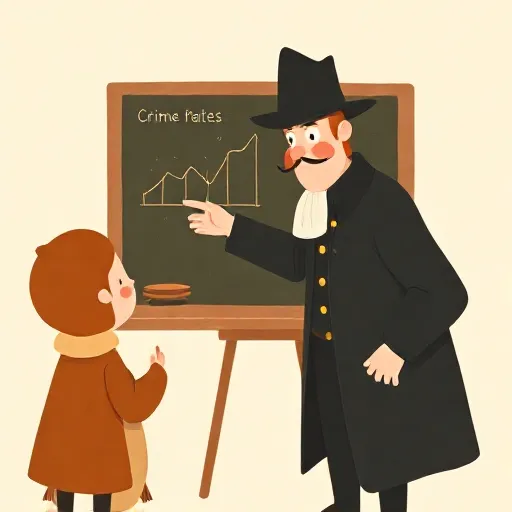
Jeremy Bentham (1748–1832) was blunt: punishment is itself an evil. So we should only do it if it prevents an even greater evil. His view is a classic example of consequentialism — the idea that an action is right or wrong depending on the results it brings. For punishment, the hoped‑for result is less crime. How could punishment achieve that? Bentham and later thinkers pointed to three main effects. Deterrence scares people — if you know stealing means jail, maybe you’ll think twice. Incapacitation simply takes the person out of action — locked up, they can’t commit more crimes. And reform aims to change the offender, perhaps through education or counselling, so they won’t want to reoffend.
But pure consequentialism runs into trouble fast. Imagine a crime that outrages everyone. To calm people down and discourage future attacks, the police grab a random stranger and punish him publicly. If that lie never comes out, crime goes down. A true consequentialist would have to admit that punishing an innocent person might be justified, if the good results were big enough. Yet nearly all of us feel that would be monstrously unfair. The same worry applies to punishing someone far more harshly than they deserve — locking up a shoplifter for ten years just to “send a message.” Consequentialism alone seems to offer no principled limit.
There’s a deeper objection, too. Immanuel Kant (1724–1804) argued that we must never treat a person only as a tool. Using someone as a mere means — as a walking warning to others — denies them the respect they’re owed as a thinking, choosing human being. If your parents announced “we’re grounding everyone this weekend so the house stays clean,” you’d rightly complain: punishing you for someone else’s mess treats you unfairly. A system of punishment designed only to scare people seems to do something similar.
Because They Deserve It: The Retributivist Answer

Kant and others offered a very different reason to punish: retributivism. The idea is that punishment is justified simply because the guilty deserve to suffer — not because it will do any good later. Retributivism comes in “positive” and “negative” forms. Positive retributivism says that desert is a positive reason to punish: if you’ve done wrong, justice demands that you bear a proportionate burden. Negative retributivism only says we must never punish someone unless they deserve it, and never more than they deserve — it’s a fence around punishment, not a driver.
One classic retributivist story goes like this: laws benefit everyone by protecting us from harm, but that benefit depends on people accepting the burden of self‑restraint. When you obey the law, you carry that burden; a criminal enjoys the benefit of others’ restraint without accepting the burden himself. He’s taken an unfair advantage, and punishment removes that advantage by imposing an extra burden on him. Critics reply that this makes crime sound like a cheater at cards, when what really bothers us about a violent assault is the harm done to the victim, not some invisible “unfair advantage.”
A more recent strand of retributivism focuses on communication. Punishment, on this view, is society’s way of censuring the offender — of saying clearly “what you did was wrong,” and calling him to account. In a courtroom, the conviction itself is already a form of condemnation. But if punishment is a message, why do we need hard treatment — the prison, the fine, the community labour — and not just a stern speech from a judge? One reply is that hard treatment helps the offender genuinely recognise the wrong and feel remorse, almost like a secular penance. But critics ask: is it the state’s job to make someone feel guilty? And doesn’t the pain of prison sometimes drown out the moral message anyway? So even the most popular version of retributivism has its own puzzles.
Mixed Accounts: Trying to Have It Both Ways

Philosopher H.L.A. Hart (1907–1992) thought we shouldn’t be forced to pick one side. He argued that the big question — “why have a punishment system at all?” — might get a consequentialist answer: we create it to reduce crime. But that goal must be fenced in by non‑consequentialist rules. We must never punish the innocent, and we must never punish people more than they deserve. This is a mixed theory: the engine is deterrence, but the steering wheel is desert. Other mixed accounts flip the pieces: the aim is retribution, but we refuse to punish in ways that make crime worse. Still others split the jobs: legislatures decide what’s a crime and what range of sentences fit, using crime‑reduction goals; judges then decide the exact sentence based on what the individual deserves.
Mixed theories feel satisfying because they match our everyday instincts — we want bad people to get what they deserve, but we also want fewer victims. Yet critics charge that they can become inconsistent. If the true point is to reduce crime, why let desert ever stop us? And if desert is sacred, why would we ever let deterrence goals override it? The fight over whether a mixed account can really hang together is far from settled.
Abolitionism: Maybe We Should Ditch Punishment Altogether
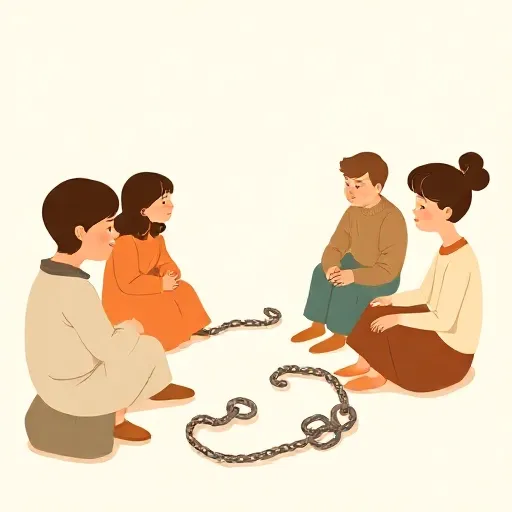
Some philosophers think the whole project is doomed. Abolitionists argue that intentionally burdening and blaming people can never be justified, even in principle. So rather than tinker with the system, we should replace it with something radically different.
The most influential alternative is restorative justice. Instead of a trial and a sentence, you bring together the victim, the offender, and often members of the community. Together they talk about the harm that was done and how to repair it. The offender might apologize, pay restitution, or do work to make things right — not as a punishment, but as a way of mending relationships. Critics worry that some harms, like violent assault, demand more than a conversation; they demand that society officially declares the act wrong and blames the perpetrator. A purely restorative process might not express that forcefully enough.
Other abolitionists draw on free‑will scepticism — the view that human behaviour is really the product of genes, environment, and luck, not of a deep moral choice. If that’s right, then blame and desert are illusions. These thinkers propose that we should still protect people from dangerous individuals, but not by blaming them. Instead, we could treat dangerousness like a contagious disease: quarantining someone for public safety, without any message of shame. The quarantine model avoids casting moral stones, but it faces a worry: how do we stop it from sweeping up harmless people, and how do we limit how long someone is locked away if desert is off the table?
Why the Punishment Puzzle Still Matters

You’ve probably already run into smaller versions of this puzzle. When a classmate is suspended for starting a fight, is that because the school wants to scare others into behaving? Because she deserves it? Or because the school hopes she’ll learn something? The same tension plays out in your own family rules.
As you grow up, you’ll become one of the people who decides, through votes or jury service, what kind of justice system your society should have. The theories aren’t just old‑fashioned intellectual games — they shape real‑world answers about who goes to prison, for how long, and what happens when they get out. And even if you never set foot in a courtroom, the question of what justifies punishment forces you to think hard about fairness, responsibility, and how much power the state should have over any of us. The next time you see a news report about a sentence, you might ask yourself: which story — deterrence, desert, abolition, or some mix — do I rely on, and is it really holding up?
Think about it
- Imagine a rule: anyone caught stealing must stand in a public square all day wearing a sign that says “thief.” Would that be a fair punishment? Why or why not?
- If scientists invented a perfect programme that made every convicted person never reoffend, would it be okay to force everyone who breaks the law into that programme, even if they said no?
- Can a society that never punishes anyone still be safe? Or does the idea of a safe community require some form of punishment?