Whose Life Is It, Anyway? The Fight Over Assisted Dying
Maria’s Question: Turning Off the Machine or Taking a Pill?
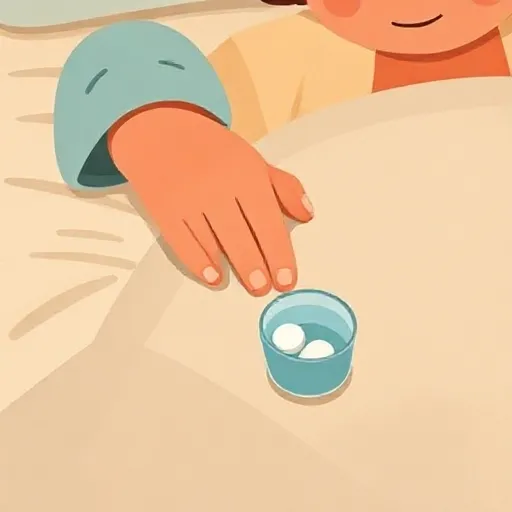
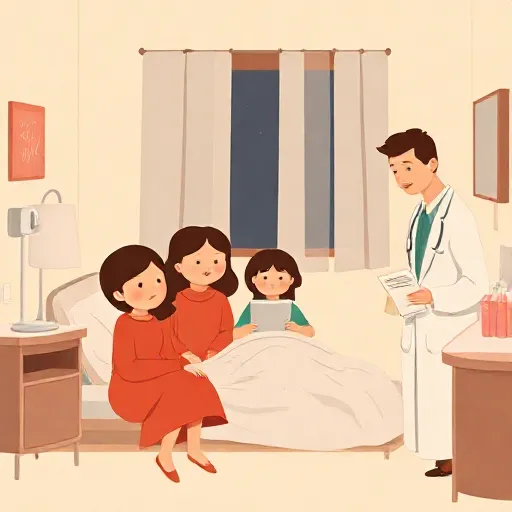
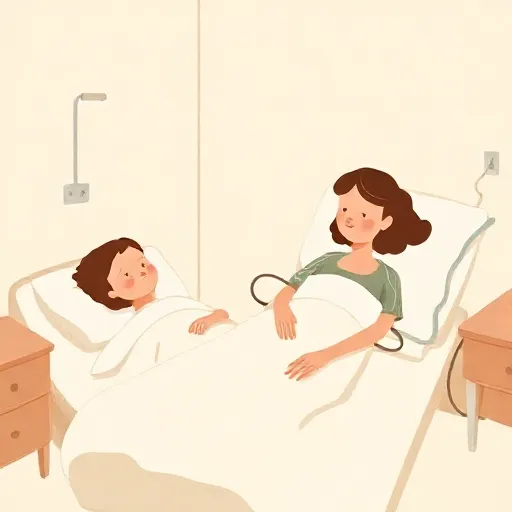
Maria is dying of a disease that will soon take her life. She breathes with a machine and cannot move on her own. One morning, she looks at her doctor and says, calmly, “I want the machine turned off so I can go peacefully.” But later she asks, “Could you also give me medicine to make it happen faster, so I don’t have to wait and struggle?” Most people would say the first request — stopping treatment — is allowed. The second request — actively helping her die — is what philosophers and lawmakers call voluntary euthanasia (when the person clearly asks) or physician-assisted suicide (when the doctor provides the means, like a pill, but the patient takes the final step). The debate is whether that second request can ever be right.
The word euthanasia comes from Greek words meaning “a good death.” In today’s world, it means bringing about someone’s death because you believe their life is so bad that they would be better off dead, and your goal is to help them. Voluntary means the person who is dying makes a clear, enduring, and competent request. This article explores the case for allowing voluntary euthanasia, the safeguards that advocates typically demand, and the deepest worries people have about it.
Five Lines That Would Be Drawn
Most people who want to make voluntary euthanasia legal don’t want it to be available to just anyone, anytime. They propose five strict conditions that should all be met:
- The person has a terminal illness — a disease that will cause death no matter what.
- During the time she has left, it is extremely unlikely that a cure will be found.
- As a direct result of the illness, the person is suffering intolerable pain, or her life has become so burdensome — for example, she is completely dependent on machines or others — that she finds it unacceptable.
- She has an enduring, voluntary, and competent wish to die. That means her decision is steady over time, nobody is pressuring her, and she understands the facts and consequences.
- She cannot end her life on her own without help.
These conditions are meant to draw a clear line around who qualifies. Some think they are too restrictive: what about a person with locked‑in syndrome who isn’t strictly terminally ill but suffers unbearably? Or someone with a chronic, non‑terminal condition that makes life feel like torture? Still, most advocates see these five lines as the most defensible way to start — without them, they say, legal change would be politically impossible.
The Moral Heart: Respecting Freedom and Ending Suffering
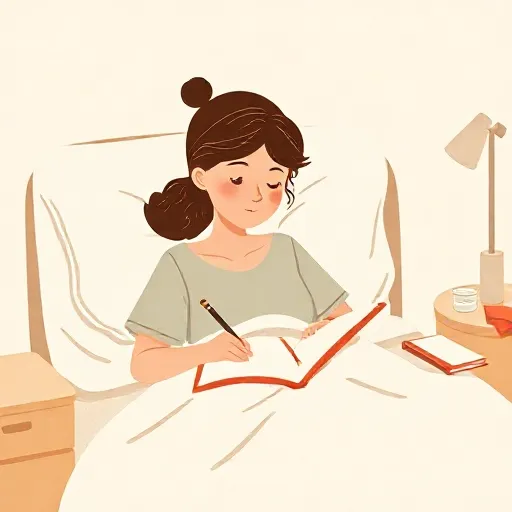
The strongest moral case for voluntary euthanasia rests on two values: autonomy (the right to make your own choices) and well‑being (living a life that is good for you). When a competent adult decides that continuing to live, given her condition, no longer has any value to her, those two values pull in the same direction. Respecting her autonomous choice honors her as the author of her own life. Helping her die ends the suffering that makes her life a burden. For supporters, each value is necessary, but neither alone is enough: you need both a genuine, lasting wish and the judgment that death would be a benefit.
Many people already accept that a patient can refuse life‑prolonging treatment even if that refusal means she will die. But if it’s okay to let someone die by stopping a respirator, what makes it so different to actively help her die when she asks? In both cases, the goal is to honor her wishes and prevent pointless suffering. As long as a doctor sees easing a patient’s unbearable state as part of good medical care, providing help with dying can be morally permissible — not required, but allowed when the patient’s autonomy and well‑being align.
Critically, this does not give a patient the right to demand a pill from any doctor. Doctors, too, have professional autonomy: no one should be forced to act against their own deeply held values. In places where the law permits assisted dying, doctors who object refer the patient to a colleague who can help.
Two Early Worries: Pain Relief and a Changing Mind
Even before the deeper questions, objectors raise two practical doubts.
The first is that modern medicine can now control pain so well that voluntary euthanasia is unnecessary. But pain is not the only thing that makes a dying person want to end her life. Many say they suffer more from losing their independence — being unable to feed themselves, go to the toilet, or think clearly — than from physical pain alone. High‑quality palliative care, while vital, often brings side effects like constant drowsiness or nausea that can make existence feel worse, not better. And, importantly, not everyone wants to spend their last weeks sedated in a hospice; some want to stay alert and decide the moment on their own terms.
The second doubt is that we can never be sure someone’s wish to die is truly voluntary and enduring. Could pain, fear, or depression be clouding her judgment? Could she change her mind tomorrow? Supporters reply that this is exactly why they require a waiting period and repeated conversations. A person who discusses her wish over weeks, stays steady in her thinking, and is found competent by more than one doctor has given strong evidence that her choice is real. When someone hasn’t made her wishes known while still able, a living will (also called an advance directive) can speak for her — saying, for example, that if she ever develops dementia and can no longer recognize her family, she would not want machines to keep her alive. These documents are treated seriously precisely because they were written when the person was competent.
The Deeper Fears: “Killing Is Killing” and the Slippery Slope

Two more profound objections go to the heart of the matter. The first says that actively killing a patient, even at her request, is always worse than passively letting her die. This idea often draws on the doctrine of double effect, a centuries‑old ethical rule that says: it can be acceptable to do something that you foresee will cause death, as long as your direct intention is only to relieve pain, not to end the life. So a doctor may give a large dose of morphine to ease suffering even if she knows it will shorten the patient’s days, but she may never give the same dose with the aim of bringing death about.
Many philosophers, however, point out that in the real world, the doctor’s goal is often the same in both cases: to end unbearable suffering, and death is sometimes the only way to achieve that. If death is actually a benefit to the patient — because the remaining life has only misery — then actively causing it can be more compassionate than letting her linger. Moreover, the line between “letting die” and “killing” is blurry. Is pulling the plug on a ventilator an act or an omission? What about refusing to refill the oxygen tank when it runs out? If the only difference is how we describe it, many think the moral weight should fall on the patient’s own judgment of what is best for her.
The second deep fear is the slippery slope: if we allow voluntary euthanasia, won’t we soon end up killing people who never asked for it — the disabled, the elderly, the depressed? History is sometimes invoked, but the Nazi extermination program was never about voluntary euthanasia; it was a eugenics campaign aimed at groups the state considered undesirable. In countries that have legalized voluntary assisted dying — like the Netherlands, Belgium, Oregon, and several Australian states — extensive studies have not found a slide into non‑voluntary practices. Cases where patients who could no longer speak were helped to die overwhelmingly involved close consultation with family members (a kind of substituted judgment) or were cases of terminal sedation that happen everywhere, even where assisted dying is illegal. Very few doctors have been disciplined, and many requests are turned down. Still, critics rightly insist that strong independent oversight is essential, because any law can be misused.
Why Your Choices at the End Matter Right Now

You might be far from old age, but end‑of‑life decisions are not just for the dying. Someday you may have to speak for a grandparent who can no longer express her wishes, or you might need to write an advance directive of your own. The debate about voluntary euthanasia forces us to ask: Who gets to say when a life is no longer worth living? Should that power belong only to the person living it, or should the law step in to prevent mistakes — even at the cost of denying a desperate, steady wish?
The answer isn’t settled. What is clear is that this conversation is no longer just theory. Countries and states are changing their laws, driven by citizens who believe that controlling the final chapter of their lives is a matter of basic dignity. Thinking about it now, even hypothetically, is a way to take your own values seriously.
Think about it
- If a person is in terrible pain and asks to die, but a new painkiller could keep her alive while making her sleep most of the day, should she still be allowed to choose death? What might make someone refuse a sleepy life?
- Suppose a law requires a two‑week waiting period before a doctor can help someone die. What if the person’s pain is so bad that waiting feels cruel? How would you balance safety and compassion?
- If you could write a note today saying what medical help you want when you are no longer able to communicate, would you include the option of asking for help to die? What might make you hesitate?