Who Gets to Break the Rules When Everything Falls Apart?
What Happens When the Rules Can’t Handle a Crisis?

Imagine you’re in a classroom where everything is falling apart. The fire alarm is going off, two fights have broken out, and the usual rules about raising your hand or waiting for a turn seem useless. The teacher looks at the handbook, then puts it down. Someone has to act — fast — even if that means ignoring the normal procedures.
Carl Schmitt (1888–1985), a German legal thinker who wrote during a time of deep crisis in his country, asked a big, uncomfortable question: when the rules can’t handle a disaster, who gets to decide what happens next? And what if that power is the real foundation of all law?
Schmitt’s answers were powerful, unsettling, and very influential. His ideas about sovereignty, the state of exception, and the need for a clear friend‑enemy divide in politics have been used to justify dictatorship, but they also force us to think hard about what keeps any legal system alive.
The Secret Boss of Every Legal System
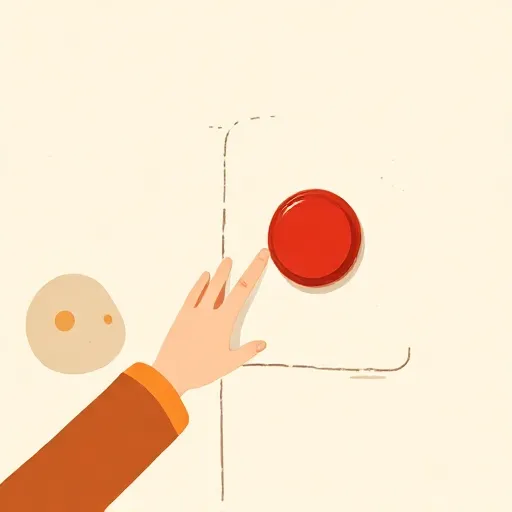
Most of us think that good laws are general rules that apply to everyone in a predictable way. A fair system, we like to believe, shouldn’t give anyone the power to act like a boss above the law. But Schmitt argued that this is a comfortable illusion. Every working legal order, he said, depends on a hidden sovereign — a person or institution that can decide to suspend the rules altogether when things get bad enough.
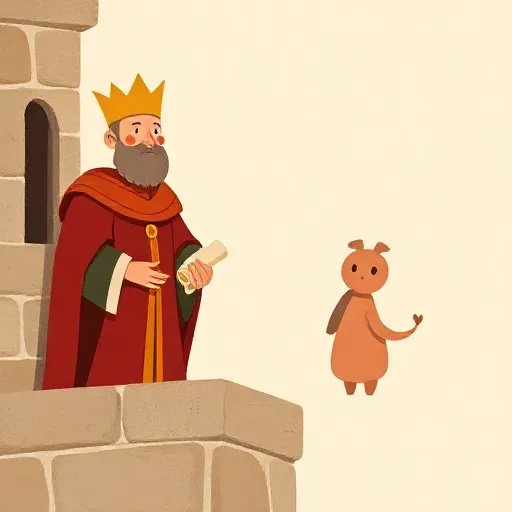
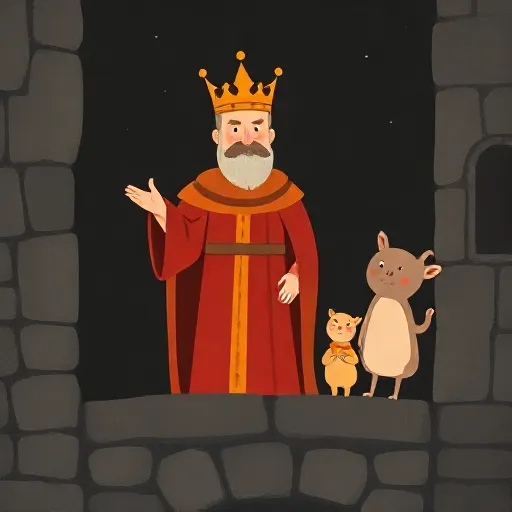
The key moment, for Schmitt, is the state of exception. Imagine a country facing a massive terrorist attack or a complete breakdown of order. The normal legal machinery — courts, police procedures, constitutional rights — might not be able to restore peace quickly. Someone has to say: “The normal rules no longer apply; I will do whatever is necessary to fix this.” That someone, Schmitt declared, is the real sovereign.
He summed it up in a famous claim: the sovereign is whoever decides what counts as an emergency and what to do about it. In his view, every legal system secretly rests on such a power, even if the constitution never mentions it. That’s because laws can only function, he believed, when society is already orderly — a “normal” situation. If that normality disappears, the law is helpless unless someone steps outside the law to re‑create it.
Many legal thinkers push back. They say we can write emergency rules in advance, giving specific officials limited powers while still keeping the idea of the rule of law. Schmitt’s reply is tough: no one can predict every future emergency, and trying to tame the unpredictable only ties the hands of those who need to act. So the sovereign’s power to do whatever it takes can never really be tamed by written rules.
Politics Begins with “Us” and “Them”
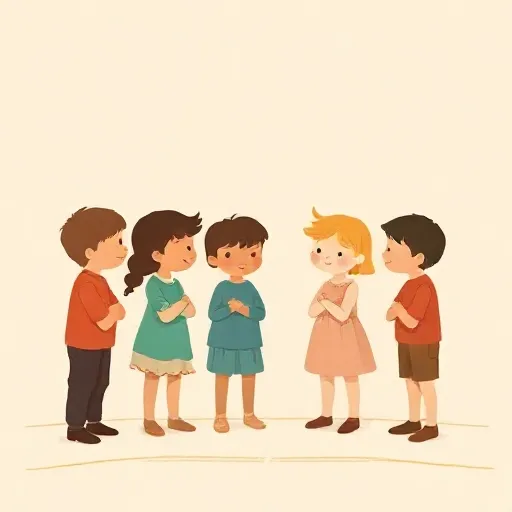
Schmitt took this idea even further. He claimed that all genuine politics is based on a single, brutal distinction: the line between friend and enemy. This isn’t about personal dislikes. It’s about groups — whole communities — that are willing, if it comes down to it, to fight and kill each other.
A political community, in his view, exists when a group of people shares a strong enough identity to say, “We are this; they are not this, and we will defend who we are even if it means war.” The enemy isn’t just someone we disagree with. The enemy is a group whose way of life could, in a conflict, threaten our own.
Notice something tricky here. The friend‑enemy distinction can be based on almost anything — religion, nationality, economic interest, culture. The content doesn’t matter much; what matters is that the distinction becomes so intense that people are ready to die for it. That’s the political sphere, and Schmitt thought it was the most important one because it decides who gets to exist as a community.
He argued that we can’t escape this. Even if we try to avoid dividing the world into friends and enemies, the world will do it for us. If a group refuses to draw the line, it will simply be swallowed by another group that is still willing to.
Why Schmitt Called Liberalism a Weak Illusion
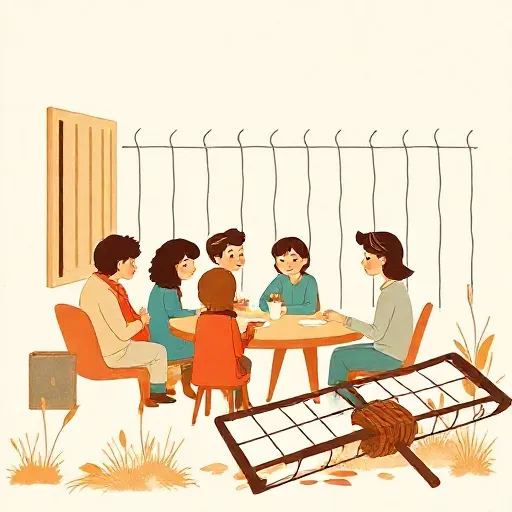
From here, Schmitt launched a sharp attack on liberalism — the set of ideas that treats individual freedom, peaceful compromise, and the rule of law as the highest political values. Liberals, he said, dream of a world where people can solve all conflicts without ever needing to decide who is a friend and who is an enemy. They believe that with enough discussion, better technology, or fairer rules, human beings can live together without drawing lethal lines.
Schmitt thought this was dangerously naïve. A liberal state that tries to include everyone, without a clear sense of who we really are, will eventually break down. Either internal fights will tear it apart, or a more politically united enemy will crush it. He worried that liberal societies don’t know who belongs and who doesn’t — and that weakness invites disaster.
Moreover, he argued, liberalism makes life shallow. A completely peaceful, depoliticized world might offer comfort and entertainment, but it offers nothing worth dying for. For Schmitt, human beings need a higher purpose — a community that demands sacrifice — to make life truly meaningful. Without the friend‑enemy tension, he believed, existence becomes empty.
Many philosophers today push back hard. They point out that a world organized around permanent enemies is a recipe for endless violence. And they ask: is meaning only possible when we have an enemy to fight? Yet Schmitt’s critique still stings because it forces us to ask whether liberal democracies can survive if they lose the ability to stand for something definite.
A Dangerous Cure: Dictatorship in the Name of the People
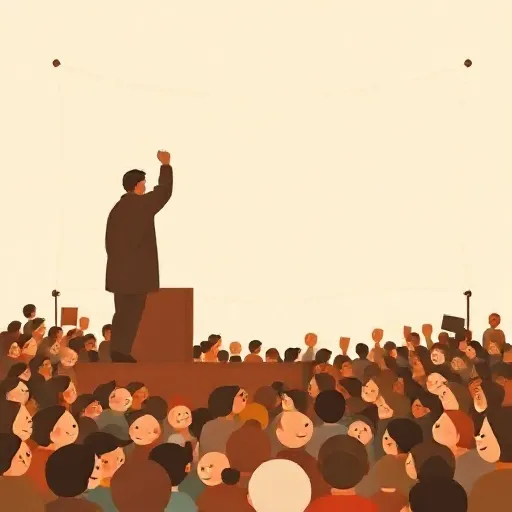
So what did Schmitt’s vision of a strong, healthy political community look like? In his early work, he developed the idea of sovereign dictatorship. This isn’t like a Roman dictator who temporarily defends an existing constitution. Schmitt meant a dictator who creates a new constitution in the name of the people — someone who claims to speak for the collective will and reshapes society from the ground up, even before any democratic voting can happen.
He argued that this kind of dictatorship was deeply democratic. The people, he said, already exist as a political unit before any written constitution, held together by a shared friend‑enemy identity. Their constituent power — the power to decide their own political form — can be exercised by a leader who eliminates internal enemies and builds a homogeneous community. Only then, he thought, can normal democratic procedures like elections work legitimately.
This thinking led Schmitt into very dark territory. After the Nazis took power in Germany in 1933, he joined them enthusiastically. He argued that Hitler’s regime had successfully acted as a sovereign dictator, restoring a clear friend‑enemy distinction by targeting internal and external enemies. He even helped craft legal arguments to justify Hitler’s extra‑judicial killings and the purging of Jewish influence from German law.
Many readers of Schmitt insist that his most brilliant insights about sovereignty and the weaknesses of liberalism can be separated from his Nazi years. Others reply that his ideas naturally lead to authoritarianism — that once you define politics as the friend‑enemy struggle and treat the state of exception as the hidden truth of law, you’ve already opened the door to violence and exclusion. The debate remains fierce.
Why These Old Debates Still Matter
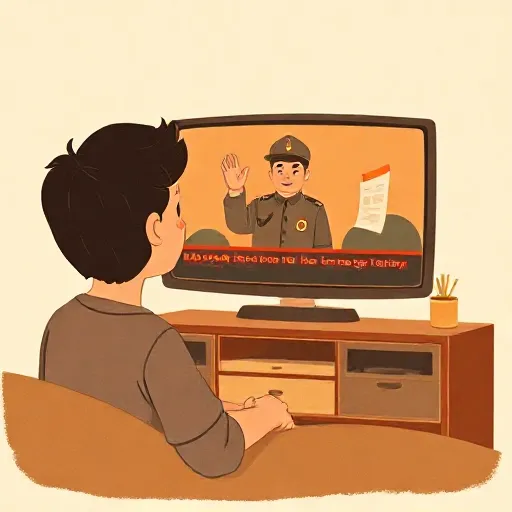
You might never hear the name Carl Schmitt in school, but his ideas ripple through the world you live in. Every time a government declares a state of emergency and gains extra powers, the ghost of Schmitt’s sovereign reappears. His work forces us to ask: can we ever grant someone the power to break the rules without losing the rule of law entirely?
His concept of the political also hits close to home. The friend‑enemy distinction helps explain what happens when groups in your own neighborhood or country start treating each other as threats to be defeated rather than opponents to be argued with. It explains why political conflict can feel like a matter of survival, not just a difference of opinion.
Schmitt’s story is a warning. His brilliant analysis of how law and politics really work was used to justify one of the most horrific regimes in history. That doesn’t mean we should ignore his questions. It means we have to be careful how we answer them. A defenseless liberal state may be weak, as Schmitt said, but the cure of a strong sovereign dictator who decides who is an enemy turned out to be far, far worse than the disease.
Think about it
- If a government declares an emergency and begins ignoring normal laws to “fix” things, is there any way to stop that power from being abused?
- Can a group have a strong identity without treating outsiders as enemies, or does a strong “us” always require a threatening “them”?
- If you could design a perfect legal system, would you include a safety valve that lets someone break the rules in a crisis? Why or why not?