Can You Ban Something You Can't Define? The Pornography Puzzle
“I Know It When I See It”
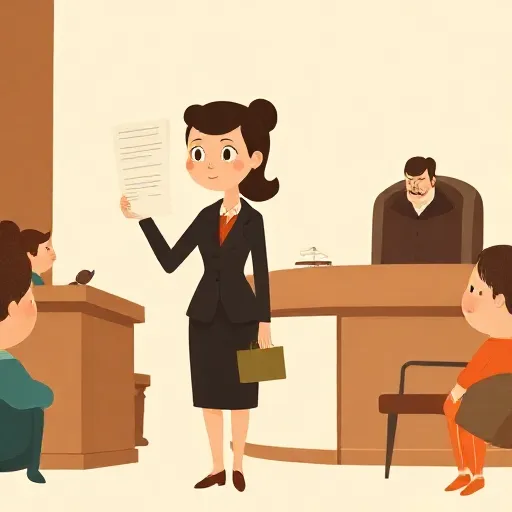
In 1964, a U.S. Supreme Court justice named Potter Stewart (1915–1985) had to decide a case about an adult film. Could the government ban it? But first, he ran into a puzzle: what even counts as pornography? He threw up his hands and famously said, “I know it when I see it.” That answer is honest — but not very helpful if you want fair laws. Philosophers try to do better. They ask: What makes something pornographic? And is it harmful enough that a government should forbid it?
The simplest definition is: pornography is any sexually explicit material — pictures or words that show sexual acts or body parts usually kept private. But this definition is too broad. A medical textbook shows genitals, yet nobody calls it pornography. So being sexually explicit is not enough.
A second definition adds a purpose: pornography is sexually explicit material designed mainly to produce sexual arousal. That rules out textbooks. It covers a huge range of content — from softcore images to violent depictions. Within this class, researchers often separate violent, degrading but non-violent, and non-violent, non-degrading material, because different types may cause different harms.
But some people go further. They think the word “pornography” doesn’t just describe — it condemns. This third, value-laden definition builds in the idea that pornography is sexually explicit material that is bad in a certain way. Conservatives may say it’s obscene — it disgusts decent community standards. Many feminists say it isn’t just about sex; it’s material that subordinates women, showing them as things for men’s pleasure and making inequality seem sexy. On this view, not all sexually explicit material is pornography. Harmless, equality-based material gets a different name: erotica.
The word gets used in all these ways. That causes confusion. As we’ll see, the real fights aren’t just about words — they’re about power, freedom, and harm.
The Conservative Case: Morals and the Law
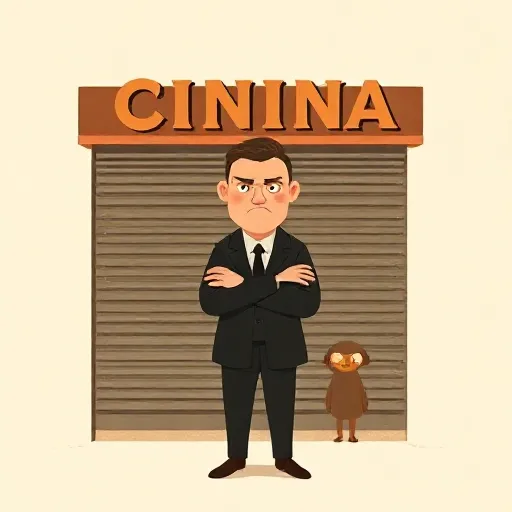
For a long time, the loudest objections to pornography came from religious and moral conservatives. They usually define pornography broadly as all sexually explicit material, because they think all of it is obscene and corrupting.
Their argument goes like this. Pornography offends shared community values about decency and family. It encourages sexual behavior they see as wrong — casual sex, unusual practices — and weakens traditional institutions. It also harms the people who use it, twisting their character and pulling them away from a good life.
If all that is true, can the state step in? Conservatives say yes, for two reasons. First, legal moralism: the government may enforce a community’s moral convictions, even if nobody else is physically hurt. Second, legal paternalism: the state may protect adults from harming themselves, just as it protects children. So banning pornography, even for consenting adults in private, is legitimate.
Many people find this view disturbing. If the majority’s morals can outlaw a minority’s private choices, what stops a “tyranny of the majority”? That worry is at the heart of the liberal reply.
The Liberal Defense: Your Life, Your Choice
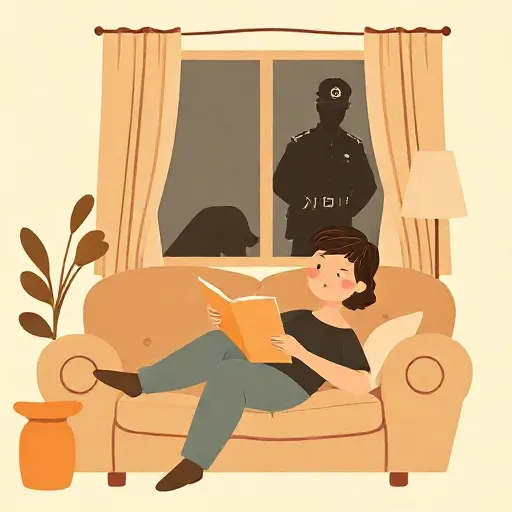
Liberal philosophers, such as John Stuart Mill (1806–1873) and Ronald Dworkin (1931–2013), reject both legal moralism and legal paternalism when mentally competent adults are involved. They don’t necessarily like pornography. Many personally find it offensive or worthless. But they insist on a fundamental principle: the state may restrict an adult’s freedom only to prevent harm to others. This is the famous harm principle.
Mill’s version is simple. You can live as you please, as long as you don’t hurt someone else. Your own good — physical or moral — is not a reason for the law to force you to change. So the mere fact that a majority disapproves of pornography is not enough to ban it.
Liberals also defend a right to privacy. A free person has a zone of private activity where the state cannot trample. What you read, watch, or enjoy in your own home is your own business — unless it directly endangers others.
So what about the claim that pornography causes harm? Liberals demand strong evidence. If watching violent pornography clearly caused more rapes or assaults, many would support restrictions. But, they argue, the evidence is far from settled. Some studies suggest a link between violent imagery and aggressive attitudes; other research shows weak or no connection to actual crimes. While the data is debated, liberals think the case for censorship remains too shaky to override free speech and privacy.
Some liberals do accept restrictions on public display. Joel Feinberg (1926–2004) proposed an offense principle: the state may stop people from involuntarily shocking others — say, by putting up giant explicit billboards in a busy square. That way, adults can still watch pornography privately; they just can’t force it on unwilling passersby. This is not censorship, liberals say, because the material remains legal.
But what if pornography doesn’t just offend — what if it silences and subordinates an entire group? That’s the feminist challenge.
The Feminist Challenge: Subordination, Not Just Sex
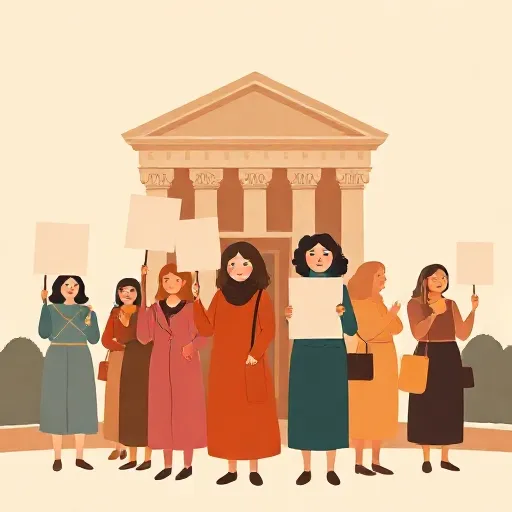
In the 1980s, feminist legal scholar Catharine MacKinnon (born 1946) and writer Andrea Dworkin (1946–2005) offered a new way to think about pornography. They shifted the focus from obscenity to civil rights. Pornography, they said, is not just naughty pictures. It is a practice of sexual discrimination.
Their definition is value-laden: pornography is sexually explicit material that subordinates women — that shows them as things for male pleasure, as enjoying abuse, or as naturally inferior. Such material, they argue, teaches people to see women’s inequality as normal, natural, and sexy. It helps create a world where women are not treated as full equals.
MacKinnon and Dworkin did not seek to jail producers or viewers. Instead, they drafted a law that would let women sue for damages and ask courts to ban future distribution of material proven to harm them. This was a civil, not criminal, approach.
The harms they pointed to were of two kinds. First, women are sometimes coerced or exploited in making pornography. In one famous case, Linda Marchiano said she was kidnapped, drugged, and beaten to perform. Even when physical force isn’t used, many performers come from poverty with few choices — a kind of economic pressure that can make “consent” less free.
Second, consuming pornography can cause indirect harms to all women. It may encourage sexist attitudes, make men more likely to accept rape myths (like “no” doesn’t really mean no), and contribute to sexual harassment. MacKinnon went further: pornography actually silences women. In a culture saturated with images of women as willing sex objects, a woman’s refusal — her “no” — may not be taken seriously. Her speech fails to get uptake; people hear the sounds but not the meaning. So pornography violates women’s right to free speech as well as their right to equality.
Not all feminists agree. Many are anti-censorship. They worry that laws against pornography will be used to oppress women, censor lesbian or minority sexualities, and distract from deeper causes of inequality, like economic injustice. They prefer counter-speech — education, protest, satire — rather than legal bans.
Why This Still Matters for You

You may never set foot in a courtroom. Yet the puzzle of pornography is everywhere in your daily life. When you scroll through social media, you see content that can offend, manipulate, or degrade people. You hear arguments about “cancel culture” and hate speech. People ask: Should platforms ban certain videos or comments? Is it censorship, or is it protecting people from real harm?
The same clash of principles appears. Free speech advocates say that even nasty ideas should be out in the open where they can be fought with better ideas. Others say that some speech isn’t just opinion — it silences, bullies, and creates an unequal playing field. Liberals and feminists debating pornography were grappling with exactly that tension.
Philosophers don’t have a single final answer. They offer tools: the harm principle, the difference between offense and injury, the recognition that words can do things — they can subordinate and silence. These ideas help you think for yourself about what you should be free to see and say, and when a community might be justified in drawing a line.
The debate remains live. And now, when someone says “I know it when I see it,” you’ll know there’s a lot more to ask.
Think about it
- If you believe a film or a video game spreads harmful ideas, should you try to ban it, or is it always better to respond with better arguments and art?
- Can a woman’s “no” lose its power if many people believe myths about what women “really” want? Whose responsibility is it to fix that?
- Should adults be free to watch anything in private, even if scientists proved it made them slightly more sexist? Where would you draw the line?