Who Decides What a Bag of Rice Costs?
Nobody Invented This Market
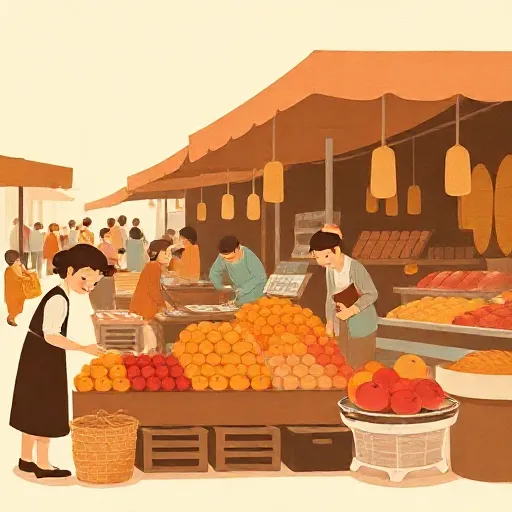
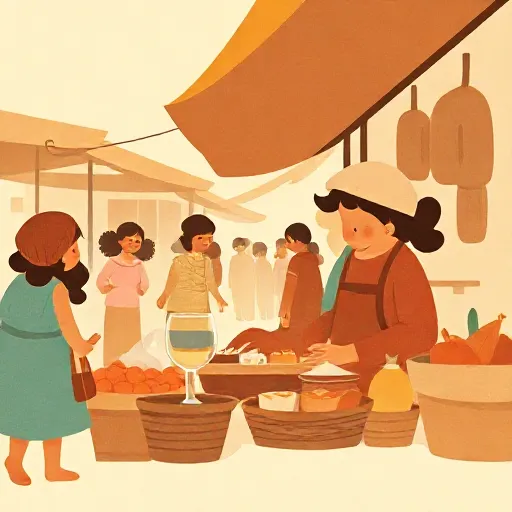
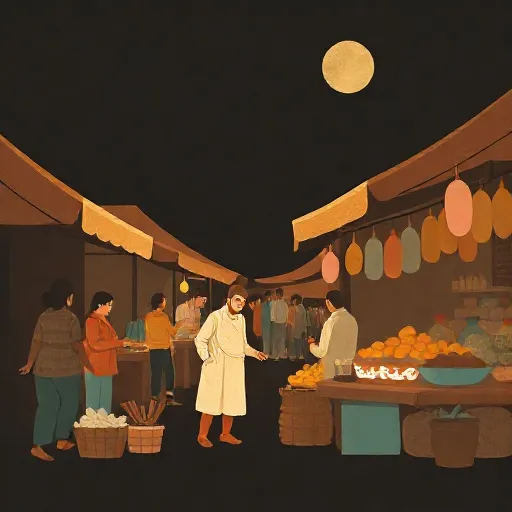
You walk through a crowded market on a Saturday morning. Fish sellers shout, a baker scribbles a new number on a chalkboard, customers compare. Nobody is in charge. By noon, the rice is sold but not wasted, and the baker has just enough loaves for the afternoon rush. Who decided the right prices? No one. And that, said the philosopher and economist Friedrich Hayek (1899–1992), is the story of how society works.
Hayek was fascinated by spontaneous order — patterns that come together without anyone designing them. You know languages work this way. Nobody invented English. It just grew, word by word, as millions of people adjusted to each other. Hayek thought prices grow the same way. They are not decided by a single brain. They are a kind of language: a constant, silent conversation between strangers about what people want and what it costs to make it.
He also thought that forgetting this leads to disaster. People often imagine that a clever ruler could plan an economy like a garden. But Hayek warned that if you treat society like a machine, you end up smothering the one voice that tells us all what’s scarce and what’s abundant.
The Secret Life of a Price Tag
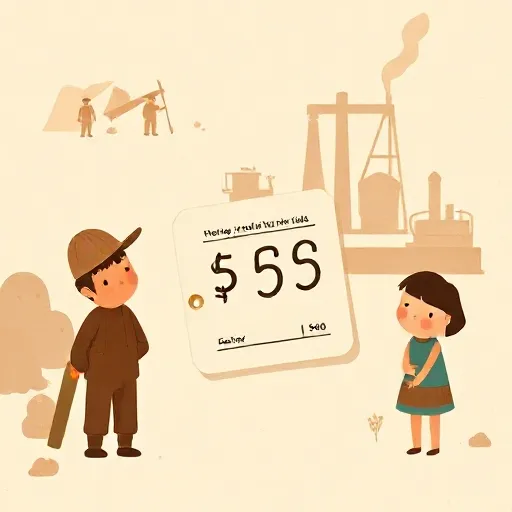
Imagine tin gets harder to mine because of a political crisis on the other side of the world. Most people never learn what happened. Yet within days, the price of tin rises everywhere. That higher price nudges manufacturers to use tin more carefully, without anyone telling them why. They only know they should economise. The price carried the message for them.
Hayek called these price signals. They are the closest thing we have to a super‑fast information network. When a price rises, it tells producers “make more of this” and consumers “use less of this”. But no central office gives the order. Each tiny decision — a buyer hesitating, a seller lowering a price — builds the signal. They spread through a community like ripples in a pond, connecting people who will never meet.
This is why a market forms a kind of community, even though no one planned it. The baker, the flour miller, the farmer, and the tractor mechanic depend on each other without knowing each other’s names. The only thing they share is the price.
When the Signal Gets Jammed
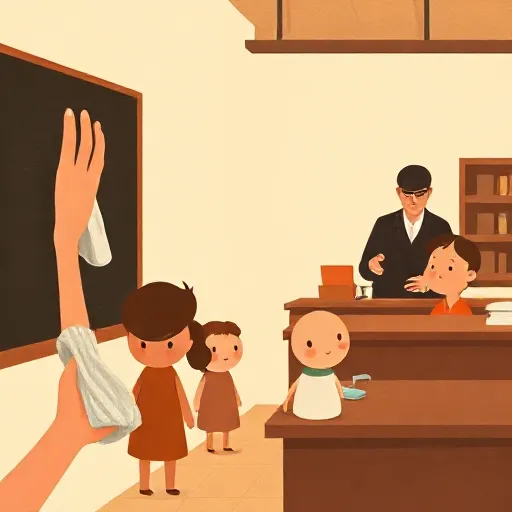
What happens if a government steps in and fixes the price, thinking it is too high? Hayek would say you have unplugged the signal. Suppose the price of a life‑saving medicine is capped at €100. Makers see little profit, so they don’t build new factories. Shortages grow. No loud alarm rings. It is the silence of a price that can no longer shout “more people need this!”
Hayek’s deepest point was stronger: the information a planner needs does not even exist until buyers and sellers start making offers. There is no true, hidden price for a bag of rice waiting to be discovered. Prices are created in the act of trading. A central office, however powerful its computer, cannot look up something that hasn’t been made yet. It can only guess. A guess that is too high leaves warehouses stuffed with unsold goods. A guess that is too low turns the product into a ghost — officially cheap but never on the shelf.
Think of an ice shortage during a heatwave. If the price stays frozen, people buy ice for their coolers just because it is cheap. Meanwhile, someone who needs ice to keep insulin cold cannot signal that their need is desperate. A rising price would have whispered “use this ice only if it really matters”. When that whisper is outlawed, everyone loses.
The Chessboard Fallacy
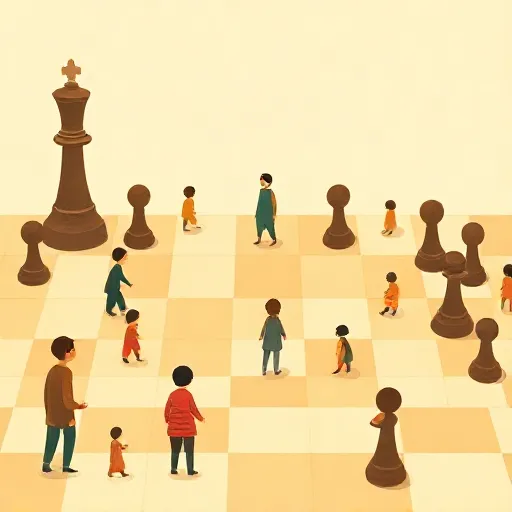
Adam Smith (1723–1790), whom Hayek admired, had a warning for overconfident planners. He called them “men of system”. Such a person imagines he can move people around like chess pieces, forgetting that every piece has its own plans and its own legs. If the planner’s scheme doesn’t match what people actually want to do, society limps into disorder.
Hayek sharpened this idea. A planner cannot wish away the logic of the system any more than a farmer can wish away insects evolving resistance to a pesticide. When a central bureau sets wages, output, and prices, workers stop listening to customers and start listening only to the bosses above them. Mistakes get covered up because no one’s own money is on the line. The result is not just waste but a slow death of initiative. Innovation moves into back alleys and whispered deals, while the official economy grows heavier and heavier.
That doesn’t mean Hayek thought all planning is bad. He accepted that a society might provide public education or a safety net, especially if done through vouchers that still let people choose. What he feared was the dream that a single mind could replace the tiny, messy, ceaseless adjustments of millions of minds.
What Is Fair?
Hayek had a startling view of justice. He thought that shouting “that’s unfair!” at a price or a market outcome makes a category mistake. To him, a market result is not the kind of thing that can be just or unjust — because no person decided it. The baker raising the price of bread didn’t intend to hurt you; they only saw that flour became more expensive. The outcome just happened, like clouds gathering. It may be bad, but it isn’t an injustice.
This got him into trouble. He was not against helping those in need. Like many social‑justice thinkers, he supported duties to care for children and the helpless. But he believed that when people start calling unequal outcomes “unjust”, they hand a permanent license to political fighters. Every election becomes a scramble to take from the other side and give to your own, in the name of fairness. Entrepreneurs stop inventing new products and start inventing ways to capture laws.
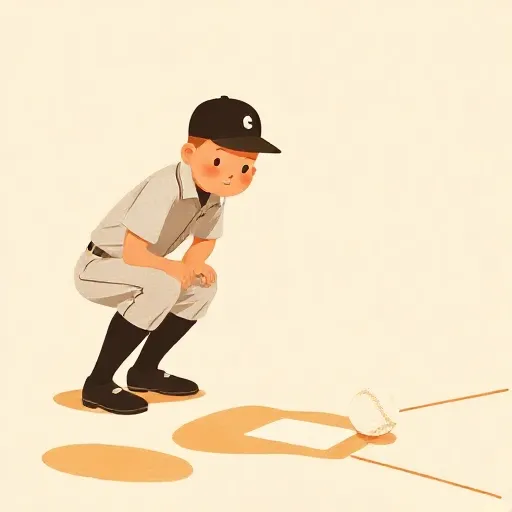
Hayek’s ideal was the umpire, not the king. A just society, he argued, gives people known rules and then gets out of the way. It doesn’t try to make sure the home team wins. It just calls balls and strikes. If the rules are stable and steer people away from stealing and fraud, then the game of production and trade becomes everyone’s chance to better their own lives. His heroes were ordinary buyers and sellers, working out the small, peaceful bargains that, all together, make a civilisation.
Why This Argument Still Won’t Sleep

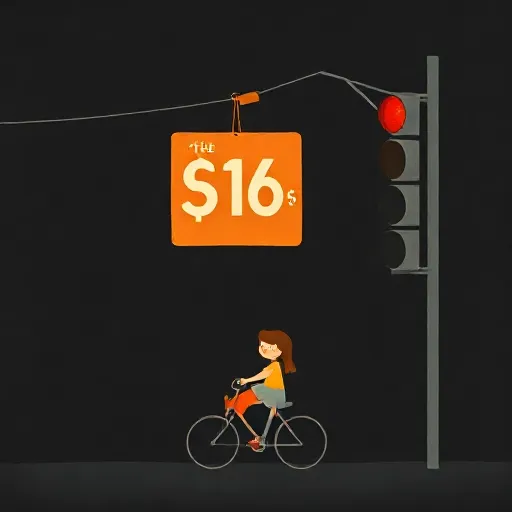
You see Hayek’s question every day. When a ride‑sharing app charges more during a storm, is that a greedy trick or a signal pulling extra drivers out of their warm houses to help stranded travellers? If a government caps the price, does it protect the stranded or leave them waiting in the rain with no cars at all?
Contemporary thinkers have pressed Hayek hard. The economist Amartya Sen says he paid too little attention to the way public institutions help people develop the capabilities to make real choices. The philosopher Elizabeth Anderson worries that the “spontaneous order” of a workplace can leave workers with no voice, like a private dictatorship. Hayek would probably reply that a free society is one where everyone — even a majority — cannot simply take what they want from you. But the rest of the debate is still running.
Hayek believed that trying to silence the price conversation is the oldest and most dangerous political temptation. His whole life, he insisted that the humility to let strangers talk through their trades is not weakness. It is the hard, grown‑up wisdom of a free society.
Think about it
- If a store doubles the price of bottled water during a flood, is it being cruel or is it sending a signal that might actually help more people get water?
- If everyone in your town started swapping phone numbers and nobody wrote them down in one place, would that be a “planned” phone book or a “spontaneous” one? Could you stop it?
- Is it ever fair for someone to decide what you should pay for your own stuff? When might it be fair, and when might it cross a line?