Why the Law Forces You to Keep Your Word — Three Big Ideas
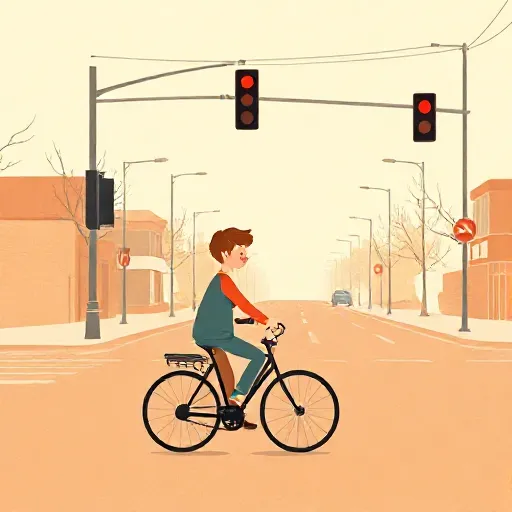
The Bike and the Better Offer

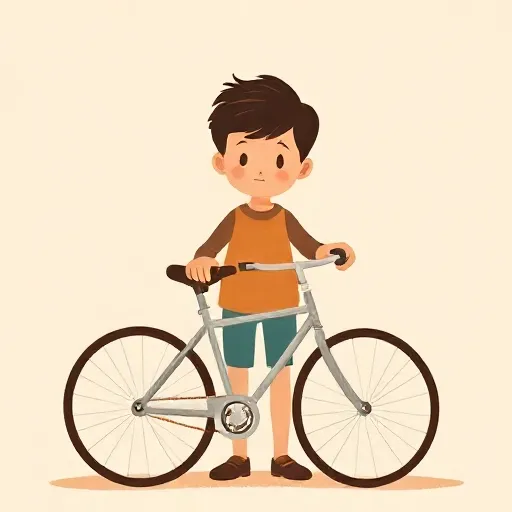
You agree to sell your old bicycle to your friend Ellie for $40. You shake hands. Then your neighbor says she’ll pay $55. You haven’t handed over the bike yet. What should you do — and what does the law actually require?
That question pulls you straight into a centuries‑old fight about contracts. At first glance, a contract is just a promise the law will enforce. But why does the law care about some promises and not others? Three rival ideas have shaped every “I agree” you click, every deal you shake on, and every broken promise that ends up in court.
The Promise‑Keeper: “You Gave Your Word”
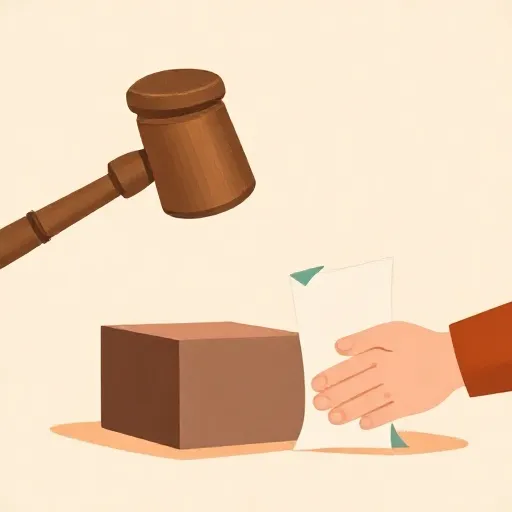
The 20th‑century legal philosopher Charles Fried believed that a contract is exactly what it looks like: a promise. In his book Contract as Promise, he argued that a promise is a kind of moral invention — it lets you create an obligation where none existed before. You tie yourself to your word, and the law’s job is to hold you to it, as an end in itself.
This view explains a powerful legal rule. When someone breaks a contract, the usual remedy is expectation damages — money that puts the injured person where they would have been if the promise had been kept. If you never delivered the bike, the court would make you pay Ellie the $15 profit she lost, even if she hadn’t spent a penny. The law doesn’t just undo harm; it forces you to act as if you kept your word.
Contract law also hands you a strict duty. You can’t wriggle out just because keeping the promise got harder than you expected — unless a true disaster makes performance impossible. That’s very different from most tort law, where you’re only liable if you were careless. Here, even your best efforts won’t excuse a broken contract.
Still, the promise‑keeper view faces a stubborn puzzle. If keeping your word matters for its own sake, why does the law mostly enforce only those promises that are part of a bargain? According to the consideration doctrine, a pure gift promise — “I’ll give you $20 tomorrow” — usually can’t be enforced, even if it creates a real moral duty. The law insists on a swap: your promise must trigger my promise. That’s hard to square with the idea that all promises deserve legal backing.
The Harm‑Avoider: “Don’t Make Me Rely on You”

T.M. Scanlon, a philosopher writing in the late 20th century, turned the lens around. He argued that contracts aren’t about the promisor’s moral virtue — they’re about protecting people from being led into danger. If you tell someone you’ll do something, and they reasonably rely on that, you’ve created a risk of harm. The law steps in to prevent that harm.
Scanlon boiled this down into a Principle of Fidelity. Roughly: if you intentionally give me assurance that you’ll act, and I need that assurance, and you know I’m relying on it, then you must follow through — unless I agree to let you off the hook. The duty doesn’t come from a magical power of words; it comes from the fact that you made me vulnerable.
This theory fits many real‑life contracts. When a builder promises to finish your house by June, you arrange a moving truck, cancel other plans, and order furniture. If the builder bails, you’re not just disappointed — you’re hurt. The harm‑based view says that’s what the law should remedy.
Yet it, too, runs into trouble. The law openly prefers expectation damages over reliance damages, which would merely put you back where you started. If all we care about is preventing harm, why give you your lost profit instead of just your out‑of‑pocket costs? Scanlon tried to show that a reasonable person wouldn’t object to protecting expectations — but critics point out that the law often ignores whether the promisor had a fair chance to avoid the burden. You might be on the hook for a fortune, even if keeping the promise became far harder than anyone could have guessed. Moreover, courts enforce contracts even when the promisee never relied on anything at all — a direct challenge to the harm‑based picture.
The Money‑Maker: “Break It if It Pays”
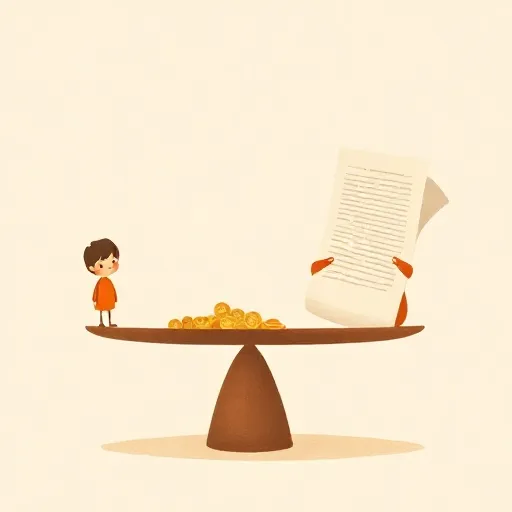
Long before modern courts, the Scottish philosopher David Hume (1711–1776) noticed something practical. If people can’t rely on each other’s promises, trade dries up. Without a way to bind ourselves, we’d be too scared to cooperate. The economic theory of contract picks up this thread and runs with it: the point of contract law isn’t to be a moral police officer — it’s to make cooperation cheaper, easier, and smarter for everybody.
On this view, promises should be enforced only when it’s efficient — when doing so creates more total value than any alternative. That leads to a startling conclusion labeled efficient breach. Suppose you promised the bike to Ellie for $40 (she values it at $55), and the neighbor offers $60. If you break the contract, you pay Ellie $15 in expectation damages and pocket the extra $5. Ellie gets exactly what she expected, you gain, and the bike goes to the person who values it most. The world is richer. The law, by awarding damages rather than forcing you to hand over the bike, quietly nudges you toward this outcome.
No one says this is morally comfortable. But efficiency‑minded thinkers argue that sophisticated businesses already understand contracts this way: as a promise either to perform or to pay the other side’s full value. The law, they say, should stop pretending to be a priest and admit it’s an engineer.
The trouble is that many legal rules don’t fit the engineer’s blueprint. Courts won’t enforce penalty clauses that make breaking a contract way too expensive, even when both sides want them. They often ignore “this is not a legally enforceable agreement” clauses. And some critics wonder whether treating contracts as just a tool for wealthy firms forgets that real people enter contracts, too — people who might feel deeply wronged when a promise is simply bought off.
The “I Agree” Problem: Why This Still Matters

You might think this fight is only for law professors. But you run into it every time you download an app. A wall of tiny text appears, and you tap “I agree” without reading a word. A few thumb‑taps later, the law considers you bound — just as if you’d signed a paper contract with a quill pen.
The problem: did you really promise anything in that moment? Many philosophers doubt it. Your action was thoughtless; you had no specific intention about the clauses you just accepted. Yet the law treats the contract as fully valid. This troubles the promise‑keeper, who needs a real moral promise. It also troubles the harm‑avoider, because you didn’t rely on any specific promise from the company. Even the efficiency‑minded theorist squirms: clicking through a form isn’t a carefully considered deal that signals true value.
So which answer is right? No one knows. The promise view feels true to the simple duty of keeping your word. The harm view captures how promises entangle our lives. The economic view makes sense of big‑business contracts where money does the talking. All three have pieces of the truth, and the knots between them are exactly what make contracts — from an ancient handshake to a digital click — one of philosophy’s most alive puzzles.
Think about it
- If a friend promises to water your plants while you’re away, but you find out they didn’t, what makes you angrier: that they broke their word, or that your plants died?
- Should companies be allowed to write contracts so long and complicated that almost no one reads them? Could it ever be fair to enforce those terms?
- Suppose a scientist could prove that letting people break promises whenever it makes more money would leave everyone richer overall. Would you still feel that promise‑breaking is wrong, and if so, why?