What Makes Your Culture Yours — and What Can You Demand for It?
What Is a Culture, Really?
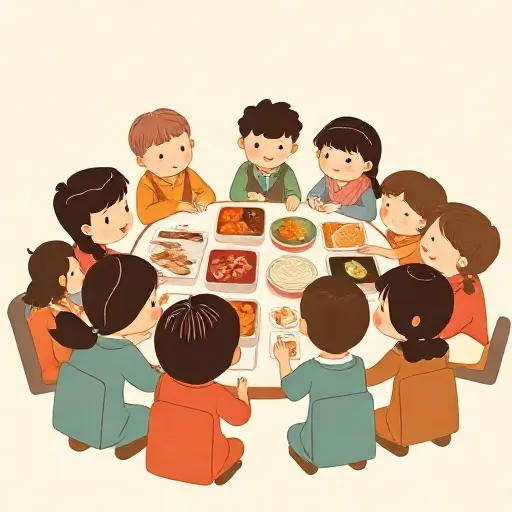
You walk into the school cafeteria. At one table, friends eat peanut‑butter sandwiches. At another, someone lifts the lid from a container of steaming jollof rice. A boy in a patka waits until sundown to touch his food. Down the hall, a girl wears a hijab, another a baseball cap. You might wonder: which of these kids share a culture? And what even is a culture?
The word gets used all the time — Italian culture, hip‑hop culture, academic culture, “bro” culture. You can belong to several cultures at once. Right now you might be part of a family culture, a school culture, an online fandom, and a religious tradition, all in the same day. But when cultures start asking for special treatment from laws and governments — “Let us wear our symbols,” “Keep our language alive,” “Let us run our own schools” — things get serious. Philosophers then have to ask: how should we think about culture so we can decide what’s fair?
Four Pictures of Culture
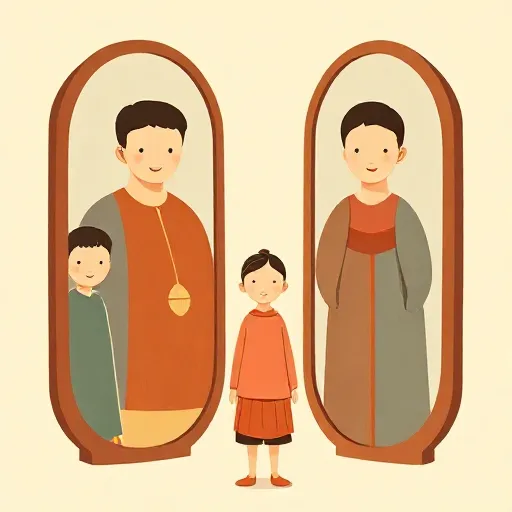
One of the biggest fights in political philosophy is over the very picture of culture we carry in our heads. Here are four rival pictures.
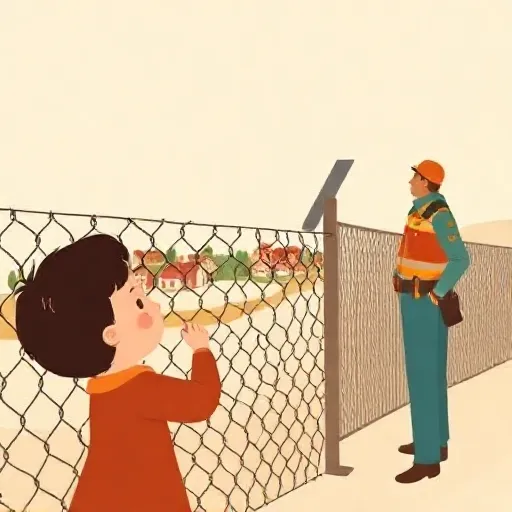
The total package. In the 1990s, the Canadian philosopher Will Kymlicka argued that a real culture is a societal culture — a complete, all‑encompassing way of life. It gives you a language, stories, holidays, a sense of what job is good and what family structure makes sense. Kymlicka called it a context for choice: a menu of options and a way to understand them. Imagine your whole life runs on one operating system — that’s a societal culture. Indigenous nations, the Basque people, or Tibetans would count; immigrant groups that keep some customs while blending into a larger society would not. Michael Walzer, writing in the 1980s, said something similar: a political community has a “world of common meanings” where even bread can mean something different — “the staff of life, the body of Christ, the symbol of the Sabbath, the means of hospitality, and so on”.
Critics call this picture essentialist. It seems to say that a culture has a fixed core and everyone inside agrees on it. But look around: people disagree, drop old practices, and invent new ones all the time. Feminists pointed out that treating a culture as one big whole often silences women and other members who don’t fit the mold.
Made by shared institutions. To escape the essentialist trap, the late‑20th‑century thinker Alan Patten suggested that a culture is defined not by fixed values, but by shared social formation. You and I belong to the same culture if we went through the same schools, watched the same media, heard the same historical stories, and lived under the same laws — even if we end up believing different things. That’s why a culture can change deeply without dying: what holds it together is a common lineup of experiences, not a checklist of correct opinions.
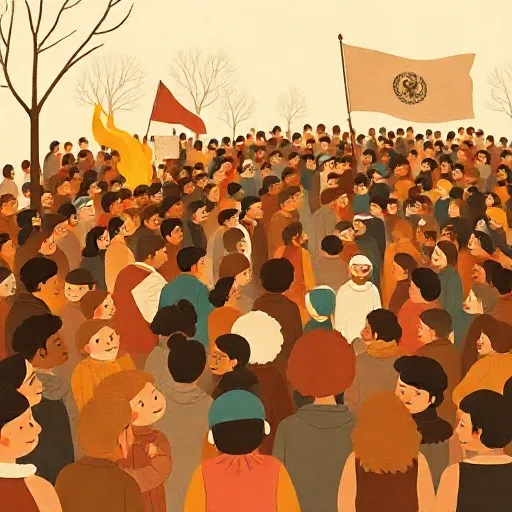
An ongoing conversation. Political philosophers James Tully and Seyla Benhabib (both writing since the 1990s) pushed further. They describe culture as a dialogue — something members constantly shape, argue over, and retell. Think of a group chat where everyone tosses in inside jokes and the rules shift week by week. Nobody “owns” the final version. From this angle, protecting a culture means keeping the conversation open, not freezing one moment in time.
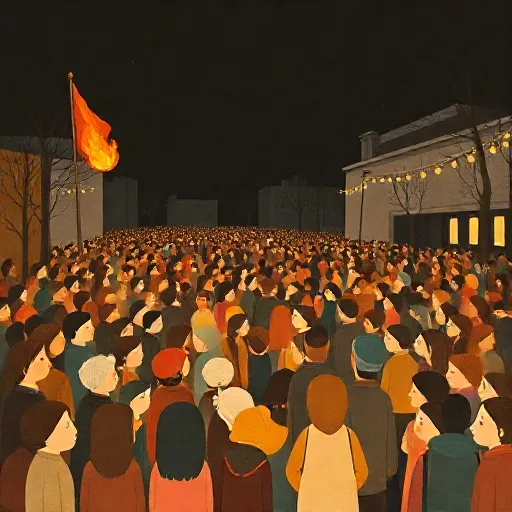
A feeling of belonging. Margaret Moore, a contemporary thinker, noticed that in conflicts like Northern Ireland, the two sides didn’t clash over deep religious ideas — they barely disagreed about theology. What mattered was a sense of identity: who‑we‑are and who‑they‑are. An identity‑focused picture says culture is mostly about the story you tell yourself and the group you feel you belong to, even if you only dip into its traditions once in a while.
None of these pictures is perfect. But each one leads to a different answer when a cultural group asks the government for something.
When a Culture Asks for Special Rules
Minority cultures often say: “If you treat everyone exactly the same, you accidentally crush what makes us different.” So they ask for exemption rights. A classic example: Sikh motorcyclists requested exemptions from helmet laws so they could wear the dastar (turban), a symbol of faith and identity. Without the exemption, they’d have to choose between their culture and the open road — a choice most citizens don’t face.
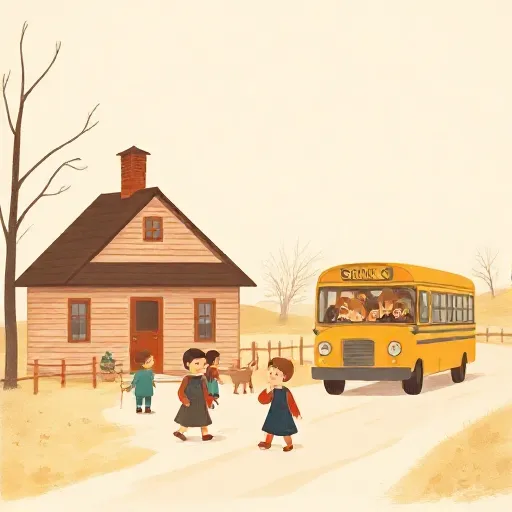
A harder case is cultural preservation. In the 1970s, some Amish communities in the United States asked to pull their children out of school at fourteen, two years before the legal leaving age. Their argument: staying in school exposed teenagers to the outside world and led many to leave the community. Without the extra two years of separate life, the Amish way of life might slowly vanish. The state agreed and granted the exemption.
But here’s the rub. Critics like the late‑20th‑century political philosopher Susan Okin warned that some cultural practices trap women and other vulnerable members. If a community’s rules assign women only domestic roles or allow harsh punishment for disobedience, is it fair for the state to step back and say “that’s their culture”? Okin argued that multiculturalism can be “bad for women” if it shields oppressive rules from outside scrutiny.
Other philosophers pushed back. Monique Deveaux pointed to women in South Africa who stay inside their culture but work to change it from within — demanding a seat at the table rather than walking away. And some thinkers, like Chandran Kukathas, said the key is the right to exit. As long as a person can truly leave (and the state helps those who need education or shelter to do so), the choice to stay belongs to the individual. Notice how the picture of culture matters here: if culture is a total package, preservation can feel like a cage. If it’s a conversation, then reform becomes possible from inside.
The Majority’s Side of the Story
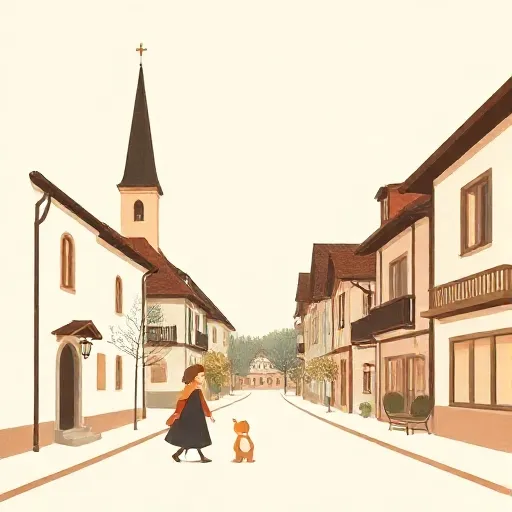
Majority cultures make claims too. In 2009, a Swiss referendum banned the building of new minarets — towers beside mosques used for the call to prayer. Supporters said minarets threatened Switzerland’s cultural identity. Opponents said the ban was just discrimination dressed up as culture.
Philosophers who defend a right to cultural continuity say a shared public culture builds trust. If most people follow roughly the same norms, they’re more willing to support things like public healthcare or unemployment insurance — policies that ask the well‑off to chip in for the worse‑off. A sudden large intake of people with very different customs, they argue, can fray that social glue. So a state might control immigration numbers not out of racism, but to preserve the cultural background that makes its democratic life work.
The worry, of course, is that this argument has been used to dress up ugly exclusion. In the 1900s, Asian Exclusion Acts in North America claimed to protect a “way of life.” The line between a legitimate public culture defense and plain prejudice is hard to draw.
Many multicultural thinkers say it’s fair to ask newcomers to integrate — to adopt some norms of the host society — but only if two conditions are met. First, the public culture must be open to change: new voices should be able to help rewrite the rules. Second, what you’re asked to adopt must not force you to give up something deeply important. A state can encourage speaking the main language; demanding that you abandon your mother tongue at home is a different matter.
Why This Tangle Matters to You
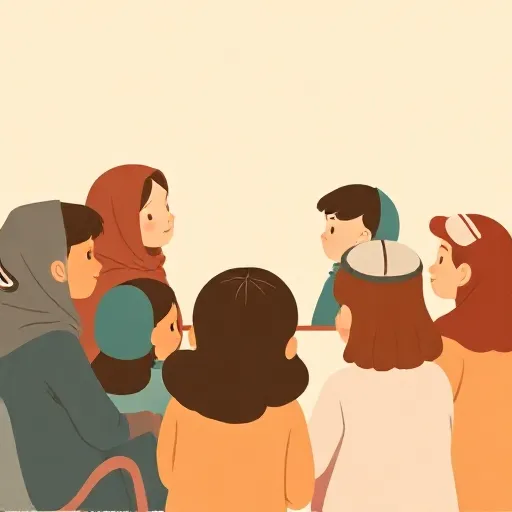
You don’t have to be a prime minister to face culture clashes. When your school sets a dress code, some families may want exemptions. When the cafeteria menu doesn’t offer halal or kosher options, someone has to decide whether changing the menu is fair. When a friend posts a video of herself wearing a bindi and gets called out for cultural appropriation, you’re in the middle of a live debate.
The pictures of culture aren’t just academic. If you see culture as a fixed package, you might dismiss calls for change. If you see it as a conversation, you’ll ask who gets to speak. If you see it as a feeling of belonging, you’ll pay attention to who feels left out. The goal isn’t to crown one picture the winner, but to use them all to ask better questions — and to listen.
Think about it
- If your school changed a uniform rule to allow a new religious head covering, but some students said it made the school feel less “together,” how would you weigh both sides?
- A culture you admire has a special holiday. You want to celebrate it, but a friend from that culture says it’s not for outsiders. Is she right, and why?
- Can a culture stay alive if every rule is always up for debate, or does it need some parts that don’t budge?