What If You Had to Design Society Without Knowing Who You'd Be?
The Game of Justice Without Knowing Your Place
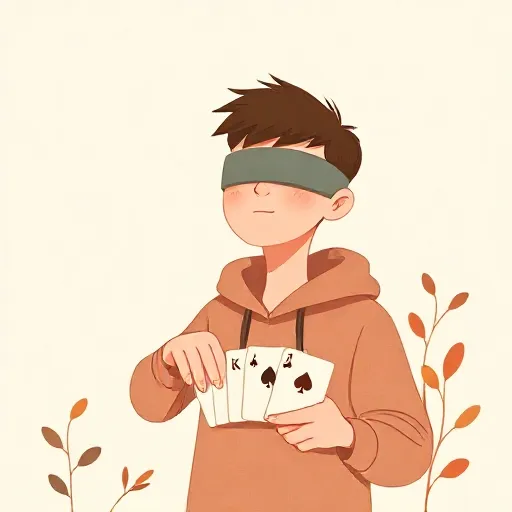
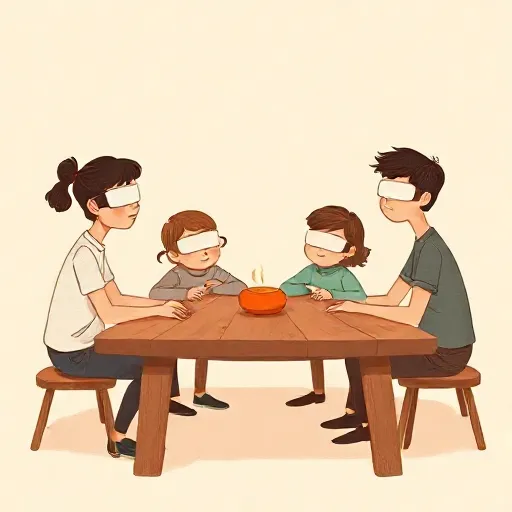
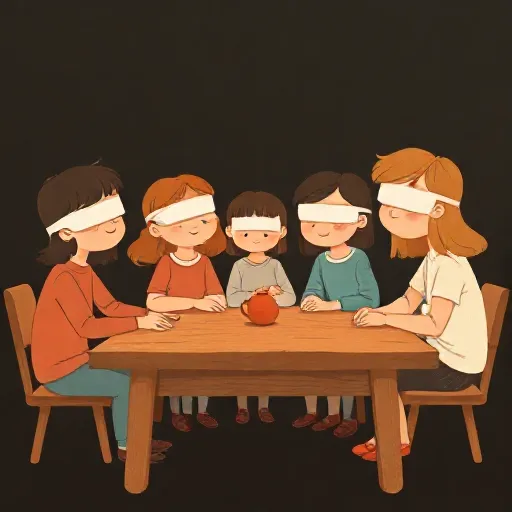
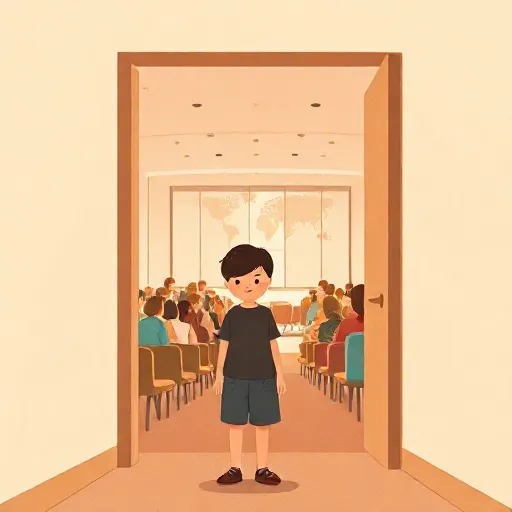
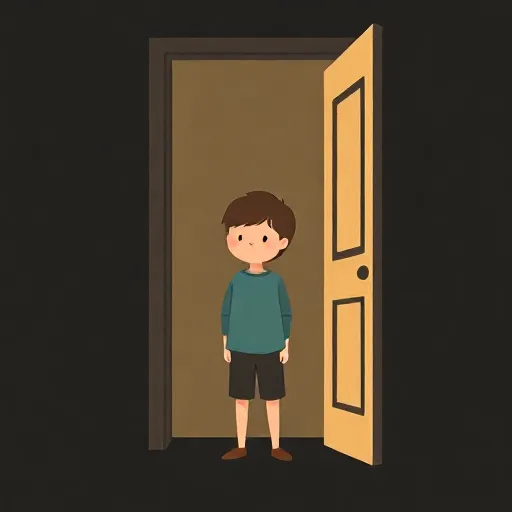
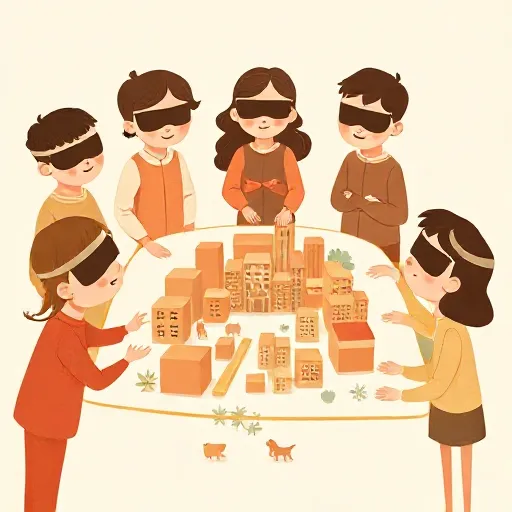
In 1971, the Harvard philosopher John Rawls (1921–2002) asked a strange and powerful question. Suppose you could write the rules for a whole society from scratch. You get to decide who holds power, how wealth is shared, and which freedoms everyone enjoys. But there is a twist. You must make all those choices behind a thick, imaginary curtain. You cannot know anything about your own future life in that society. Not your gender. Not your family’s money. Not your natural talents or your deepest beliefs. You might be born rich or poor, athletic or shy. Rawls called this thought experiment the original position, and the curtain of forgetting the veil of ignorance.
Earlier thinkers like Thomas Hobbes (1588–1679) and John Locke (1632–1704) had imagined a “state of nature” where people already knew who they were. In that kind of game, strong or wealthy players could tilt the rules in their favor. Rawls believed that was unfair. His original position strips away every fact that could bias you. With the veil in place, nobody can rig the system. The goal is to discover what truly fair principles of justice look like.
The Veil of Ignorance: Forgetting What Makes You You
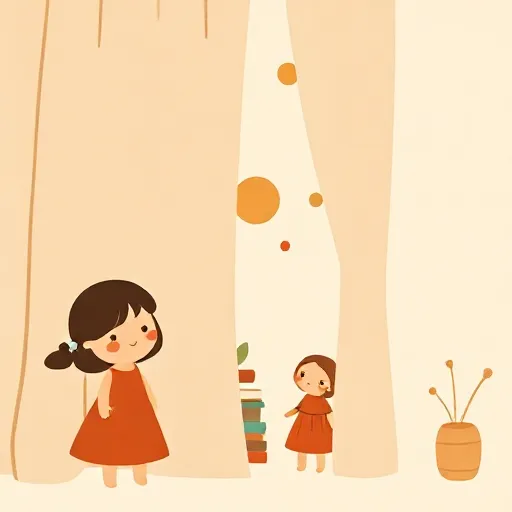
The veil does not leave you completely in the dark. You still know general facts about people and societies. You understand that humans form life plans, that they cooperate, and that they sometimes disagree deeply. You know resources are limited enough to cause conflict but plentiful enough to make cooperation worthwhile. You are aware that people need food, shelter, freedom, and respect to live a decent life. But you are forbidden from knowing any particular detail about yourself — your race, your health, your hobbies, or what you find beautiful and meaningful.
Rawls says the veil represents you in your purest moral form: as a free and equal person with two moral powers. The first is the power to be rational — to form, revise, and pursue your own plan of life. The second is the power to be reasonable — to understand what justice requires and to cooperate with others on fair terms. Because the veil hides everything else, it treats everyone as equals. That equality is the starting point for a fair agreement.
What Everyone Truly Needs: The Primary Goods
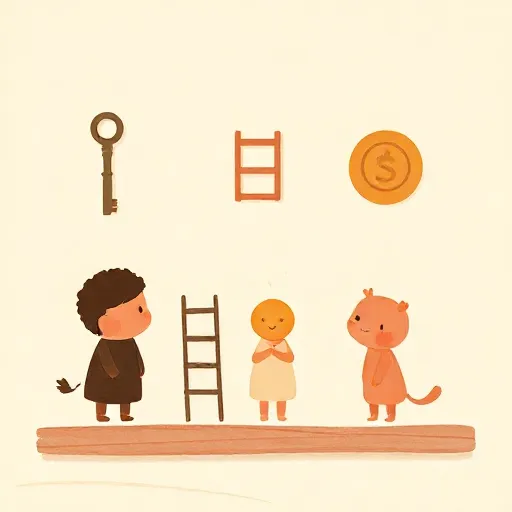
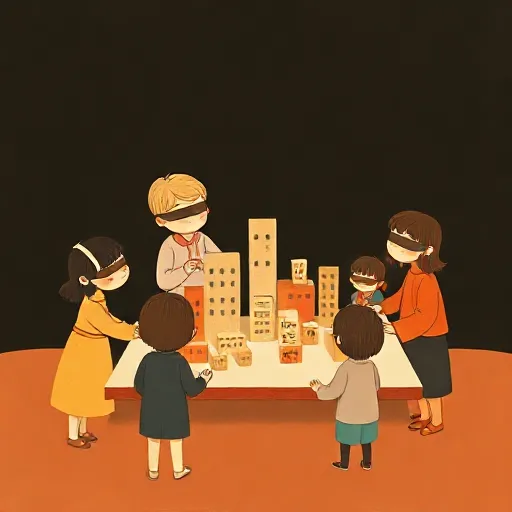
The people inside the original position — Rawls calls them parties — are not selfish monsters. They are “mutually disinterested,” which means they care deeply about their own life plans and the people closest to them, but they do not care about getting more than others just for the sake of it. Because the veil hides their final goals, the parties focus on what any life plan needs. They want what Rawls calls primary social goods: basic rights and liberties, powers and opportunities attached to jobs, income and wealth, and the social bases of self-respect. Self-respect means having the confidence that your plans are worth pursuing and that you are treated as a valued equal.
The parties also have a higher-order interest in developing their two moral powers. Being able to shape your own life and to cooperate justly with others is partly what makes us human. So whatever principles they choose must give each person enough primary goods to exercise those powers and follow their own path.
Playing It Safe: Why You’d Choose Fairness
The parties must pick rules from a list of rival ideas, including views that aim to maximize total happiness (utilitarianism). Rawls argues they would choose two principles instead. The first principle guarantees each person an equal right to the same set of basic liberties: freedom of thought, speech, religion, political participation, and personal safety. The second principle says that any social and economic inequalities —some people earning more, for example — are allowed only if everyone has a fair chance to compete for those positions, and if the inequalities end up benefiting the least advantaged members of society. This last part is the difference principle: the rich can be richer only if the poor are better off than they would be under any other arrangement.
Why such cautious rules? The parties face a complete unknown. They have no idea what slot they will occupy in society. Rawls says this calls for a strategy called maximin: maximize the minimum outcome. Look at the worst possible position under each set of rules, and pick the one where that worst-case life is still acceptable. Under utilitarianism, you might end up losing your basic freedoms or living in crushing poverty if that somehow boosts overall happiness. Under the two principles, even the least fortunate person keeps full liberties, fair chances, and a social safety net that is as generous as possible. The stakes are far too high to roll the dice.
Can You Keep the Promise? The Strains of Commitment
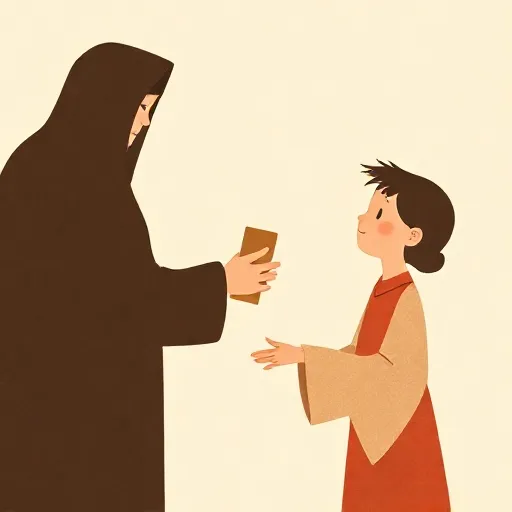
Rawls adds another layer. The agreement is not just a piece of paper. The parties know that once the veil lifts, they will have to live under the rules they chose in a well-ordered society — a society where everyone accepts the same public principles, complies with them, and is motivated by their sense of justice. They must pick rules they can sincerely endorse, not just grudgingly obey. If the rules demand that some people sacrifice their whole life prospects so that others can have extra luxuries, those people would likely resent the system. The commitment would snap under the strain.
The two principles, because they protect everyone’s fundamental interests and spread benefits reciprocally, avoid that pressure. Moreover, Rawls insists that the principles must be fully public. No secret reasoning known only to a few wise rulers. When everyone can see that the system treats them as free and equal citizens, their self-respect stays intact. Self-respect, Rawls says, is perhaps the most important primary good — without it, little seems worth doing. Equal rights and fair opportunities are the social bases of that self-respect.
Why It Matters Here and Now
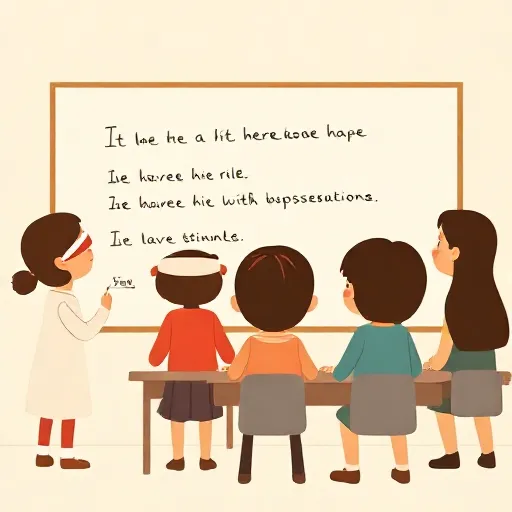
Rawls’s original position is not a dusty antique. It is a tool you can use right now. When your family decides who does which chores, or your class designs rules for a group project, you can imagine stepping behind the veil. Would you still agree to the plan if you might be the one stuck with the hardest task or the least say? Fair rules tend to be those that protect the most vulnerable, not just the loudest voices.
The same thinking shapes real-world debates about school funding, healthcare, and voting rights. Every time you ask “Is this a deal I’d accept no matter who I turned out to be?” you are doing what Rawls did. You do not need a magic curtain. You just need to take the perspective of the person who has the least, and then ask whether the rules still look fair.
Think about it
- If your class had to design a rule for sharing playground equipment without knowing who is fastest or strongest, what would a fair rule look like?
- Would you rather live in a world where everyone has the same freedoms but the wealthy must help the poorest, or one where rules aim for the greatest total happiness even if some people are left very badly off?
- Can you imagine a situation where playing it as safe as possible would be the wrong move? How would you decide when a risk is worth taking?