Could a Pope Tell a King What to Do? The Medieval Power Struggle
A King, a Pope, and a Very Public Fight
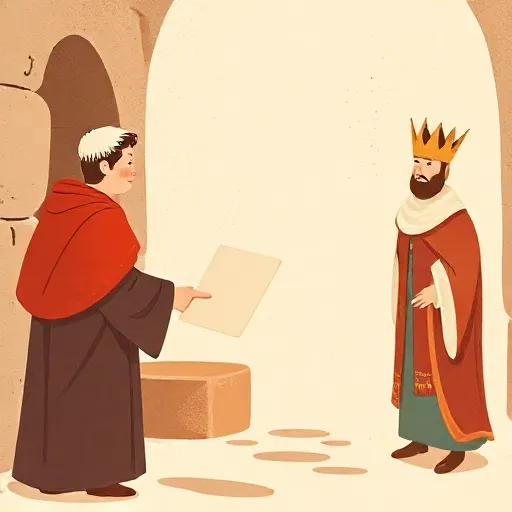
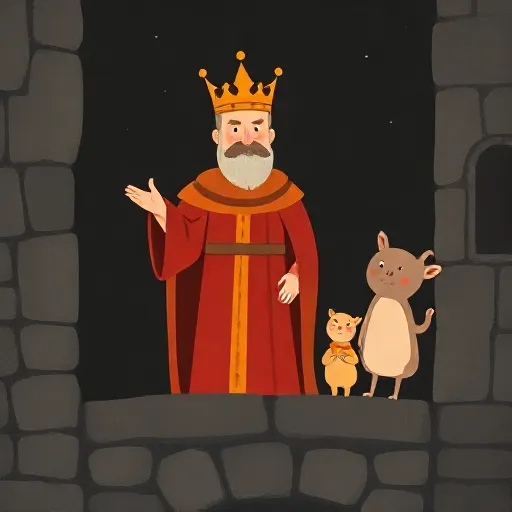
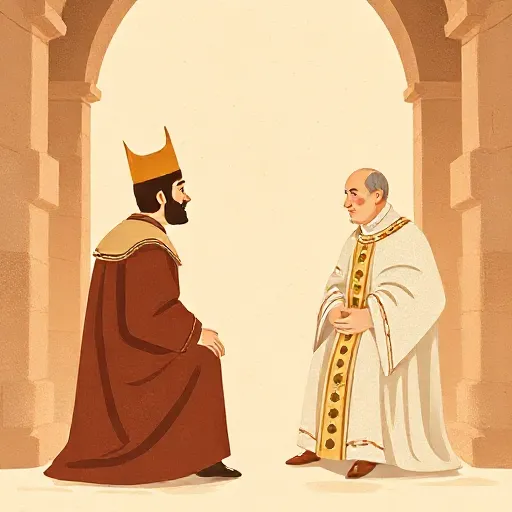
Picture this. It is 1296, and King Philip IV of France wants to tax the churches in his own kingdom. Pope Boniface VIII explodes. He fires off a letter forbidding any king to tax the clergy without his permission. Philip’s reply is equally blunt: he bans all money from leaving France for Rome. The two most powerful men in Europe are at war — not with swords, but with words, laws, and ideas.
This real‑life clash is the kind of flashpoint that medieval political philosophers loved. They asked: who holds the ultimate authority on Earth? Should a king have to bow to a religious leader, or does political power come from the common people themselves? Thinkers lined up on both sides. Their answers still echo whenever someone debates whether religion and government should mix.
Your Kingdom Is a Body: John of Salisbury
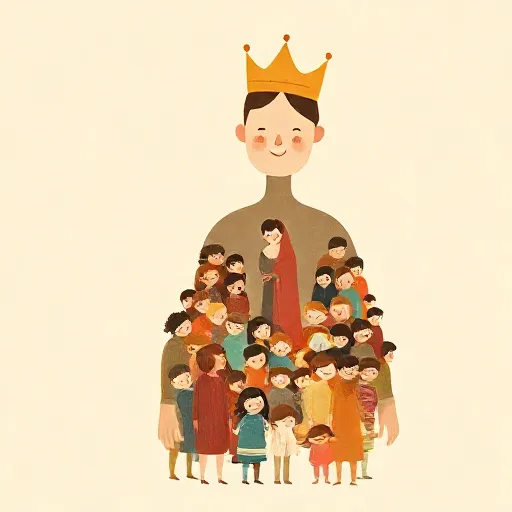
Long before the Philip‑Boniface showdown, John of Salisbury (c. 1115/20–1180) gave the Middle Ages one of its most powerful political images. In his book the Policraticus, he wrote that a well‑run community works like a healthy human body. The body politic has a head — the king — who must rule wisely. The soul that gives it direction is the priesthood. The heart is the council of advisors, the hands are knights, and the feet are peasants who keep the whole thing standing.
John was no pushover for the church. He believed the king’s main job was to achieve the common good — a just, safe society here on Earth. The clergy could whisper advice about salvation, but the king was in charge of actual laws and daily peace. Tyranny, he said, was like a disease. If a ruler turned into a tyrant, justice demanded that the body correct the sickness — even, if all else failed, by removing the tyrant. John’s vision gave the king real authority but also tied every ruler’s legitimacy to serving the people.
The Pope’s Playbook: James of Viterbo
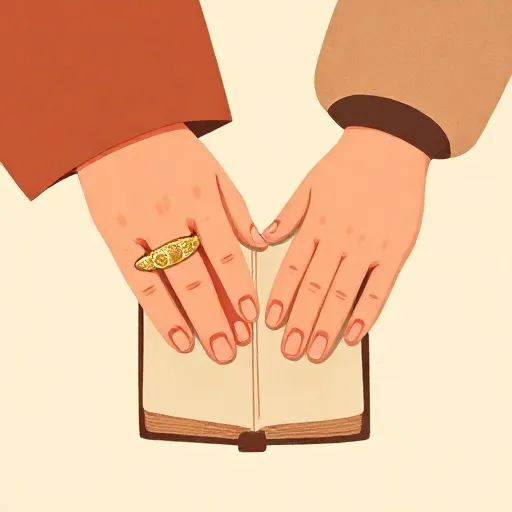
When the king of France and the pope went to war, some scholars rushed to the pope’s defense. James of Viterbo (c. 1255–1308) wrote On Christian Rulership to prove that the pope was the true master of all rulers. He agreed that kings arise naturally — people band together out of need, and they choose a leader by common agreement. That was simply a human and natural power.
But, James insisted, the pope’s power was not just human. It was a gift of divine grace, handed down through the apostles. Because spiritual goals (like saving souls) are higher than earthly goals (like collecting taxes), the pope had the right to step in whenever a king got in the way of the true faith. A king could manage markets and keep the peace, but if his decisions harmed the church, the pope could overrule him. James built a ladder: human life at the bottom, then religion, then the church, with the pope at the very top.
The King’s Defense: John of Paris and Marsilius of Padua
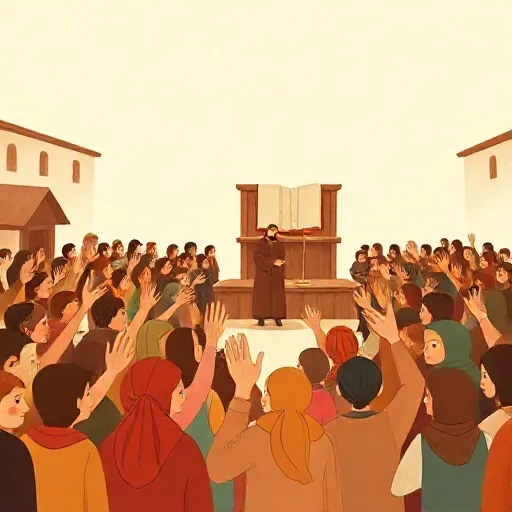
Not everyone bought the pope’s ladder. John of Paris (c. 1245/55–1306) in his On Royal and Papal Power drew a sharp line between two words that sound alike but mean very different things: jurisdiction and dominion. Dominion is ownership — the right to keep or sell your stuff. Jurisdiction is the authority to judge disputes about that stuff and punish wrongdoing. The king, John argued, has jurisdiction over all property, including church goods when a crisis hits. The pope is only a dispenser (a manager) of the church’s treasures, not a lord who can use them however he wants. In a national emergency, the king could even tax the churches, because protecting the community comes first.
A generation later, Marsilius of Padua (c. 1275/80–c. 1342/43) went much further in his Defender of Peace. He said that the whole community — not a pope, not even a king alone — is the true source of all law. People band together to live a sufficient life, and they agree to rules that let them trade, farm, and fight side by side. That agreement, or consent, is what makes a law binding. The priesthood, in Marsilius’s eyes, was just one part of the community, like butchers or builders. The church itself was simply the body of all believers, laypeople included. Its decisions should be made by a General Council elected by the faithful, not by a single pope claiming to have absolute power. Marsilius stripped the pope of any earthly authority and handed the keys over to the people.
A Body Without a Special Soul: Christine de Pizan

Among the wisest voices in this argument was Christine de Pizan (c. 1365–c.1430). Widowed at twenty‑five, she supported her family by writing books, and in The Book of the Body Politic she dusted off John of Salisbury’s old body metaphor and gave it a radical upgrade. Her body politic still had a head (the king) and many limbs (knights, merchants, peasants), but there was no special “soul” reserved for the clergy. The church was simply one of three branches of the common people, alongside merchants and laborers.
Christine told the fourteen‑year‑old future king Louis that the realm’s health depended on every part. If the king taxed peasants into starvation or ignored the merchants, the whole body would sicken. She advised him to listen to all classes, to keep his soldiers paid so they wouldn’t loot the countryside, and to recognize the work of women, who had invented many of the crafts that made civilization possible. And she added a quiet warning: a king who fails his duty might find his subjects withdrawing their obedience. No pope was needed to threaten him — the people’s own hands held that power.
The Long Shadow of a Medieval Quarrel

You and I are not dodging papal letters, but the same questions still matter. Should religious leaders tell governments what to do? Who gets to decide if a law is just? Do ordinary people have the right to say no to a ruler who ignores the common good? The medieval thinkers didn’t invent democracy, but they sharpened arguments that later generations would use to build governments based on consent.
When John of Salisbury warned that a ruler must serve the body or be cut out, he planted a seed that tyranny is not forever. When Marsilius insisted that laws must reflect the will of the people, he edged closer to the idea that sovereignty lies with citizens, not with crowns or mitres. And when Christine de Pizan reminded a prince that the health of the kingdom rests even on the hands of a seamstress or a farmer, she was defending a truth we often forget: no society can be whole if anyone is treated as invisible.
Think about it
- If you lived in a kingdom, would you want the religious leader to be able to overrule the king’s laws? Why or why not?
- Christine de Pizan said the ruler must listen to merchants and peasants for the country to be healthy. What might happen if a government today ignored the needs of ordinary people?
- Marsilius thought the whole community, including laypeople, should have a say in church matters. Can you think of a modern situation where a group’s decisions affect everyone, but not everyone gets a vote — and is that fair?