
Medieval Philosophy
190 articles
-
A Monk's Puzzle: How Can the Word 'Man' Mean the Whole Human Race?
How can one word stand for a universal idea, a single person, or all of humanity? Peter of Spain's puzzle shows why context matters in everyday arguments.
-
A Universe That Never Began? Averroes' Dangerous Idea
Did the universe have a beginning? Averroes thought it always existed. Others said God made it from nothing. This debate still puzzles thinkers.
-
Are Animals Just Machines? A 16th-Century Doctor Thought So
Do animals feel? In 1554, a doctor said no, they're just clockwork machines. He also argued we know we think, so humans are special. His ideas puzzle us.
-
Are Goodness and Being Really the Same Thing?
Philip the Chancellor argued that being and goodness are the same in reality, only different in our minds. A Paris scholar who changed medieval philosophy.
-
Are the Rules of Right and Wrong Built Into Nature?
Thomas Aquinas thought that being human comes with a built-in moral guidebook, knowable by everyone. But if that’s true, why do we disagree so much?
-
Are There Only Ten Ways to Exist? A Medieval Mind Says Yes
When you point at a dog, what exactly are you pointing at? Robert Alyngton thought everything fits into ten real categories, like a cosmic filing system.
-


Are There Really Only Ten Kinds of Thing in the World?
Can everything in the universe be sorted into just ten basic boxes? Philosophers have argued about this for centuries, and the answer might surprise you.
-
Are Triangles Real? The Medieval Fight Over Universal Ideas
Why can one word like ‘human’ name billions of people? Medieval thinkers argued whether universals exist in things, in minds, or only in words.
-
Are You Born Knowing Everything? The 13th-Century Monk Who Said Yes
Is all knowledge already inside us? A 13th-century monk thought so: learning wakes up what's hidden. His idea still makes us question how the mind works.
-

Avicenna Said Aristotle’s Logic Was Full of Mistakes. Was He Right?
A thousand years ago, a Muslim genius declared Aristotle got logic wrong. The fiery debate that followed reshaped how we think.
-
Can a Human Become God? The Monk Who Dared to Say Yes
Can a human become God? A monk from the 800s said yes. He thought everything comes from God and returns to God. His daring idea still makes people wonder.
-
Can a Lover of Ancient Books Also Support a Tyrant?
Could book lovers in the 1400s support a ruler who crushes freedom? Their debate still shapes ideas about power and the good life.
-
Can a Pagan Philosopher Teach Christians How to Live?
Can an ancient Greek philosopher's ideas about the soul fit with Christian beliefs? This question caused fights for hundreds of years.
-

Can a Perfect Being Be Perfectly Good?
Can a perfect being be perfectly good? If there's no best thing to do, and being unable to do wrong makes goodness hollow, these puzzles rethink goodness.
-
Can a Scientist Believe in Miracles? A 13th‑Century Professor Said No
In the 1270s, a Paris teacher said science can't prove God or miracles. The bishop stopped him, but we still wonder: can you be a scientist and a believer?
-

Can a Sentence Be True and False at Once? Medieval Logic Tricks
How can a sentence be both true and false? Old logic puzzles use tricky words to split truth, making us question our own minds.
-
Can a Sentence Say It Is False Without Contradiction?
Can a sentence say it's false without creating a loop? If it's true it's false, if false true. See how medieval minds tried to break the cycle.
-
Can a Statement Be Both True and False?
Can a statement be true and false? Classical logic says no: a contradiction explodes reason. Paraconsistent logics tame contradictions for the real world.
-
Can a True Sentence Stay True Even If the World Is Empty?
If every human disappeared, would 'humans are animals' still be true? A medieval thinker said yes—and his reason reveals how words connect to reality.
-

Can an All-Powerful Being Make a Rock So Heavy It Can’t Lift?
If God can do anything, the stone paradox seems to prove otherwise. Philosophers still debate what “all-powerful” really means.
-
Can God Feel Surprise? The 1,600-Year Fight Over Divine Change
Can a perfect God know the present moment without changing? This puzzle has sparked arguments for centuries.
-
Can God Know Everything — and Still Let You Choose?
If God knows all truths, including your future choices, does that mean you couldn't have done otherwise? A centuries-old puzzle.
-
Can God Know Your Future and Still Let You Choose?
In 1253, a bishop defied the Pope. He believed God knows your every choice, yet you're free. How can both be true? A medieval thinker's surprising answer.
-


Can God Make an Infinite Number of Souls?
Could God create an endless number of souls? A 14th-century priest said yes. His ideas about infinity and fairness later shaped debates about the Americas.
-
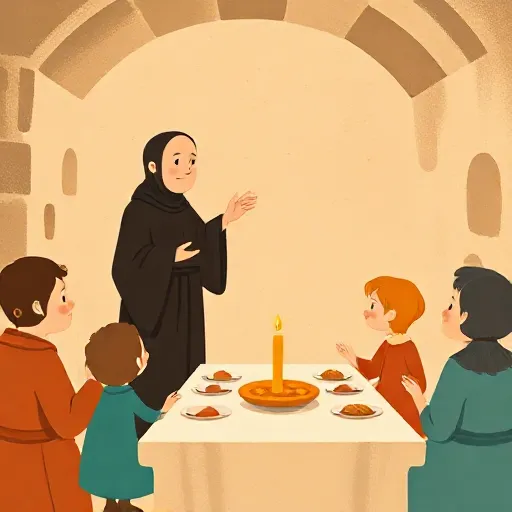
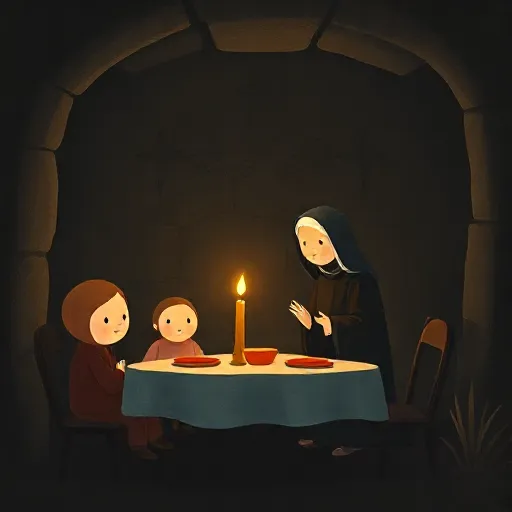
Can God Make It So Rome Was Never Founded? A Monk’s Dinner Debate
Can God make it so something that already happened never happened? A monk's dinner debate about God's power led to surprising ideas.
-
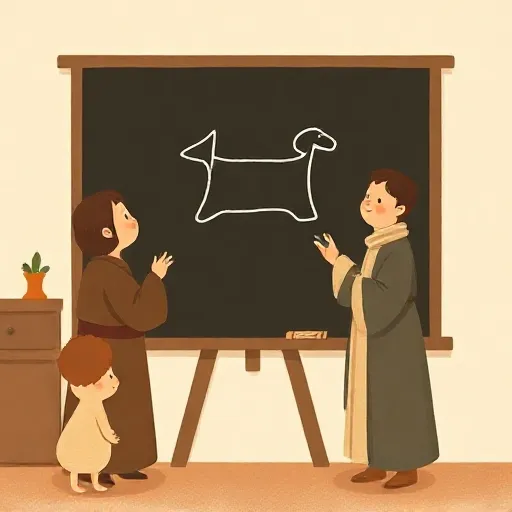
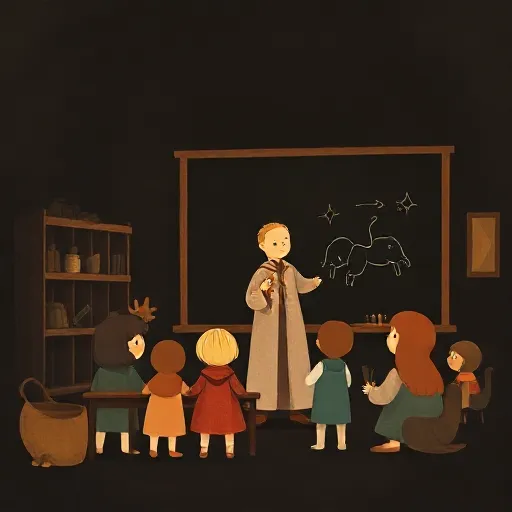
Can Grammar Tell Us How the World Really Is?
Do the words we use reflect reality, or are they just human-made rules? A 700-year-old debate asks how language shapes our world.
-
Can Logic and Faith Be Friends? A 2,000-Year Christian Argument
Can logic alone prove God's existence? For centuries, Christians have debated whether faith and reason work together or stay apart.
-
Can Logic Crack the Bible’s Code? Joseph ibn Kaspi Said Yes
Can logic uncover hidden meanings in the Bible? Joseph ibn Kaspi thought so, and his daring ideas about faith and reason still spark debate.
-
Can Math and Magic Save Your Soul? The Brethren of Purity Tried.
A secret brotherhood in 10th-century Iraq wrote an encyclopedia to purify souls through science and faith. Who were they, and did they succeed?
-
Can One Word Name a Million Things? Walter Burley’s Unseen World
Can one word like 'dog' name all dogs? A medieval debate asked if a 'dogness' exists in every dog. Their clash changed how we think about words.
-
Can Philosophy Settle Religious Fights?
Al-Fārābī believed Aristotle’s logic could end endless debates about God and creation. His quiet, careful analysis of words still matters.
-
Can Reason Alone Show You What Pleases God? Judah Halevi’s Argument
Can thinking hard reveal what God wants? Judah Halevi thought we need real experiences, like a whole people witnessing miracles. It shows reason's limits.
-
Can Reason Alone Tell Us How to Live? Leo Strauss’s Quiet Question
Can reason alone prove right and wrong? Leo Strauss realized it can't, and he uncovered ancient thinkers who hid their real views in secret writing.
-
Can Reason and Faith Be Friends? A Thinker Says Yes
Elijah Del Medigo was a Jewish sage and a star of Aristotle in Renaissance Italy. He argued that studying philosophy deepens faith—but not everyone agreed.
-
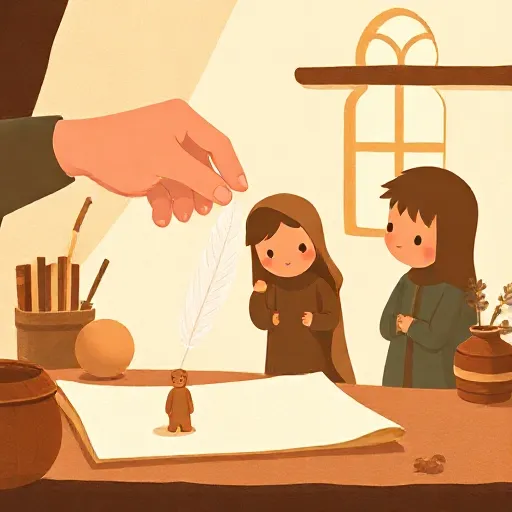

Can Something Common Be White? The Medieval Puzzle of Universals
Can something like 'humanity' be white? Medieval thinkers asked odd questions to explore how words and reality connect, shaping logic for ages.
-
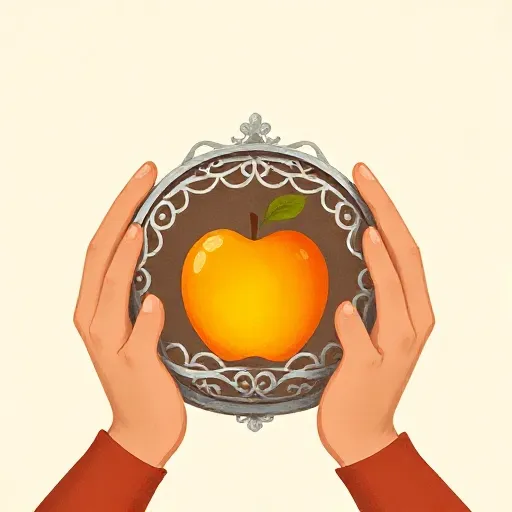
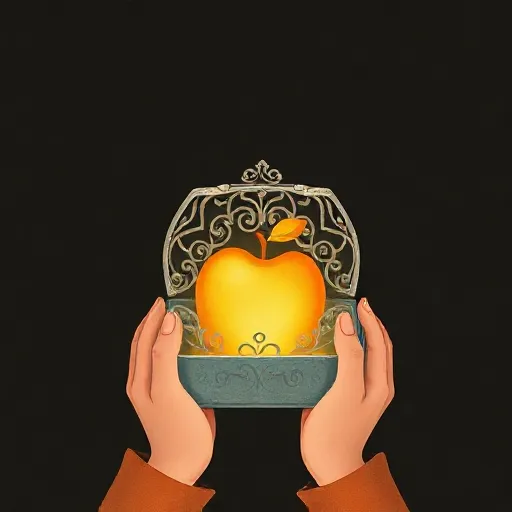
Can the Bible Say One Thing and Mean Another?
A 12th-century rabbi used ideas from Islamic thinkers to argue that God is beyond words and the Bible hides secret meanings. The fight isn't over.
-
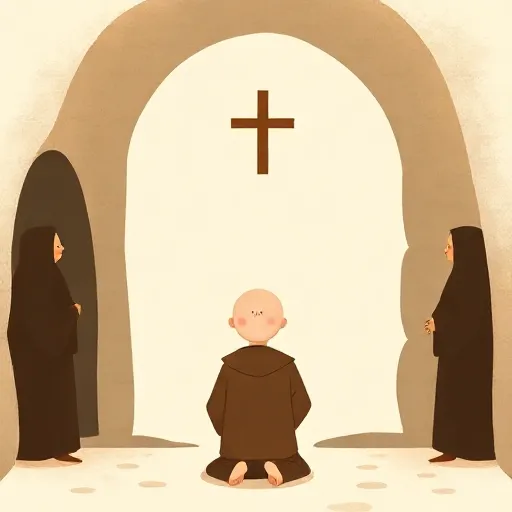
Can Thinking About the Greatest Thing Prove God?
Can just thinking prove God exists? Anselm said yes with a famous idea. Critics say it could prove a perfect island too. People still debate this today.
-


Can Two Things Be Exactly the Same and Still Be Two?
What makes you uniquely you, even if an exact copy existed? This old puzzle about sameness and identity still shapes how we see ourselves.
-
Can We Ever Know the Truth? A 15th-Century Thinker's Surprising Answer
Can we ever know the truth? A 15th-century thinker said no—our minds are too small for the infinite. Admitting this can make us wiser.
-
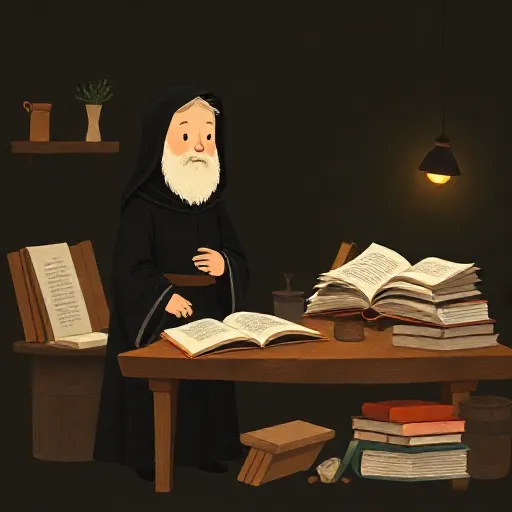
Can You Be a Scientist and a Saint? Albert the Great’s Big Experiment
Can you be a scientist and a saint? Albert the Great studied stars, stones, and souls, showing that curiosity and faith can work together.
-
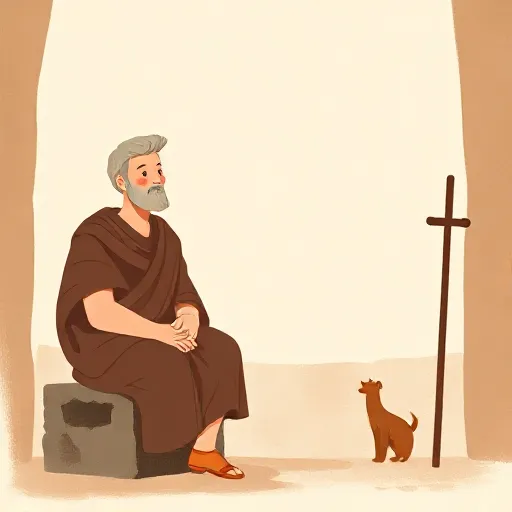
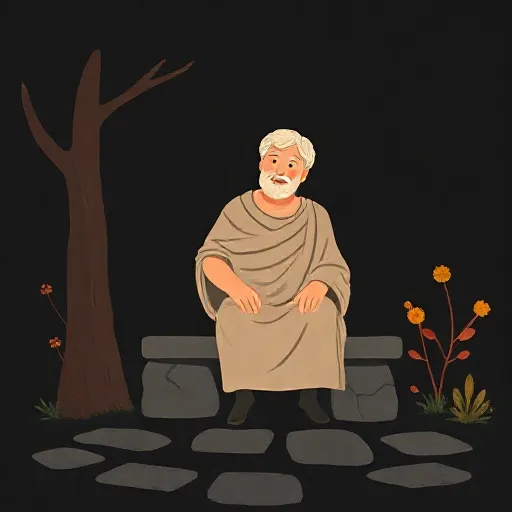
Can You Be Free If the Future Is Already Known?
Can you be free if the future is already known? A Roman prisoner faced this puzzle long ago, and his struggle still feels real today.
-
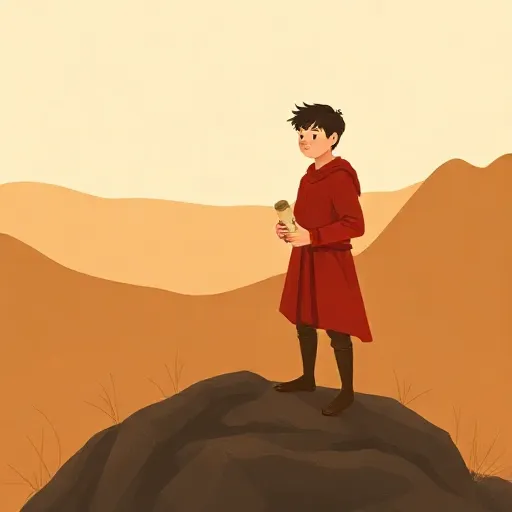
Can You Be Happy Just by Thinking? Dante’s Bold Experiment
Dante asked if deep thinking alone can bring real happiness. His life and poem The Divine Comedy explore if philosophy or something more is needed for joy.
-
Can You Be Tricked Into Thinking You’re a Donkey?
In 14th-century Oxford, thinkers invented logic games that could prove you were a donkey — and in the process, discovered the mathematics of acceleration.
-

Can You Become a Buddha Right Now, in This Very Body?
Can you become a Buddha in this very body? Kūkai believed yes, by using gestures, chants, and symbols to awaken to the enlightenment already inside you.
-
Can You Boil a Religion Down to Just Three Beliefs?
Can you boil a religion down to just three beliefs? A Jewish thinker named Joseph Albo thought so. Discover his three core ideas and why they still matter.
-
Can You Conquer a Kingdom Just Because It's Not Christian?
When Spain invaded the Americas, scholars in Salamanca asked: do indigenous peoples have rights? The surprising answer shaped international law.
-

Can You Fix a Broken Relationship? The Puzzle of Atonement
Why is mending a broken relationship more than just an apology? This explores the puzzle of atonement and whether forgiveness can be earned.
-


Can You Go Beyond Your Duty—And Is That a Good Thing?
If you risk your life to save a stranger, did you just do your duty, or something extra? Philosophers argue about whether such heroic acts are truly free.
-
Can You Know Anything Without God’s Help?
Can we know anything without God? Henry of Ghent thought senses give knowledge, but certainty needs God’s light. See how he joined two big ideas.
-
Can You Learn Without Ever Seeing? The Oldest Fight About Knowledge
Do our ideas come only from what we see and hear, or are some thoughts already inside us? This 2,000-year-old debate still shapes how we test what's true.
-
Can You Love a God You Can't Even Describe?
Can you truly love a God you can't put into words? A medieval thinker said the best way to know God is to admit you know nothing, sparking debate.
-

Can You Love Both Science and Faith? A Medieval Scholar’s Secret Plan
Shem-Tov Falaquera spent his life showing that philosophy and Torah are not enemies. But he hid his most daring ideas in books for experts only.
-
Can You Measure Goodness with a Math Equation?
In 14th-century Oxford, Richard Kilvington used logic and math to solve puzzles about motion, infinity, and virtue. His ideas helped launch modern science.
-
Can You Prove Fire Is Hot? The Priest Who Said No
Nicholas of Autrecourt claimed you can never be absolutely sure that one thing causes another. In 1346, the Church forced him to burn his own writings.
-
Can You Prove God Exists Just by Thinking?
Can you prove God exists just by using your mind? This question has led to big debates with clever arguments for and against.
-
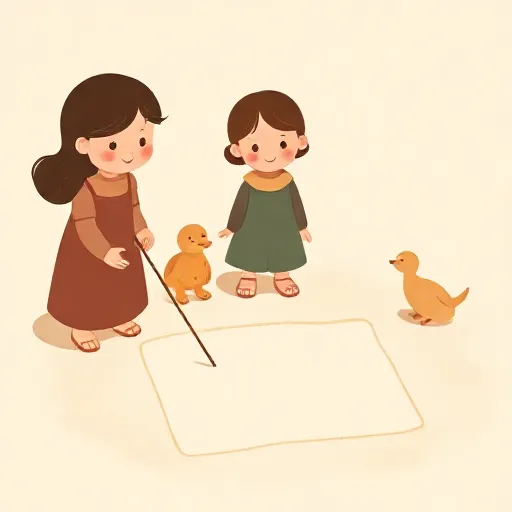
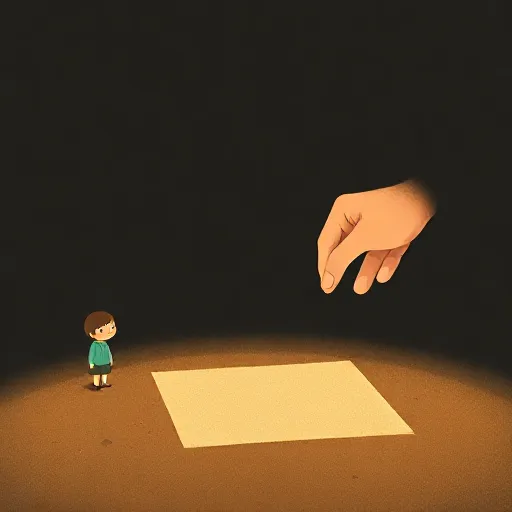
Can You Say Something True About a Thing That Doesn’t Exist?
Can a sentence be true if what it's about isn't there? The ancient Square of Opposition reveals why what we assume exists matters.
-
Can You Think God Into Existence?
Can a perfect being exist just because you can think it? Anselm said yes, but critics say that's like imagining a perfect island that must pop up.
-
Can You Think Too Hard About God? A Byzantine Story
Why did a Byzantine philosopher get in trouble for thinking too hard about God? This trial shows how dangerous ideas could be, and why it still matters.
-
Can You Trust Both the Qur’an and Aristotle? Ibn Rushd Said Yes.
Can reason and revelation both be true? Ibn Rushd showed they can—truth doesn’t fight truth. His bold defense of philosophy still inspires.
-
Can You Trust That the World Is Real? A Medieval Puzzle
If you can only know the pictures in your mind, how can you be sure anything outside is real? A 14th-century monk's bold answer still makes us wonder.
-


Can You Trust Your Feelings? A 2,000-Year-Old Fight
Can you trust your feelings? For 2,000 years, philosophers argued whether emotions are dangerous or helpful—and their debate still affects us today.
-
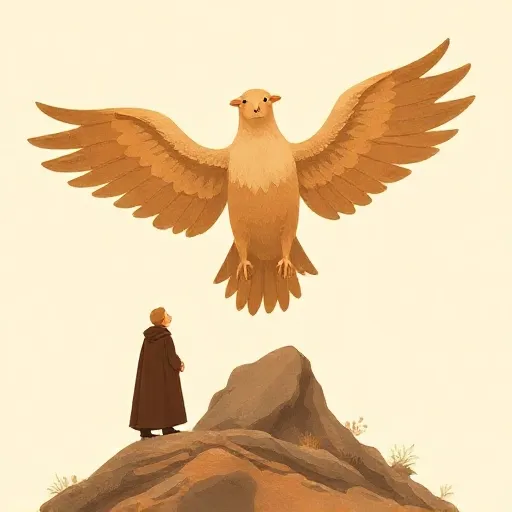
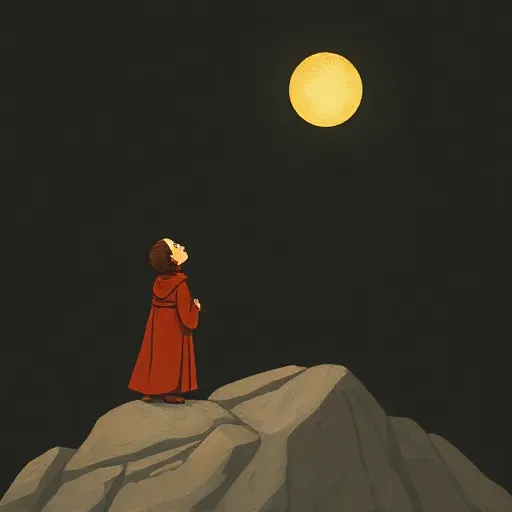
Can You Walk From a Rock to God? Bonaventure’s Journey of the Mind
A 13th-century friar thought the world is filled with clues pointing to God. He mapped a journey of the mind from rocks to the divine.
-
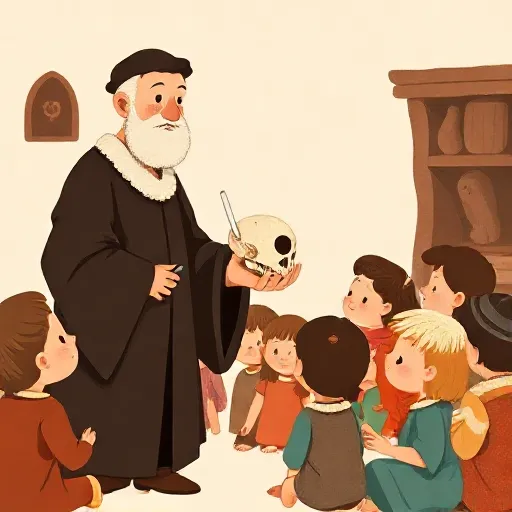
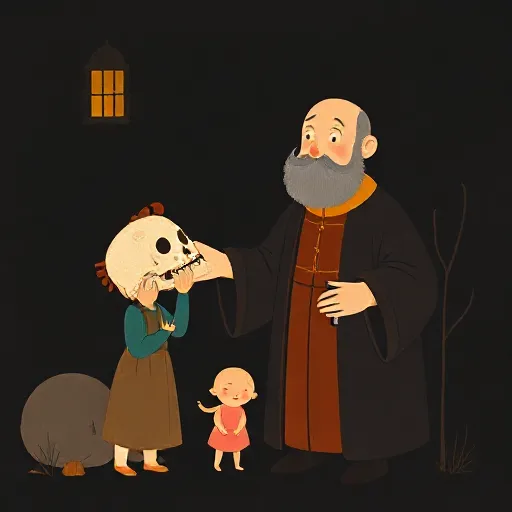
Can Your Mind Survive Your Body? The Professor Who Said No
In 1516, Pietro Pomponazzi argued that reason alone shows the soul dies with the body. The Church was furious — and his questions still rattle us.
-


Could a Circle Prove Your Religion Right? Ramon Llull’s Wild Idea
Can reason alone prove a religion is true? Ramon Llull used logic hoping to end religious wars. We still ask if thinking can settle deep beliefs.
-
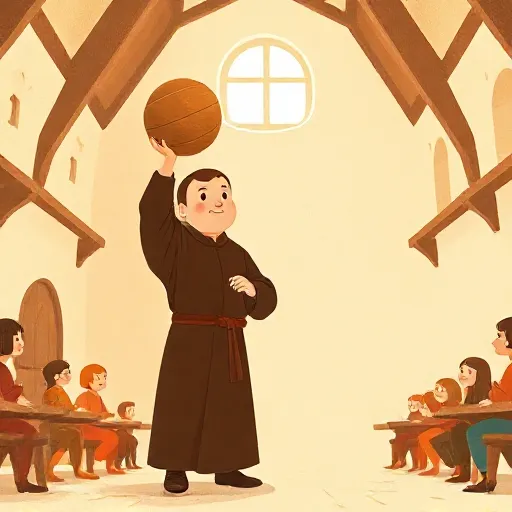
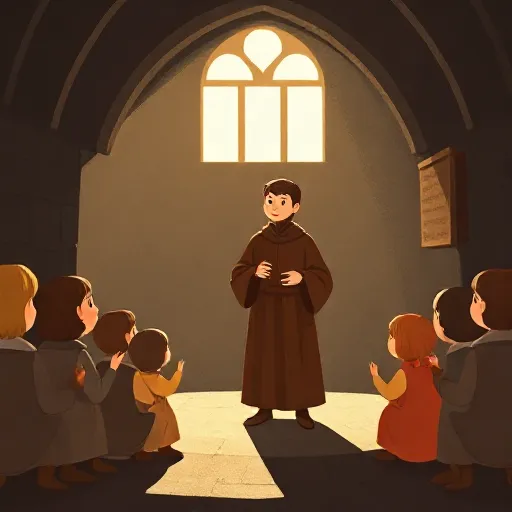
Could a Medieval Monk Predict Your Every Move?
Could a medieval monk know your every move? Nature is like dominoes you can predict. But human choices can tip either way, so you are free.
-
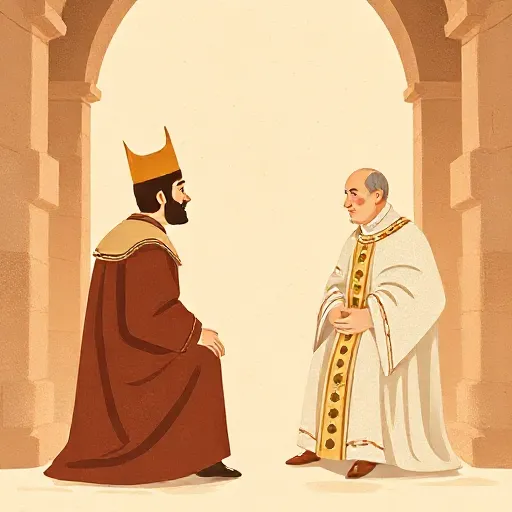
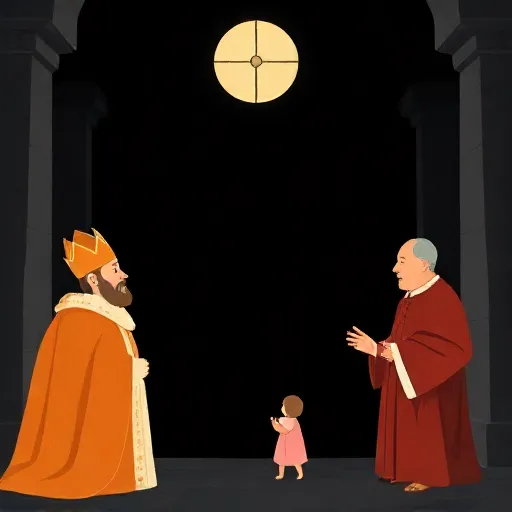
Could a Pope Tell a King What to Do? The Medieval Power Struggle
Could a king tax the church? A medieval showdown between pope and king asks: who rules? Their fight shaped modern democracy.
-
Could an All-Powerful God Be Tricking You Right Now?
Can you trust that life isn't a dream? Medieval philosophers debated whether God could trick us. Their answers were clever—and one thinker paid a price.
-
Could Ancient Books Heal Your Soul? A Renaissance Priest Said Yes
Marsilio Ficino thought Plato’s wisdom could cure sadness, teach love, and bring you closer to God—if you read it the right way.
-
Could the Whole Universe Be Made of Light? Suhrawardi’s Big Idea
Could everything be made of light? Suhrawardi said yes, and we can know this by inner seeing, not reasoning. His idea challenges our view of reality.
-
Could You Have Picked the Other Ice Cream? A Medieval Puzzle
Is the future already set, or can we choose differently? A medieval monk's puzzle about choice still shapes how we see our freedom.
-
Did a 13th-Century Monk Discover That Your Mind Builds Reality?
Did a 13th-century monk discover that your mind builds reality? His ideas still surprise scientists and philosophers today.
-
Did a Foolish Soul Create the Universe? Al-Rāzī’s Wild Idea
Did a foolish Soul really start the universe? One philosopher thought so, and believed we can use reason to figure out life without prophets.
-
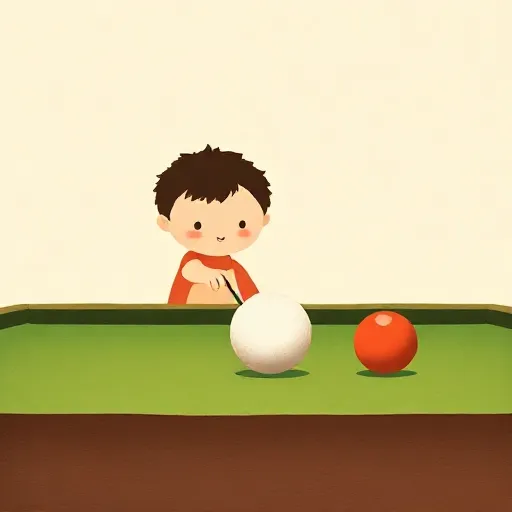
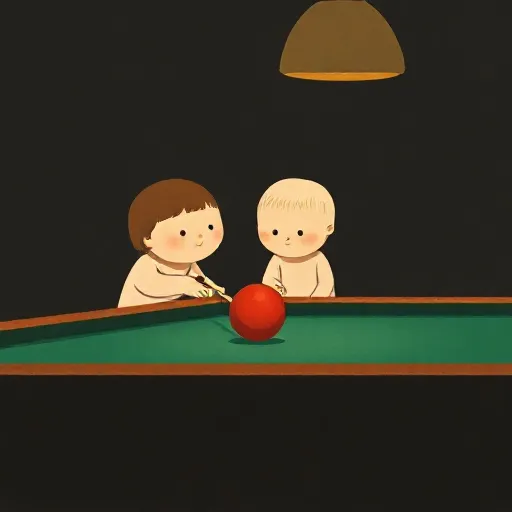
Did God Really Push That Ball? The Puzzle of Occasionalism
When a ball hits another, what really pushes? Is it the ball or God? This puzzle of occasionalism makes us rethink cause and effect.
-
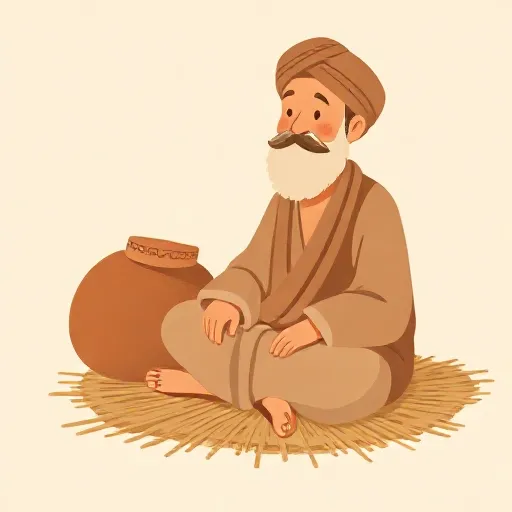
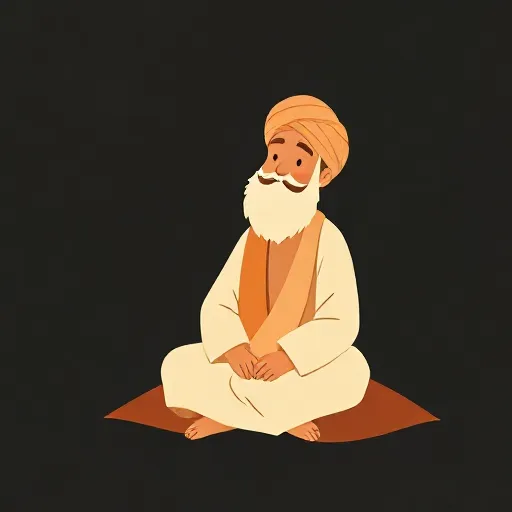
Did God Really Sit on a Throne? Ibn Taymiyya’s Fierce Answer
Did God have a physical form? One scholar said yes, trusting his senses over abstract ideas. His fiery answer got him jailed, but he refused to be silent.
-
Did the Big Bang Prove God Created the Universe?
The Big Bang looked like a moment of creation. But philosophers, physicists, and theologians soon found the story is far more tangled.
-
Did the Universe Have a Beginning? (And Other Medieval Brain‑Twisters)
Did the universe always exist? Medieval thinkers from three religions debated this and other big questions, and their ideas still matter.
-
Did the World Have a Beginning? William of Auvergne's Big Argument
Did the world have a beginning? William of Auvergne used logic to prove it must. His argument still shapes how we think about freedom and God.
-
Did You Choose to Read This, or Was It Already Decided?
Are your choices really yours? A medieval thinker said even wishes are pushed by past events. Scary but fair. A 700-year-old debate on free will.
-
Did You Choose to Read This? One Rabbi Said No.
Hasdai Crescas believed every action is determined by causes, but he still thought reward and punishment made sense. How could that work?
-
Did Your Soul Come in Pieces? The Archbishop Who Said Yes
Is your soul a single thing, or is it made of different parts? An archbishop once banned books to prove his answer—and almost changed history.
-
Do the Stars Decide Your Fate? A Wandering Poet Said It's Complicated
Can stars control your life? A poet long ago said yes—but your soul can break free. His ideas sparked big debates.
-
Do the Stars Decide Your Life, or Do You?
Do stars decide your life? A medieval thinker said they almost do, but you can still choose. That old debate still matters today.
-

Do We All Share the Same Mind? The Arabic Ideas That Shook Europe
Did you know that hundreds of years ago, thinkers asked if all humans share one mind? Their answers still spark debate today.
-
Do You Figure Out Right from Wrong, or Just Feel It?
Do you figure out right from wrong by thinking or by feeling? Medieval thinkers debated if reason makes you choose good or if your will can pick bad.
-
Do You Have Free Will? A 13th-Century Monk’s Bold Answer
Did a 13th-century monk solve the puzzle of free will? He claimed your choices are truly free, not caused by anything else. His idea is still important.
-
Do You Know the Cat, the Mat, or the Whole Situation?
When you know 'the cat is on the mat,' are you thinking of just the cat and mat, or the whole scene? It's a puzzle about how our minds understand truth.
-

Do You Really Choose, or Does Something Else Push You?
Do you really choose, or does your mind's idea of good push you? A medieval thinker gave a surprising answer that still puzzles us today.
-
Do You See What’s Really There? A Medieval Monk’s Radical Answer
Can you always trust what you see? A medieval monk used illusions to argue that your mind creates what you perceive, sparking centuries of debate.
-

Does God Live Through Time, or Is He Outside It?
Is God outside time, seeing all moments at once, or does He live through time with us? This question shapes ideas about free will and prayer.
-


Does God Recreate the World Every Second?
Does God make the world new every second? It sounds strange, but philosophers really argue about this and what it means for what's real.
-

Does Thinking About Being Prove God Exists?
Can thinking about being prove God exists? Avicenna's bold idea says yes. He argued one necessary being explains why anything exists at all.
-
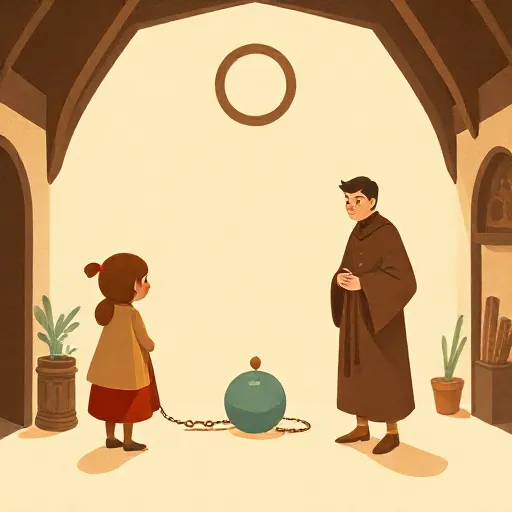
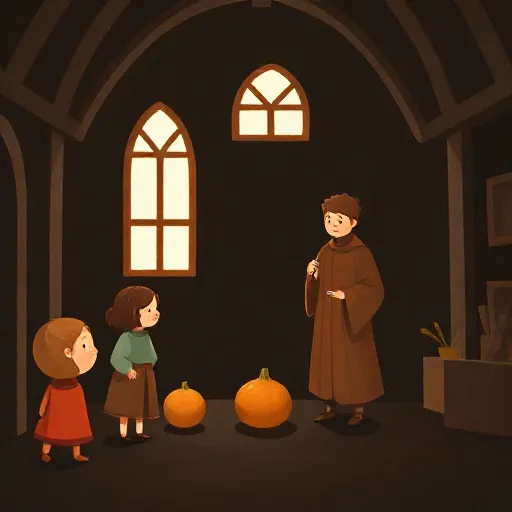
Every Time You Say "Man", Who Do You Mean?
How can the word "man" mean a knight, all of humanity, or the word itself? Medieval thinkers uncovered rules that stop language from turning into nonsense.
-
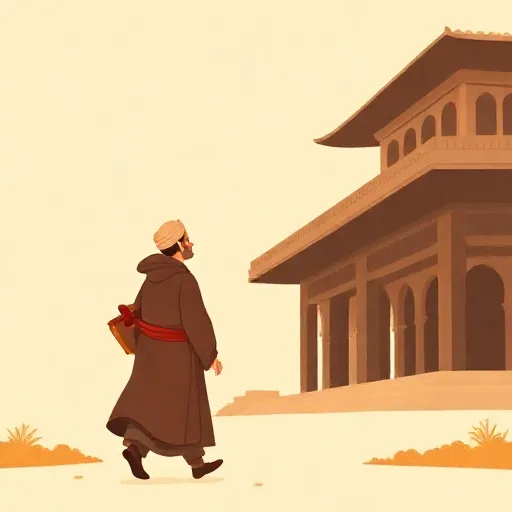
He Left Everything to Find the Truth About Reason and Revelation
Al-Ghazālī left everything to find out if reason and revelation can coexist. His surprising answer: they never truly clash if understood correctly.
-
He Wrote a Prince’s Guide—Then Told the King He Had No Power
How can someone write both a guide for kings and a book saying only the pope has power? This conflict asks: where does authority come from?
-
How Can God Be Everywhere if God Has No Body?
Philosophers have wondered for centuries: if God is immaterial, how can God be present in every place? From Augustine to today, the answers are surprising.
-
How Can You Be Free If God Already Knows Your Choice?
Abraham ibn Daud argued that philosophy can untangle the Bible's contradictions about free will, and that reason and faith belong together.
-
How Do Words Mirror the World? A 10th-Century Genius Explains
Al-Fārābī asked how languages grow from pointing to poetry, and why logic helps us think together. His surprising answer still shapes debate today.
-

How Do You Know Why Anything Happens?
How can we know why things happen? Aristotle said we need causes, not just facts. Medieval thinkers debated if we can truly prove causes.
-
How the Caliph's Translators Saved Greek Philosophy
How did translators in old Baghdad save Greek philosophy? Their work kept big ideas alive and sparked new thinking across empires.
-

If a Cup Exists, Is That Part of What It Means to Be a Cup?
Is being a cup the same as just existing? Early Islamic thinkers wondered, leading to deep questions about God and creation.
-


If God Already Knows What You’ll Do, Are You Really Free?
You’re about to answer a ringing phone. God already knew it would ring, and whether you’d pick up. Does that mean you never had a choice?
-
If God Is Perfect, Why Does Evil Exist? Leibniz’s Bold Explanation
Why does a good God allow evil? Leibniz said our world is the best possible, and suffering serves a greater plan. A puzzle still debated.
-
If God Knows Your Future, Do You Still Have a Choice?
Does God knowing your future lock in your choices? A medieval thinker showed that it doesn't, using a clever rule about truth that keeps freedom open.
-
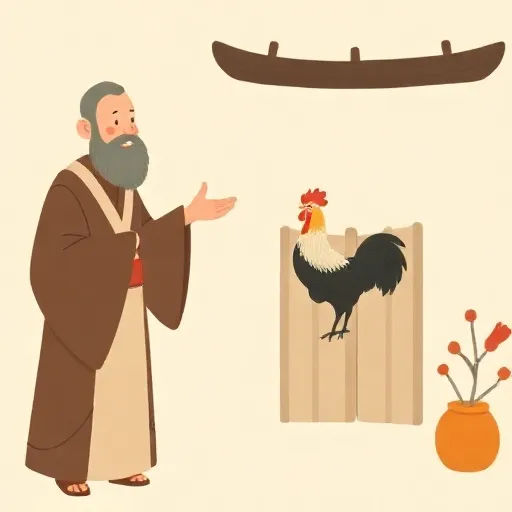
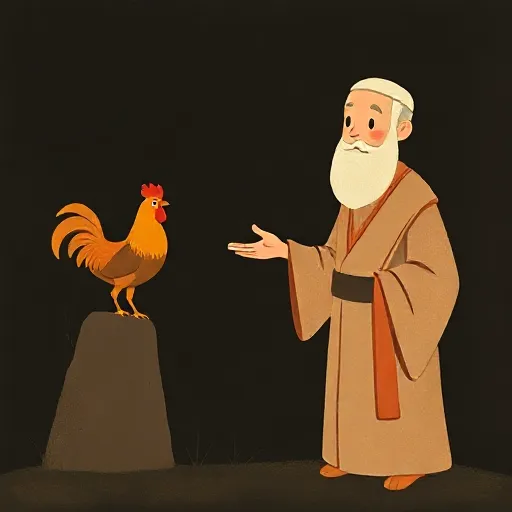
If Jesus Knew Peter Would Deny Him, Was Peter Free?
A 2,000-year-old prophecy puzzle: if someone truly predicts your free choice, does that make it inevitable? Philosophers have offered wild solutions.
-
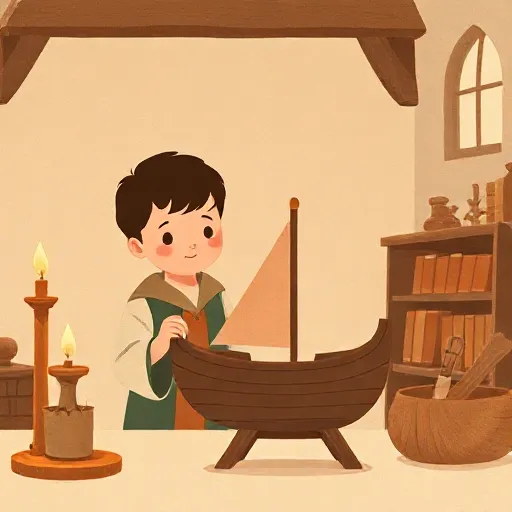
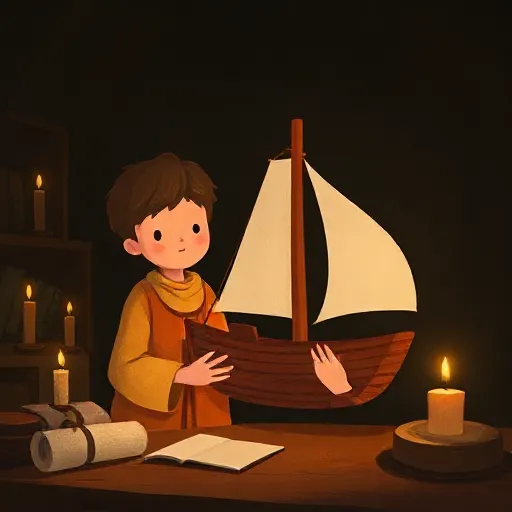
If You Lose a Finger, Are You Still You?
If you change all the parts of something, is it still the same thing? This old puzzle about ships, houses, and even you still makes us think deeply.
-
If You Take Away Everything Accidental, Are We All the Same?
A medieval monk had two wild answers to the puzzle of what makes you you. His student tried to destroy him — but the ideas survived.
-
Is 'Humanity' a Real Thing? The Medieval Battle Over Universals
Is 'humanity' a real thing or just a handy word? Medieval thinkers argued fiercely, and their ideas still shape how we see language today.
-
Is ‘Taller’ Something Real, or Just a Way of Talking?
Is 'taller' a real thing or just a way of talking? Philosophers fought over this for centuries, and their debate shapes how we understand the world.
-
Is a Word Just a Sound? Peter Abelard’s Fight Against Invisible Things
A brilliant 12th-century monk fell in love, lost everything, and argued that only inner intentions count — and that universal ideas are just words.
-
Is an Angel Made of Stuff?
Can angels be made of stuff? Medieval thinkers debated whether everything needs matter. Their ideas still shape how we talk about reality.
-
Is Humanity a Real Thing, or Just a Word? The Priest Who Said Yes
Do words like 'human' name a real, invisible essence? A priest's answer challenged popes and kings, and shook the medieval world.
-
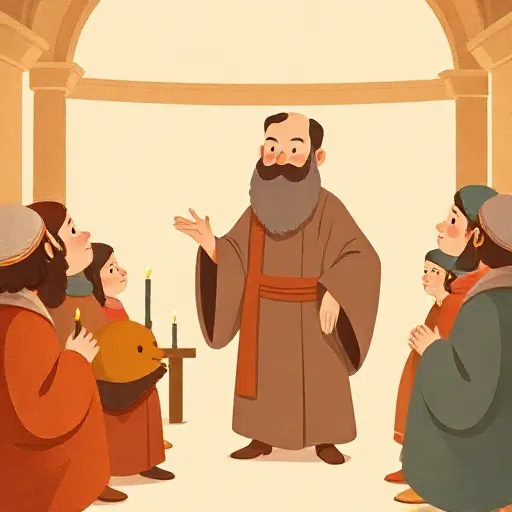
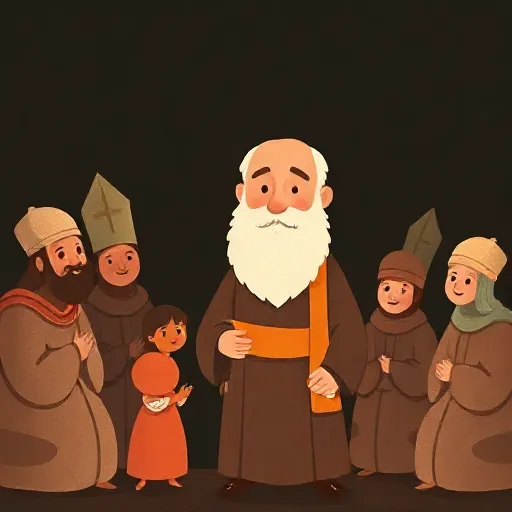
Is It Dangerous to Think Too Hard? The Trial of John Italos
In 1082, a Byzantine philosopher was put on trial for his teachings. Was he a heretic, or just a curious mind pushing the limits of reason?
-

Is the World Made of Tiny Bits or Smooth Stuff?
A thousand years ago, thinkers argued whether you can cut things forever or must stop at tiny bits. Their debate about infinity still puzzles us today.
-

Is There a Double Truth? Isaac Albalag's Bold Idea
Can something be true in philosophy but false in religion? Isaac Albalag's 13th-century idea of double truth still puzzles thinkers today.
-
Is There a Kind of Knowing That Books Can't Teach?
A 12th‑century Persian philosopher said that true understanding comes from the heart, not just the mind. His ideas cost him his life.
-
Is Tomorrow Already Written? A 2,000‑Year Argument Over True and False
Can what we say about the future be true before it happens? A 2,000-year-old puzzle about fate and free will.
-
Is Your Will a Captive Horse? Luther’s Radical Answer
Luther compared your will to a horse steered by God or Satan. If God knows your future, can you truly choose? Still raises tough questions about freedom.
-
Just Read Aristotle, Not the Commentators
Why did a 1495 teacher tell students to read Aristotle, not heavy commentaries? He believed simple analogies could reveal hidden connections in knowledge.
-
Love Isn’t Just a Feeling — It’s the Glue of the Universe
A Jewish philosopher on the run wrote that love and beauty are cosmic forces, connecting a flower's color to God's own joy.
-
Prove God Exists? The Monk Who Said Yes, and That God Chooses Morality
Can we prove God exists using just our minds? A medieval monk said yes, and that God freely chooses right and wrong—sparking debates that still rage today.
-
The 13th-Century Teacher Who Solved the Mystery of "Every"
Sherwood said "every" demands three things and "is" has two meanings. His logic tricks still shape how we think about words.
-
The 2,300-Year-Old Puzzle About ‘If’ That Logic Still Fights Over
Aristotle and Boethius noticed that some 'if...then' patterns break normal logic. Connexive logic tries to fix that—and it’s still debated today.
-
The Bishop Who Said Space Is Just ‘Here’ and ‘There’
A 14th-century French bishop argued that space isn’t a real thing, time doesn’t need motion, and infinity can be summed up. His ideas still matter.
-
The Book That Wasn’t Aristotle’s (And Why That Made It So Powerful)
Why did a book that claimed to be by Aristotle but wasn't end up shaping Jewish, Christian, and Islamic thought for centuries?
-
The Donkey, the Liar, and the Flying Arrow
Can a sentence be a lie if it says it's a lie? Why does a flying arrow move? John Buridan's puzzles show how logic untangles word tricks.
-
The Forgotten Monk Who Solved the Mystery of What Words Point To
How do words like 'cat' hook onto the world? A 13th-century monk named Lambert found a clever answer that still shapes how we think about meaning.
-
The Friar Who Said God Is Both Everything and Nothing
Meister Eckhart (1260–1328) called God a boiling fullness and a silent desert. His trial and his strange ideas about the soul still puzzle thinkers today.
-
The Grammar Rebel Who Tried to Plow Up All of Philosophy
Lorenzo Valla said most philosophy was just bad Latin and nonsense words. His fight over language, logic, and pleasure still matters.
-
The Logic Trap That Made a Famous Philosopher Admit Defeat
Can logic rely on words alone, or does it need real things? Discover the medieval argument that forced a great thinker to admit his system was flawed.
-
The Man Who Pretended to Be a Saint to Talk About the Unknowable
A 6th‑century writer faked his identity to teach that God is so beyond words even “good” fails. Why did this “forgery” change Christian thinking forever?
-

The Man Who Rescued the Forbidden Books of Jewish Magic
Why did a boy dig up old Jewish books about magic that others wanted to forget? His find changed how we think about hidden ideas.
-
The Monk Who Tried to Prove God with Pure Reason
Can reason prove God exists? Aquinas argued like dominoes, everything needs a mover, ending with an unmoved mover. He explored free will and happiness.
-
The Parisian Teacher Who Believed Grammar Holds the Key to Reality
How does the structure of language mirror reality? A 700-year-old teacher's surprising idea reveals why we can express thoughts and make choices.
-
The Philosopher of Two Eyes: How Ibn ‘Arabî Saw Reality
A 12th-century Muslim mystic believed we need both reason and imagination to grasp reality. His ideas challenge how you see yourself and the world.
-
The Philosopher Who Argued with His Teacher Over God and Free Will
Can free will exist if God knows everything? In the 1300s, Isaac Polqar debated his former teacher to defend free will with reason.
-


The Philosopher Who Hid His Deepest Ideas in Plain Sight
Al-Fārābī tried to unify all knowledge—logic, math, music, politics—but did he hide his true views from the public? A 10th-century mystery.
-


The Philosophers Who Thought Reason Wasn’t Enough
Can logic explain everything? Some Muslim philosophers thought deepest truths are felt, not reasoned. Like a light switching on inside.
-
The Prince Who Wanted to Stop Being Human
He tried to prove all religions secretly agreed, and his most famous speech about human dignity was really about turning yourself into an angel.
-
Was Roger Bacon a Wizard, a Scientist, or Something In-Between?
Why do some people say Roger Bacon was a wizard and others call him a scientist? The debate reveals what we think real science should look like.
-
Was the Philosopher Elias a Pagan in a Christian Empire?
His lectures overflowed with pagan gods and the secret of becoming divine. But he lived in a Christian empire. One of history's great whodunits.
-
Was Tomorrow’s Sea-Battle Already Decided?
Philosophers have argued for thousands of years whether the future is already written. Dive into the puzzle of future truth that started with a sea-battle.
-
Were Plato and Aristotle Really Enemies?
Simplicius argued that Aristotle’s attacks on Plato were only skin-deep — a daring idea that kept ancient Greek philosophy alive when it was under threat.
-

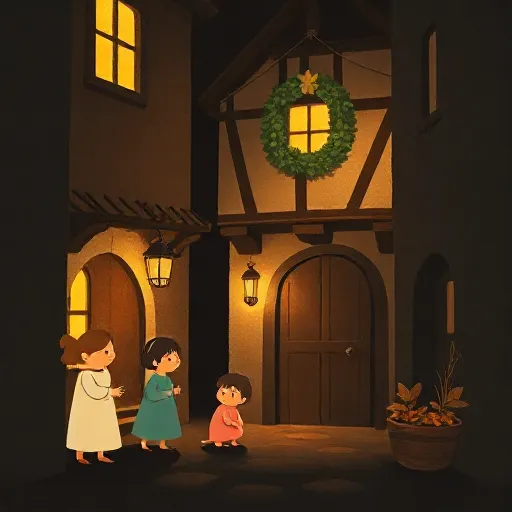
What a Wreath Above a Tavern Taught Philosophers About Signs
What makes a wreath, a footprint, or a word into a sign? Medieval thinkers discovered that signs depend on minds, and even thoughts are signs.
-
What Did “Probable” Mean Before Numbers?
Before probability meant fractions and percentages, it was about expert opinion, common sense, and how often things happen. Why that still matters.
-

What Do a Rock, a Thought, and a Number All Share?
Everything from rocks to thoughts shares deep traits: being, oneness, truth, goodness. Are they real or just in our minds? The debate still matters.
-
What Do You Lose When You Translate a Big Idea?
In 1204, Samuel Ibn Tibbon finished translating Maimonides' Guide into Hebrew. His real battle was over translation — and the meaning of a human life.
-


What Happened When Aristotle's Metaphysics Moved to Baghdad?
In the 9th century, Arabic scholars got their hands on a Greek book that asked the deepest questions. Their fight over it still matters.
-

What Happens When a Sentence Says, "I'm False"? Albert of Saxony Knew
Can a sentence that calls itself false make sense? Albert of Saxony used clever logic to untie this tricky puzzle, and his ideas still make us think.
-
What Happens When Your Conscience Points the Wrong Way?
Why do we sometimes feel sure we're right, even when we're wrong? Explore the puzzle of a conscience that aims for good but can still make mistakes.
-
What If God Could Break Every Promise — and It Still Be Good?
If God can break all promises, how can we trust anything? Holkot said living a good life is about trying your best to do what you think is right.
-
What If You Had to Reason from a Lie? The Medieval Logic Game
Medieval logicians turned debating a false statement into a sharp game. The rules forced you to follow logic, not truth — and sparked centuries of puzzles.
-
What Is God Made Of? The Medieval Idea of Divine Simplicity
If God is perfect, could God be made of parts? Medieval thinkers said no—God is utterly simple. But what does that even mean, and can it make sense?
-
What Makes ‘Socrates’ Point to One Man? A Medieval Name Puzzle
Why does the name 'Socrates' still work after he dies? A medieval puzzle about how names point to things reveals surprising ideas about language.
-
What Makes 'Therefore' Actually Work? Medieval Logicians’ Big Fight
Why does one sentence force another to be true? Medieval logicians had a big fight about this, and their ideas helped create modern logic.
-
What Makes You, You? A Medieval Philosopher’s Surprising Answer
Is there a real 'dogness' shared by all dogs, or is it just a name? Paul of Venice’s clever middle path helps us see what makes each of us unique.
-


What Would Happen If There Were Two Supreme Beings?
Could two all-powerful gods exist? They would limit each other, so neither could be all-powerful. That's why many people believe in one God.
-

When Is Something Truly Necessary? Avicenna’s Answer
What does it mean when we say something must be true? Avicenna's surprising answer still helps us work out what's necessary, possible, or impossible.
-
When You Think of a Donkey, Is the Donkey Inside Your Head?
When you think 'donkey,' how does your thought connect to the real animal? Medieval mind-shapes and mental words reveal a puzzle shaping modern thought.
-
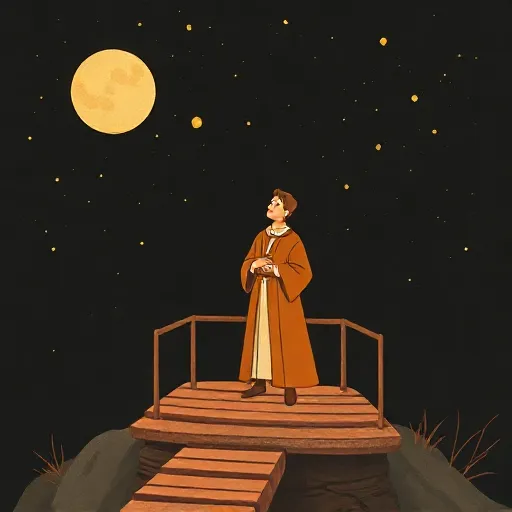
Who Moved the Earth? The Story of Nicolaus Copernicus
For centuries, people thought Earth was the center of everything. One astronomer dared to rethink that — and changed how we see the universe.
-
Who Needs Rules When You Have a Brain?
A 13th-century monk found a way to understand right and wrong. He thought the clues were already inside your head.
-

Why a 12th-Century English Clerk Thought Moderation Was Everything
John of Salisbury said the best rulers and thinkers avoid extremes. His idea of a 'body politic' still shapes how we think about society.
-
Why a 14th-Century Teacher Said You Can't Think Your Way to God
Marsilius of Inghen founded a university and taught that your mind can prove some things, but not everything. The rest, he said, you have to believe.
-
Why Abd al-Latif Thought Modern Philosophy Was a Disaster
Why did a 12th-century scholar think modern philosophy was a dead end? He believed ancient Greek methods could lead to real understanding and happiness.
-
Why Add Extra Things? Ockham’s Razor and the Fight Over Reality
Why add extra invisible things? Ockham's razor slices numbers and relations—and lets you choose evil. A monk's sharp tool for reality.
-
Why Al-Kindi Believed the World Could Not Be Eternal
In 9th-century Baghdad, al-Kindi used Greek ideas to defend Islam. His infinity puzzle challenged Aristotle and still makes philosophers think.
-
Why Aristotle’s Perfect Logic Broke Down When You Added “Necessarily”
Why did the word 'necessarily' break Aristotle's perfect logic machine, and how did fixing it give us modern computers?
-
Why Can You Call a Dog "Healthy" and a Diet Too?
How can 'healthy' describe a dog, food, and a friendship? Medieval thinkers debated this, and their answer still shapes how we use words today.
-
Why Couldn't Augustine Just Choose to Be Good?
Why do we sometimes do wrong when we want to do right? Augustine's struggle shows that choosing good isn't just about deciding.
-
Why Did a 10th-Century Doctor Say That God Is Beyond Words?
Isaac Israeli blended Greek emanation with Jewish faith. His ladder of light explains how the universe came to be — and how you can perfect your soul.
-
Why Did a Bishop Ban 219 Ideas from a University?
Why did a bishop ban 219 ideas in 1277? The surprising story behind a famous medieval censorship that sparked a long debate about free thinking.
-
Why Did a Brilliant Mathematician Write Poems Full of Doubt?
Why did a great thinker both prove God and doubt life's meaning? His struggle shows that head and heart don't always agree.
-
Why Did a Cardinal Risk Everything to Defend Plato?
Why did a cardinal risk his life to save and defend Plato's writings? See how he showed that Plato's ideas could help Christians understand God.
-
Why Did a Philosopher Think Gut Feelings Were Key to Truth?
Ibn Kammūna argued that flashes of insight—not just reasoning—give us certain knowledge. But his attempt to compare religions fairly revealed hidden bias.
-
Why Did Descartes Think a Tiny Gland Holds Your Soul?
Why did Descartes think a tiny gland holds your soul? Find out why his old question about mind and body still puzzles us today.
-
Why Did Jewish Scholars Risk Everything for Arabic Books?
In medieval Spain, Jewish thinkers secretly translated Arabic philosophy. A dangerous act that changed Judaism forever.
-

Why Did Medieval Philosophers Hide Their Real Ideas?
Some medieval thinkers wrapped their ideas in allegories and riddles. Were they afraid of persecution, or was something else going on?
-
Why Did This Jewish Poet Think Even Angels Have Matter?
Why did Solomon Ibn Gabirol think angels are made of matter? His idea was so shocking that Christian scholars argued over it for centuries.
-


Why Do People Keep Doing Wrong? What Philosophy Says About Sin
If God is good, why is there evil? Philosophers explore sin as a mistake, a sickness, and a puzzle stretching back to the very first wrong choice.
-
Why Do We Have Laws — and When Can We Ignore Them?
Why do we need laws? Can we ignore unfair ones? Explore how rules protect us and what makes a law truly just.
-
Why Does a Thrown Stone Fly? And the Fight Over Free Will
Why does a stone keep flying after you let go? This question led to fights about what pushes things—and whether we control our choices.
-


Why is “one God in three persons” so hard to believe?
If the Father is God, and the Son is God, why aren’t they the same? A 1,700-year-old puzzle that still makes philosophers scratch their heads.
-
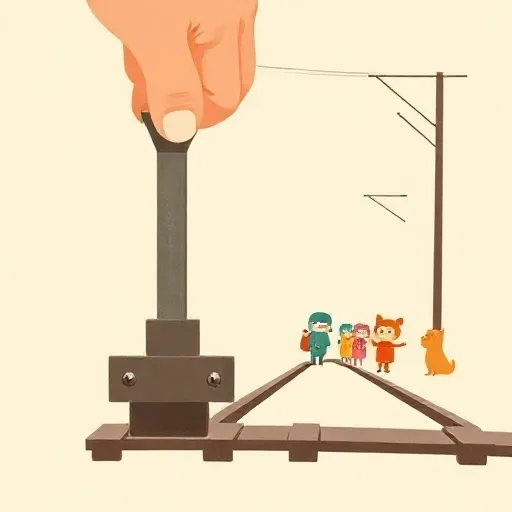
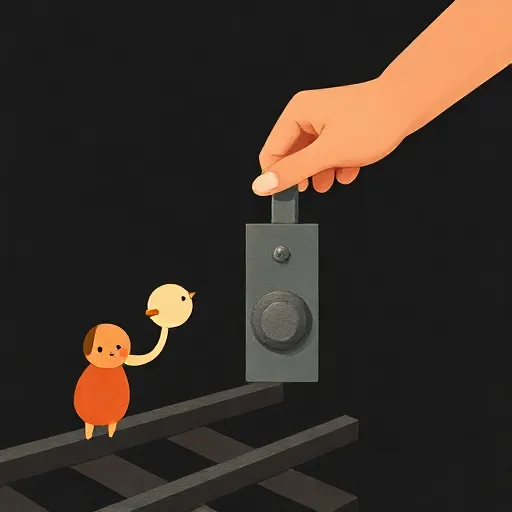
Why Is It Okay to Turn the Trolley but Not Push the Man?
Some harms you plan; others you just see coming. A 700-year-old idea says the difference changes everything — from war to medicine to self-driving cars.
-
Why Medieval Students Loved Arguing About Impossible Sentences
A sentence like “Every animal but man is irrational” could spark hours of debate. For medieval thinkers, these puzzles were serious philosophy training.
-
Why Medieval Thinkers Thought God Lit Up Your Mind
Can we trust our own reason? Medieval thinkers argued God provides a special light for knowing truth, and this debate changed how we understand the mind.
-
Why Nothing Can Start from Zero: A 12th-Century Quest
Petrizi said the universe had to start with one single source — a perfect, cause-less Good. His 900-year-old answer still shapes the way we ask why.
-
Why One Experiment Can’t Prove a Theory Wrong
Pierre Duhem argued that no single experiment can prove a theory false. His idea shook up science—and still affects how we test ideas today.
-
Why Was a Monk Called the 'Torturer of Infants'?
Gregory of Rimini argued God alone decides who is saved or damned. His clash with Peter Auriol over whether future truths steal freedom still matters.
-

Why Would a Loving God Let Anyone Go to Hell?
Why would a loving God send people to hell? Christians have three views about God's love, our choices, and final fate. Which one would you give up?
-
Why Would God Reveal Rules You Could Discover on Your Own?
Why would God reveal rules you can figure out yourself? Saadya Gaon said reason and faith can build a firm foundation. His answer still sparks debate.
-

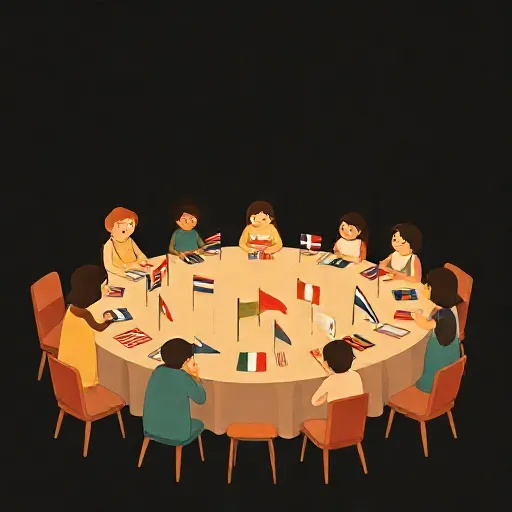
Would a World Government End War, or Start a Global Tyranny?
Would a single world government end all wars or create a global prison? This debate has lasted centuries and will shape your future.