Do You Really Choose, or Does Something Else Push You?
A Locked Door That Cannot Open Itself
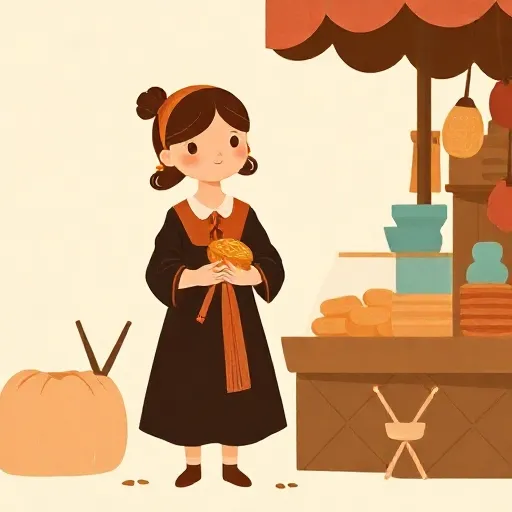
Paris in the 1290s. A student at the university holds a pastry in each hand. She feels like she could simply decide which one to bite into. But her theology professor, Godfrey of Fontaines (c.1250–1306/09), sees something very different. He thinks her will—the part of her that wants and chooses—is not doing the work. It is being moved.
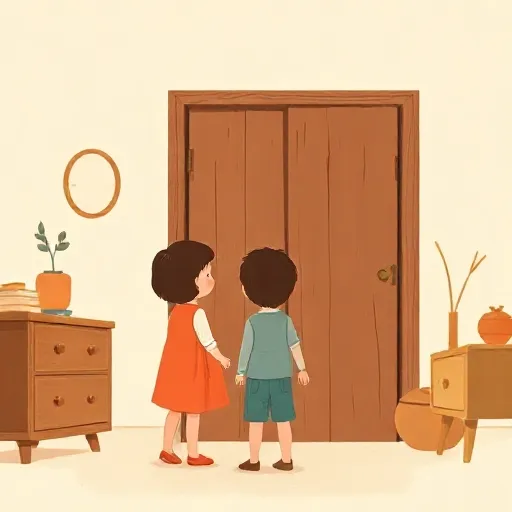
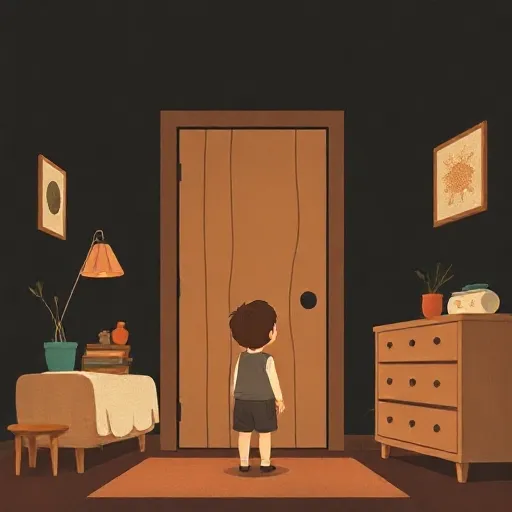
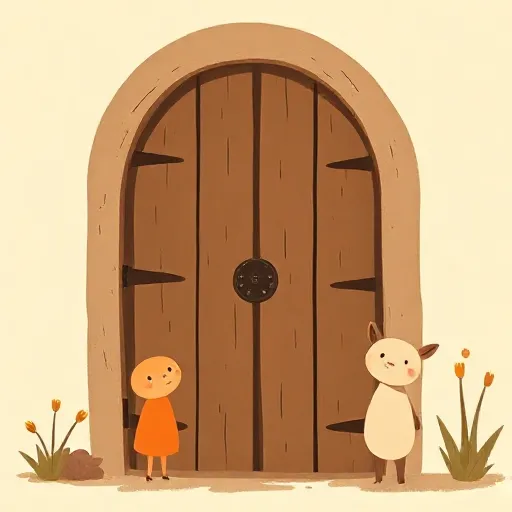
Godfrey insisted on a strict rule: nothing can turn itself from potential to actual. A potential want is just a possibility; an actual want is a real desire. To go from one to the other, something else must push it. The will, he said, is like a locked door with no inside handle. It cannot open itself.
What opens it is the intellect—your power of understanding. When your mind grasps something as good or pleasant, that thought acts as the key. The student’s will does not reach for the honey pastry on its own. Rather, her intellect presents the pastry as sweet and satisfying, and that thought pushes her will into wanting it. Every choice you make, Godfrey argued, starts outside your will.
Is Your Mind’s Freedom Enough?
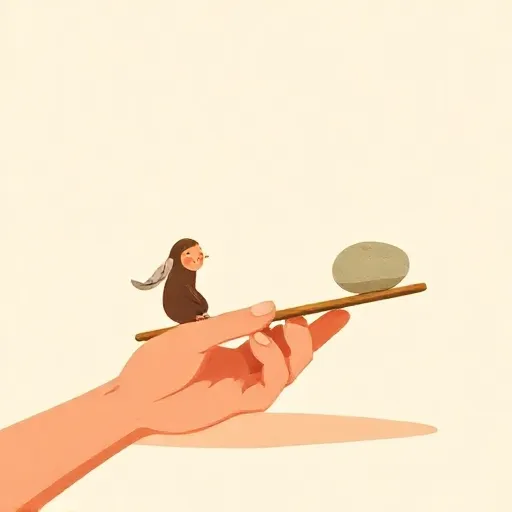
If all your wants are started by something else, aren’t you just a puppet? Some thinkers in Godfrey’s time, like Henry of Ghent (c.1217–1293), said no—the will can sometimes stir itself. You can decide to think about something and, in that moment, create your own wanting. Godfrey rejected that completely. To him, any self-moving would mean a power was both potential and actual at the same time, which he considered impossible.
But Godfrey still insisted that you are free. Where does the freedom come from? Not from the will, but from the intellect. The intellect is not locked onto a single object like a camera bolted in one direction. It can turn, compare, reflect. It can consider the honey pastry, then the spiced cake, then remember you might feel sick later. This mental wandering means the thought that finally pushes your will is not forced on you—it results from your own understanding weighing possibilities. There is no single thought that must win. In that roaming space, Godfrey found room for genuine choice, even though the will itself stays a locked door.
Critics weren’t fully convinced. If the will always follows whatever the intellect decides is best, aren’t you still just a passenger? The debate—whether freedom needs a self-starting will or can live in a mind that compares—remains unsettled.
The Rule That Nothing Starts Itself
Godfrey didn’t save this rule just for choices. He applied it everywhere, even to the very existence of things. There was a huge argument in the 13th century about what it means for something to be real. Many thinkers, following Thomas Aquinas (1225–1274), said that every created thing is made of two distinct parts: an essence (what the thing is) and an existence (the act of being). A rose, for instance, has a rose-essence plus a separate existence that makes it actually out there.
Godfrey said this picture breaks his rule. If essence and existence were really two different things, then before a rose existed, its essence would be potential while its existence would be actual—but the rose can’t be both potential and actual at once. So the two must be one and the same. For Godfrey, being a rose just is existing; the words “essence” and “existence” are two ways of talking about one reality, not two pieces glued together.
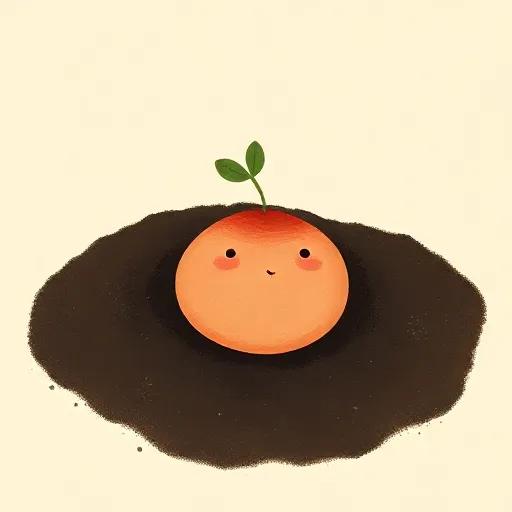
This had a striking consequence: nothing ever “already has” its own existence stored inside. Godfrey described a rose that doesn’t yet exist—it has real potential being because its causes (a seed, soil, sunlight, eventually God) could produce it. But it only becomes actual when those causes push it. There is no magic inner existence waiting to pop out. Just like the will, a possible rose cannot push itself into being.
Could the Universe Have Lasted Forever?
Godfrey used the same logic to tackle another fiery debate: could the world have existed for an eternity, with no beginning? Many Christians of his time believed the world began to be. Some insisted reason alone could prove it; others, like Aquinas, said you can’t prove either way—you just know from faith. Godfrey walked a careful middle path.
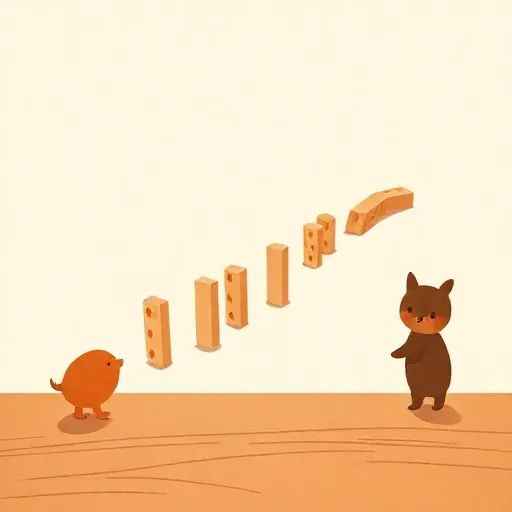
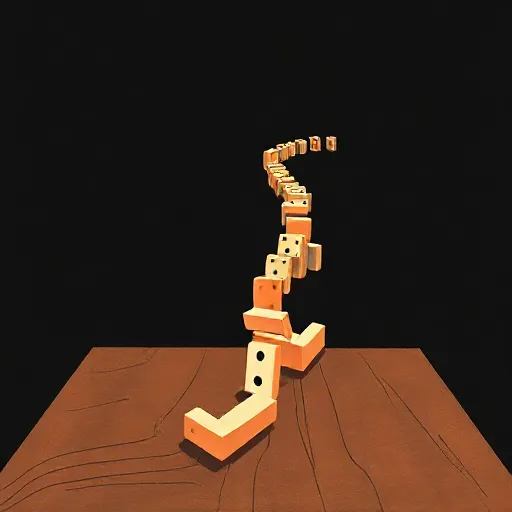
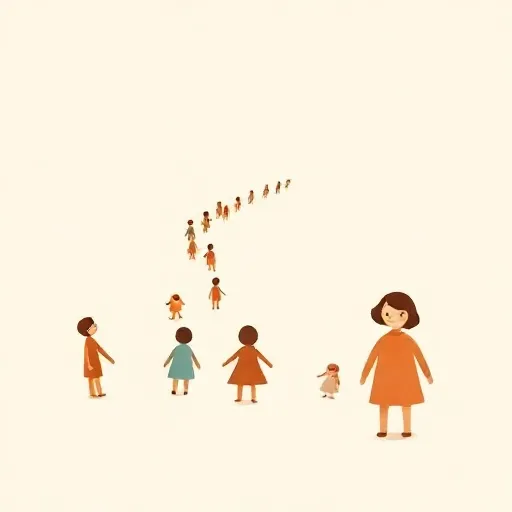
He thought that if the world had always existed, an endless number of past days and past human beings would have actually piled up. An actual infinity of stones or souls, he argued, is impossible. You could never gather them all into one place or count them. So from the ordinary course of cause and effect, the world cannot stretch backward forever. But Godfrey didn’t claim absolute proof. He admitted that God might have made things differently, maybe by a different plan beyond our reasoning. So he left the question open as probable but not demonstrated. Again, his mind followed a strict principle: actual things need pushes, and you cannot get to “now” through an infinite line of pushes with no first shove.
Why It Still Matters: The Push Inside Your Head

Today, scientists can sometimes spot a decision forming in your brain before you are aware you’ve made one. That sounds eerily like Godfrey’s claim: the experience of choosing follows something that already started outside your will. Godfrey would not have been surprised. He would point at your intellect: it scanned, weighed, compared—so the push that finally arrived was still yours in an important sense.
But the question refuses to go away. If every want has a cause that you did not choose, are you really in charge? Maybe freedom is not about starting from zero. Maybe it is about the open, roving, reflective space Godfrey saw in the intellect. The medieval student at the pastry stall would recognize your dilemma the next time you stand before two treats, two games, or two paths, feeling the tug and wondering where it really came from.
Think about it
- If every choice you make is pushed by thoughts you didn’t choose to have, are you still responsible for your actions?
- Close your eyes and try to want something completely new, something you’ve never thought of before. Could you do it? Did something outside start that want?
- Scientists can sometimes predict a choice before you’re aware of deciding. Does that make you an unwinding machine, or is there still room for freedom?