
Why Do People Keep Doing Wrong? What Philosophy Says About Sin
What Is a Sin, Really?
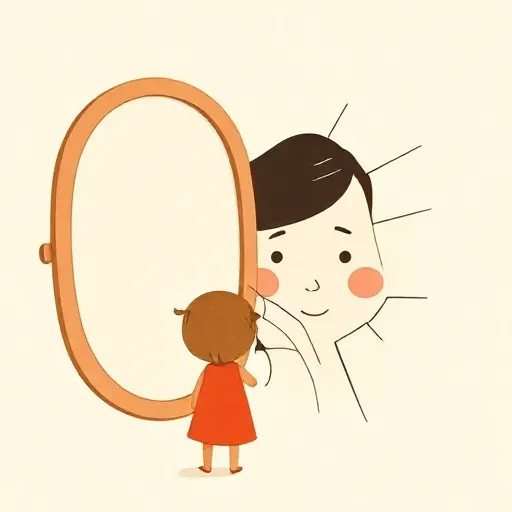
You try to be honest, but a small lie slips out. You promise not to be jealous, yet envy bubbles up anyway. Even when you want to do right, something inside pulls you wrong. For centuries, Christian philosophers have used the word sin to describe this problem — a turning away from what God intends for human life. But what exactly is a sin? Is it only an action, or is there more?
The most common answer is that a sinful action is one that goes against God’s will or commands. That includes not just the hurtful things we do but also the good things we fail to do — like ignoring a friend who needs help. The early thinker Augustine (354–430) gave this idea a twist. He argued that evil is not a “thing” at all; it is a privation, a missing of good. When we sin, we don’t chase something utterly evil. Instead, we abandon a greater good to grab a lesser one. Imagine choosing an extra hour of screen time over keeping a promise to a friend. The screen isn’t evil — but you’re trading a higher good (trust) for a lower pleasure. Augustine would say that’s exactly what sin is: disordered love.
Some sins are clearly voluntary — you know the rule and break it anyway. But the story gets more complicated. Philosopher Robert Adams points out that even emotions and desires we don’t control can count as sinful if we fail to take responsibility for them. Suppose you often feel raging anger that you never invited. Cultivating that anger instead of fighting it can be blameworthy, even if the first spark wasn’t your choice. Richard Swinburne (b. 1934) also draws a helpful line. An act can be objectively sinful (it really is wrong) even if you don’t know it’s wrong. Or it can be subjectively sinful — you do what you believe is wrong, even if your conscience is mistaken. That means someone can sin while trying to do right, simply by ignoring their own deepest sense of what is good.
The First Bad Move: How Did Evil Start?
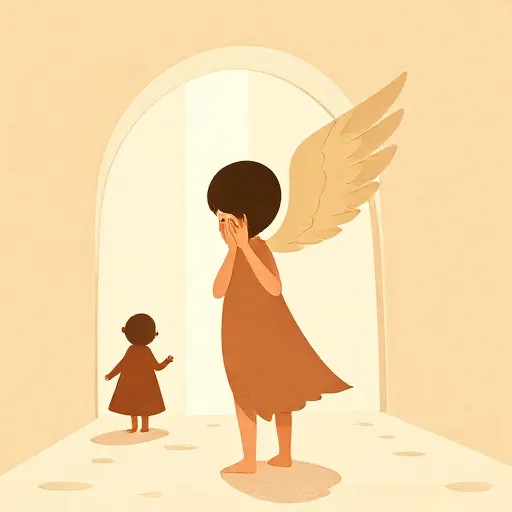
If God created everything good, how did any creature ever start sinning? That question points to the primal sin — the very first evil choice, whether made by an angel or by a human. Scott MacDonald describes it as something radically new: a good will, in a perfectly good world, freely introducing evil where none existed before. This isn’t just a Bible story; it’s a deep philosophical puzzle. Why would a perfectly good being suddenly love a lesser good above God?
Two big families of explanation have emerged, both borrowing from medieval psychology. Voluntarists focus on the will. Anselm (1033–1109), as interpreted by Katherin Rogers, held that the first sin had no cause outside the will itself. There was no prior ignorance, no defect — the creature simply willed what it ought not. When asked why, Anselm answers bluntly: “Only because he willed.” The choice was its own cause, and that makes it ultimately mysterious, even irrational. On this view, the origin of sin resists a tidy explanation: pride shouldn’t have felt attractive to a being made to love God.
Intellectualists, by contrast, put the trouble in the intellect first. On MacDonald’s reading of Augustine, primal sinners failed to pay proper attention to the reasons they already had. They knew God was the highest good, but they didn’t weigh that knowledge carefully. They acted, in a sense, without really thinking. Alvin Plantinga (b. 1932) later joins this camp: the primal sin must involve first acquiring a false belief — an intellectual defect — before any emotional failure. So whether you blame the will or the mind, the first sin remains a crack in a perfect world that philosophers are still trying to understand.
Born This Way? The Idea of Original Sin
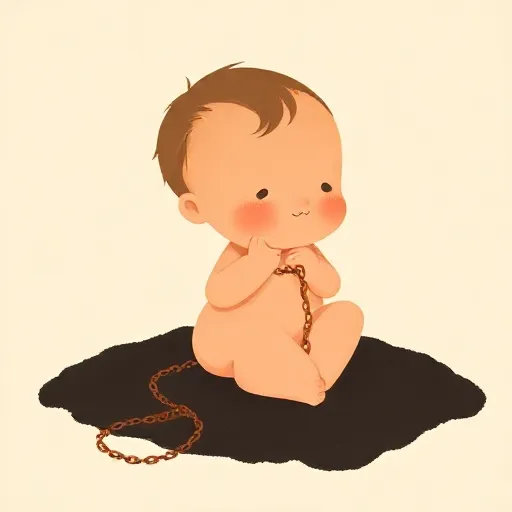
Sin isn’t only something you do. Many Christian thinkers talk about original sin as a condition or state you’re born into. It’s not the first sin (that’s the primal one) but a distortion of human nature that spreads from that first wrong turn. Jesse Couenhoven calls this constitutional fault — a kind of moral “improper functioning” that includes disordered desires and ignorance. Think of it like inheriting a faulty compass: you still make your own turns, but the needle always pulls slightly away from true north.
One sharp debate is whether original sin makes wrongdoing inevitable. Paul Copan suggests that, while no particular sin is forced, given all the opportunities and our bent toward wrong, everyone eventually trips. Paul Franks points out a puzzle. Imagine a person who performs exactly one morally significant act in her whole life. If original sin makes sin inevitable, that single act must be sinful. But if no single act is inevitable, how can the overall “inevitability” hold? Franks, a libertarian, concludes that original sin doesn’t ensure you’ll sin — you’re always free to resist. Swinburne goes further: original sin isn’t a genetic poison but a social inheritance. Adam’s bad example made a corrupt culture easier to catch, but each of us could, in theory, stay clean.
Most contemporary philosophers also reject original guilt — the idea that you are personally blameworthy simply for being born after Adam. They hold a “corruption-only” view: original sin gives you a strong tilt toward wrong, but you’re judged only for what you actually do, not for a debt you didn’t personally run up.
How Sin Messes with Your Mind

Sin doesn’t just scratch the will — it clouds the intellect. This is what philosophers call the noetic effects of sin (from the Greek nous, meaning mind). Plantinga paints a vivid picture: original sin involves a kind of blindness or stupidity toward God. Our hearts love the wrong things, and our minds lose the ability to perceive what is truly beautiful or worthy. He imagines a built-in sense of God, the sensus divinitatis, that, like a radio receiver, naturally picks up awareness of God. Sin damages that receiver. We become resistant to the signal, and our knowledge of God, ourselves, and even the moral demand on our lives gets muffled.
But Plantinga also thinks there is a remedy. He argues that the Holy Spirit can repair the sensus divinitatis, restoring inward knowledge of God without fancy arguments. Still, not everyone is so optimistic. Merold Westphal worries that sin’s distortion goes all the way down. He proposes a “Law of Inverse Rationality”: the more a topic matters for your life, the more your thinking about it can be warped by self-interest. We can’t always trust our own brains to think straight about God if sin makes us, deep down, want to dodge the truth.
So the noetic effects of sin aren’t just an ancient doctrine — they’re a warning. Our deepest biases might not be random; they might trace back to a moral glitch we all share.
Why It Matters: Evil, Hope, and Broken Systems
If you’ve ever asked, “Why does a good God allow so much evil?”, you’re sitting right where philosophers of sin spend a lot of their time. One famous answer is the Free Will Defense: God gave humans genuine freedom, and that freedom makes sin possible. Without the ability to choose wrong, we couldn’t truly choose love. Plantinga even suggests that sin might be bound up with an even greater story — the O Felix Culpa (“O happy fault”) idea. Maybe God permitted sin because it made way for the incarnation and atonement, a display of love so immense it outweighs every horror.
That view faces fierce pushback. Marilyn McCord Adams (1943–2017) argues that certain evils, which she calls “horrors,” can’t be balanced out like numbers on a scale. They must be defeated — made meaningful — in the very life of the person who suffered, not simply used to make the world a prettier picture. If some people are damned and the atonement doesn’t fix their lives, it looks like God is treating them as tools. Critics also note that the incarnation and atonement could, in principle, have happened without sin — so it’s not clear sin was needed for the world’s best possible story.
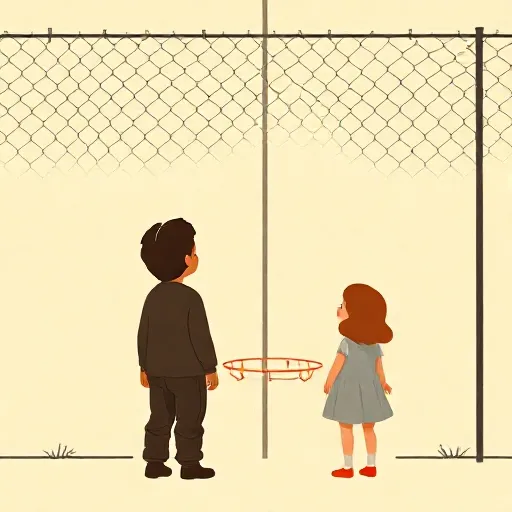
And sin isn’t just a private problem. Thinkers like Ruth Groenhout and Stephen Ray argue that sin can become baked into social structures — racism, sexism, economic greed — that outlast any individual bad choice. When laws and systems are built on pride or indifference, they keep producing harm even if no single person today wills it. Understanding sin as structural helps explain why unfairness survives generation after generation. The first wrong choice didn’t just dent one soul; it fractured the world. For philosophers, tracing that fracture — and asking how it might be healed — remains urgent work.
Think about it
- If you feel a flash of jealousy you never wanted, should you treat it as a fault in yourself, or just a weather report your brain gives you?
- Could a perfectly good God create a world where everyone always freely chooses good? If not, does that make evil necessary?
- When a broken system makes it nearly impossible for people to act fairly, how much should we blame each individual who goes along with it?