What Makes Things Wrong: God or Something Else?
A Strange Trial in Ancient Athens
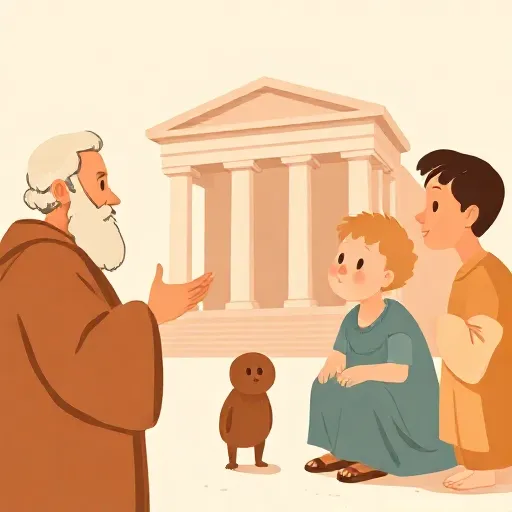
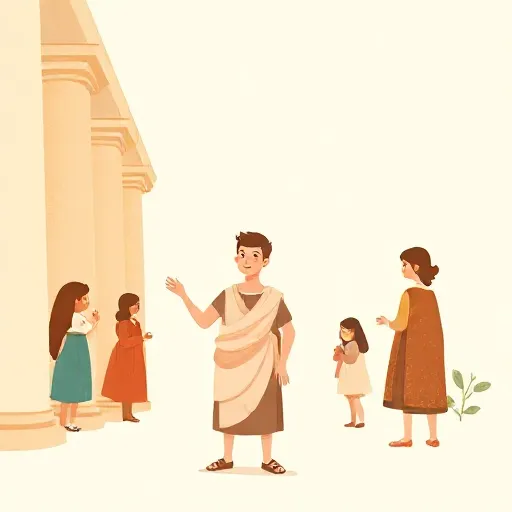
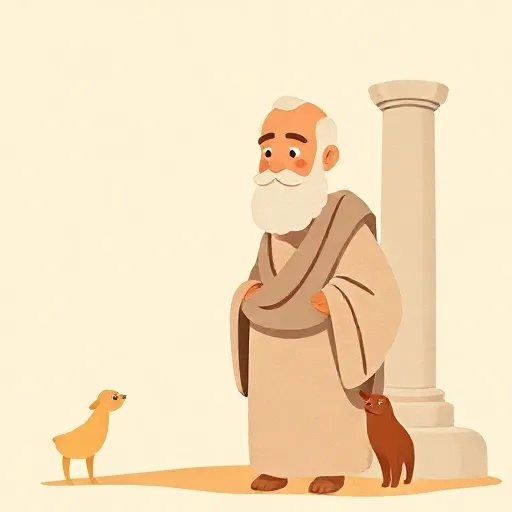
It is 399 BCE in Athens, a city buzzing with markets, temples, and courthouses. Socrates (c. 470–399 BCE) is on his way to a trial of his own when he bumps into a man named Euthyphro. Euthyphro is a religious expert — someone who knows the ancient stories about the gods. To Socrates’s surprise, Euthyphro is marching into court to prosecute his own father for murder.
In ordinary Greek life, bringing your father to court would look shameful. But Euthyphro insists he is doing exactly what the gods would do. The gods have their own legendary quarrels and punishments, he says, so a pious person should imitate them. Socrates is not convinced, and he presses Euthyphro with a question that still stings today: is something holy (morally good) because the gods love it, or do the gods love it because it is holy?
That deceptively simple fork is the Euthyphro dilemma. It pulls the plug on any easy pairing of morality and divine authority. Once you hear it, you can’t unhear it.
The Dilemma with Two Sharp Horns

Socrates’s question is like a path that immediately splits. You have to pick one direction, but both look hazardous.
If you say the holy is holy because the gods love it, then right and wrong depend entirely on what some powerful beings happen to like. If the gods decided tomorrow to adore cruelty, would cruelty become good? Most people feel squirming inside at that idea. Morality starts to look random, like a game where the rules change whenever the boss feels like it.
If you say the gods love it because it is holy, then rightness exists on its own, even before any god notices it. The gods are just recognizing a moral standard that sits outside them. But then you might wonder: do we really need the gods to know what is right? And would a god who merely follows the rules be as ultimate as believers think?
Socrates himself leaned toward the second horn. He thought we love things because of the properties they already have, and the gods do the same. Yet the problem wasn’t settled — it only got richer over centuries.
What If God’s Will Makes Something Right?
Many later thinkers grabbed the first horn with both hands, arguing that morality comes straight from God’s commands. This view is called divine command theory: an act is right because God commands it, and wrong because God forbids it.
The philosopher John Duns Scotus (c. 1266–1308) taught that some moral rules could have been different. Because property isn’t built into human nature in a necessary way, God could have allowed theft, or commanded Abraham to sacrifice his son, and in those moments the command itself would make the act right. For Scotus, the only absolutely necessary rule is that we must love God; other rules are fitting but not fixed.
The Reformation produced even stronger language. Martin Luther (1483–1546) wrote, “What God wills is not right because he ought or was bound so to will; on the contrary, what takes place must be right, because he so wills.” John Calvin (1509–64) agreed: “God’s will is so much the highest rule of righteousness that whatever he wills, by the very fact that he wills it, must be considered righteous.”
For these thinkers, placing any standard above God’s will seemed to shrink God’s majesty. Yet critics kept asking: if God’s will alone makes something right, could God have commanded hatred instead of love? Would we still call that good?
What If Rightness Is Independent of God?
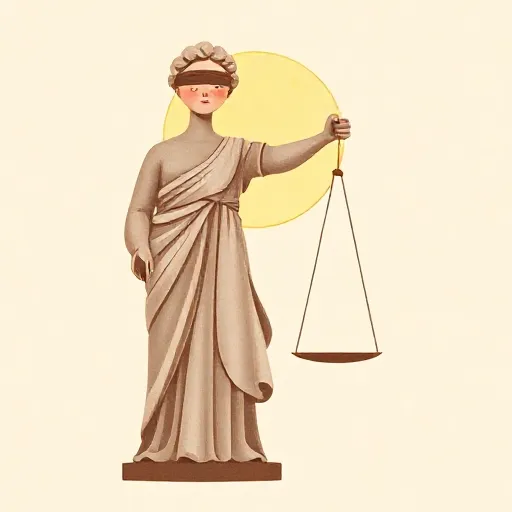
Others insisted on the second horn: rightness is something even God must respect. Socrates already pointed in this direction, and many philosophers since have followed. If torturing an innocent child is wrong, it isn’t wrong just because a powerful voice says so — it seems wrong in itself, and a perfectly good God would never command it precisely because it is wrong.
The worry on this side is that God starts to look less central. If we can figure out right and wrong without reference to God, then religion might not add anything essential to morality. Some thinkers welcomed that conclusion; others thought it missed something important, because a perfectly good God could still be the source of the universe and the reason moral truths exist at all.
Has Anyone Solved the Puzzle?

In recent decades, philosophers have tried to escape the dilemma by rethinking what “God’s command” means. Philip Quinn (1940–2004) defended divine command theory by arguing that obligation always ties us to a person, and that God is the most proper person to whom we are accountable.
Robert Adams went a step further. He separated two ideas: the good and the right. Adams argued that goodness is rooted in God’s own nature, the way light flows from the sun. God is not inventing goodness from scratch; God is the ultimate good. So divine commands are not arbitrary — they express God’s perfectly good character. Obligation still comes from God’s commands, but those commands could never endorse cruelty because cruelty would contradict who God is.
This answer tries to have it both ways: morality is anchored in a stable divine goodness, yet our duties arrive through a personal command. Not everyone agrees it works, but it shows the dilemma is very much alive.
Why This Ancient Question Still Matters at the Playground

You probably don’t spend your days debating gods and moral laws. But the Euthyphro dilemma sneaks into ordinary life all the time.
Imagine a group of kids deciding whether a rule is fair. One says, “It’s fair because the teacher made it.” Another replies, “No, the teacher made it because it’s fair.” The first kid is standing on the command horn; the second is on the independence horn. The same structure appears whenever you ask whether something is right simply because an authority says so, or whether an authority is worth listening to only when it points to something genuinely right.
The dilemma also shapes bigger discussions about whether morality needs religion, whether laws should reflect a sacred text, and whether we can hold anyone morally accountable without appealing to a divine lawgiver. For two and a half thousand years, the best minds have tugged on each horn. No answer has carried the day, and that is exactly why Socrates’s question still makes you think.
Think about it
- If a parent tells you to do something that feels unfair, how do you decide whether to obey? Is it ever right to disobey an authority you otherwise trust?
- If God commanded everyone to steal on Tuesdays, would stealing on Tuesday actually become good? Why or why not?
- Can you imagine discovering a moral truth — like “tormenting someone for fun is wrong” — that even a perfect God would have to respect? What makes that truth so solid?