Where Does 'Evil' Come From? Nature, Choice, or Dark Forces?
When a Shooting Becomes ‘Pure Evil’

In 2017, after a gunman killed many people in the United States, the country’s president tweeted about keeping “evil” out of the country. Other leaders have called mass shootings “an act of pure evil.” That word still feels right to many people for slavery, torture, genocide, or when a parent locks up and harms a child for years. These aren’t just “bad” or “unfortunate.” They seem to be something more — something almost too horrible to explain.
But when you stop and think, it’s puzzling. What exactly are you pointing at when you say something is evil? Is evil a real thing, like a force in the world? Or is it just an old-fashioned way of talking about extreme suffering and cruelty? For centuries, philosophers have wrestled with two main questions: what kind of thing is evil, and where does it come from? Their answers split into three big camps — and the camp you choose changes how you see blame, punishment, and even forgiveness.
Two Kinds of Evil: What You See and What You Can’t
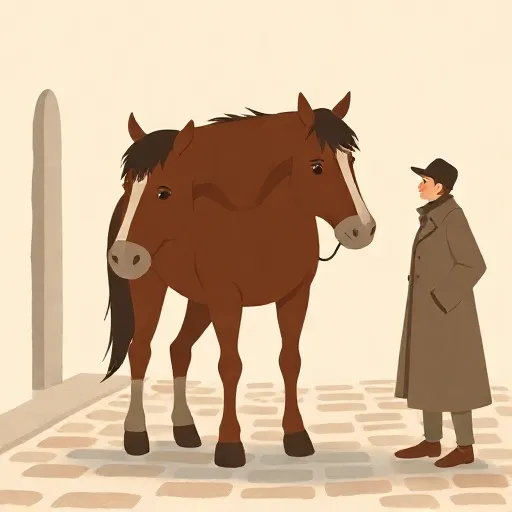
Imagine a coachman mercilessly beating his horse. Suppose he is raging because he has just found out he has a deadly cancer. The pain of the horse and the cruelty of the man are obvious to anyone watching. Philosophers call this empirical evil — suffering, damage, or wrongdoing that you can see, feel, or measure in the world.
But across history, many thinkers believed there is also metaphysical evil. That isn’t an action or a feeling. It’s a deeper flaw in something’s very being — a missing piece of goodness that should be there. For instance, the coachman’s character is warped; a goodness that belongs to human nature is absent. Augustine (354–430) described evil as a “privation,” meaning it isn’t a thing itself but the absence of the right good, like a hole in the ground. A hole isn’t something — it’s where dirt should be but isn’t. In the same way, metaphysical evil is where some goodness ought to exist but doesn’t.
Note that most philosophers who believe in metaphysical evil still think it shows up in empirical form. A corrupted character often leads to cruel actions and real pain. But for them, the deeper ugliness is the absence of proper goodness, not just the visible wounds.
Where Does Evil Come From? Three Big Answers
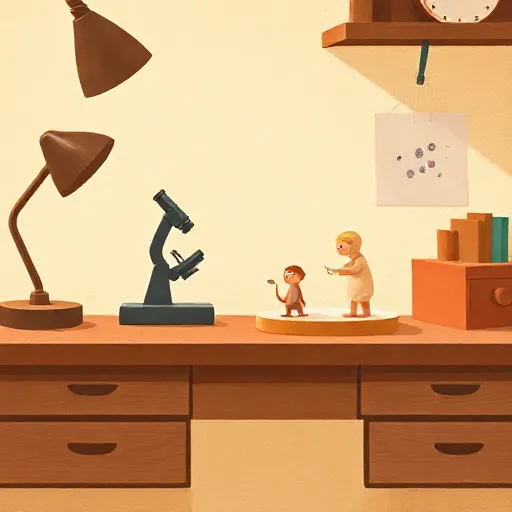
When we ask about evil’s origin, the story gets even richer. Look back at our coachman. The deadly cancer has a natural origin — it is caused by cells growing wildly, something for which no one is directly to blame. The beating, on the other hand, has a moral origin: it comes from the man’s free choice to harm a helpless animal. These two origins often get blurred. Many people today lean heavily toward the natural side, arguing that all evil — even extreme cruelty — is ultimately produced by brain chemistry, trauma, illness, or other natural processes. The camp on the other side says, no, evil’s real root is agency and will, the terrible decisions of persons who know what they are doing.
There is also a third, much older answer that today has few defenders among philosophers, though it still shows up in stories and religions. Some people have believed that evil traces back to a spooky non-agential origin — a dark supernatural force or shadow side of reality that is not a person or a god. It works like a poisoning fog that corrupts things from the outside. While that view may sound strange to modern ears, it helps explain why some evils feel so excessive and unfathomable that they seem to come from beyond the ordinary chain of causes.
‘Evil Is Missing Goodness’ — The Privation Solution

For centuries, the most popular philosophical account of evil among religious thinkers was the Privation Theory, championed by Augustine and later by Thomas Aquinas (1225–1274). It goes like this: a completely good God did not create evil, because evil isn’t a thing that can be created. Evil is a privation — an absence of good where good ought to be. Just as a shadow exists only where light is missing, evil exists only where some proper goodness has been lost or corrupted.
This idea solved a painful puzzle for many believers. If God is all-good and all-powerful, why do cancer, cruelty, and disasters exist? The privation answer says God made beings that were good, but those beings can lose some of their goodness — and when they do, the result is evil, without God needing to have made evil itself. A healthy body is good; a disease is the breakdown of that good order. A kind will is good; a cruel intention is a will missing the loving order it should have. The evil doesn’t add anything; it subtracts.
Later thinkers, however, worried that privation makes evil sound less real than it feels. If you are severely hurt, the pain is not just an absence — it’s a vivid, positive horror. So, other philosophers argued that at least some evils are real properties, not mere holes. That debate continues today, especially among philosophers who study suffering.
Radical Evil: When Wrongdoing Defies Explanation
The phrase “radical evil” comes from Immanuel Kant (1724–1804), but he used it in a precise, almost everyday way: he said we all have a deep tendency to put our own desires above the moral law. This radical evil is radical because it sits at the root (radix in Latin) of our character, not because it is always spectacularly monstrous.
Yet many people after Kant changed the meaning. They applied “radical evil” to acts so horrific that they seem to reject all moral reason. Hannah Arendt (1906–1975) once described it as making human beings “superfluous” — treating them as if they didn’t even count as persons. Some perpetrators of terrible crimes have even claimed to be “beyond good and evil,” choosing to do what they know is utterly wrong precisely because it is wrong. A serial killer in the 1980s, Richard Ramirez, bragged that he loved the blood and horror itself, not just the power. This diabolical picture of evil — choosing evil for its own sake — remains deeply disputed. Many philosophers side with Kant, who thought a person can never choose evil purely for no reason except its badness; they always see it under some twisted excuse. But others point to the confessions and say the human mind can really tip into a darkness that defies ordinary explanation.
Why Your Answer Matters: Blame, Forgiveness, and Justice
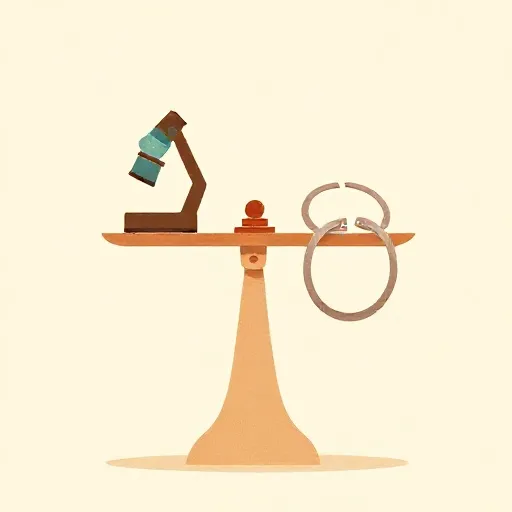
The debate about evil’s origin isn’t just a dusty old argument. It shows up every time you hear someone call a classmate “toxic,” a criminal “a monster,” or a terrible event “pure evil.”
If you think evil comes entirely from natural causes — brain wiring, illness, terrible upbringing — then you will tend to see a perpetrator more as a patient who needs treatment than as a villain who deserves hatred. Punishment might then aim at safety and healing rather than revenge. On the other hand, if you believe evil springs from free moral choices, you will likely insist that people are truly responsible and blameworthy. And if you were raised with the spooky dark-force idea, you might feel that some evils can’t be fixed, only avoided or fought like a poison.
Each view has consequences. Calling a cruel act “evil” instead of “very bad” can make it harder to forgive, because evil sounds fixed and deep. It can also make us afraid of being “tainted” by associating with anything touched by evil. At the same time, refusing to ever use the word might make us numb to horrors that really are in a different league from ordinary misbehavior. The question of what evil is — and where it comes from — will keep mattering as long as human beings hurt each other and struggle to understand why.
Think about it
- If a horrible act is caused entirely by a brain tumor, should we still call the person evil? Why or why not?
- Can you think of a time when someone called something evil that you thought was just a bad mistake? What made it feel different?
- Does calling a bully “evil” make it harder to help them change? How might a different label change your feelings?