Is the Word "Evil" Dangerous, or Do We Need It?
What If Two Kids Did Something Unthinkable?
In 1993, two ten-year-old boys in England did something that shocked the world. They led a toddler away from a shopping centre and hurt him so badly that he died. Police, journalists, and ordinary people struggled to make sense of it. The word that kept appearing was “evil.”
But what does calling the boys — or their actions — “evil” really mean? Some philosophers think that word should be scrapped. Others think we need it now more than ever. This fight is about more than a label: it is about how we understand the worst things human beings do, and what we should do about them.
The Case Against Calling Something Evil
Several thinkers, called evil-skeptics, believe we should abandon the concept of evil entirely. They don’t deny that people do horrible things. But they say we can describe those things just as well — and more safely — using everyday moral words like “wrong,” “bad,” or “cruel.”
Their first worry is about invisible forces. In horror films, evil often means demons, dark magic, or monsters. If the word secretly smuggles in supernatural ideas, then using it outside of fiction is like saying “a witch did it.” Evil-skeptics argue that if you don’t believe in supernatural spirits, you should only use “evil” when talking about vampires and werewolves.
Second, they say the word doesn’t actually explain anything. When we ask why those two boys harmed a toddler, answering “they were evil” is like saying “because they were evil.” That is not an explanation — it’s just giving the problem a different name. Philosopher Philip Cole argues that calling something evil is often a way of admitting we are completely baffled. If an act is a mystery, labeling it evil doesn’t solve the mystery.
The third reason is perhaps the most serious: the word “evil” can be dangerous. Friedrich Nietzsche, a German philosopher who wrote in the 1800s, believed the concept was invented by the weak to take revenge on the powerful — not to describe a real moral quality, but to demonise enemies. Modern evil-skeptics add that when a country’s leader labels another nation part of an “axis of evil,” peaceful talk becomes harder. And when we call a criminal an “evil person,” we might assume they are beyond repair and treat them more harshly than they deserve.
The Case for Keeping the Word “Evil”
Evil-revivalists — those who want to revive the concept — fire back. First, they say, there is a secular moral concept of evil. That means a way of using the word that has nothing to do with devils, witches, or magic. When people say that genocide is evil, they are not suggesting a supernatural force caused it. They are making a moral claim about the deepest kind of wrongdoing.
Second, even if the word doesn’t give a complete explanation, it still has uses. Philosopher Eve Garrard points out that saying an action is evil can partly explain why we react with horror. If an act comes from an especially twisted motivation — a desire to make someone suffer for no good reason — that motivation itself tells us something important. It helps us understand why the act feels so much worse than an ordinary wrong.
Third, evil-revivalists insist that stamping out the word won’t make it safer to talk about terrible deeds. The concept of “wrong” can also be misused. And ignoring evil, argues philosopher Claudia Card, is even riskier: if we refuse to study and name the worst harms, we will be helpless to stop them. Card also notes that victims of atrocities often need the word “evil” to capture what was done to them. Taking that word away can feel like silencing their experience.
The Ordinary Man Who Helped Kill Millions
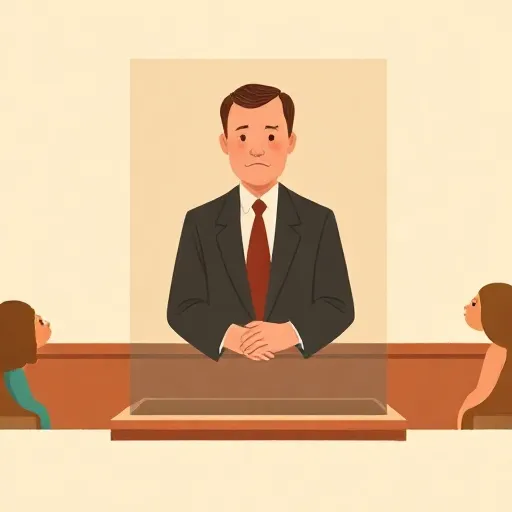
One of the most famous twentieth‑century thinkers about evil didn’t fit neatly into either camp. Hannah Arendt, a political philosopher, went to Jerusalem in 1961 to report on the trial of Adolf Eichmann. Eichmann was a Nazi official who had organised the trains that carried Jewish people to death camps.
Everyone expected a monster. Instead, Arendt described a man who was “terrifyingly normal” — a bureaucrat who didn’t think deeply about what he was doing. She called this the banality of evil. Evil, she argued, doesn’t always come from raging hatred or demonic urges. Sometimes it comes from a quiet, lazy refusal to think at all.
Arendt’s idea is still fiercely debated. It challenges the evil-skeptic’s claim that the word is useless. If evil can wear the face of a bored office worker, we need to understand how ordinary people come to do extraordinary harm. But it also supports one of the skeptics’ fears: if anyone can become a source of evil under the wrong circumstances, then labeling just a few individuals as “evil monsters” might be dangerously misleading.
What Counts as an Evil Act, Anyway?
Whether or not we use the word, philosophers have tried to pin down exactly what makes something evil. Most agree on two ingredients.
The first is serious harm. Evil acts leave victims with deep wounds — physical, emotional, or both. A bully who shoves someone once does something wrong, but is that evil? Many theorists say evil requires harm that is life‑wrecking or life‑ending, not just painful.
The second ingredient is a certain kind of motivation. Some thinkers say the doer must take pleasure in the suffering. Others focus on what the doer lacks: a normal person’s brakes against cruelty simply don’t kick in. Still others, like Card, argue that the key is that the harm was foreseeable and completely inexcusable. What matters is not one single evil motive, but the agent’s readiness to cause terrible harm for a goal that is not worth it.
These debates matter because they shape who we judge most harshly. Is a person who kills out of cold indifference just as evil as someone who kills for fun? If we can’t agree, then calling someone evil might mean very different things to different people — and that confusion can do real damage.
Why the Debate Is Your Problem, Too

This isn’t just a fight for professors. Think about a student at your school who does something cruel repeatedly. If other kids (and adults) start calling that student “evil,” what happens next? The label can make people give up on them — after all, “evil” suggests something fixed and unreachable. But if the person is not a lost cause, that label might make things worse for everyone.
On the other hand, refusing to use the word can also backfire. When adults look at a bullying campaign and shrug it off as “just kids being mean,” they might miss the chance to stop serious harm. As Card warns, if we don’t recognise evil, we won’t be ready to fight it.
The banality of evil adds a final twist. Arendt’s point was not that Eichmann was innocent, but that thoughtlessness itself can be a source of atrocity. That means each of us — however ordinary — can drift into helping terrible things happen simply by not asking hard questions. So maybe the real task is not just arguing about a word, but training ourselves to think.
Think about it
- If a classmate does something cruel over and over, does calling them “evil” make it more likely or less likely that they will change?
- Can you imagine a situation where you might do something terrible, not because you are a monster, but because you just went along and didn’t think?
- If we stopped using the word “evil,” what word or phrase would you use to describe the very worst things people do — and would anything be lost?