Should the State Make Sure Everyone Has Someone to Love?
The Invisible Things We Get from Each Other
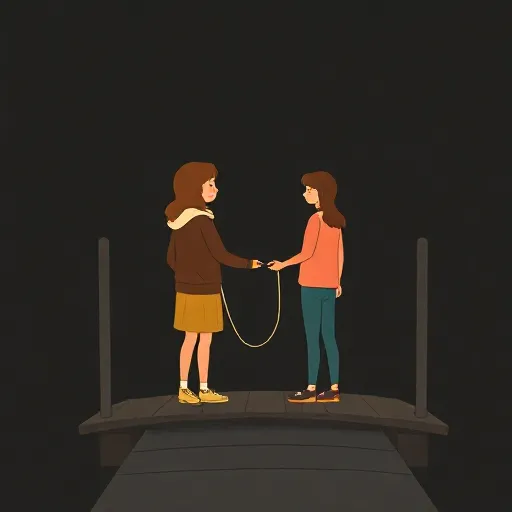
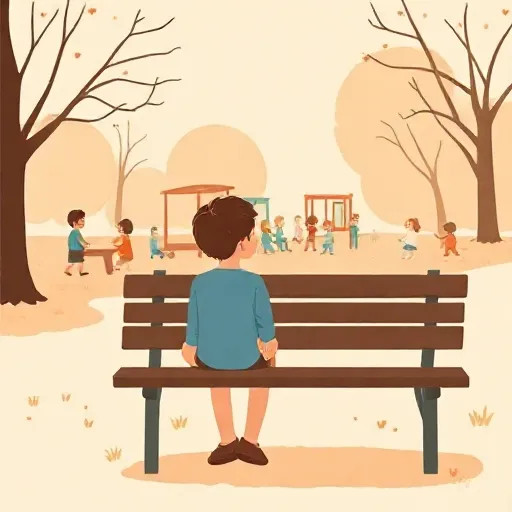
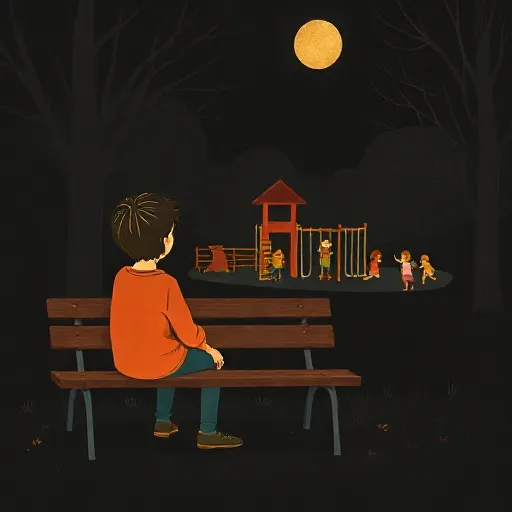
Maya just moved to a new town. She has a comfortable bedroom, enough to eat, and a safe school. Yet every day she feels a heavy emptiness. She sits alone at lunch, comes home to an empty house, and scrolls through her phone, seeing old friends laugh without her. She is not hungry for food — she is hungry for someone to really see her, to laugh with her, to care about what she thinks.
What Maya is missing are things philosophers call personal relationship goods. These are not objects you can hold. They include love, friendship, companionship, attention, affection, trust, and the feeling that you matter to someone else. They only exist inside relationships. You cannot buy them or build them alone. A robot might be able to bring you soup, but it cannot give you genuine sympathy or let you know that another person delights in your company just because you are you.
These goods are not just about close families or best friends. Even friendly chats with neighbors, teammates, or the adult who runs the corner shop can produce small doses of attention, respect, and belonging. Philosophers have begun to ask a hard question: if these relationship goods are so important, does everyone have a right to them? And if so, what do we — and what should the government — do about it?
Why Relationships Are More Than Just Nice

At first glance, you might think that having people who care about you is just a pleasant bonus in life. But philosophers who work in the ethics of care — a branch of moral thinking that grew out of feminist thought — argue something stronger. They say care is not a luxury; it is the foundation of everything. Without receiving care inside a relationship, an infant cannot survive, let alone learn to talk, trust, or become a person who can make choices. The philosopher Virginia Held (born 1929) argued that because care creates persons in the first place, it is more basic than rights and rules. If nobody had ever cared for you, your rights would mean nothing because you would not be alive to have them.
Eva Kittay (born 1946) pointed out that we all depend on care at different stages of life: as children, when we are sick, in old age, and sometimes unexpectedly. For her, care is not a feeling but a kind of work — the daily acts of nurturing, listening, and protecting that meet someone’s deepest needs. She and Daniel Engster (21st century) argued that because humans are so dependent, care generates moral duties. Engster even thinks there is a basic moral right to receive care when you cannot meet your own needs.
The goods that caring relationships produce also seem to be woven into what makes a life good in the first place. Many adults say that close relationships are the most important part of their lives — more important than money or career success. For children, it is hard to imagine a good childhood without the affection, encouragement, and trust of at least one steady adult. Philosophers call this constitutive value: something that is not just a tool for happiness but an actual part of a flourishing life, like the melody is part of a song.
The value of relationship goods is also wildly instrumental. Kimberley Brownlee (21st century) draws on scientific studies to show that severe loneliness can trigger the same stress response in your body as physical pain. It raises the risk of heart disease, depression, and weakened immunity. Her claim echoes a simple truth: humans are wired for connection, and when we are cut off from it, we fall apart.
Are We Owed a Hug? From Goodness to Justice
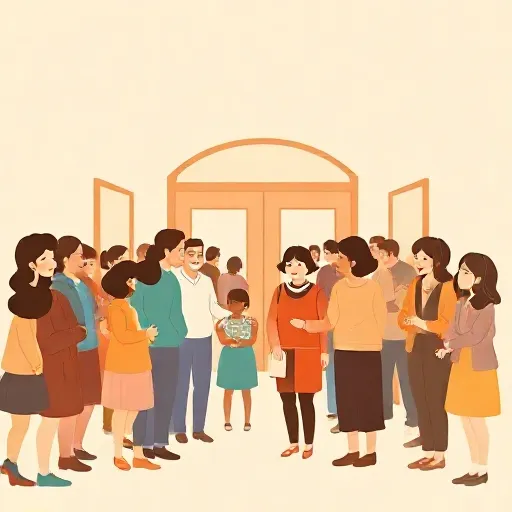
Once you accept that relationship goods are essential for survival and for a decent life, a new question rushes in. Are these goods something we merely hope to receive, or are they something we are owed? And owed by whom?
Many philosophers talk about associative duties — special duties we have to the people we are already close to, like friends, partners, or children. But Jonathan Seglow (21st century) argues that what makes these duties real is the relationship goods themselves: the love, the trust, the companionship that could not exist outside the bond. If that is true, then the goods are not just side effects; they are what justify the relationship’s moral weight in the first place.
Brownlee takes a bolder step. She argues for a human right against social deprivation. This does not mean everyone gets a perfect best friend. It means that every person has a right to enough decent, supportive social contact to stay mentally and emotionally healthy. If a prisoner is kept in solitary confinement for months, her mind can start to unravel — and Brownlee believes that violates her basic rights. For her, the fact that loneliness can destroy our health means that society is not allowed to simply ignore those who are isolated through no fault of their own.
This jump from personal goodness to distributive justice — the part of philosophy that asks what a fair society must give everyone — is tricky. Not everyone gives the same importance to relationships in their life plan. Some people genuinely prefer solitude and still flourish. And love, friendship, and attention cannot be handed out like food stamps. The philosopher Elizabeth Brake (21st century) argues that caring relationships are a bit like primary goods, the all-purpose things (like basic freedoms and income) that any reasonable person needs to pursue whatever kind of life they want. You cannot buy a genuine friendship with money, so a just society might have to create the conditions where friendships can grow.
The Right to Be Loved? A Fight Over Childhood
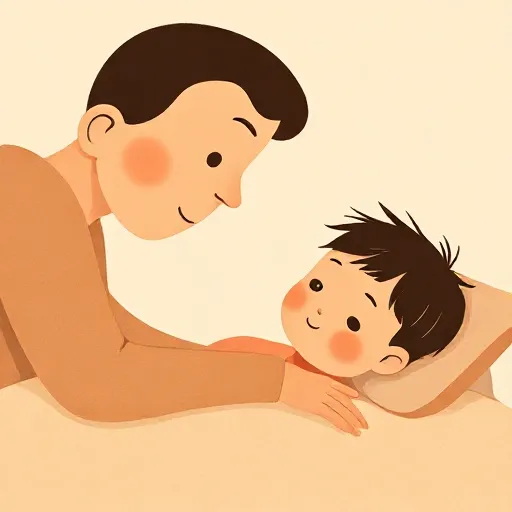
Children are especially dependent on relationship goods. They cannot survive without loving attention, and their brains develop differently depending on the quality of care they receive. Matthew Liao (21st century) argued for a startling claim: children have a right to be loved. He points to evidence that children who lack love suffer in physical health, learning, and emotional stability. Because the need is so deep, he says, each child’s biological parents have a duty to love them, and the rest of us have backup duties to make sure every child is loved.
Many philosophers push back. One objection is simple: you cannot force yourself to feel love. If you do not love a child, can you really be ordered to? Love seems to be a spontaneous, involuntary response to another person’s particular qualities. If you tried to manufacture it out of duty, it might not be real love anymore — and the child might sense that. Another objection, from Mhairi Cowden (21st century), is that what children actually need to thrive is not the inward emotion of love but the behavior that loving parents show: protection, warmth, steady routine. You can perform those actions even without the deepest feelings.
Harry Brighouse and Adam Swift (both 21st century) focus on the special goods that only a family can provide: the spontaneous intimacy, the loyal trust, the feeling of being known inside and out by someone who is responsible for you. They think children have an unconditional right to these familial relationship goods, but they still believe love cannot be a duty. Instead, they argue that society should be arranged so that every child gets an adequate parent — and that adults who can be good parents have a right to the chance to raise a child.
Can Government Make Sure No One Is Lonely?
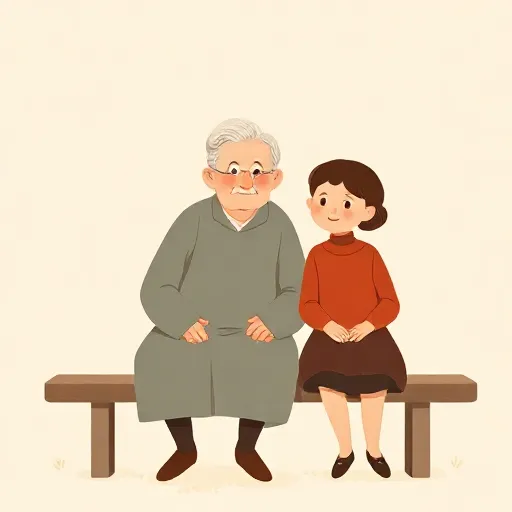
Even if we agree that relationship goods are a matter of justice, figuring out what to do about it is messy. Governments cannot assign friends the way they assign school places. And many people worry that if the state gets involved, it will push one narrow picture of how to live a good life — favoring big families, or marriage, or community clubs — over other ways of being happy. This is the state neutrality problem.
Still, philosophers have imagined concrete policies. Brownlee calls for abolishing long-term solitary confinement and making sure hospitals do not cut off patients from visitors. Brake thinks the institution of marriage should be reformed so that people can bundle together with any number of caring partners, not just one romantic spouse, and share the legal protections that help relationships thrive. Chiara Cordelli (21st century) suggests that the state could fund community centers, encourage volunteering through tax credits, and teach caregiving skills in schools — including to boys, so that the work of caring stops being seen as only women’s job. Some even propose a voluntary “care corps” where young people spend a year looking after the elderly or the sick.
One stubborn problem is that some relationship goods, once lost, cannot be compensated. If you grow up without love, no amount of money can undo that absence. That makes it even more urgent, some say, to protect children’s access to caring relationships before the damage is done. Another challenge is that love and friendship only have their full value when they are given freely, not squeezed out by a rulebook. The best the state might do is arrange the garden so that relationships can bloom, not force the flowers open.
Why It Still Matters
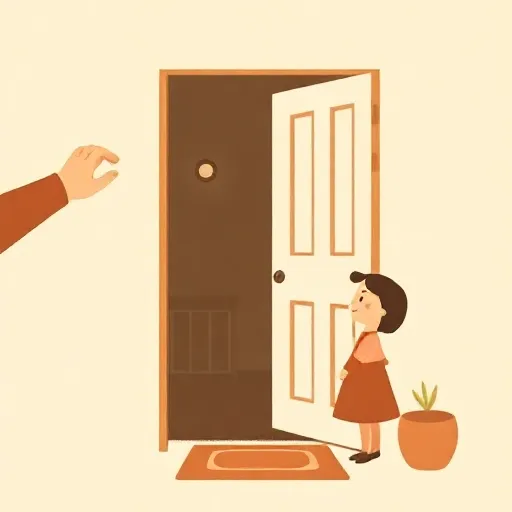
Maya’s loneliness is not just a private sadness. It is the kind of problem that ripples into her health, her learning, and her ability to trust others later in life. The philosophical debate about personal relationship goods starts with a simple thought — that invisible things like trust and attention are deeply real — and ends with a vision of a society that treats them as carefully as it treats roads and hospitals.
Most of us will never be policy makers. But we all shape the world around us: in school corridors, on sports teams, in how we treat the new kid. Thinking about relationship goods as a matter of justice reminds us that when someone is left without emotional connection, it is not just unfortunate; it may be deeply unfair. And it asks us to notice who is sitting alone, and to wonder what we owe each other just because we are human.
Think about it
- If you knew that someone in your grade had no friends and felt invisible, would you have any responsibility to reach out to them? Why or why not?
- Can you imagine a society where every lonely person is matched with a volunteer companion? Would that make the relationships valuable, or would something be missing?
- Some people say you cannot have a right to love because love must be freely given. Do you think kindness and attention should be treated differently? Why?