Can a Society Be Good If Half the People Can't Think for Themselves?
A Late‑Night Escape That Started a Revolution
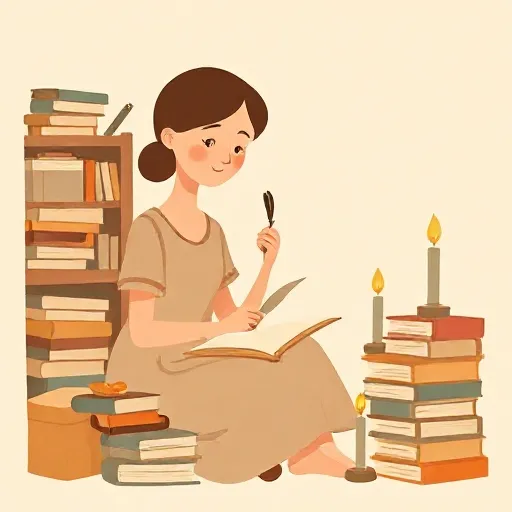
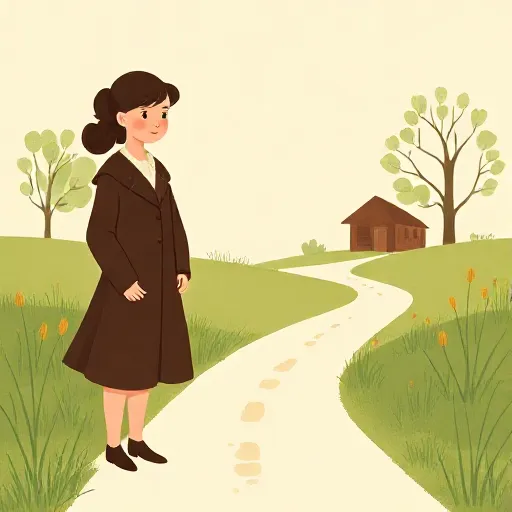
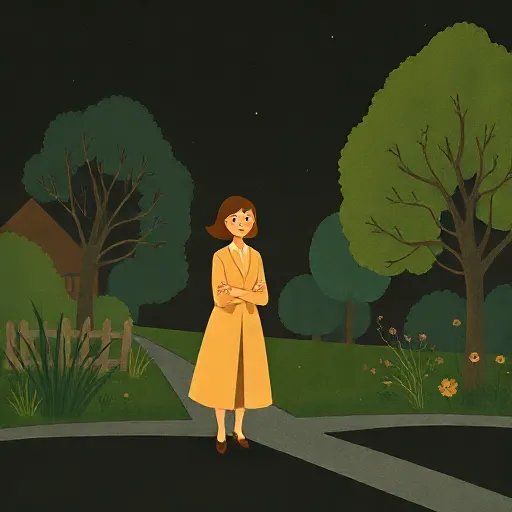
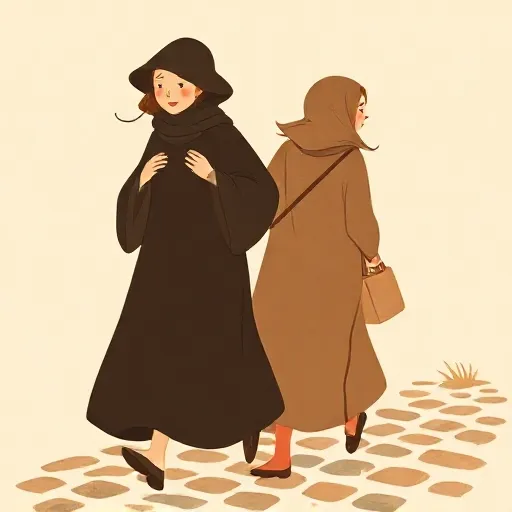
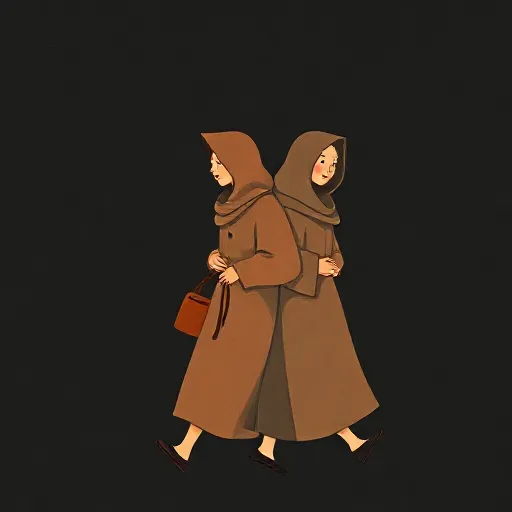
On a freezing night in January 1784, two young women slipped out of a London house, their faces hidden under cloaks. Mary Wollstonecraft (1759–1797) had just helped her sister Eliza flee an unhappy marriage. They had to leave Eliza’s newborn baby behind. It was a desperate, painful choice — and months later, the baby died.
Why would Mary do something so drastic? She believed women were trapped in arrangements that treated them like property, and that the whole way society raised girls set them up for misery. That night, Mary didn’t just save her sister. She started thinking about a much bigger problem: what does it take for a person — and a whole society — to be truly good?
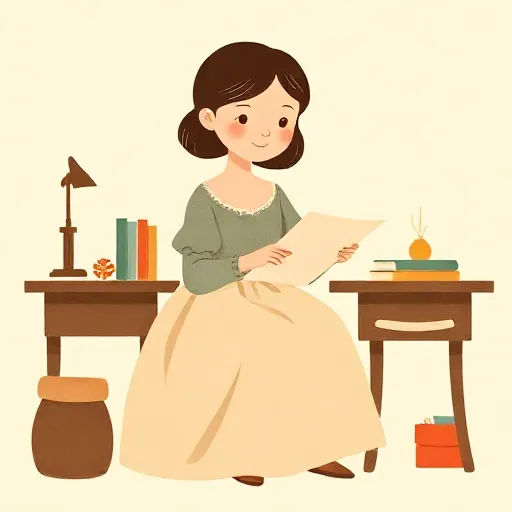
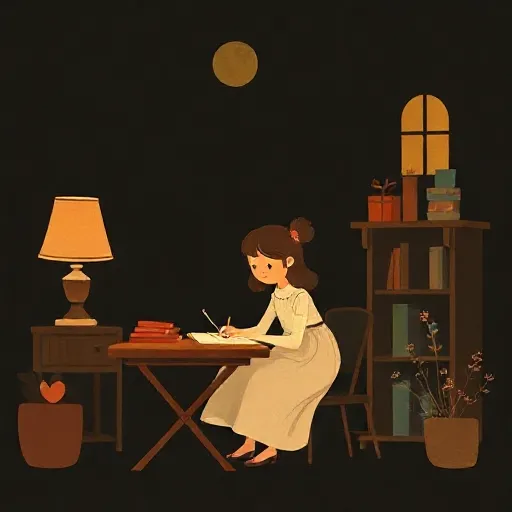
Mary’s own education was patchy. Her family had money troubles, and only her brother went to school. But she read voraciously, learned from retired clergymen, and later became a professional writer and reviewer — a rare path for a woman in the 1700s. The publisher Joseph Johnson saw her talent and supported her. By 1792, she poured her ideas into a book with a long title: A Vindication of the Rights of Woman. It was the first major work to argue that women must be educated to be rational beings — and that without that, no one could be virtuous.
The Big Idea: Why Everyone Needs Reason to Be Good
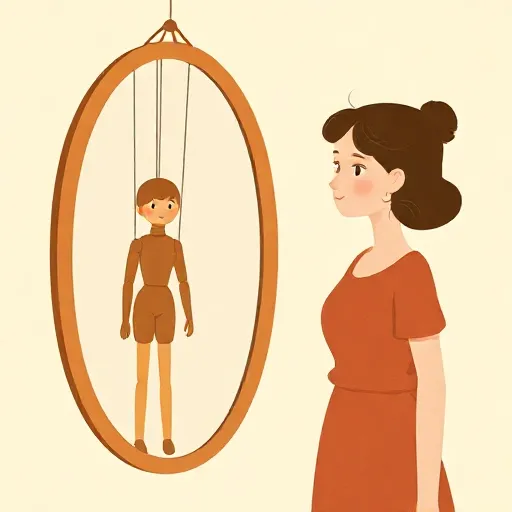
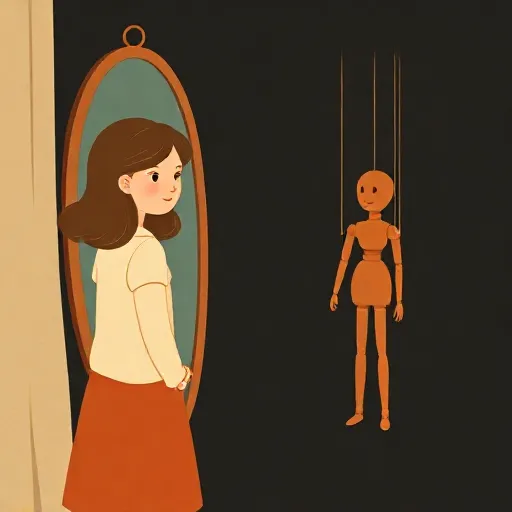
Wollstonecraft started from a simple conviction: reason — the ability to think logically and figure out what is true and right — is what makes us fully human. To be virtuous (to have strong moral character and choose good because you understand why it’s good), you need reason. You can’t just follow orders or imitate what’s popular. A puppet isn’t good, it’s just moving.
But girls were trained to be charming and pleasing, not thoughtful. They learned needlework instead of history, flattery instead of argument. The result, she said, was a disaster. Uneducated women became vain and shallow. They couldn’t be good wives, mothers, or citizens because they had no inner compass. Even worse, men who treated women like toys or inferiors became tyrants in their own homes, corrupting their own character. A society built on inequality poisoned everyone.
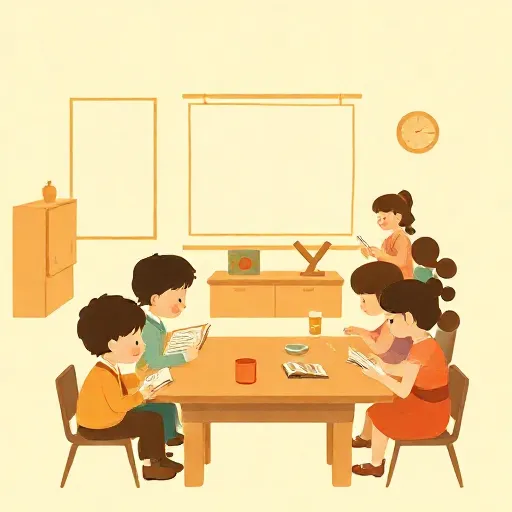
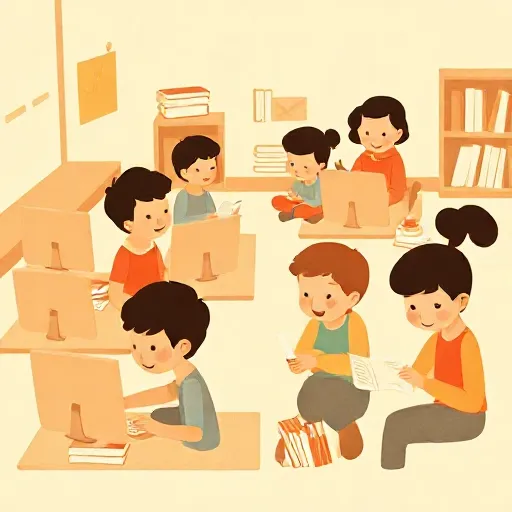
Her solution was bold. Boys and girls should be educated together in the same schools, studying the same subjects. Girls needed physical exercise, not just delicate sitting rooms. Women should be able to work as doctors, nurses, or in business — not just as governesses — so they could support themselves and never marry out of financial desperation. Marriage should be based on friendship and mutual respect, not just attraction or money. All of this depended on natural rights: basic freedoms and protections every person has simply by being human, not granted by any ruler. She argued you can’t demand that people do their duties if you deny their rights first.
Wollstonecraft vs. The Powerful Men Who Disagreed
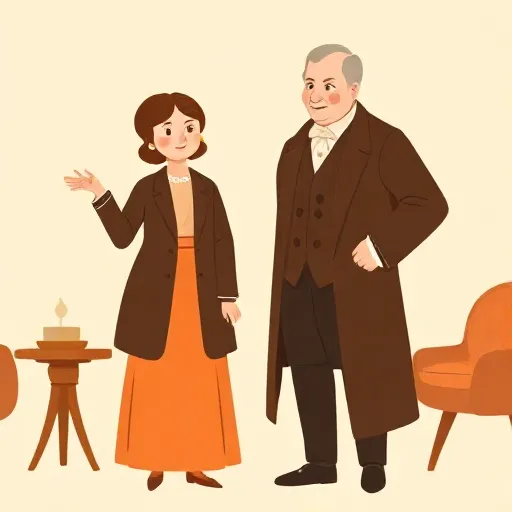
Wollstonecraft didn’t just write in the abstract. She jumped straight into the fiercest debates of her time. When the French Revolution erupted, many in Britain argued over whether it was noble or dangerous. One of the loudest voices was Edmund Burke (1729–1797), a statesman and writer. He thought tearing down old customs and institutions based on abstract ideas of “rights” was reckless. Societies, he said, were like complex, living organisms grown over centuries; you couldn’t just redesign them with a few principles. He especially attacked a preacher, Richard Price (1723–1791), who had praised the revolution and insisted people had a right to choose their government.
Wollstonecraft was furious. She had once heard Price preach and admired him. In her reply, A Vindication of the Rights of Men (1790), she accused Burke of being blind to poverty and injustice. His love of royalty and lavish manners, she said, made him forget that ordinary people were suffering. She insisted that reason, not custom, must tell us what is right. If a tradition is cruel or unfair, the fact that it’s old doesn’t make it good.
Then there was Jean‑Jacques Rousseau (1712–1778), the famous thinker who had written Émile, a book about how to educate a boy. His plan for girls was very different: they should learn to be sweet, pleasing, and obedient — to serve men. Wollstonecraft was outraged. She called his ideal woman a gentle domestic slave. A mother who can’t think for herself, she argued, can’t raise children to be reasonable or free. So the whole project of building a better society would fail before it even began.
What About the Heart? The Dance Between Reason and Passion
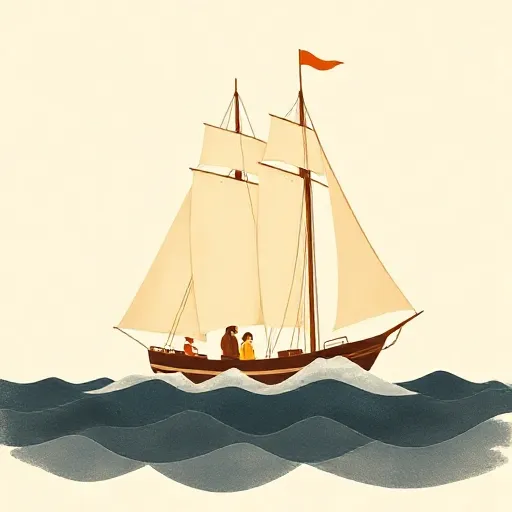
In 1792, Wollstonecraft went to Paris to see the Revolution for herself. There, she fell deeply in love with an American merchant, Gilbert Imlay. She had a daughter, Fanny, with him, though they never married. But Imlay was unfaithful and eventually abandoned her. Shattered, Mary tried to end her own life — twice.
This experience rattled her earlier confidence that reason could easily master passions, the intense emotions like love, grief, and anger that move us. Before, she had often sounded like a stern teacher telling us to stay in control. Now she realized that the heart doesn’t obey commands like a soldier. In her later book, Letters Written During a Short Residence in Sweden, Norway and Denmark (1796), she poured out her sadness and her awe at wild landscapes. She began to think that reason must work with the passions, not just try to crush them. Feelings could teach us something important, too.
She even grew a little closer to Burke’s appreciation of beauty and inherited traditions. She still believed in rights and reason, but she no longer thought that cutting all emotional ties was wise — or even possible.
Why It Still Matters
Wollstonecraft died tragically young, from an infection after giving birth to her second daughter (who grew up to be Mary Shelley, the author of Frankenstein). For a long time, people mocked her because of her unconventional life instead of engaging with her ideas. That changed in the twentieth century, when scholars started to see her as a pioneer of what we now call feminism.
But her question is bigger than any single movement. Decades of social science have now backed up what she insisted: educating girls leads to lower birth rates, higher family incomes, and stronger democracies. Many repressive regimes still try to stop girls from going to school precisely because they know it threatens unequal power. Wollstonecraft argued that freedom means not being dependent on someone else’s arbitrary will — that independence is the core of dignity. Her idea keeps reappearing whenever people fight for the right to shape their own lives.
She also left us with a deeply personal challenge. Can you be a truly good person if you treat half of humanity as less than fully human? Can you build a just world if you shut women out of thinking, choosing, and leading? Mary Wollstonecraft didn’t give us a neat answer — she gave us arguments, hard experiences, and a path that connects the life of the mind to the life of the heart.
Think about it
- If you could design a school where boys and girls are taught all the same things, what would it be like? Would anything need to change?
- Imagine a society where half the people are told from childhood that they can’t be leaders, scientists, or thinkers. Can the other half be fully good, even if they benefit from this system?
- Mary believed that reason and emotion have to work together. Do you agree, or is it better to follow one more than the other when making important decisions?