Is Your Identity a Key or a Cage?
A Meeting That Changed the Conversation
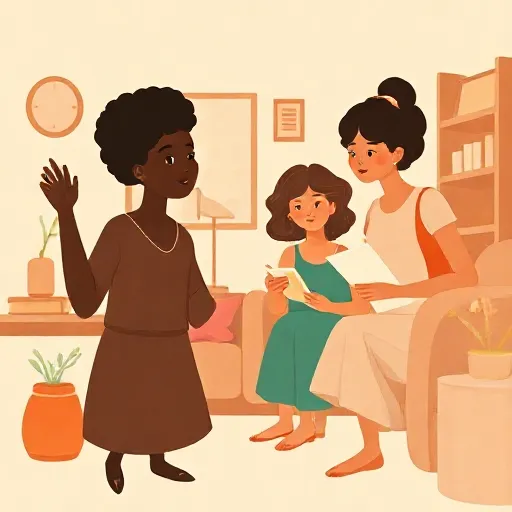
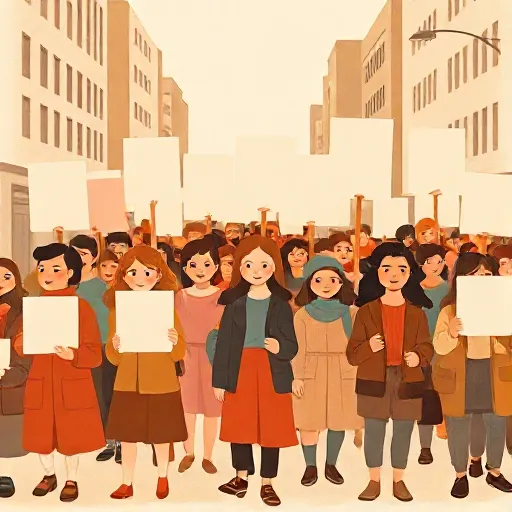
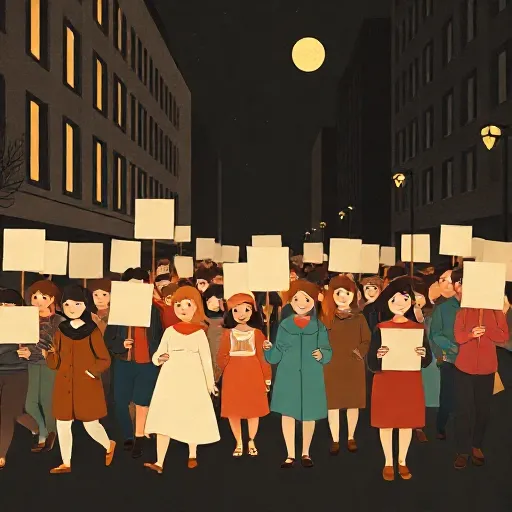
In 1977, in a crowded apartment in Boston, a small group of Black women did something radical. They talked. They shared stories about what it was like to be both Black and female in a society that often ignored them or told them to be quiet. They noticed that when they were girls, adults had scolded them to behave like “ladies” and, in the same breath, to be less noticeable to white people. The group called themselves the Combahee River Collective, and they realized that their personal frustrations were not just private problems. They were political. From this meeting, they wrote a statement that launched one of the most powerful and controversial ideas in modern politics: identity politics.
Identity politics is a way of organizing that starts from the idea that certain social groups—like women, African Americans, gay people, or disabled people—suffer specific kinds of injustice because of who they are. These injustices can include being stereotyped, made invisible, exploited, or pushed to the margins of society. Identity politics says that rather than hiding those differences, or asking to be accepted “in spite of” them, you can reclaim your group identity. You can turn a label that was used against you into a source of strength and demand that others respect you because of your difference, not in spite of it.
But that raises a huge philosophical question: what exactly is an “identity”? Is it a deep, unchanging part of you, or something society creates? And can building a political movement around it truly set you free, or does it end up trapping you inside a box you never chose? Those are the questions that have made identity politics one of the most heated debates in philosophy.
Turning a Badge of Shame into a Source of Pride
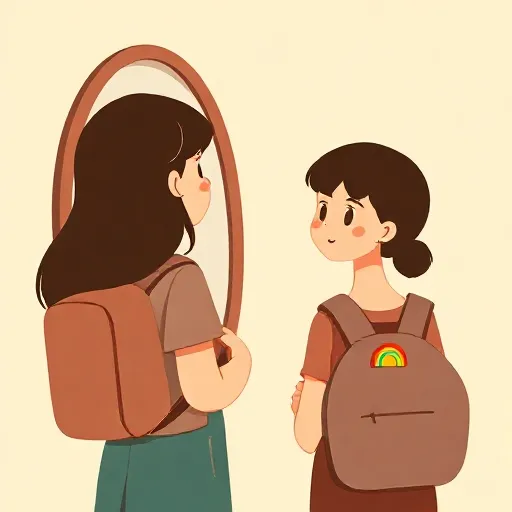
For many activists, identity politics felt like a breakthrough. It told people from marginalized groups: you do not have to hide. The philosopher Charles Taylor (born 1931) argued that modern people feel a deep need to live authentically—to be true to some inner voice that says who they really are. Identity politics took that idea and applied it to entire groups. Instead of a single person finding their own path, a whole community could say, “We are not the negative stereotype. Our identity is ours to define, and we demand respect on our own terms.”
The political theorist Sonia Kruks captured this shift clearly. Earlier struggles often said: treat us equally because we are all human. Identity politics said something different: treat us equally because we are Black, or because we are women, and our differences matter. That was a bold move. It refused to see difference as a flaw. It insisted that being part of a group that had been put down could be the very source of political power. For many, this turned a lifetime of shame into pride.
Wait—Which Part of You Counts?
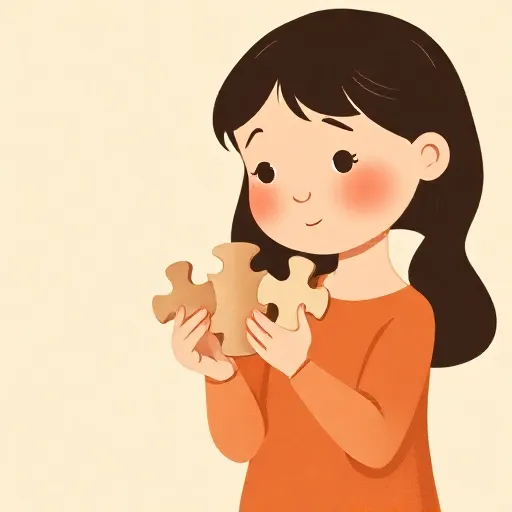
But almost immediately, a problem emerged. People are never just one thing. A Black woman might experience racism and sexism in ways that cannot be pulled apart. The legal scholar Kimberlé Crenshaw (born 1959) gave this a name: intersectionality. Her point was that identities like race and gender intersect like roads crossing, creating a unique spot that cannot be described by looking at either road alone.
This created a major challenge for identity politics. If a movement says “we are women,” who exactly is the “we”? In the 1960s, some white, middle‑class feminists argued that women’s main problem was being stuck at home, and that the solution was to get out into the workplace. The Black feminist bell hooks (1952–2021) pointed out that many Black women and working‑class women had always worked—often in other people’s homes. A message that sounded freeing to some women simply erased the experience of others. So identity politics, when it sticks to a single group label, can end up speaking only for the most privileged members, leaving everyone else invisible. The philosopher Kwame Anthony Appiah (born 1954) warned that this could become a new “tyranny,” forcing people inside a group into a single story of who they are supposed to be.
What If Identity Is Just a Performance?
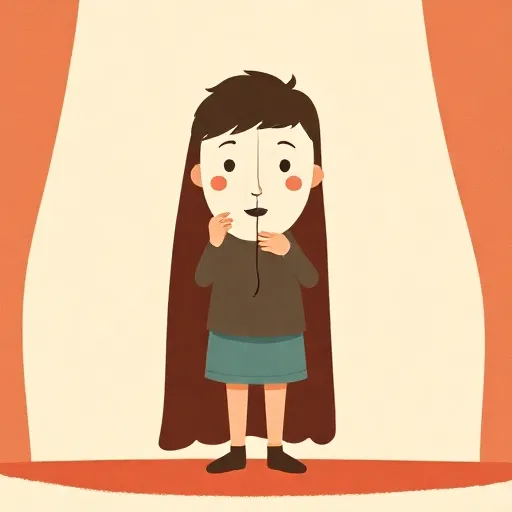
Some philosophers pushed the critique even deeper. What if there is no fixed, natural identity at all? Judith Butler (born 1956) argued that gender is not an inner fact but something you repeatedly do—a kind of performance that you learn, rehearse, and repeat. In their book Gender Trouble (1990), Butler suggested that even the categories “man” and “woman” are not eternal truths but effects of social rules. The historian Michel Foucault (1926–1984) had made a similar claim earlier: the very idea of “the homosexual” as a distinct type of person, he argued, was invented in the 19th century. Before that, same‑sex acts existed, but people did not think of them as revealing a special kind of human being.
If identities are made rather than found, then appealing to a “true” identity can backfire. It might simply lock you into the very categories that were used to oppress you. The political theorist William Connolly (born 1940) added that every identity defines itself against an other—we know who we are by seeing who we are not. This can easily turn difference into something evil or inferior, which keeps the old hierarchy in place, just with a new name. So identity politics might, without meaning to, strengthen the very system it wants to overthrow.
Why So Many People Are Angry at Identity Politics
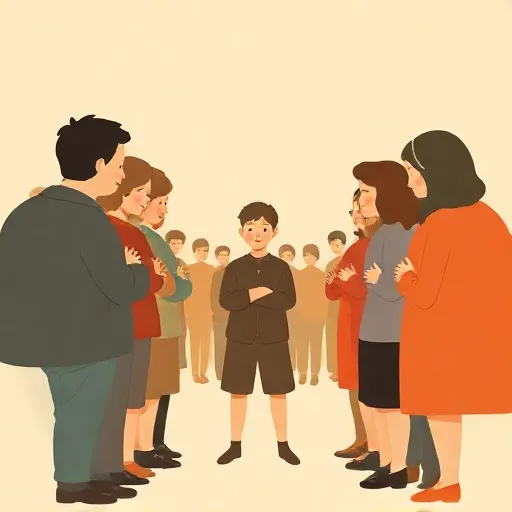
Since the 1990s, “identity politics” has become a favorite target for critics of all stripes. Liberal thinkers like Francis Fukuyama (born 1952) argue that the left’s focus on minority identities has distracted from fighting economic inequality and has even fed right‑wing nationalism, which proudly champions its own white, Christian identity. Leftist critics like Olúfémi Táíwò (born late 20th century) claim identity politics has been captured by elites who use it for their own careers while ignoring poor and working‑class people. The philosopher Nancy Fraser (born 1947) pointed out a deep tension between recognition—demanding that your group’s uniqueness be valued—and redistribution—taking wealth and power away from those who have too much. Sometimes, getting recognized as a distinct group can mean accepting your group’s lower place, rather than ending inequality altogether.
Defenders of identity politics respond that this is a false choice. Movements like Black Lives Matter or #MeToo never separated identity from economics; they have always shown how racism and sexism shape who gets paid less and who gets locked up. The debate, far from settling down, has only grown more tangled. The same words are used as an insult and as a banner of hope.
What This Means for You

Every day, without anyone asking your permission, people sort you into boxes: “the sporty kid,” “the quiet one,” “the kid from that neighborhood.” Sometimes you are treated differently because of how others see your race, your gender, your body, or where your family came from. Identity politics asks the same question that those Boston activists asked in 1977: should you own that box and make it a source of pride, or should you try to break free of all boxes? There is no clean answer. Philosophers have given us tools, though. You can remember that being true to yourself might mean reshaping what the group even means—not just accepting a ready‑made label. And you can hang on to the insight that you are always more than any single word can capture. That tension—between taking pride in who you are and refusing to be trapped by it—is the place where the real thinking begins.
Think about it
- If your classmates always treat you as “the smart kid,” would joining a club for “smart kids” make you feel proud or would it make the label harder to escape?
- Some people worry that celebrating what makes your group different can accidentally push other groups away. Can you think of a time when being proud of your own group slipped into putting someone else’s group down?
- If you could pick one word to describe a part of yourself that no one else uses, what would it be—and do you think that word could ever become the center of a political movement? Why or why not?