How a House Full of Women Changed Philosophy (and Why It Matters)
A philosopher moves into the neighborhood
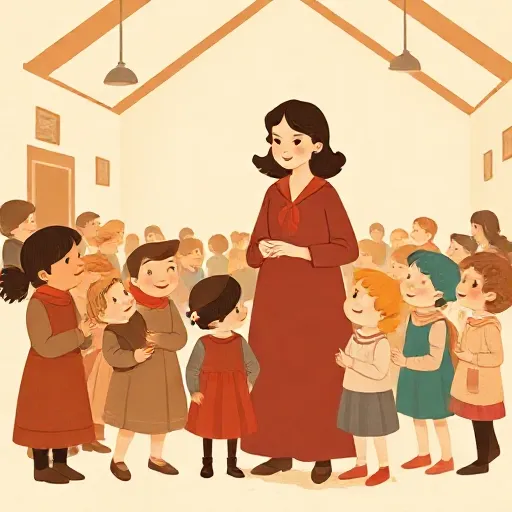
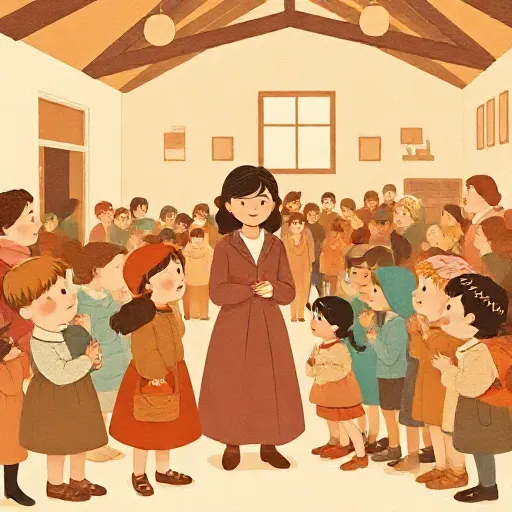
In 1889, a college-educated woman named Jane Addams (1860–1935) moved into a run-down mansion in one of Chicago’s poorest immigrant neighborhoods. She called it Hull House. There was no university office, no lecture hall. Instead, there was a kindergarten, a public kitchen, a labor museum, and a constant stream of neighbors who needed help. Addams and the other women who lived there weren’t just doing charity. They were doing philosophy — but not the kind you find in dusty textbooks.
Addams and her partners were inventing a way of thinking called pragmatism. Pragmatism says ideas should be tested by what they do in the real world. Truth isn’t something you just find in your head; it grows out of action, conversation, and messy everyday life. Today we remember the men of pragmatism — John Dewey, William James — but we nearly forgot the women who shaped it first. Their story is about what happens when you take philosophy out of the library and onto the streets.
The missing philosophers

Addams wasn’t alone. A whole generation of women worked as philosophical activists in the early 1900s. Some, like Mary Parker Follett (1868–1933) and Emily Greene Balch (1867–1961), studied at Harvard with the famous male pragmatists. Others, like Charlotte Perkins Gilman (1860–1935) and Anna Julia Cooper (1858–1964), wrote books and gave lectures that shaped public thinking about women, race, and democracy. Florence Kelley (1859–1932) fought to end child labor; she argued that real freedom requires laws protecting the well-being of all citizens, not just individual rights. These women were public intellectuals, but they rarely held university positions. They ran settlement houses, organized labor unions, and led international peace movements. Addams and Balch both won the Nobel Peace Prize.
So why don’t we hear about them? For most of the 20th century, the history of philosophy was written as if only men mattered. As professional philosophy became more technical and academic, the hands-on work of these women was dismissed as “not real philosophy.” Charlene Haddock Seigfried’s 1996 book Pragmatism and Feminism began digging them back up. Scholars found that the women weren’t just admiring followers — they were original thinkers who pushed pragmatism in new directions.
Re-reading the men through a feminist lens

Feminist philosophers also started looking closely at the male pragmatists’ writing. They found something strange. William James (1842–1910) championed free will, but he never noticed that his freedom depended on his wife and mother doing all the housework. John Dewey (1859–1952) supported many feminist causes and was deeply influenced by Addams and his wife Alice Chipman Dewey (1858–1927). Yet even his books sometimes slipped into treating a male perspective as the universal human experience. These critiques don’t mean we should throw out James or Dewey. They help us see how gender bias can hide in plain sight — even in the work of thinkers we admire. As philosopher Patricia Hill Collins notes, recovering the women and re-reading the men yields “new insights about the substance of pragmatism itself.”
Experience isn’t a dirty word

Traditional philosophy often valued pure reason over messy bodies, emotions, and experience. Many philosophers wanted eternal, logical truths — like a perfect triangle you can only imagine. Pragmatist feminists flipped this. They argued that epistemology, the study of how we know things, must start from lived experience. Jane Addams said we often don’t understand a problem until we get close to the people living it. She told reformers to “move with the people” and discover what they really want, instead of handing down answers from above. This idea is now central to a lot of feminist thinking: knowledge is situated — it depends on where you stand and what you’ve lived.
These women also rejected the sharp split between mind and body, theory and practice. John Dewey critiqued a philosophy that put pure thinking above making things with your hands. Feminist pragmatists added that this ranking often maps onto gender: men were associated with abstract reason, women with supposedly lower bodily and emotional life. By treating experience as a legitimate source of knowledge, they opened the door for marginalized voices. As contemporary philosopher Shannon Sullivan puts it, knowing happens in relationships, through our bodies, and across differences — including “multiple marginalized perspectives.”
Democracy is something you do, not just something you vote for
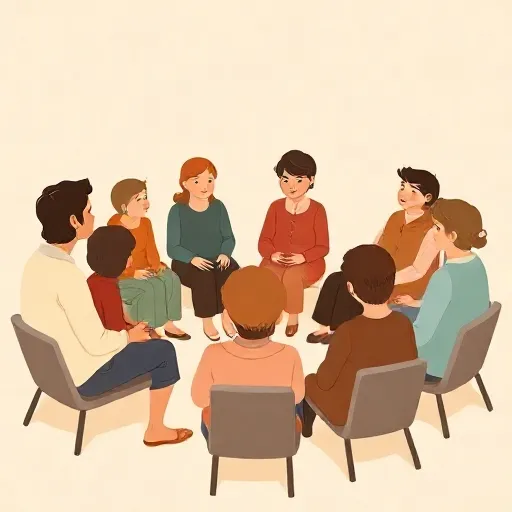
Addams didn’t think democracy was just about elections. She saw it as an ethical way of living together. In her 1902 book Democracy and Social Ethics, she argued that we have a moral obligation to mix with people whose lives are different from our own. Real understanding comes from “mixing on the thronged and common road,” not from staying in our separate bubbles. Mary Parker Follett took this further. She said voting alone can’t change society. People must work together in small, diverse groups to solve problems through dialogue. She rejected compromise — which often feels like losing — and instead championed integration: finding a new solution that nobody had thought of before, forged by the process of really listening to each other.
This focus on pluralism, the idea that many different perspectives make a community wiser, runs through all of feminist pragmatism. It’s not just about tolerating difference. It’s about seeing the “Other” — someone unlike you — as a resource, not a threat. Early pragmatist feminists fought against racism and classism as part of the same struggle for democracy. Addams and Kelley helped found the NAACP. Anna Julia Cooper, a Black educator and philosopher, wrote powerfully about the double oppression of race and gender, laying groundwork for what we now call intersectionality.
Why you should care now
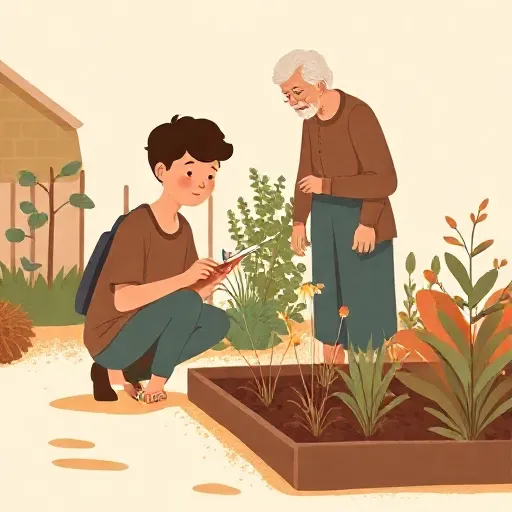
You might never read a 19th-century philosophy book. But the ideas of these women are still alive — in your classroom if you do hands-on projects, in community gardens that bring strangers together, in student-led efforts to solve problems at school. Pragmatist feminists insisted that you can’t fix a neighborhood without listening to the people who live there. You can’t design a fair policy if you only hear from experts. Contemporary educators, community organizers, and people working on “wicked problems” like climate change now use this approach. They call it place-based learning or collaborative action.
The women who built Hull House believed philosophy begins when you hit a “perplexity” — a moment where your old ideas don’t work and you have to think again. That’s exactly what happens in your life: when two friends disagree and you have to find a new way forward. That’s pragmatism, and it’s always been a job for everyone, not just for people in ivory towers.
Think about it
- Jane Addams thought you should listen to people affected by a problem before trying to solve it. Can you think of a time when a grown-up tried to fix something for you without asking what you actually needed? What went wrong?
- If philosophy can be done through action — like running a community kitchen — does that mean anyone can be a philosopher? Or do you need special training?
- Imagine your school wants to change the lunch menu. Using the pluralist, dialogic approach of feminist pragmatists, how would you make sure every student’s voice is heard, not just the loudest ones?