Why Do People Stand Together? The Puzzle of Solidarity
The Shipyard Workers Who Said “Together”
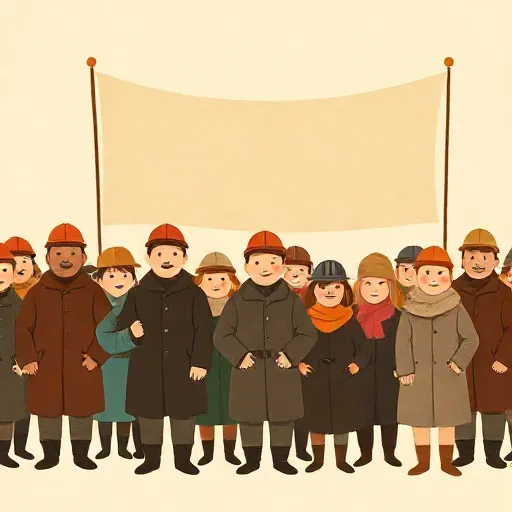
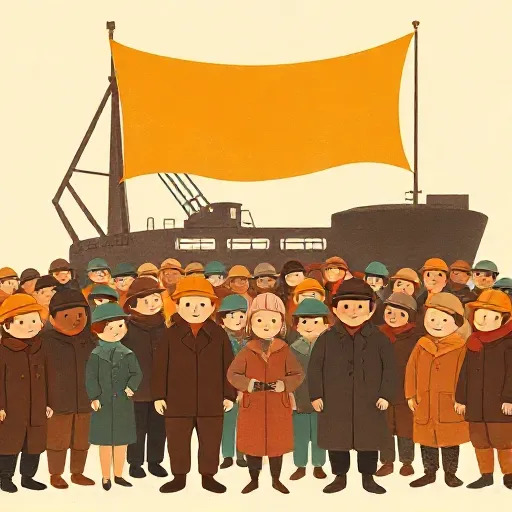
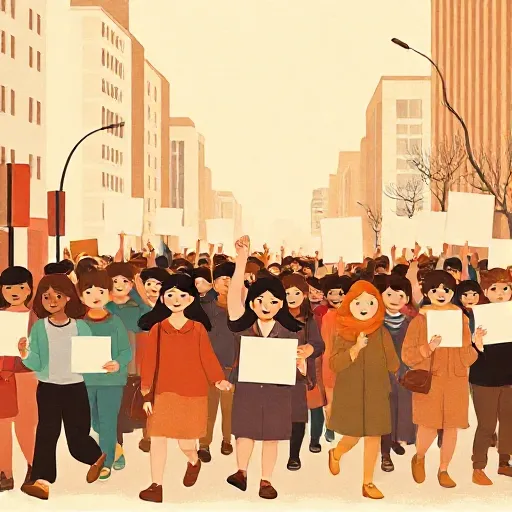
In August 1980, workers in the shipyards of Gdańsk, Poland, went on strike. They weren’t just demanding better pay. They formed a huge labour union and called it Solidarność — Solidarity. They linked arms across the country to fight an oppressive government. Why did they choose that word? What made their bond more than teamwork?
The idea of solidarity pops up everywhere: when fans shave their heads to support a friend with cancer, when strangers send money after an earthquake, or when students walk out of class to protest an unfair rule. But what really counts as solidarity? Does it always have to be a two-way street? Philosophers have been arguing about this for centuries.
Two Kinds of Standing Together
Imagine your soccer team. Before a big game, everyone huddles and shouts. You share a club, a common goal, and you are ready to help each other on the field. That is solidarity among — a bond inside a group whose members see each other as equals and depend on one another.
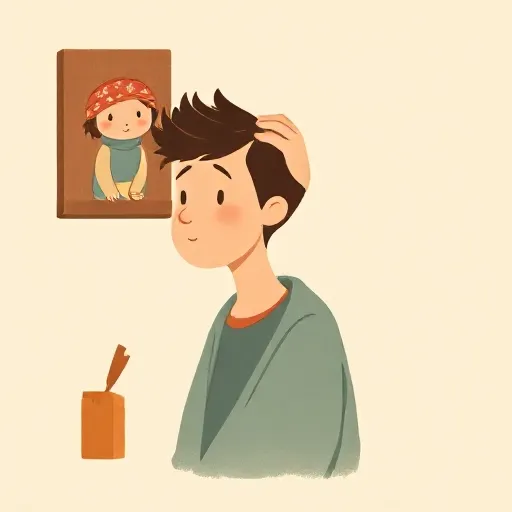
Now imagine you hear about an earthquake in another country. You cannot fly there, but you send money to a relief organization. You feel a duty to help those victims, even though they will never know your name or help you back. Philosophers call this solidarity with — one person reaching out to someone else who might not even be part of the same group.
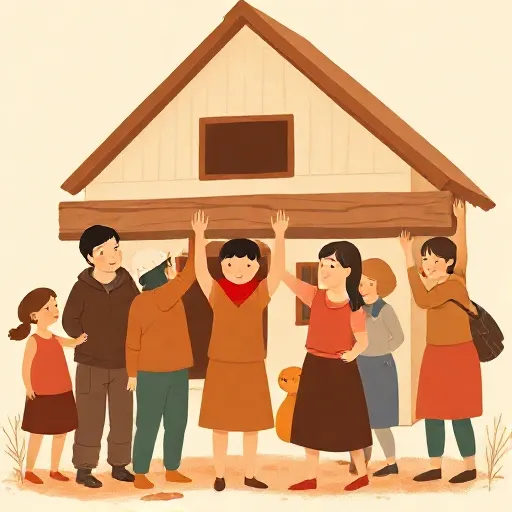
Solidarity among is a two-way street: coal miners who refuse to work until every miner gets safer conditions; neighbours who rebuild a village after a fire, each carrying bricks and cooking meals. Solidarity with is often a one-way gift: shaving your head because your classmate is going through chemotherapy; mailing a donation after a hurricane. The helper acts, but the person being helped may not even be aware of it, let alone return the favour.
This split creates a deep puzzle. Is one-sided support real solidarity, or just charity? Some philosophers say solidarity must be mutual — otherwise it loses the flavour of equality and shared effort. Others argue that the most powerful solidarity happens when the privileged stand beside the oppressed without expecting anything back.
What Counts as Real Solidarity? A Fight Among Philosophers
Avery Kolers, a philosopher writing in the early 21st century, argues that genuine solidarity is always one-sided in an important way. When a powerful group (say, straight people) supports a disadvantaged group (say, LGBTQ+ people), they should not decide the goals. Instead, they must listen and follow the lead of the group they want to help. For Kolers, solidarity means deferring to those who know the struggle best. The helper does not set the agenda; the group being helped does. This prevents well-meaning allies from accidentally reproducing old patterns of power.
Andrea Sangiovanni, another contemporary philosopher, disagrees. He thinks solidarity is always a collective action — something a group does together, not a solo act. In his view, solidarity requires that people identify with one another, share a goal, trust each other, and act jointly to overcome some shared hardship. A village that rebuilds itself after a flood shows solidarity; someone who simply sends a cheque from a safe distance does not. The village works as one team, and nobody can opt out of the shared effort. Even mafia members can be in solidarity with each other, Sangiovanni says, because they face dangers together and rely on mutual loyalty. That is a dark example, but it captures the core: solidarity is a kind of joint action against adversity.
Other philosophers add that solidarity also needs loyalty and mutual trust. You cannot just share an identity and ignore each other; you must be prepared to sacrifice for one another. A book club might feel like a group, but unless its members are ready to stand up for each other when trouble strikes, we probably wouldn’t call it solidarity.
So the battle lines are drawn. Is solidarity essentially a two-way street, a shared struggle with no passive members? Or can one person stand in solidarity without ever shaking the other’s hand?
From Coal Mines to Classrooms: Solidarity in Action
The word “solidarity” first took off in the 1800s, when workers in factories realised they shared the same miserable conditions. French socialists like Robert Owen (1771–1858) and Charles Fourier (1772–1837) argued that the competitive market made people selfish and poor. The only cure was for workers to band together in mutual-aid societies — what they called “solidarity.” Karl Marx (1818–1883) rarely used the term in his big books, but he praised it in speeches: the revolution must be carried out with solidarity, he said. The whole idea was that the working class, by sticking together, could overthrow an unfair system.
Later, the concept spread to nation-building and welfare states. Léon Bourgeois (1851–1925), a French prime minister, argued that everyone in a society owes a debt to past generations and to those who keep the economy running. Therefore, citizens should share risks through public health, pensions, and education. He called this “civic solidarity.” For him, it was a bond not of blood but of interdependence.
In the 20th century, solidarity became central to social movements. Black Americans fighting racism had to decide: what should black solidarity be based on? Some black nationalists said a shared culture and history as a “nation within a nation” was necessary. Others, like the philosopher Tommie Shelby, argued that a thin bond of shared anti-black oppression was enough. A similar debate rocked feminism. Were women united by a common experience of being a woman, or was that idea too narrow? White middle-class women’s experiences, critics pointed out, often sidelined the voices of women of colour, working-class women, and transgender women. So grounding sisterhood in a single story of “womanhood” risked excluding many. Instead, some feminists proposed building solidarity around a shared commitment to fight patriarchy, not around a fixed identity.
In each case, the question was the same: what ties us together enough to stand up for each other — and who gets left out?
The Value of Sticking Together — Even When You Lose
Solidarity clearly helps groups reach goals. Striking workers win better wages; neighbours rebuild faster; protest movements pressure governments. That is its instrumental value — it works like a tool.
But many philosophers say solidarity has value beyond just getting results. Imagine a group of low-paid farmworkers who organize to demand fair treatment. They fail; the employer refuses to listen. Was their solidarity worthless? Most people feel that the act of standing together, the trust they built and the courage they showed, was still something good in itself. Even futile solidarity can be a kind of achievement. The workers refused to accept injustice alone — and that refusal matters regardless of the outcome.
There is another, more personal kind of value. When you share a hard struggle with others, you learn to rely on them and they on you. The shared effort itself can feel meaningful, like a hard-fought game where even losing can bring teammates closer. This collective agency — doing something together that none of you could do alone — has its own worth, provided the goal is worthwhile. Solidarity, then, is not just a useful habit; it can be a good way of living.
The Dark Side of Solidarity
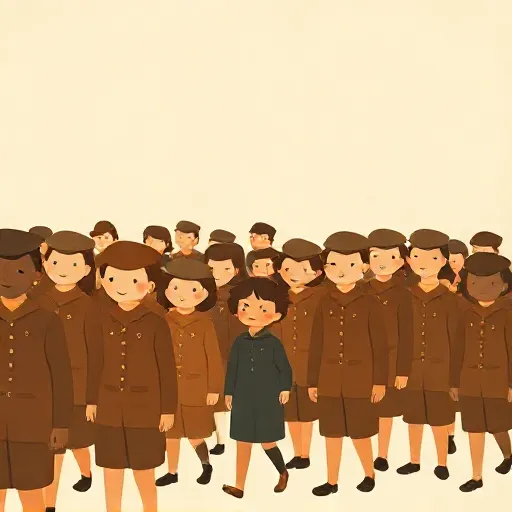
For all its power, solidarity has a dangerous face. Critics have pointed out three big worries.
First, liberty. The philosopher Judith Shklar (1928–1992) warned that movements preaching unity can crush individual freedom. When a group demands that everyone think alike and act alike, members who disagree may be silenced. Solidarity can turn into peer pressure on a massive scale.
Second, exclusion. Solidarity often creates an “us.” But every “us” has a “them.” If a community of workers wins benefits only for its own members, does that leave outsiders worse off? Some argue that special duties to our in-group act like a “moral tax shelter” — we give more to our own and less to strangers, even when those strangers are more in need. However, supporters of solidarity reply that many solidarity movements are precisely about including the excluded — fighting oppression, not building walls.
Third, false beliefs. Solidarity can sometimes rely on myths. Nationalist solidarity often asks people to believe in a glorified past that never existed. Even in social movements, the pressure to see only what unites a group can hide real differences. For instance, if black solidarity is built purely on shared racial identity, it might ignore deep divisions of class or gender. Yet defenders of solidarity note that it can also be a way to discover truth. When people facing similar hardships share their stories, they help each other understand the shape of the oppression — this has been called “epistemic solidarity.”
These challenges don’t mean we should abandon solidarity. But they remind us to ask hard questions: solidarity for what, with whom, and at what cost?
Why This Matters to You
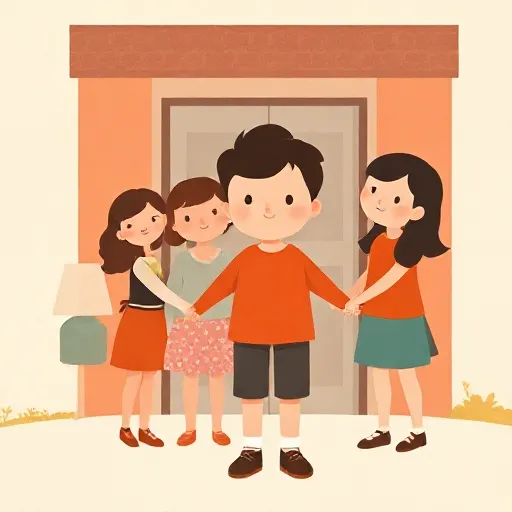
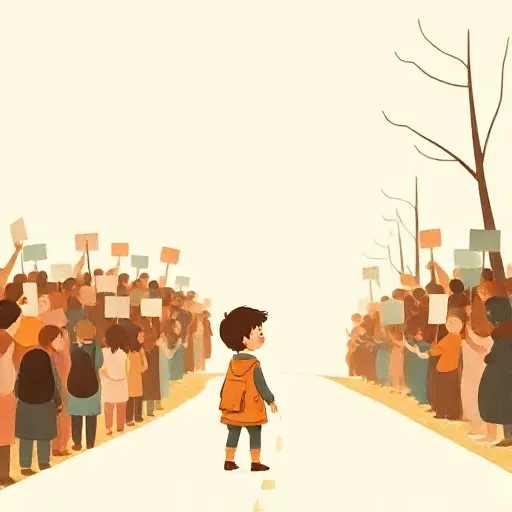
The next time you see a protest on the news, or your friends rally around a classmate who is being bullied, you are watching solidarity in action. Deciding when to join, when to speak up, and how to be a good ally all turn on the puzzles we have explored. Is it enough to post a hashtag, or does real solidarity require showing up in person? When you stand with a group you are not a part of, should you try to lead or listen?
Philosophers will keep debating whether solidarity must be mutual or can be one-way, whether it needs shared pain or just a shared goal. But one thing is clear: solidarity is not just a warm feeling. It is a choice to bind your fate to others and act together. It can reshape a classroom, a community, or even a whole country — and that makes it worth understanding.
Think about it
- If you donate money to help people in a distant country after an earthquake, are you in solidarity with them? What if they never know about it?
- A group of students starts a campaign to change a school rule they think is unfair. Some join only because their friends are in it, not because they care about the rule. Are they in solidarity? Why or why not?
- Can a person who has never faced racism stand in solidarity with an anti-racist movement? What would they need to do for their support to count as real solidarity?