What Do You Owe a Stranger 5,000 Miles Away?
The Pond and the Child Across the Ocean

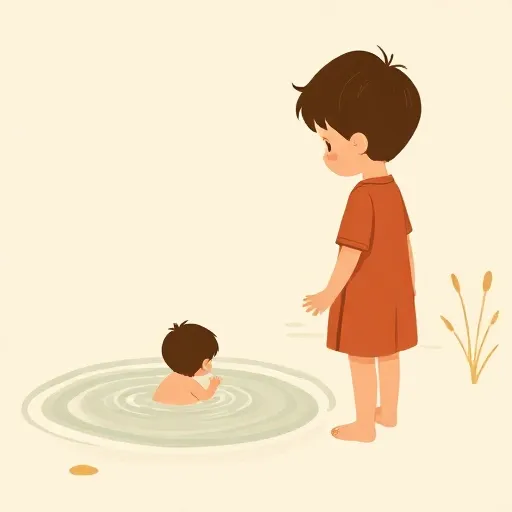
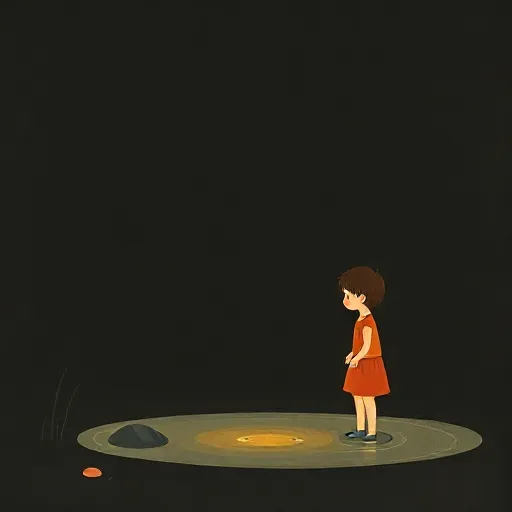
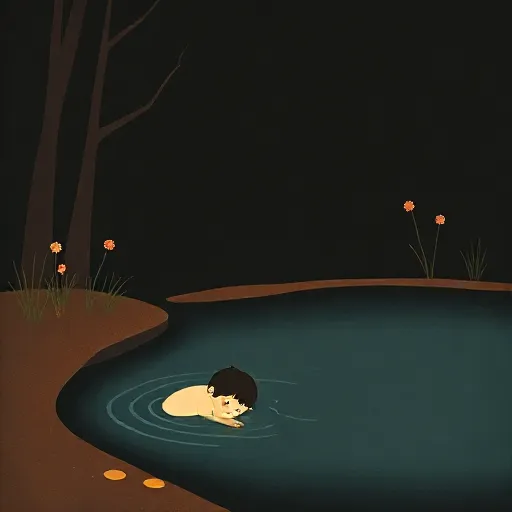
Imagine a warm afternoon. You are walking by a shallow pond when you notice a small child face-down in the water, struggling. You could easily wade in and pull the child out, but doing so would ruin your new shoes. Almost everyone says you must save the child. Your shoes matter far less than a life.
The philosopher Peter Singer (born 1946) uses this story to ask a harder question. What about a child starving to death in a country thousands of miles away? For the cost of those shoes — or a few pizzas you don’t really need — you could send money that keeps that child alive. Singer argues that distance does not weaken your duty. If you would save the child at your feet, why wouldn’t you save the child beyond the horizon?
This question lies at the heart of global justice. It asks what human beings owe each other, not just as citizens of the same country but simply as people who share a planet. It looks beyond national borders and wonders whether fairness stops at the passport check.
What Is Global Justice? The Big Picture
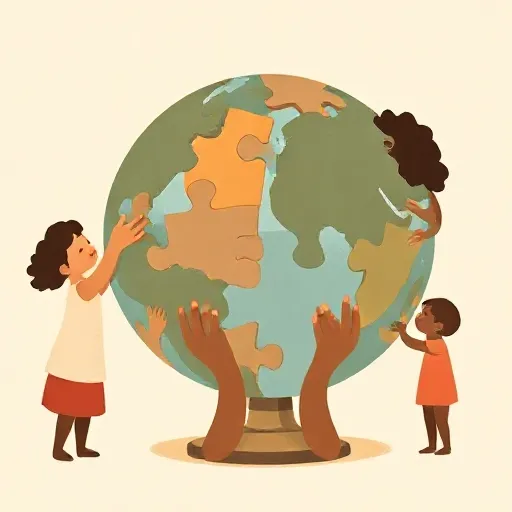
Global justice starts with a simple thought: every human being matters. Not just the people in your town, your school, or your country. All of them. So if children are going hungry in one part of the world while in another part people throw away food, a global justice thinker wants to know whether that is wrong — and if it is, who should fix it.
There is an older, narrower approach called international justice. That approach treats countries almost like big people: justice is about what one nation owes another. Global justice drills through the state shell. It looks directly at individuals — you, a farmer in Kenya, a factory worker in Bangladesh — and asks what a fair arrangement looks like among all of you, no matter whose flag you live under.
Global justice problems have a special shape. They usually cross borders, or they can’t be solved without cooperation among multiple countries. Climate change, disease outbreaks, and the rules of world trade are all global justice problems. The questions they raise are practical: Should rich countries take in more refugees? Should you feel guilty buying a cheap T-shirt stitched by someone who earns pennies? Should a country that pollutes more pay more to protect the planet? To answer them, you need a theory of what justice demands on a world scale.
Cosmopolitan vs. Nationalist: Who Are “Our People”?
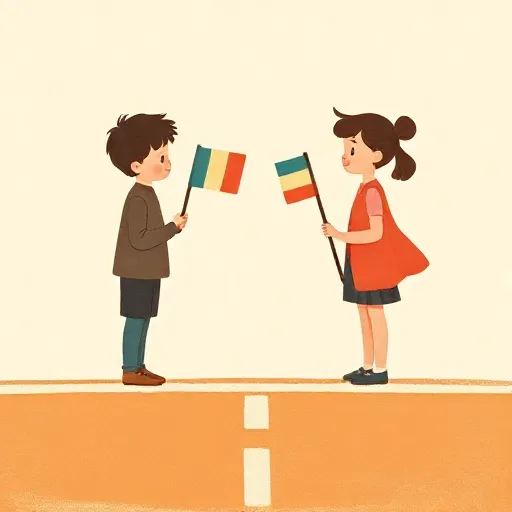
If global justice asks you to treat faraway strangers as counting equally with your neighbors, many people feel a pull in the opposite direction. We love our families, our friends, our communities. Does the same sense of duty really extend to someone you’ll never meet?
Thinkers who say “yes” are called cosmopolitans, from the Greek words for “citizen of the world.” The ancient philosopher Diogenes is often called the first cosmopolitan because he insisted he belonged to the whole world, not just one city. Modern cosmopolitans like Martha Nussbaum (born 1947) argue that we are all members of a global human community. Our loyalties to our own country can be real, but they shouldn’t make us forget the wider network of relationships that connect us to people everywhere. Thomas Pogge (born 1953) adds that when institutions like trade and finance rules shape lives globally, the people who design those rules must consider everybody’s interests equally — not just their own nation’s.
On the other side, nationalists argue that national ties are morally special. David Miller (born 1946) believes that sharing a nation with others gives you a deep bond: a shared history, culture, and political project. Those bonds create stronger duties to fellow citizens. Some nationalists also make a practical point: in a world with so much need, it’s helpful to assign clear responsibilities. If each country takes care of its own, the work gets done. Treating everyone identically could make the duties so vague that nobody acts.
Cosmopolitans reply that many of the biggest problems — pandemic diseases, carbon in the atmosphere, exploitative labor — don’t stay inside borders. If you only look after your own backyard while your factory smoke poisons someone else’s air, that’s not neutrality. The argument is very much alive.
Rawls’s Bold Claim — And Why Critics Push Back

One of the most influential modern philosophers, John Rawls (1921–2002), wrote a whole book about what he called The Law of Peoples. Rawls argued that as long as every society has decent institutions that let citizens live a minimally good life, huge gaps in wealth between countries are not morally troubling. Why? Because he believed the main causes of a country’s prosperity are local: the quality of its political culture, the honesty of its leaders, the cooperativeness of its people. Resources, he thought, matter much less than good institutions. So simply moving money from rich to poor countries won’t solve the real problem.
Many critics find this picture incomplete. Thomas Pogge points to international rules that stack the deck. Two of them are especially important. The international borrowing privilege means that any group that seizes power in a country can borrow money in that country’s name, and the whole nation is expected to repay the debt — even if the money was stolen. The international resource privilege lets whoever holds effective power sell the country’s oil, diamonds, or minerals, and the world recognizes the sale as legitimate. These privileges, Pogge argues, create horrific incentives: they reward violent coups and deeply corrupt rulers, while the global rich benefit from cheap resources and debt repayments. So the global order itself helps cause the poverty Rawls blames on local culture.
Defenders of Rawls reply that he wasn’t blind to these harms. They say his view is more careful than it first appears, respecting the different paths peoples may take to become decent societies. But the argument over whether poverty is mainly a home-grown problem or a product of international rules is one of the central fights in global justice.
So, What Do We Really Owe Each Other?
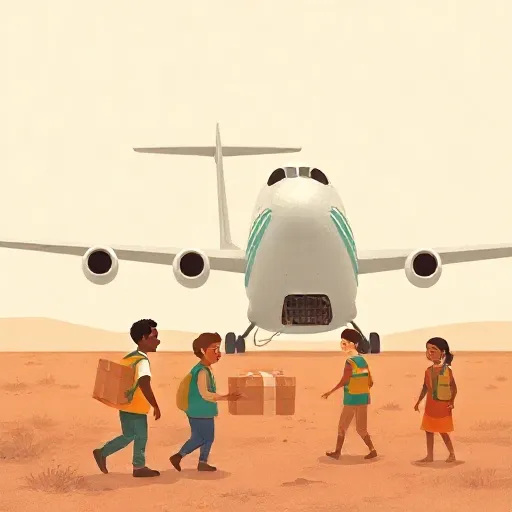
If you accept that duties reach across borders, the next question is: duties to do what? Three big answers compete.
First, Singer’s view: you are obligated to prevent bad things from happening whenever you can do so without sacrificing something of comparable importance. It doesn’t matter whether you caused the problem. If a child is starving and you can feed her, you should. The duty is grounded in your ability to help.
Second, Pogge’s view: the duty comes from harm. Because citizens of wealthy countries support a global order that predictably keeps millions in severe poverty — and because more just arrangements are feasible — they are not just failing to help; they are violating the rights of the poor. Pogge says we need to reform international institutions so they stop producing these massive human rights deficits. Human rights are the basic protections every person deserves, like access to food, water, shelter, and physical security. The philosopher Henry Shue (born 1940) argued that the right to subsistence is just as basic as the right not to be attacked — both require both positive action and refraining from harm.
Third, Martha Nussbaum developed the capabilities approach with the economist Amartya Sen (born 1933). Instead of counting income, it looks at what people can actually do and be: can they go to school, get health care, participate in political life, laugh, play, and live long enough to do those things? Nussbaum argues that every government should secure ten core capabilities for all its people, and the international community has a responsibility to support that. This approach gives a concrete list of what we owe: not just money, but real opportunities.
These three answers — capacity, harm, and capabilities — shape arguments about everything from vaccine distribution to sweatshops.
Why This Argument Is Sitting at Your Dinner Table
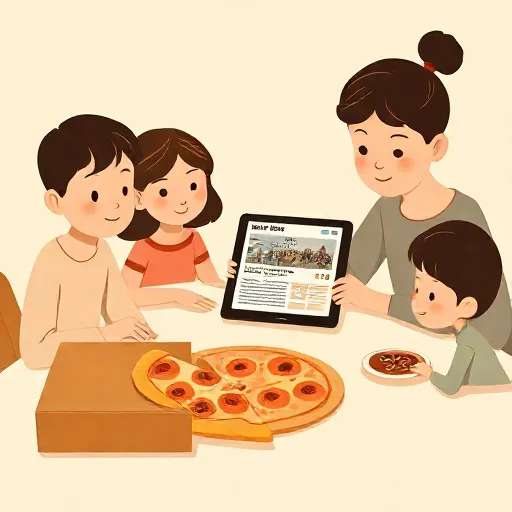
You might think these are professor debates, far from your lunch table. But global justice questions are already there when you choose what to buy, what to eat, and where your family’s money goes.
The phone in your pocket contains minerals that may have been dug from the earth in a war-torn region under violent control — that’s the resource privilege in action. The T-shirt you wear was probably sewn in a country where workers earn a few dollars a day, in conditions that would be illegal where you live. When you throw away food, you are part of a system where 1 billion people don’t get enough to eat while another part of the world wastes staggering amounts.
The planet is heating because of emissions built up over more than a century — mostly by today’s wealthy countries. Should the same countries that grew rich by burning coal now pay most of the cost of switching to clean energy, even if they didn’t fully know the harm they were causing decades ago? The Polluter Pays Principle says yes; others argue that ability to pay, or the benefits countries received, should guide the bill. How you answer shapes what kind of world you will inherit.
And when your parents decide whether to donate to a refugee charity or support a candidate with strict border policies, they are taking a position in the cosmopolitan-versus-nationalist debate. There is no escaping it. Global justice asks each of us to think clearly about what a fair planet looks like — and what, if anything, we plan to do about it.
Think about it
- If giving up a small luxury once a month could save a life far away, are you morally required to give it up, or is it just a nice thing to do?
- Should your country limit immigration to protect jobs for its own citizens, or should it keep borders more open because migrants are human beings with equal worth?
- When a company can make a phone cheaper by paying extremely low wages in another country, does the buyer share any responsibility for those workers’ lives?