How Do You Fight Oppression When You're Told to Be Quiet?
A nun who dared to think
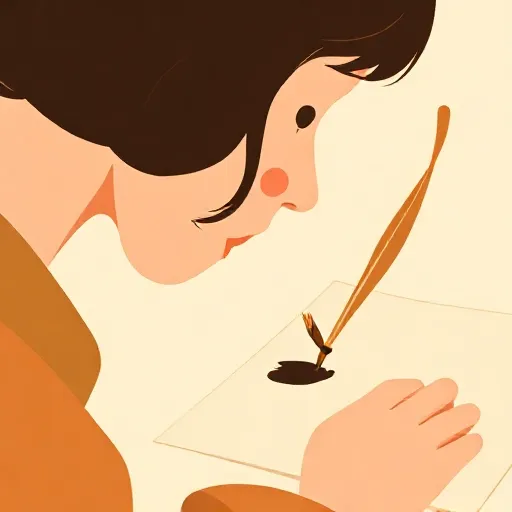
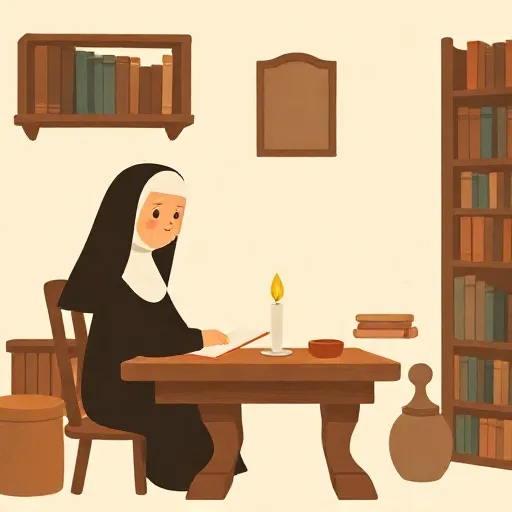
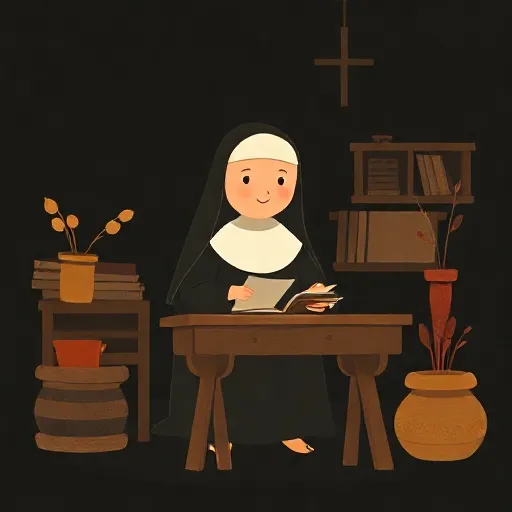
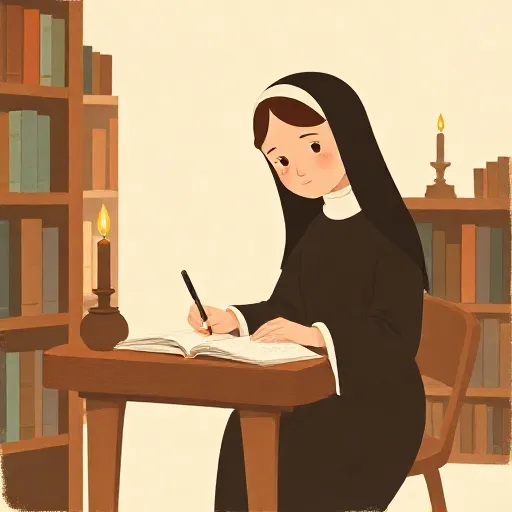
In 1667, a young woman in Mexico City entered a convent. She did not want to get married. She wanted to read, think, and write. Her name was Sor Juana Inés de la Cruz (1651–1695). She taught herself philosophy, science, and poetry, and she became one of the sharpest minds in the Spanish-speaking world. When church leaders tried to stop her from studying, she pushed back. She argued that since God gave women minds, they had just as much right as men to use them. Her courage made her an early feminist thinker.
But Sor Juana was not the first woman to resist. Long before her, Indigenous women like Anacaona, a Taíno chief, and Baraúnda, a Garifuna leader, fought against Spanish colonizers. Their stories were not written in books. They traveled as songs and legends, passed down through generations of women. Those voices helped plant a seed: women are not born to be silent. They are born to be seen, heard, and free.
Reading aloud, changing the world
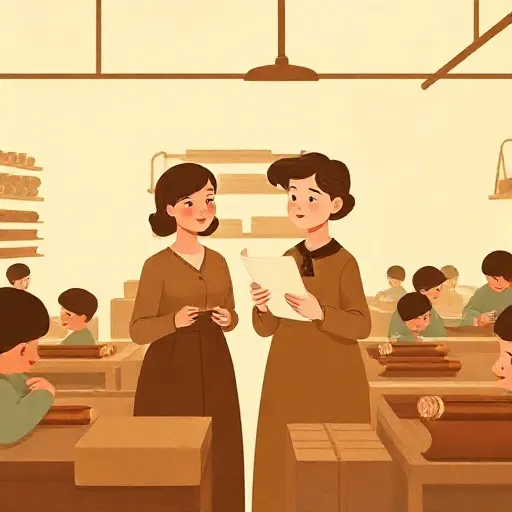
By the early 1900s, women across Latin America were stepping into public life. In Puerto Rico, Luisa Capetillo (1879–1922) worked in a cigar factory — not rolling cigars, but reading aloud to the workers as they labored. She read them newspapers, novels, and fiery political ideas. Capetillo believed that workers could not be free unless women were treated as equals. She called for anarchism, a world without rulers, and she challenged rigid gender rules by wearing men’s clothes in public.
Her feminism grew from the ground up. So did the ideas of thousands of other women. In 1916, Mexico held its first feminist congresses, where women openly debated the right to vote, access to education, and even abortion. Uruguay gave women the vote in 1932. Ecuador had already done so in 1929. Yet Paraguay would wait until 1961. These struggles were never only about the ballot box. They were about who gets to shape society — and whose voice counts.
The years of silence — and writing
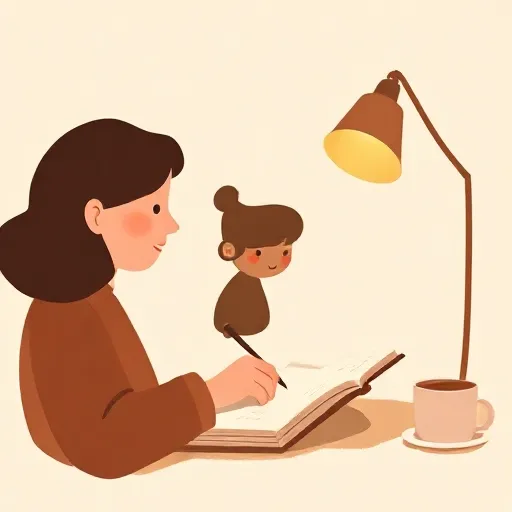
The middle of the 20th century was a harsh time in much of Latin America. Military coups, dictatorships, and U.S. interventions made open political protest dangerous. Feminism as a loud social movement went quiet — but women did not stop thinking. They wrote novels, poems, and essays that asked hard questions about gender, race, and nationhood.
Rosario Castellanos (1925–1974) of Mexico wrote a philosophy thesis in 1950 on whether women could create culture. She later became a beloved novelist, exploring the lives of Indigenous people and the weight of being a woman in a society ruled by men. For a long time, she was seen only as a literary figure. It wasn’t until after her death that her work was recognized as deep feminist theory. This period is now called the “years of silence,” but the silence was only on the surface. Beneath it, women were crafting a new kind of political voice — one that said the stories of everyday life matter.
Mothers, bodies, and demanding democracy
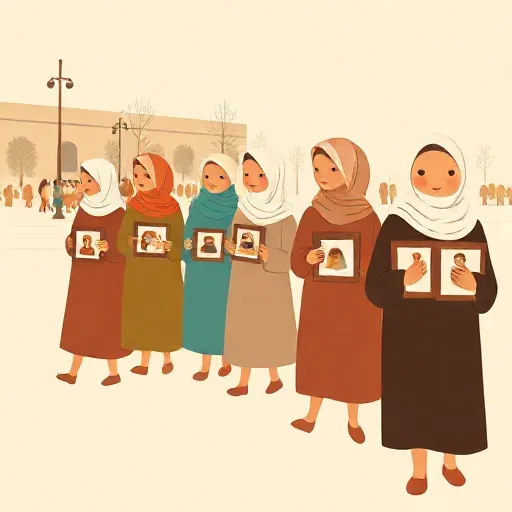
In the 1970s and 1980s, many Latin American countries were ruled by violent military regimes. People who opposed the government could be “disappeared.” In Argentina, a group of mothers started gathering in a public square, wearing white headscarves and carrying pictures of their missing children. They became known as the Mothers of the Plaza de Mayo. By refusing to stay quiet, they turned motherhood itself into a political act.
At the same time, a new wave of activists called neofeminism put women’s bodies at the center. They demanded the right to make choices about pregnancy, sexuality, and family — free from state control. Philosophers and organizers began using the word patriarchy to describe a system that gives men power over women in every part of life. Chilean feminist Julieta Kirkwood captured this vision with a simple goal: “Democracy in the country, in the house, and in the bed.”
In 1981, the first big regional gathering — the Encuentro — brought over two hundred women to Colombia. Fierce debates split the room. Should feminists work with leftist political parties, or stay fully autonomous — completely independent? One side feared that parties would push women’s rights to the back seat. The other side argued that feminism and the fight against poverty and dictatorship were one and the same. The argument was messy, but it made one thing clear: feminism was not one single thing. It was an evolving argument about power, freedom, and solidarity.
Gender takes over — and gets questioned
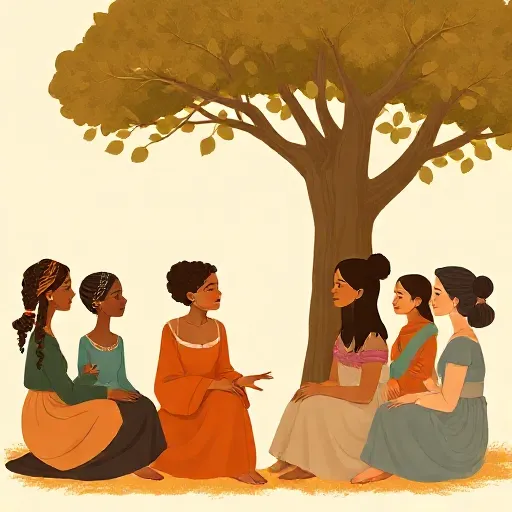
During the 1990s, many countries moved from dictatorship to democracy. Feminist ideas entered universities, government programs, and non-profit organizations. The old fight against patriarchy began to be replaced by a new focus: gender — a term imported from North American theory. In Spanish, the translation género was awkward, closer to “species” or “kind.” Some feminists worried that this softer language made it easier for governments to use feminist words without making real changes.
The real shake-up came from women who had long been pushed to the margins. Afro-descended feminists pointed out that mainstream feminism rarely talked about racism. Indigenous feminists argued that the fight for land, community, and survival was just as vital as the fight against sexism. Lesbian feminists insisted that treating heterosexuality as the only normal path made many women invisible.
In the early 2000s, thinkers like María Lugones (1944–2020) argued that colonialism created a racialized gender system — you cannot separate race from gender. Other scholars coined terms like Amefricanidad to honor the African and Indigenous roots of identity in the Americas. A new movement, decolonial feminism, insisted that you cannot uproot patriarchy without also uprooting the long shadows of slavery, conquest, and racism. The conversation grew louder, more crowded, and more honest.
Why it still matters: listening to every voice
Today, the right to abortion is still fiercely contested across Latin America. Violence against women remains devastating. But huge protests — like the “green wave” spreading from Argentina to Mexico — show that the energy has not faded. And the ideas born in convent libraries, cigar factories, and city plazas still echo.
What can you take from all this? When you think about fairness in your own life, ask yourself: whose voices are missing? Latin American feminism teaches us that justice is never one-size-fits-all. It is woven from many threads — gender, race, class, history. And the people who have been told for centuries to be quiet are often the ones with the sharpest things to say.
Think about it
- Why might a movement for women’s equality end up leaving out some women?
- If you lived in a society that denied you a voice, how might you make your ideas heard?
- Can a fight for justice be successful if it only focuses on one kind of unfairness and ignores others?